Imagine waking up to the sound of waves under your windows and the horizon filling every room. If you have been searching for a truly private way to live right on the Pacific, Malibu Cove Colony delivers a rare blend of seclusion and everyday convenience. You want the real feel of life here, the practical realities of owning over the water, and a clear plan for due diligence. This guide walks you through the day-to-day experience, architecture and upkeep, coastal rules, risks, and what to review before you buy. Let’s dive in.
Malibu Cove Colony at a glance
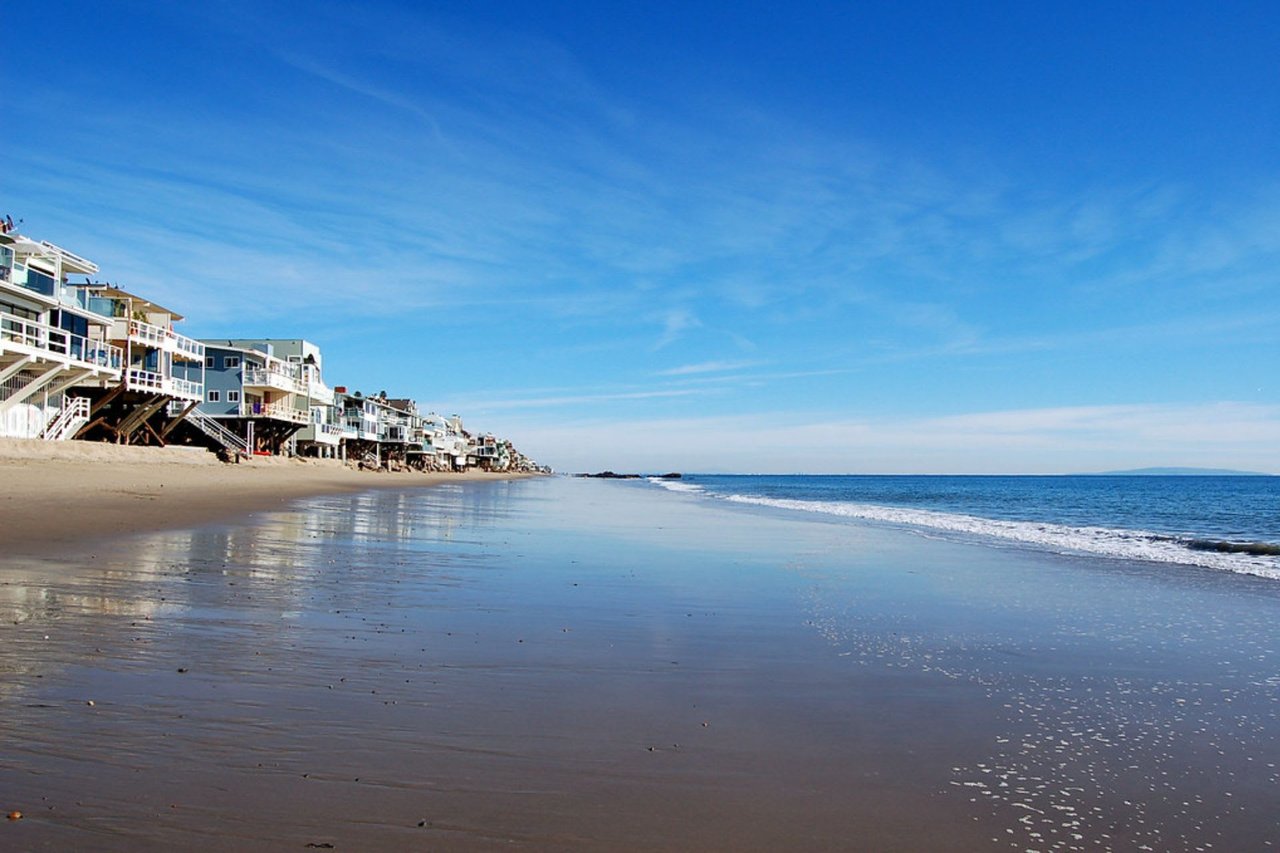
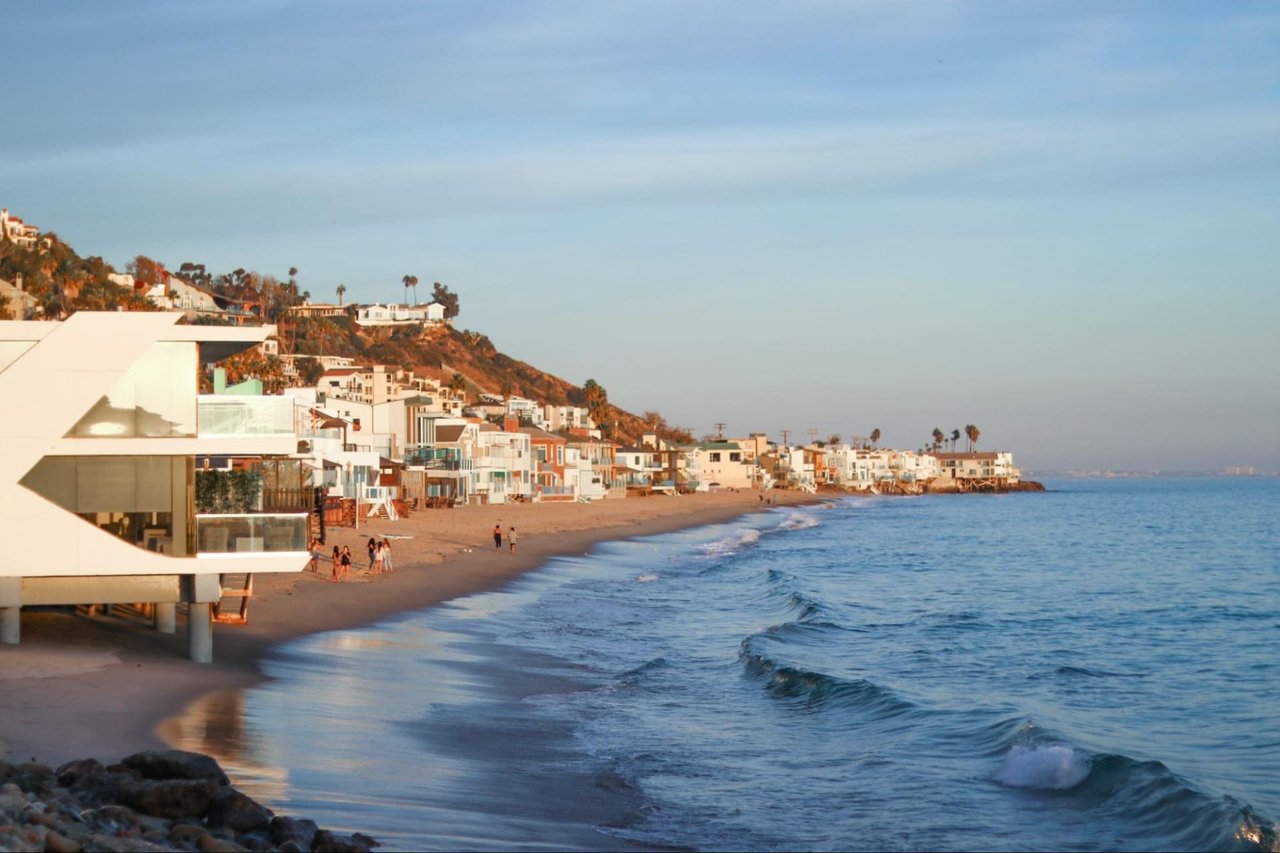
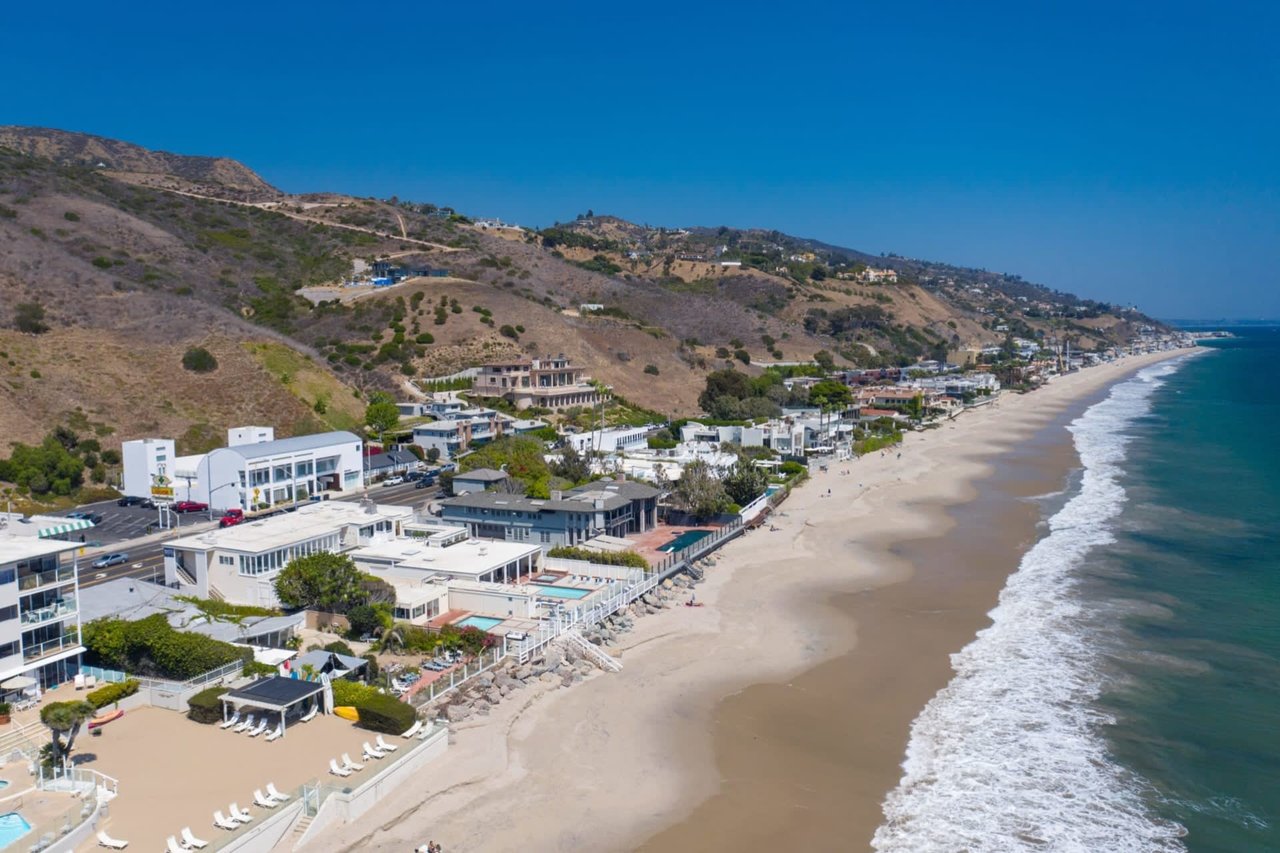
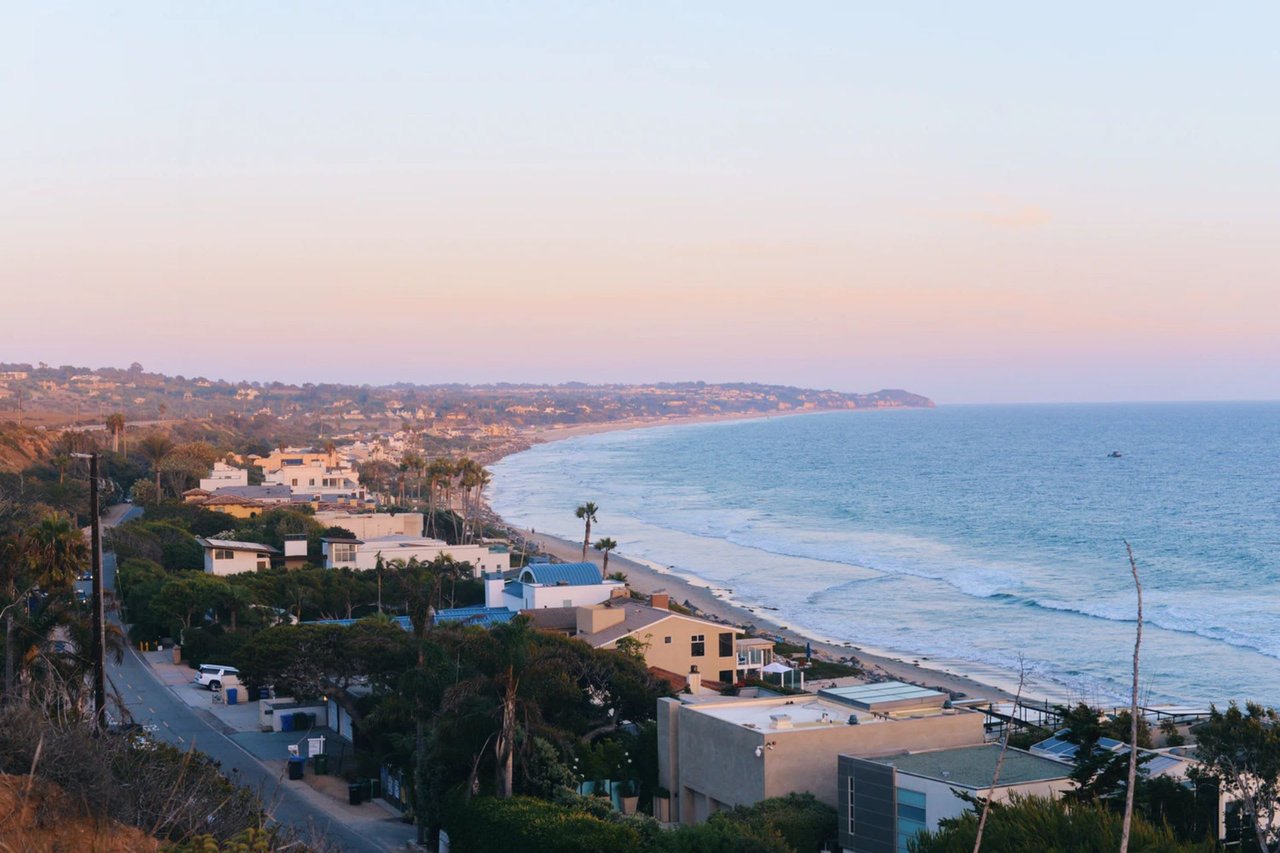
Malibu Cove Colony is a tiny, gated enclave of single-family oceanfront homes in central Malibu. The micro scale is part of its appeal. Compared with longer stretches of public beach, you get a quieter, more residential feel and controlled access for privacy.
Homes sit within the City of Malibu in Los Angeles County, so local planning and the city’s Local Coastal Program apply. You also operate under statewide coastal rules. Public safety services come through Los Angeles County agencies and the City of Malibu as applicable.
Market-wise, this is the luxury end of Malibu beachfront living. Pricing reflects direct ocean frontage, limited supply, and high buyer expectations. Specific values move with market cycles, but the lifestyle anchors are constant: views, proximity to the surf, and privacy.
Oceanfront daily life
Views, light, and microclimate
Living over the water is immersive. You will feel the ocean in the sound of the surf, the play of light throughout the day, and the marine layer that often softens mornings. Fog, breezes, and afternoon sun shape how you use your decks and rooms.
The coastal microclimate also brings cooling compared with inland Los Angeles. Salt spray and wind exposure are part of the package. Plan outdoor furnishings and finishes with durability in mind.
Recreation and everyday rhythm
Your daily routine can flow around the tide. Many residents swim, surf, paddleboard, or watch marine life from their decks. You can step out for a walk along the coast, then head to central Malibu for coffee, lunch, or errands.
Malibu Pier, local restaurants and shops, galleries, and small shopping centers are a short drive depending on your exact address. Regional anchors like Pepperdine University, public beaches, and coastal trails make it easy to stay active.
Noise, nightlife, and traffic
Ambient noise is mostly the ocean. You may hear occasional vehicles on Pacific Coast Highway or service activity during the day. Malibu’s nightlife is lighter than urban centers, so evenings tend to be calm, though weekends and events can bring more traffic.
Guest parking can be tight within small beachfront enclaves. Plan for valet-style coordination for gatherings and seasonal visitor traffic.
Privacy and shoreline access
Cove Colony’s gated, guarded entry offers a high level of privacy and deters casual visitors. That privacy is a key reason many buyers focus on this community and similar enclaves.
Under California law, the public generally has the right to access the shore up to the mean high tide line. In practice, the combination of a gated community and the local geography means public presence may be limited directly in front of some homes. Treat shoreline access as shared and confirm any easements and historical use during due diligence.
Architecture and features
Styles and layouts
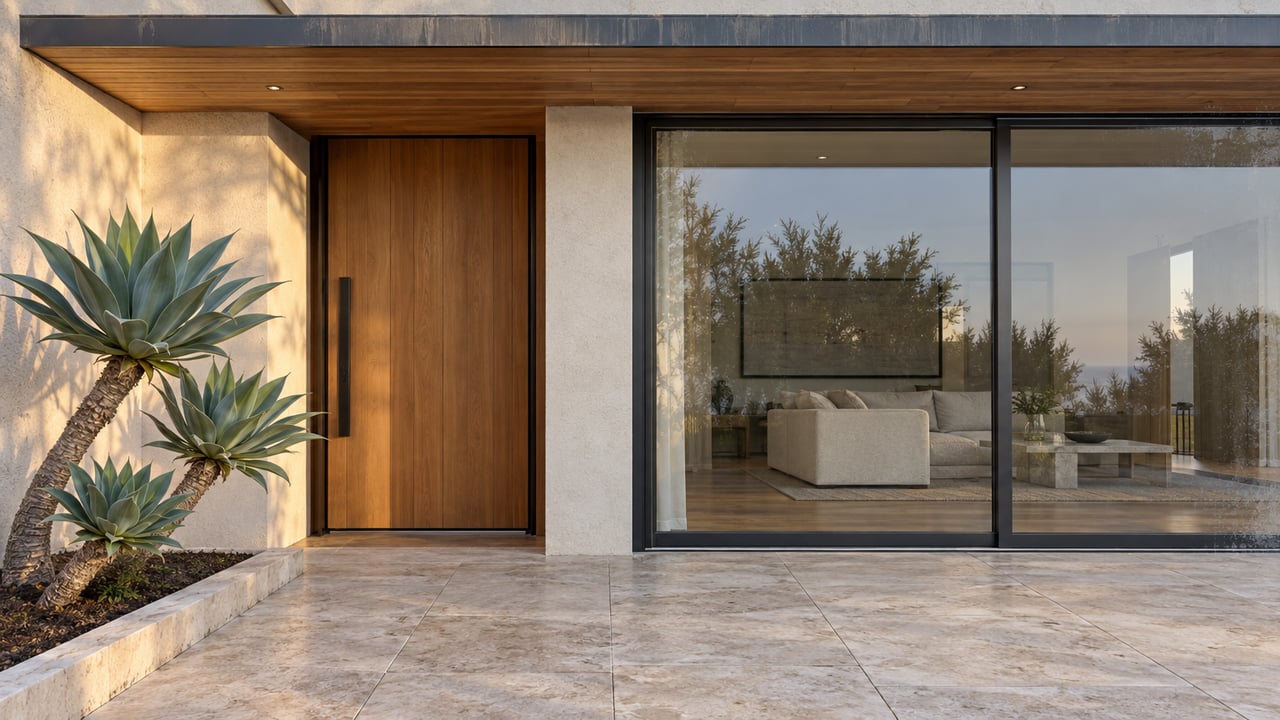
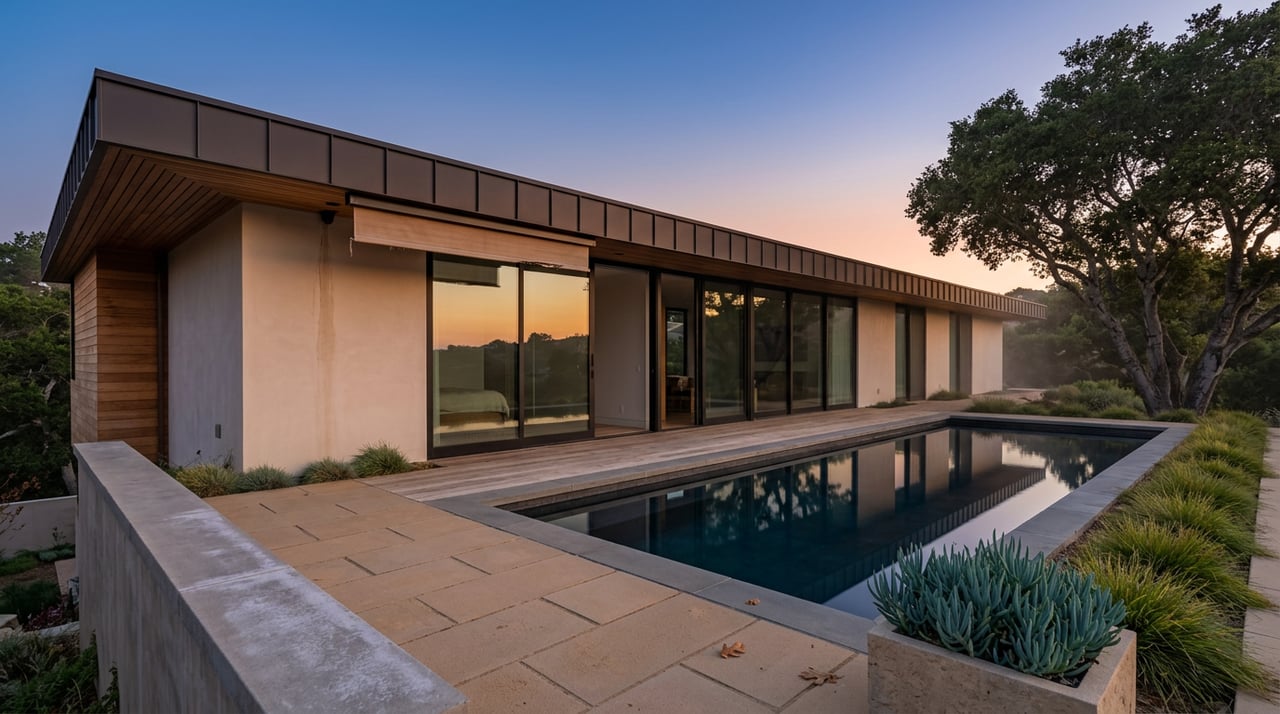
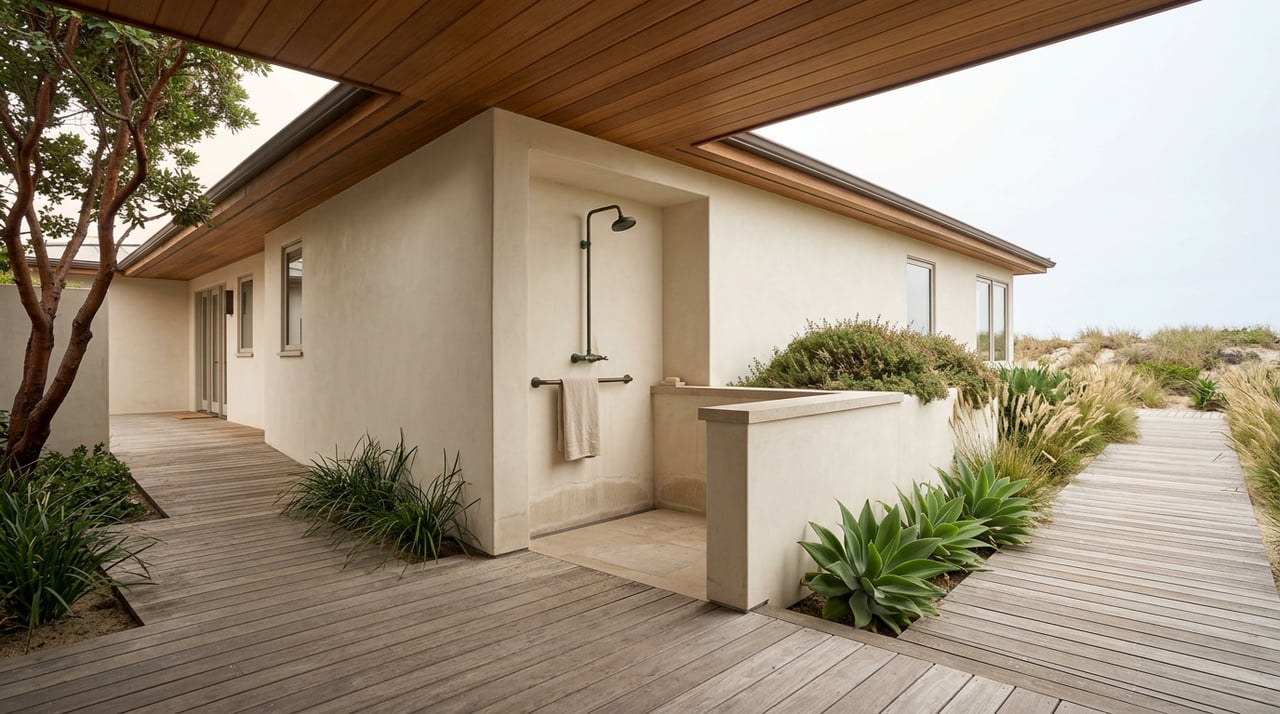
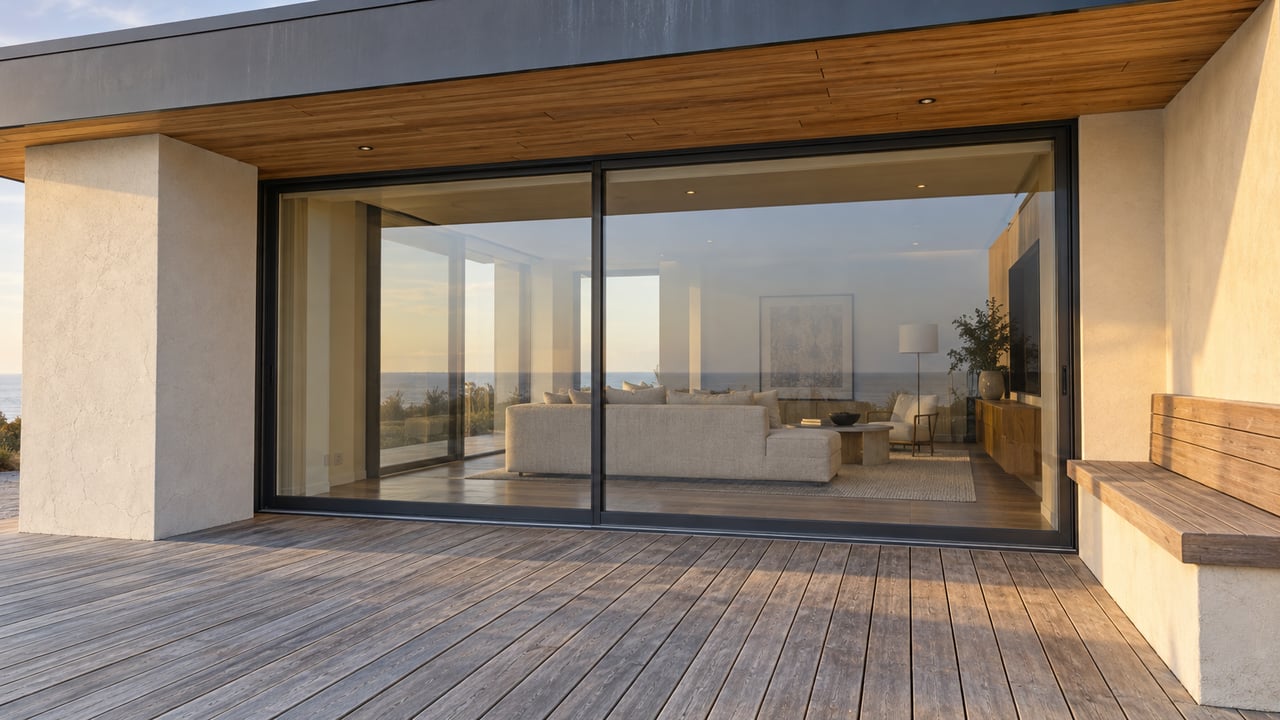
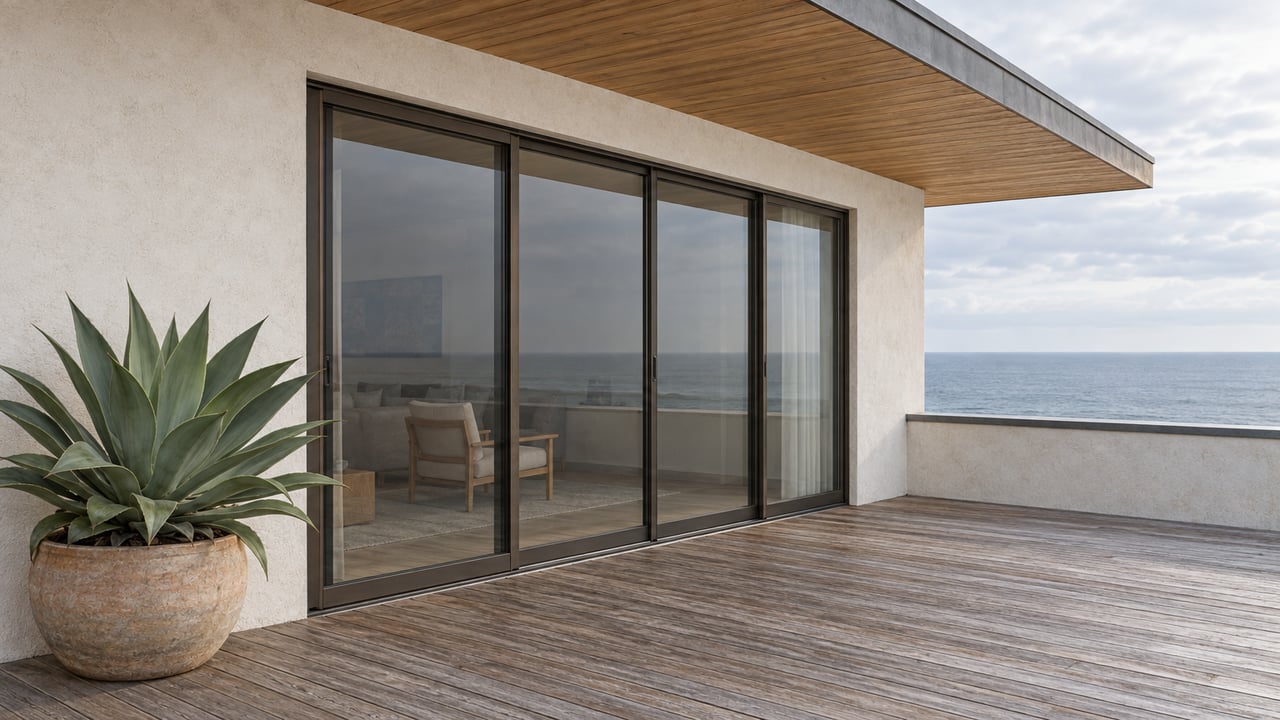
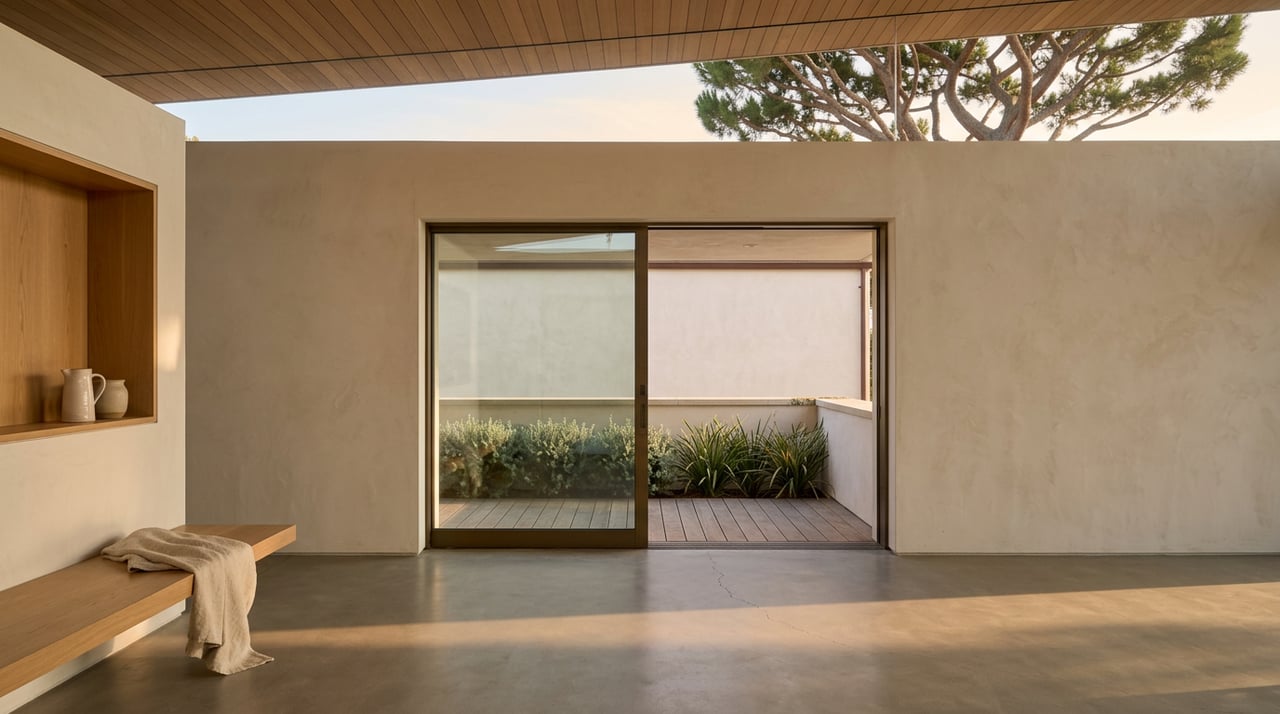
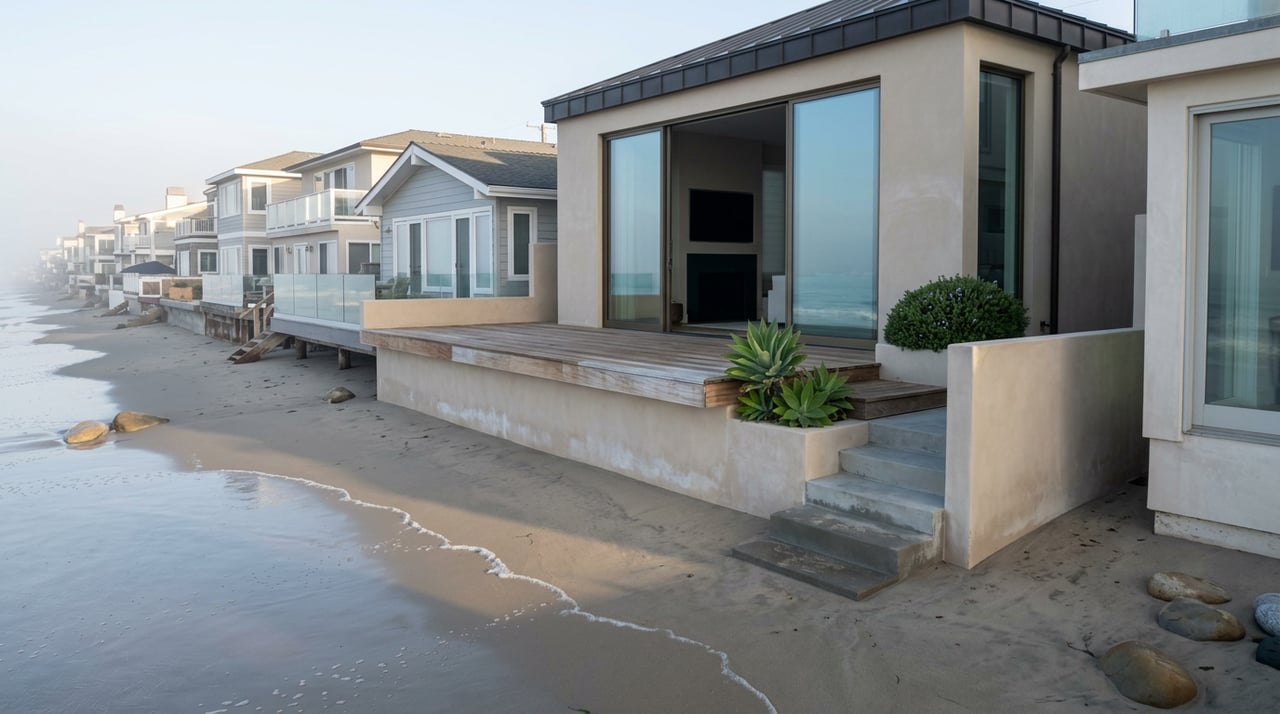
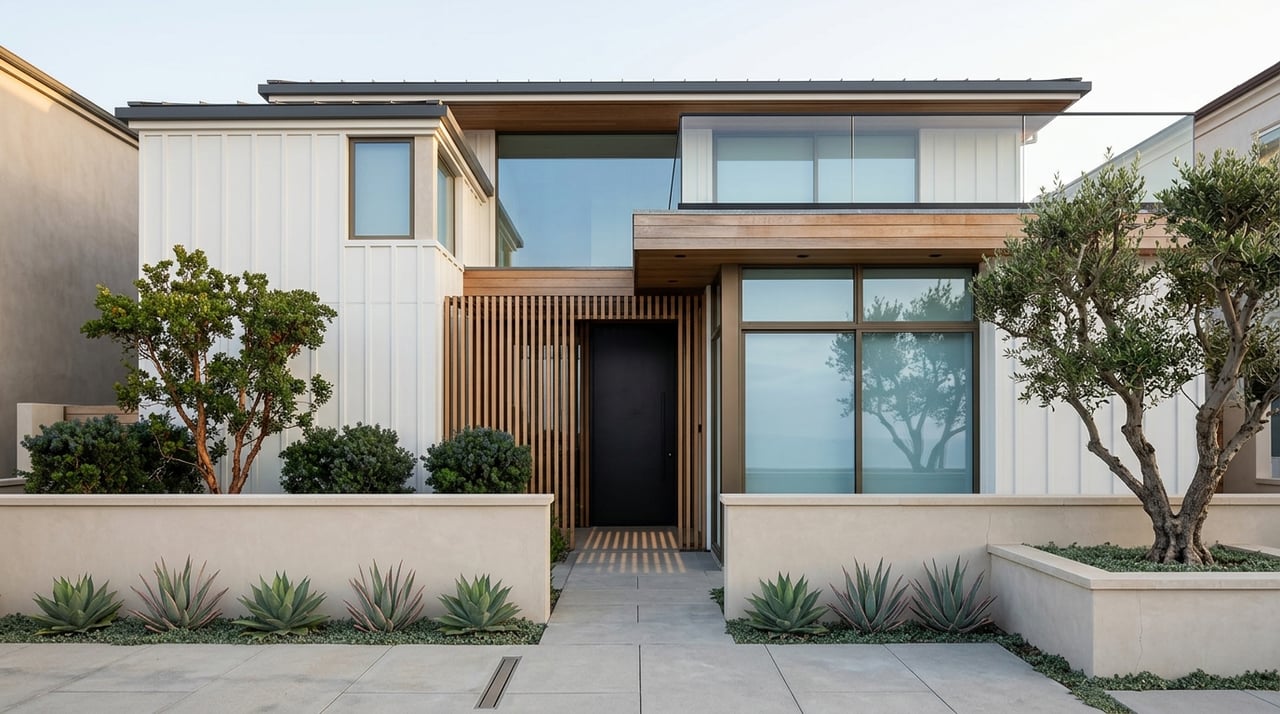
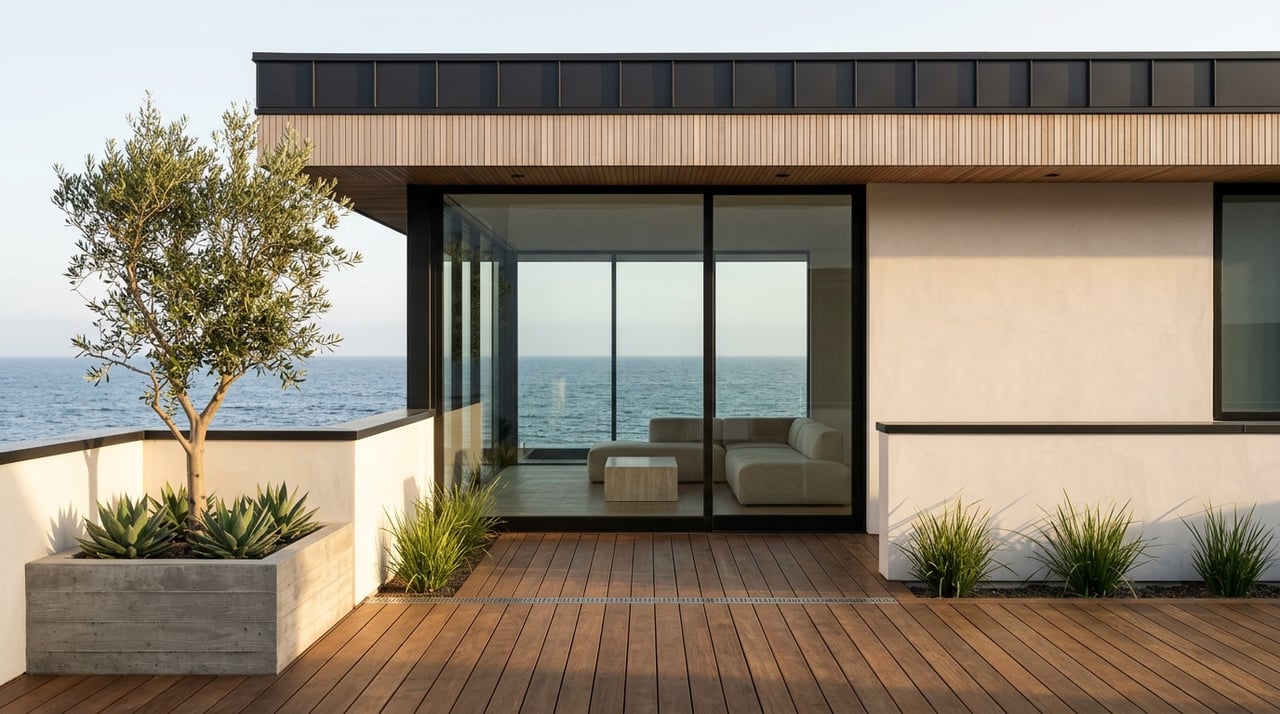
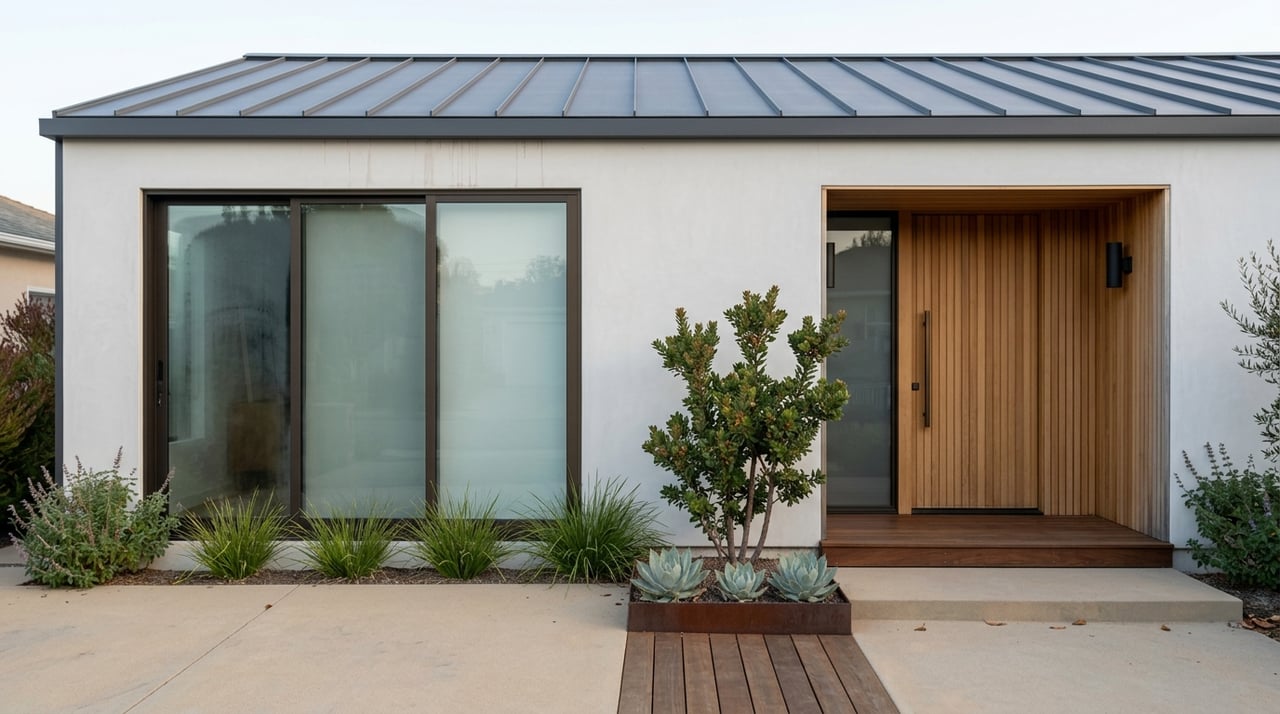
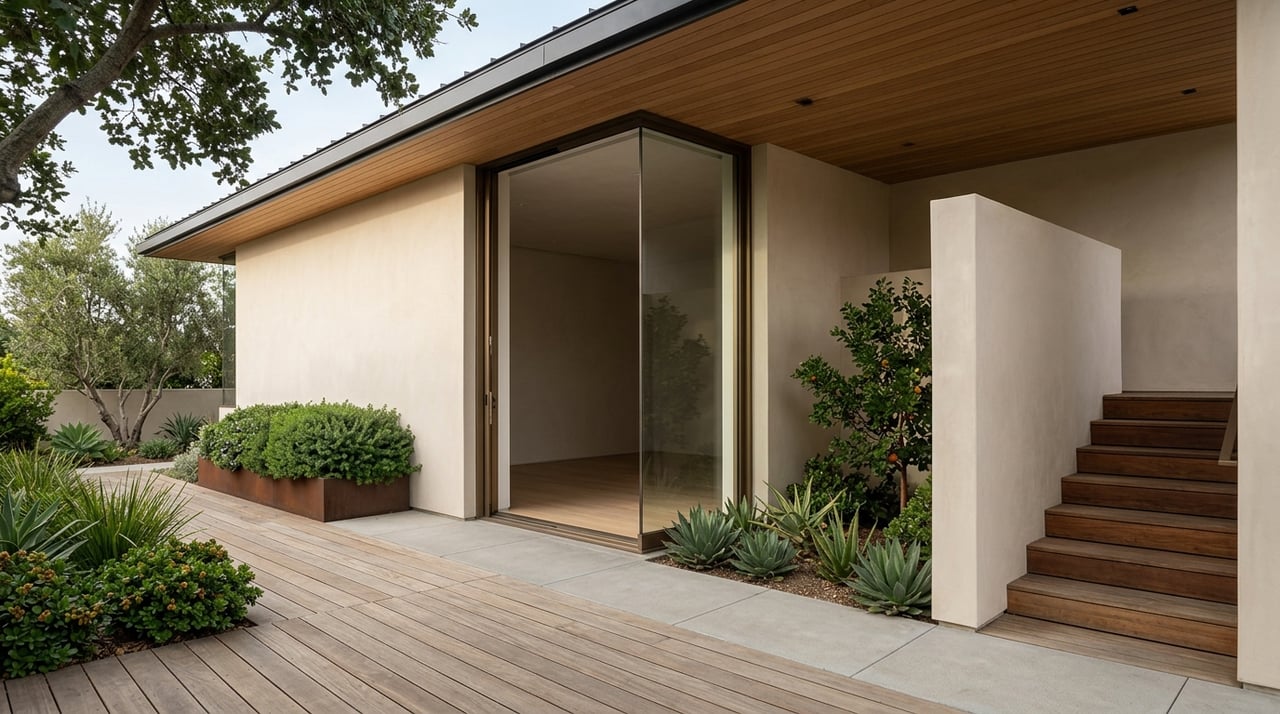
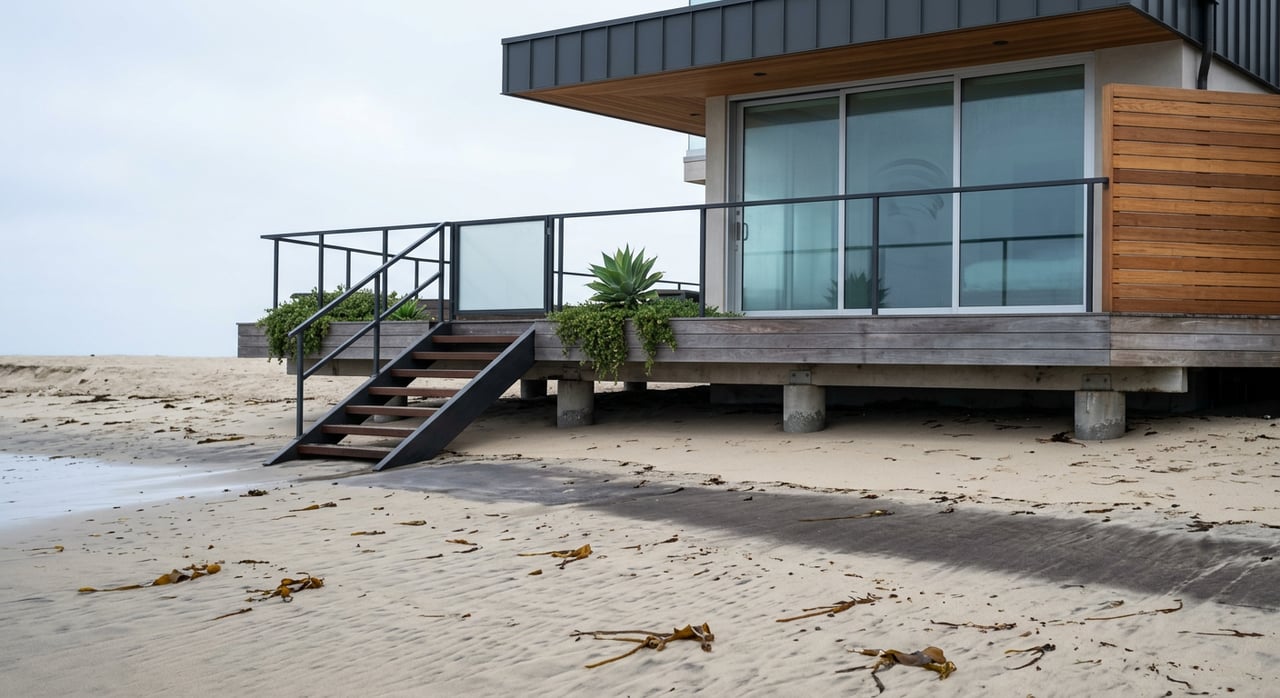
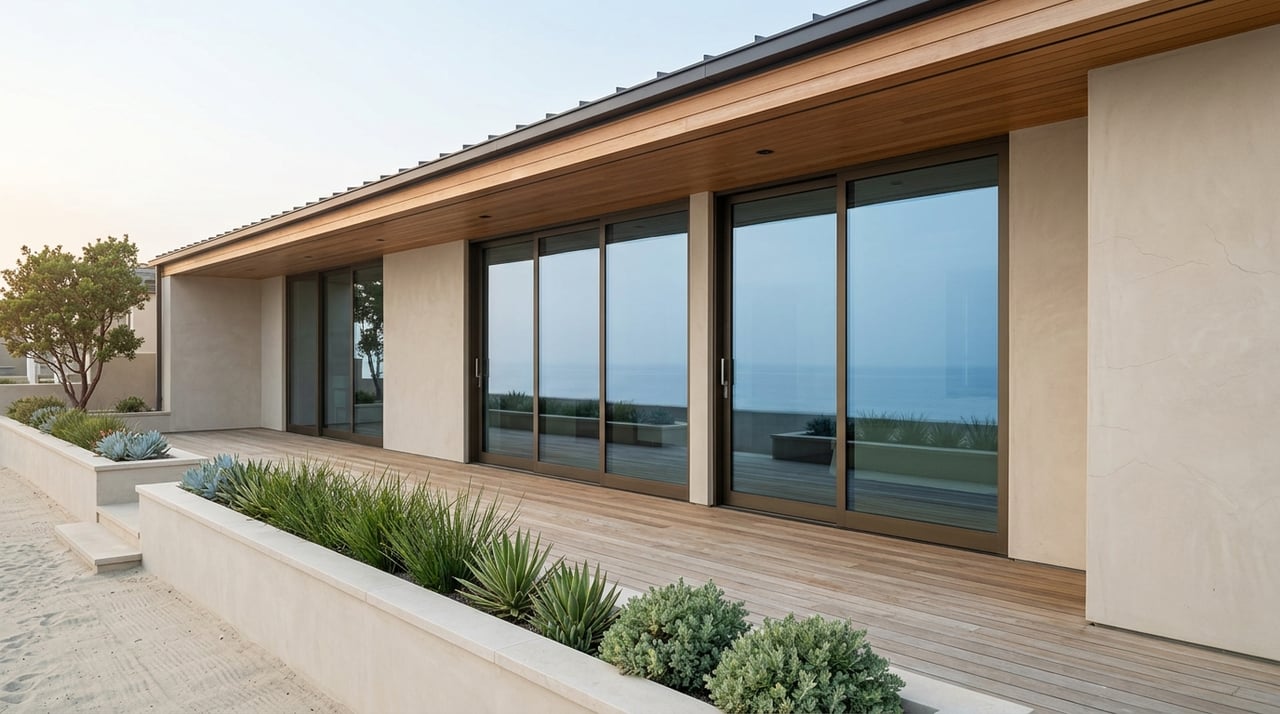
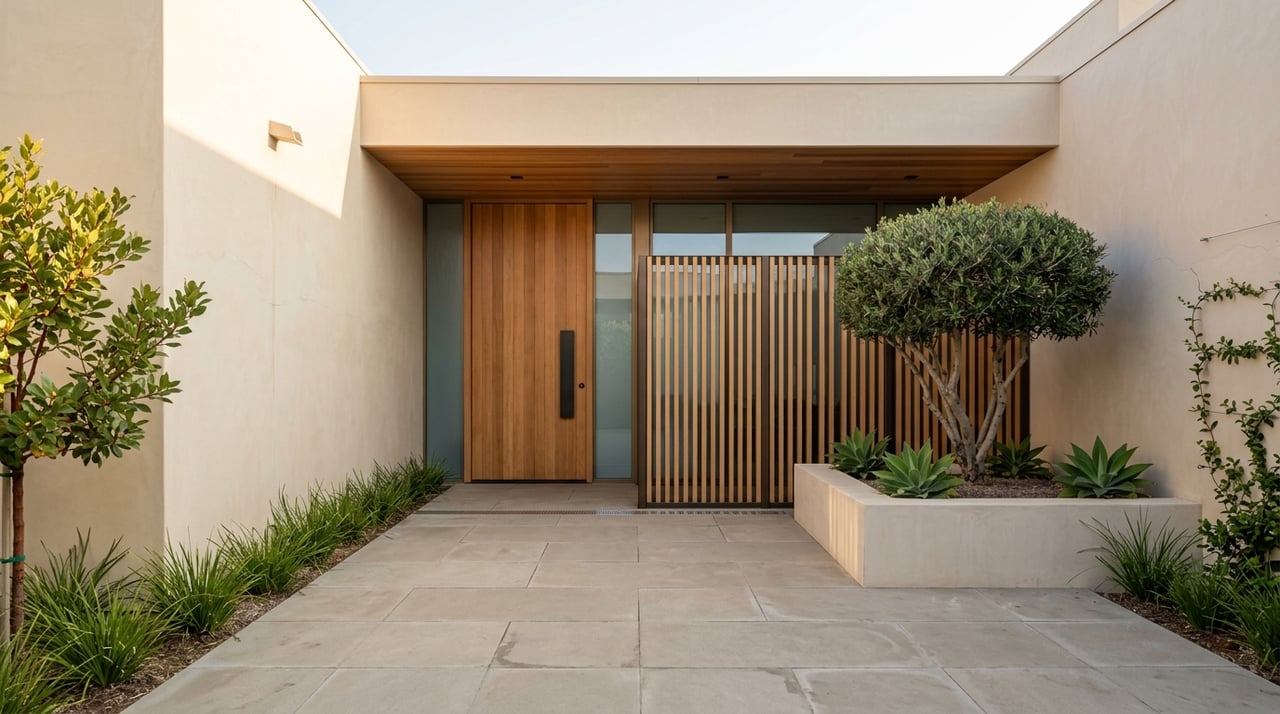
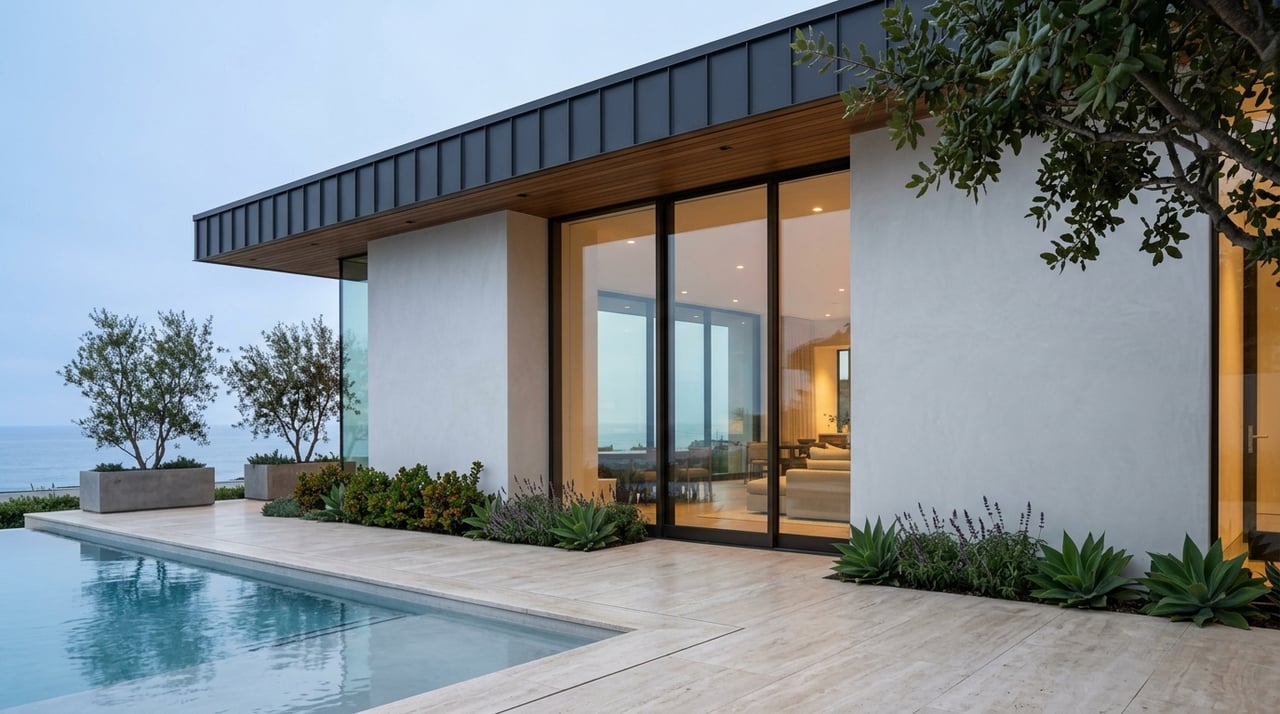
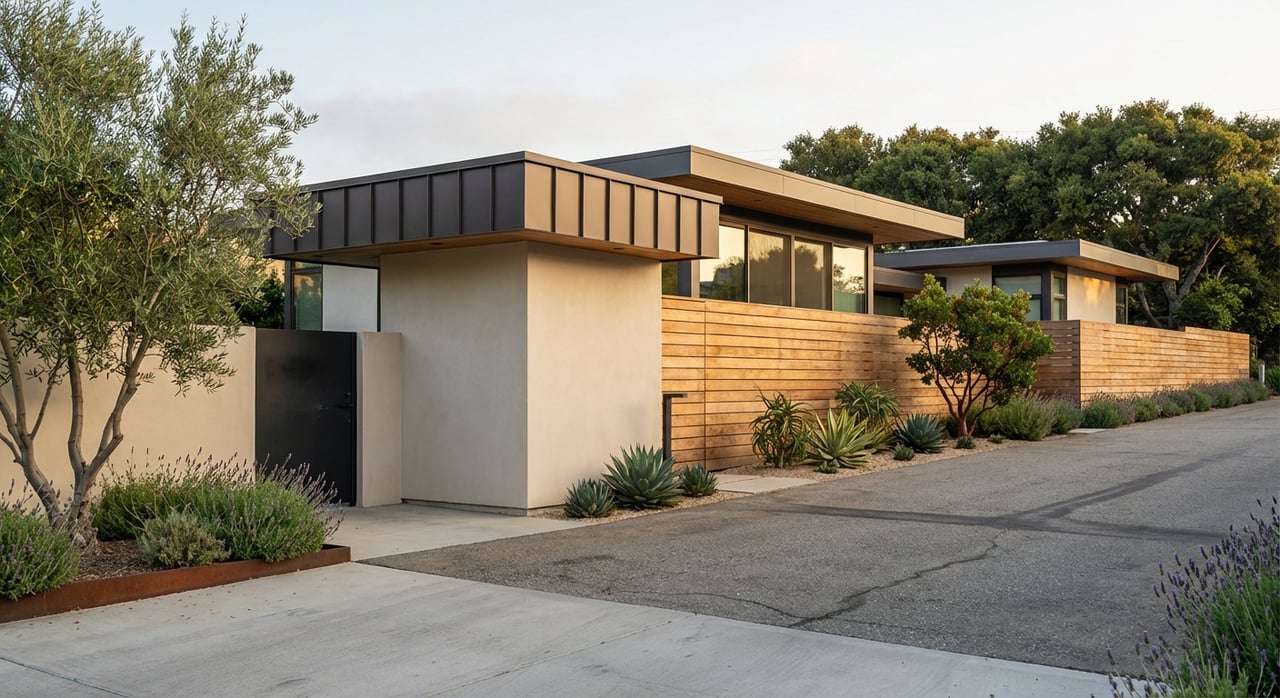
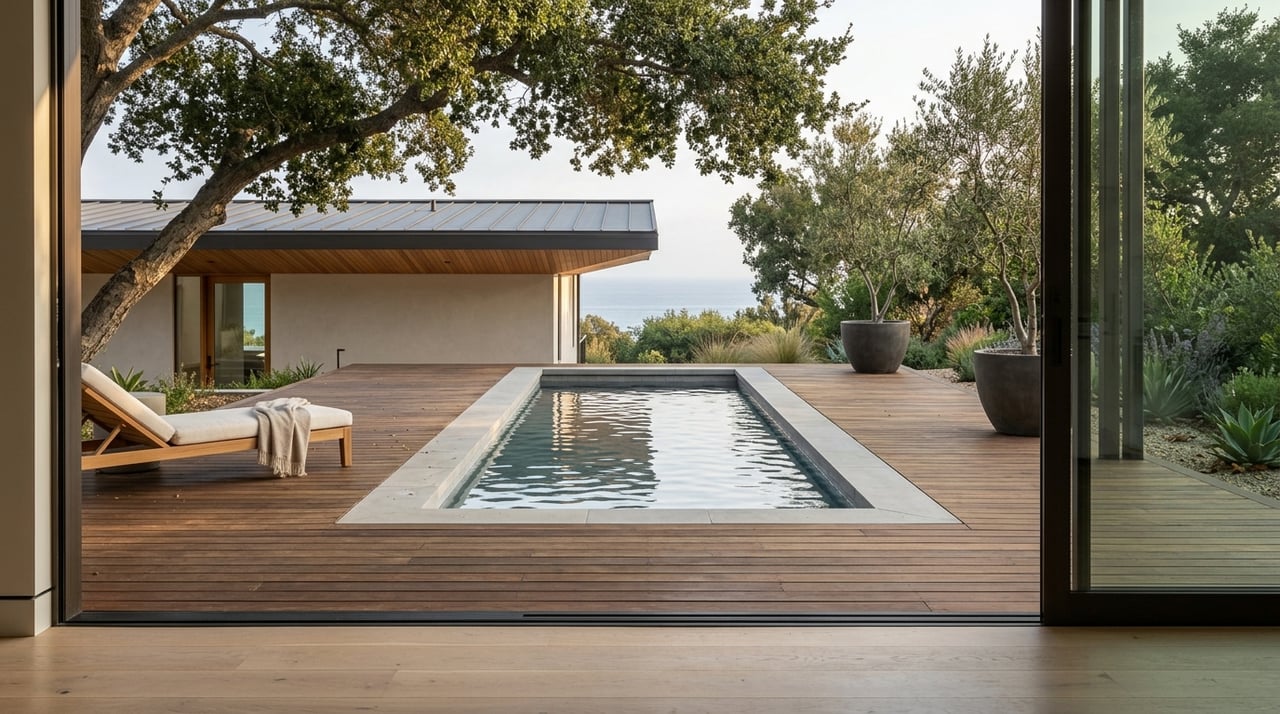
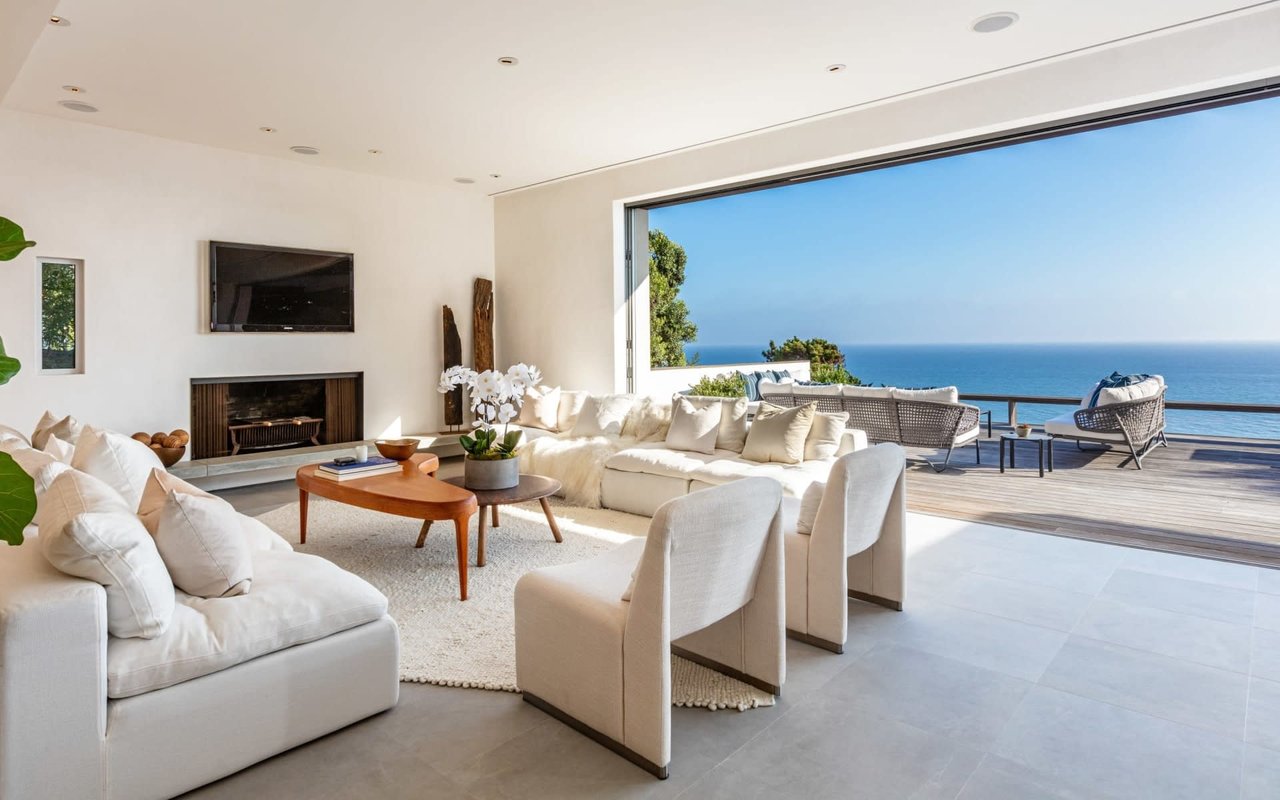
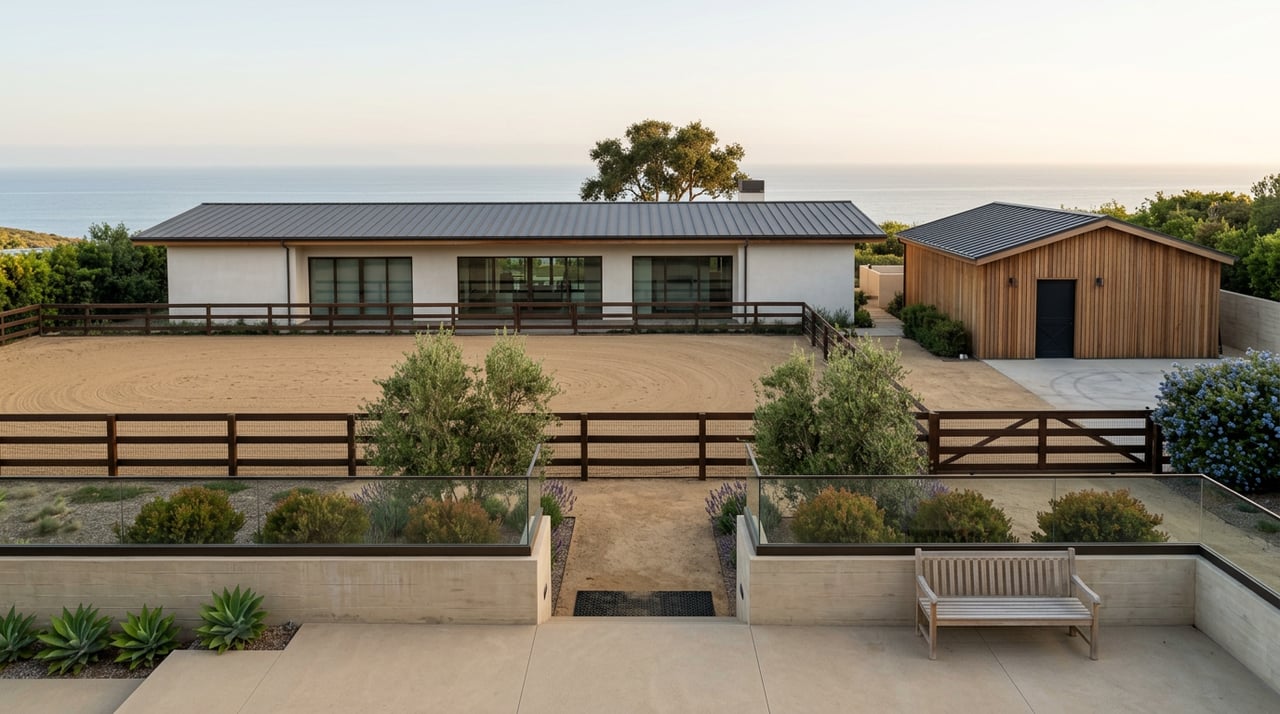
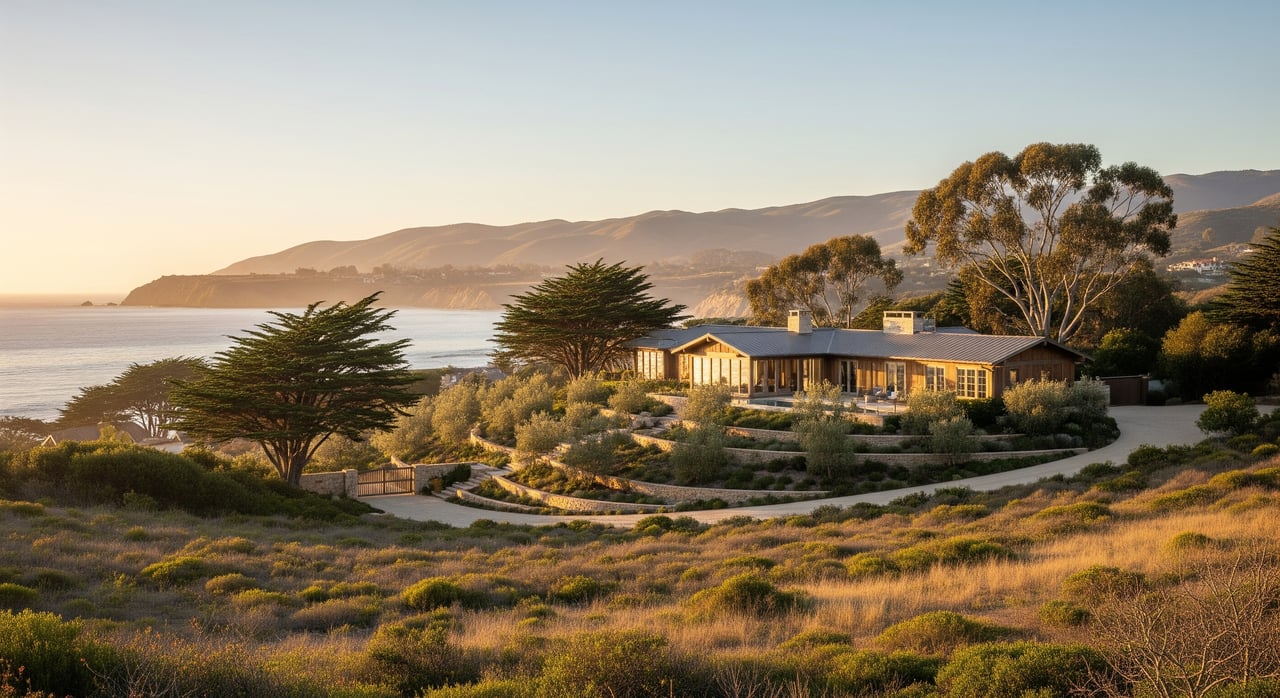
Many residences began as beach cottages and have been remodeled into contemporary or coastal-modern homes. Designs often center on open plans with large glass walls and sliding doors that frame the horizon. Some properties extend toward or over rock benches on pilings or platforms.
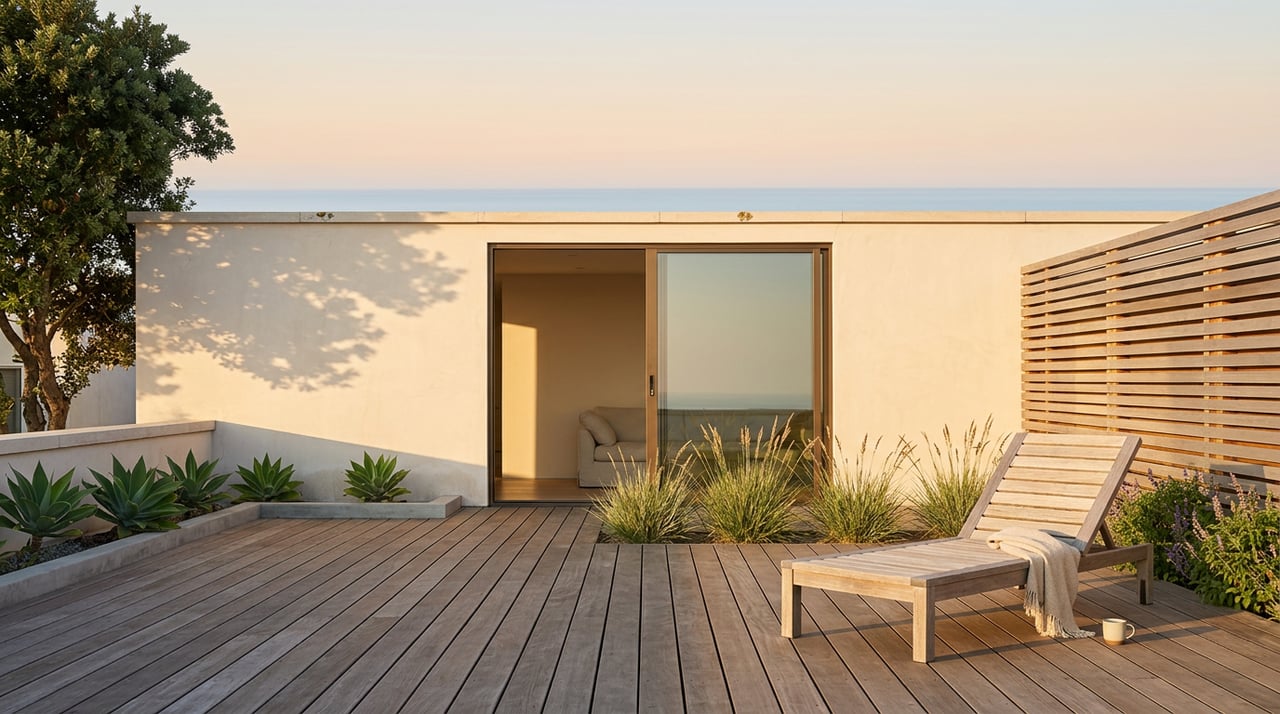
Expect multiple decks or balconies to take in the view and light. High-end remodels place the primary living level toward the ocean, with secondary bedrooms tucked toward the street side for privacy.
Outdoor spaces and beach access
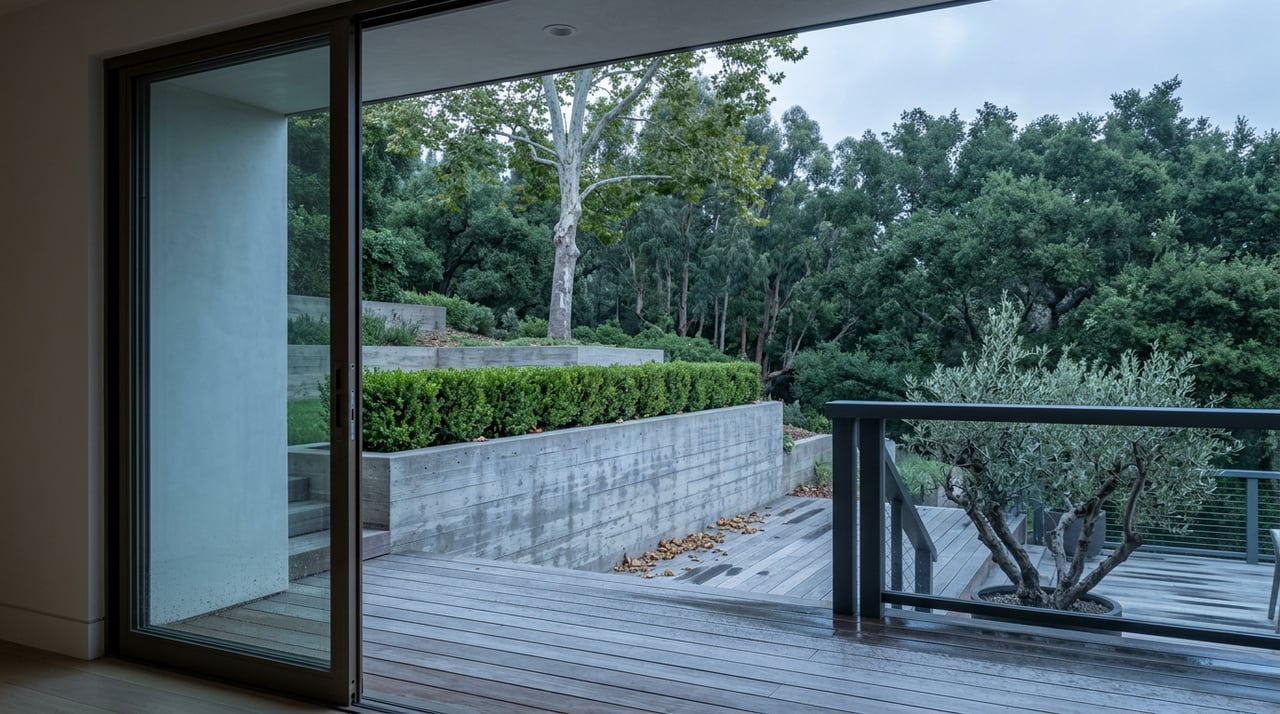
You will see secure entries, outdoor lounges, and private stairs or ramps leading to sand or rock areas depending on the parcel. Decks can be cantilevered or supported by piles. These ocean-facing elements are among the most compelling features, and they also require careful inspection and maintenance.
Systems and utilities
Beachfront homes can have older plumbing or electrical systems, especially in properties with legacy footprints. Some parcels use septic or private sewer arrangements depending on the local infrastructure. Ask sellers for recent upgrades and compliance documentation and verify connection status.
Maintenance and engineering realities
Marine exposure and materials
Salt, moisture, and sun take a toll on coastal homes. Metal components, fasteners, windows, coatings, and mechanical equipment wear faster at the water’s edge. Materials like stainless hardware and marine-grade finishes help extend life, but regular care is essential.
Foundations on rock benches or pilings need periodic marine-grade inspections. Decks, supports, and building envelope elements should be on a clear maintenance cycle. The goal is to preserve structural integrity and stay ahead of small issues.
Specialists to engage
You will want contractors and engineers who work in marine conditions. Coastal geotechnical engineers, structural engineers with oceanfront experience, and specialized marine contractors bring the right tools and advice. For any shoreline work, bring in permitting consultants early.
Budgeting for upkeep
Expect above-average maintenance budgets compared with inland homes. Common line items include exterior refinishing, deck and piling inspections, window and door replacements, roof work, and service for salt-exposed HVAC. If there is an HOA, factor in dues and possible assessments related to shoreline maintenance.
Rules, permits, and coastal regulation
Coastal Act and local approvals
Development and shoreline work in Malibu follow the California Coastal Act and the City of Malibu’s Local Coastal Program. Most exterior changes, new decks, structural changes, and shoreline protection projects require permits. Often, you will need both city approvals and, in some cases, California Coastal Commission review.
Permitting can be complex and time consuming. Build that timeline into your plan, and gather existing approvals and conditions from the seller during escrow.
Seawalls, revetments, and decks
Hard shoreline armoring, like seawalls and revetments, is tightly regulated. Mitigation or alternatives are commonly required, and changes can trigger additional reviews. Decks that extend over the ocean may be historic and permitted, but condition and compliance vary across properties.
If you aim to replace or expand a deck, plan for engineering reports and likely Coastal Commission involvement. Early consultation saves time and reduces surprises.
HOA and community rules
Small enclaves often have HOA rules that address access control, exterior modifications, parking, and noise. Review CC&Rs, meeting minutes, reserves, and any special assessment history. Know the community standards before you submit plans.
Risks and insurance
Flood zones and sea-level rise
Oceanfront parcels commonly sit within FEMA flood zones. Lenders may require flood insurance, and you will want elevation certificates and flood maps as part of your review. Coastal erosion and sea-level rise are long-term risks that can affect insurability, permitting, and values.
Vulnerability can be higher for homes set on rock benches or pilings close to wave action. Request current geotechnical and coastal hazard studies to understand site-specific conditions.
Insurance and financing realities
Standard homeowner policies often exclude flood and can carry higher premiums for oceanfront exposure. Many buyers secure flood coverage through the NFIP or the private market if required by a lender. In recent years, some insurers have limited coverage in parts of California with higher coastal and wildfire risk, so verify options and premium estimates early in your process.
Lenders will look closely at title, insurability, and any shoreline or access issues. If a property has a unique permitting or maintenance history, expect extra underwriting attention. Confirm insurability and lender requirements before removing contingencies.
Safety beyond water
Powerful winter storms can bring elevated surf that stresses decks and lower structures. Southern California’s coastline also carries tsunami risk from seismic events. Regional wildfire can affect utilities and access even for oceanfront addresses. Build a clear safety plan and stay familiar with local guidance.
Getting around and amenities
Central Malibu puts daily essentials within easy reach. You can make short drives to Malibu Pier, nearby restaurants, small shopping centers, and art galleries. Public beaches and coastal trails are close for exercise and family time. Pepperdine University and local schools are within a short commute.
While PCH congestion ebbs and flows with tourism and events, many residents organize errands around lighter traffic windows. For gatherings, plan guest arrival and parking in advance.
Buyer checklist for Malibu Cove Colony
Use this quick list to shape your due diligence. Ask for copies early so specialists can review them during inspection periods.
- Coastal and permitting
- Coastal Development Permits and any conditions of approval
- City of Malibu Local Coastal Program documents that affect the property
- Structural and hazards
- Recent geotechnical or engineering report on foundations, piles, and bluff stability if relevant
- Structural inspection covering decks, supports, and building envelope
- FEMA flood map or elevation certificate and related documentation
- Insurance and costs
- Current insurance declarations and renewal history for property, earthquake if held, and flood
- HOA CC&Rs, financials, minutes, reserves, and assessment history if applicable
- Utilities and maintenance
- Records of major repairs and upgrades, including decks, pilings, roofing, windows, HVAC
- Sewage or septic documentation or sewer connection status
- Title and access
- Preliminary title report with property lines, access easements, and notes on shoreline access up to the mean high tide line
Work with a native Malibu expert
Buying in Malibu Cove Colony is about more than a beautiful view. You are balancing privacy, regulatory detail, structural diligence, and long-term coastal realities. You want an advisor who can source the right opportunities, coordinate the right specialists, and guide a smooth close.
Sandro Dazzan was born and raised in Malibu and leads The Agency’s Malibu office. His approach blends hometown relationships, discreet off-market sourcing, and a high-touch concierge process supported by global marketing reach. For you, that means better access, sharper negotiation, and a thoughtful plan from first tour to keys in hand.
Ready to talk about Malibu Cove Colony and other ultra-private beachfront options in central Malibu? Connect with Sandro Dazzan to book a private consultation.
FAQs
What makes Malibu Cove Colony unique in Malibu?
- It is a very small, gated oceanfront enclave with a residential feel, direct water exposure, and strong privacy controls compared with longer public beachfront stretches.
How close are daily amenities to Malibu Cove Colony?
- Central Malibu amenities like Malibu Pier, restaurants, shops, and small shopping centers are a short drive, with Pepperdine University and local schools within a short commute.
Is the beach in front of homes private in Malibu Cove Colony?
- No. Under California law, the public generally has access up to the mean high tide line, though gated access and local geography can limit practical public presence.
What maintenance should owners expect for oceanfront homes here?
- Plan for above-average upkeep, including marine-grade inspections of decks and piles, exterior refinishing, window and roof cycles, and service for salt-exposed mechanical systems.
Do remodels or new decks require special permits in Malibu Cove Colony?
- Yes. Most exterior changes and shoreline work fall under the City of Malibu’s Local Coastal Program and often require California Coastal Commission review as well.
Will lenders require flood insurance for Malibu Cove Colony homes?
- Often, yes. Oceanfront parcels commonly fall within FEMA flood zones, and lenders may require flood coverage. Confirm availability and premiums early in escrow.