Thinking about Encinal Bluffs and wondering what “bluff-top” living really means compared with an on-the-sand home in Malibu? You’re not alone. The views, privacy, and lifestyle can be incredible, but the site conditions, permits, and long-term maintenance deserve a closer look. In this guide, you’ll learn how bluff-top homes in Encinal Bluffs differ from beachfront properties, what to watch for, and which steps to take before you buy. Let’s dive in.
What bluff-top living means in Encinal Bluffs
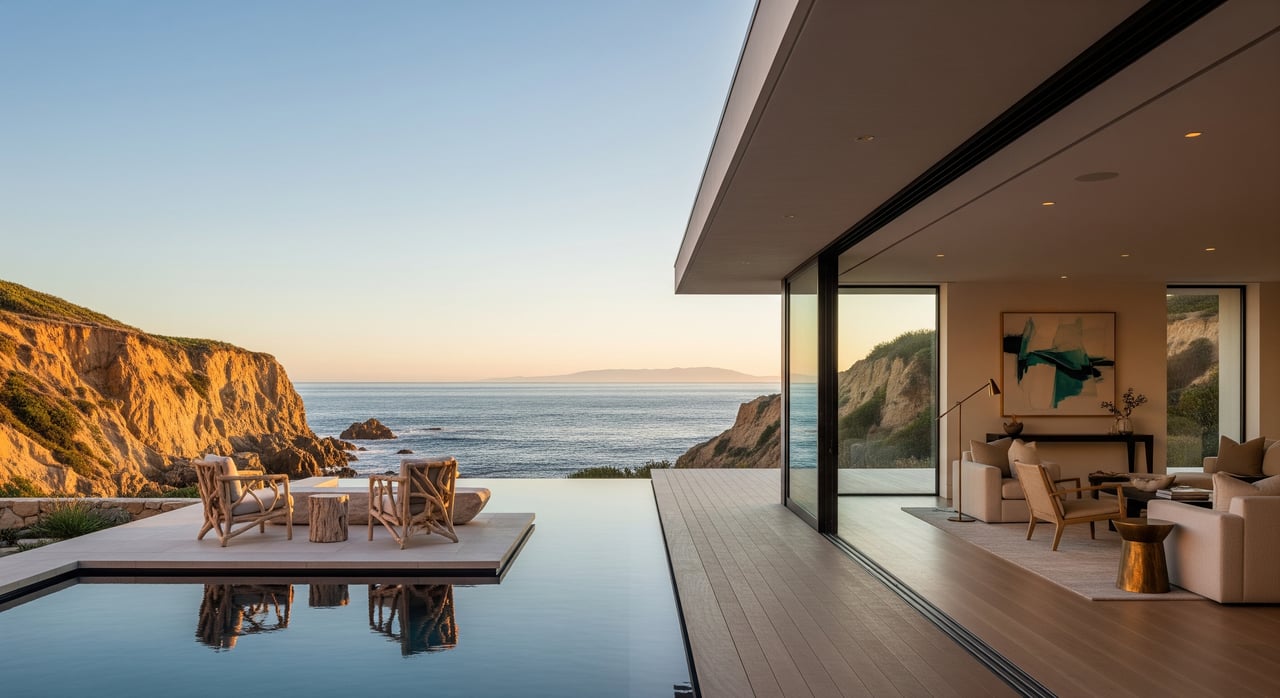
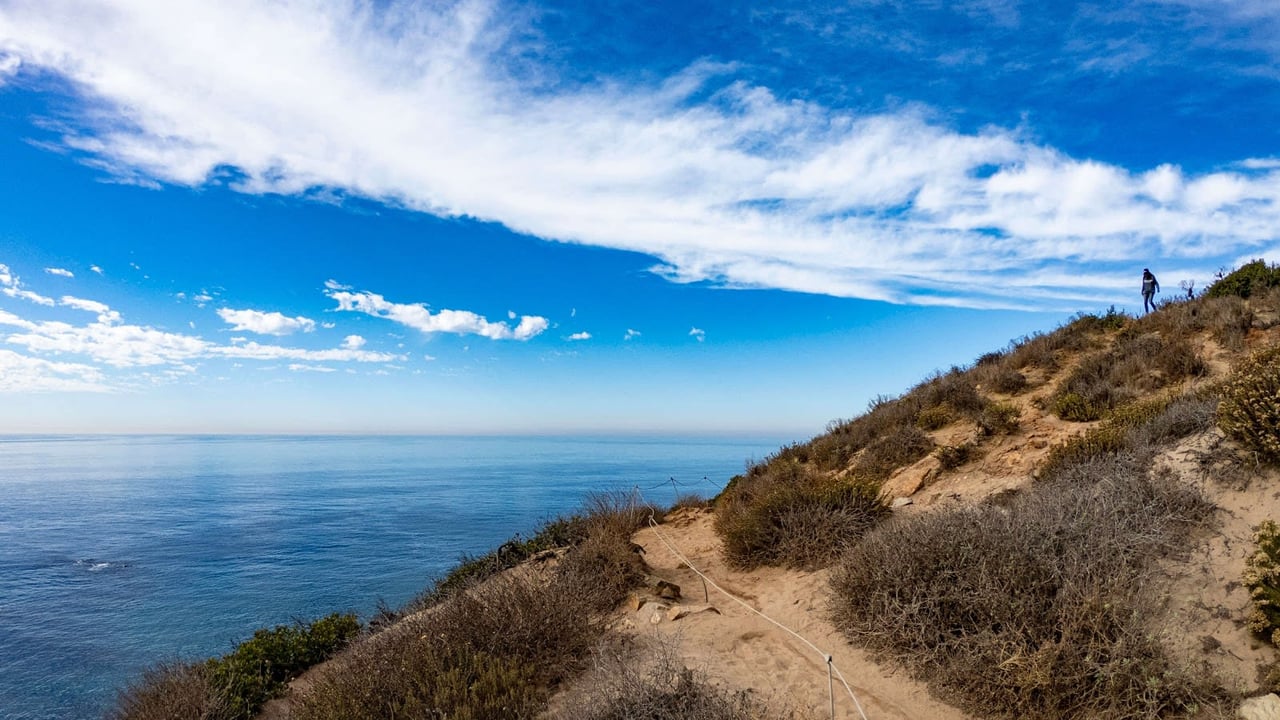
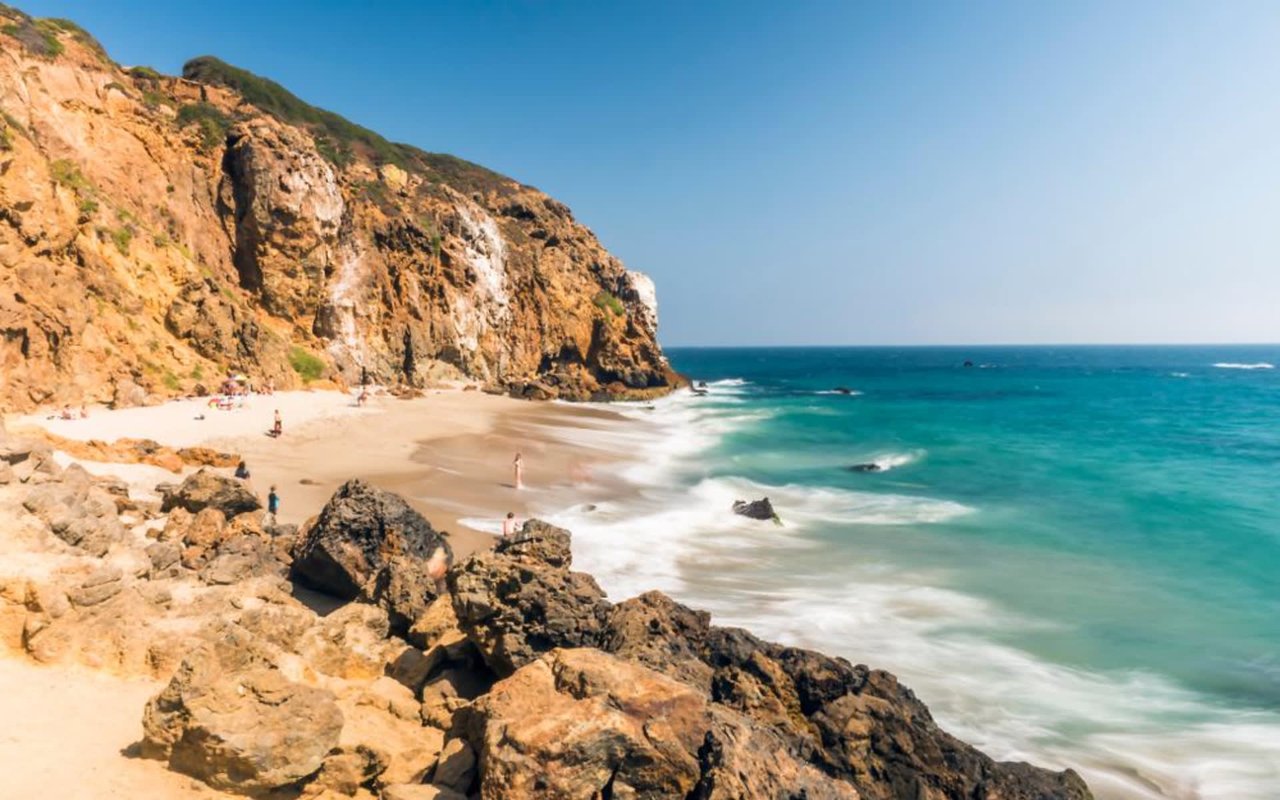
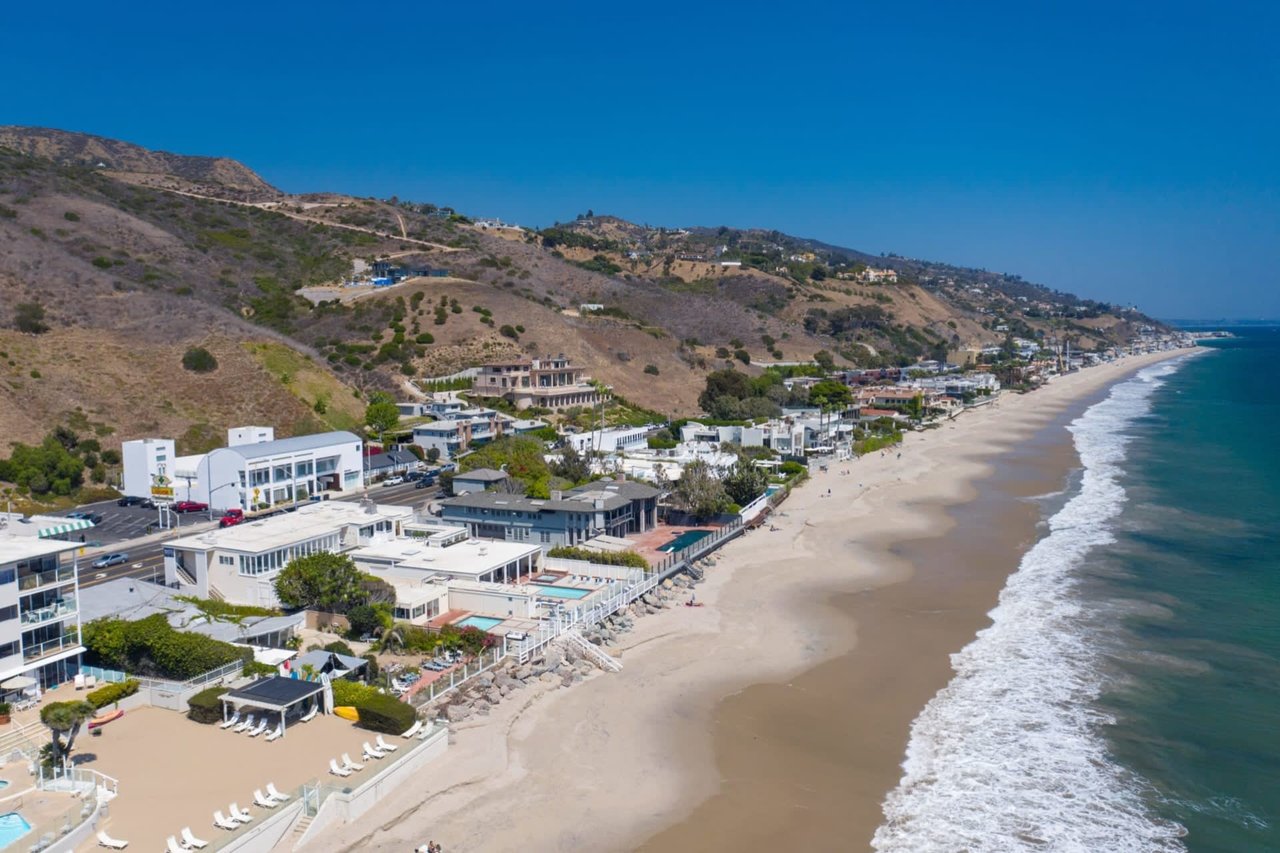
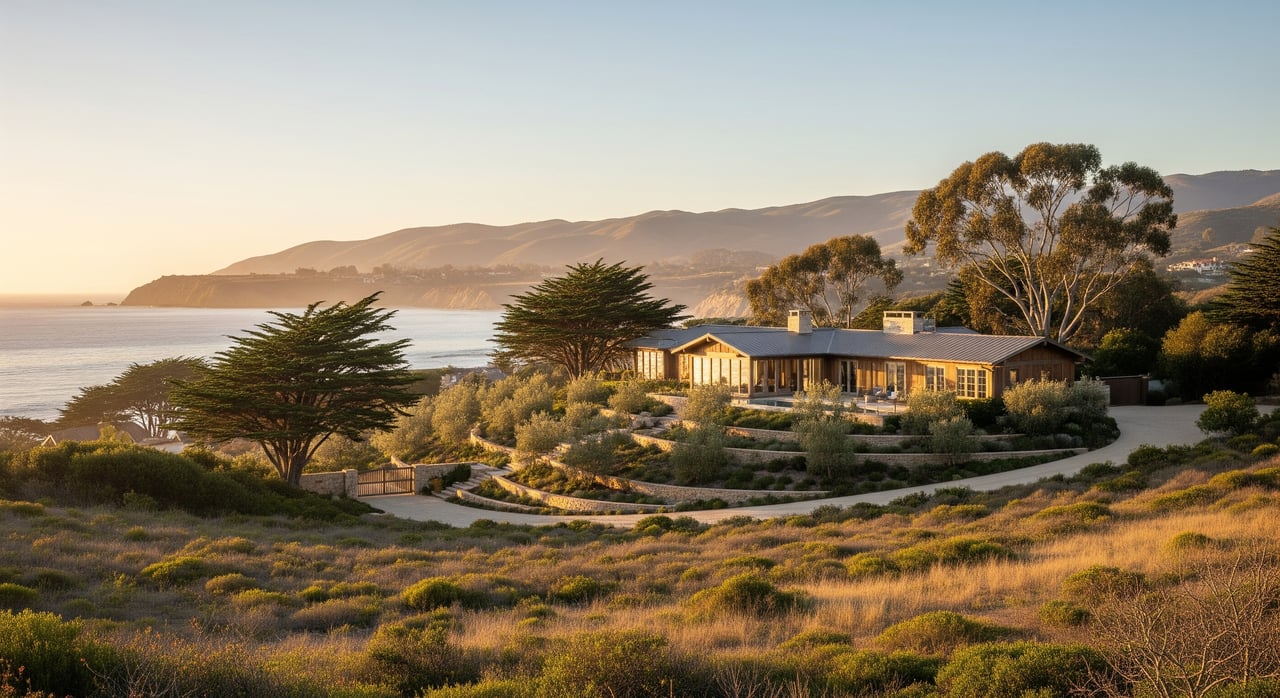
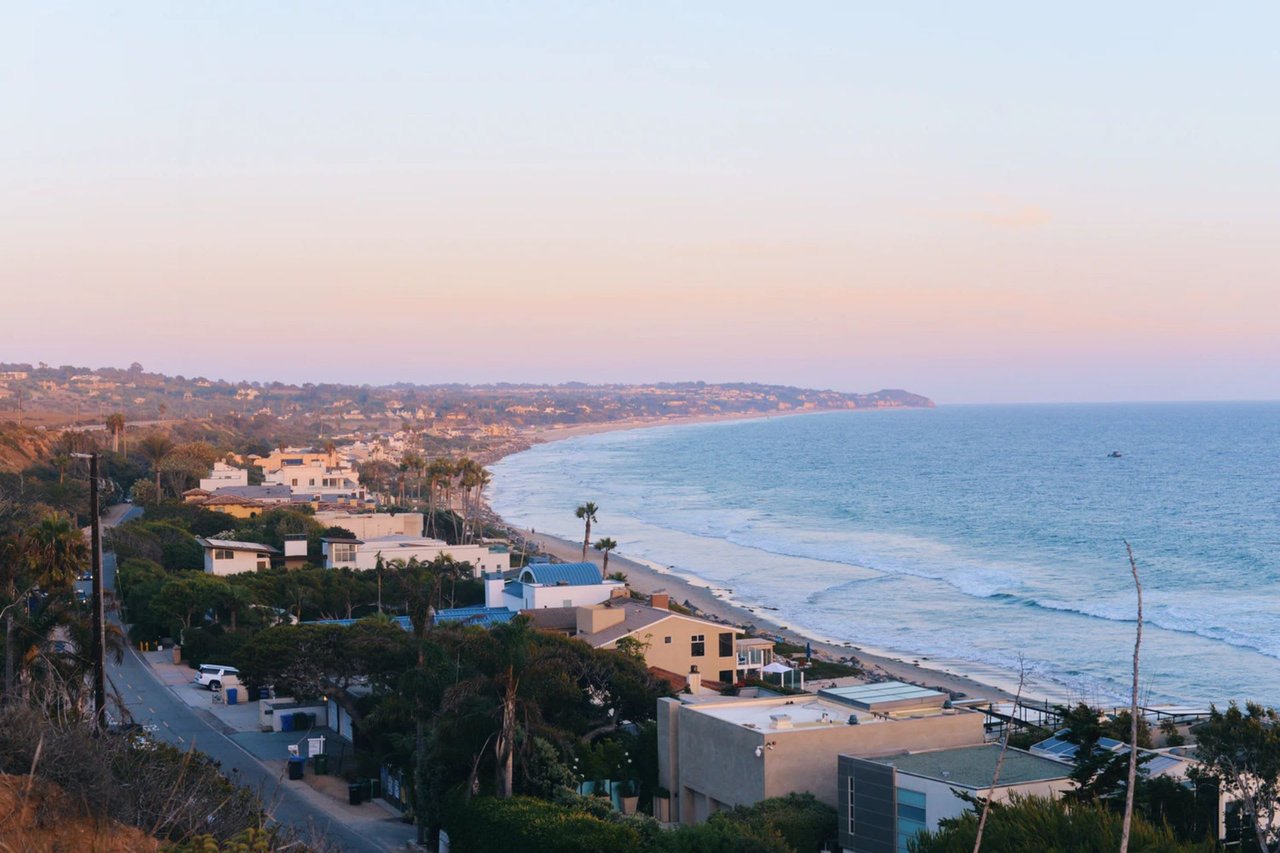
In coastal California, bluff-top refers to a property situated on or just behind a coastal bluff, with a steep slope or cliff separating the lot from the beach below. In Encinal Bluffs, that typically means elevated homes with panoramic ocean views and a strong sense of privacy due to the vertical separation from the sand. You enjoy the visual drama of the coastline without necessarily owning or controlling the beach directly below.
Lots in Encinal Bluffs tend to be narrower along the bluff line and longer inland. The width of your lot and the massing of neighboring structures influence view corridors and privacy. Beach access, where available, may come from private stairs or recorded easements, or you can use nearby public access points provided by coastal policy.
Bluff-top vs on-the-sand: key differences
Views and elevation
- Bluff-top homes offer superior long-distance, panoramic views thanks to the higher vantage point. The elevation helps maintain sightlines over time.
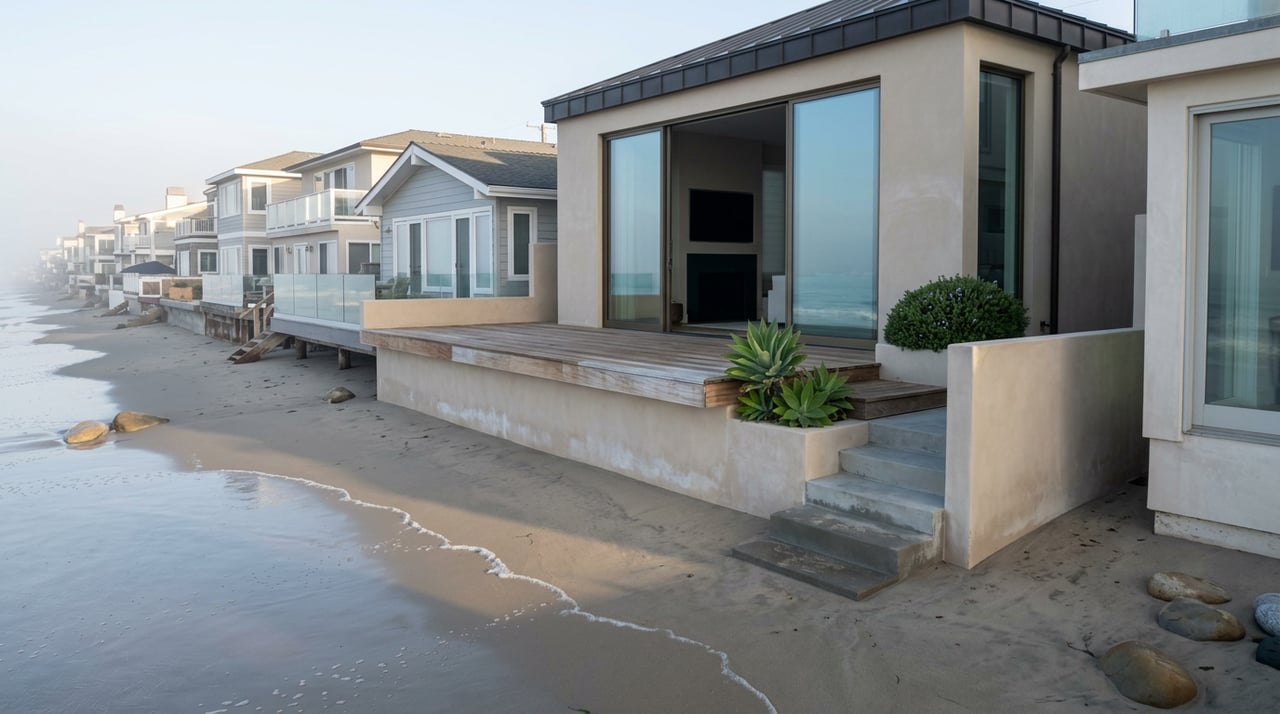
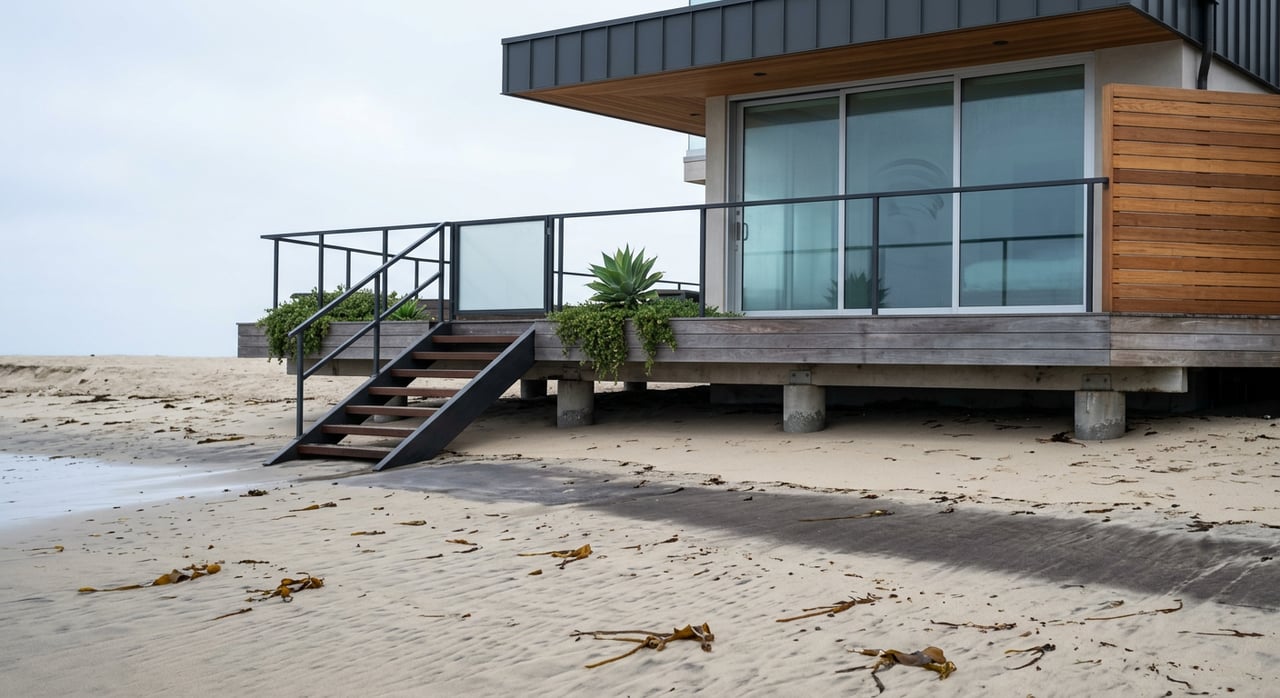
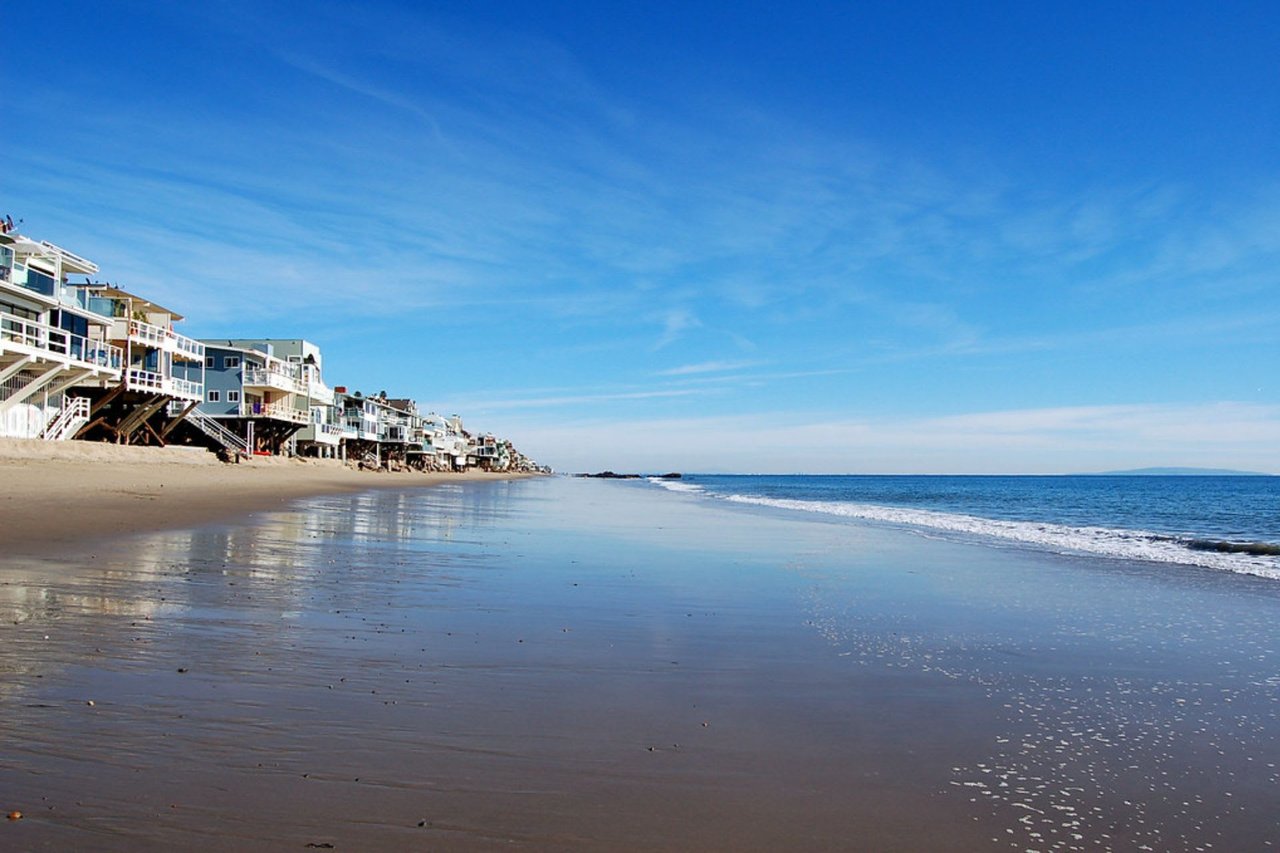
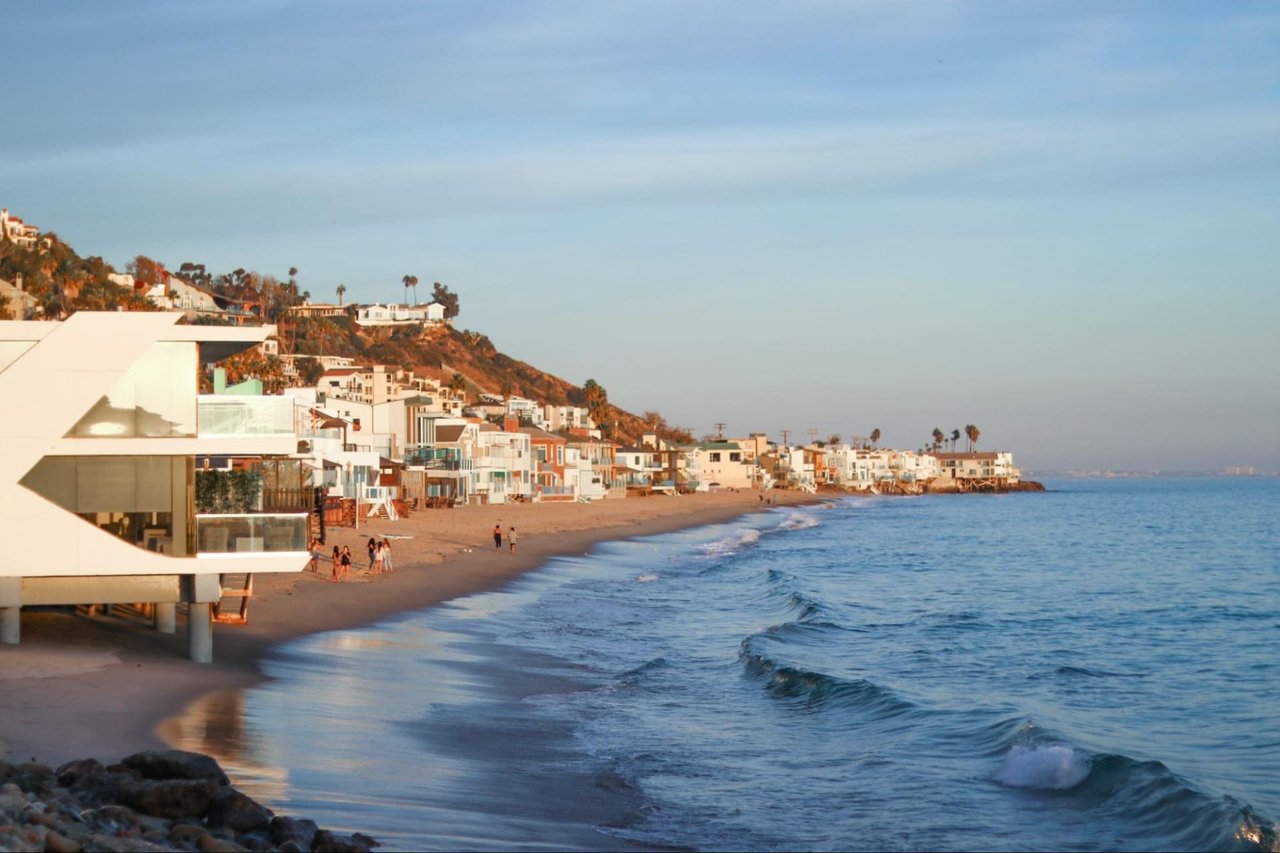
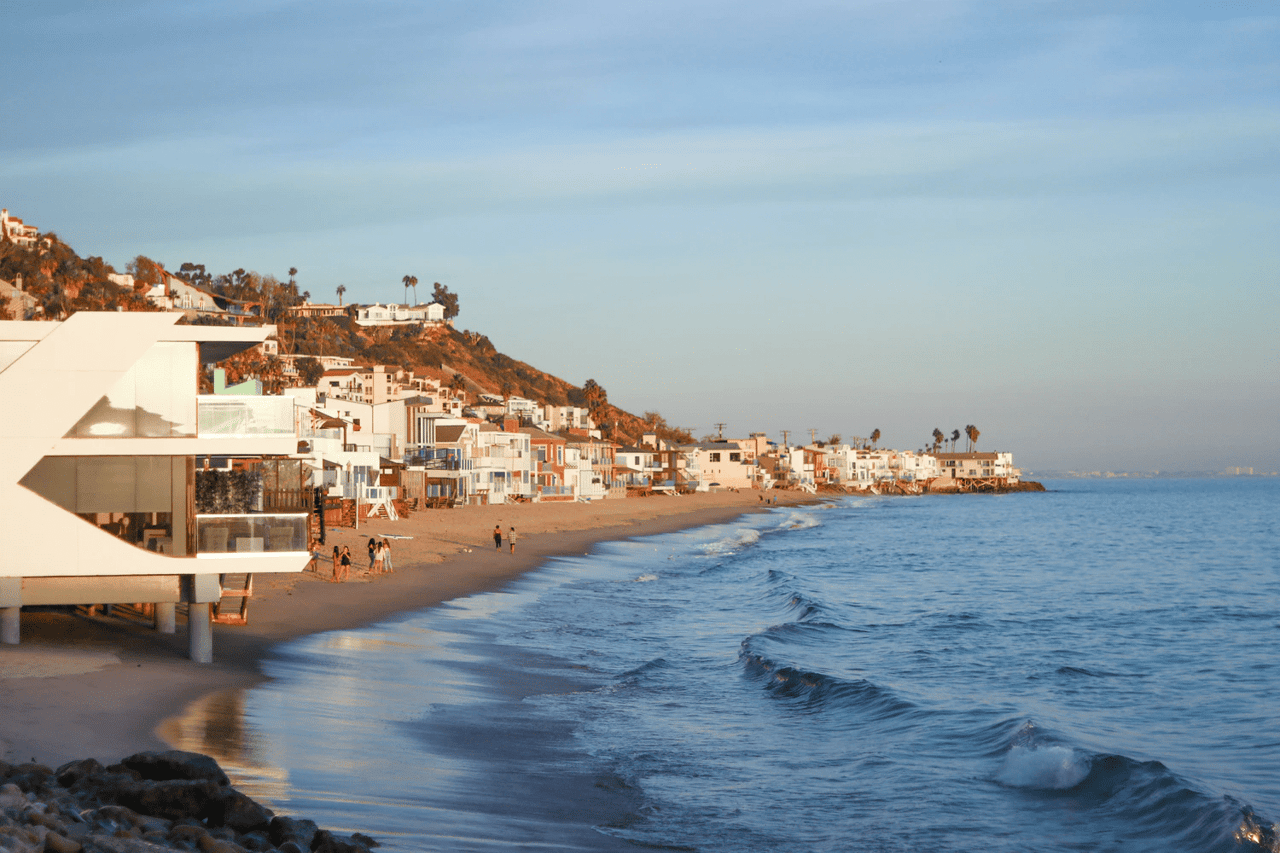
- On-the-sand properties deliver an immersive, on-the-water feel, but views can change with tides, storm surge, and sand movement.
Privacy and separation
- Bluff-top living often provides more natural privacy because you sit above beach activity, which can also mean quieter evenings.
- On-the-sand homes experience higher public foot traffic, which may reduce privacy at certain hours.
Beach access
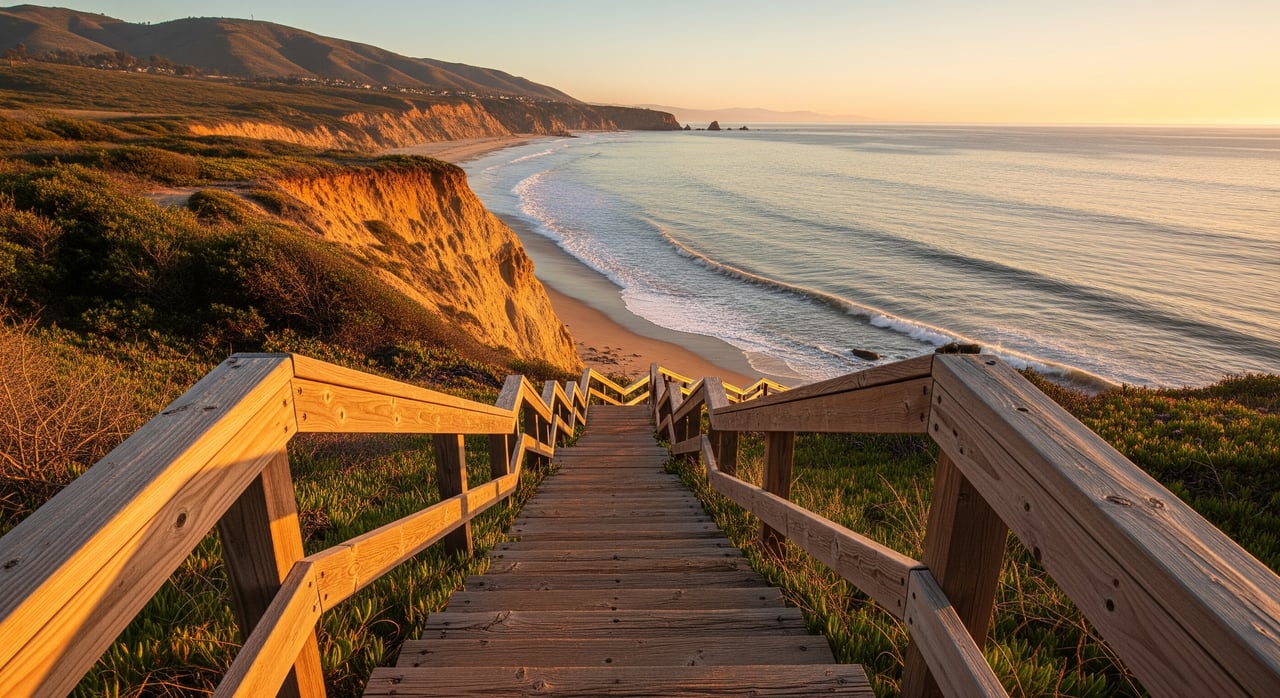
- Bluff-top access is not always direct. You may have private stairs, a recorded easement, or rely on nearby public access points. Vertical access can be steep and is not always ADA accessible.
- On-the-sand properties typically have grade-level access to the beach, but public access rights can limit exclusivity.
Hazards and long-term risk
- Bluff-top risks are tied to bluff retreat and erosion, rain-induced slope failure, and potential landslides. Geotechnical evaluation and stabilization may be part of ownership.
- On-the-sand homes face higher immediate exposure to waves, storm surge, flooding, and wind-driven events, which can affect structural safety and insurability.
Permitting and regulation
- Bluff-top development and major alterations commonly require Coastal Development Permits, building and grading permits, and site-specific geotechnical approvals. Setbacks from the bluff edge are typical.
- On-the-sand projects face strict limits near the mean high tide line and may require recurring permits for shoreline protection or emergency repairs.
Insurance and maintenance
- Bluff-top policies may include endorsements for erosion or land movement, with ongoing maintenance of stabilization systems and drainage.
- On-the-sand policies often carry higher premiums for flood and wind exposure, and lender requirements can be more demanding.
Site orientation and view corridors
View corridors and lot width
A view corridor is the unobstructed sightline from primary living areas toward the ocean. On bluff-top lots, lot width, building setbacks, neighbor heights, and vegetation all shape your view. Wider or corner lots can deliver sweeping coastline views, while narrower lots may frame a focused ocean slice.
Sun, wind, and weather
West and southwest-facing façades showcase sunset views and late-day light, but also capture prevailing ocean winds and storm exposure. Southern exposure provides consistent daylight and calmer afternoons in many settings. Northern-facing spaces tend to be cooler and receive less direct sun, which can influence glazing choices and outdoor living zones.
Noise and neighbors
Even with elevation, proximity to Pacific Coast Highway or nearby public access points can influence sound and privacy. Before you buy, spend time on-site at different hours to gauge traffic hum, weekend activity, and seasonal variability. Small changes in location along the bluff can have a noticeable impact on your day-to-day experience.
Design and landscape choices
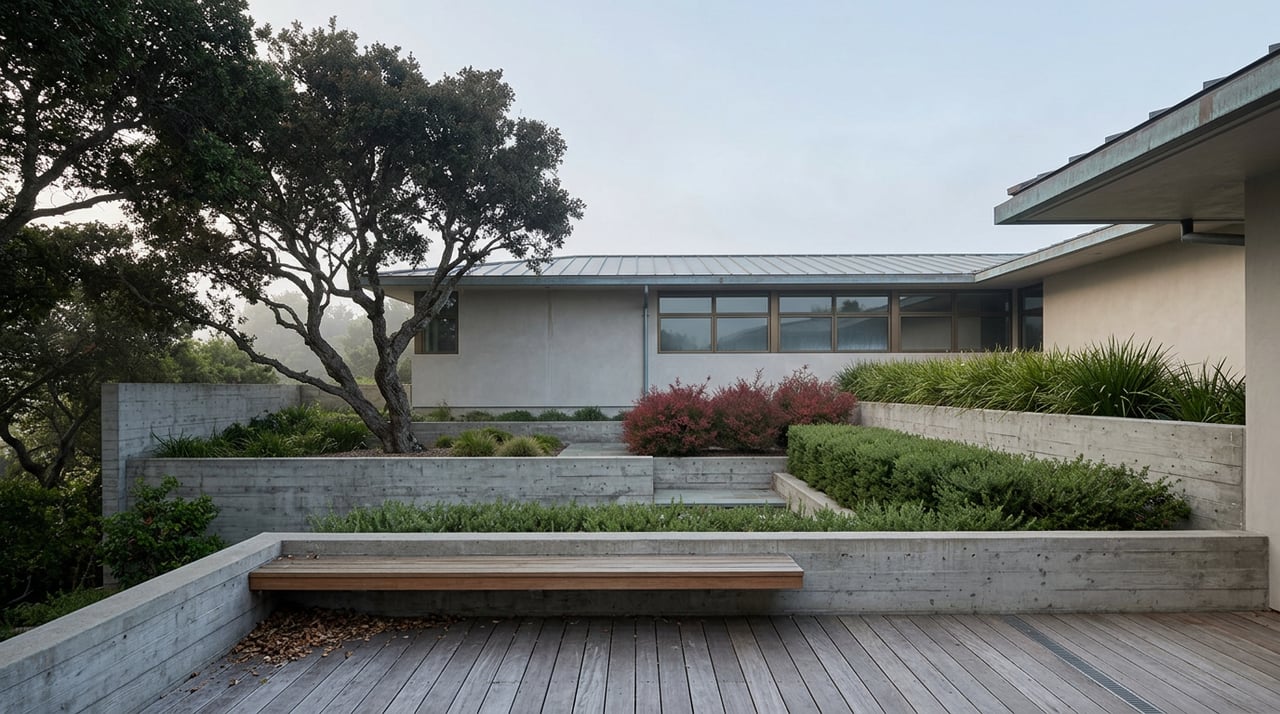
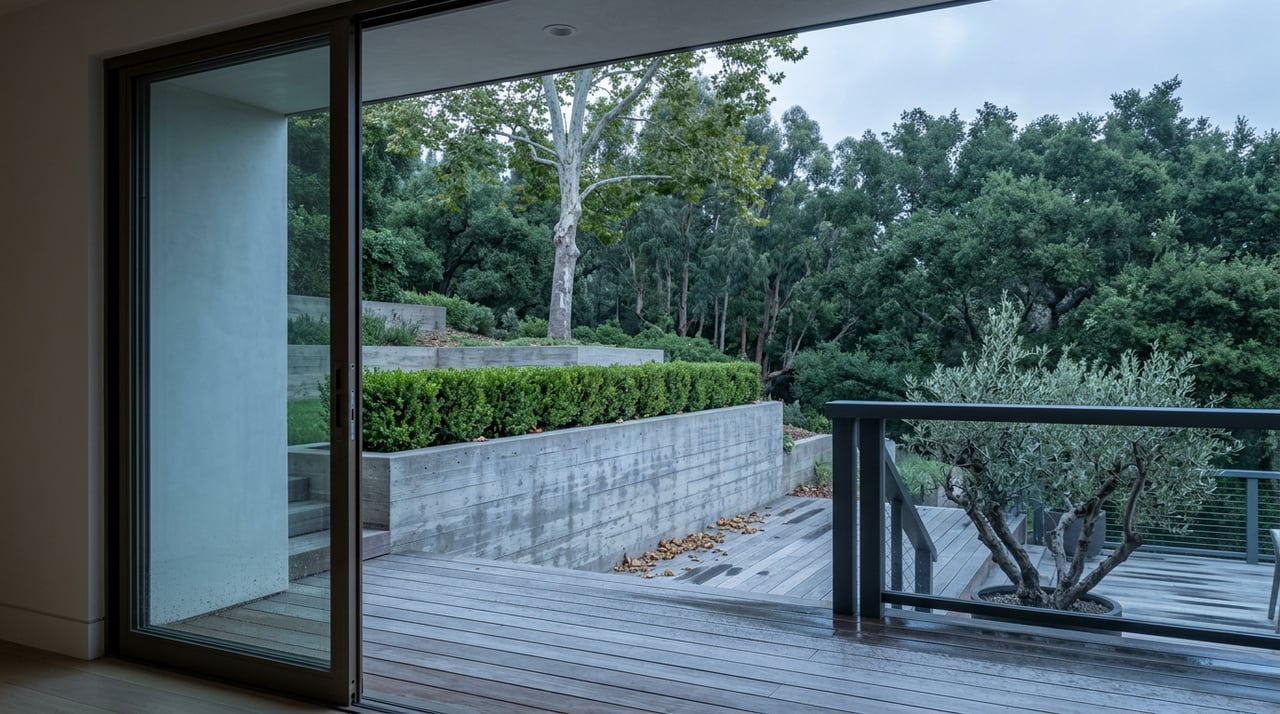
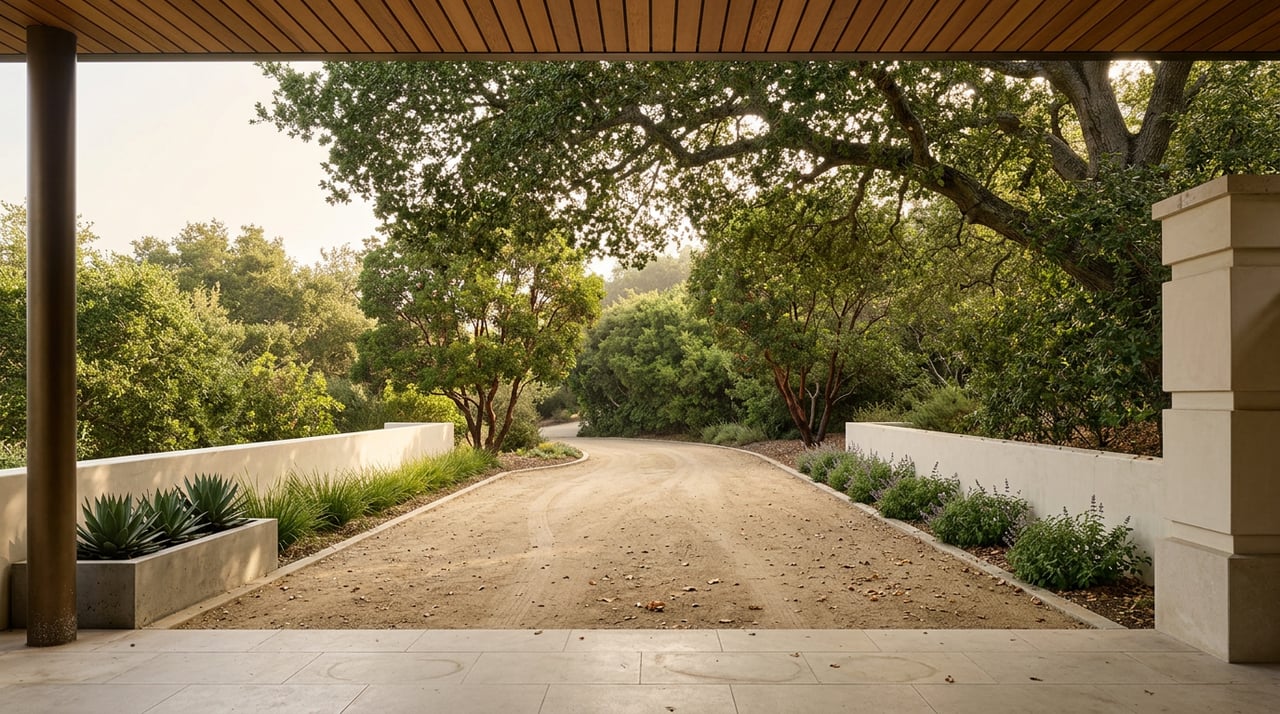
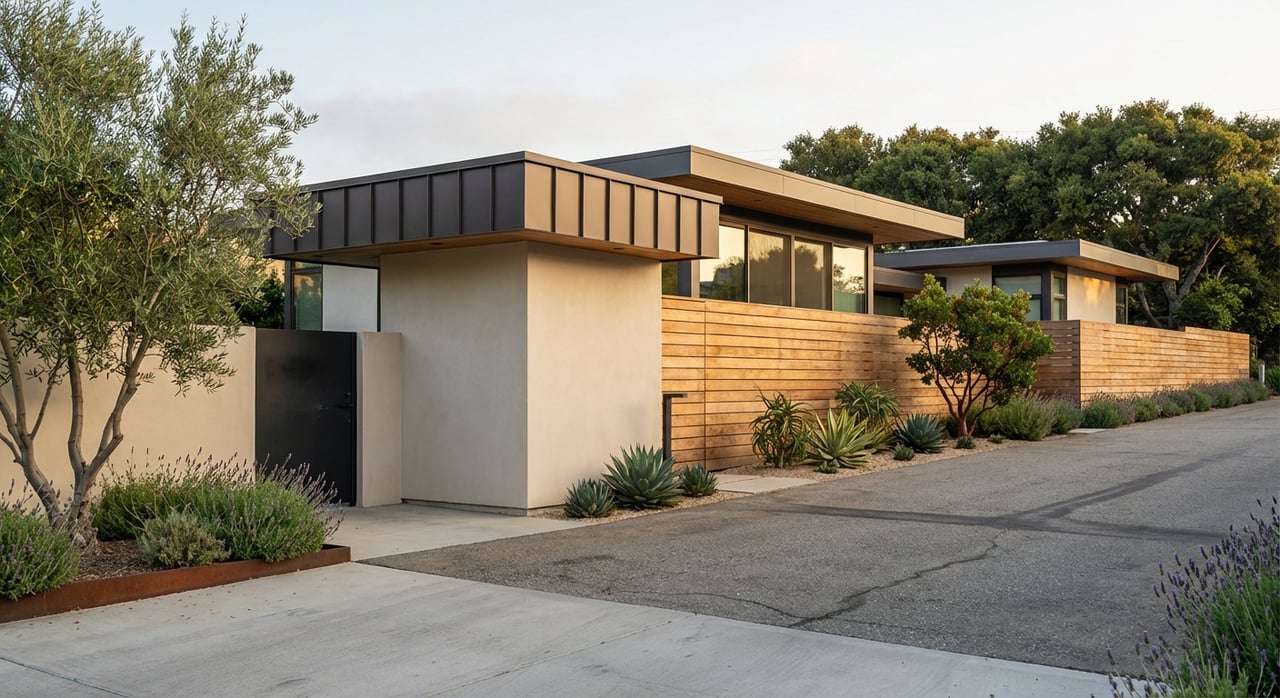
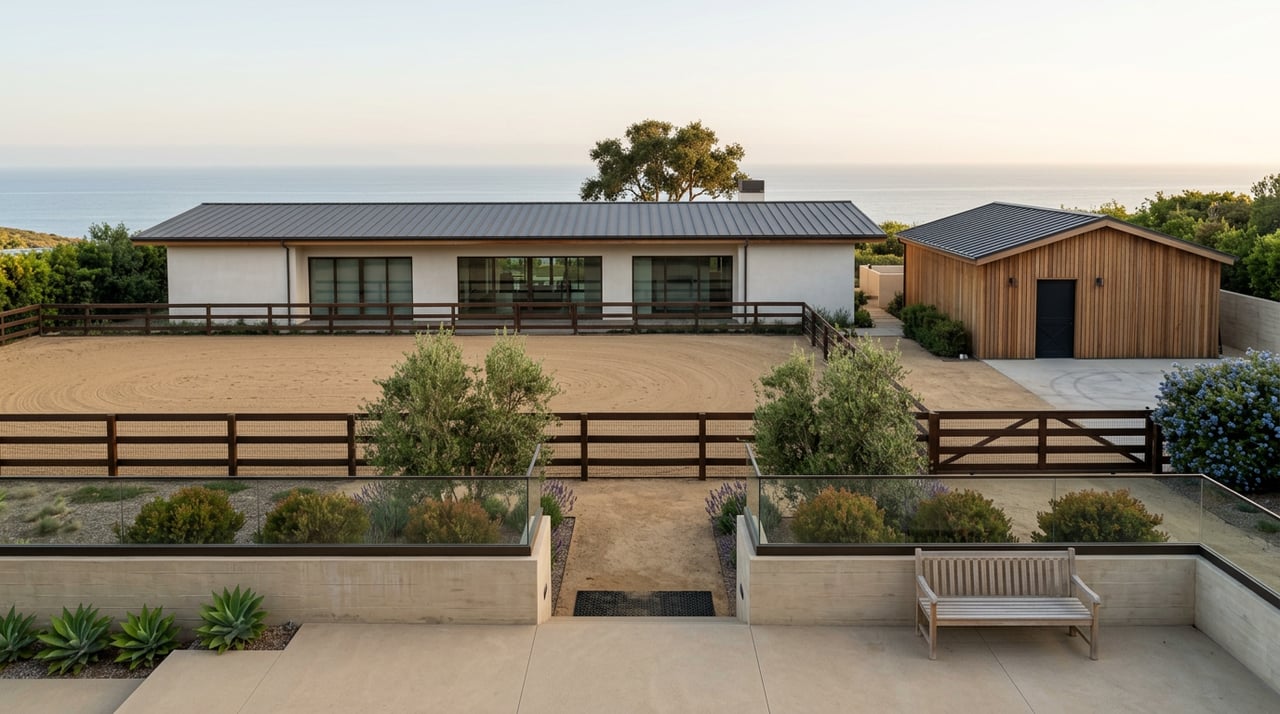
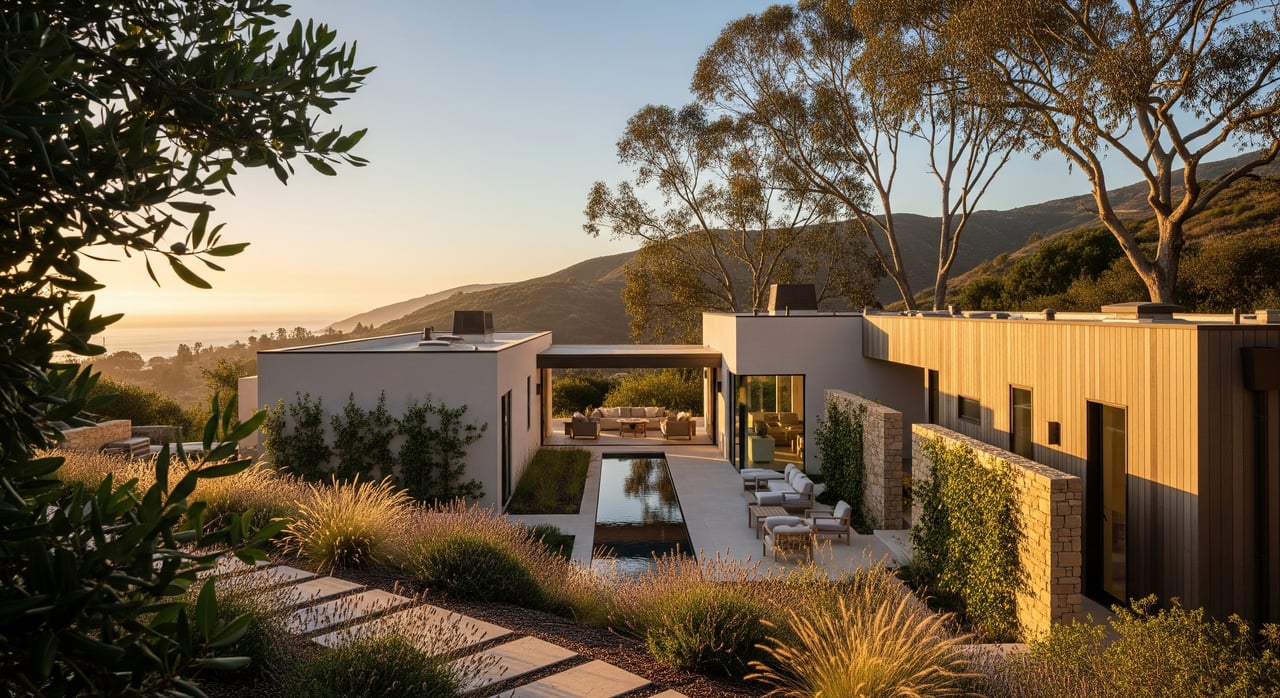
Most bluff-top homes place living areas toward the ocean and service spaces inland to maximize views. Landscaping usually favors low, non-invasive, drought-tolerant plants that preserve sightlines and support erosion control. Minimizing irrigation near the bluff edge helps protect slope stability over time.
Regulations and geotechnical essentials
Permits and approvals
Expect a Coastal Development Permit for new construction or substantial alterations, along with standard building and grading permits. The City of Malibu implements state coastal policies through its Local Coastal Program for parcels within city limits; in unincorporated areas, Los Angeles County planning manages coastal permits. Larger projects can trigger additional coastal review and extended timelines.
Geotechnical reports and setbacks
A current, site-specific geotechnical report prepared by a licensed geotechnical engineer is the foundation of responsible bluff-top ownership. The report assesses slope stability, historical bluff retreat, groundwater conditions, and recommends setbacks and mitigation. It guides design choices such as foundation type, drainage, and long-term monitoring.
Sea level rise and bluff retreat
Bluff retreat is site-specific and can range from inches to feet during strong storm events. Sea level rise increases wave energy at the bluff toe, which can accelerate erosion over time. Many coastal regulators now require analysis showing that structures have a reasonable economic life considering projected erosion and sea level rise.
Public access and easements
California’s coastal policies favor public access along the shoreline and vertical pathways where feasible. Some properties include recorded public access easements. Confirm any easements or rights-of-way during due diligence so you understand access obligations and how they affect privacy and use.
Flood and hazard mapping
Review FEMA Flood Insurance Rate Maps to determine flood zone status and whether wave action may exceed base flood assumptions. Elevation Certificates, local floodplain rules, and site-specific reports help clarify risk. This information can influence design, insurance, and lender requirements.
Insurance and lending
Lenders and insurers treat coastal bluff properties differently from inland homes. Coverage for earth movement, slope failure, or flood can be specialized and costly. Ask for the property’s insurance renewal history and obtain quotes early so you have a clear view of availability, pricing, and any coverage conditions.
Architecture and construction on the bluff
Styles that perform well
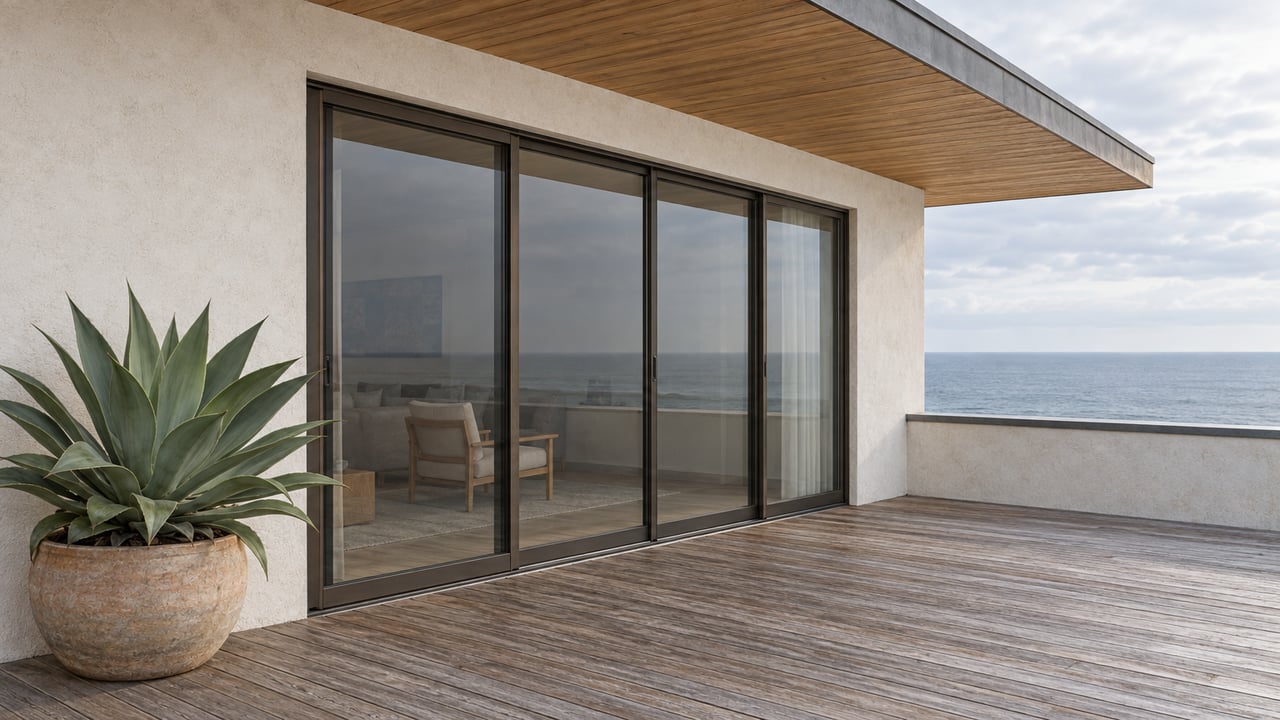
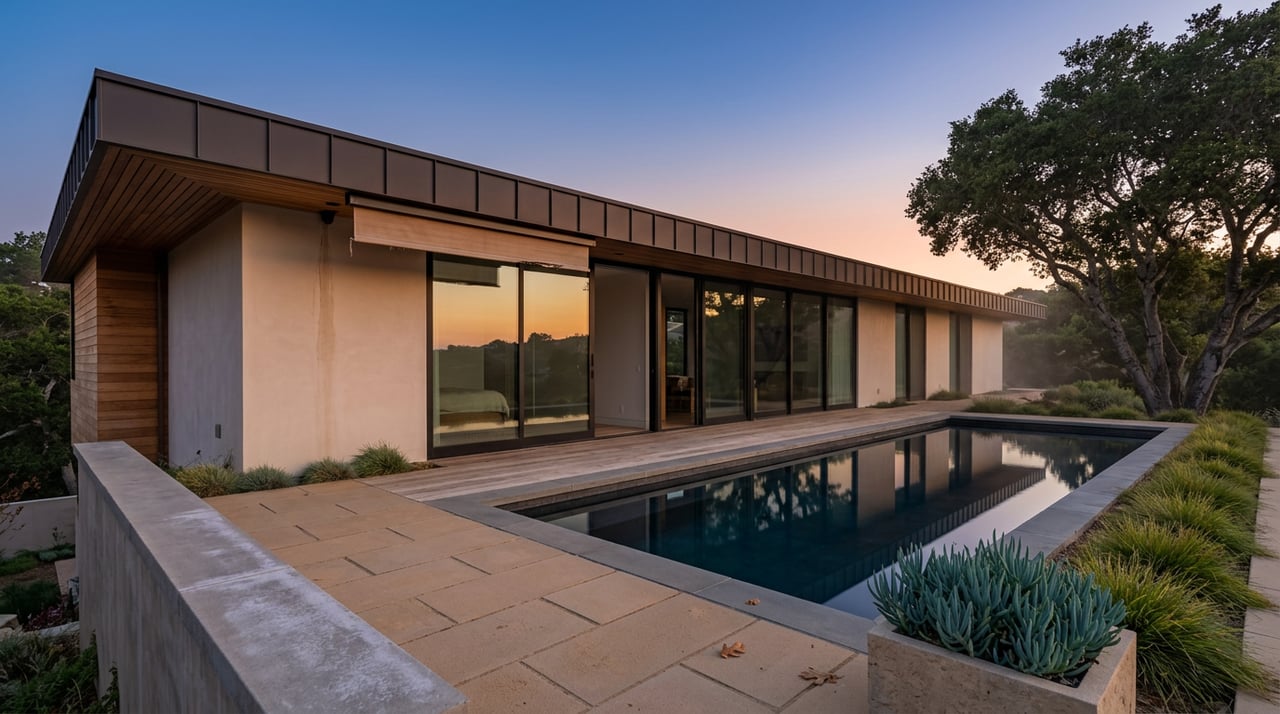
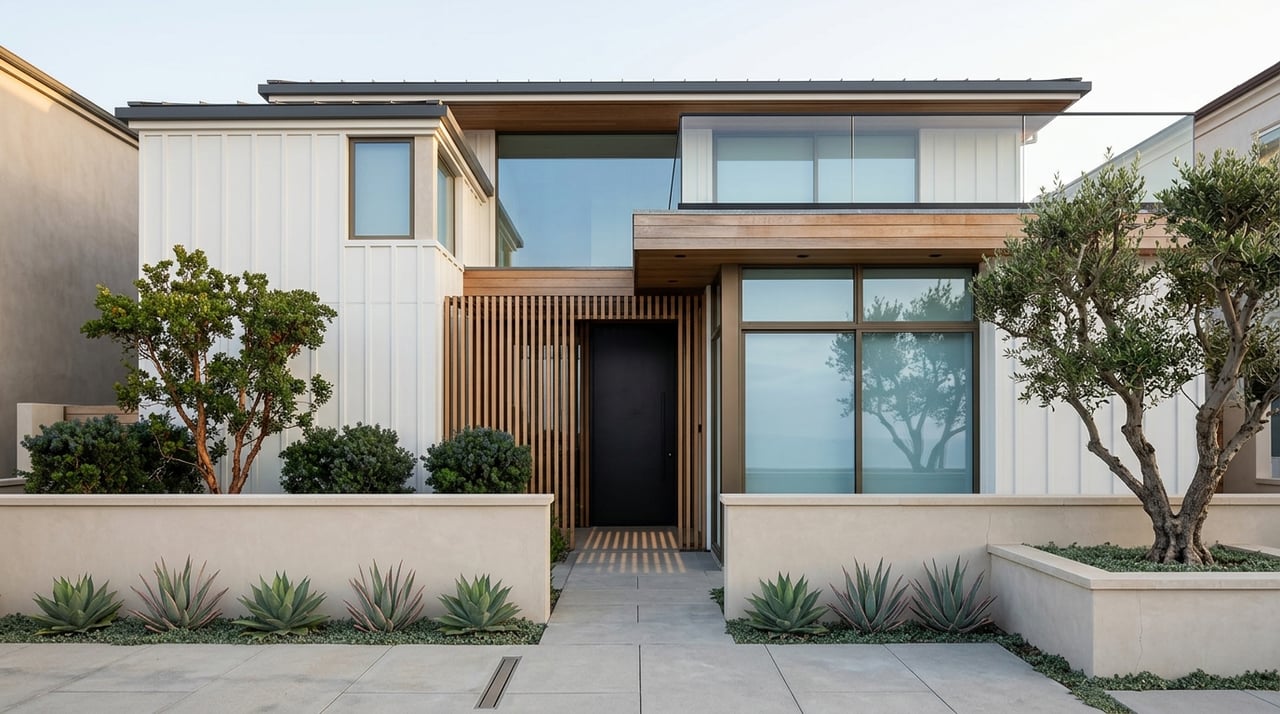
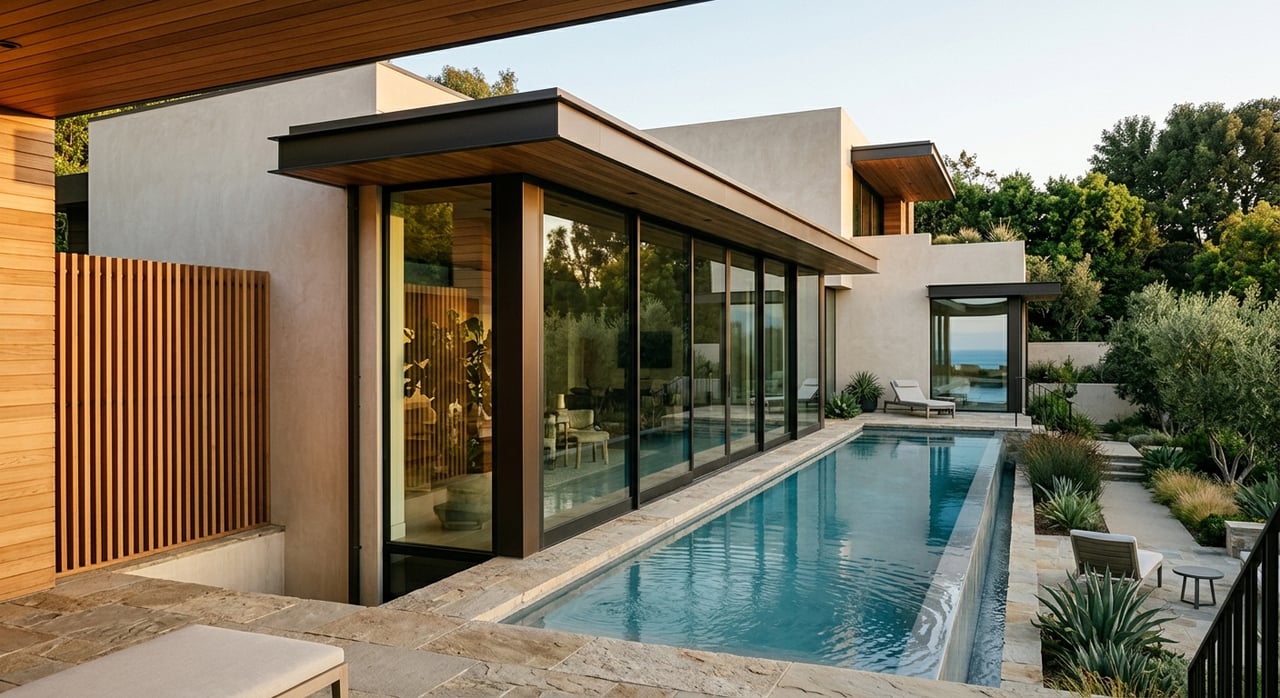
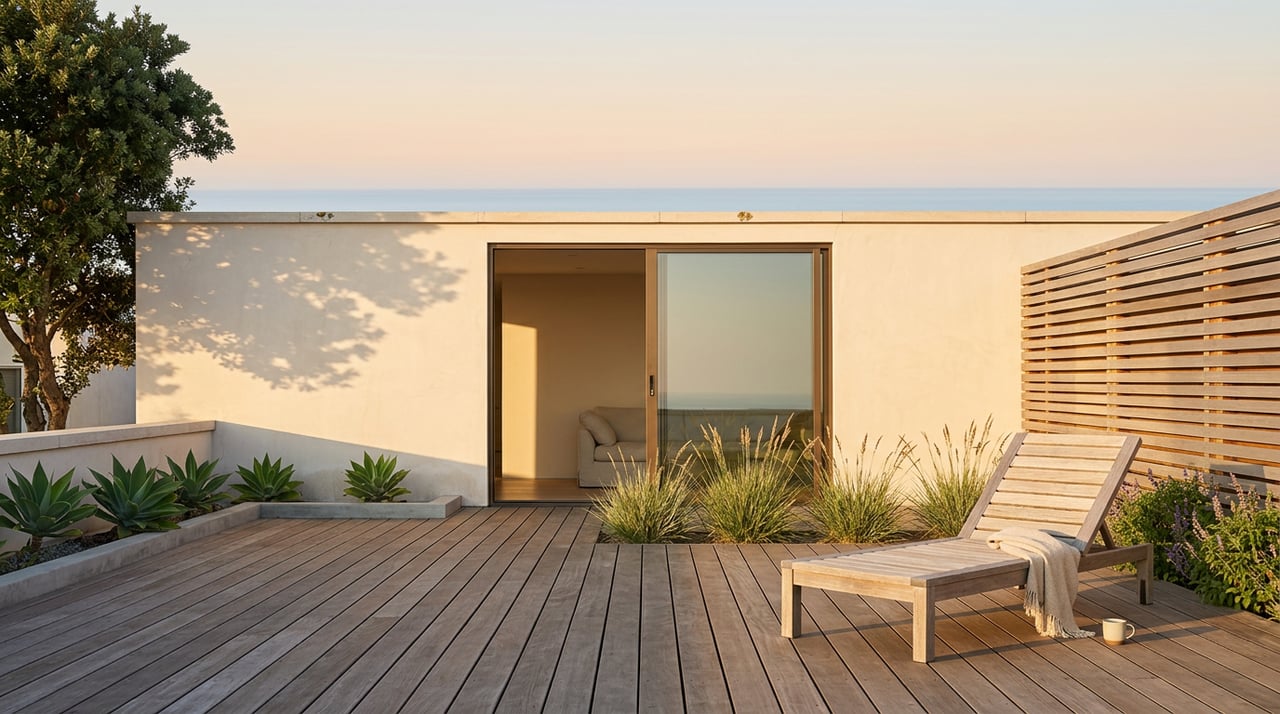
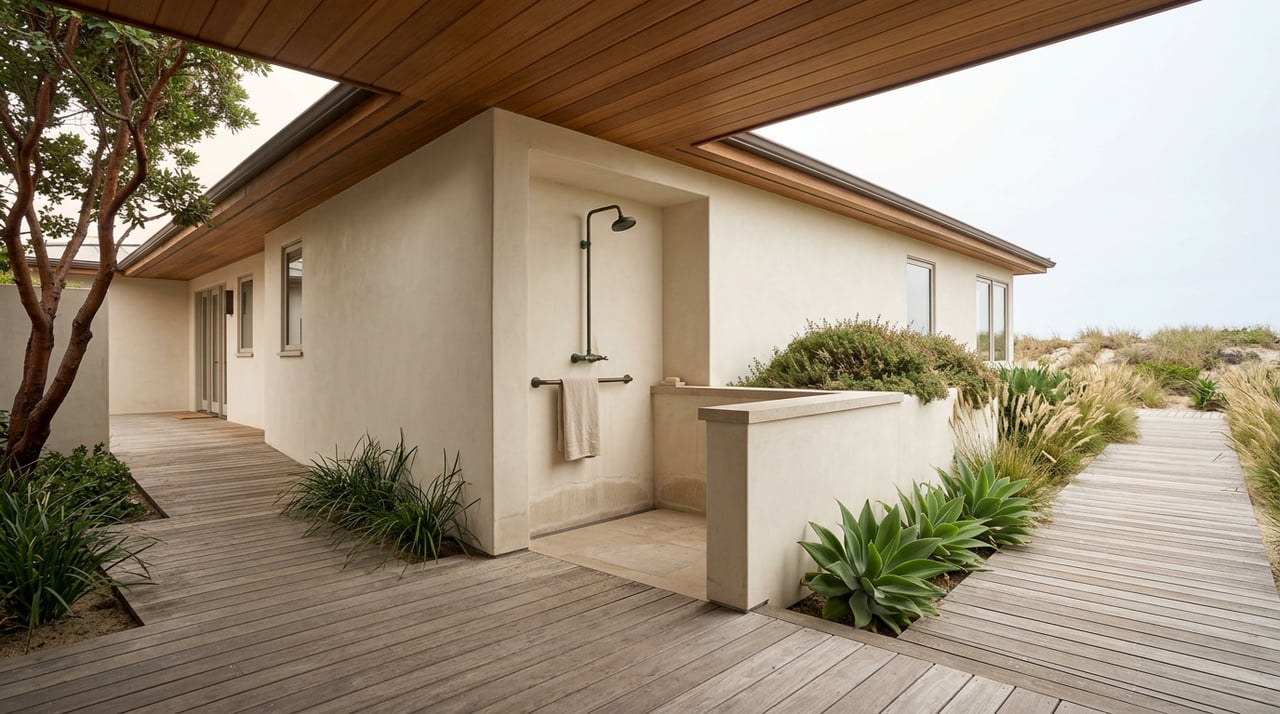
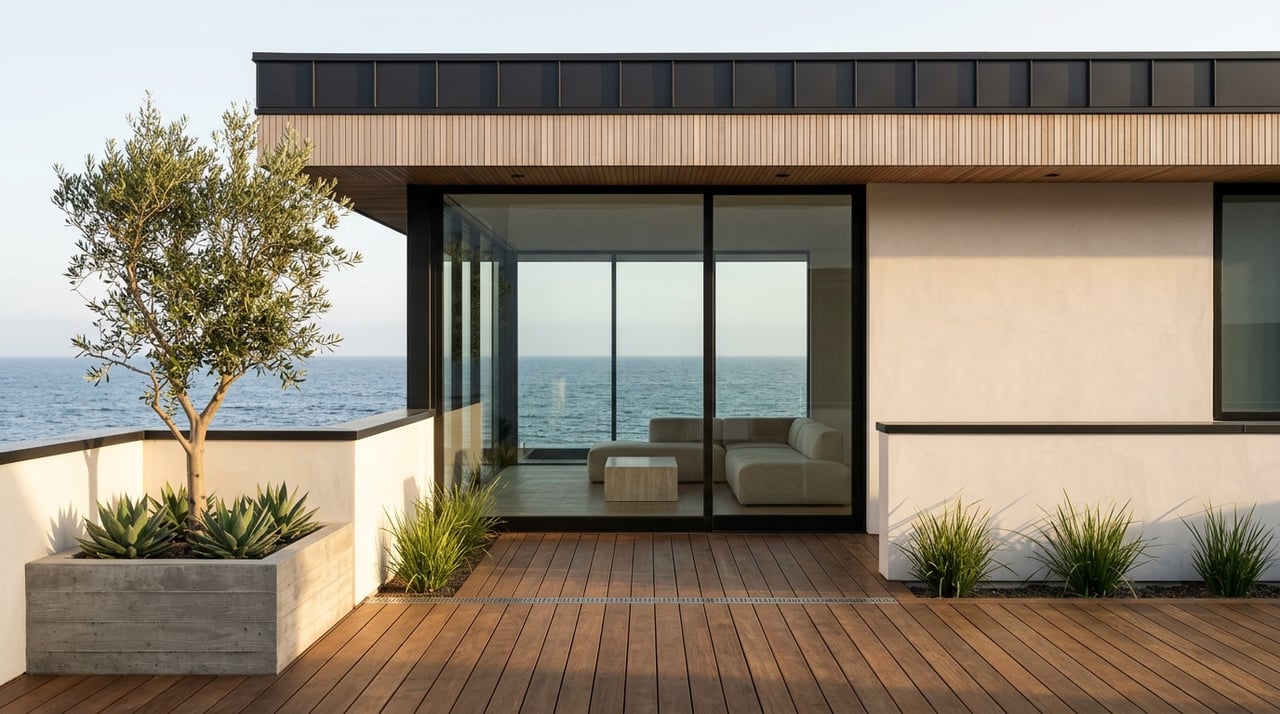
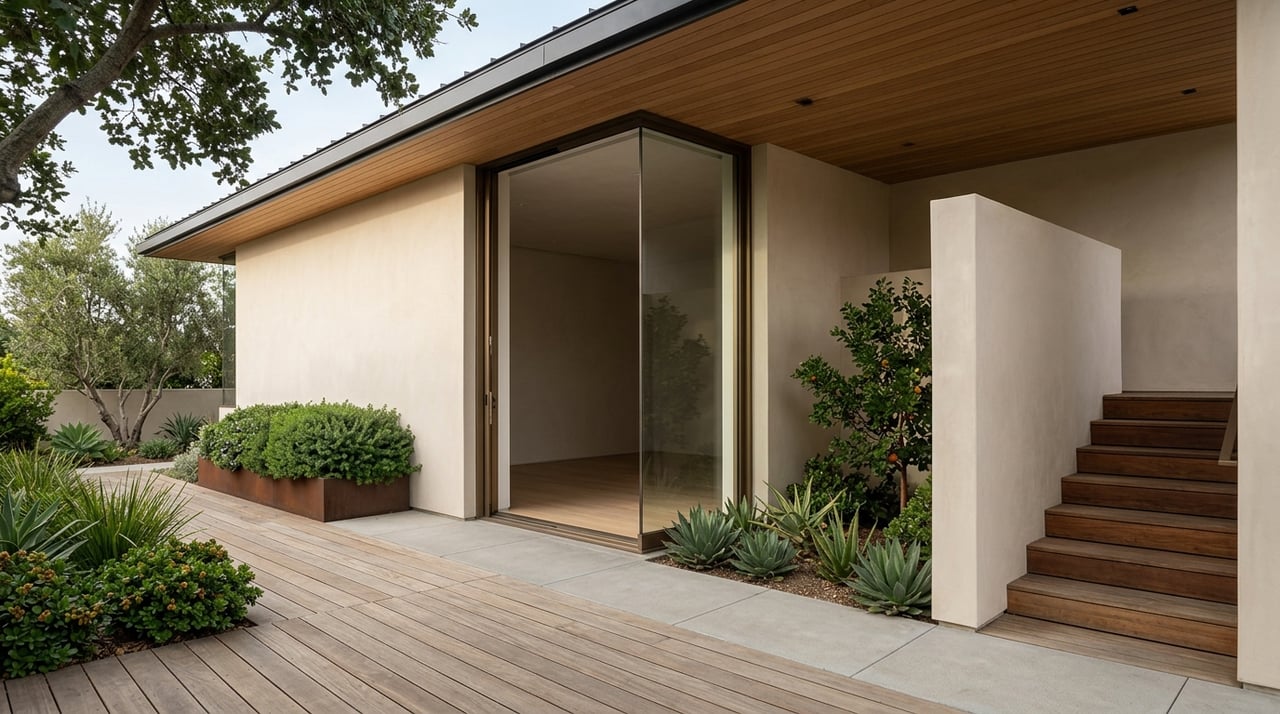
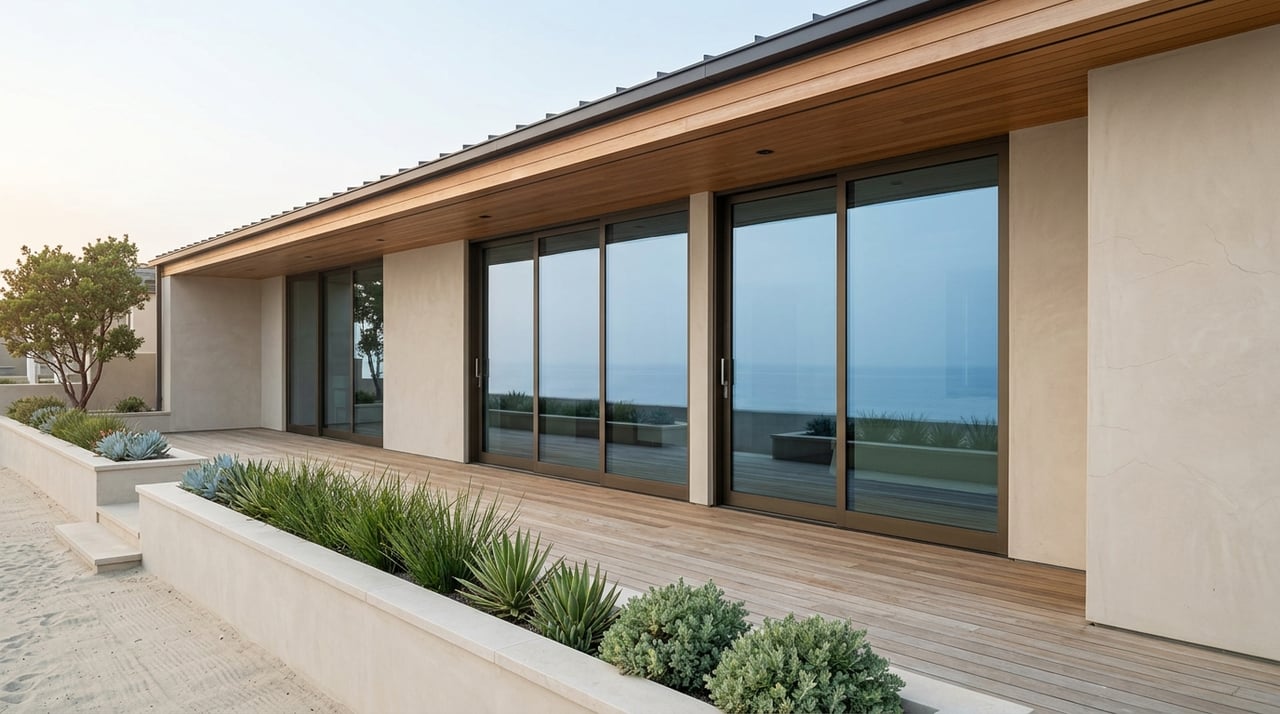
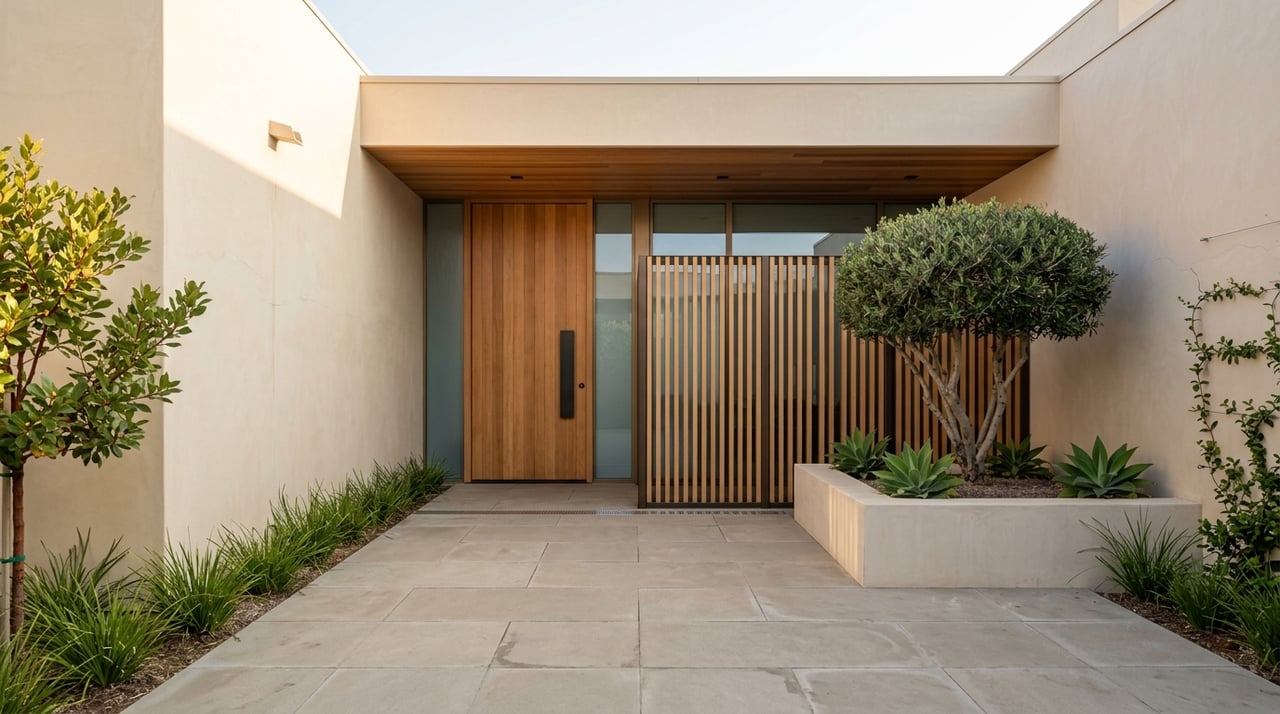
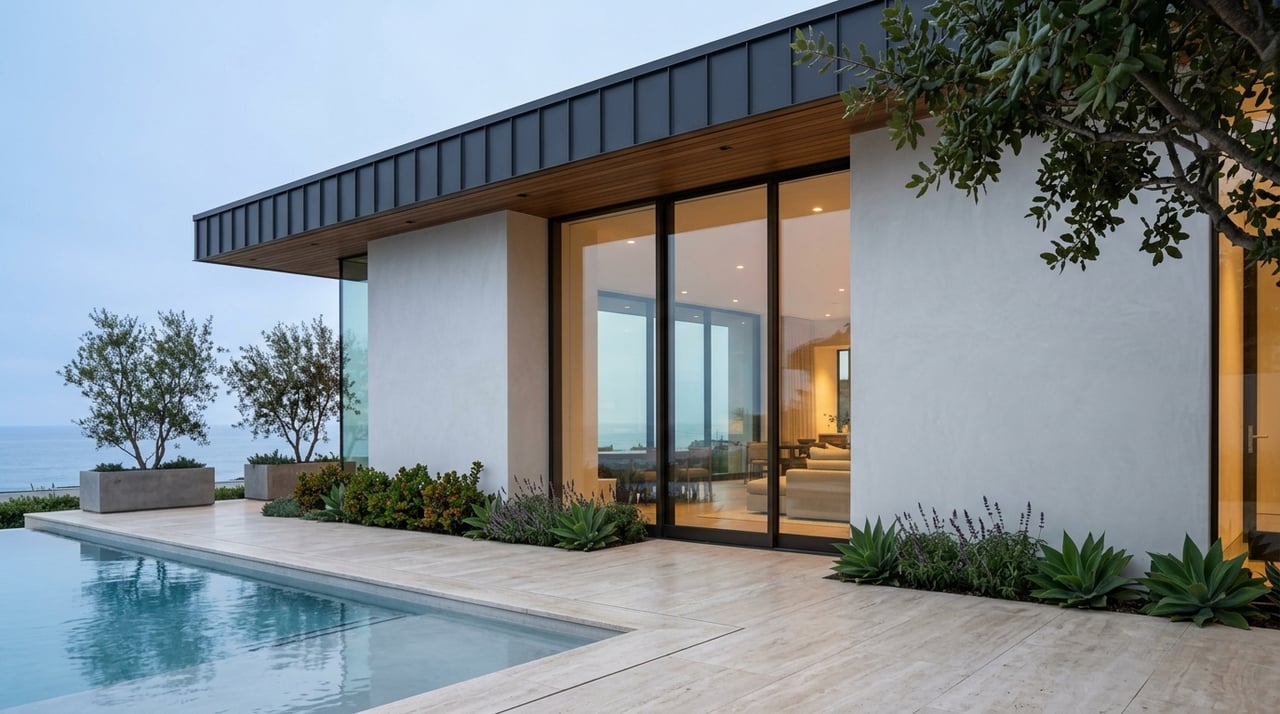
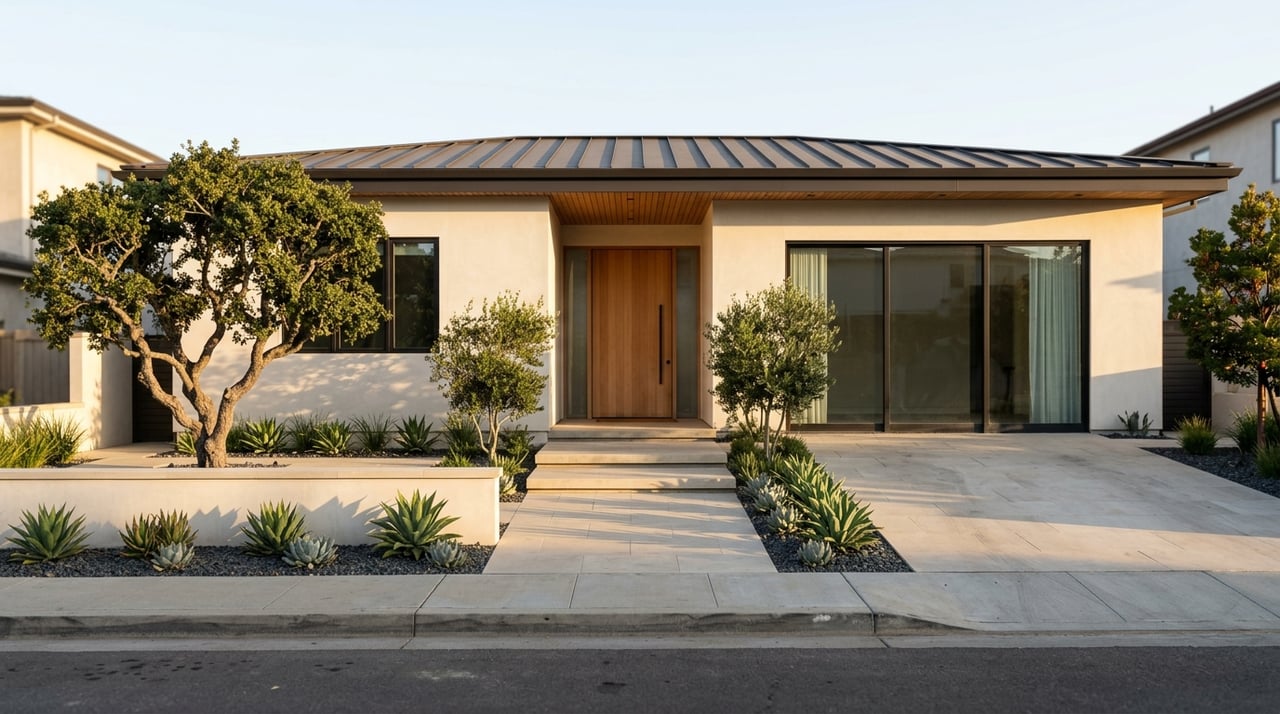
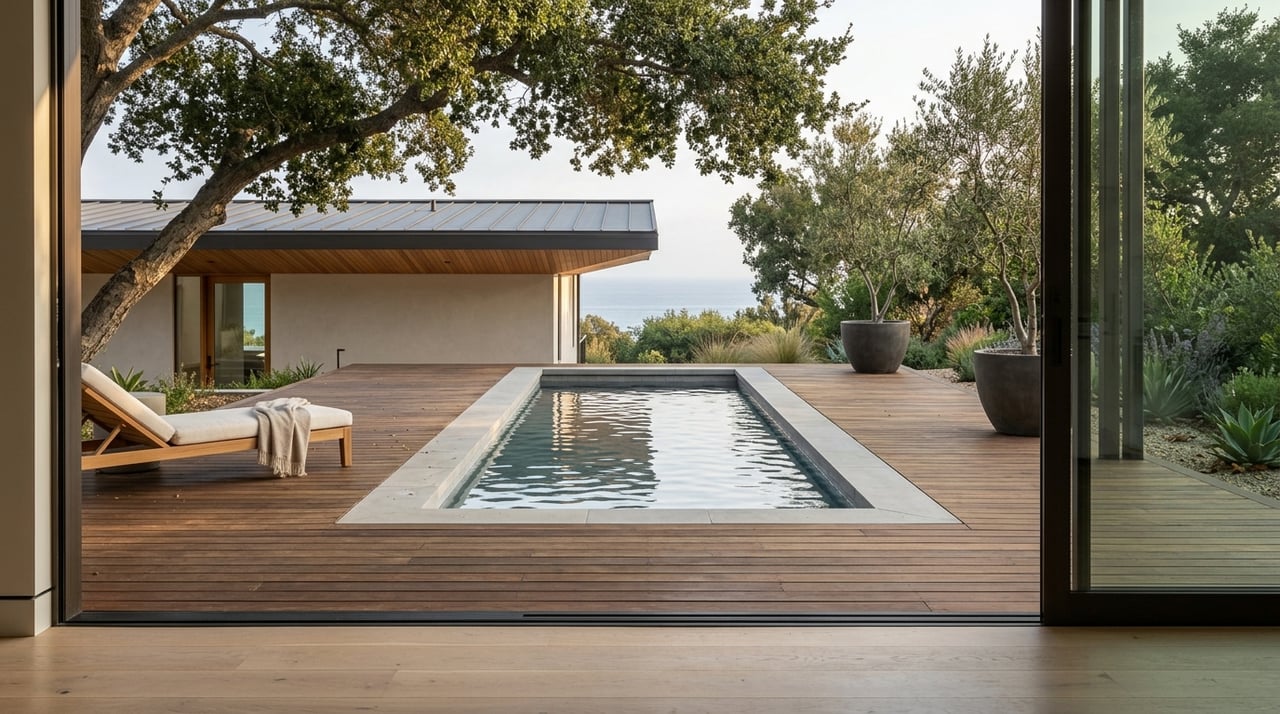
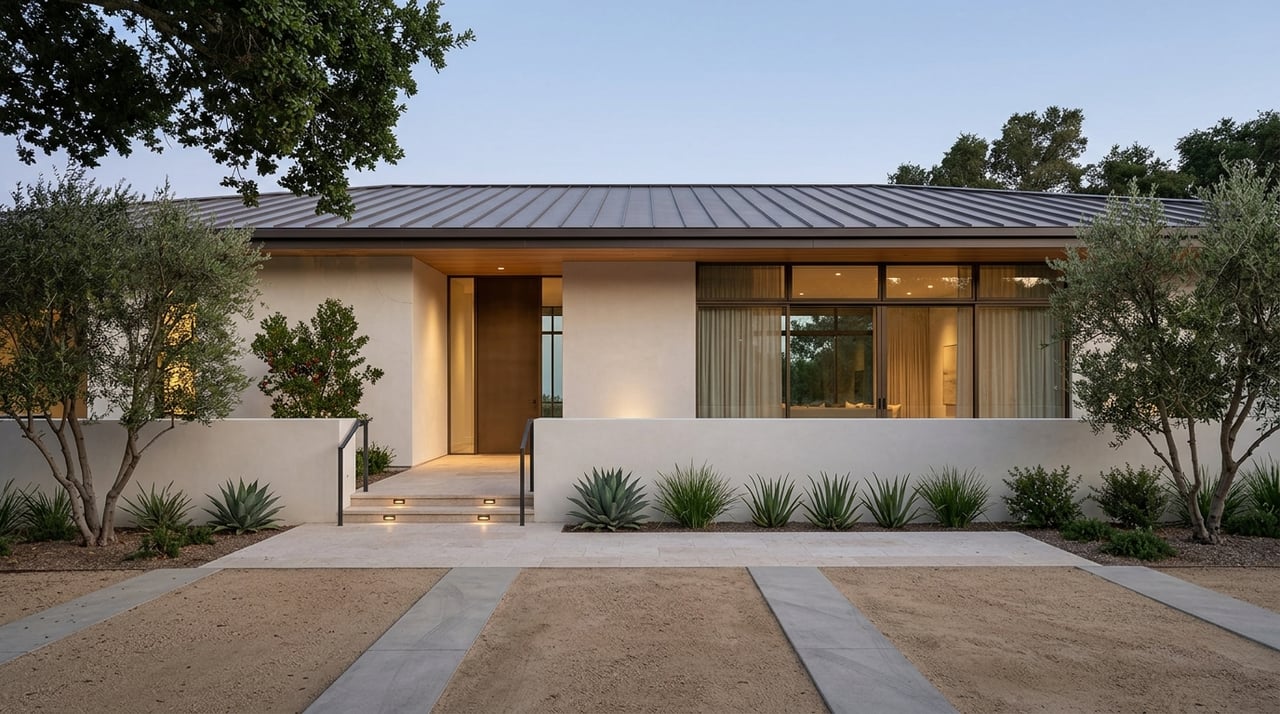
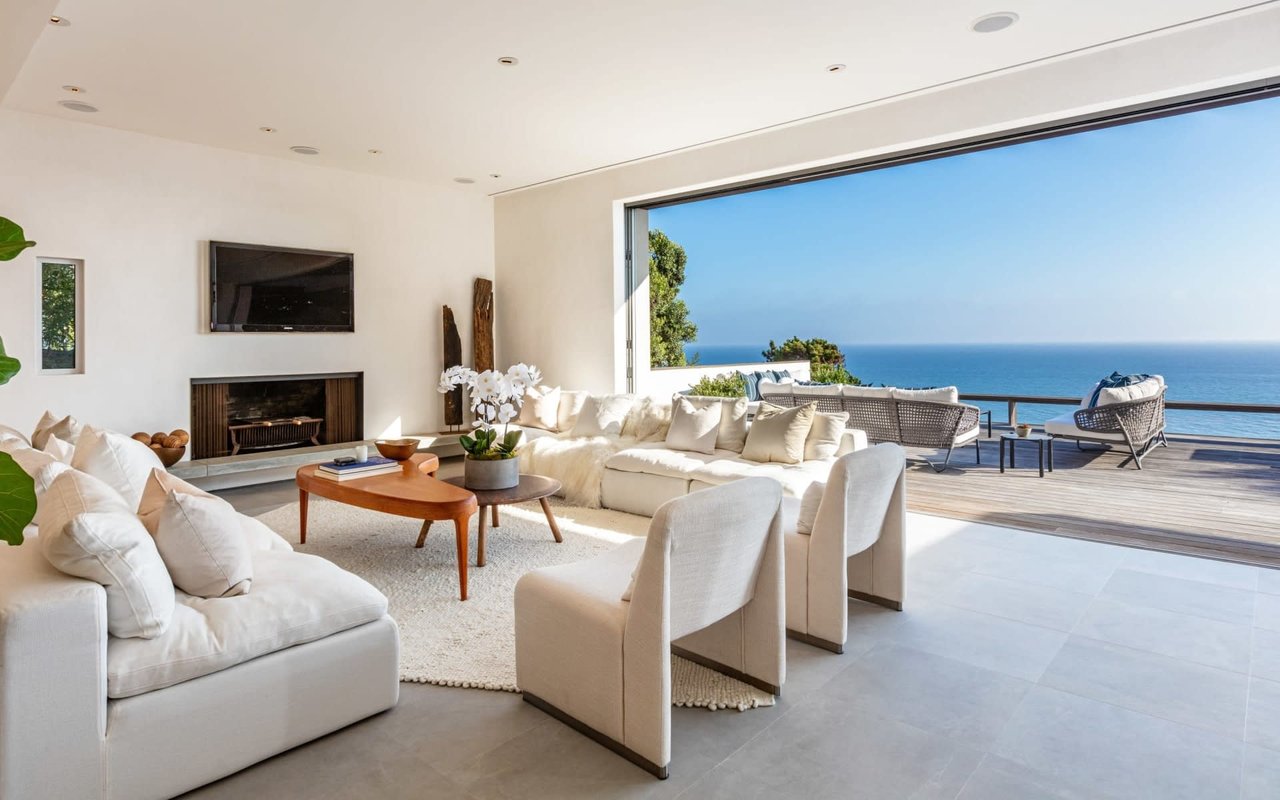
Contemporary and modern homes with large glass façades and open plans are common, as are mid-century influences and coastal vernacular aesthetics. Multi-level designs that step down the slope take advantage of light and views while balancing massing on the lot. Terraces, cantilevered decks, and layered outdoor rooms reflect the indoor-outdoor lifestyle.
Foundations and stabilization
Foundation choices depend on geotechnical findings. Shallow spread footings may work inland on stable soils, while deep piers, piles, or caissons can transfer loads to competent strata near the bluff edge. Retaining walls and anchored systems require careful engineering and permits and are often discouraged close to the bluff edge where toe undermining is a concern.
Beach access stairs and drives
Private stairways or switchback paths may provide beach access, but they require routine inspection and maintenance. Conditions can be attached to permits, including potential removal if instability occurs. Driveways and curb cuts may be constrained by street frontage and slope, so verify emergency and utility access compliance.
Materials for marine conditions
Salt air accelerates corrosion. Marine-grade fasteners, stainless steel anchors, rot-resistant cladding, and well-detailed waterproofing extend service life. Thoughtful landscape design with deep-rooted native plants supports slope stability and reduces irrigation near the bluff edge.
Ongoing maintenance
Plan for regular inspections of the bluff face, drainage, retaining structures, and any access stairs. Keep vegetation managed so roots remain effective while preserving view corridors. Build an annual maintenance budget that includes periodic engineering evaluations and contingencies for remediation.
Buyer due diligence checklist
Before you write an offer in Encinal Bluffs, assemble a clear picture of risk, rights, and potential. Consider the following:
- Obtain a current, site-specific geotechnical report or make commissioning one a contingency.
- Review the title report for recorded easements, including any public access or utility easements.
- Verify zoning, bluff-edge setbacks, and permit history with the City of Malibu or L.A. County, depending on jurisdiction.
- Confirm FEMA flood zone status and request an Elevation Certificate if available.
- Order a recent topographic survey to confirm boundaries and distance from the bluff edge.
- Request insurance renewal history and obtain quotes for homeowner, flood, and earth movement coverage.
- Ask for maintenance records for stabilization measures, drainage, decks, and stairways.
- For homes with private beach access, verify ownership or easement rights in writing.
Common questions to explore include setback distance and how it was determined, any history of bluff retreat or slope failures, presence of public access easements, outstanding permit issues, expected maintenance costs, comparative insurance premiums versus beachfront, and the realistic useful life of the structure given regional sea level rise and erosion projections.
Is bluff-top right for you?
Choose bluff-top in Encinal Bluffs if you value dramatic ocean vistas, privacy from beach activity, and the serenity that comes with elevation. Expect to invest time in due diligence and to embrace proactive maintenance shaped by geotechnical guidance. If your priority is immediate sand access and an immersive shoreline experience, on-the-sand living may align better, with its own set of insurance and permitting trade-offs.
If you want a confidential walkthrough of active and quiet options in Encinal Bluffs, plus help interpreting permits, easements, and site reports, reach out. Book a Private Consultation with Sandro Dazzan for tailored guidance.
FAQs
What does bluff-top mean in Malibu’s Encinal Bluffs?
- Bluff-top means a home sits on or just behind a coastal bluff above the beach, offering elevated views and vertical separation from the shoreline without necessarily including private lateral beach ownership.
How does beach access work for Encinal Bluffs homes?
- Access may be via private stairs, recorded easements, or nearby public access points; vertical access can be steep and is not always ADA accessible, so verify rights and conditions during due diligence.
Are bluff-top homes safer than on-the-sand properties?
- Risks are different rather than better or worse: bluff-top homes face bluff retreat, erosion, and slope stability issues, while beachfront homes face higher exposure to waves, storm surge, flooding, and wind.
What permits do I need to remodel a bluff-top home in Malibu?
- Significant work typically requires a Coastal Development Permit plus building and grading permits, and site-specific geotechnical approvals; larger projects may involve extended coastal review timelines.
How do insurance costs compare between bluff-top and beachfront?
- Bluff-top policies often include endorsements for erosion or land movement, while beachfront homes can carry higher flood and wind premiums; obtain quotes early to understand lender and coverage requirements.
What due diligence should I complete before buying in Encinal Bluffs?
- Prioritize a current geotechnical report, title and easement review, zoning and setback verification, FEMA flood zone status, recent survey, insurance quotes, maintenance records, and proof of any beach access rights.