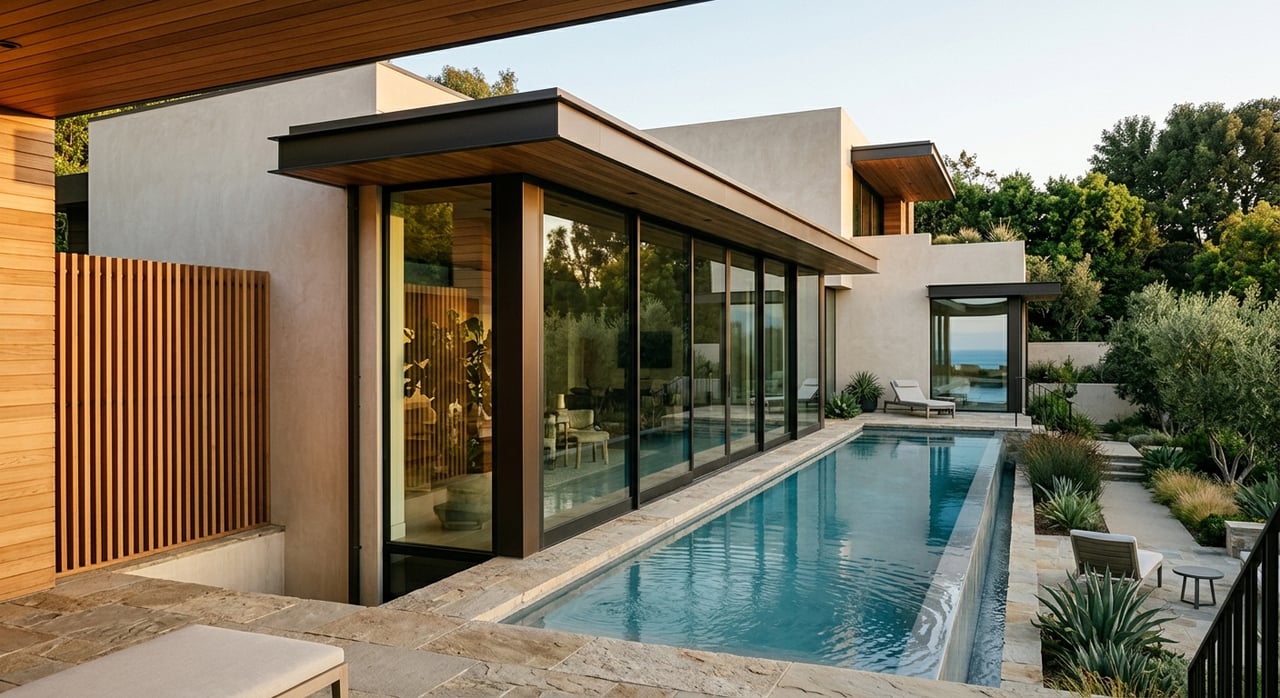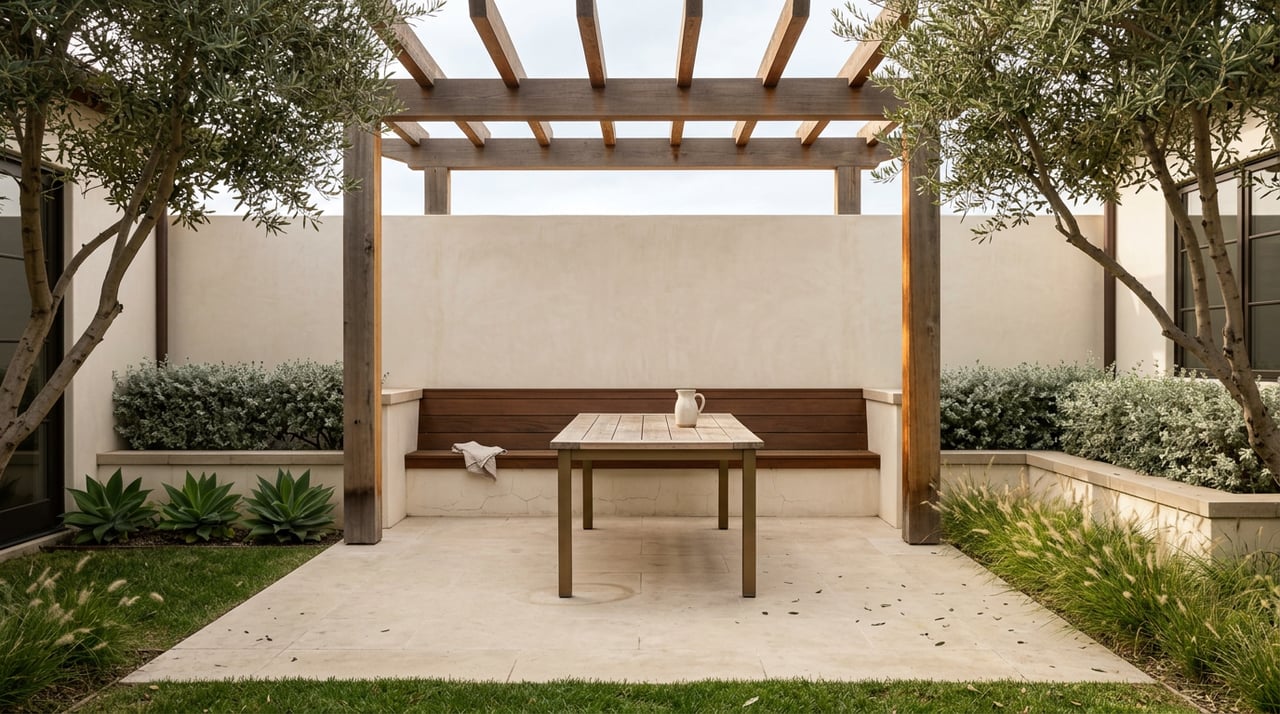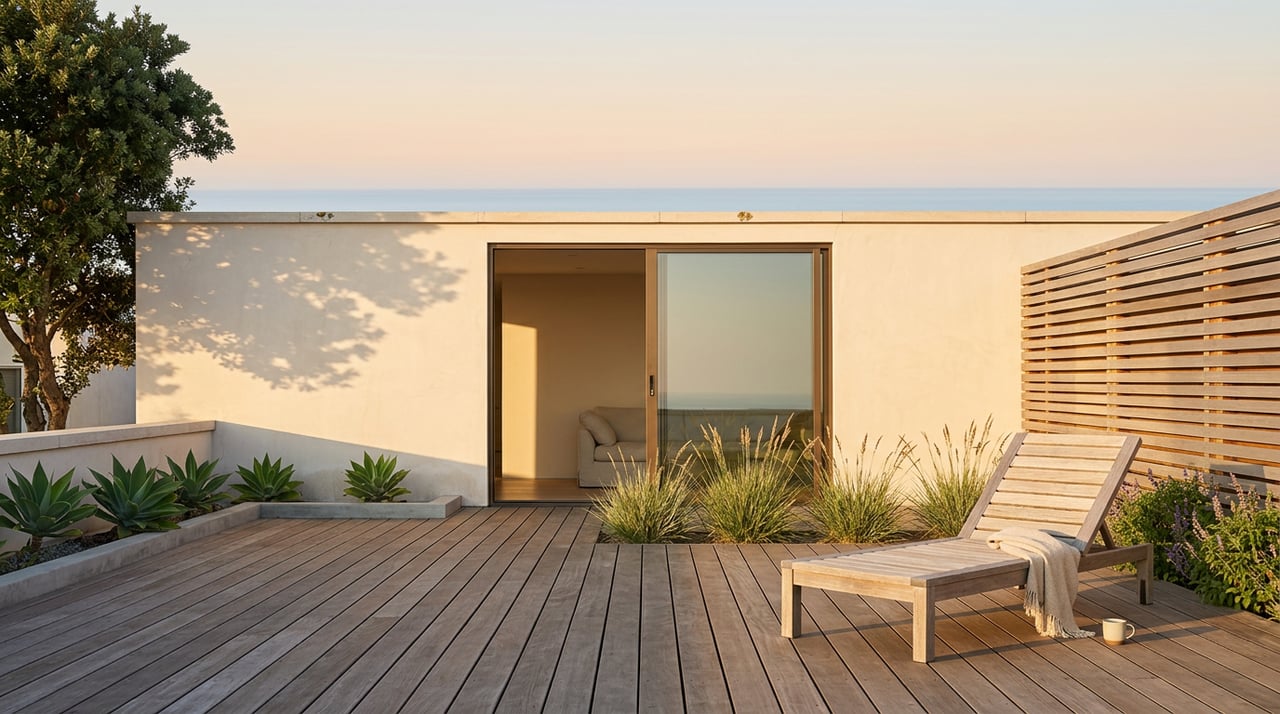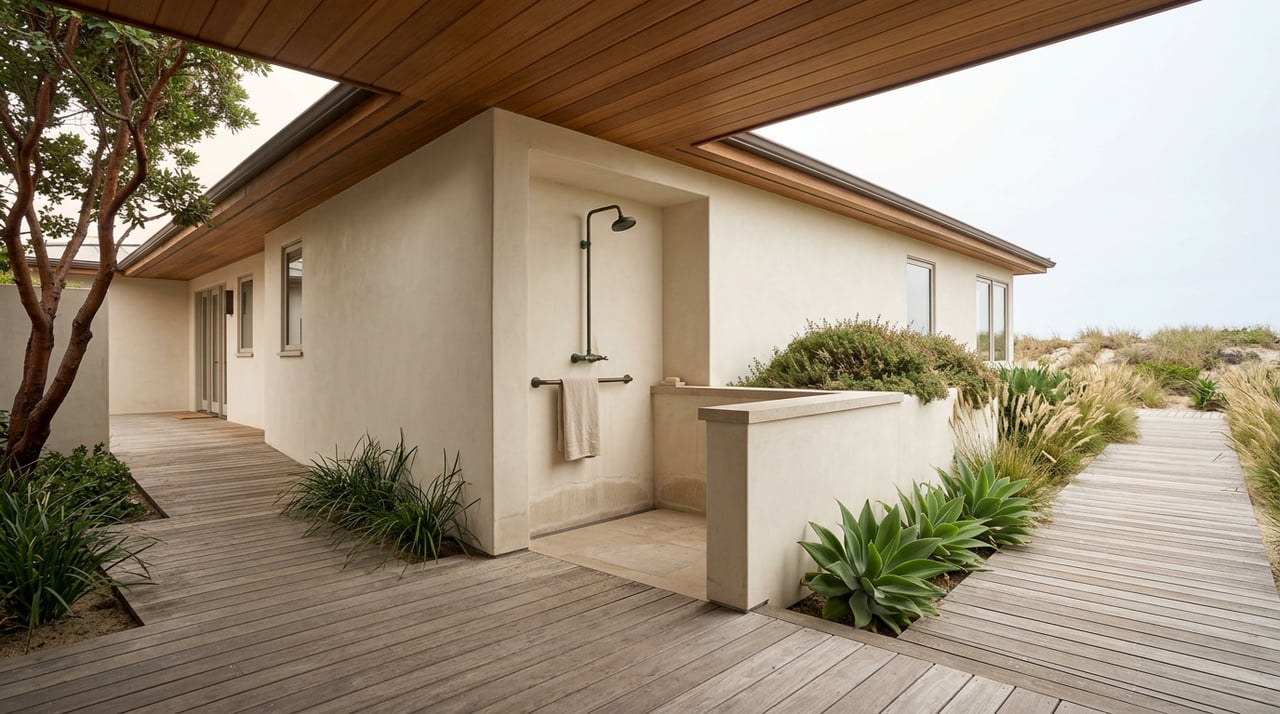
Are you weighing Point Dume for its acreage and privacy but unsure how the coast’s rules and terrain affect everyday living? You’re not alone. On this promontory, lot size and seclusion depend as much on orientation, setbacks, and topography as on square footage. In this guide, you’ll learn how different parcel types live, how local regulations shape what you can actually use, the key risks to watch, and a practical checklist to evaluate any property with confidence. Let’s dive in.
Point Dume at a glance
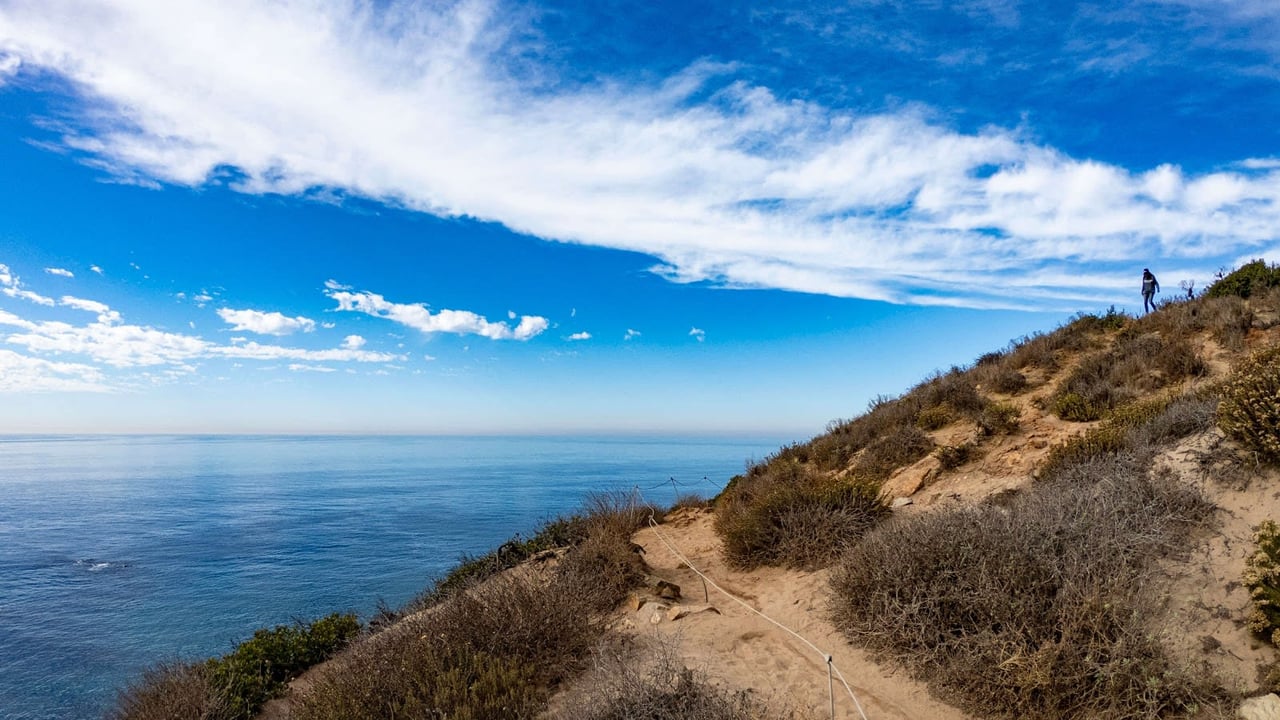
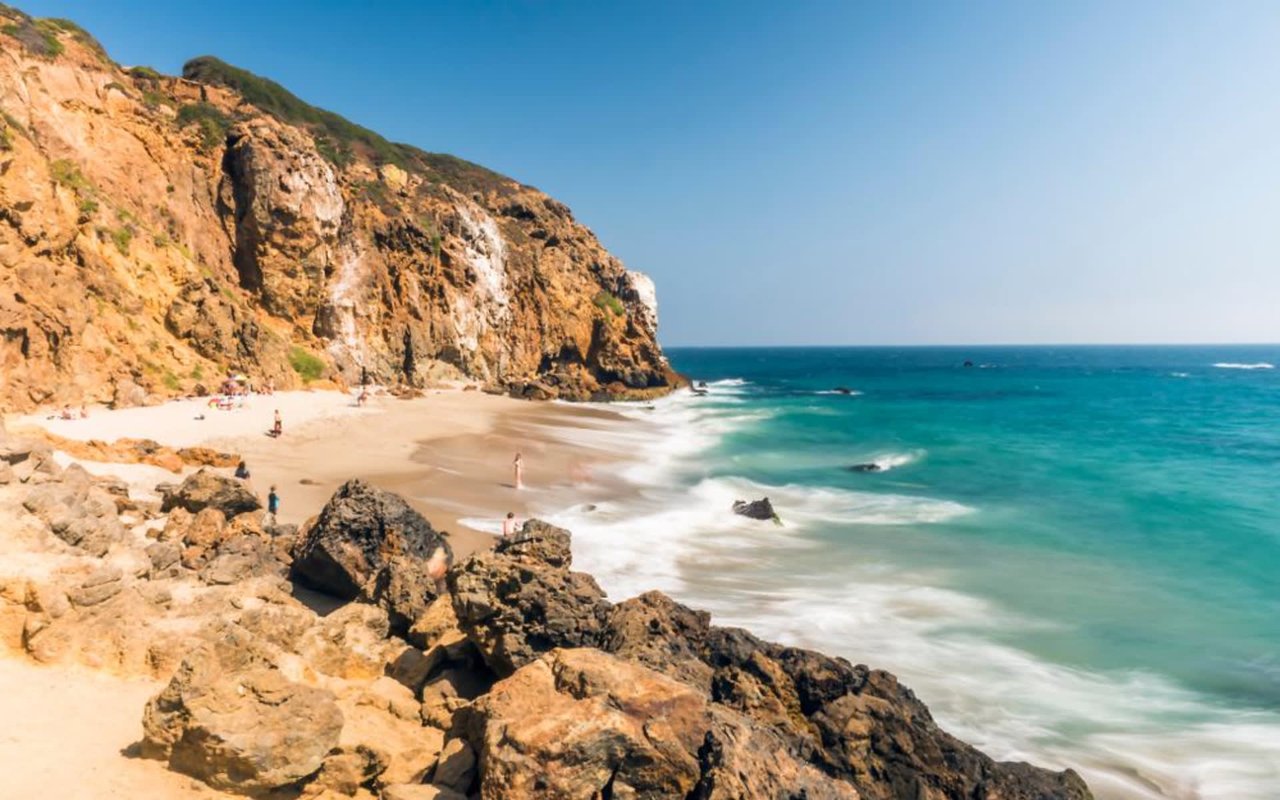
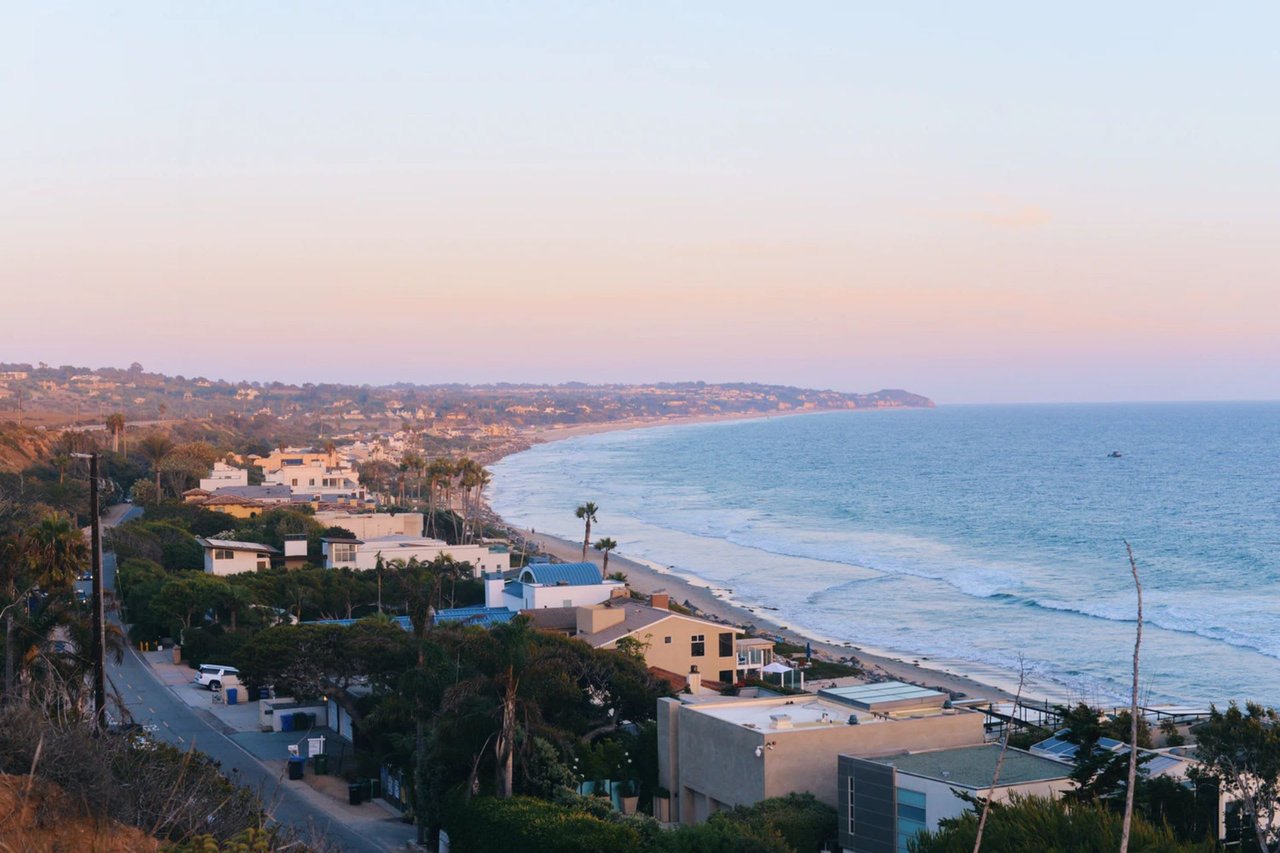
Point Dume sits on the Santa Monica Bay in Central Malibu with a mix of oceanfront bluffs, near-coast residential streets, and larger mesa and canyon parcels uphill from PCH. The topography varies, from dramatic cliff edges to flatter upper mesa areas. That variety creates very different privacy profiles block by block.
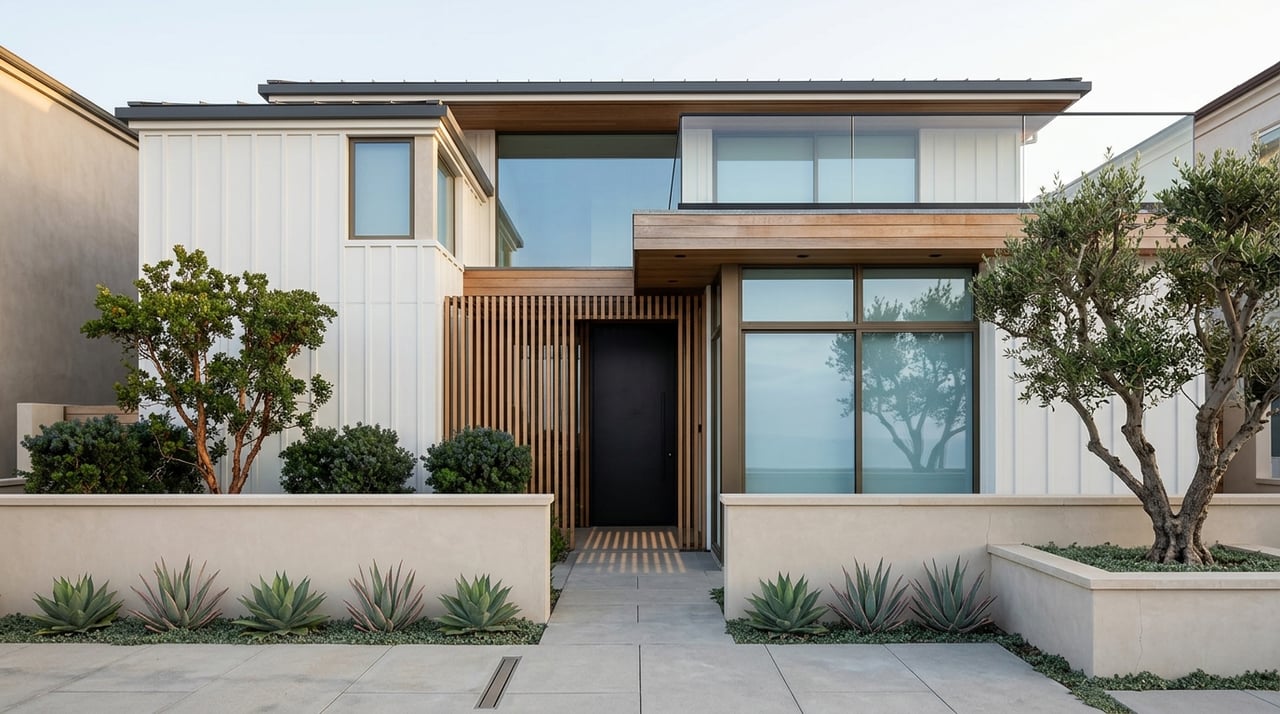
Coastal lots focus on ocean views and beach access. Interior parcels trade some ocean exposure for more land, wider separation from neighbors, and mature landscaping potential. Across the neighborhood, you’ll find everything from compact beach parcels to multi-acre estates. Always verify a specific property’s deed and plat for exact square footage and boundaries.
Acreage and privacy by parcel type
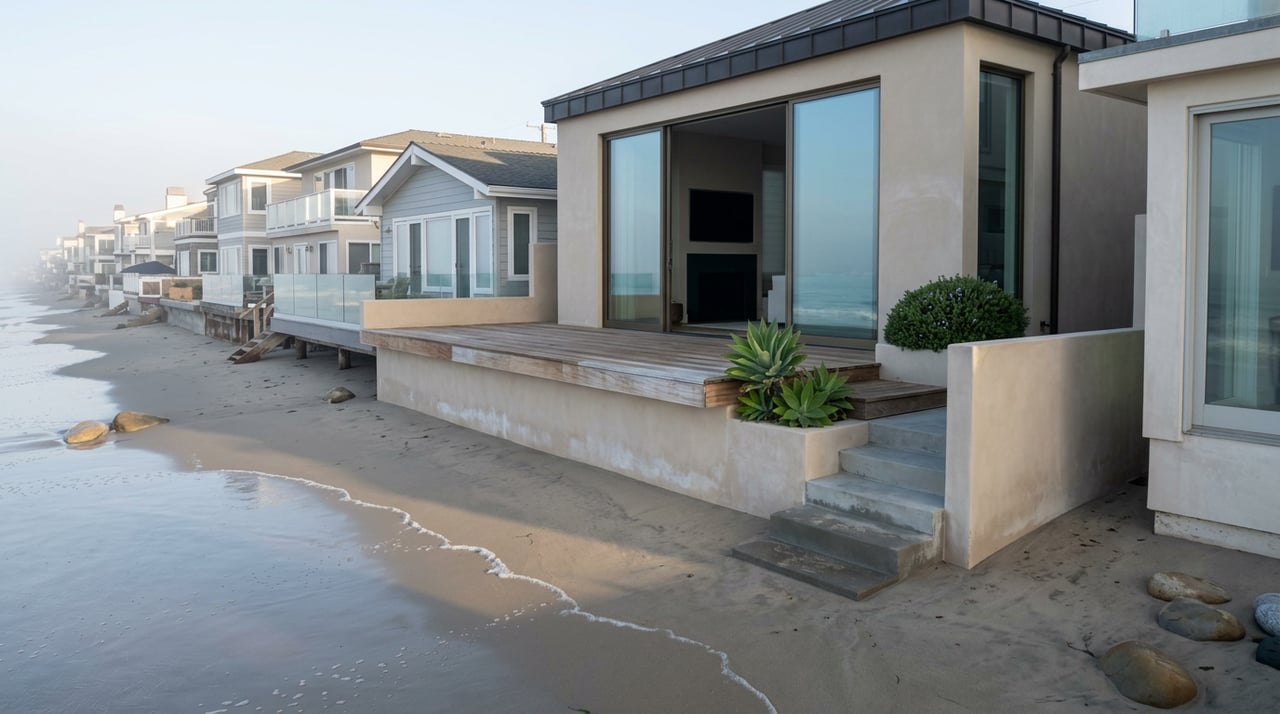
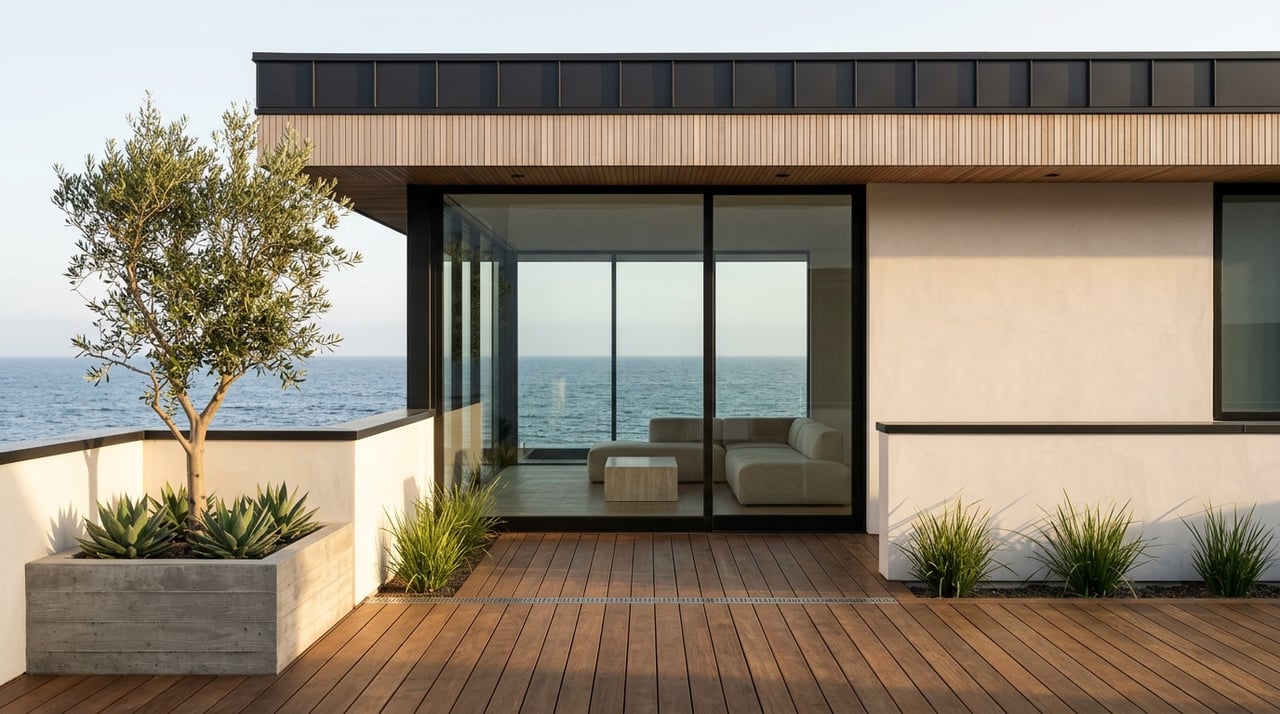
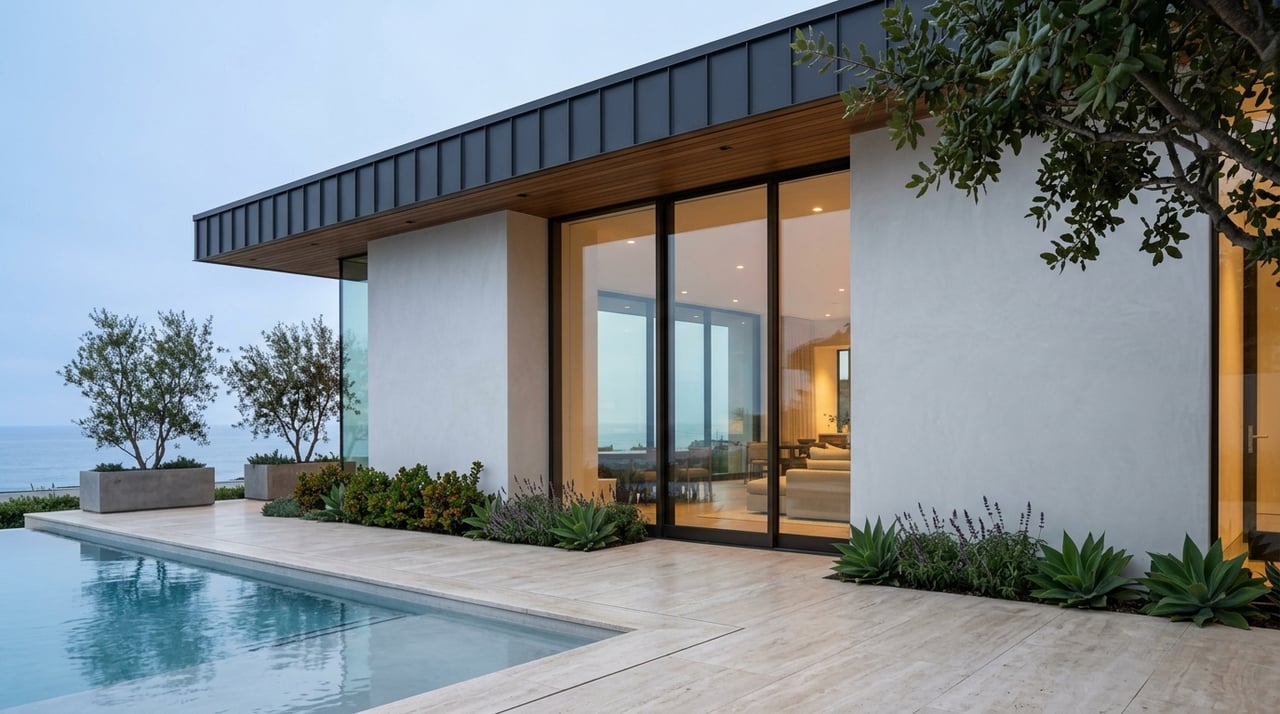
Oceanfront and bluff parcels
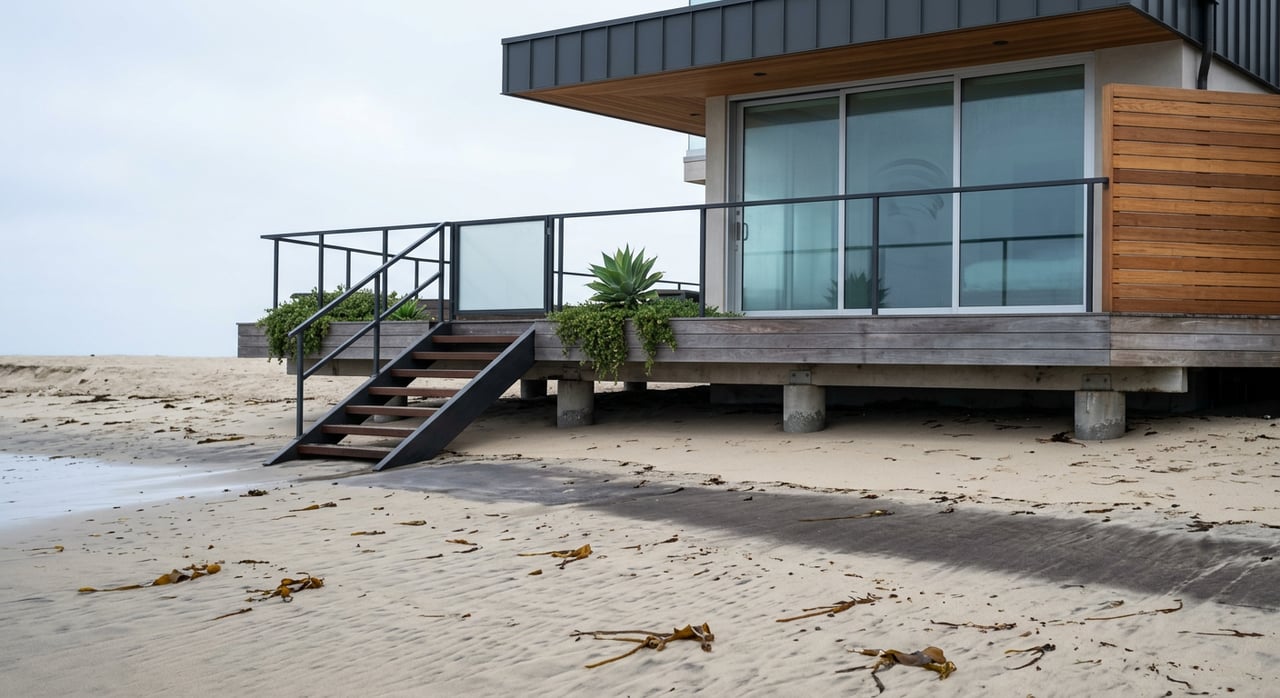
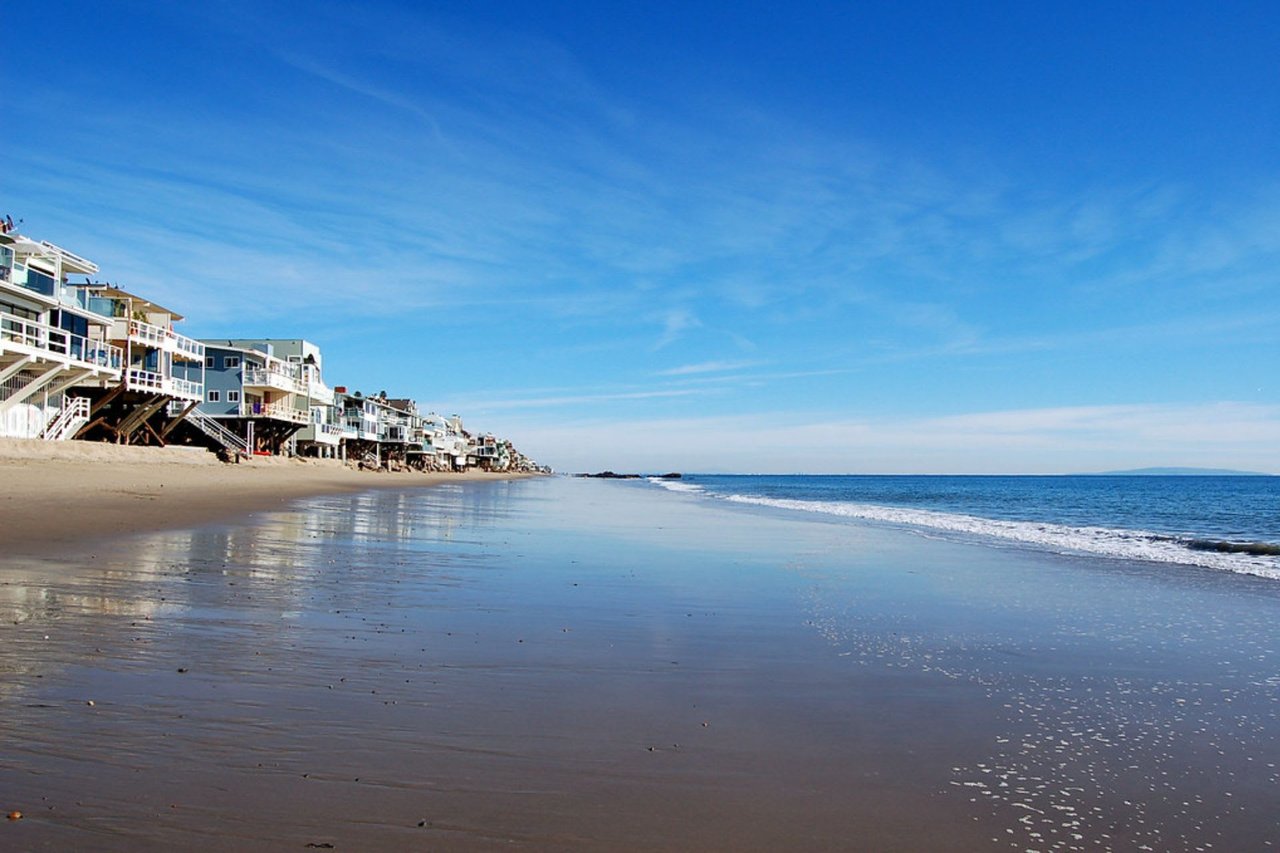
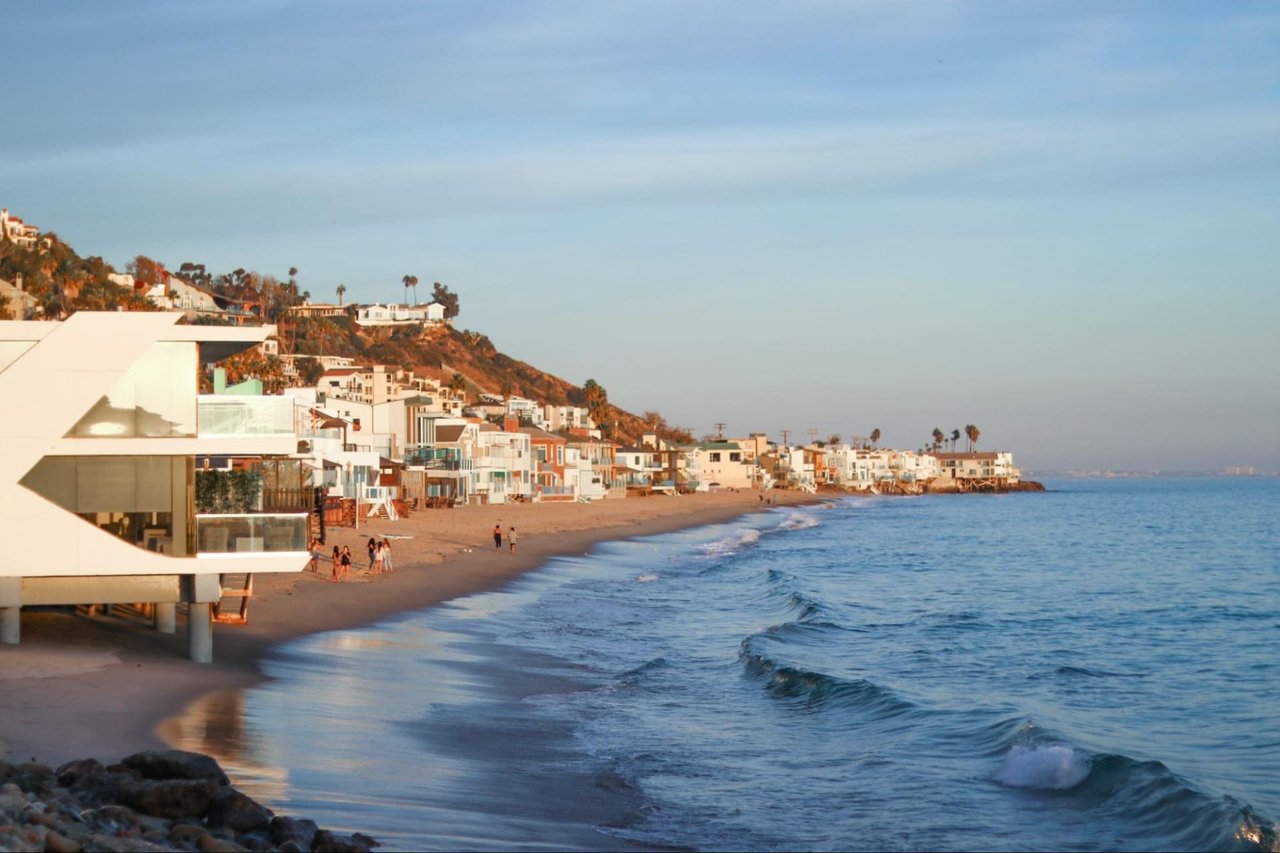
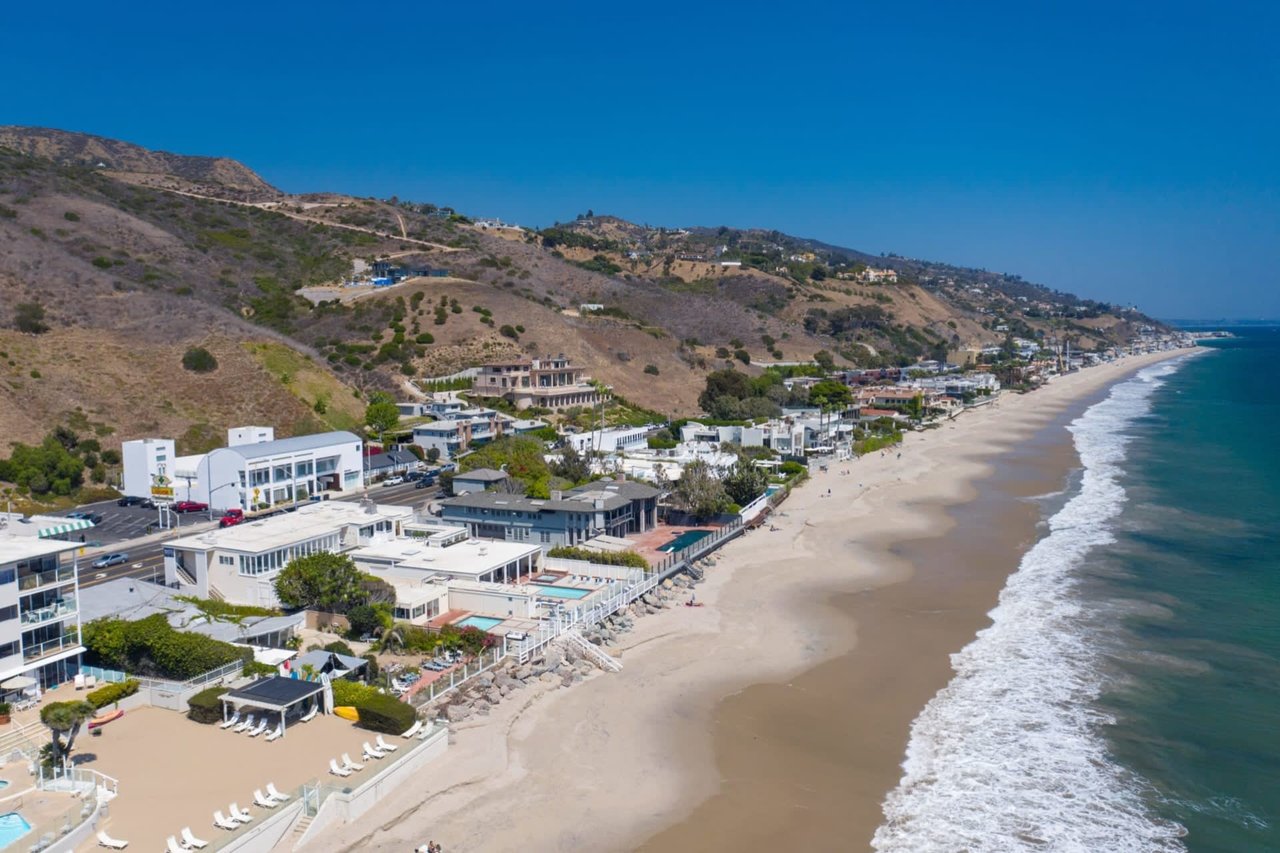
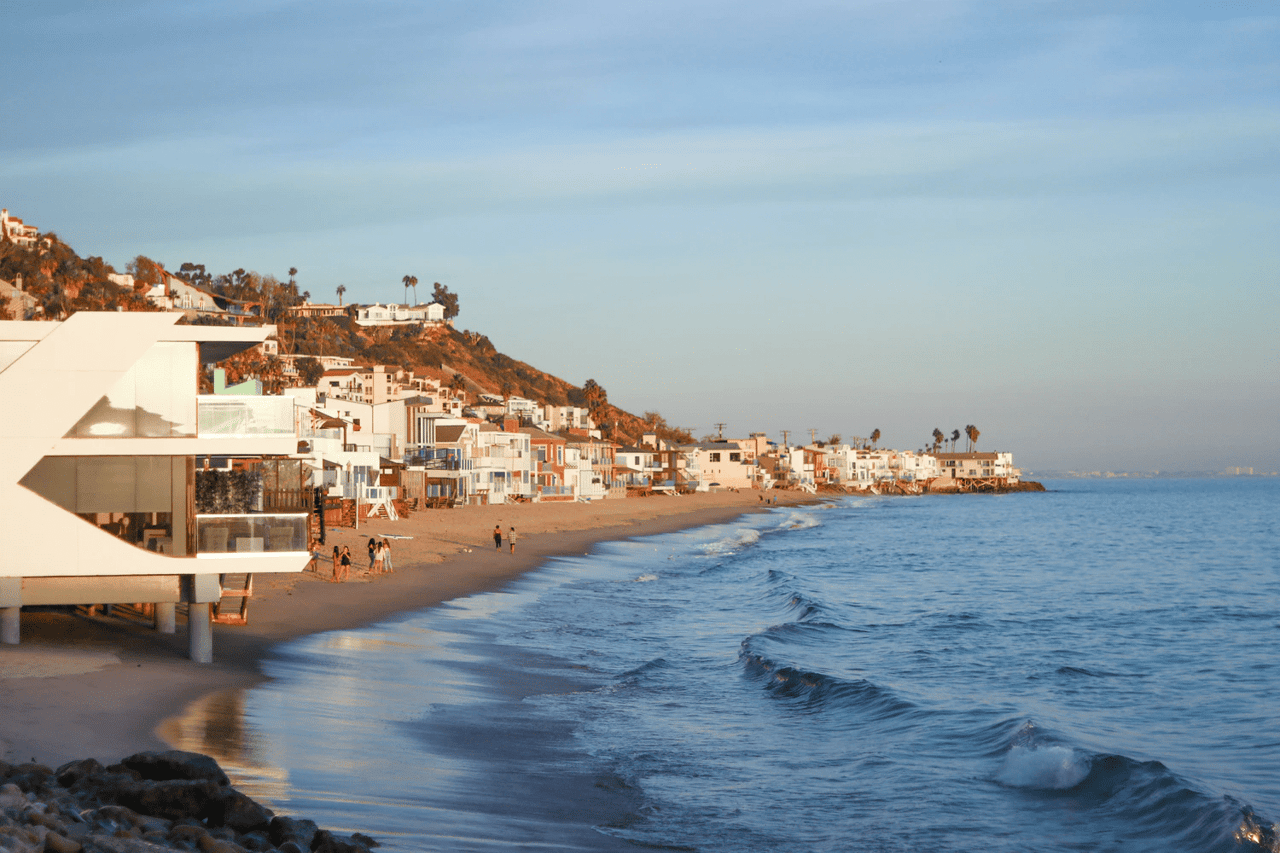
Bluff-edge and shoreline properties offer iconic views and proximity to the beach. They also face constraints that affect privacy and livability. Bluff setback rules can push structures inland and limit decks or hardscape near the edge. Narrow lot widths and close neighboring building envelopes can reduce lateral privacy, and nearby public access points may increase pedestrian presence in high season.
On the plus side, elevation often gives a sense of separation and sweeping outlooks. The tradeoff is a smaller buildable footprint, more review of improvements, and potential exposure to public view corridors. Expect to confirm bluff setbacks, geotechnical findings, and any coastal access easements before you rely on the perceived acreage.
Near-coast village streets
Streets closer to the water that are not directly on the bluff often feature smaller to moderate lots and a more compact neighborhood feel. Side-yard setbacks tend to be tighter, which brings homes closer together and can reduce visual and acoustic privacy. These locations may see more foot and vehicle traffic, especially near informal beach access routes.
If you love an active neighborhood vibe and quick beach reach, this area can be great. If your top priority is seclusion and room for separate guest structures, you may want to look farther inland on the mesa or into canyon parcels.
Mesa, ridgeline, and canyon parcels
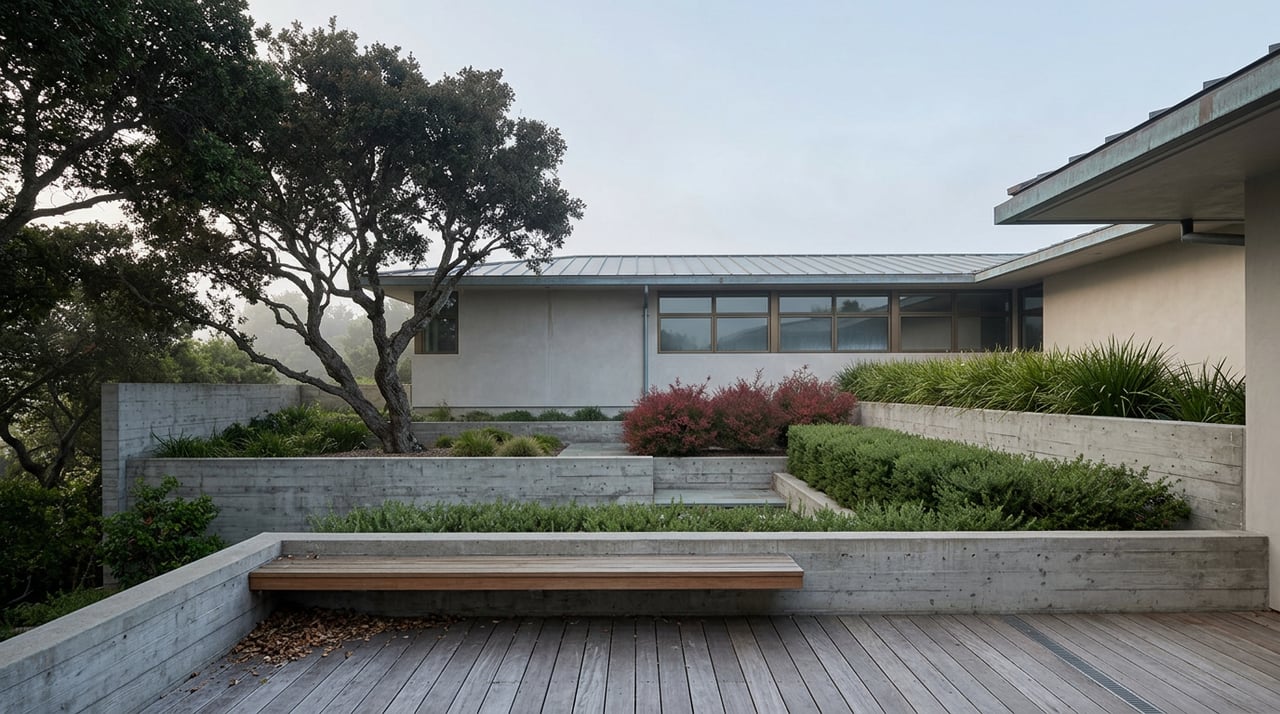
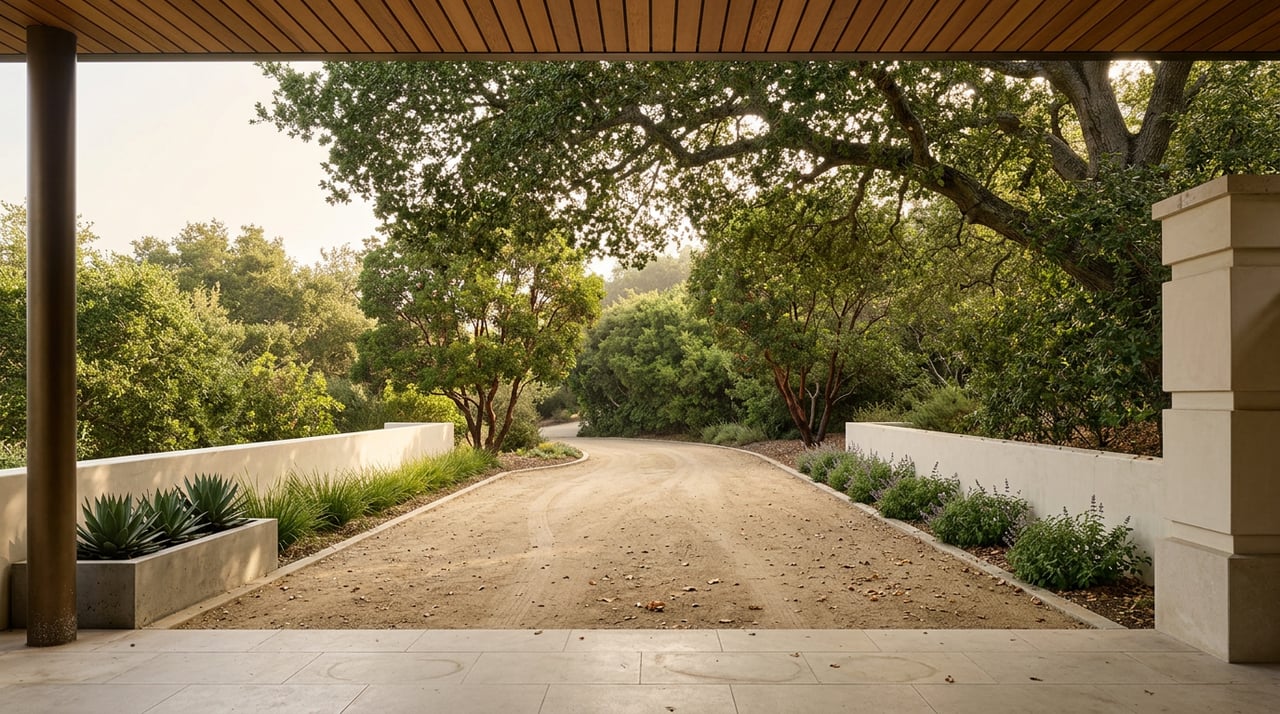
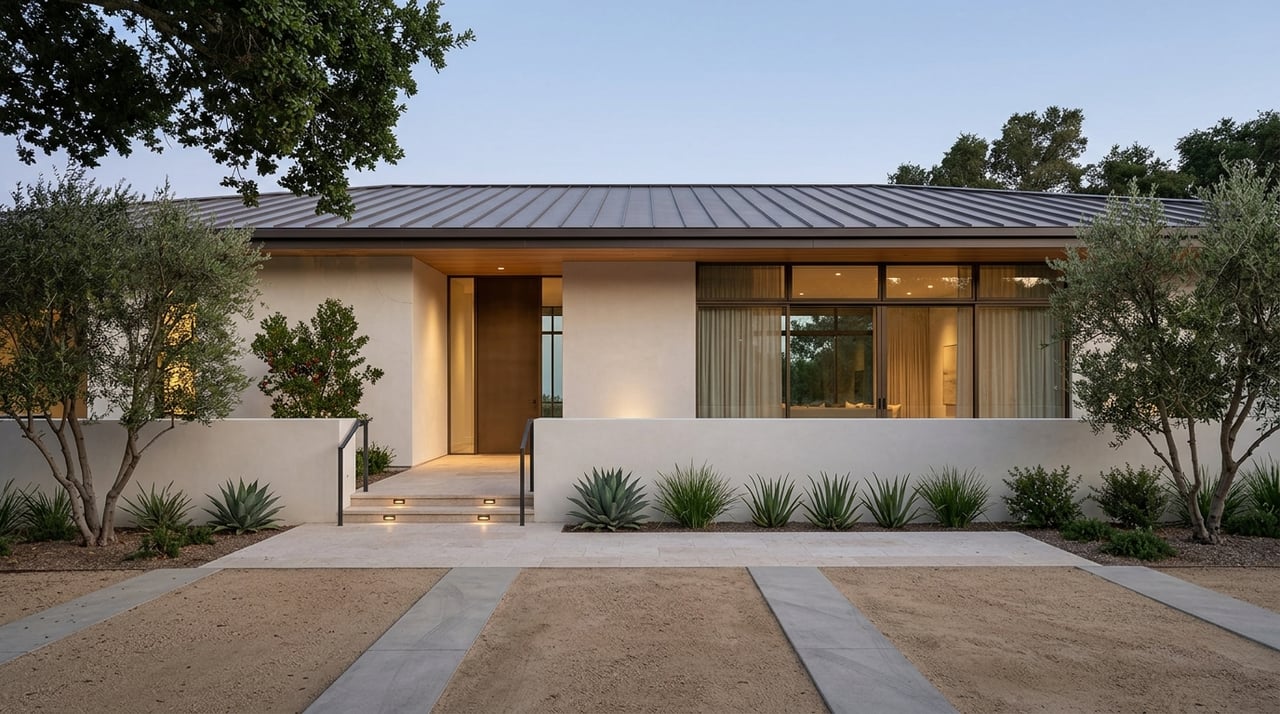
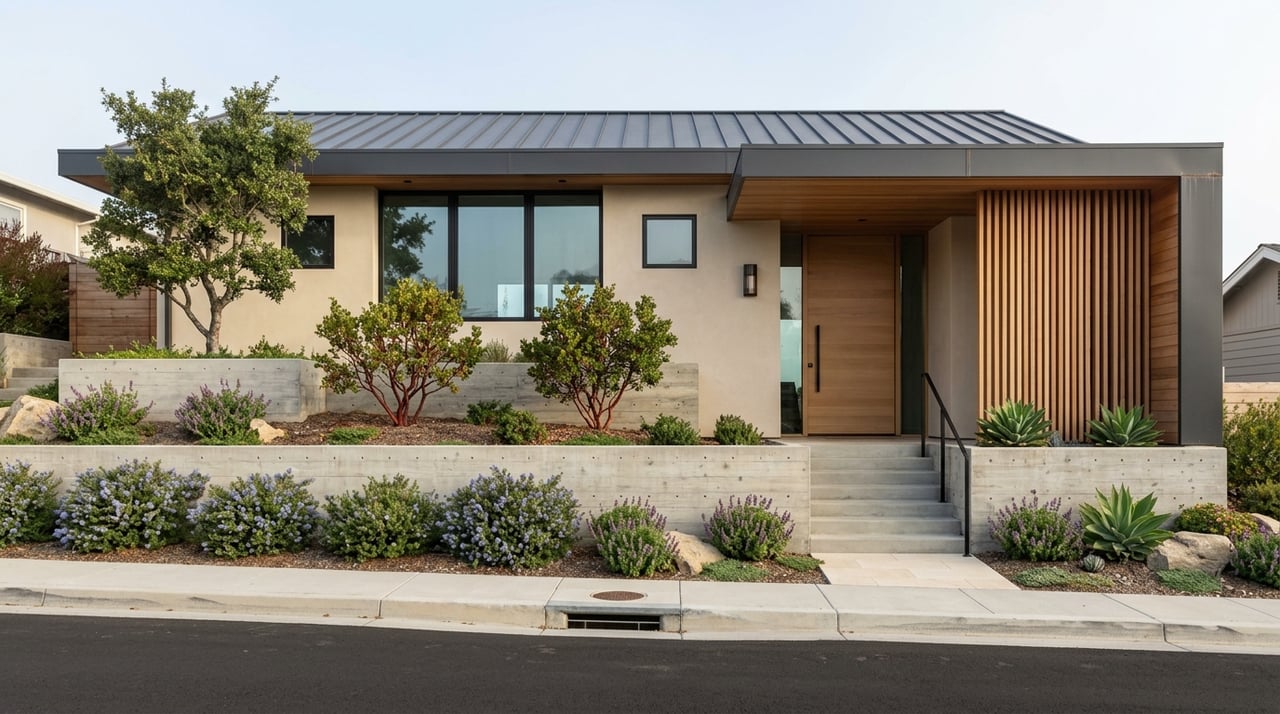
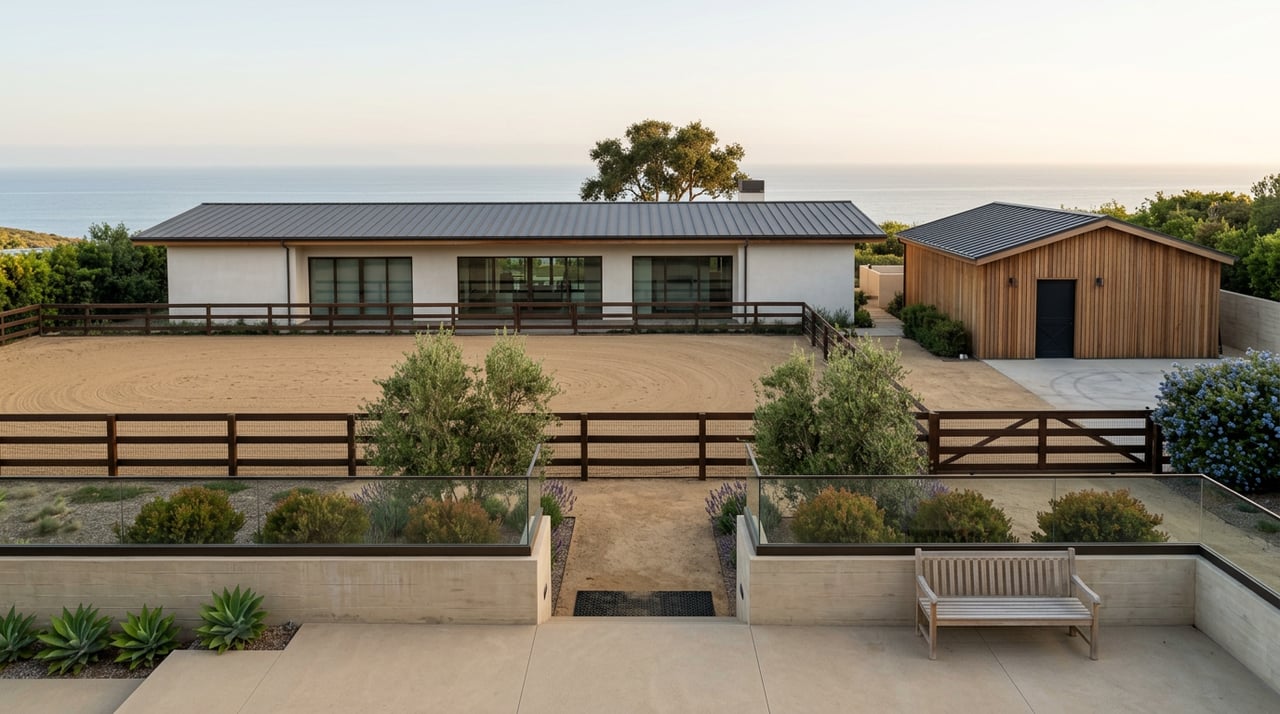
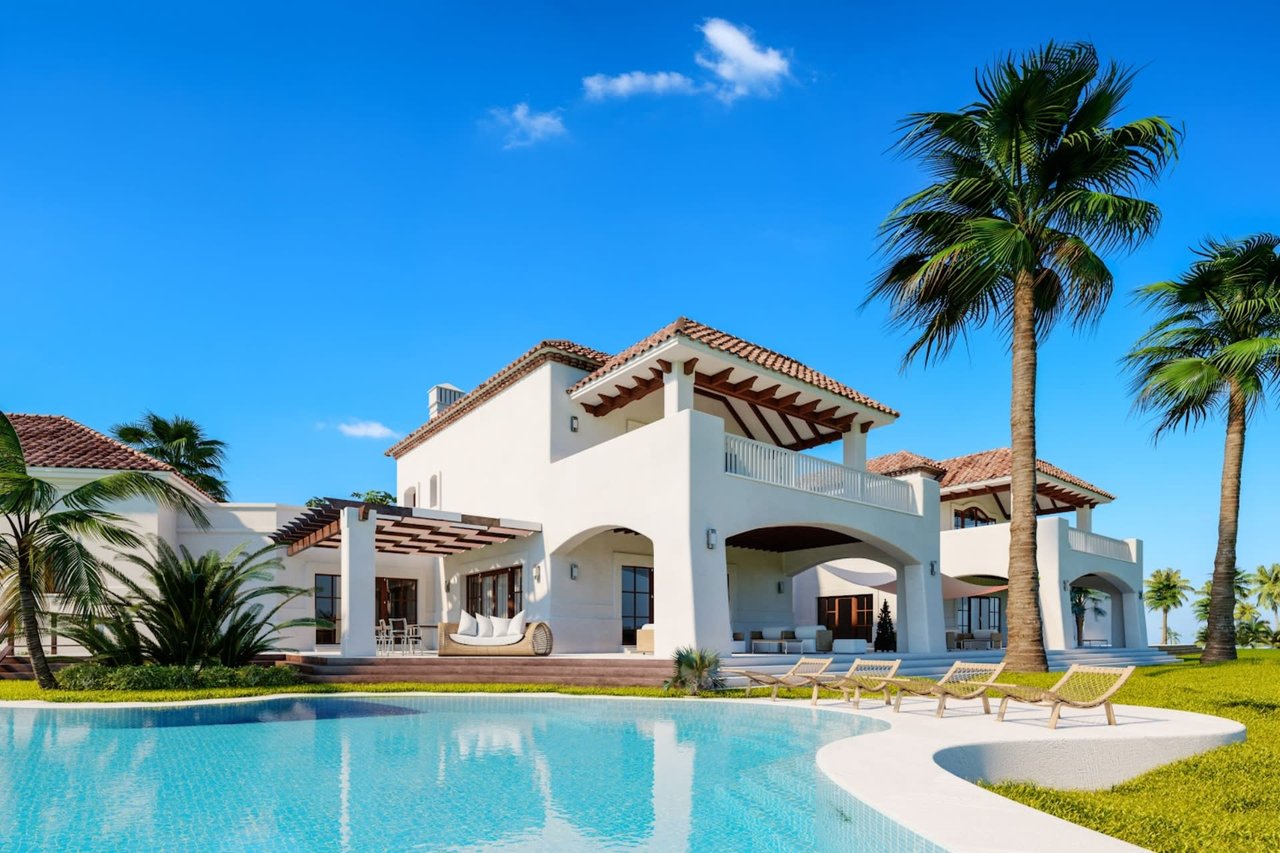
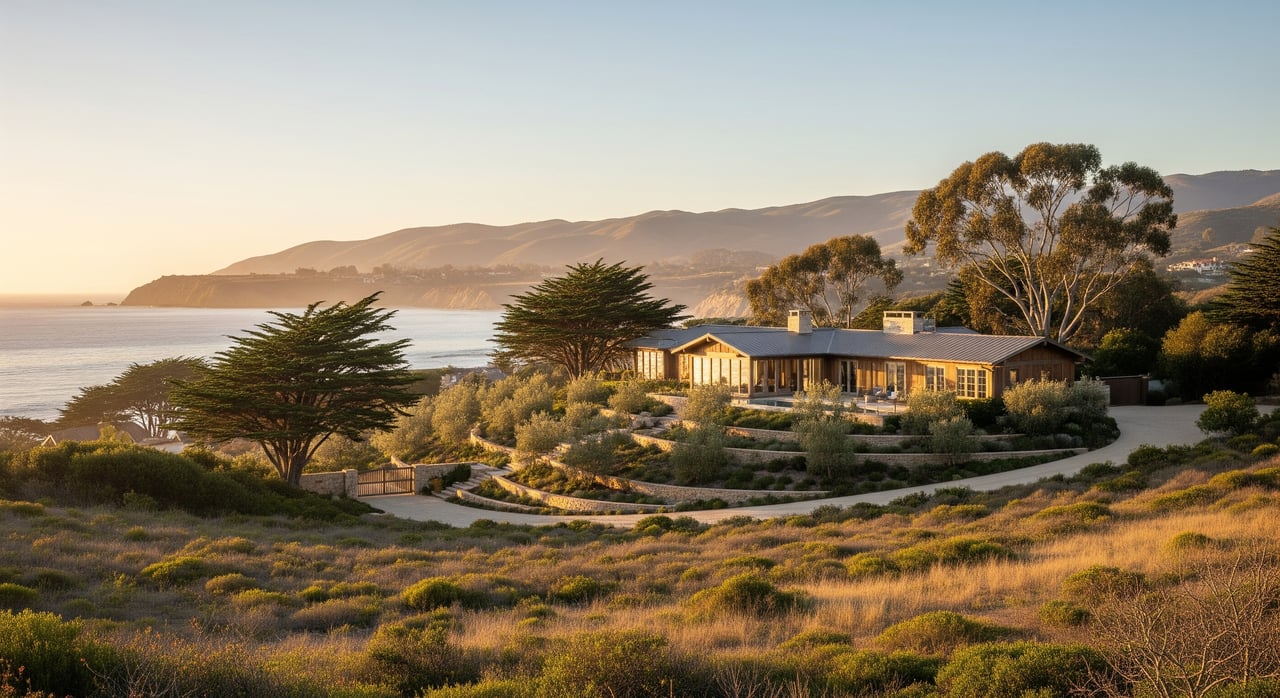
Inland parcels usually offer larger lots, wider setbacks, and more flexibility for curated privacy. You can often design entries, motor courts, and accessory structures with greater horizontal separation from neighbors. Mature landscaping can create buffers, subject to rules about view corridors and defensible space.
While you may give up direct beach access or panoramic ocean exposure, you gain usable yard space and a quieter setting. Elevated mesa or ridgeline sites can still deliver strong ocean vistas when oriented thoughtfully.
Regulations that shape usable space
Coastal Development Permits and the Local Coastal Program
Most substantial projects in the coastal zone require a Coastal Development Permit through the City of Malibu, with potential review by the California Coastal Commission. The Local Coastal Program and city ordinances set the standards that govern siting, grading, and design.
This process is manageable with the right team, but it adds time and conditions that can affect expansion, screening, and landscape plans. It is essential to know the status of any past permits and conditions running with the property.
Bluff setbacks and shoreline rules
Bluff-edge safety and resource protection drive mandatory setbacks. These can limit how close you can build or hardscape near the edge and often require geotechnical studies. Shoreline policies and bluff retreat considerations guide long-term viability of improvements.
Public access and view corridor requirements may also apply near beaches and trails. Fencing, hedges, and walls that block public coastal views or access can face restrictions.
Height, lot coverage, and floor area
Malibu’s residential standards are designed to preserve scale and views. Height limits, lot coverage, and floor area rules vary by zoning and lot size. The exact allowable envelope is property specific, so you should confirm with the city and review current zoning documents before planning additions or a guest house.
Fire safety and defensible space
Malibu is a high wildfire hazard area. Defensible space, brush clearance, and fire-resistant construction are part of life here. Fuel modification zones can change your landscape approach, reducing dense vegetation near structures in favor of safer, more open planting schemes.
This can affect privacy strategies that rely on thick hedges. Work with professionals to design fire-wise landscapes that still provide screening within the rules.
Landscaping, screening, and view corridors
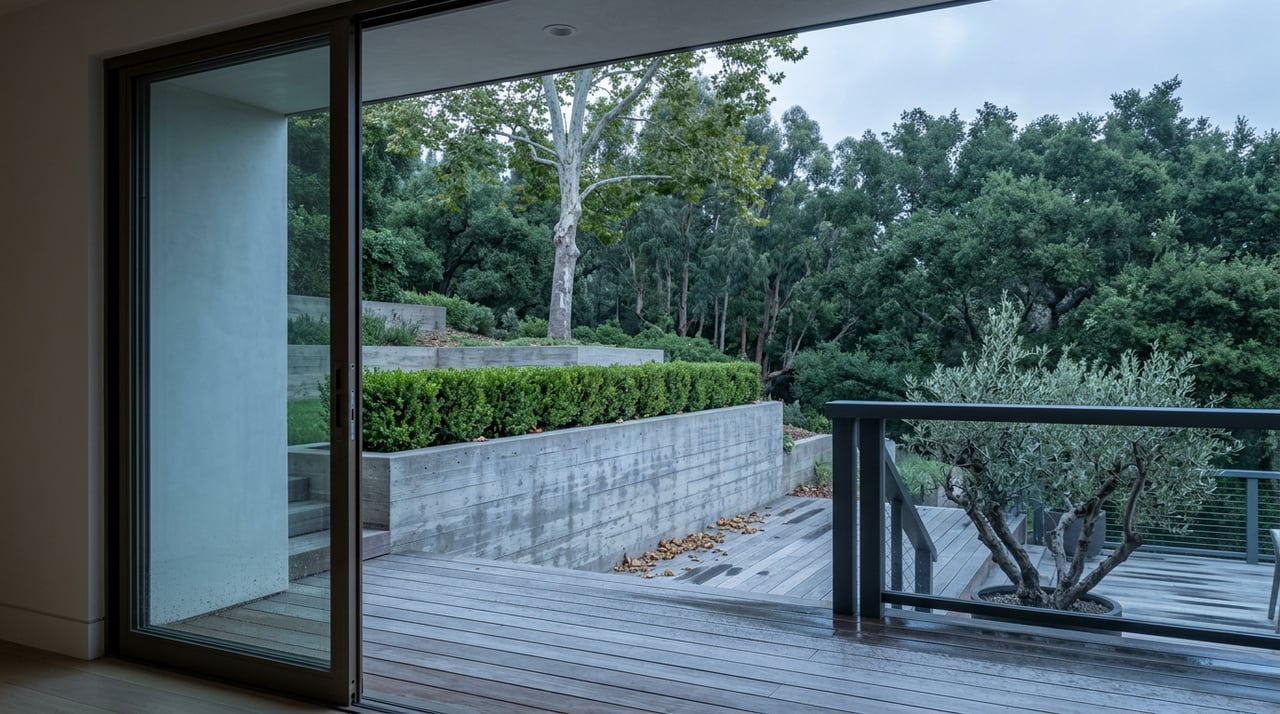
Landscaping is a key privacy tool, but taller visual barriers can be limited in the coastal zone if they obstruct public coastal views. In some locations, plant choices and heights are reviewed. You can still achieve seclusion with layered planting, berms, and thoughtful siting, while aligning with public view standards and fire regulations.
Orientation, topography, and design
Face the ocean or face inward?
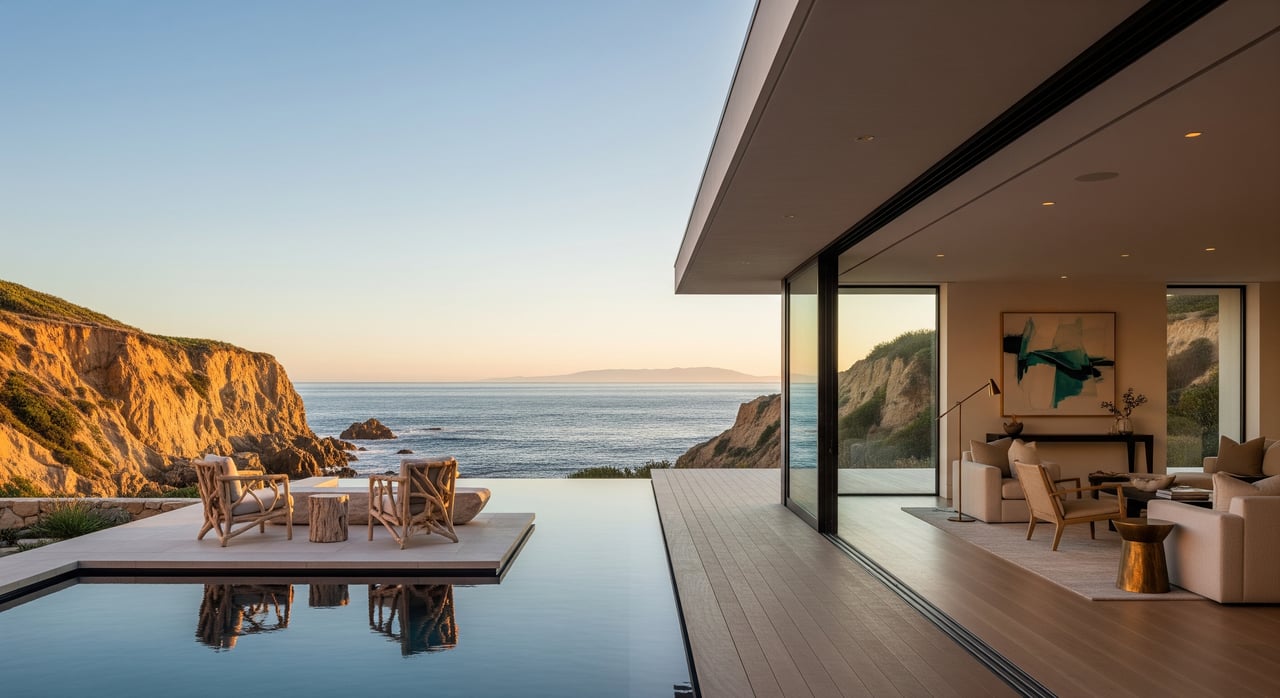
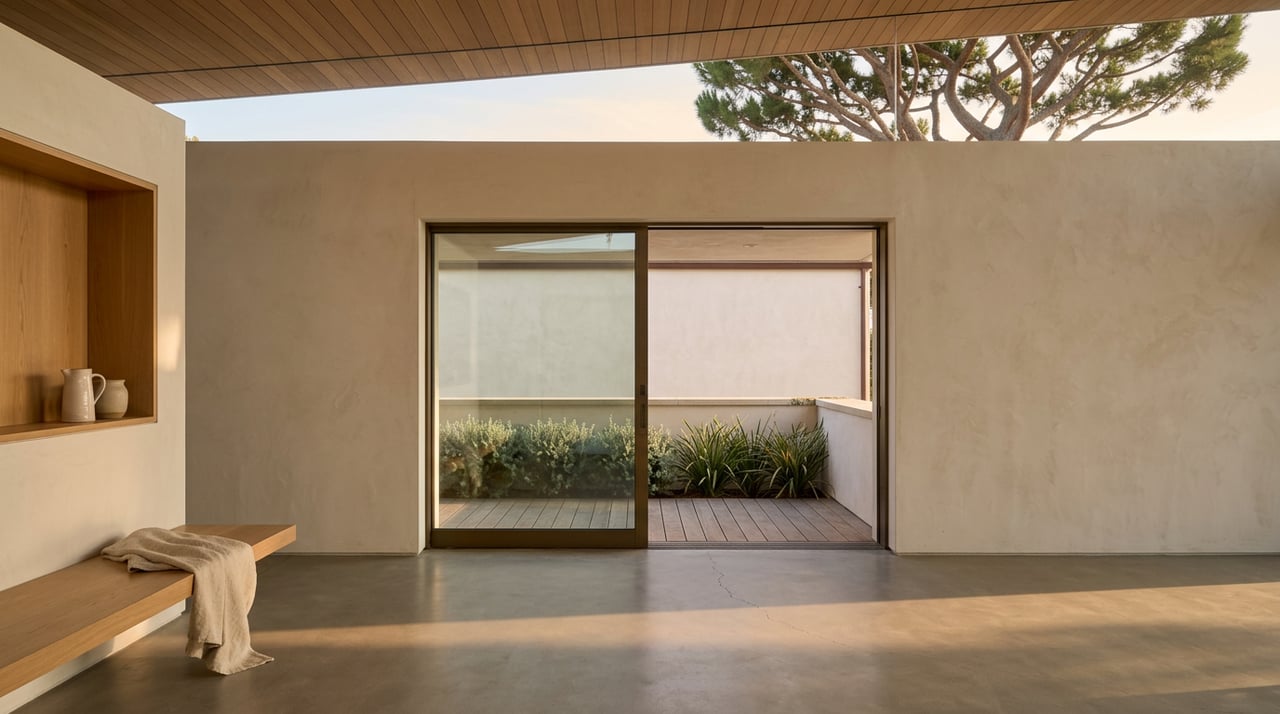
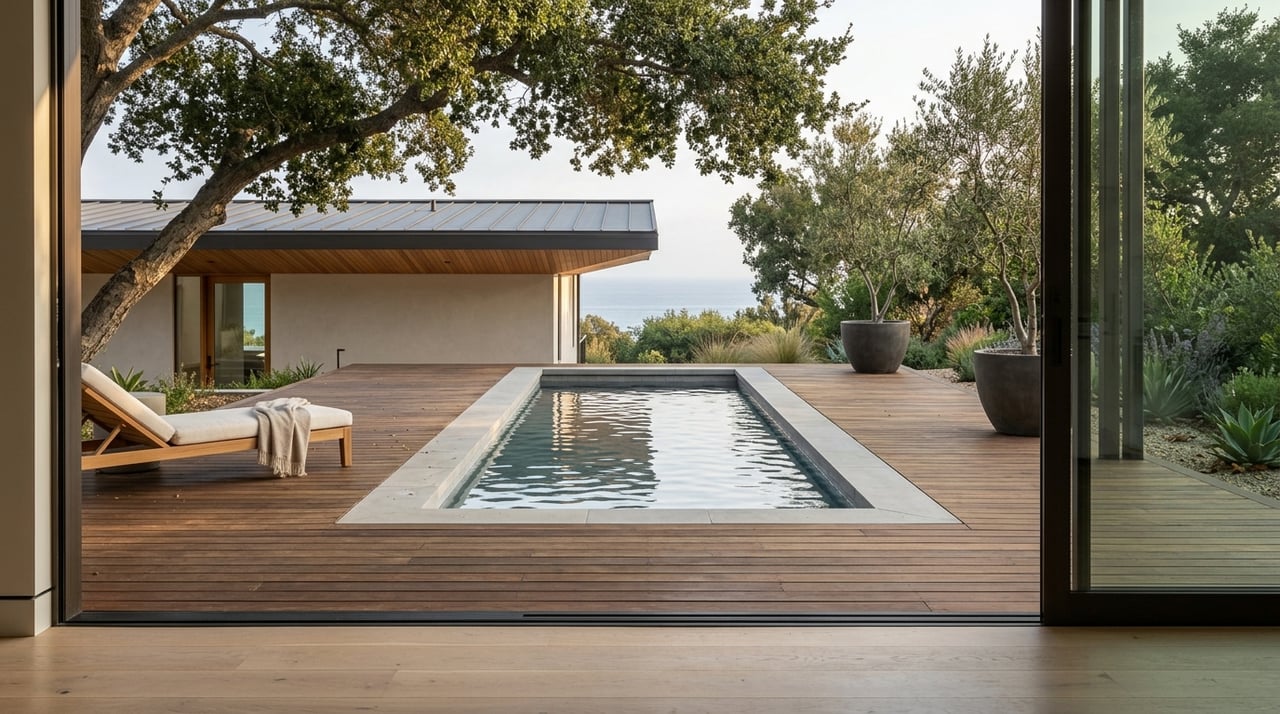
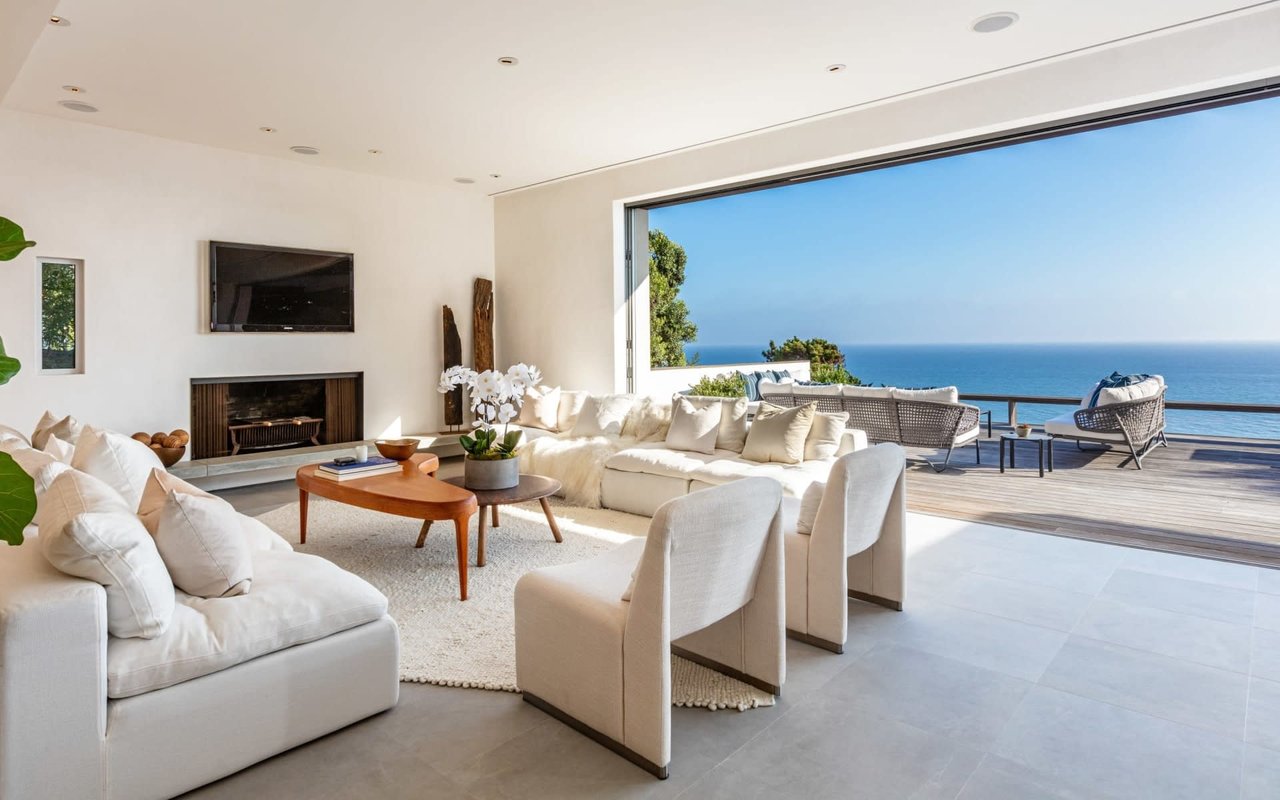
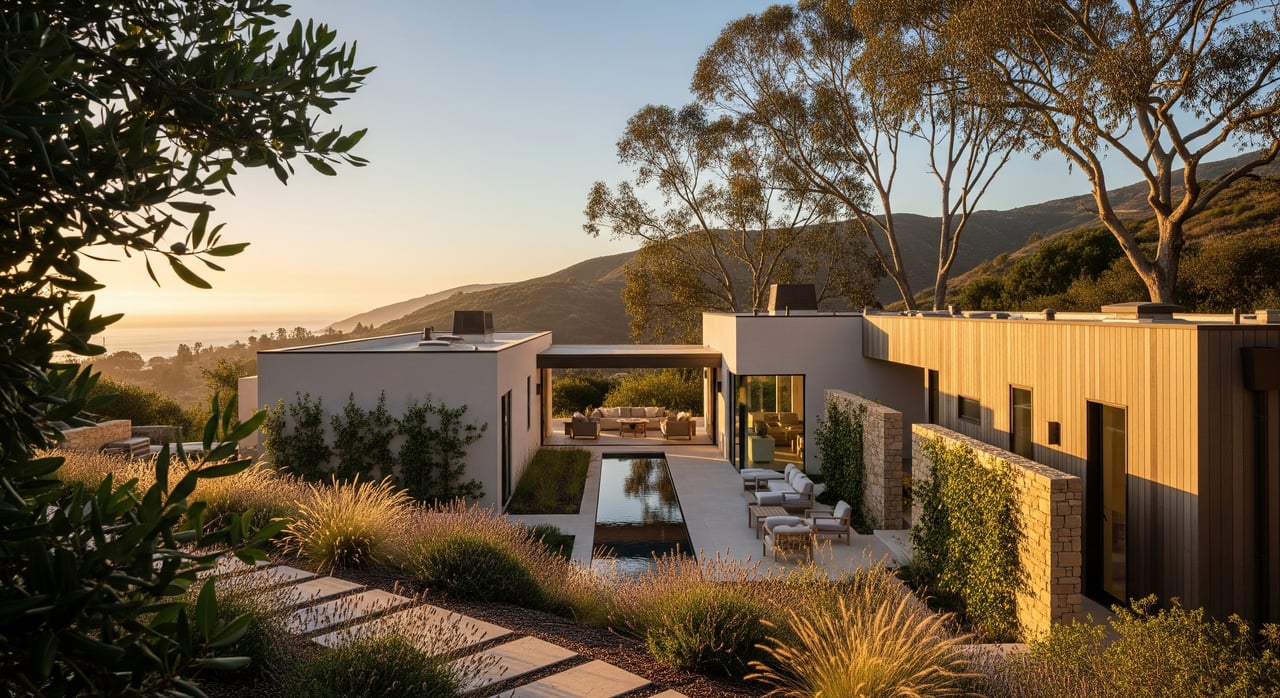
An ocean-facing orientation maximizes light and views but can expose your living spaces to neighboring sightlines and public vantage points. Orienting inward toward a courtyard or canyon view generally strengthens privacy and creates more usable outdoor rooms.
The best outcomes often blend the two. Consider floor plans that capture ocean exposure in key rooms while placing bedrooms and private amenities along more secluded orientations.
Elevation, wind, and fog
Topography shapes both privacy and comfort. Homes above their neighbors enjoy natural separation and broader outlooks. Homes below a ridge can feel more exposed to eyes from above.
Ridges and slopes also create microclimates. Wind and fog patterns influence where you place outdoor living areas, pools, and fire features to keep spaces comfortable throughout the year.
Setbacks and side yards
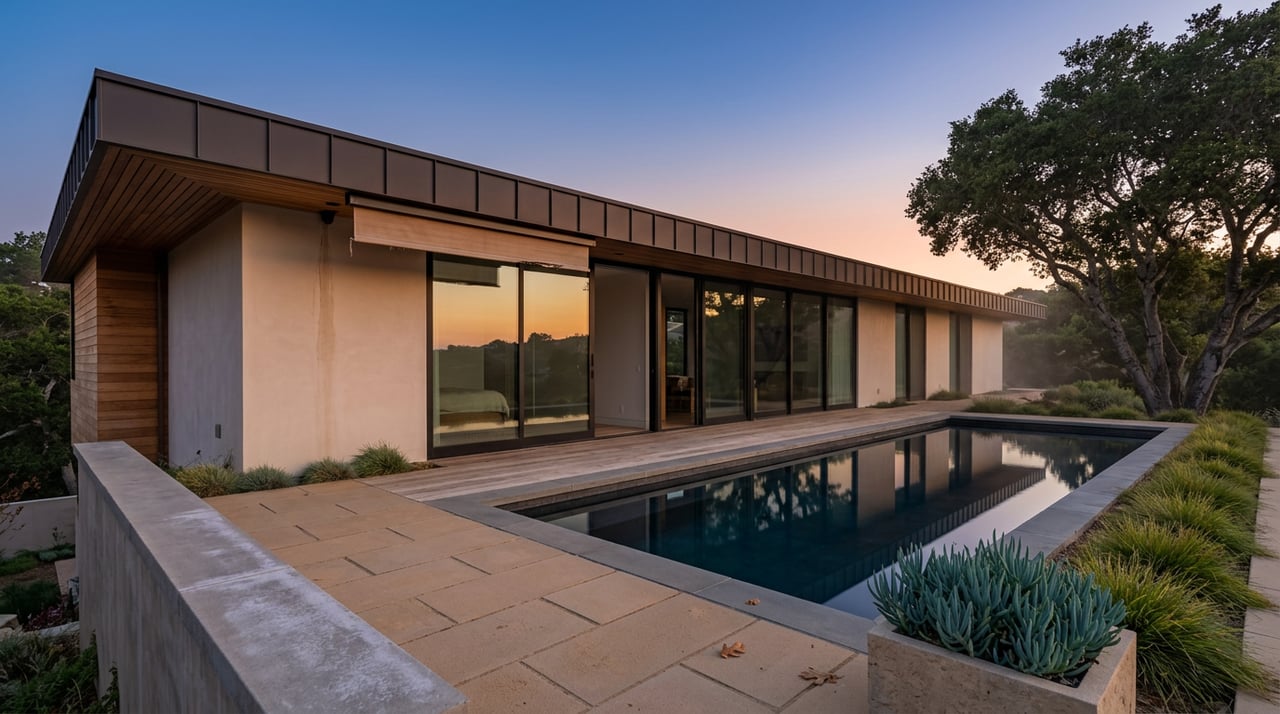
Narrower coastal lots mean tighter side-yard setbacks, which limits lateral privacy and where you can put windows or outdoor rooms. Larger interior parcels with wider setbacks allow more breathing room between structures, better sound separation, and more options for guest houses or studios.
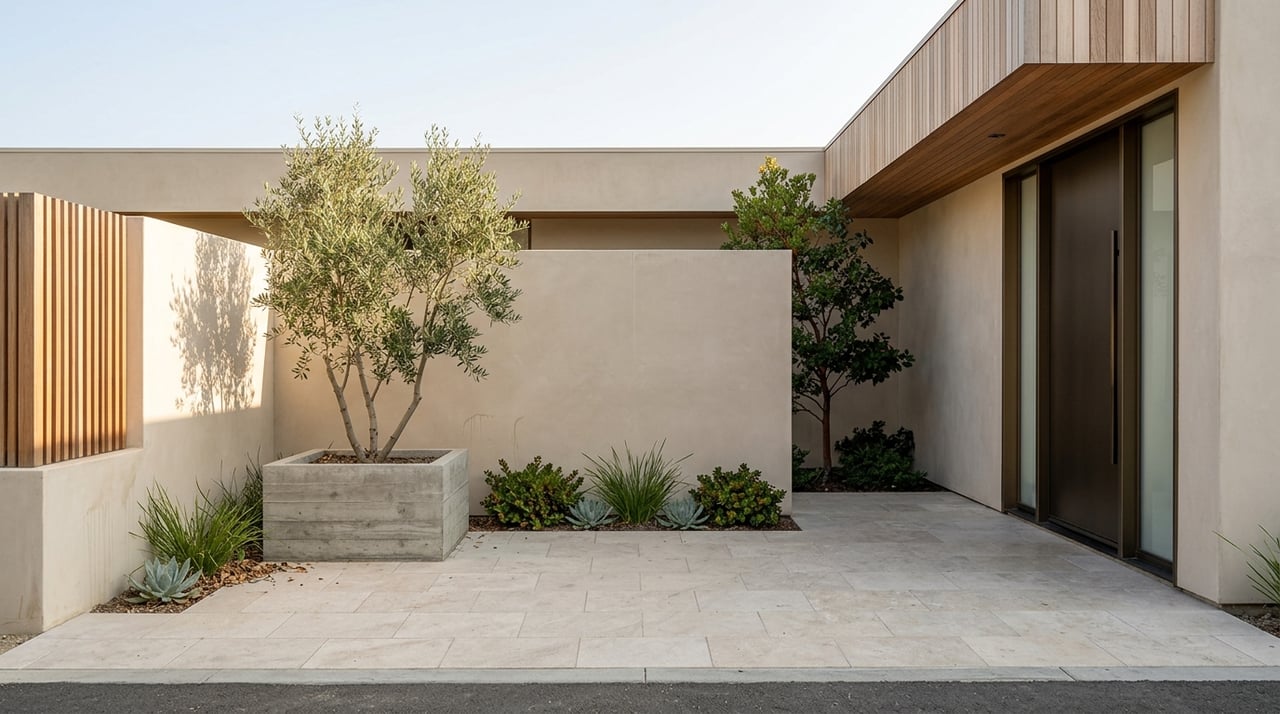
Plan your entry sequence, auto court, and service areas to preserve the most tranquil portions of your yard for private use.
Access and noise
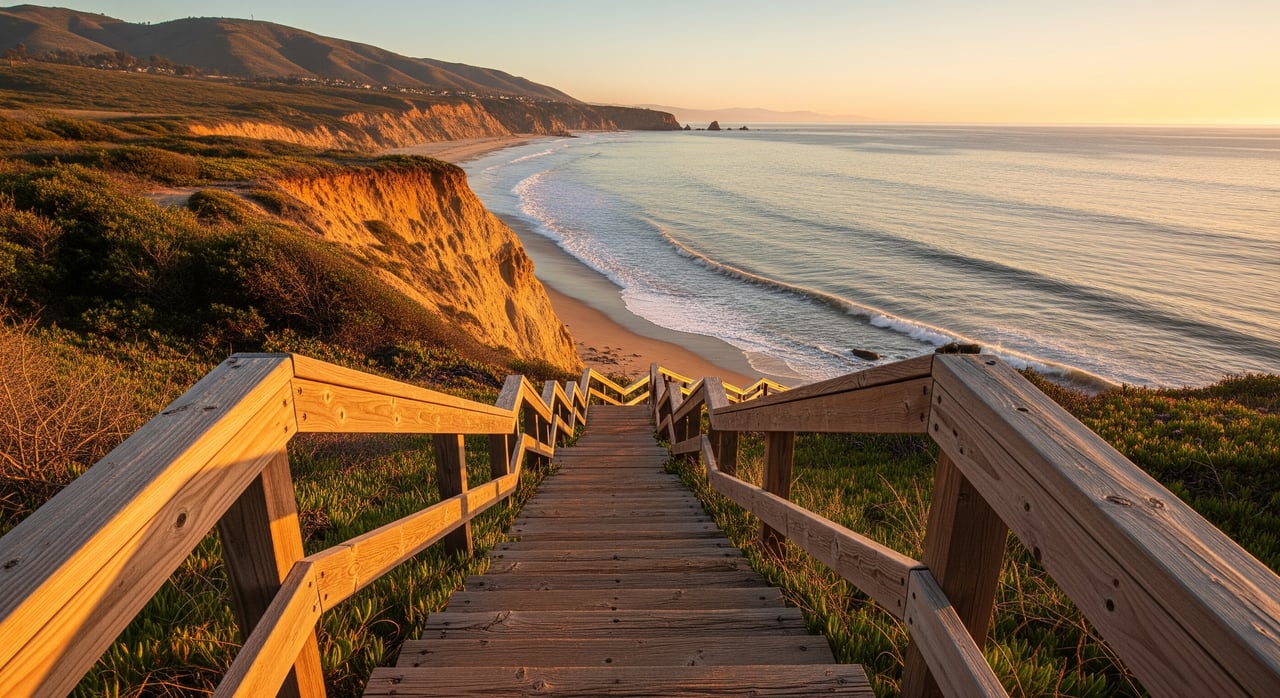
Proximity to beach access points and popular coastal streets often brings more seasonal foot traffic and noise. Interior mesa streets tend to be quieter, with fewer pedestrians and less through-traffic. If privacy is paramount, identify nearby access easements early in your search.
Long-term risk factors
Coastal erosion and sea-level rise
Bluff retreat rates vary by location. For bluff-edge sites, geological reports are essential to understand stability and long-term exposure. Coastal policies about sea-level rise can shape what you can build at the edge and how you maintain it over time.
In due diligence, ask for any geotechnical studies and recorded bluff setback determinations. These influence design as well as insurance and resale.
Easements and rights-of-way
Public access routes, utility easements, emergency vehicle access, and trails can cross private land. These recorded rights may limit fencing, landscaping, or how you use portions of a lot. Confirm all easements through title documents and surveys so you understand the true usable acreage.
Neighboring development potential
Your privacy can change if a neighbor builds to their allowable envelope. Vacant or underbuilt adjacent parcels may add height or mass in the future. Research nearby zoning, typical height and coverage limits, and any pending entitlements to get ahead of potential view or privacy changes.
Permitting uncertainty
Coastal projects can be appealed or conditioned, which adds uncertainty to expansion plans and screening strategies. Expect to factor timing, documentation, and expert support into your planning for remodels or new construction.
Buyer scenarios and smart tradeoffs
If you want maximum ocean frontage and views
- Expect narrower side yards, more public activity nearby, and stricter bluff and shoreline conditions.
- Prioritize geotechnical diligence, bluff setback verification, and view corridor compliance in your design approach.
If you want seclusion, yard, and guest spaces
- Look to mesa and canyon parcels for wider setbacks, longer drives, and flexible siting of accessory structures.
- Balance privacy planting with defensible space and fuel modification requirements for fire safety.
If you want both privacy and ocean exposure
- Target elevated mesa or ridgeline parcels where smart orientation captures views and protects private outdoor rooms.
- Budget time for site-specific planning to manage topography, wind, and coastal review.
If expansion potential matters most
- Verify the buildable envelope, lot coverage, and height framework early, including Coastal Development Permit feasibility.
- Remember that steep slopes, protected habitat, and easements can make a large parcel live smaller.
Due diligence checklist
Documents to request early
- Recorded deed and legal property description
- Plot or lot map and a current boundary survey
- Topographic survey showing slopes and elevations
- Recorded easements, including any beach or public access routes
- Recent structural, foundation, and geotechnical reports
- Past building permits, approved plans, and any Coastal Development Permits or conditions
- Vegetation or fuel modification plans and any recorded fire-safe requirements
- Title report with covenants, conditions, restrictions, and exceptions
Professionals to engage
- Coastal-experienced real estate attorney or land-use consultant
- Local Malibu agent with Point Dume coastal expertise
- Licensed surveyor for boundary and topo mapping
- Coastal geologist or geotechnical engineer
- Civil engineer for grading and drainage, and structural engineer for remodels
- Landscape architect experienced in fire-resistant and coastal planting
- Architect or planner familiar with Malibu’s Local Coastal Program and design review
- Title company familiar with Malibu coastal easements
Questions to ask sellers and agents
- Has the property had a Coastal Development Permit, and are any conditions or appeals outstanding?
- Are there recorded public access or utility easements that affect yard use or views?
- What is the recorded bluff setback, and has a bluff retreat study been completed?
- Are there fuel modification or defensible space requirements recorded against the property?
- What typical lot coverage, height, and floor area limits could apply to your project?
- Are there known slope stability, landslide, or drainage issues?
How to evaluate specific Point Dume parcels
Map the buildable envelope. Use surveys, zoning data, and any recorded setbacks to outline where you can actually build or expand. Include bluff and shoreline constraints if applicable.
Walk the site at different times. Weekends and peak seasons reveal pedestrian patterns, parking pressure, and noise that influence privacy.
Model screening within fire rules. Sketch out layered plantings and walls that provide seclusion while meeting defensible space and view corridor standards.
Study neighbors’ envelopes. Estimate adjacent buildable massing and check for pending permits to understand future privacy and view implications.
Stress-test permits and timing. For any planned addition or accessory structure, confirm whether a Coastal Development Permit is likely and what studies will be required.
The bottom line
On Point Dume, acreage and privacy hinge on more than lot size. Orientation, setbacks, topography, wildfire rules, and coastal oversight all shape how a property lives, today and over time. With the right due diligence and team, you can secure a property that fits your lifestyle while protecting long-term value.
If you want tailored guidance, local insight, and access to discreet opportunities, connect with Sandro Dazzan to Book a Private Consultation. You’ll get a clear plan backed by native Malibu expertise and the reach to find the right fit on Point Dume.
FAQs
How do Point Dume lot sizes vary across the neighborhood?
- Lot sizes range from compact coastal parcels to larger mesa and canyon estates, and you should verify exact square footage with a deed and current survey.
Do oceanfront homes on Point Dume offer less privacy than inland parcels?
- Oceanfront and bluff parcels often have narrower side yards and nearby public access, which can reduce lateral privacy, while inland parcels usually allow wider setbacks and more screening options.
What permits affect building a guest house or pool in Point Dume?
- Many additions require a Coastal Development Permit plus city approvals, and the exact limits on size and placement depend on zoning, lot coverage, and site-specific constraints.
How do wildfire rules affect privacy landscaping in Malibu?
- Defensible space and fuel modification requirements can limit dense plantings near structures, so privacy plans should use fire-resistant species and spacing that meet safety standards.
What should I review before buying a bluff-top home in Central Malibu?
- Obtain geotechnical reports, confirm recorded bluff setbacks, check for coastal access easements, and review any existing Coastal Development Permit conditions to understand long-term viability and use.