If you picture classic Malibu beachfront living with a touch of Old Hollywood, you are likely imagining Malibu Colony. This compact, guard-gated enclave has a century of lore, direct sand access for many homes, and a front-row seat to the Pier and central Malibu lifestyle. If you are weighing Malibu Colony real estate, you want a clear sense of history, market realities, and the due diligence that protects your investment. This guide gives you the essentials in one place so you can move forward with confidence. Let’s dive in.
What makes Malibu Colony unique
Heart-of-Malibu location
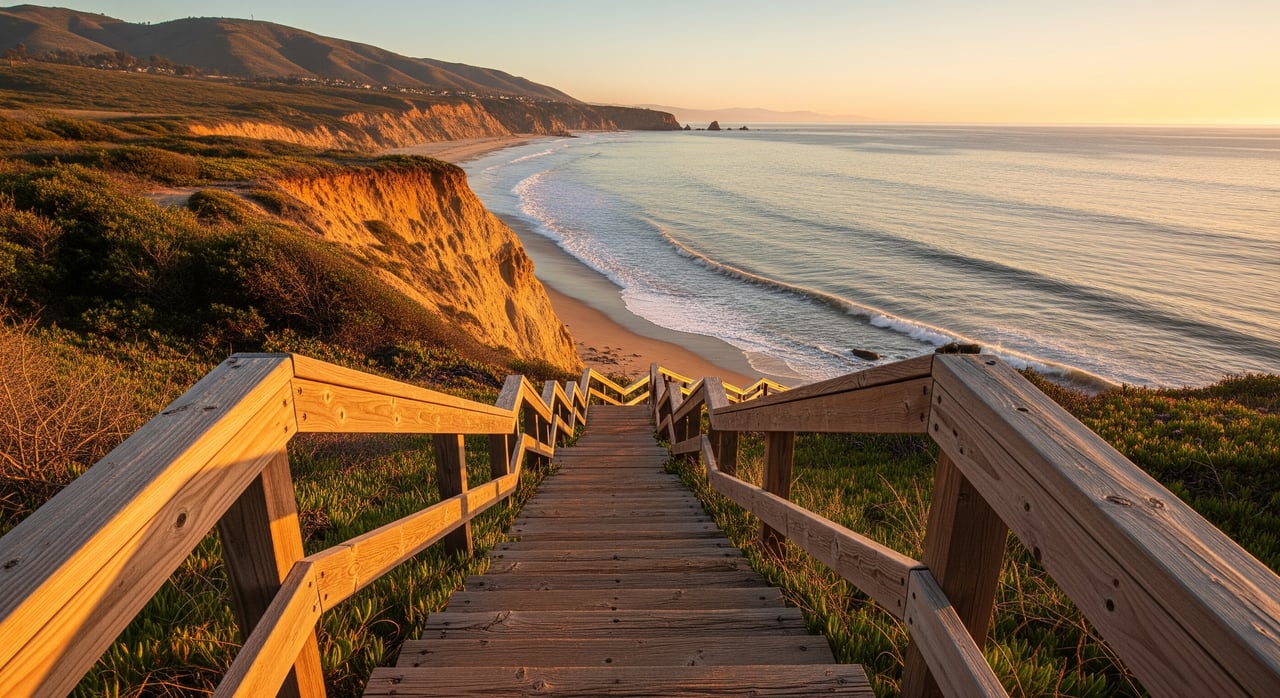
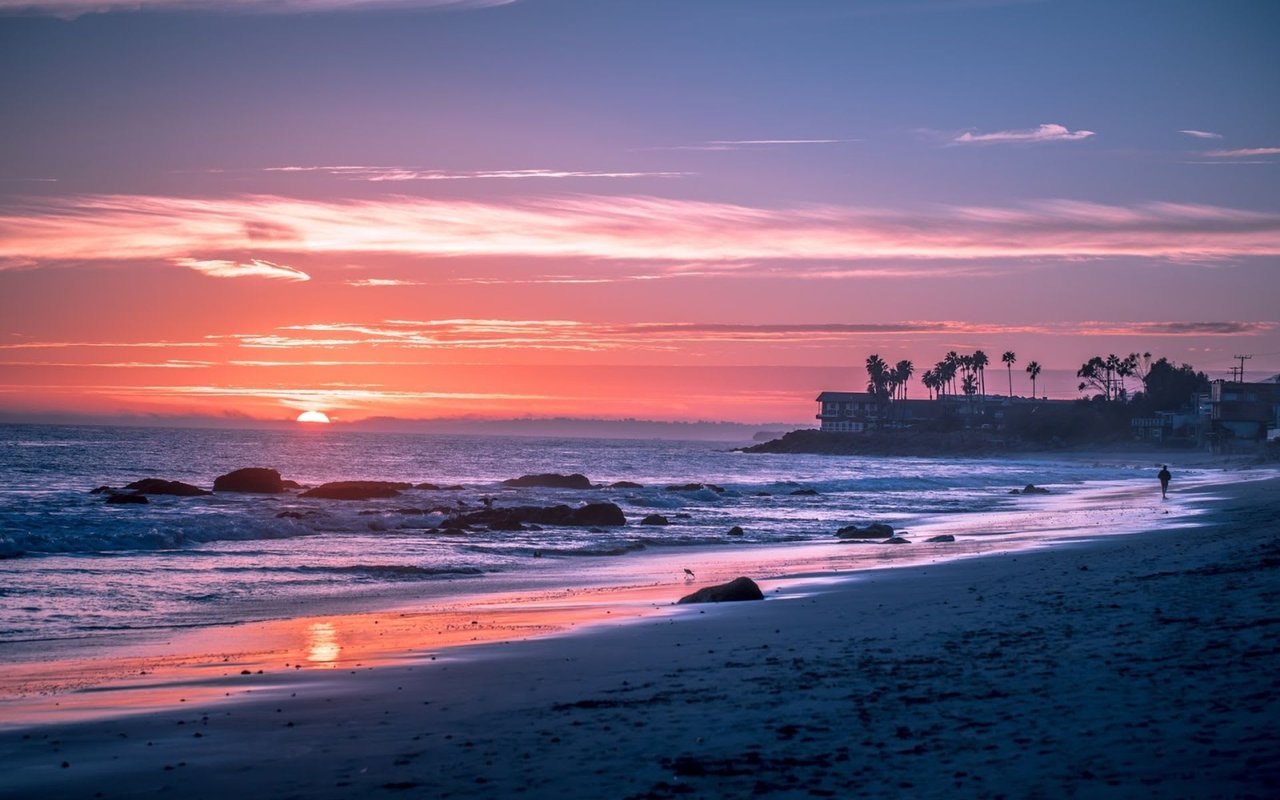
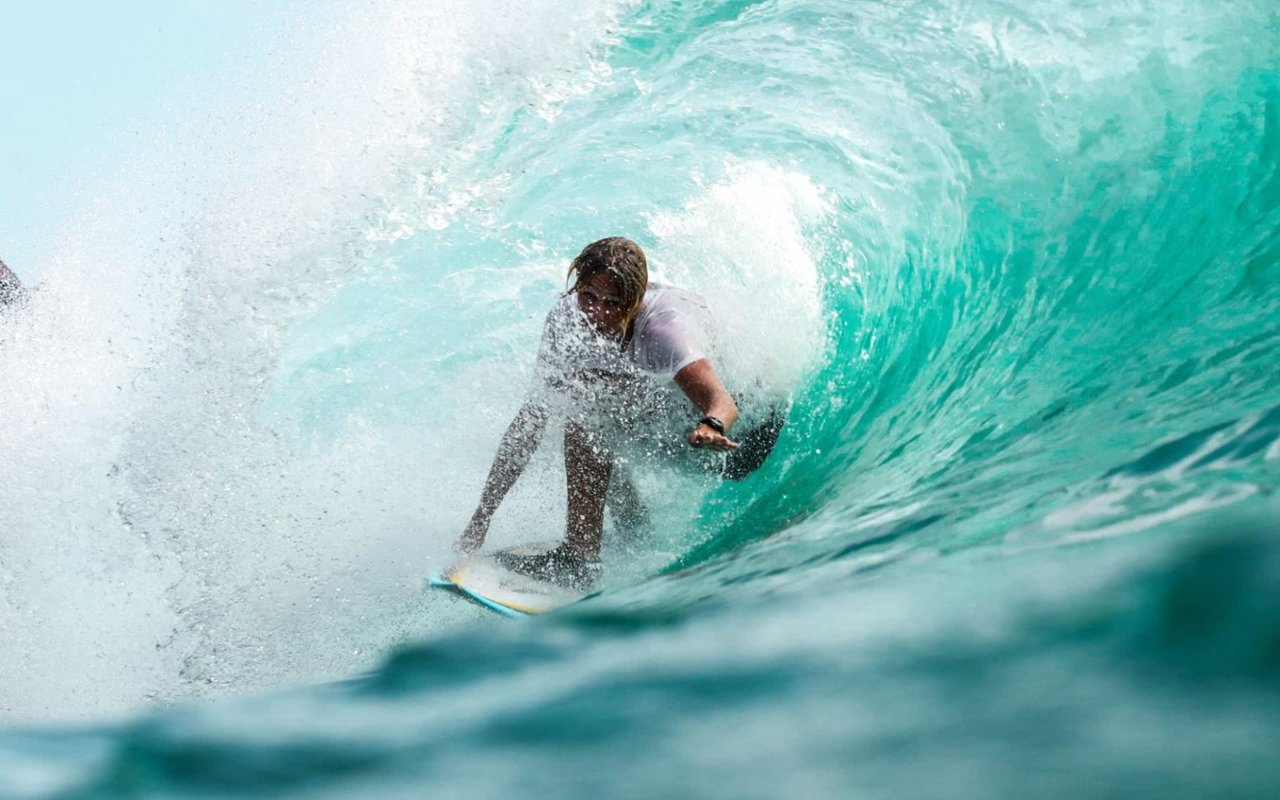
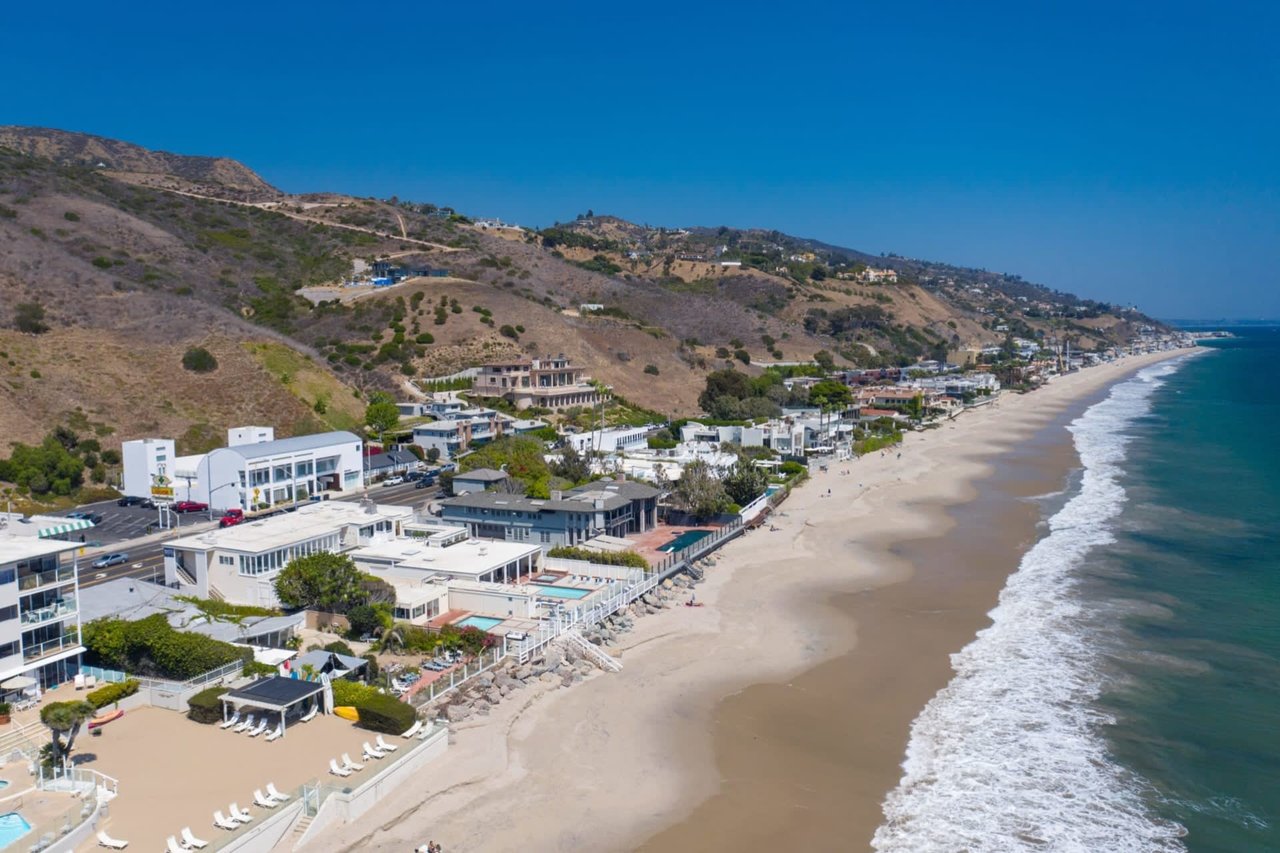
Set along Pacific Coast Highway beside Malibu Lagoon and Surfrider, the Colony sits within walking distance of the Malibu Pier and a short drive to the Malibu Country Mart. Its central location places shopping, dining, and surf culture right at your fingertips, which adds to daily convenience and long-term appeal. The City’s coastal hub underscores why this area remains a perennial favorite for buyers who value both access and privacy. City of Malibu coastal resources offer helpful context on the broader shoreline environment.
Old Hollywood roots
The Colony began in the late 1920s as the Malibu Movie Colony, created by May Rindge and quickly embraced by early film stars. That origin story shaped the neighborhood’s identity and demand, turning modest beachfront cottages into coveted addresses over time. Today you still find a blend of preserved cottages, mid-century homes, and striking contemporary rebuilds that reflect decades of evolution. The neighborhood’s star-studded provenance and tight-knit feel are well documented in local histories and reporting from the Los Angeles Times that trace the area’s early days and community life. You can learn more about those roots in this Los Angeles Times feature on Malibu Colony.
Neighborhood layout and architecture
Two-tier lot pattern
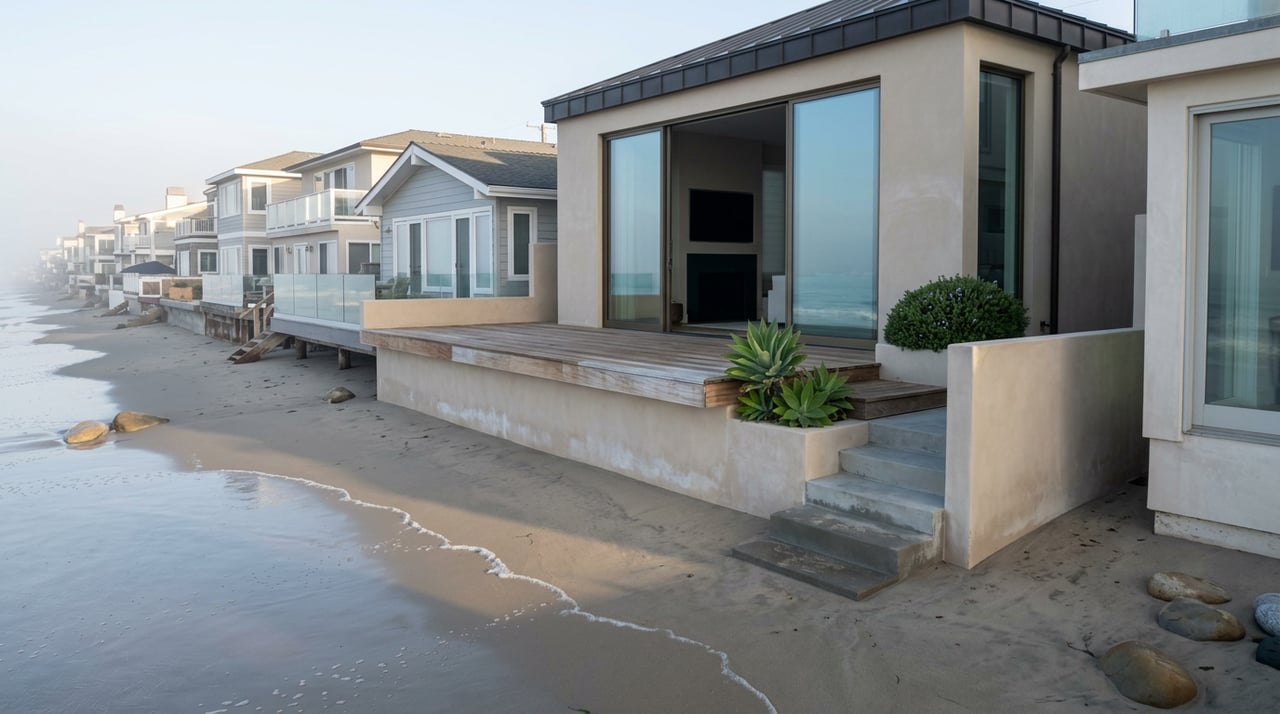
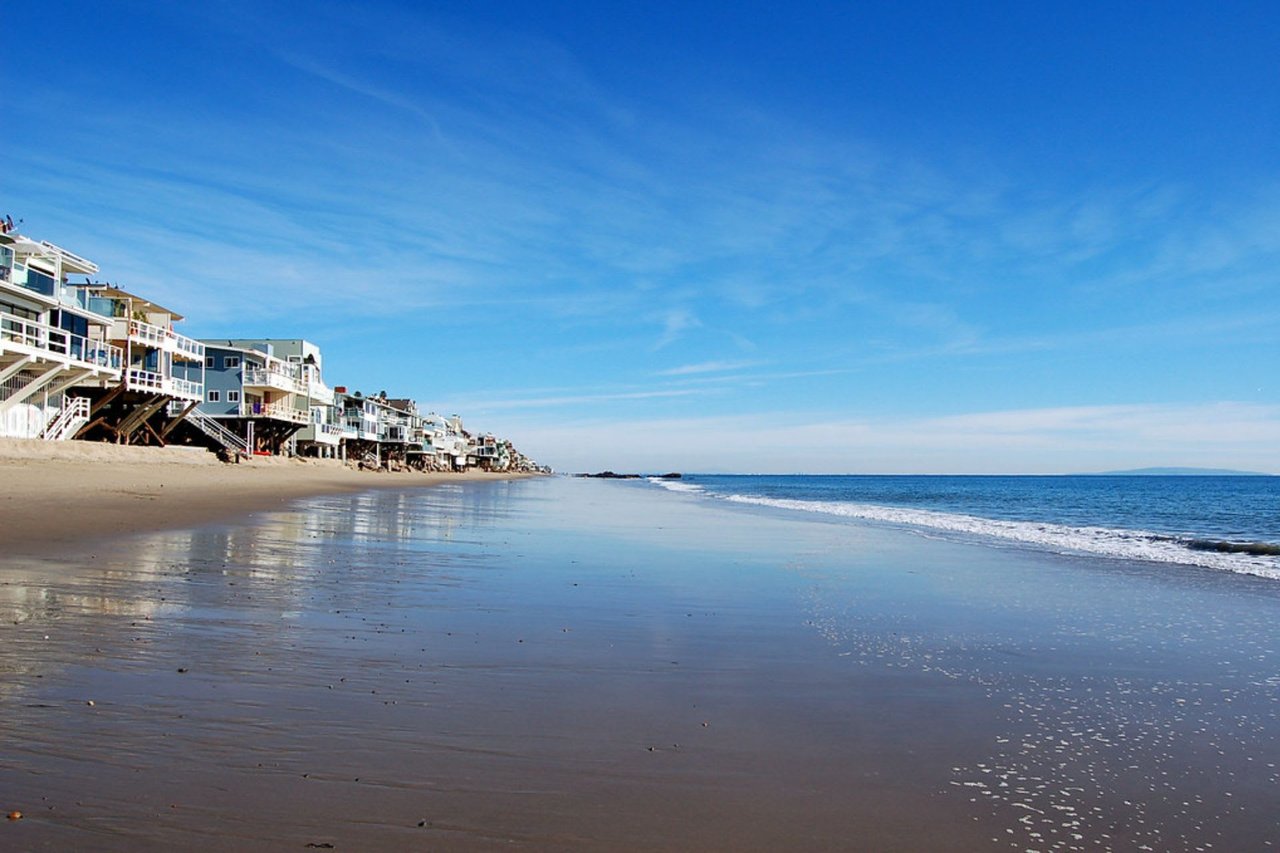
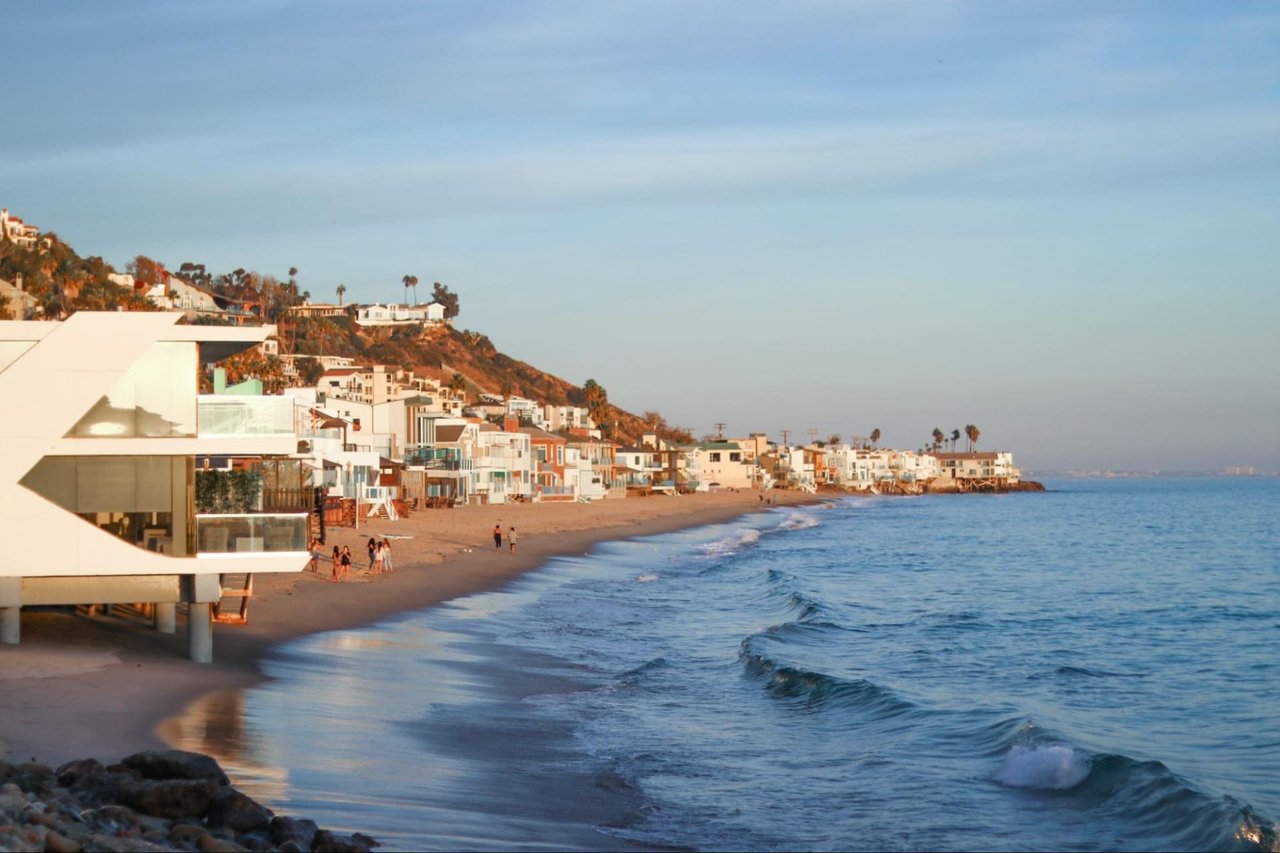
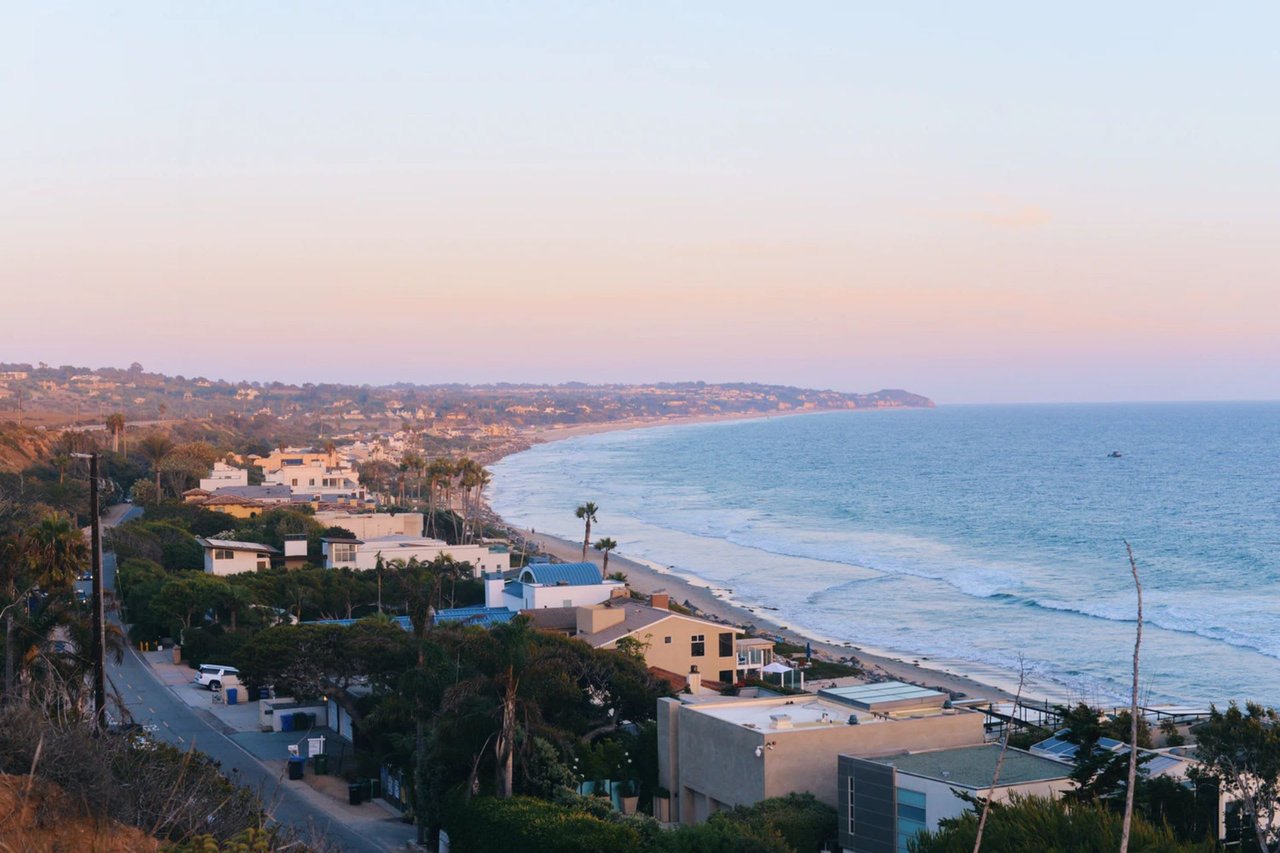
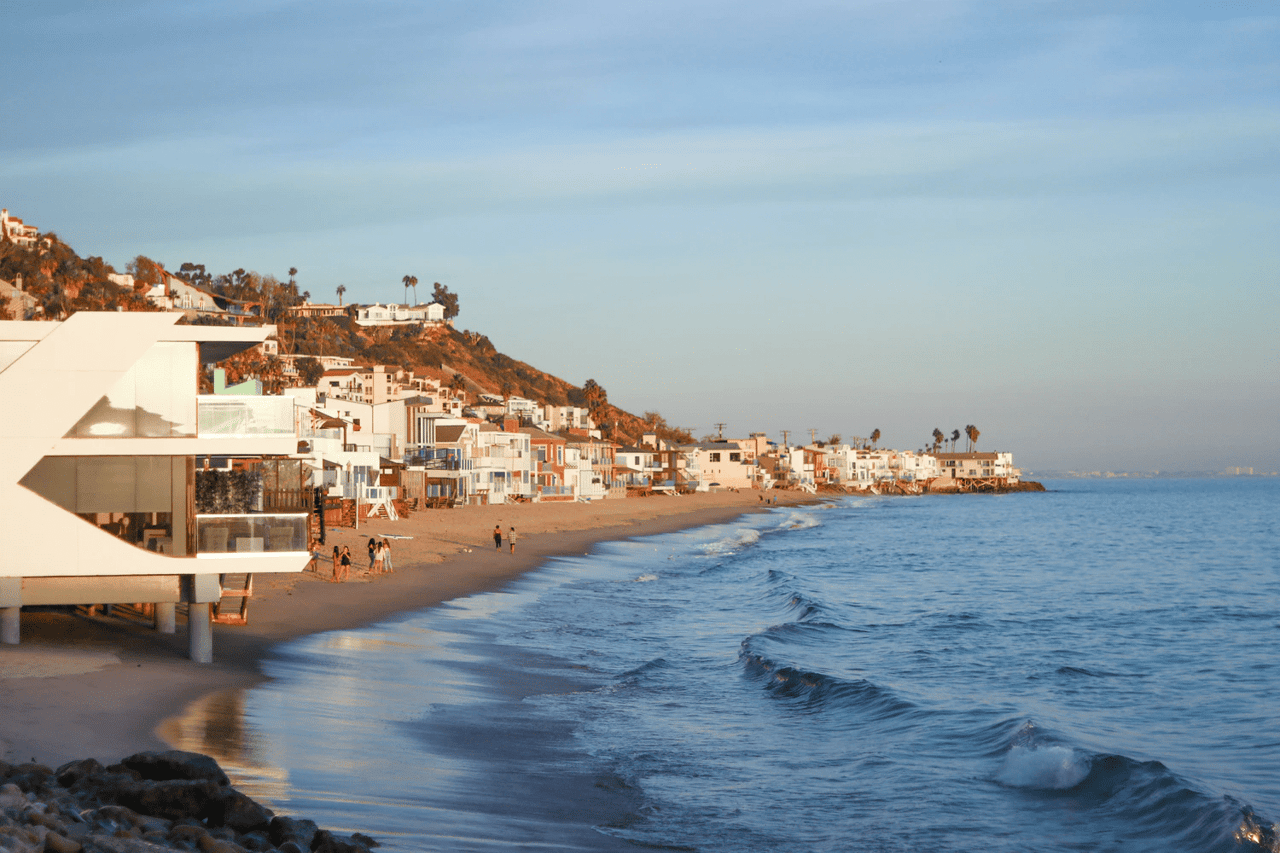
Malibu Colony stretches roughly a mile and includes about 100 to 120 homes in two basic tiers. The first row sits directly on the sand, while a second row occupies the landside behind it. Many original parcels were narrow in sections, which gives the streets a compact, village-like feel and influences design, privacy strategies, and parking solutions. Historic accounts and local reporting describe this small-lot pattern as a defining feature of the enclave’s charm. For an accessible overview of the Colony’s past and community narrative, see the Los Angeles Times coverage.
Architectural character and build considerations
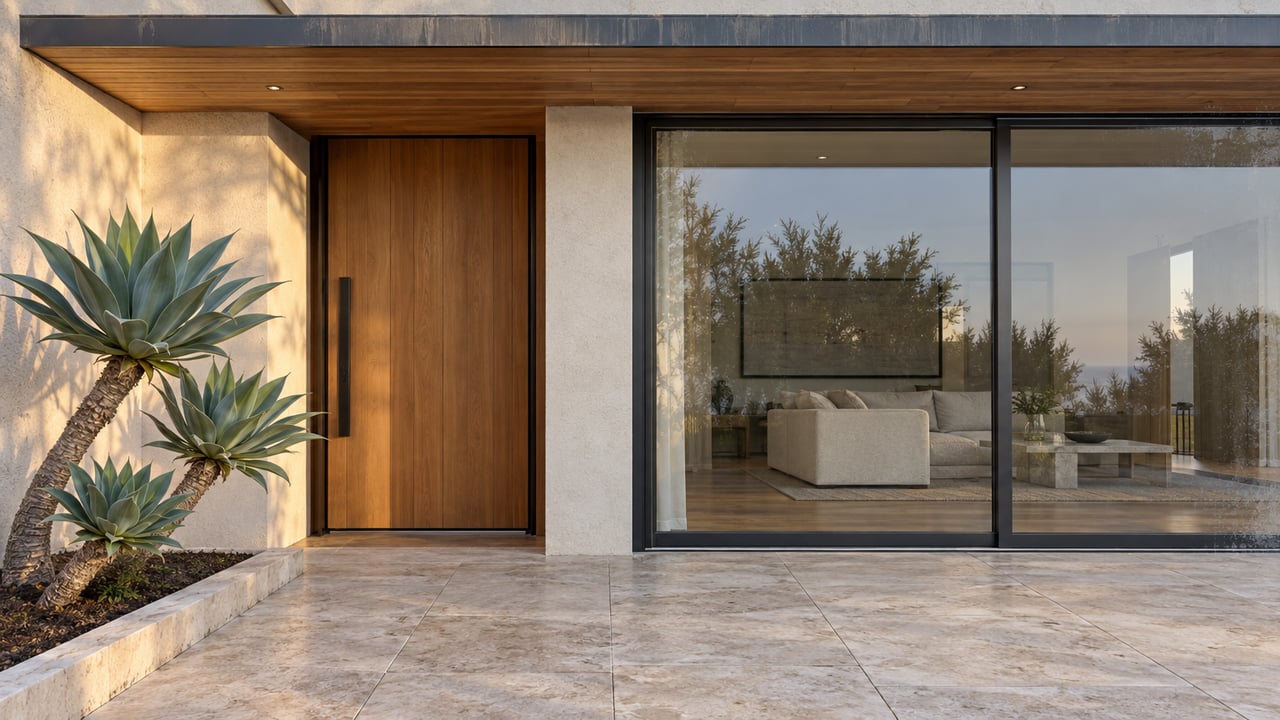
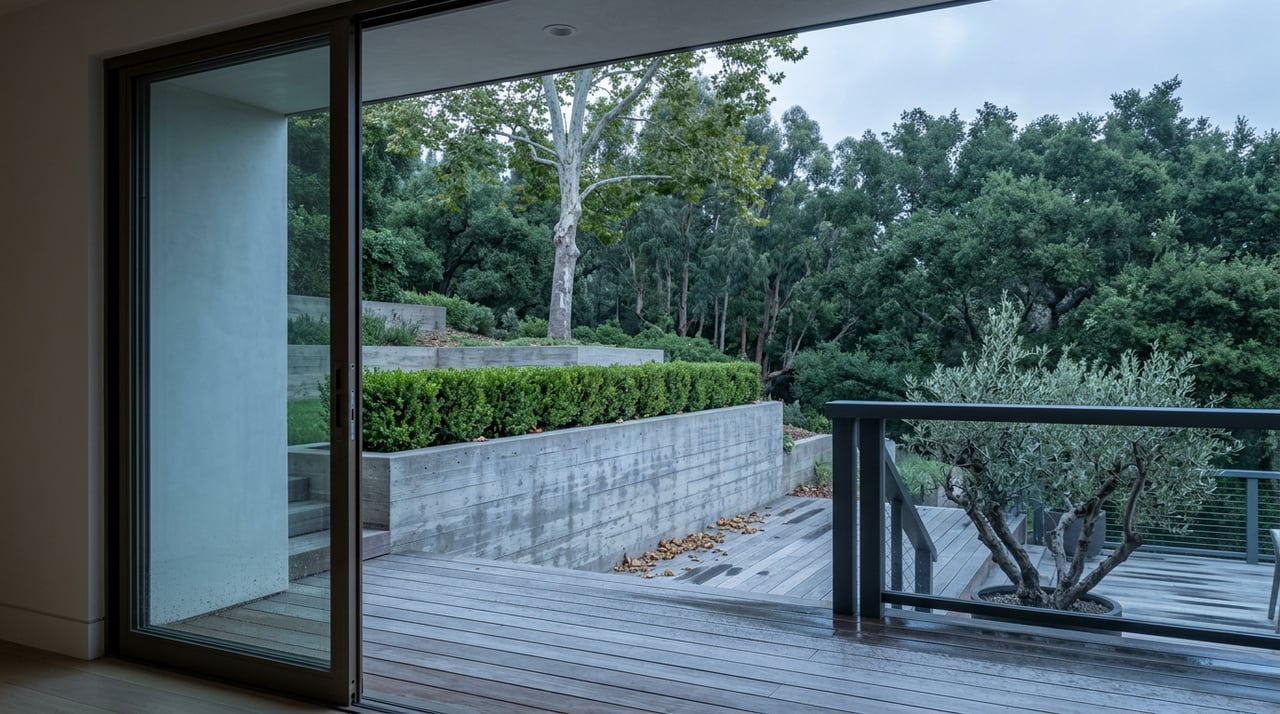
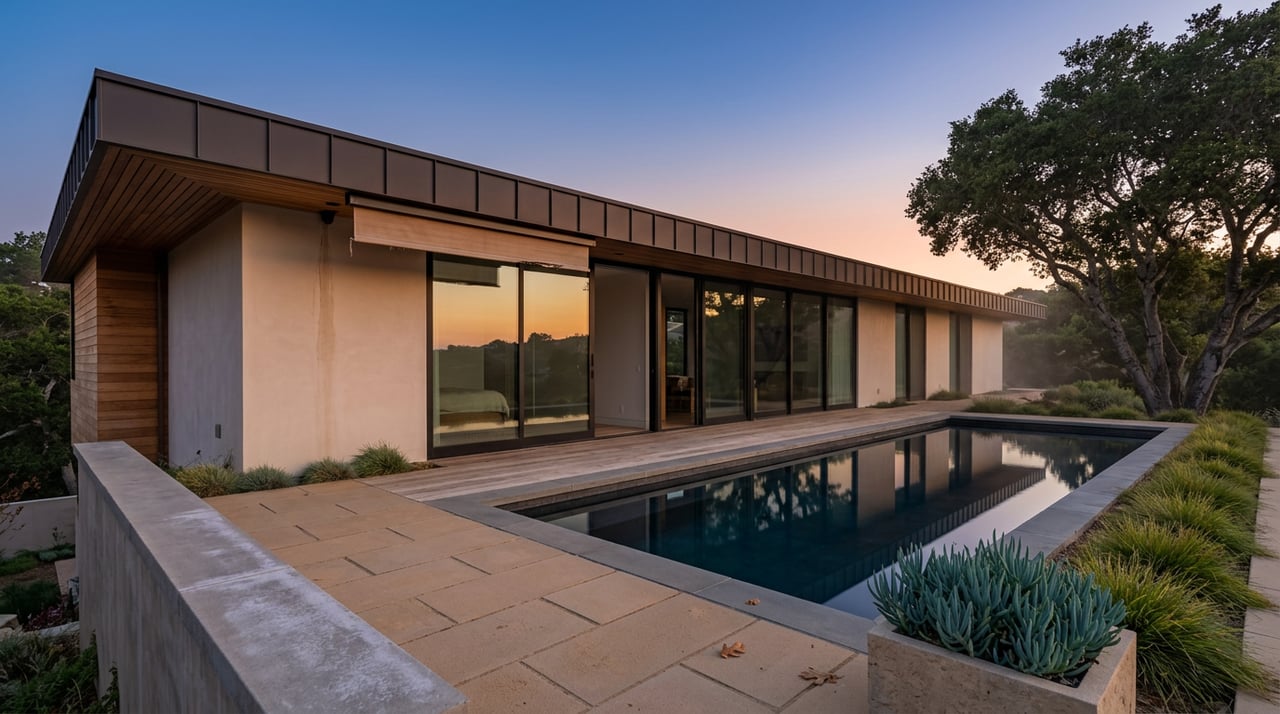
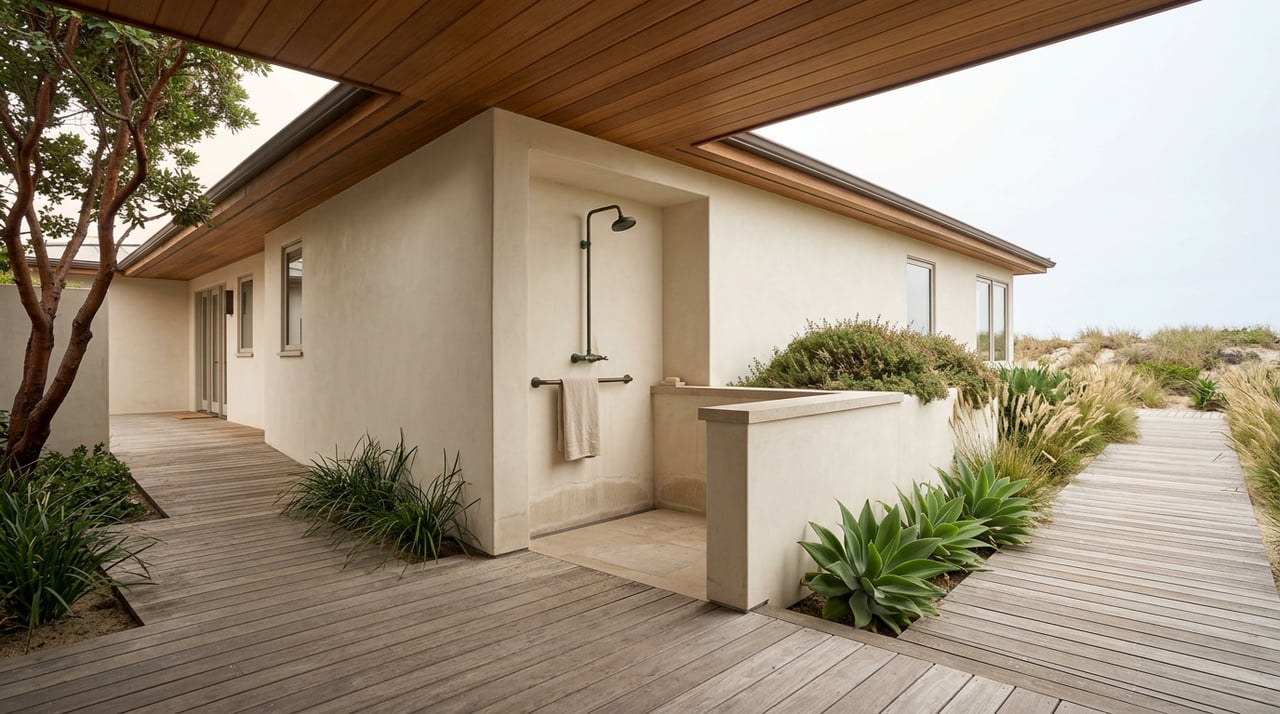
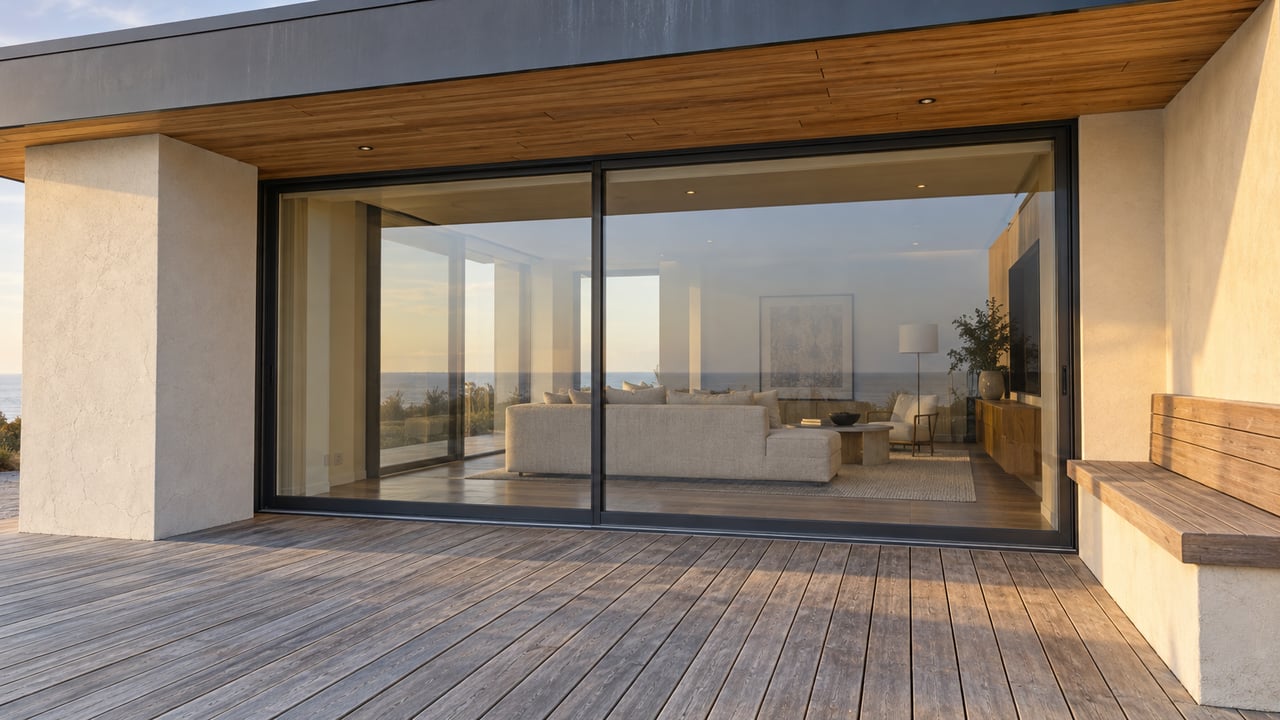
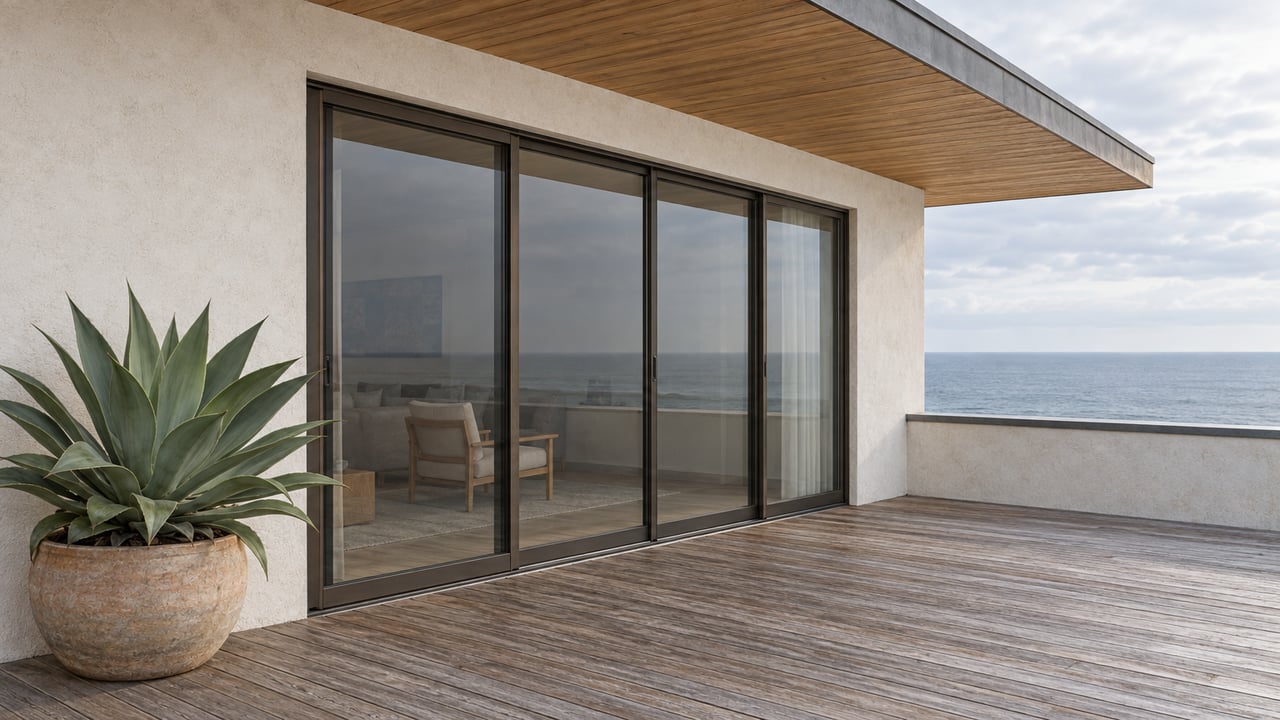
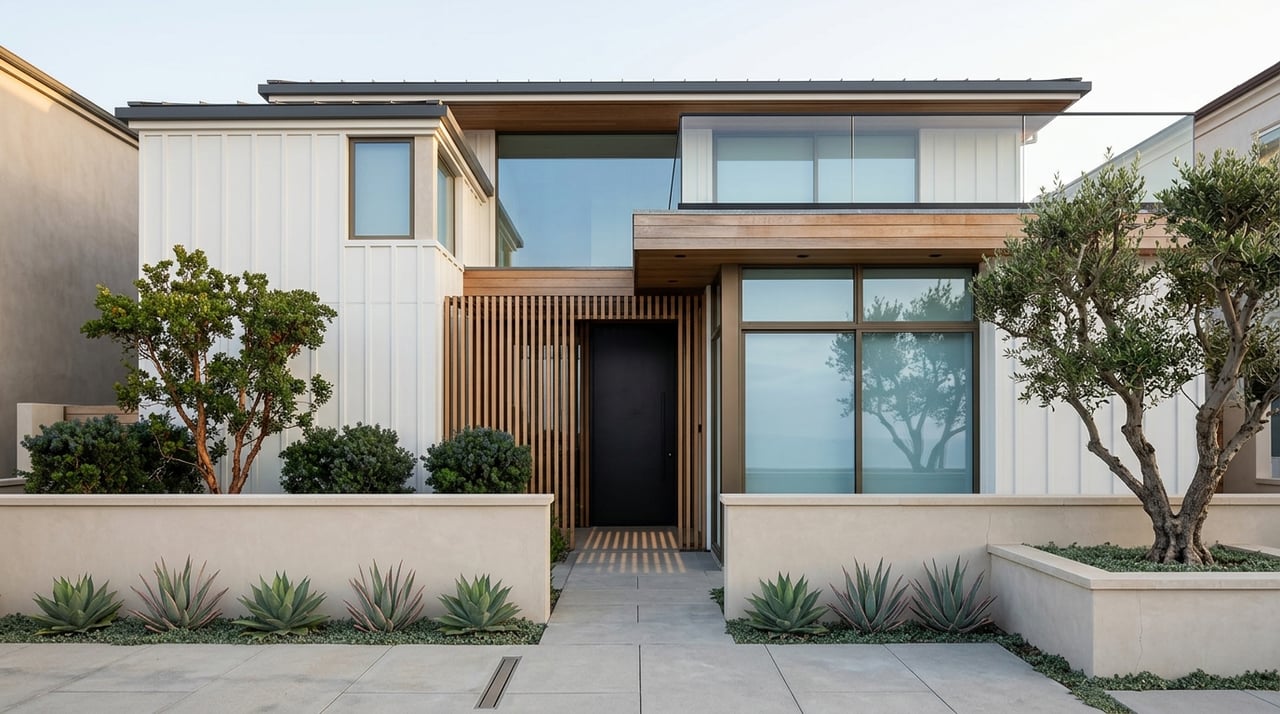
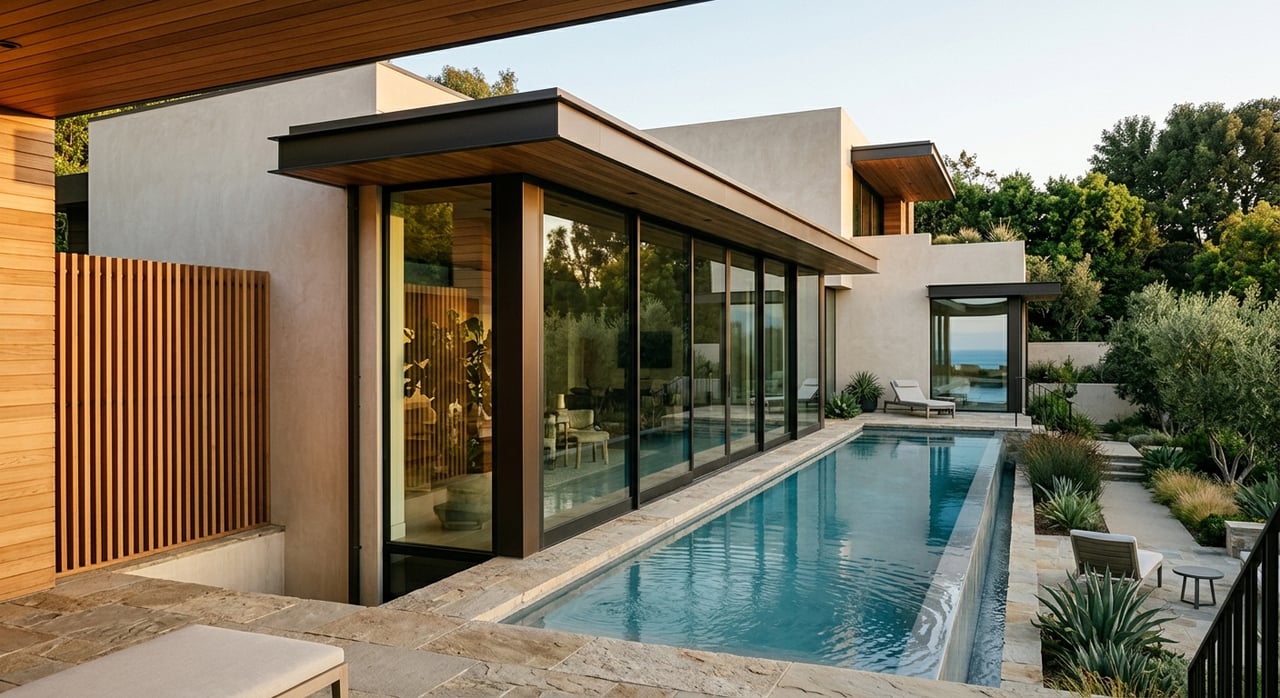
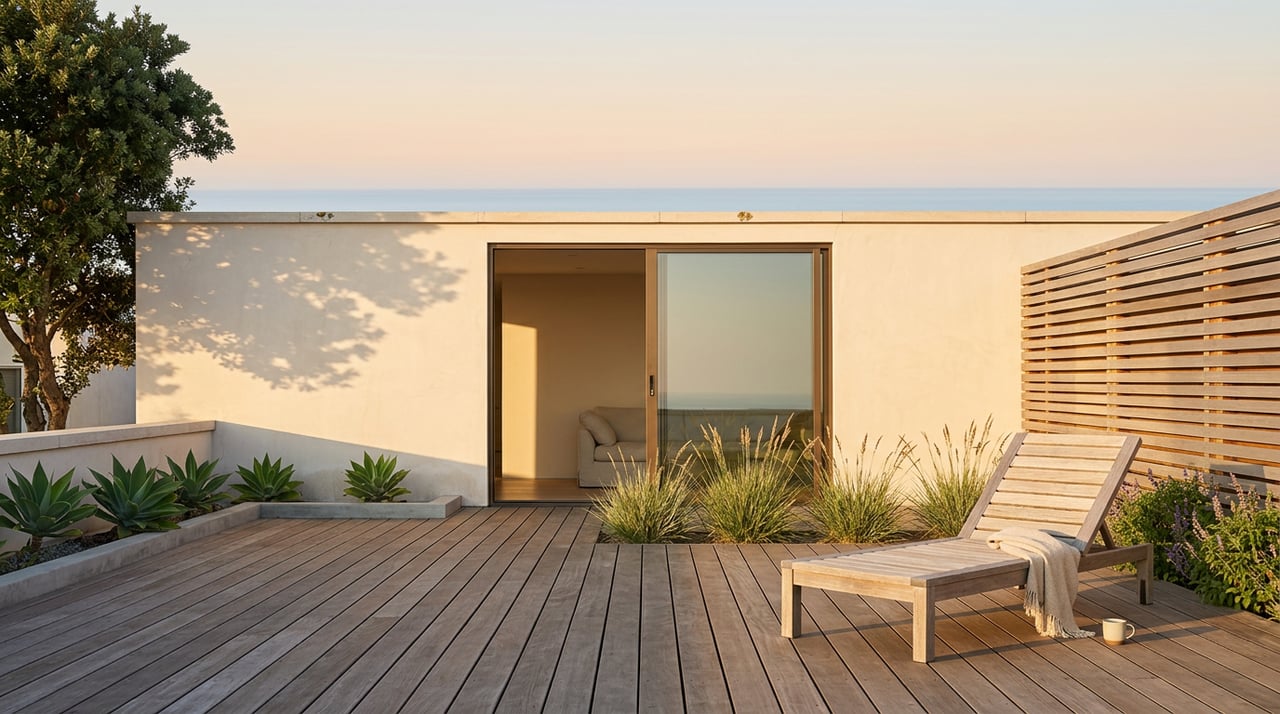
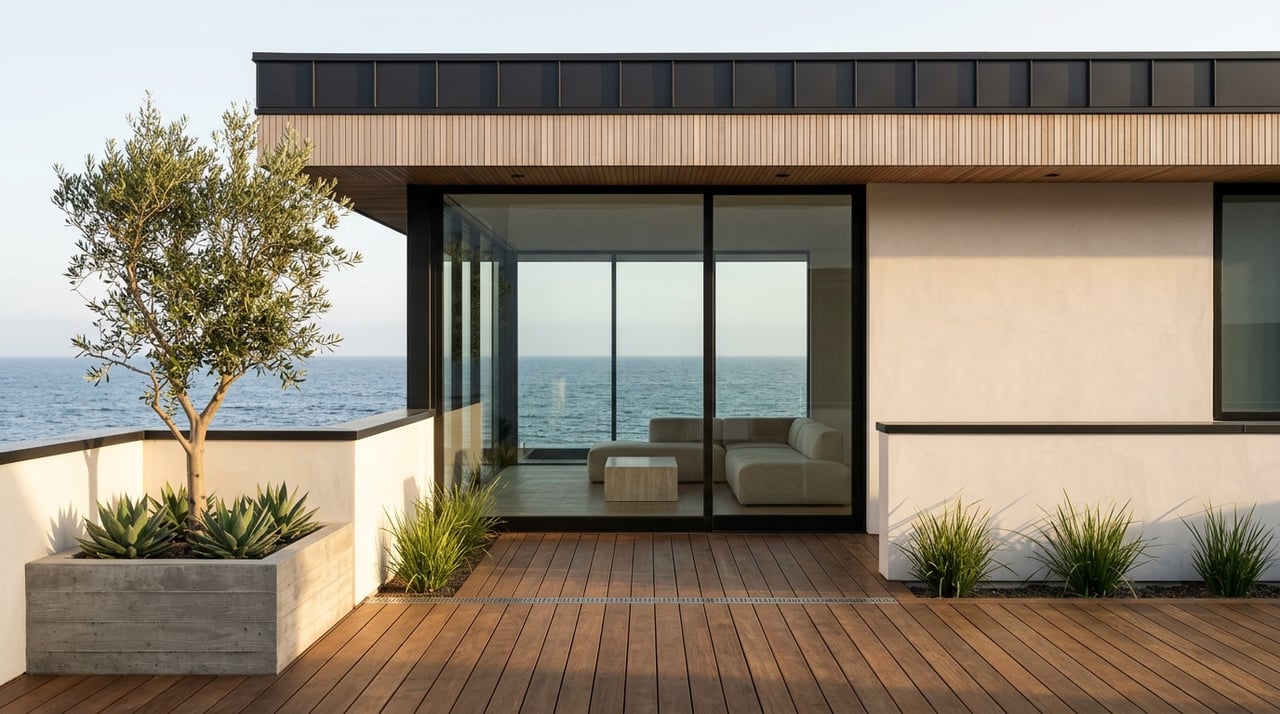
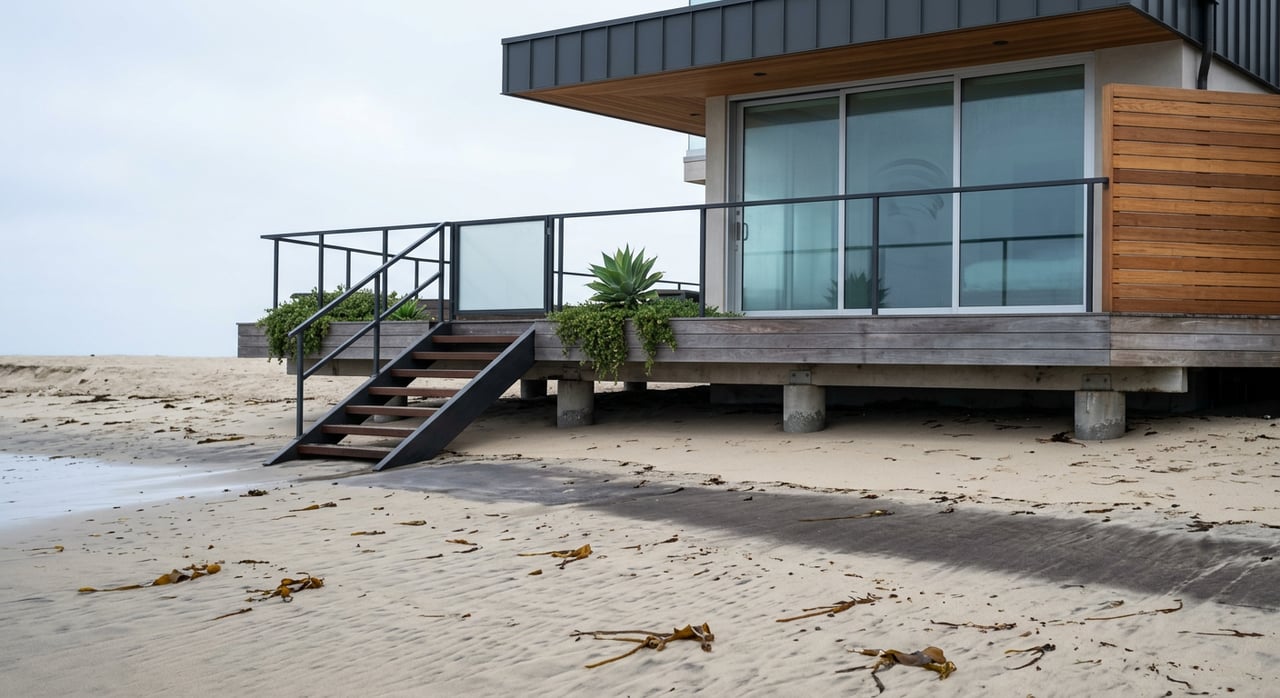
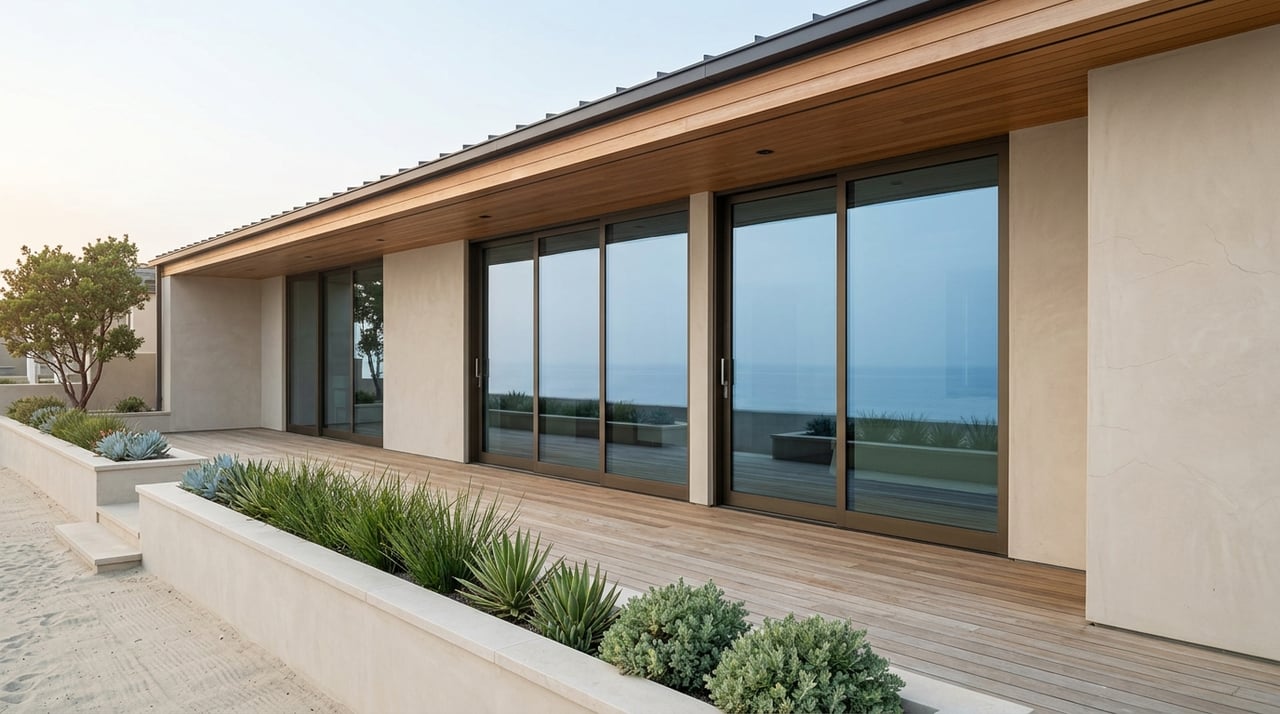
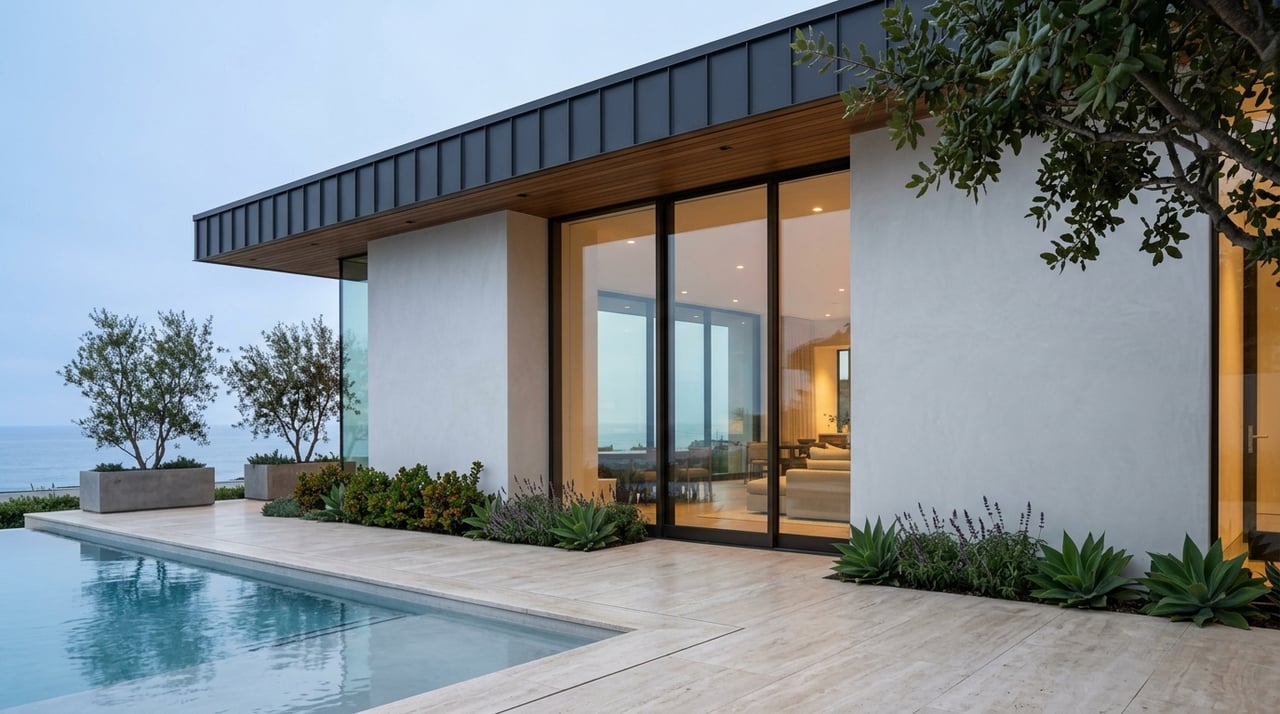
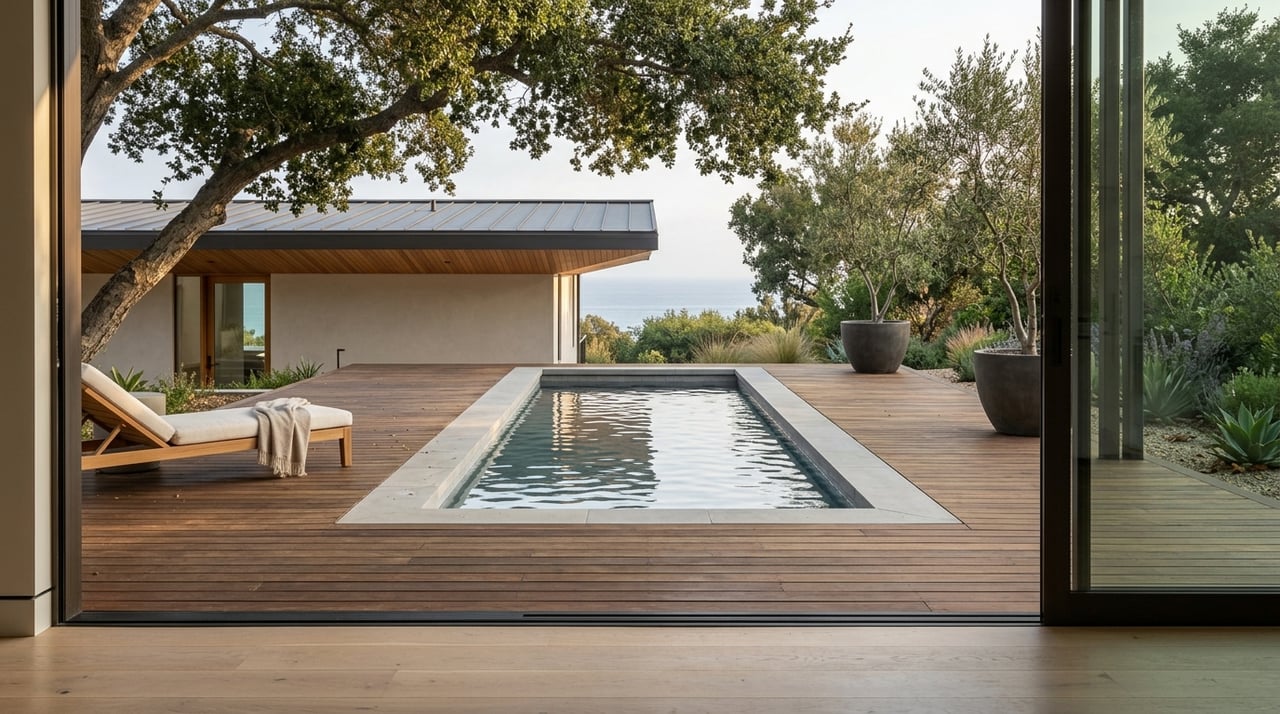
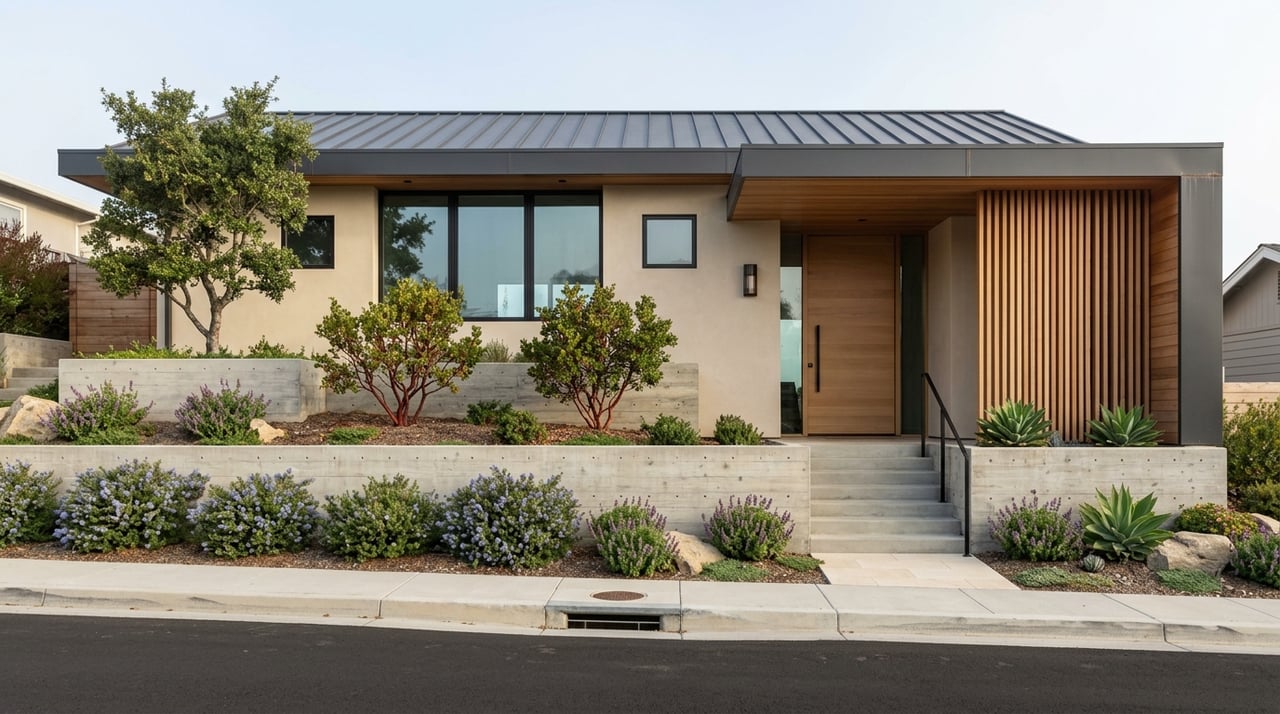
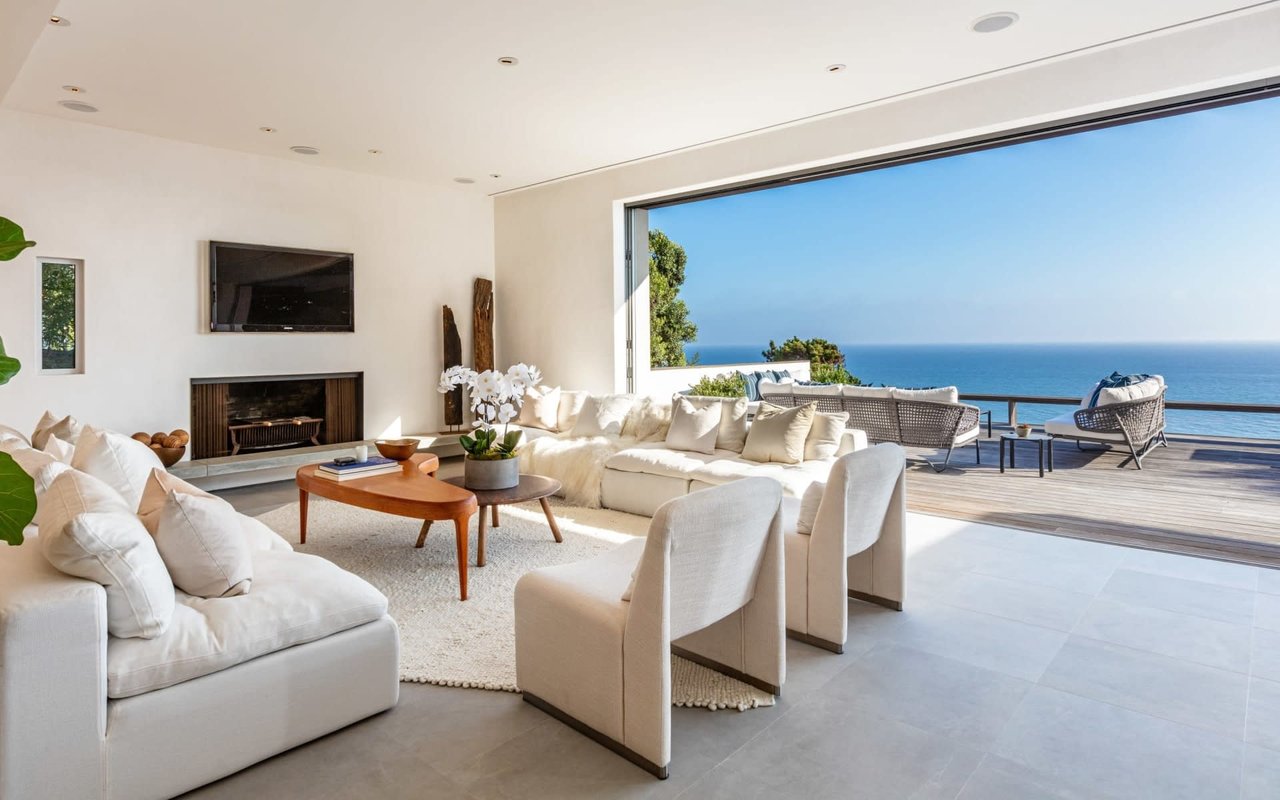
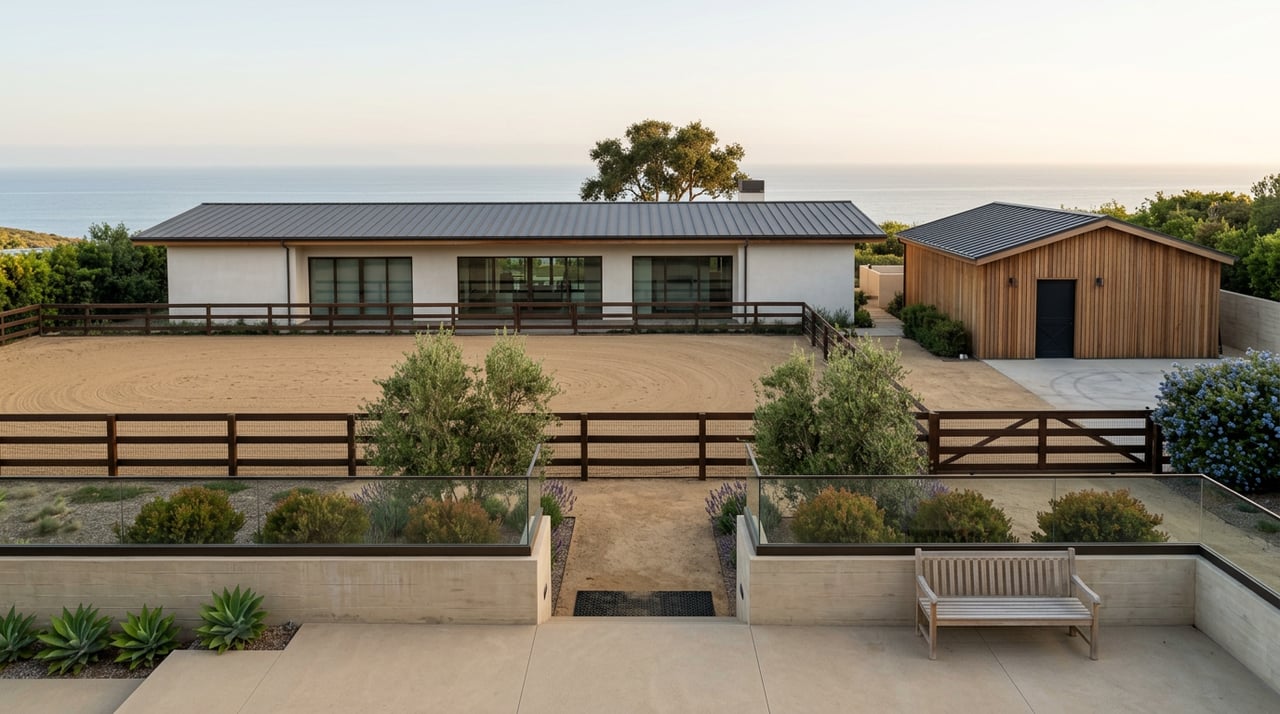
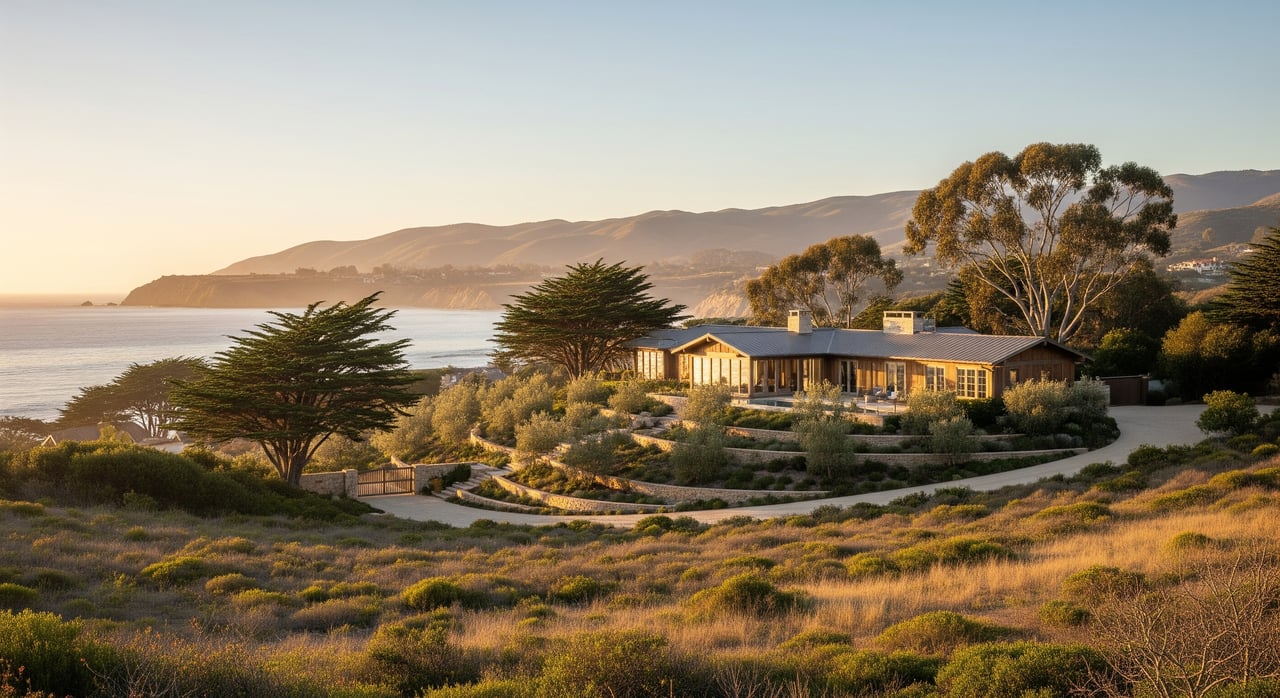
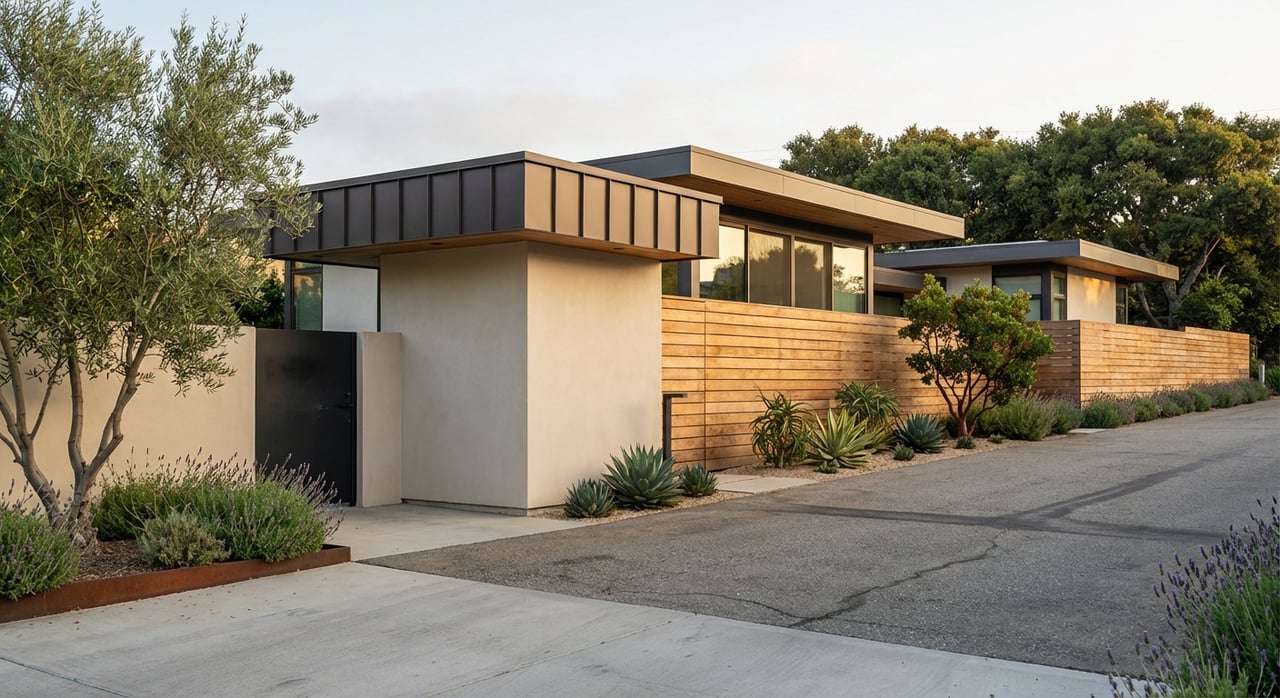
You will see a wide mix: 1920s–1950s wood-frame beach cottages, notable mid-century designs, and sleek, glass-forward contemporary estates. Many homes maximize indoor-outdoor flow with generous decks and roof terraces to capture the light and views. On the beachfront, structural strategy matters. Foundations and shoreline protection vary by parcel, and any remodel or rebuild will engage California’s coastal rules and the local coastal program. For baseline guidance on permitting and coastal planning, review the California Coastal Commission’s LCP resources.
Privacy and public access explained
Guard gates vs public shoreline
The Colony’s guarded entry and private yards deliver a strong sense of seclusion. Still, California law draws a clear line at the mean high tide. Sand and tidelands below that line are public trust lands, which means the wet beach is public even in front of private homes. That distinction can feel nuanced during high tides and seasonal changes, so it helps to understand the basics before you buy. For a plain-language primer on beach access rules, see this summary on California’s public-trust boundary. Reporting on Malibu frequently notes how this legal line shapes day-to-day beach use, including in the Los Angeles Times.
Daily life and nearby amenities
Easy access to Malibu icons
From many Colony addresses, you can stroll to the Malibu Pier, watch early-morning surfers at Surfrider, and enjoy quick access to central Malibu restaurants and boutiques. Nobu, Malibu Beach Inn, and the Country Mart are nearby, adding to the area’s easy, coastal-luxe rhythm. The City’s coastal pages provide useful context on local shoreline amenities and planning work, including broader efforts around sea-level study and resilience. Explore the City of Malibu coastal overview for more background.
Market snapshot and value drivers
Price ranges and notable context
Malibu Colony is one of Malibu’s most exclusive neighborhoods, with oceanfront prices that can reach well into the eight figures for prime frontage and modern estates. Reporting on individual sales and listings highlights multi-million to tens-of-millions price points, which aligns with the Colony’s historic status and limited inventory. For a sense of upper-tier offerings and neighborhood cachet, see this Forbes feature on a $35 million Malibu Colony listing. Specific pricing will vary by frontage, depth, architectural pedigree, and recent renovations.
What moves value
- Beach frontage and lot depth. More linear feet on the sand and deeper parcels often command premiums.
- Positioning and views. First-row homes with unobstructed panoramas trade differently than landside addresses.
- Architecture and condition. Turnkey contemporary estates or well-preserved architectural homes draw higher interest.
- Parking and privacy strategies. Smart driveway layouts, garages, and thoughtful screening improve livability.
- Permitting history. Favorable Coastal Development Permit precedents can support long-term plans.
Buying smart: your due diligence checklist
A Malibu Colony purchase rewards disciplined preparation. Use this checklist to inform your offer and contingencies.
- Confirm lot type and frontage. Determine whether the property is beachfront or landside and measure linear feet of beach frontage. Review deed lines and any recorded public access easements in title.
- Pull coastal permits and history. Request the Local Coastal Program context and any Coastal Development Permits, conditions, or appeals tied to the parcel. Start with the California Coastal Commission LCP guidance and coordinate with the City of Malibu.
- Assess flood and shoreline risk. Order a current FEMA Flood Map report and check for Letters of Map Change. Start with the FEMA Flood Map Service Center. Also review Malibu’s coastal planning resources for context on sea-level scenarios and shoreline change through the City’s coastal page.
- Wildfire compliance and defensible space. Much of Malibu sits in Very High Fire Hazard Severity Zones, and California AB 38 requires defensible-space documentation at sale in high-risk areas. Review the City’s AB 38 information and budget for any home-hardening work.
- Insurance realities. Coastal exposure and wildfire risk affect insurance availability and premiums. Obtain quotes early for homeowners, excess, and any specialty coverage before removing contingencies. Industry summaries, like those from Risk Strategies, note broader challenges in high-hazard California zones.
- Renovation and rebuild feasibility. Clarify setbacks, height limits, shoreline armoring restrictions, and any prior conditions that could affect future work. Engage local architects and engineers early.
- HOA, CC&Rs, and guard-gate rules. Request governing documents to understand exterior guidelines, parking, deliveries, and event policies. Fees and services can vary by parcel within gated beach enclaves.
- Leasing and STR compliance. Malibu’s short-term rental rules have evolved over time, and many HOAs add their own restrictions. Confirm current city policy and community rules before you plan to rent.
How Malibu Colony compares to other Malibu enclaves
Buyers often compare the Colony with Carbon Beach and other oceanfront pockets. The Colony stands out for its historic Movie Colony identity, compact lot pattern, and guarded pedestrian gates at each end of its stretch. It also sits in the heart of Malibu near the Pier and Country Mart, which is a different experience than more isolated compounds. Reporting often contrasts Carbon Beach’s larger oceanfront estates and billionaire ownership profile with the Colony’s denser, village-like fabric. For a sense of that high-end contrast and recent market context, see the Forbes reporting on Malibu’s elite stretches.
A quick note on design and legacy homes
The Colony’s architectural layers tell the story of Malibu itself, from studio-era cottages to polished modern residences. Design press frequently tracks notable remodels and sales that capture this evolution. For example, Architectural Digest has chronicled celebrity home movements within the enclave, reflecting the ongoing interest in both provenance and design quality. That editorial lens underscores why architecture, history, and lifestyle presentation matter when you buy or sell. Explore one such highlight in Architectural Digest’s coverage of a Malibu Colony sale.
Your next step in Malibu Colony
If Malibu Colony speaks to you, align with a local expert who can marry on-the-ground knowledge with global reach. Sourcing discreet opportunities, confirming the right due diligence, and presenting offers with precision are what elevate outcomes in this enclave. When you are ready to explore on-market and private options, schedule a private conversation with Sandro Dazzan to chart your path with confidence.
FAQs
What is Malibu Colony and where is it located?
- Malibu Colony is a guard-gated beachfront enclave along Pacific Coast Highway beside Malibu Lagoon and Surfrider, close to the Malibu Pier and central shopping and dining, as noted in local reporting.
Is the beach private in Malibu Colony?
- No. Below the mean high tide line, the wet beach is public trust land in California, even where homes back the sand. Learn more in this overview of the public-trust boundary.
How much do Malibu Colony homes cost?
- Prices vary widely by frontage, depth, condition, and design. Reporting shows multi-million to tens-of-millions price points for oceanfront properties. For high-end context, see this Forbes feature.
What due diligence should I do before buying on the sand?
- Verify coastal permits and parcel history, order FEMA flood maps, review wildfire defensible-space requirements under AB 38, and obtain insurance quotes early. The California Coastal Commission LCP resources are a good starting point.
How does Malibu Colony compare with Carbon Beach?
- The Colony offers a historic Movie Colony identity, compact lots, and central location near the Pier. Carbon Beach is often associated with larger compounds and ultra-elite ownership. Market coverage in Forbes illustrates these differences.