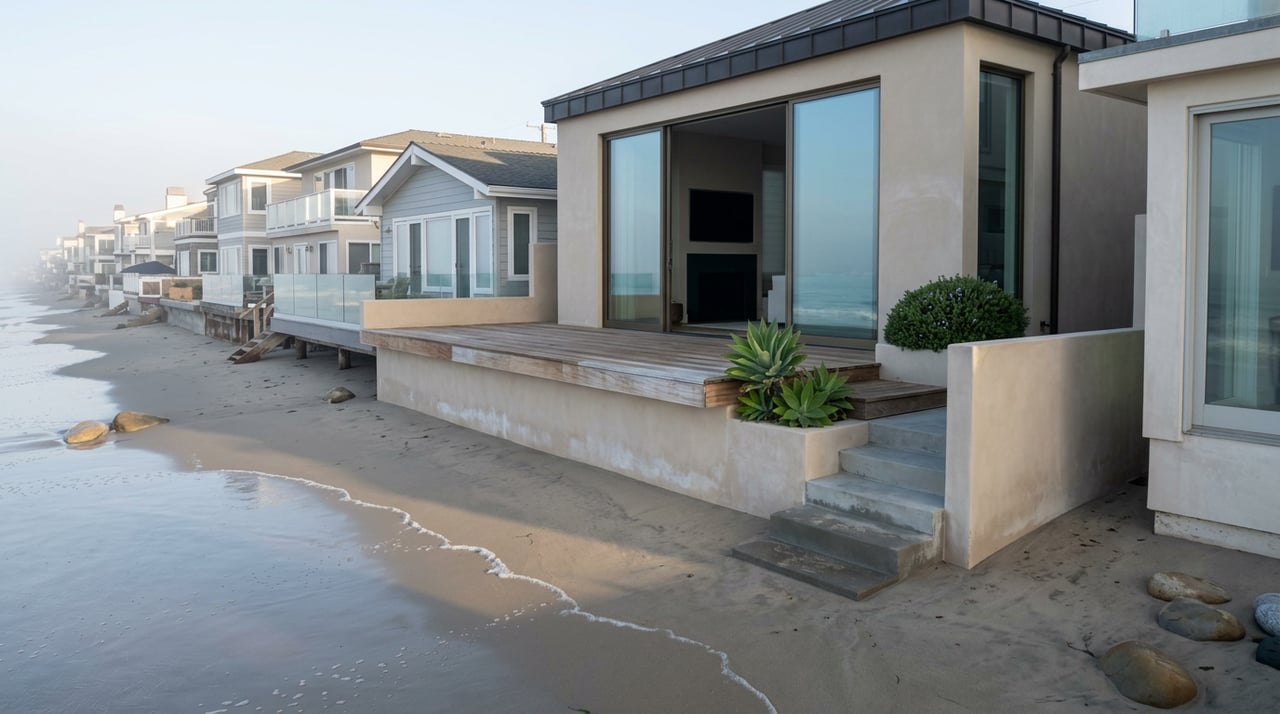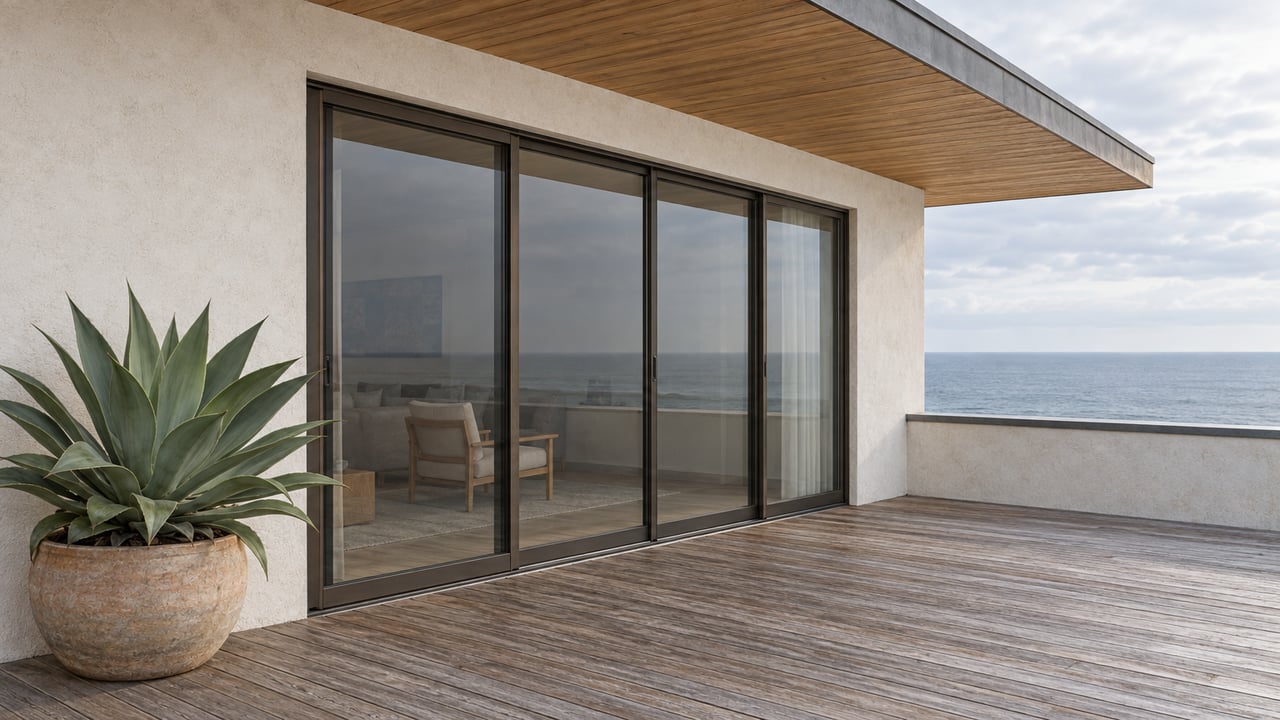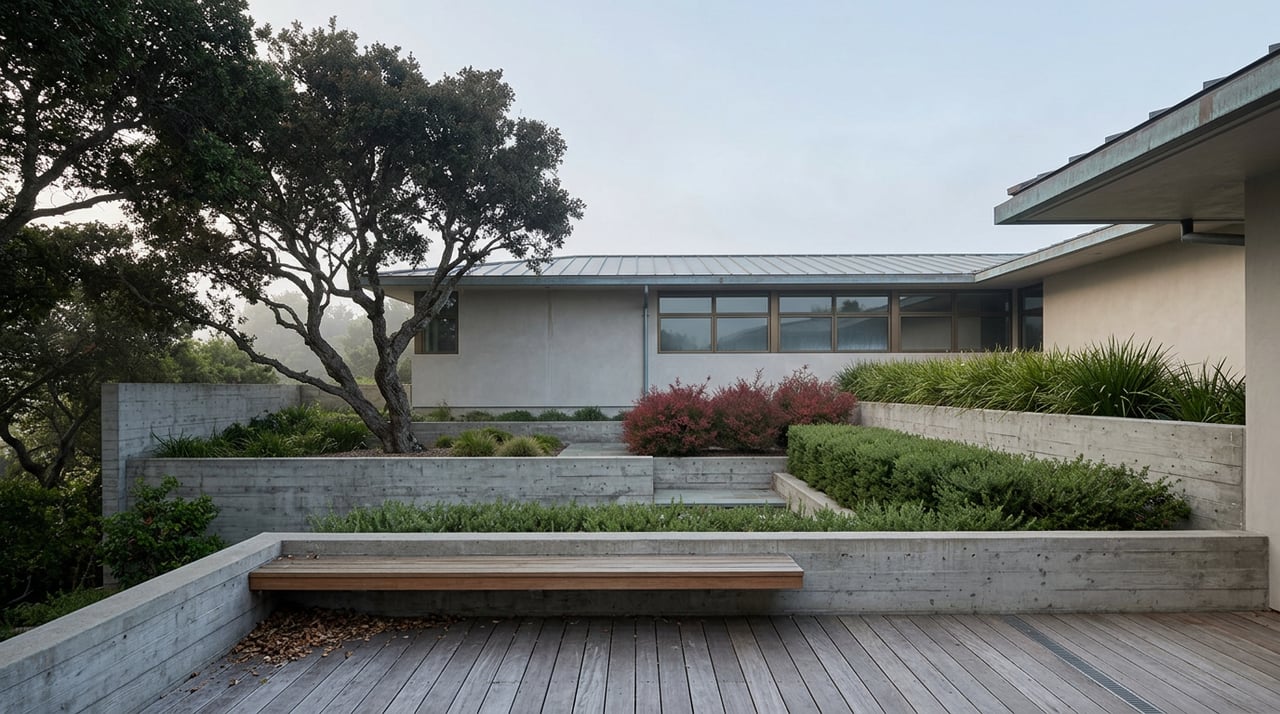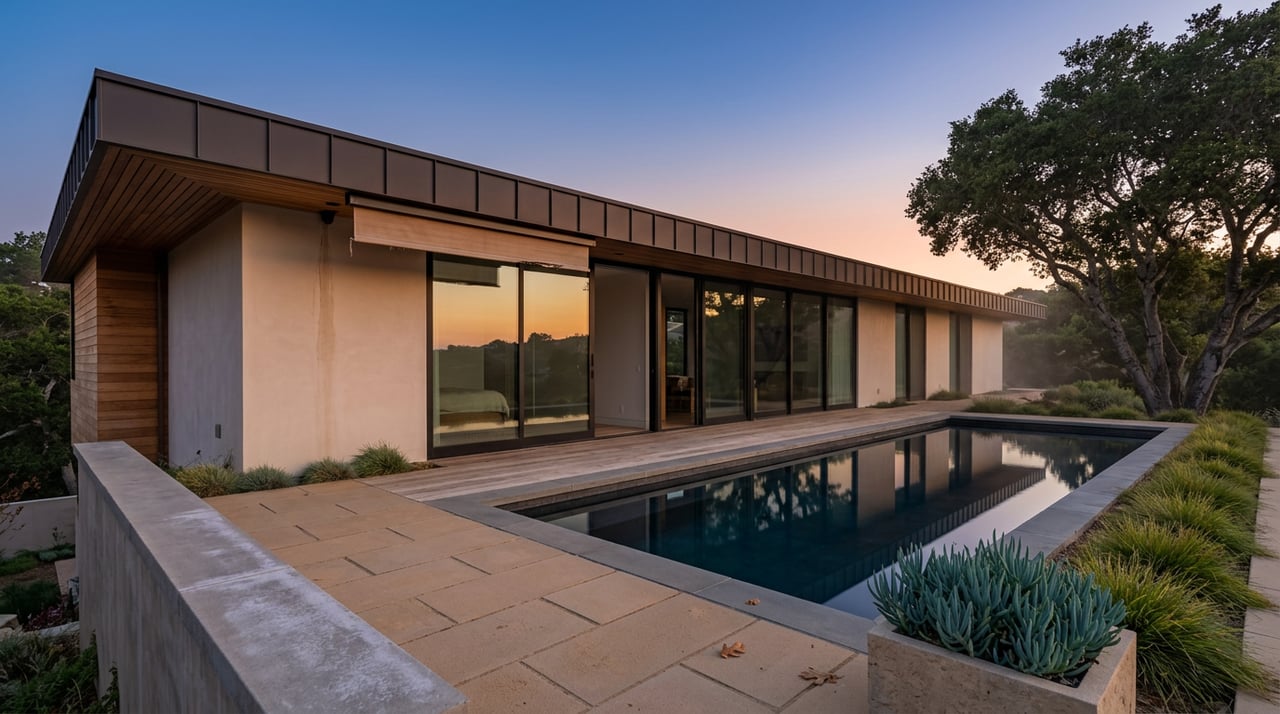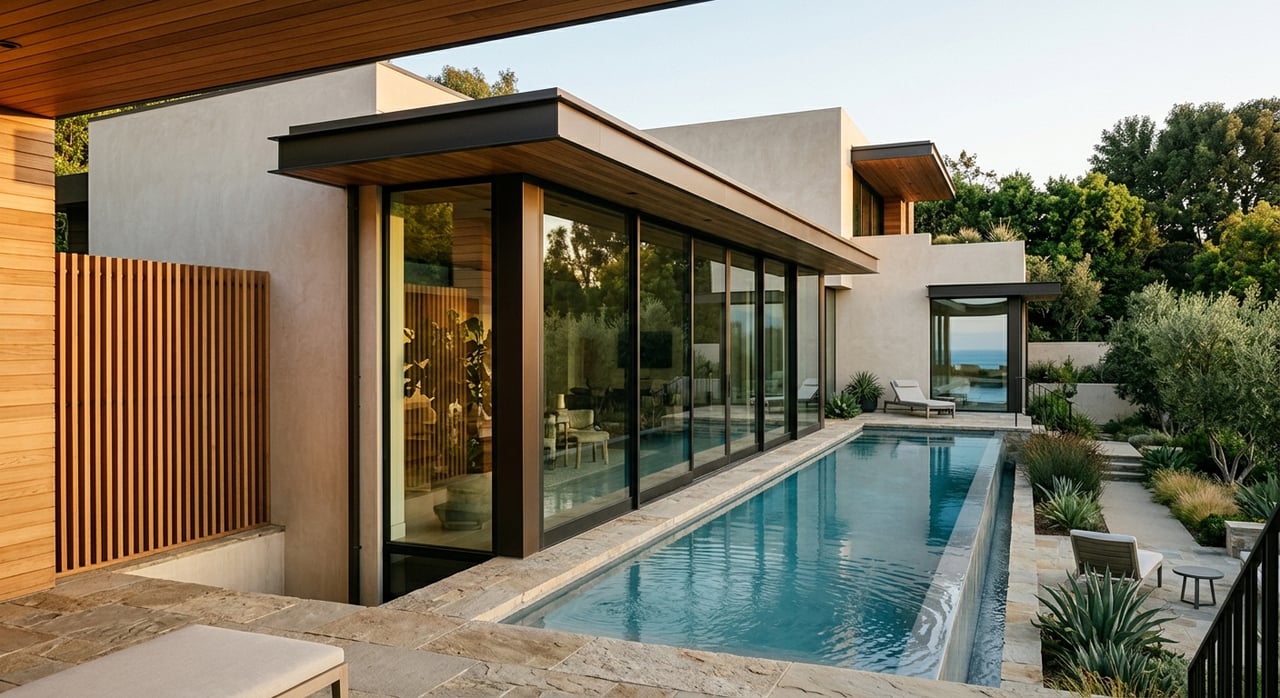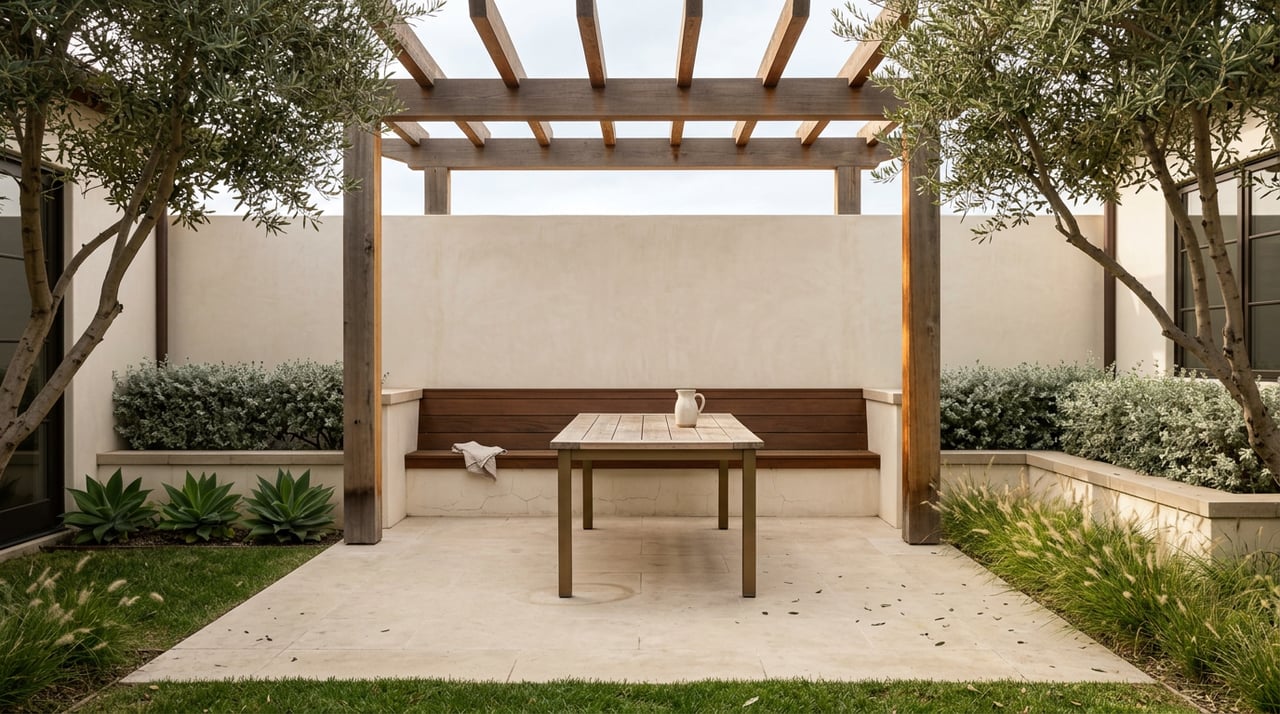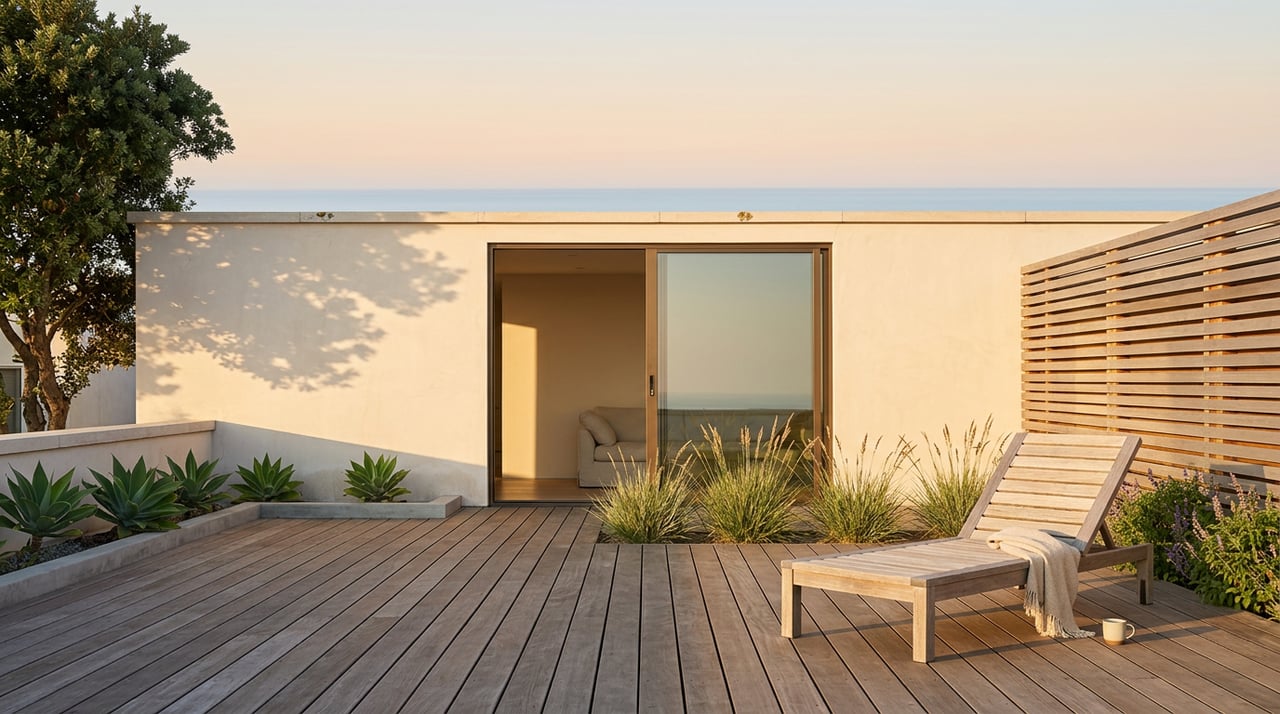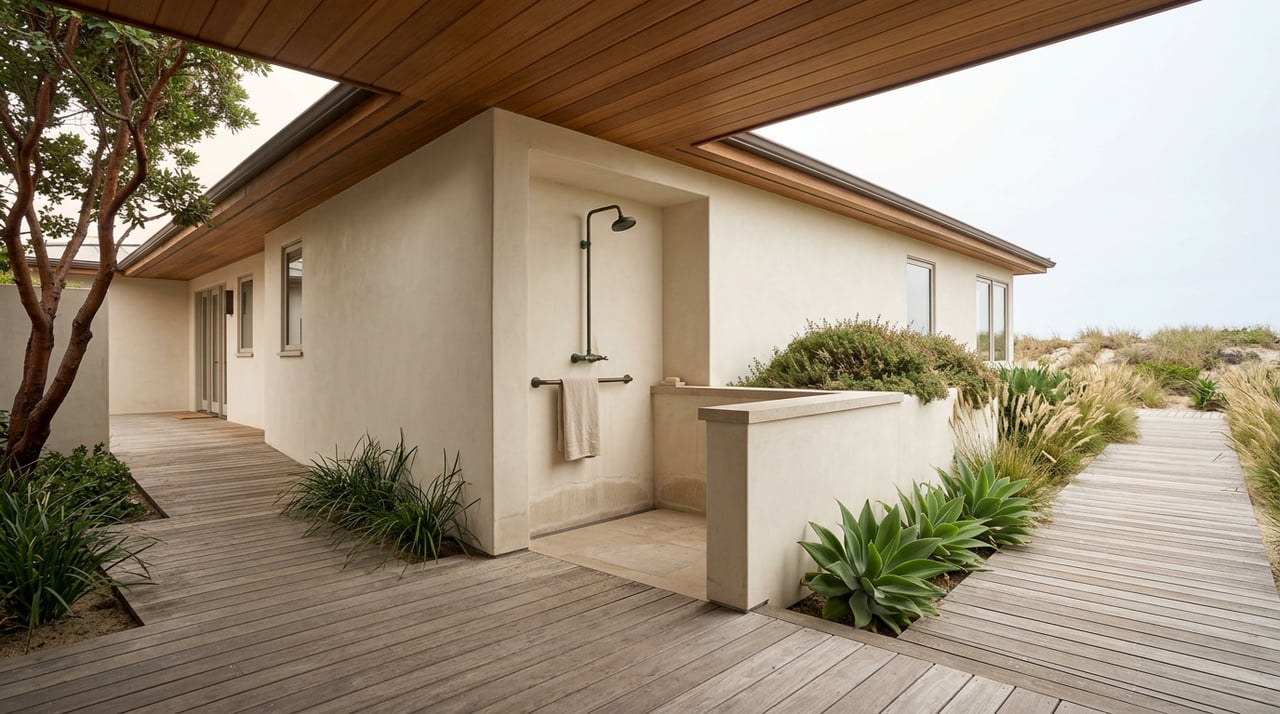
Looking for room to breathe in Malibu without giving up the view? If you want acreage, privacy, equestrian potential and a front‑row seat to the Pacific, Winding Way deserves a close look. You will see how this central Malibu enclave trades direct sand frontage for larger grounds, panoramic ocean vistas and trail access. This guide covers what defines the area, how it compares with other Malibu options, and the due diligence that helps you buy with confidence. Let’s dive in.
Winding Way at a glance
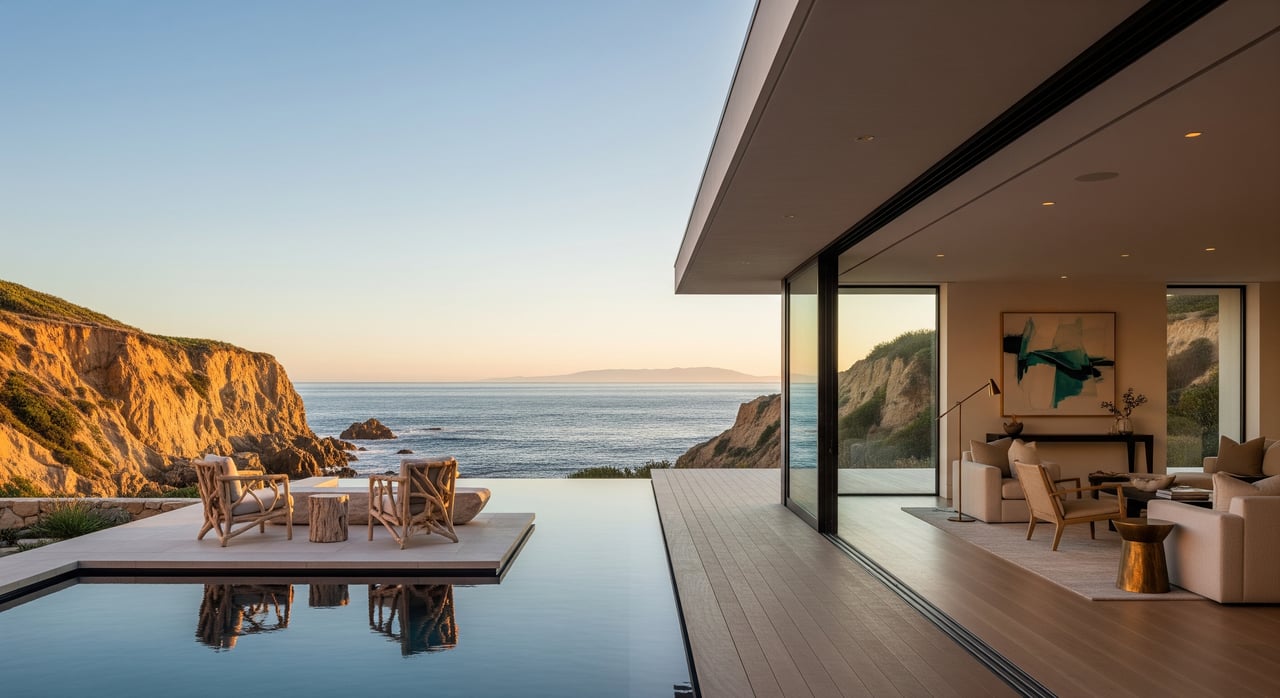
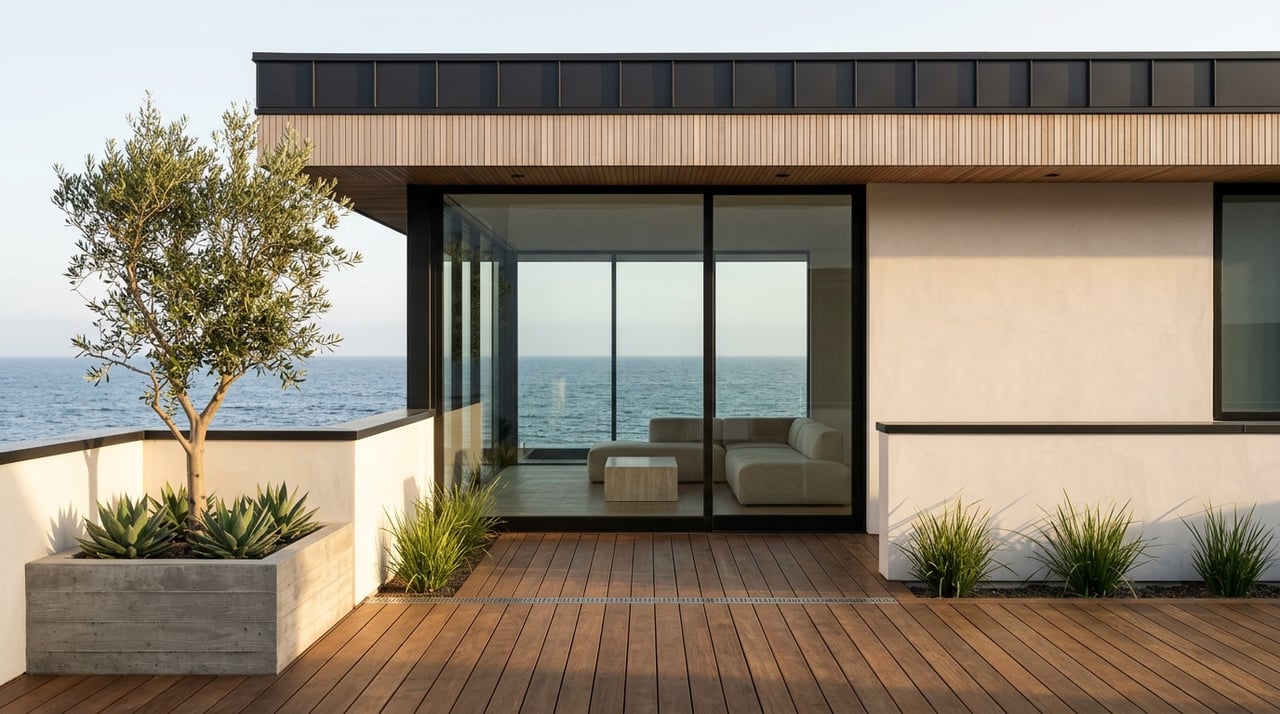
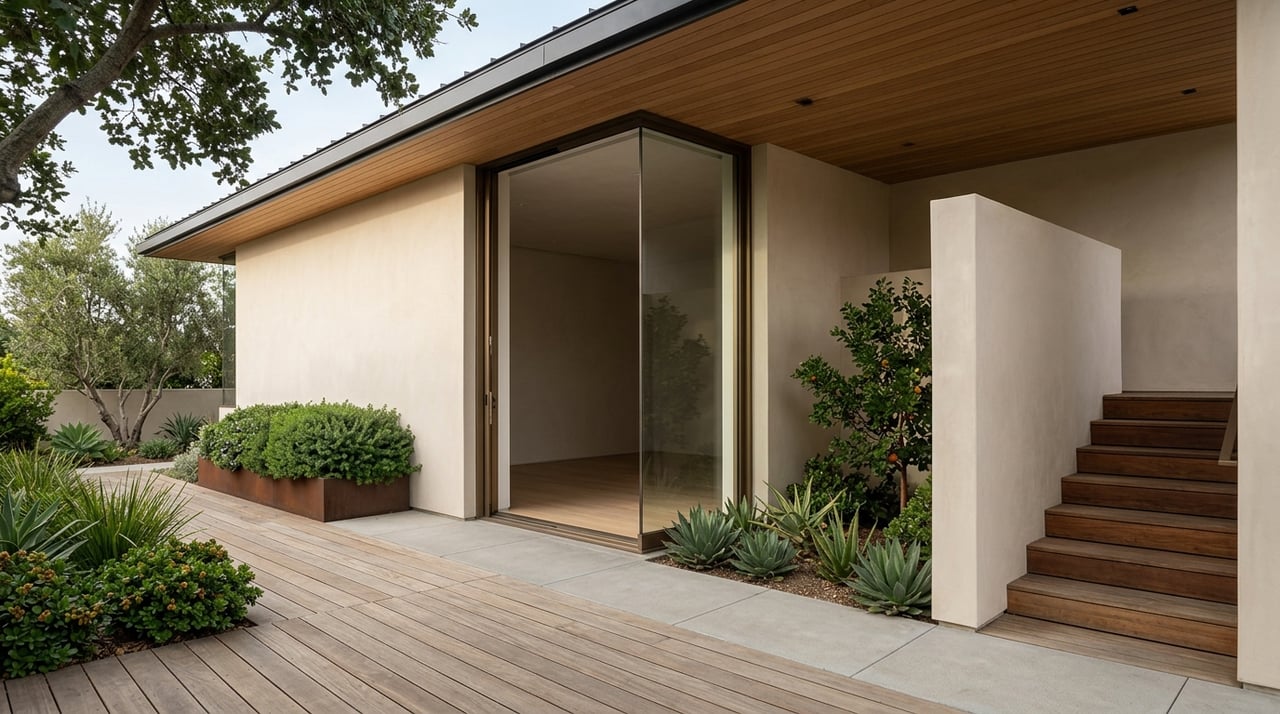
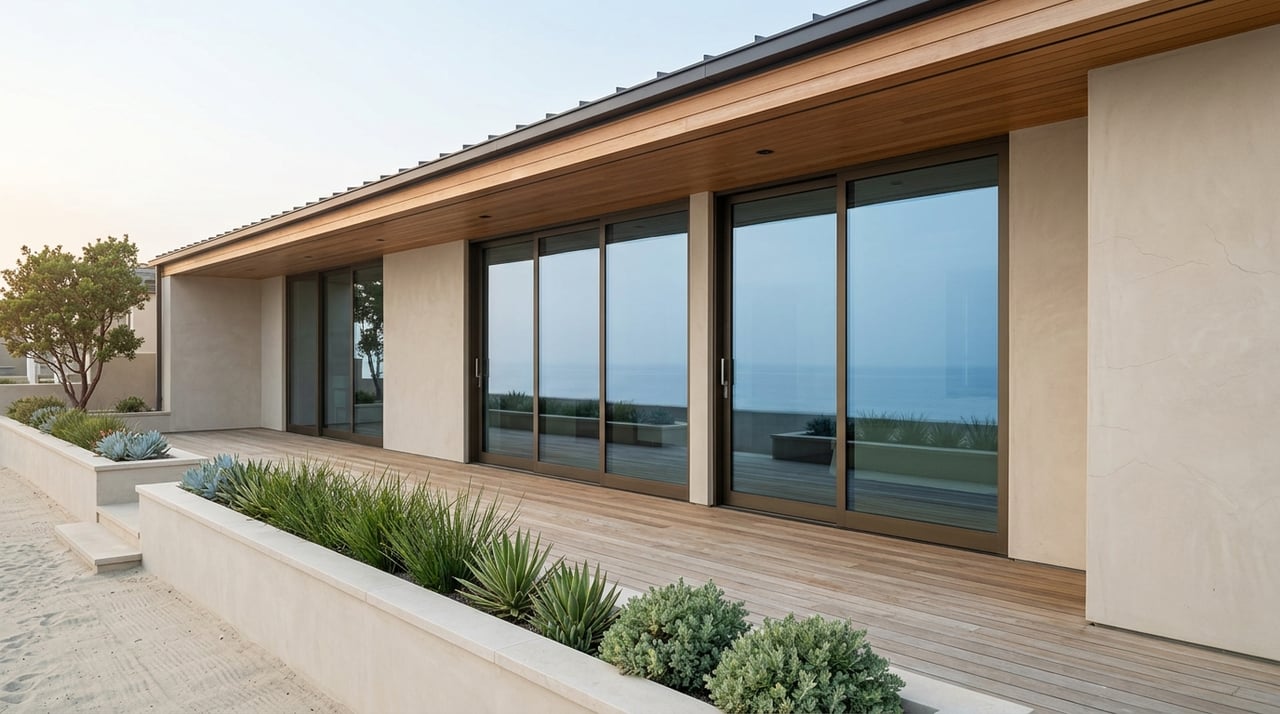
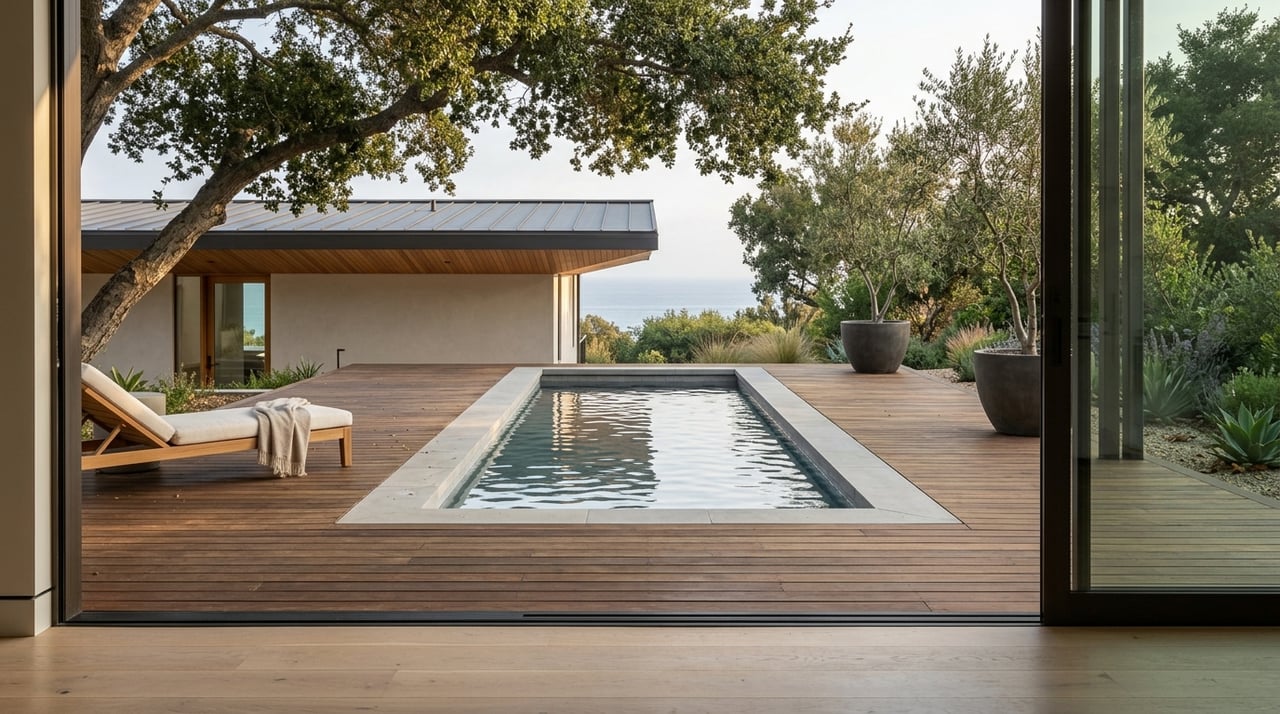
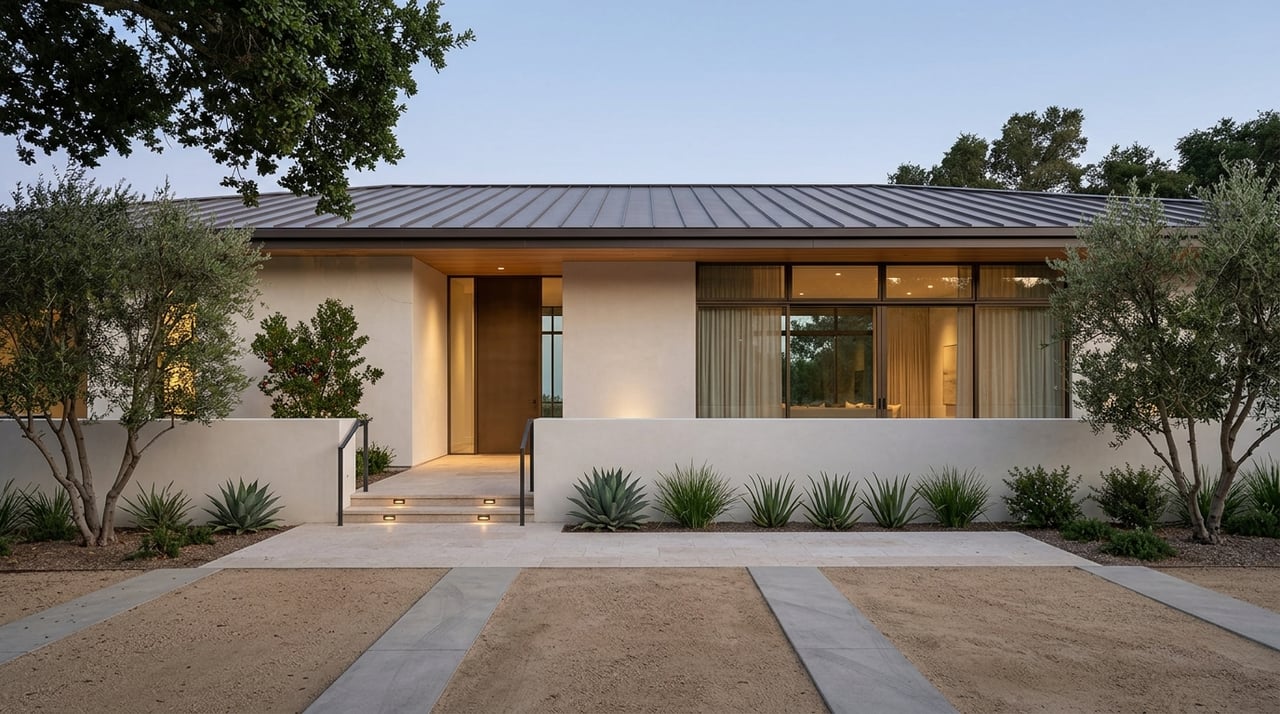
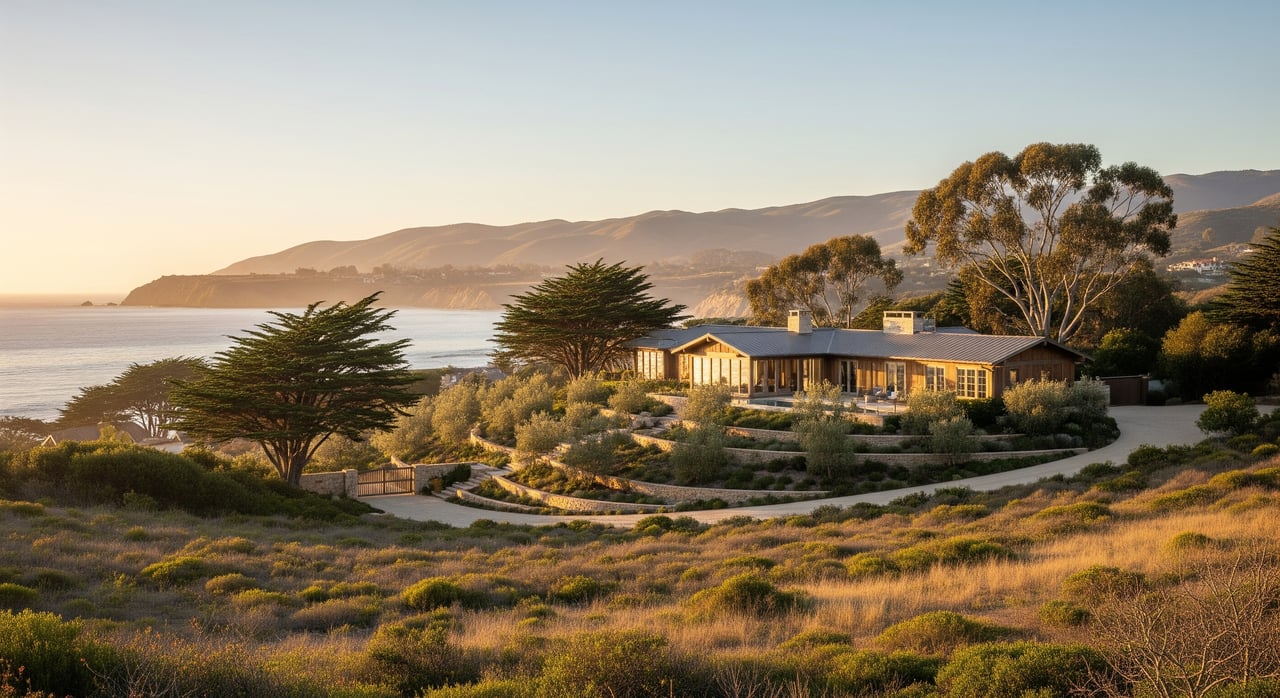
Set in the hills above Paradise Cove and Escondido Beach, Winding Way is known for estate‑scale parcels, quiet roads and sweeping ocean and canyon views. The neighborhood offers a central Malibu location and a private, compound feel rather than direct beach frontage. Many homes sit behind gates with long drives and mature landscaping. For a high‑level snapshot, neighborhood overviews highlight privacy, acreage and views as the key draws for Winding Way buyers (area profile).
Acreage and estate form
If you value land, Winding Way stands out. Listings and sales show a pattern of 1 to 3 plus acre homesites, along with a handful of larger, multi‑acre compounds. Several properties combine parcels or offer merged APNs to achieve significant acreage. Recent examples include equestrian estates marketed at 6 plus acres and others exceeding 7 acres, which reinforces the estate scale you can find in this pocket (equestrian compound example).
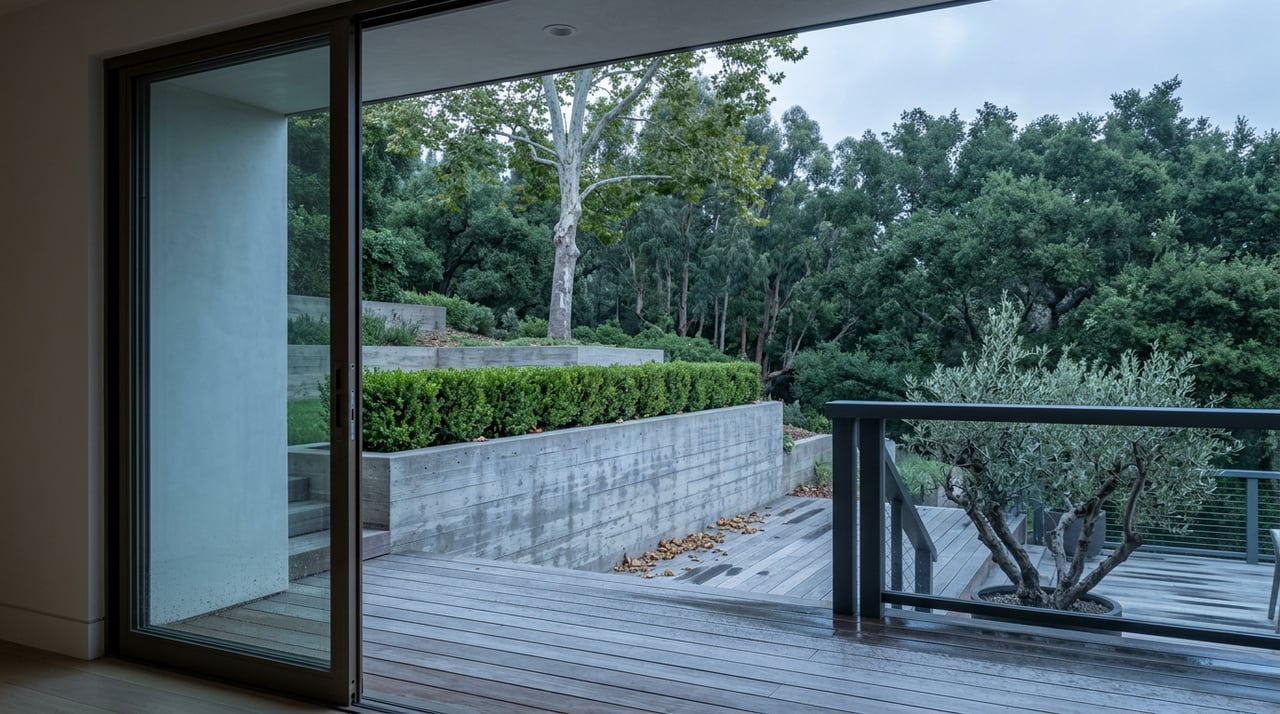
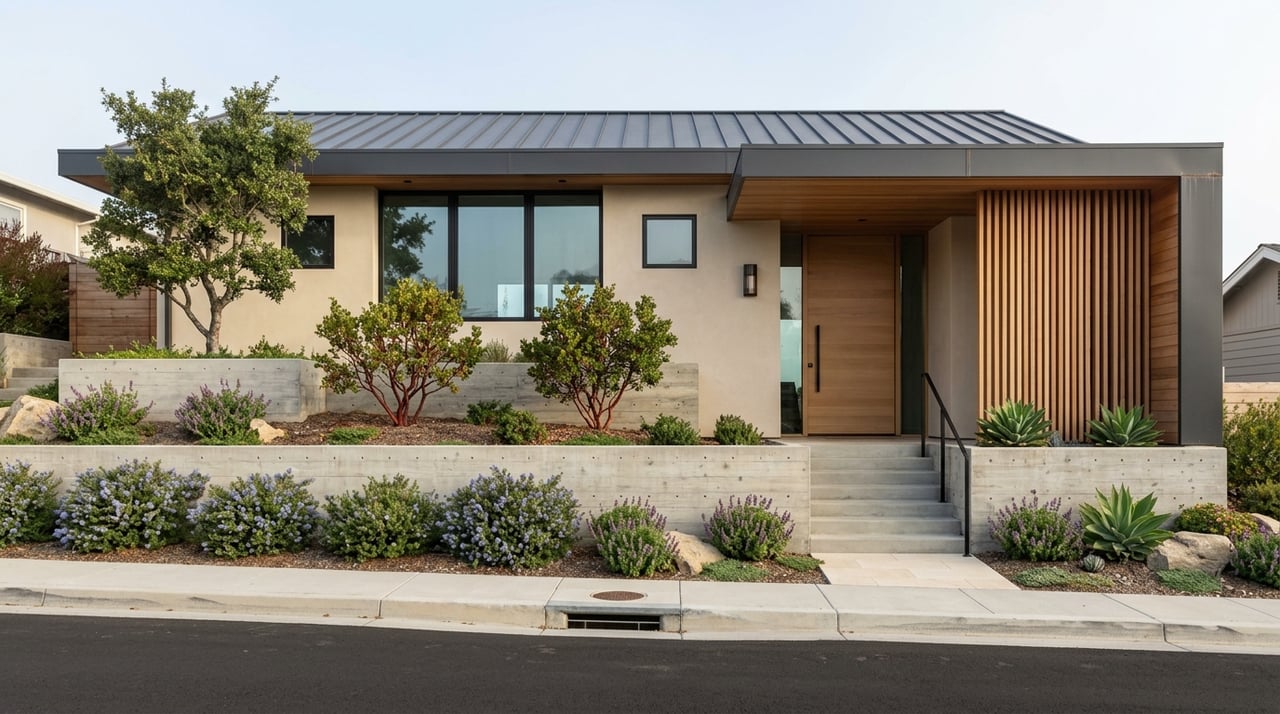
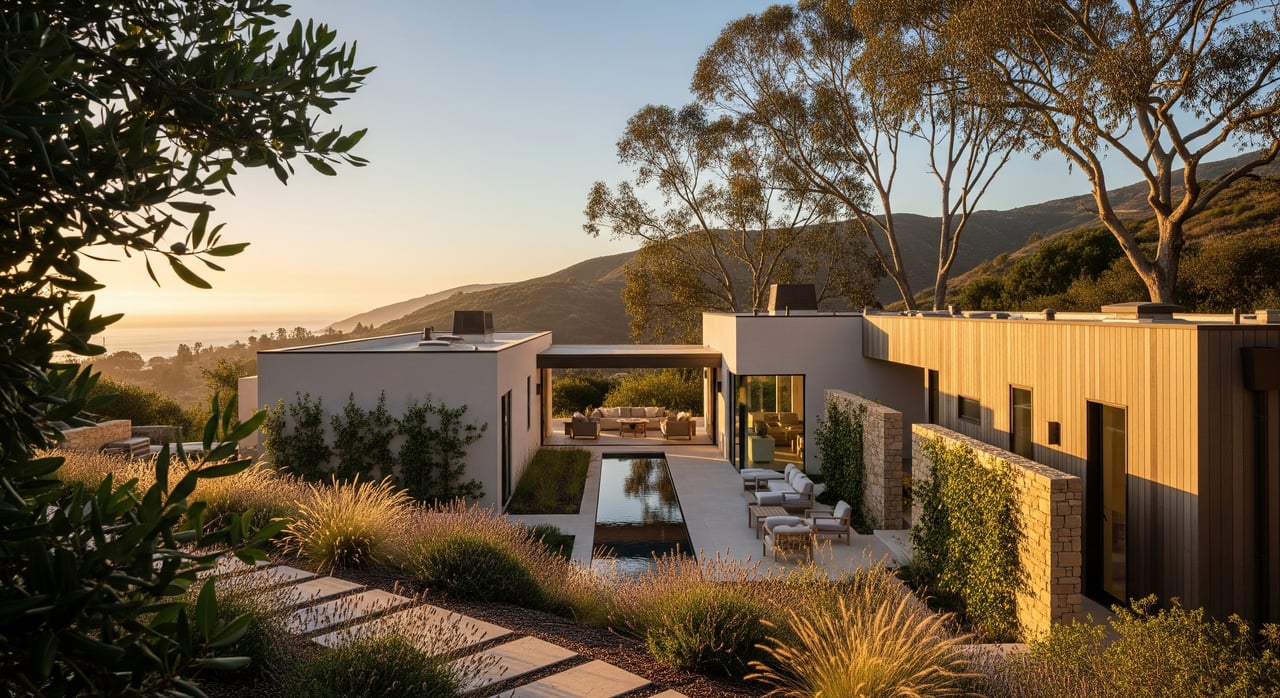
Beyond square footage, the lifestyle often feels like a self‑contained compound. You will commonly see guest houses or staff quarters, detached studios, pools and spas, tennis courts, and service yards. Many properties add orchards or gardens that take advantage of the hillside microclimate. The result is a private, multi‑structure layout where daily life and hosting flow across the grounds.
Equestrian potential
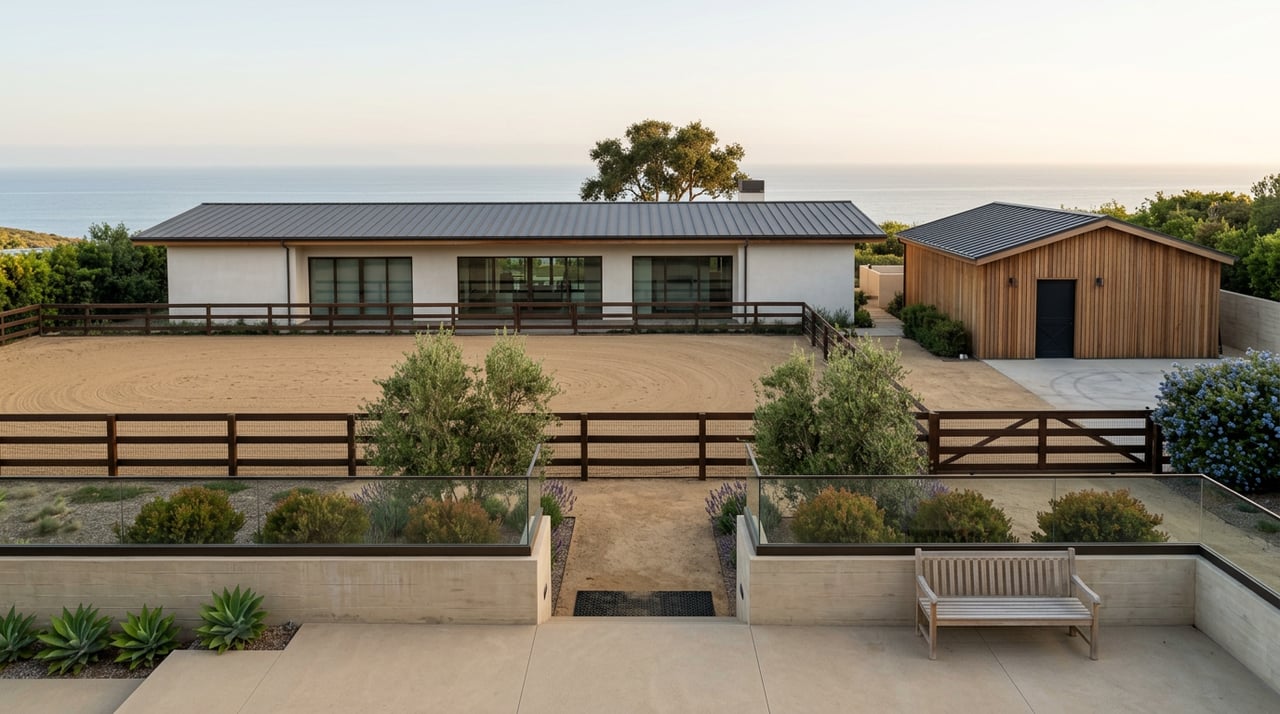
Winding Way is one of Malibu’s more equestrian‑friendly zones at the estate level. On select properties, you may find multi‑stall barns, arenas, round pens and turnout areas integrated into the site plan. These features can support personal horses or a private training setup, but every parcel is unique. You should verify the number of animals allowed, building permits, and septic or wastewater support for barn plumbing before you plan operations or expansions (estate‑scale example).
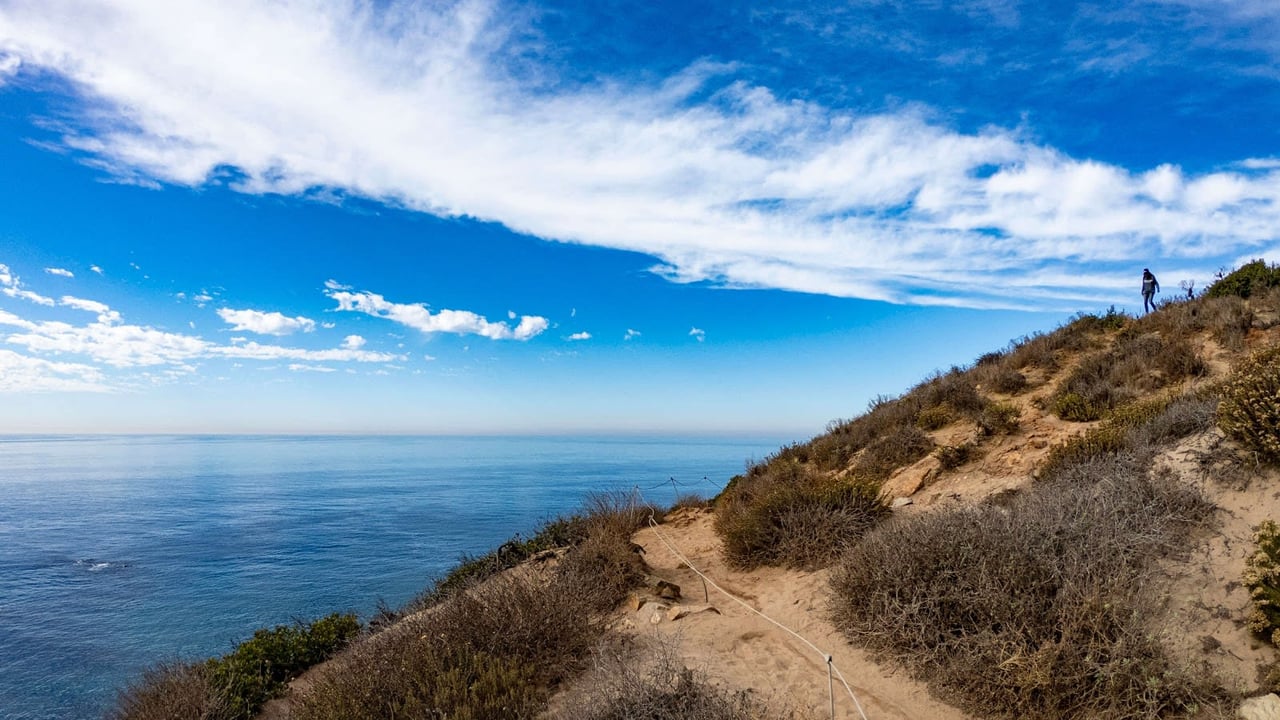
Trail access adds to the appeal. The Edward Albert/Escondido Canyon Trail uses the Winding Way trailhead and is open to hikers, mountain bikers and equestrians in designated sections. Conditions vary by season and rainfall, and crossing private land without a legal easement is not permitted. Always confirm current trail guidance and parking details with the park agency before you ride or hike (Escondido Canyon Park overview).
Trails and beach access
From the trailhead at Winding Way, you can reach Escondido Falls through a mix of paved approaches and dirt sections with creek crossings. The small parking lot often fills on busy days, and a fee may apply. The waterfall’s flow depends on recent rainfall, so the experience changes with the season (park details and advisories).
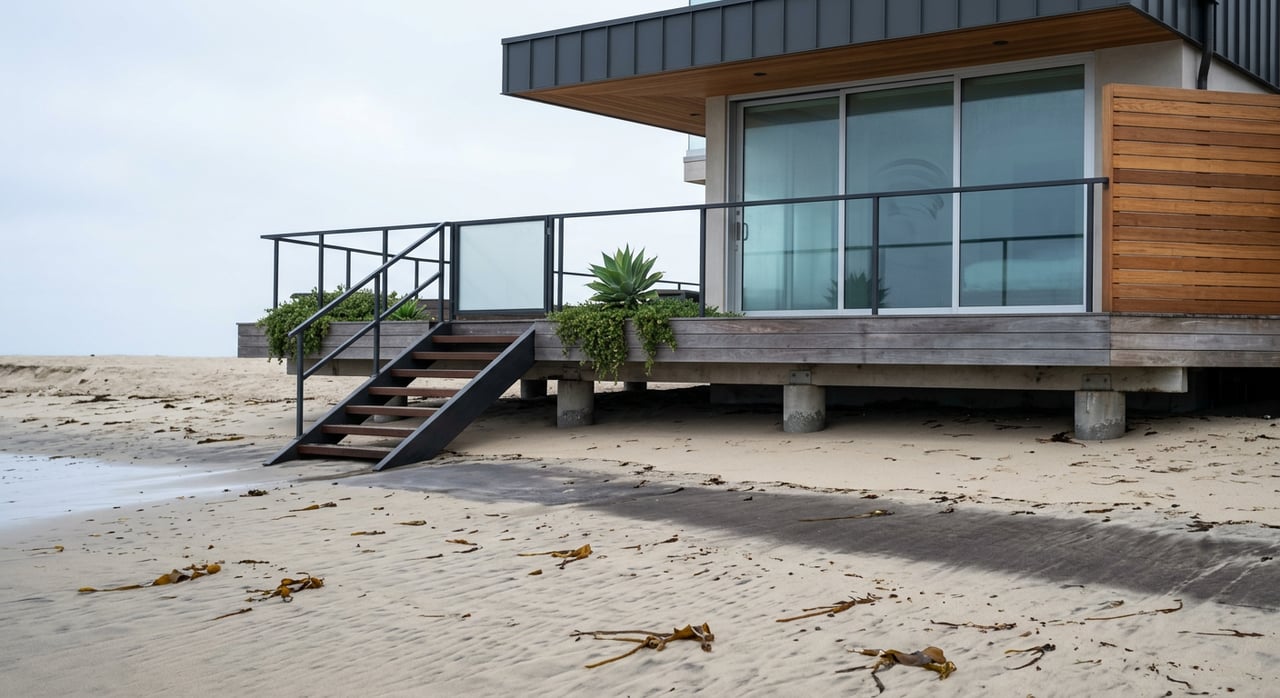
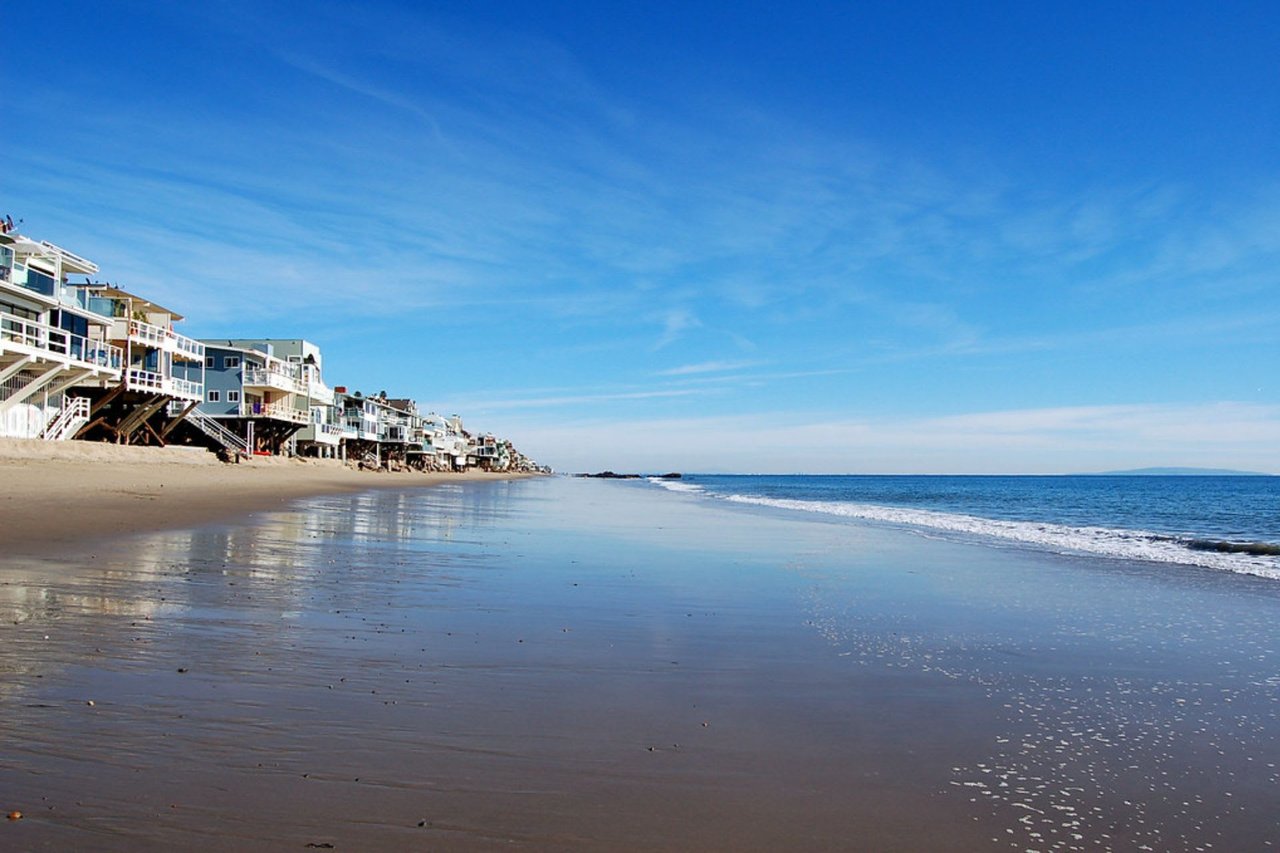
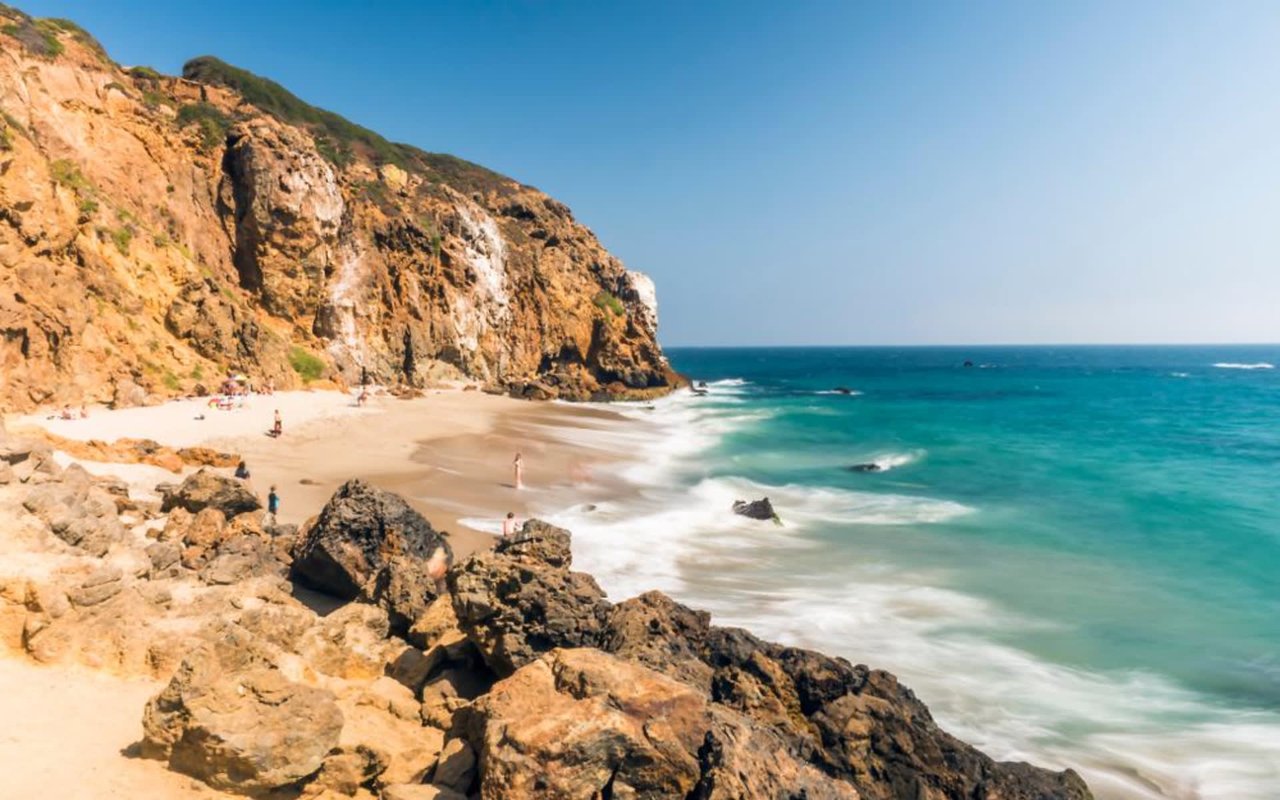
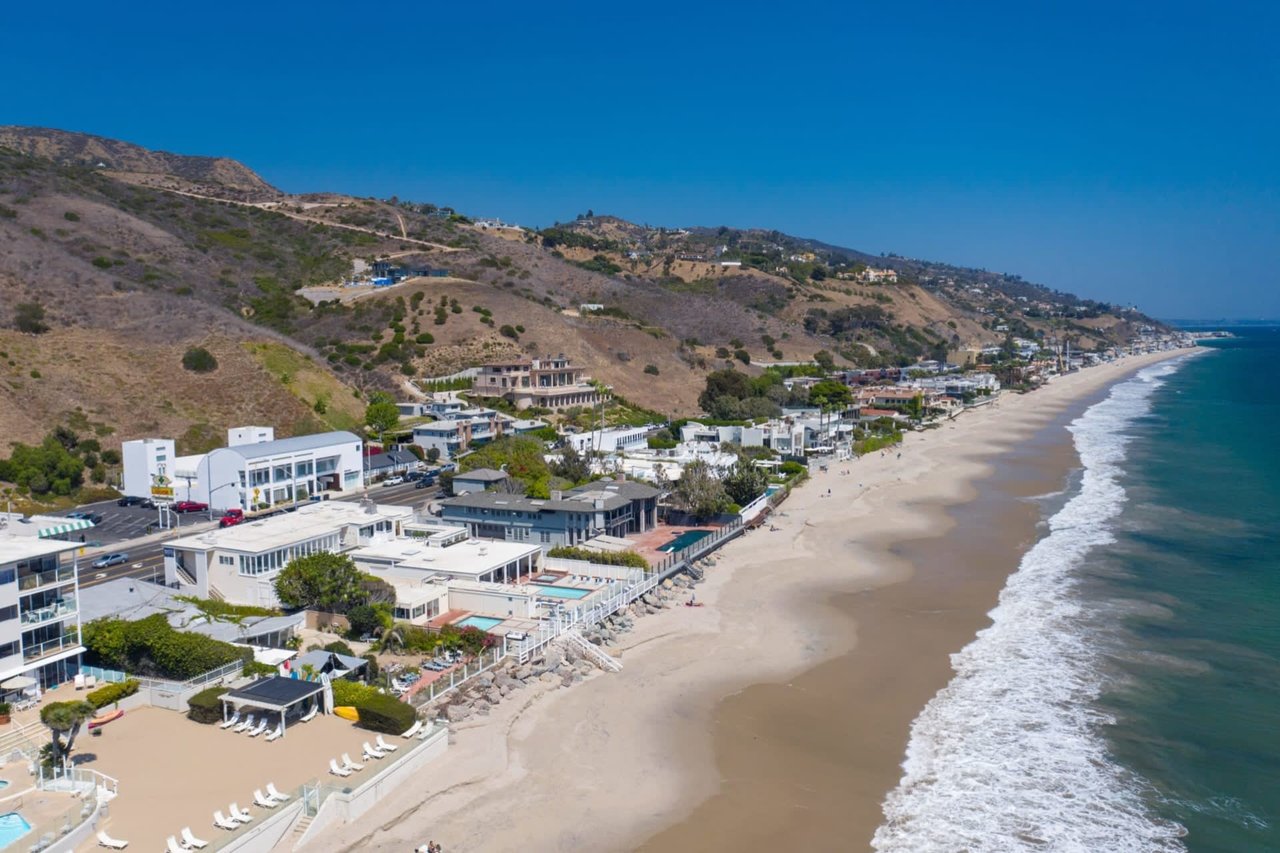
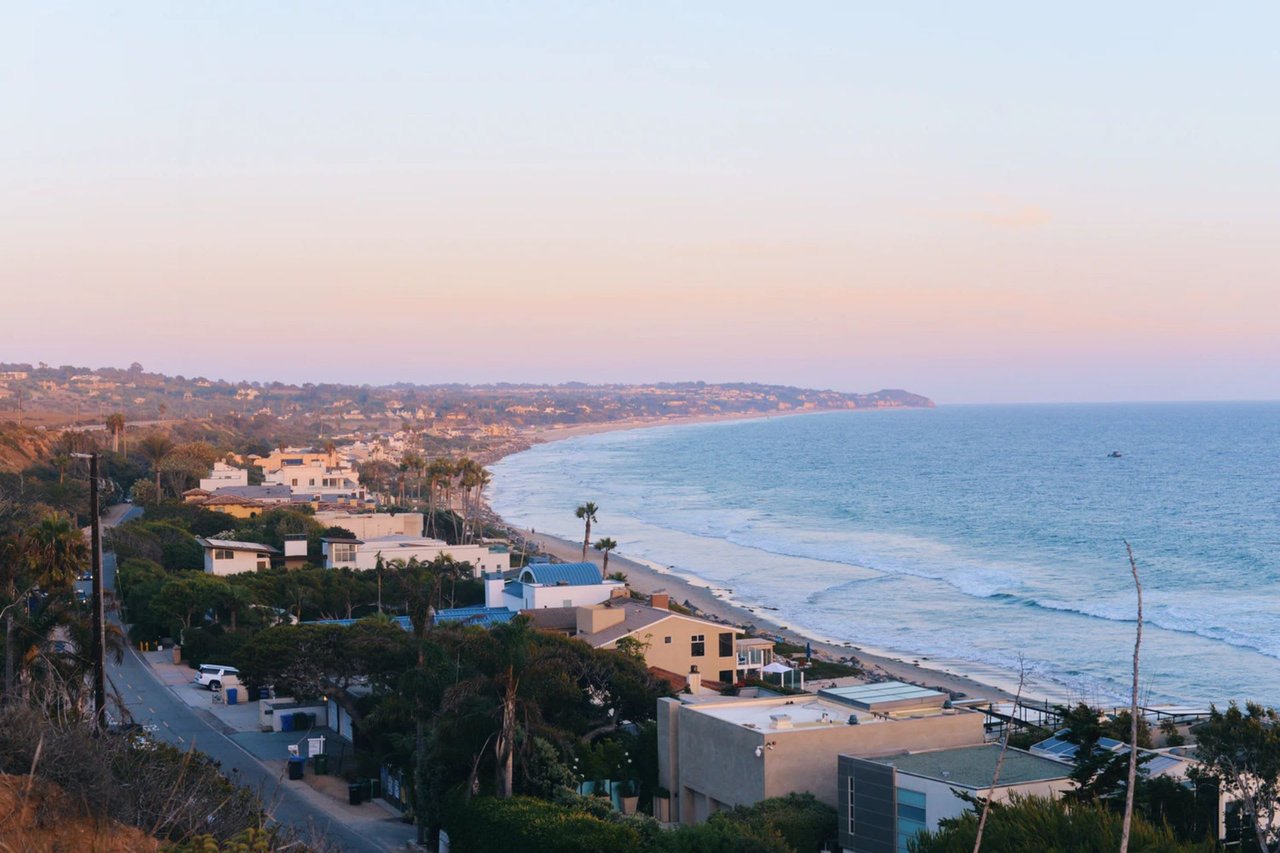
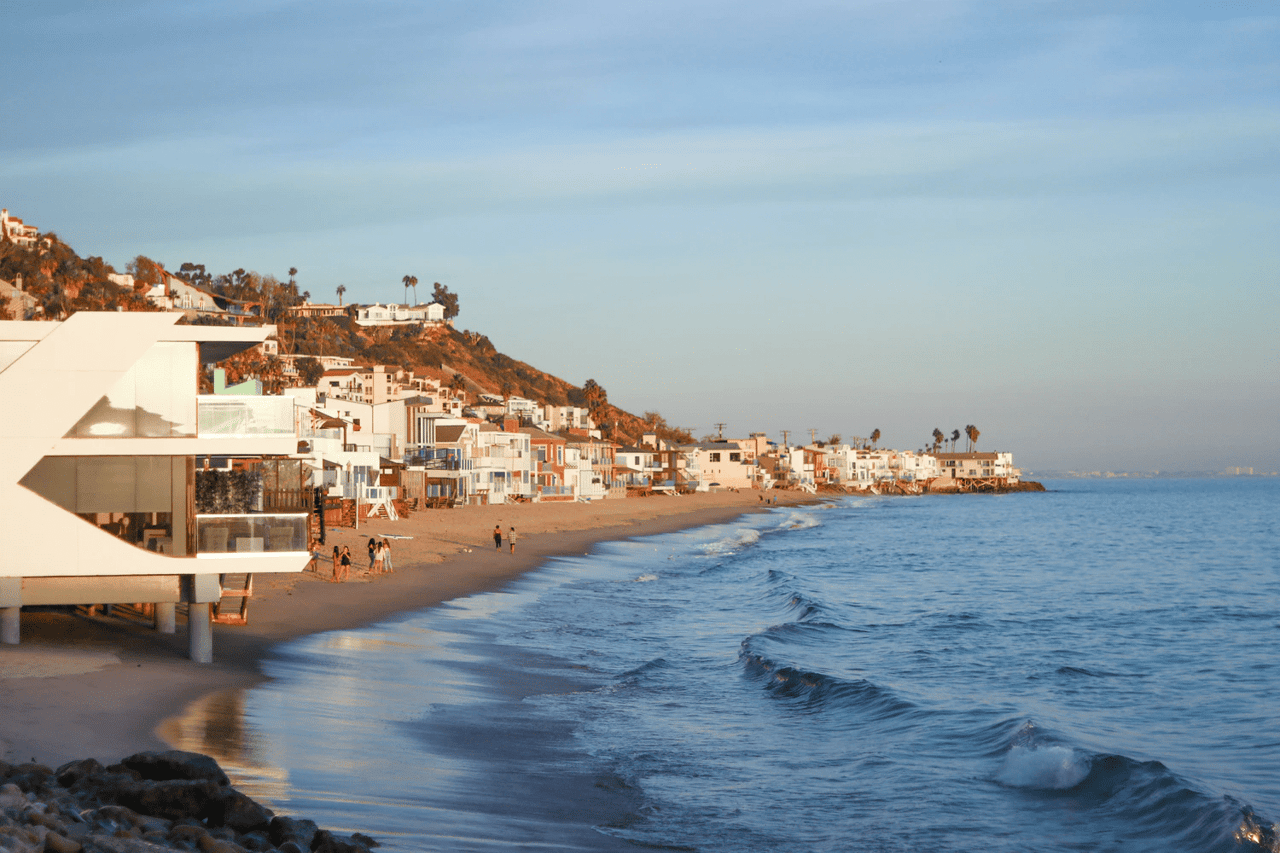
Beach access is nearby but not direct from your doorstep. Public entry to Escondido Beach is from designated access points off Pacific Coast Highway, with limited parking and stairways to the sand. This is a key difference to keep in mind. Winding Way gives you dramatic ocean views and park proximity, while beachfront pockets prioritize immediate sand access over land area (Escondido Beach access reference).
Privacy and setting
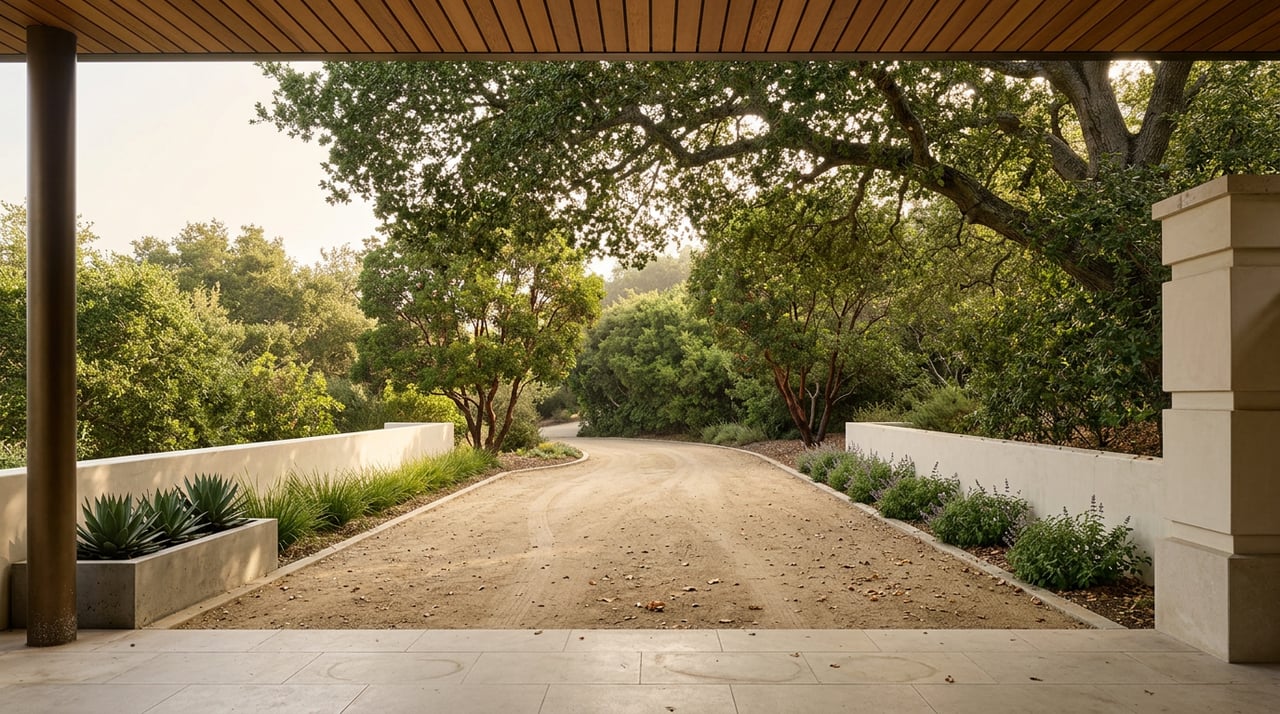
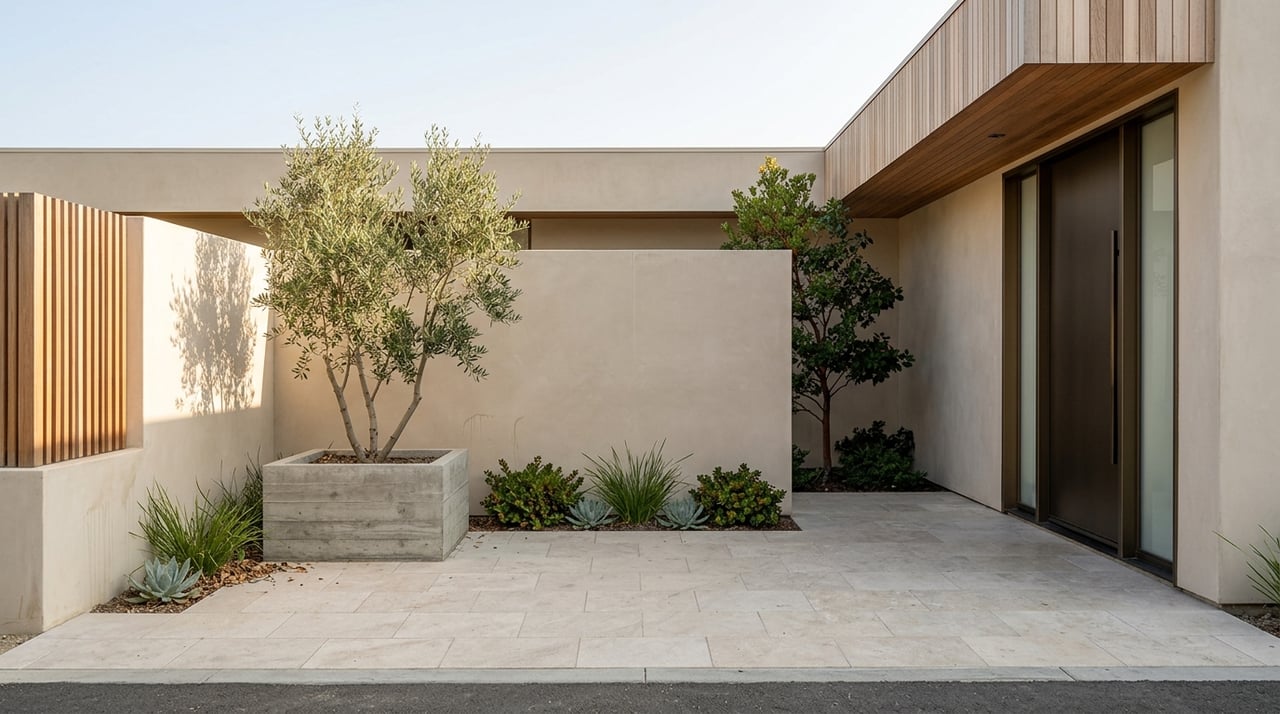
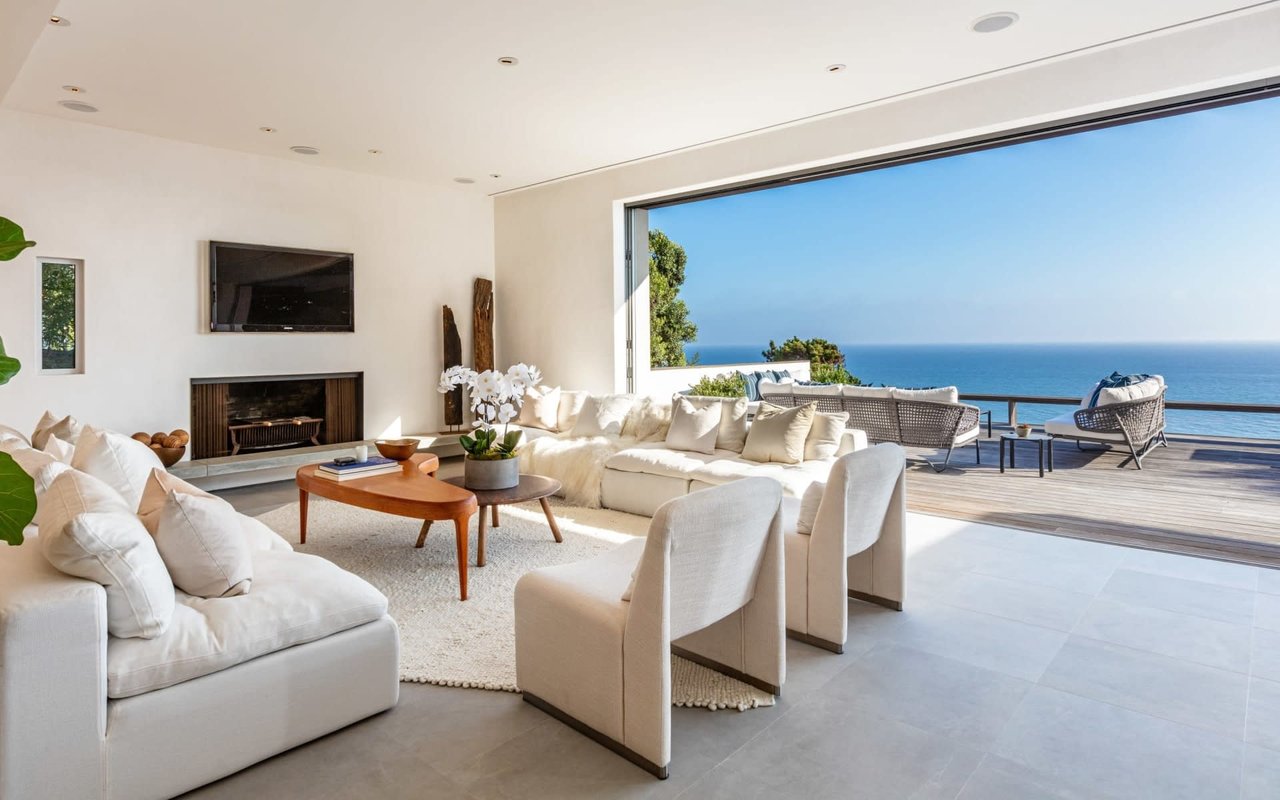
Most properties sit upslope of PCH on low‑traffic or private roads. Gated entries, long driveways and layered landscaping are common tools owners use to cultivate privacy. Elevation delivers the sightlines many buyers want, so main living areas and pool terraces often face the horizon. You gain a sense of retreat, with central Malibu’s dining and services a short drive away.
Key regulations to know
The City of Malibu’s Local Coastal Program and Local Implementation Plan shape development on hillsides and along visible ridgelines. Expect visual and scenic resource standards, potential story‑pole and view‑analysis requirements, and environmental protections for sensitive habitats. Many projects require a Coastal Development Permit, which adds coordination, documentation and time to the process. If you plan to remodel or expand, it is smart to review the LIP and confirm likely submittals early (Malibu LIP reference).
Water and wastewater
In east and central Malibu, potable water service is typically provided by Los Angeles County Waterworks District No. 29. For large homes or multi‑structure compounds, you should confirm available pressure, meter capacity and any planned capital projects that affect service on your street. Early contact with the District can save delays during design and construction (District 29 service info).
Wastewater varies by parcel. Parts of Malibu have restrictions on new conventional on‑site wastewater systems, and hillside properties often rely on upgraded on‑site treatment or connections to community systems. Verify whether a specific parcel falls within any prohibition area and whether upgrades or connection obligations apply. A wastewater feasibility review is a standard step for properties with barns or staff facilities that add plumbing load (Regional Water Board overview).
Fire, insurance and operations
Malibu sits in High and Very High Fire Hazard Severity Zones. California law requires defensible‑space documentation for sales in these zones, and local programs enforce brush clearance and fuel‑modification standards. Expect an inspection timeline during escrow, ongoing vegetation management, and a focus on home‑hardening. These factors also affect insurance underwriting, so you should plan access for large service vehicles and maintain clear, well‑signed driveways for emergency responders (Fire Hazard Reduction Programs).
Comparing nearby options
- Winding Way: A central location with 1 plus acre parcels, compound privacy, panoramic ocean and canyon views, and trail proximity. You trade direct sand frontage for land, elevation and quiet.
- Ramirez Canyon and Sycamore Park: Similar canyon settings with large estates and gated access. Marketing materials for Ramirez Canyon often note private under‑PCH connections to reach Paradise Cove, which are deeded or association‑specific. Always confirm any tunnel or cart‑path rights in title and HOA documents before relying on them (Ramirez Canyon context).
- Latigo Canyon and Point Dume area: Higher‑elevation and sometimes more rural in feel, with opportunities for acreage and big views. Driving patterns and beach proximity differ, so weigh travel times along with land size and topography.
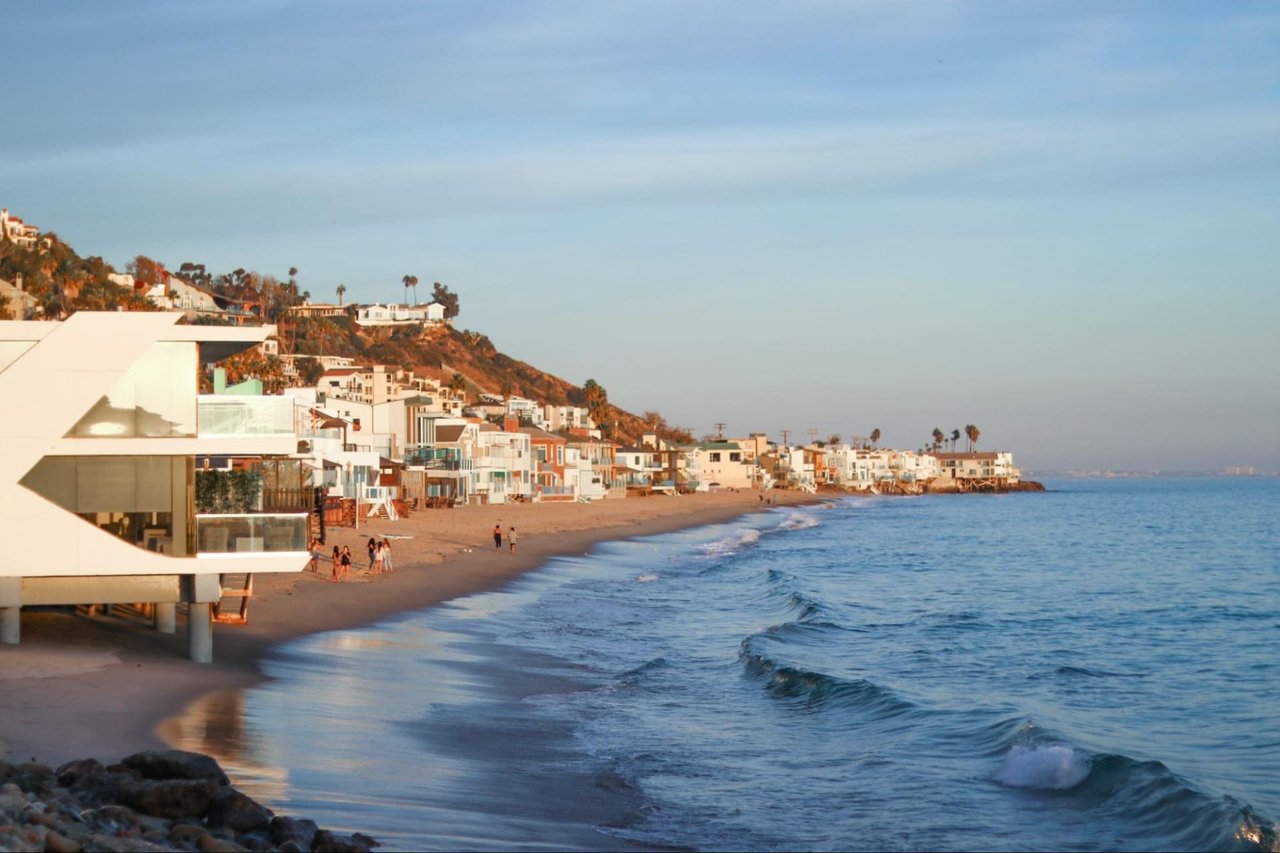
- Broad Beach and Carbon Beach: Beachfront lots commonly measure a fraction of an acre, which prioritizes sand access over large yards. For example, listings on Broad Beach often show lot sizes in the 0.2 to 0.4 acre range, compared with 1 plus acre parcels common on Winding Way (Broad Beach lot-size example).
Smart due diligence checklist
Use this quick list to shape your evaluation and escrow plan:
- Title and easements. Confirm recorded ingress and egress, any trail or beach‑access claims, and whether a property includes rights to private tunnels or underpasses where advertised. These features are neighborhood and deed specific, so verify them in writing (Ramirez Canyon context).
- Surveys and technical studies. Order a current ALTA survey, geotechnical and slope‑stability reports, drainage analysis and any required visual studies tied to the LIP’s scenic standards (Malibu LIP reference).
- Utilities and capacity. Confirm water service with District 29, including pressure and meter sizing for compound programs or future expansions (District 29 service info).
- Wastewater strategy. Determine whether the parcel sits in any OWDS prohibition area and obtain a septic or advanced treatment feasibility review. Plan for barn or staff‑facility loads if equestrian operations are part of your program (Regional Water Board overview).
- Fire compliance and insurance. Schedule the required defensible‑space inspection early, document fuel‑modification work, and keep access clear for emergency and delivery vehicles. Ask your insurer what additional hardening or clearance may help underwriting (Fire Hazard Reduction Programs).
- Equestrian operations. Verify permitted animal counts, manure management, and service access for hay and equipment. Cross‑check any barn and arena features in building permits to confirm allowable use (estate‑scale example).
Is Winding Way right for you?
Choose Winding Way if you prize acreage, privacy and dramatic ocean views in a central Malibu setting. The neighborhood supports a true compound lifestyle, including equestrian use on select properties and close access to a beloved canyon trail. You trade direct sand frontage for land, elevation and a quieter environment with strong visual impact. With the right due diligence, you can secure an estate that fits your program today and adapts as your needs evolve.
If you would like tailored guidance, private inventory options or a discreet conversation about your goals, connect with Sandro Dazzan to Book a Private Consultation.
FAQs
What defines Malibu’s Winding Way location and lifestyle?
- It is a central Malibu hillside enclave above Paradise Cove and Escondido Beach that emphasizes acreage, privacy and panoramic ocean and canyon views rather than direct beach frontage (area profile).
How large are Winding Way lots compared with beachfront?
- Winding Way commonly offers 1 to 3 plus acre parcels with some larger compounds, while Broad Beach beachfront examples can be a fraction of an acre, often around 0.2 to 0.4 acres (estate example | Broad Beach example).
Can you ride horses from a Winding Way property to local trails?
- The Escondido Canyon trail allows equestrian use in designated sections, but direct property‑to‑trail access requires a legal easement and conditions vary by season, so confirm rules before riding (park overview).
What permits affect building or expanding on Winding Way?
- Projects often need a Coastal Development Permit and must meet Malibu’s LIP standards for scenic and hillside resources, which can include visual studies and design limits (LIP reference).
How does fire risk impact buying and insurance in this area?
- Properties sit in High or Very High Fire Hazard Severity Zones, so you should plan for defensible‑space inspections, brush clearance, home‑hardening steps and insurance underwriting that reflects these conditions (Fire Hazard Reduction Programs).