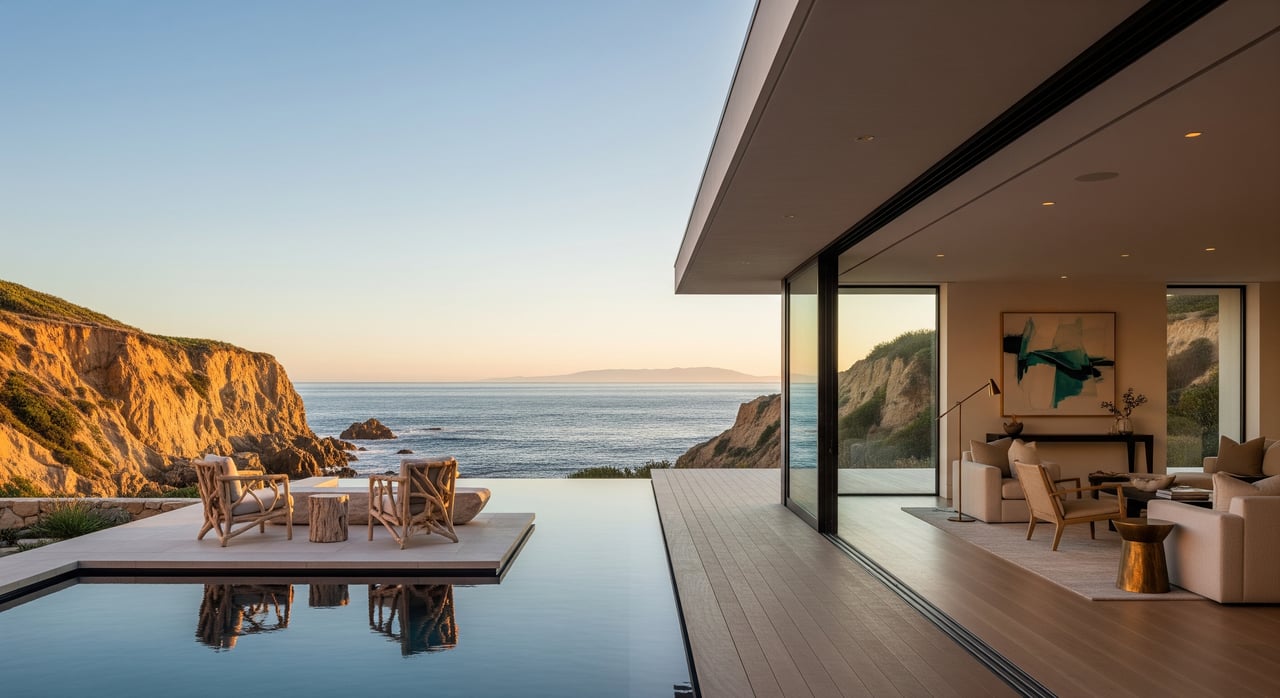
When people talk about Carbon Beach, they are not usually talking about a typical neighborhood market. They are talking about one of Malibu’s most limited and closely watched coastal strips, where scarcity, frontage, and redevelopment potential can matter as much as the home itself. If you are buying, selling, or simply trying to understand why values here behave differently, this guide will show you how Carbon Beach functions as a true trophy asset market. Let’s dive in.
Why Carbon Beach Trades Differently
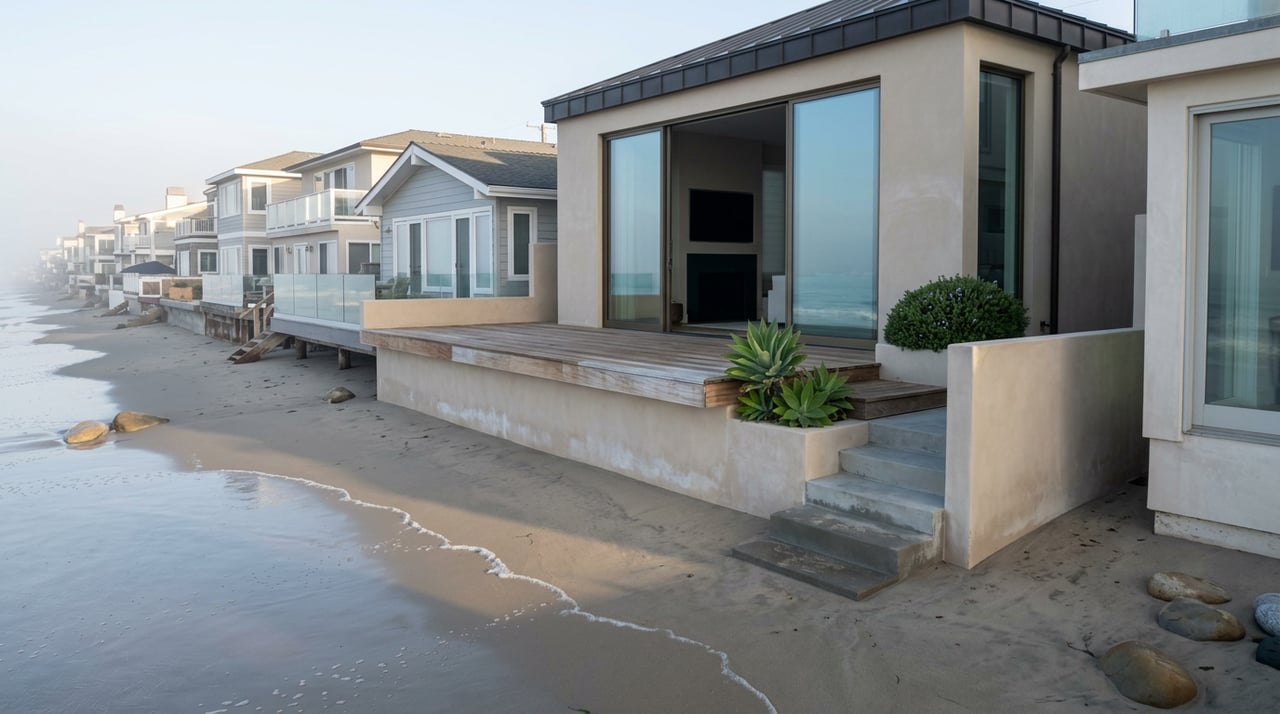
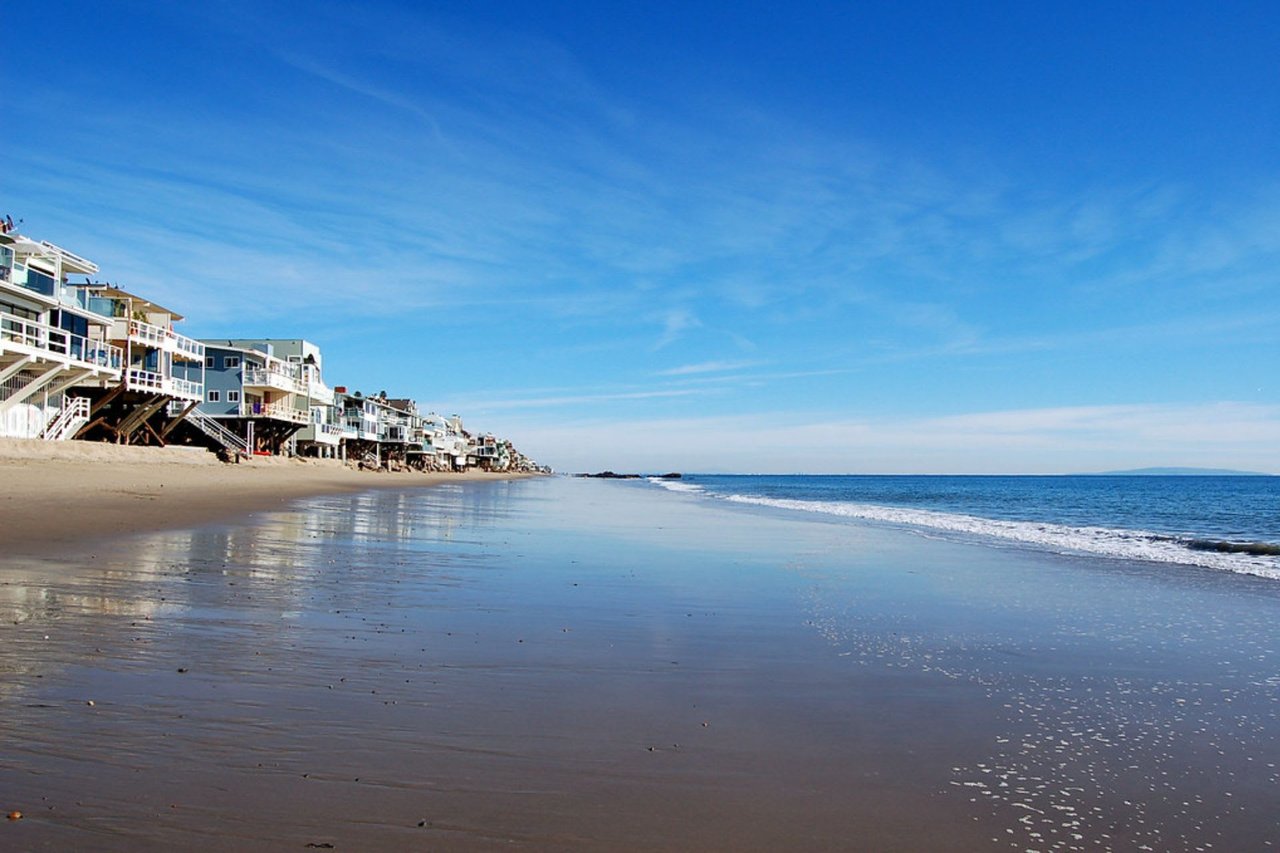
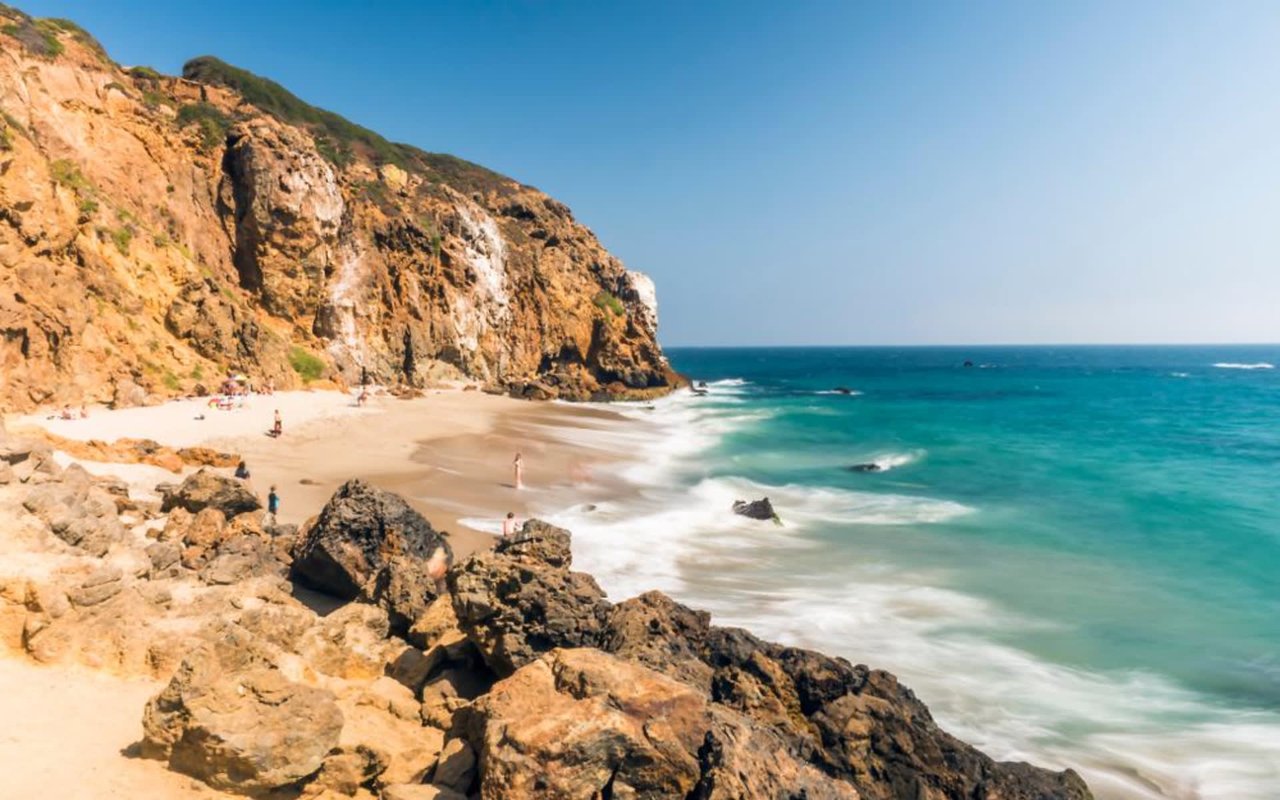
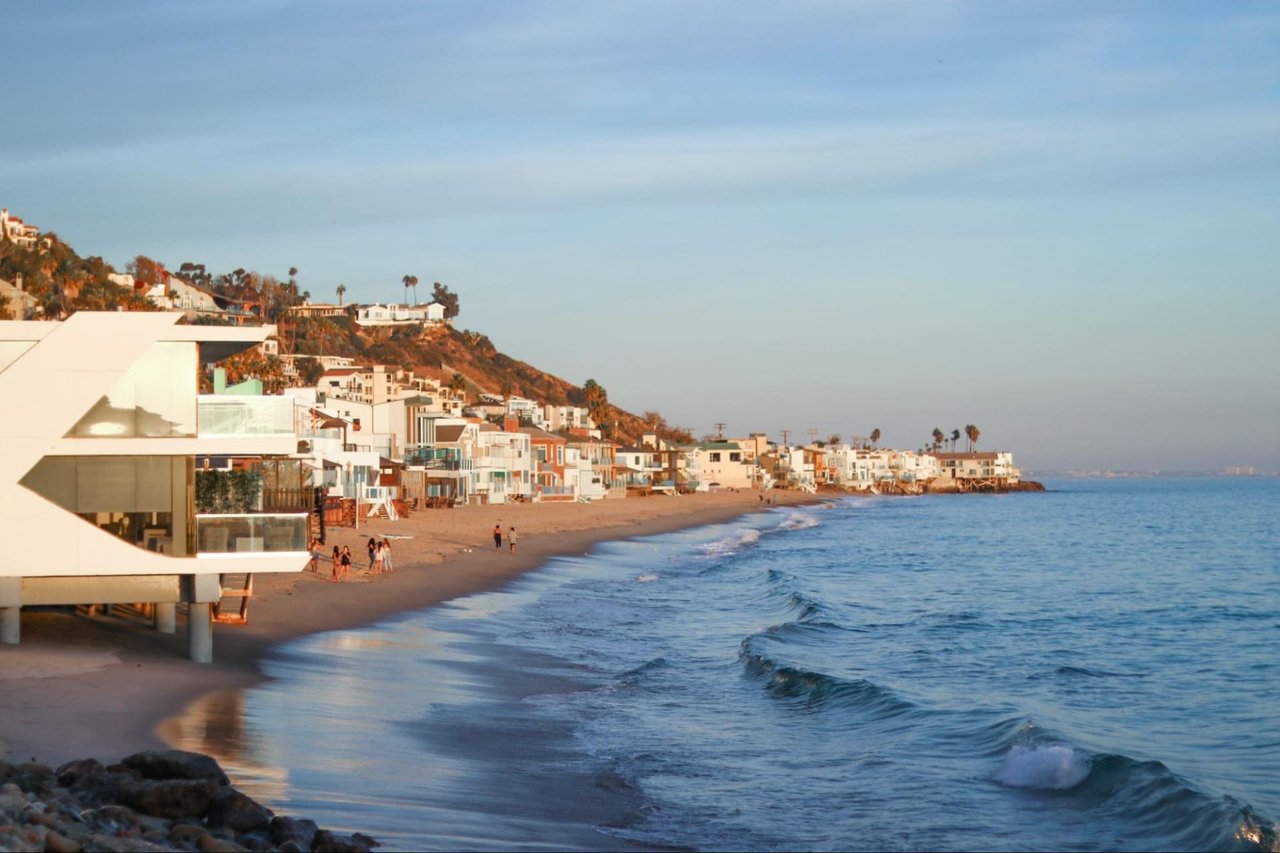
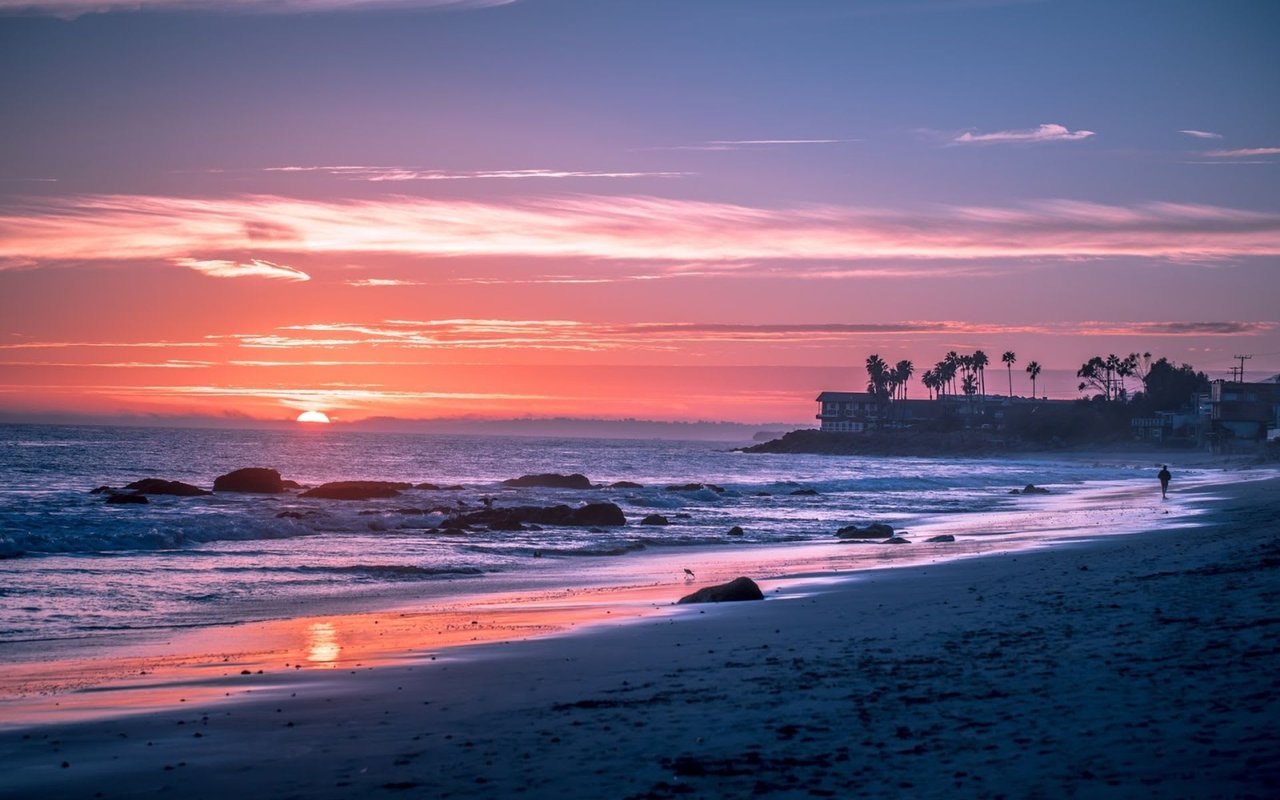
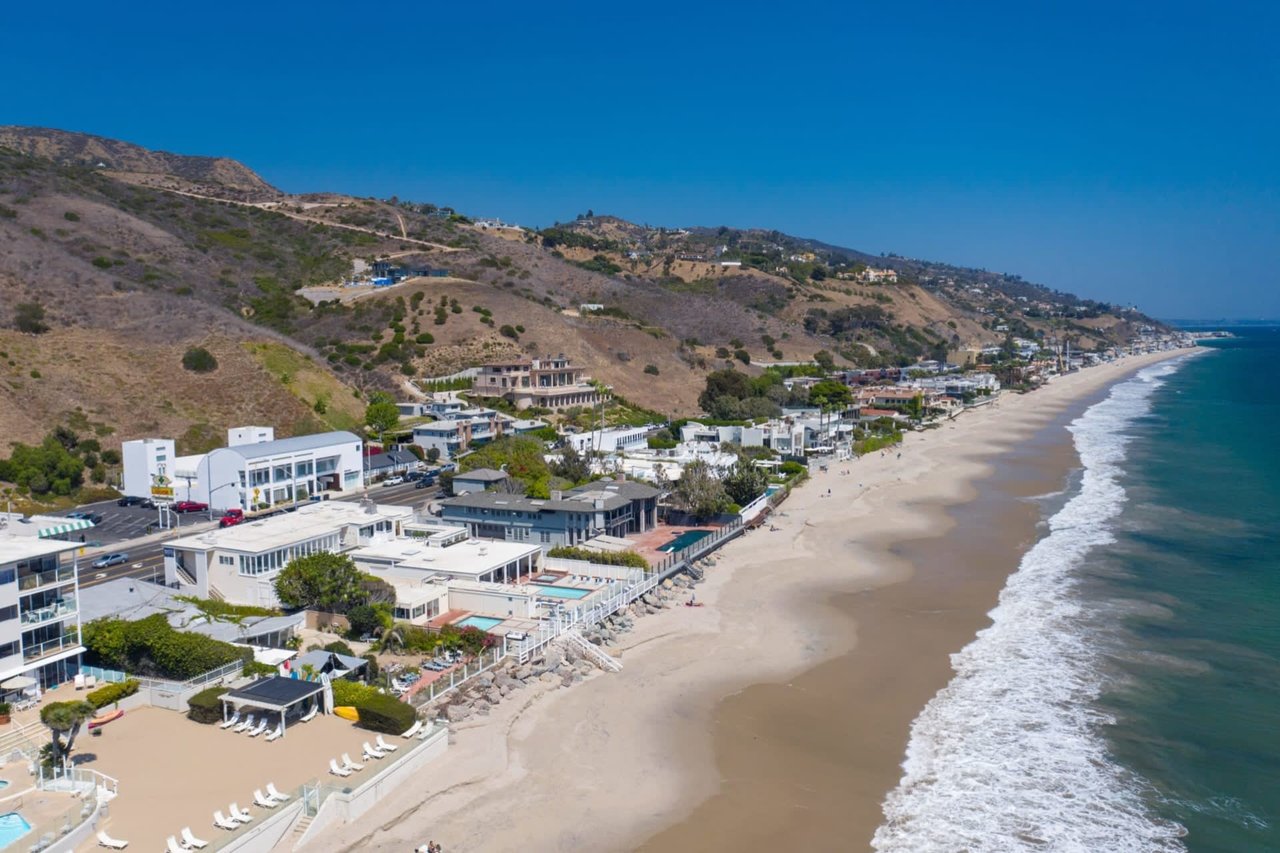
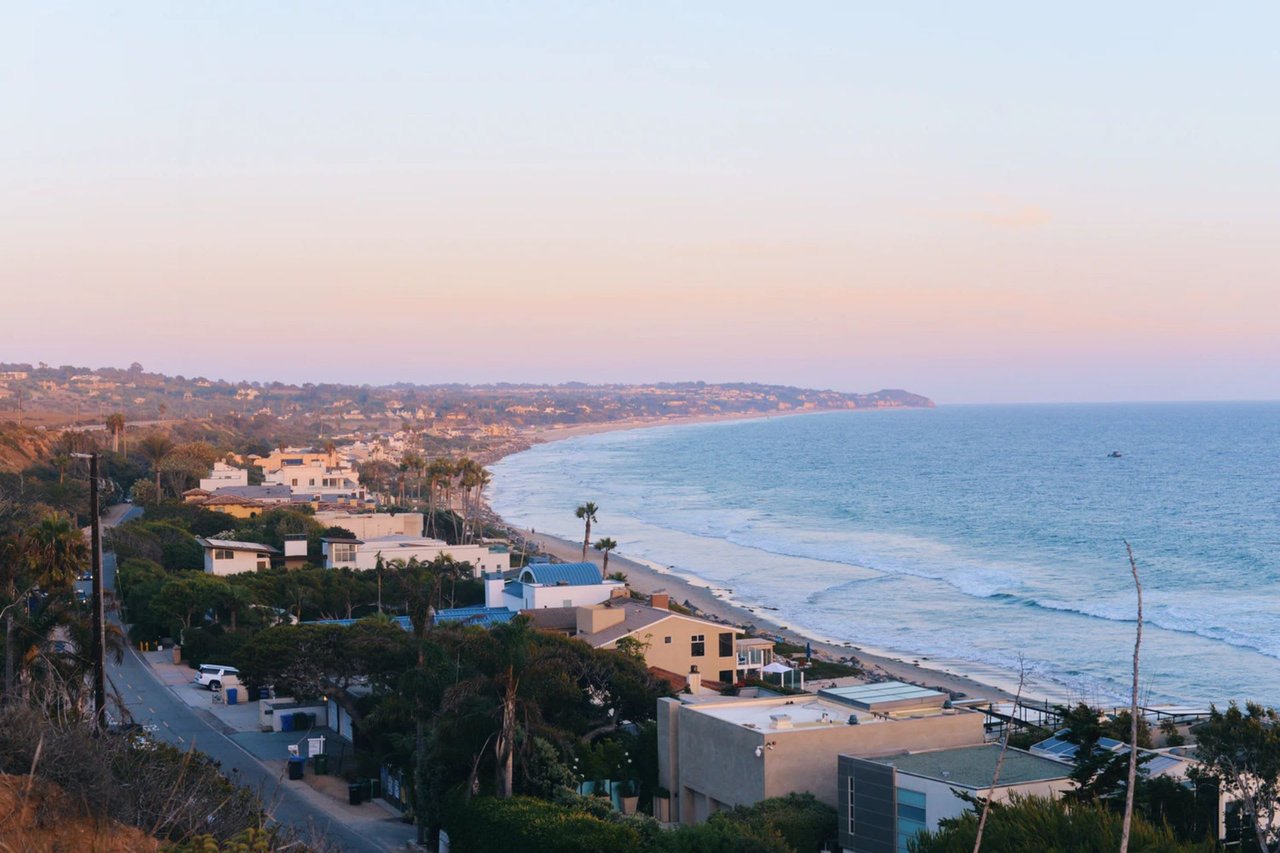
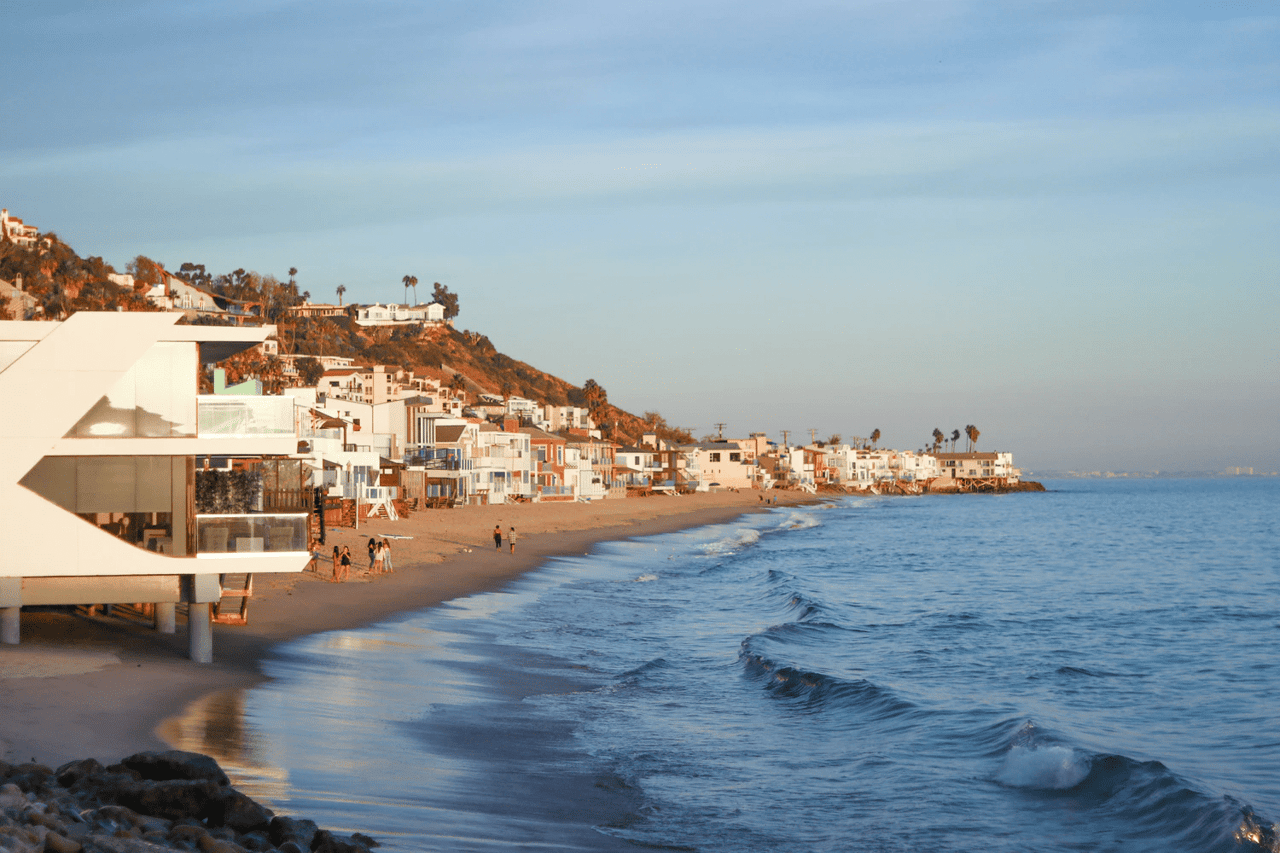
Carbon Beach is a short stretch of coastline with a supply that is both finite and highly constrained. The California Coastal Commission describes Carbon Beach as a wide sandy beach of about 1.5 miles, lined by private residences, with only two public accessways from Pacific Coast Highway to the sand. That physical scarcity alone helps explain why this area often behaves more like a global luxury asset class than a standard residential submarket.
What makes Carbon Beach even more distinctive is Malibu’s regulatory setting. The City of Malibu notes that the entire city is within the coastal zone, and new development is governed by the Local Coastal Program. In practice, that means value on Carbon Beach is tied not only to views and location, but also to permit path, existing improvements, and what can realistically be rebuilt or reimagined.
What Makes It A Trophy Asset
A trophy asset is usually defined by rarity, prestige, and a buyer pool willing to pay a premium for something that cannot easily be replicated. Carbon Beach fits that description because there are very few direct-sand opportunities, and each parcel can carry a different level of legal, physical, and redevelopment utility. That is why two homes with similar square footage may command very different pricing.
On Carbon Beach, the value proposition goes beyond architecture or interior finishes. According to the Coastal Commission’s Malibu ReCAP summary, shoreline armoring can reduce beach area, intensify erosion, and affect long-term coastal conditions. For buyers and sellers alike, details such as seawall history, setbacks, engineering context, and lawful rebuild options are often part of the asset story.
Carbon Beach Product Tiers
One of the clearest ways to understand this market is to stop treating it as a single pricing bucket. Carbon Beach tends to trade in product tiers, and each tier attracts a different type of buyer and valuation logic.
Beachfront Condos And Entry Exposure
At the lower public end of the Carbon Beach stack, condo-style residences offer a way to gain direct or near-direct exposure to the beach without entering the stand-alone oceanfront home category. Current listings on the Carbon Beach market page show asking prices from about $1,995,000 into the mid-$4 millions. These properties can offer an entry point into the location, but they do not trade on the same scarcity metrics as larger oceanfront parcels.
Buildable Lots And Redevelopment Plays
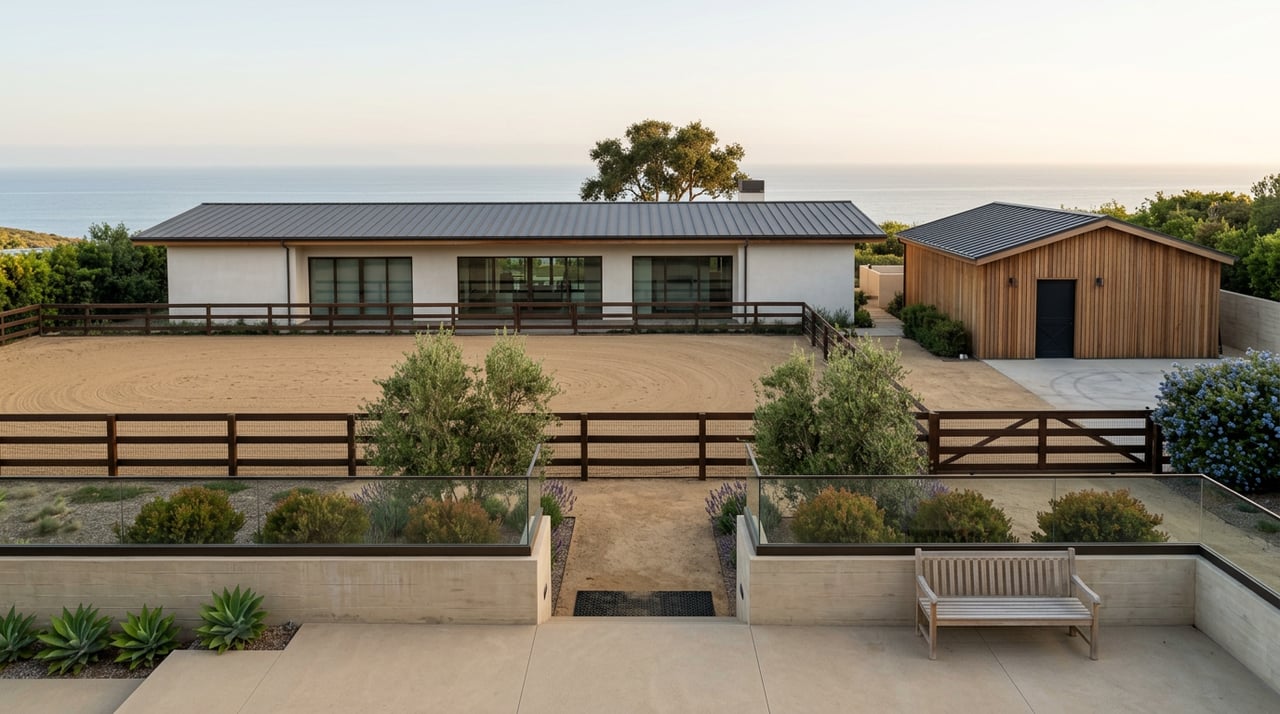
For many sophisticated buyers, land value is a major part of Carbon Beach’s appeal. A current listing at 21848 Pacific Coast Highway is asking $9,995,000 and is described as a 40-foot-wide beachfront lot of roughly 7,000 square feet with more than 3,400 buildable square feet allowed on two levels per the City of Malibu. That kind of listing highlights how frontage and buildability can drive pricing as much as an existing structure.
Recent lot trades support that point. The Real Deal reported that Carbon and La Costa beach lots traded from $5 million to $14 million in 2025, including a Carbon Beach burned lot at 22102 Pacific Coast Highway that sold for $14 million. In this segment, buyers are often underwriting entitlement potential and long-term optionality, not just present-day use.
Turnkey Oceanfront Homes
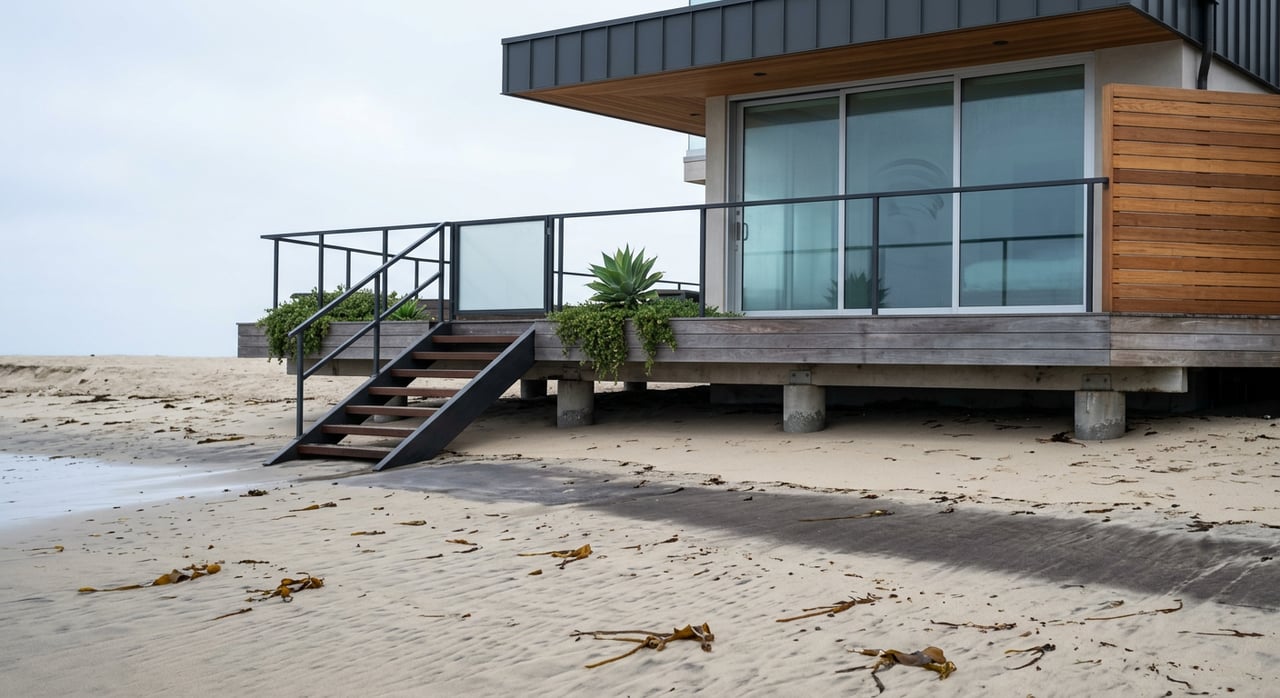
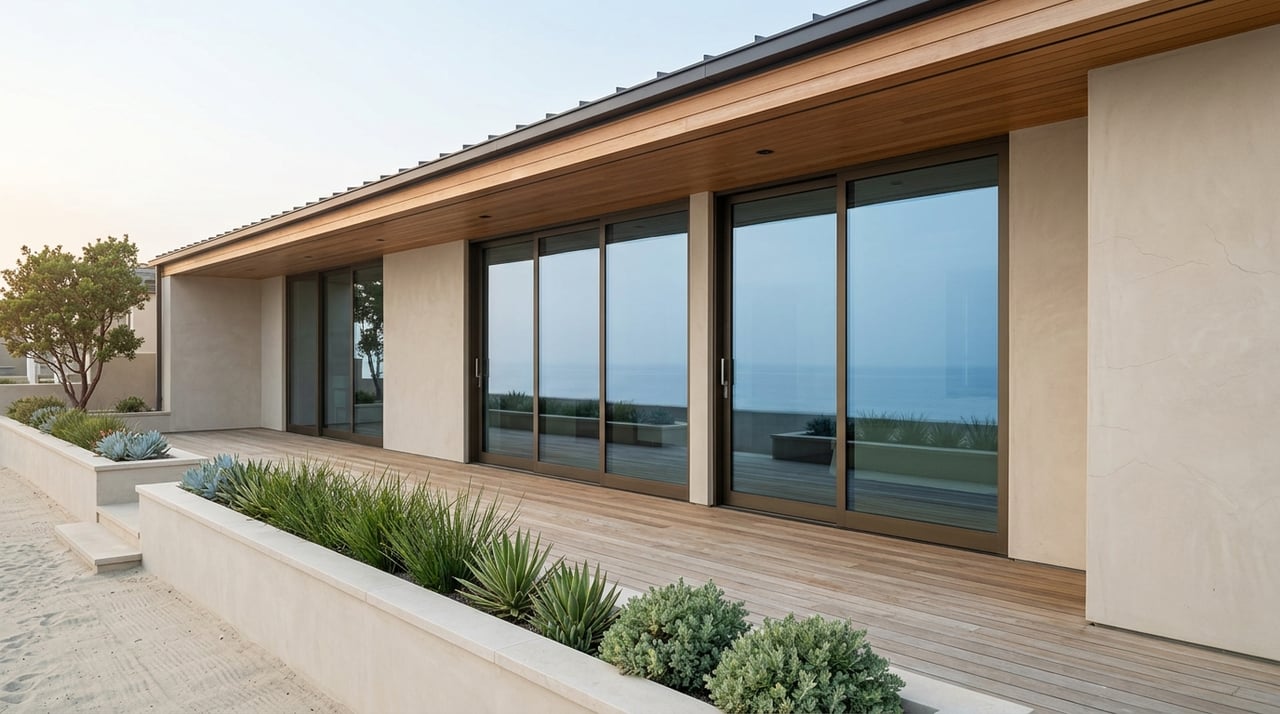
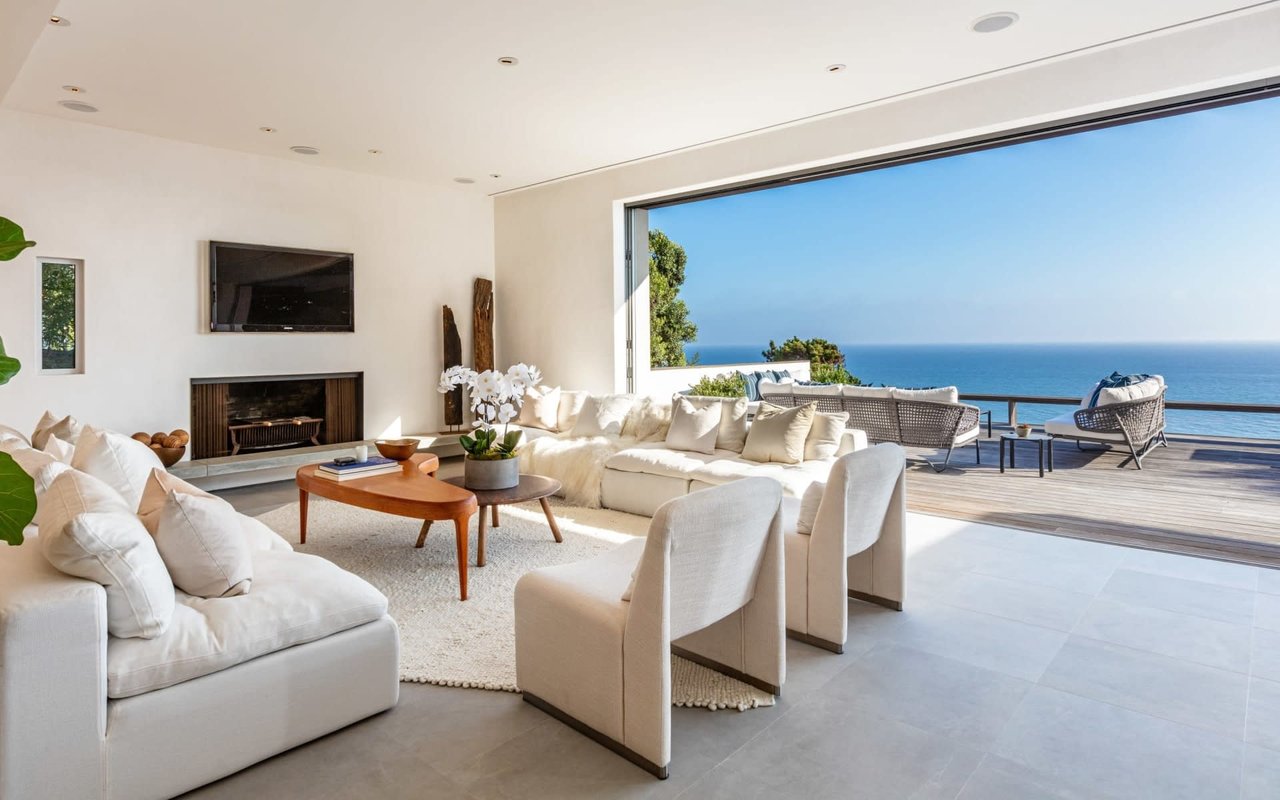
The next tier is the renovated or move-in-ready direct-sand home, which typically trades much higher. A current oceanfront listing at 22440 Pacific Coast Highway is asking $24,450,000. Public examples in the same micro-market include 22040 Pacific Coast Highway, which sold in August 2023 for $26,711,000 with 80 feet of frontage, and 22160 Pacific Coast Highway, which sold in November 2025 for $28,500,000.
These sales suggest a consistent pattern. When a Carbon Beach home offers direct sand frontage, strong condition, and the kind of turnkey presentation that appeals to high-net-worth lifestyle buyers, pricing can move well into the mid-to-high $20 millions.
Rare Large-Scale Parcels
At the top of the stack, scale becomes a category of its own. A property such as 22506 Pacific Coast Highway is described by Zillow as nearly three quarters of an acre with about 130 feet of frontage and exceptional depth for Carbon Beach. In a market this tight, width, depth, and future flexibility can become more important than bedroom count.
That is a hallmark of trophy-asset pricing. Buyers in this tier are often acquiring irreplaceability, not simply shelter or square footage.
Carbon Beach In Malibu Context
It is also helpful to compare Carbon Beach with Malibu more broadly. According to the Sotheby’s Q1 2026 Malibu market update, the broader market recorded a median sales price of $4.3 million, with 27 closed sales and 206 active inventory units. Carbon Beach generally sits well above that median when the property includes direct sand frontage or serious redevelopment potential.
That difference matters because it shows Carbon Beach is not just benefiting from Malibu’s overall desirability. It is operating inside a smaller, rarer pricing ecosystem where each listing can become a benchmark for the next one.
Who Buys On Carbon Beach
The buyer pool here is unusually specialized. This is not a market driven by broad conventional demand. It is more often shaped by ultra-high-net-worth individuals, second-home buyers, and portfolio-minded capital seeking scarce coastal holdings.
That pattern lines up with larger luxury trends. Compass reported that U.S. home sales above $10 million reached 2,261 transactions totaling $38.63 billion in 2025, while Greater Los Angeles saw 53.7% year-over-year transaction growth and a 61% increase in sales volume. The report ties that demand to wealth creation, migration, and liquidity events, which helps explain why Carbon Beach continues to draw serious capital.
For sellers, this means there is rarely just one buyer audience. You may be marketing to a turnkey lifestyle buyer, a land buyer focused on redevelopment, or a capital-preservation buyer who sees Carbon Beach as a long-term coastal holding. Each audience values the asset differently, and each requires a different presentation strategy.
Why Permitting Matters So Much
On Carbon Beach, permitting is not a side issue. It is often central to the price. The City of Malibu explains that rebuilding within the same footprint, height, and square footage, or with no more than a 10% increase under certain conditions, may qualify for a faster planning path. By contrast, projects that relocate development or increase square footage by more than 10% require a Coastal Development Permit, and the city says that process can take roughly 12 to 18 months.
That timing difference can shape negotiations in a major way. A property that is easier to retain, repair, or rebuild may appeal to one type of buyer, while a site with a more complex approval path may attract buyers who are comfortable waiting for long-term upside.
Coastal Risk Is Part Of Value
Waterfront value on Carbon Beach also comes with coastal risk analysis. FEMA defines Zone V as a high-hazard coastal zone exposed to storm waves, with at least a 26% chance of flooding over the life of a 30-year mortgage. Combined with the Coastal Commission’s concern about erosion and shoreline armoring impacts, that means buyers should be looking carefully at flood maps, protective structures, and long-term site resilience.
For sellers, this is where preparation can separate a good listing from a great one. A well-organized presentation that clarifies frontage, access, permit history, engineering context, and hazard considerations can help qualified buyers move from curiosity to conviction much faster.
How Sellers Can Position A Carbon Beach Property
A standard residential listing package is often not enough for Carbon Beach. In this market, the story needs to read more like an asset memorandum, clearly explaining what makes the property scarce, defensible, and valuable over time. Buyers at this level often want quick clarity on frontage, depth, access, improvement status, and redevelopment pathways.
Presentation also matters because the buyer pool is global. The Agency has highlighted the role of video-forward storytelling, broad digital distribution, and international visibility in luxury property marketing. For a Carbon Beach asset, that kind of campaign can help translate Malibu-specific value to qualified buyers well beyond the local market.
Timing In A Thin Market
Carbon Beach is not a high-volume market, which means timing can have an outsized impact. In thin luxury markets, one strong sale, one rare lot, or one highly qualified buyer can reset expectations quickly. That is especially true when larger wealth trends are supporting activity in the $10 million-plus segment.
For that reason, owners often benefit from bringing a property to market when it is either turnkey, clearly documented, or positioned with a strong redevelopment narrative. Scarcity tends to command the strongest response when the opportunity is easy to understand and act on.
If you are evaluating a Carbon Beach property, the most important question is not simply, “What is the house worth?” It is, “What kind of asset is this, and which buyer is most likely to pay a premium for it?” That distinction is what often separates an ordinary pricing conversation from a trophy-asset strategy.
If you are considering a purchase or sale on Carbon Beach, working with a brokerage team that understands Malibu’s micro-markets, coastal constraints, and global buyer activation can make a meaningful difference. To discuss your options discreetly, connect with Sandro Dazzan.
FAQs
What makes Carbon Beach different from other Malibu neighborhoods?
- Carbon Beach is a short, finite beachfront strip where scarcity, direct sand frontage, permitting complexity, and redevelopment potential often drive value more than standard residential metrics.
How much do Carbon Beach properties cost?
- Public examples in the research range from about $1,995,000 for condo-style entry properties to the mid-to-high $20 millions for turnkey oceanfront homes, with some large or highly buildable parcels commanding their own premium tier.
Why does frontage matter so much on Carbon Beach?
- On Carbon Beach, width, depth, and direct beach frontage can significantly affect privacy, utility, long-term flexibility, and overall rarity, which is why frontage often carries more weight than bedroom count.
How do permits affect Carbon Beach home values?
- Permit path can strongly influence price because easier rebuild scenarios may move faster, while larger changes can require a Coastal Development Permit and a longer approval timeline.
Are Carbon Beach buyers mostly end users?
- The market appears to attract several buyer profiles, including lifestyle buyers, redevelopment-minded land buyers, and capital-preservation buyers seeking scarce coastal assets.
What should sellers prepare before listing a Carbon Beach property?
- Sellers should be ready to present clear information on frontage, access, permit history, engineering context, flood or hazard considerations, and the property’s likely value as a lifestyle home, land play, or long-term trophy asset.