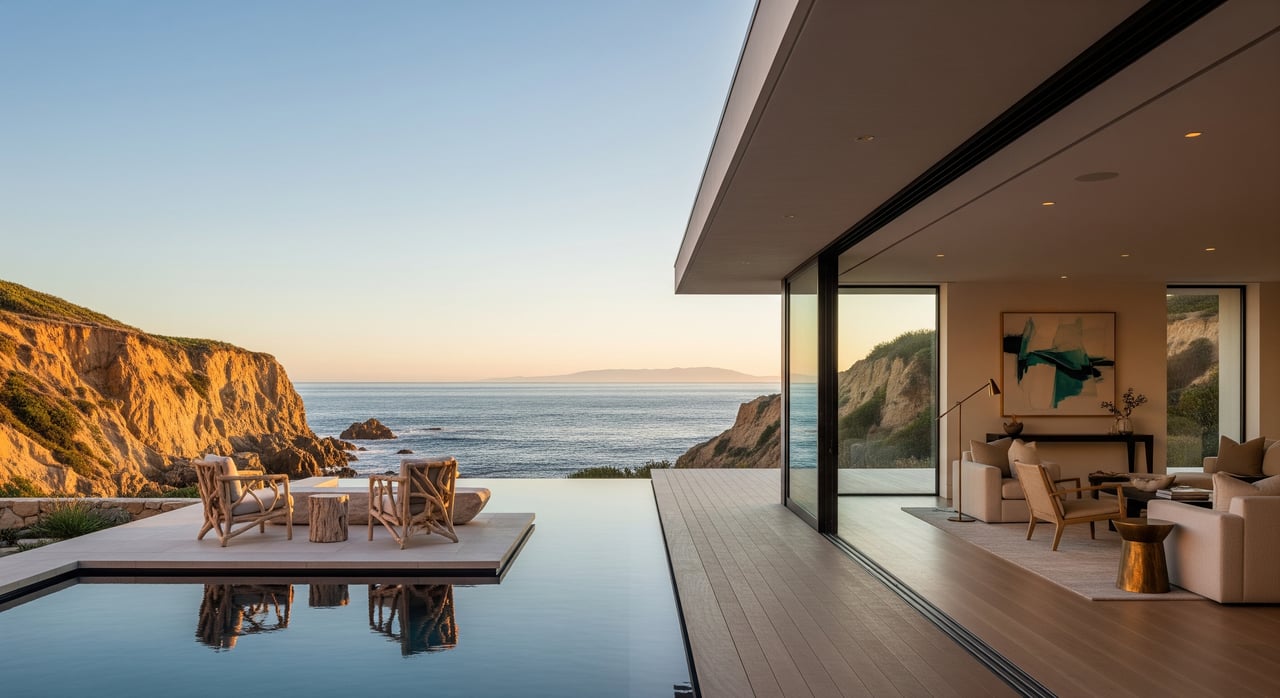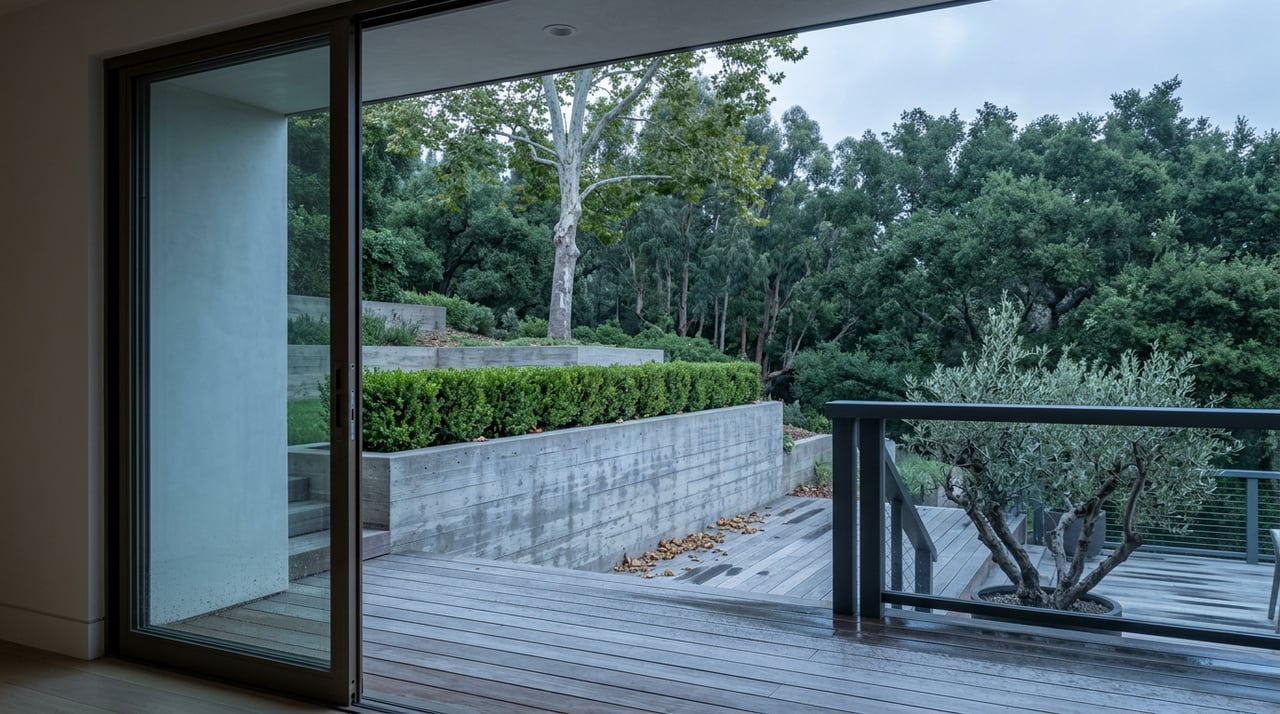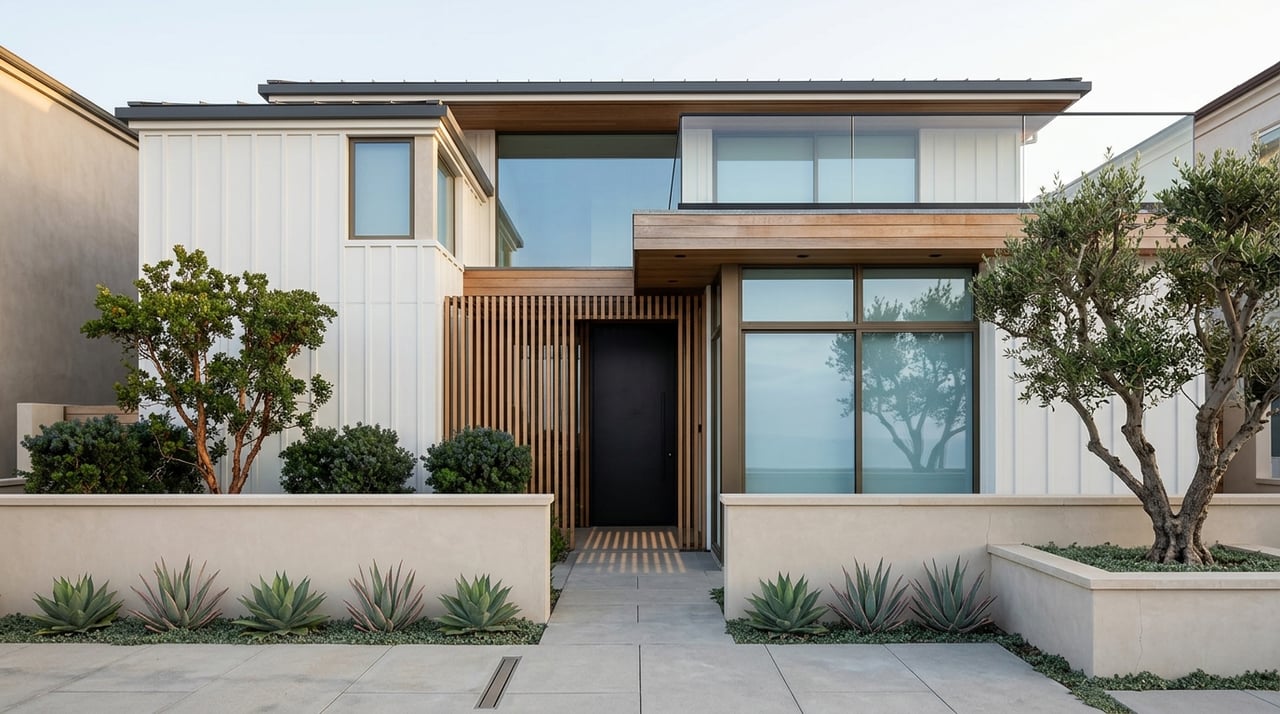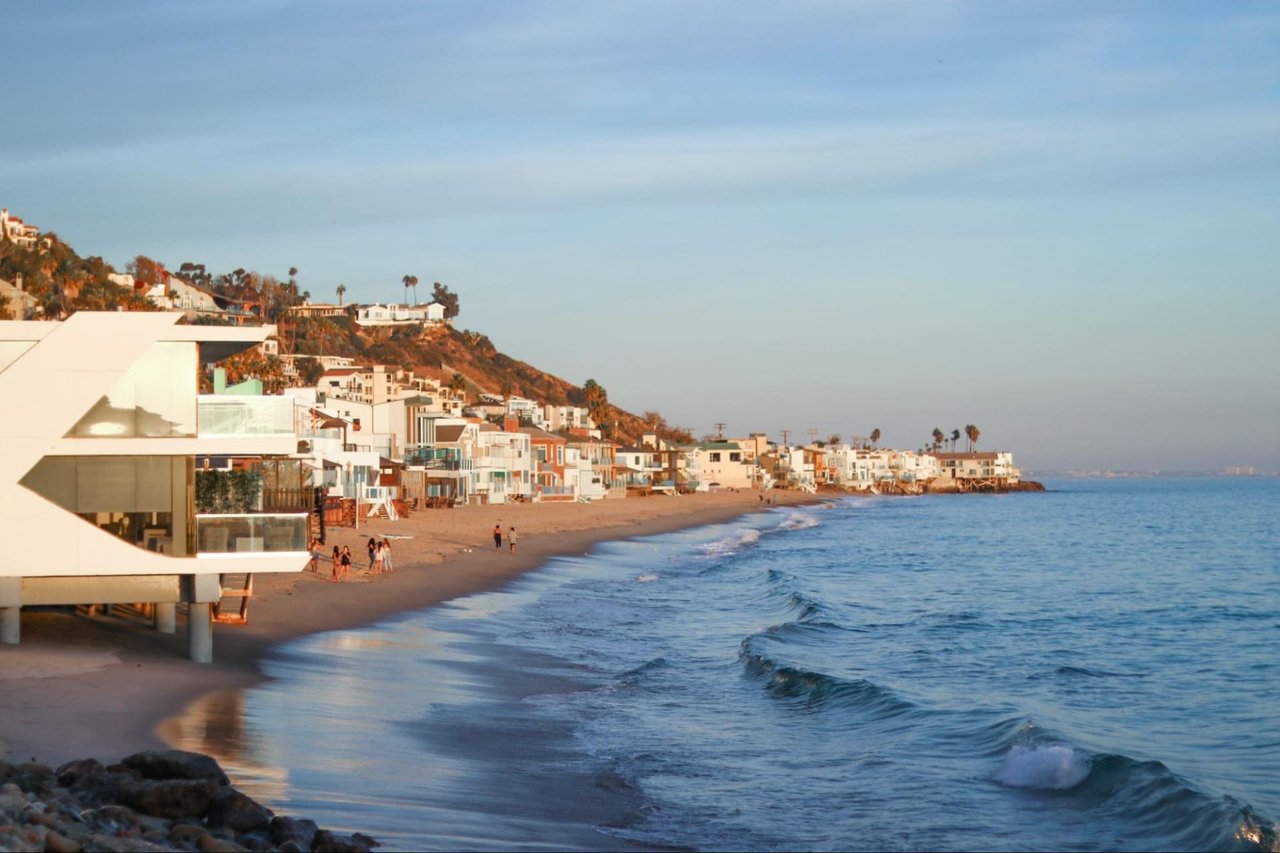
If you price a Malibu Cove Colony oceanfront home like a typical Malibu listing, you can miss the market by millions. In this stretch of Central Malibu, buyers are not looking at broad averages first. They are comparing frontage, beach usability, condition, and how a home actually lives on the sand. This guide breaks down what strategic pricing really looks like in Malibu Cove Colony and how to position your property with precision. Let’s dive in.
Why pricing in Cove Colony is different
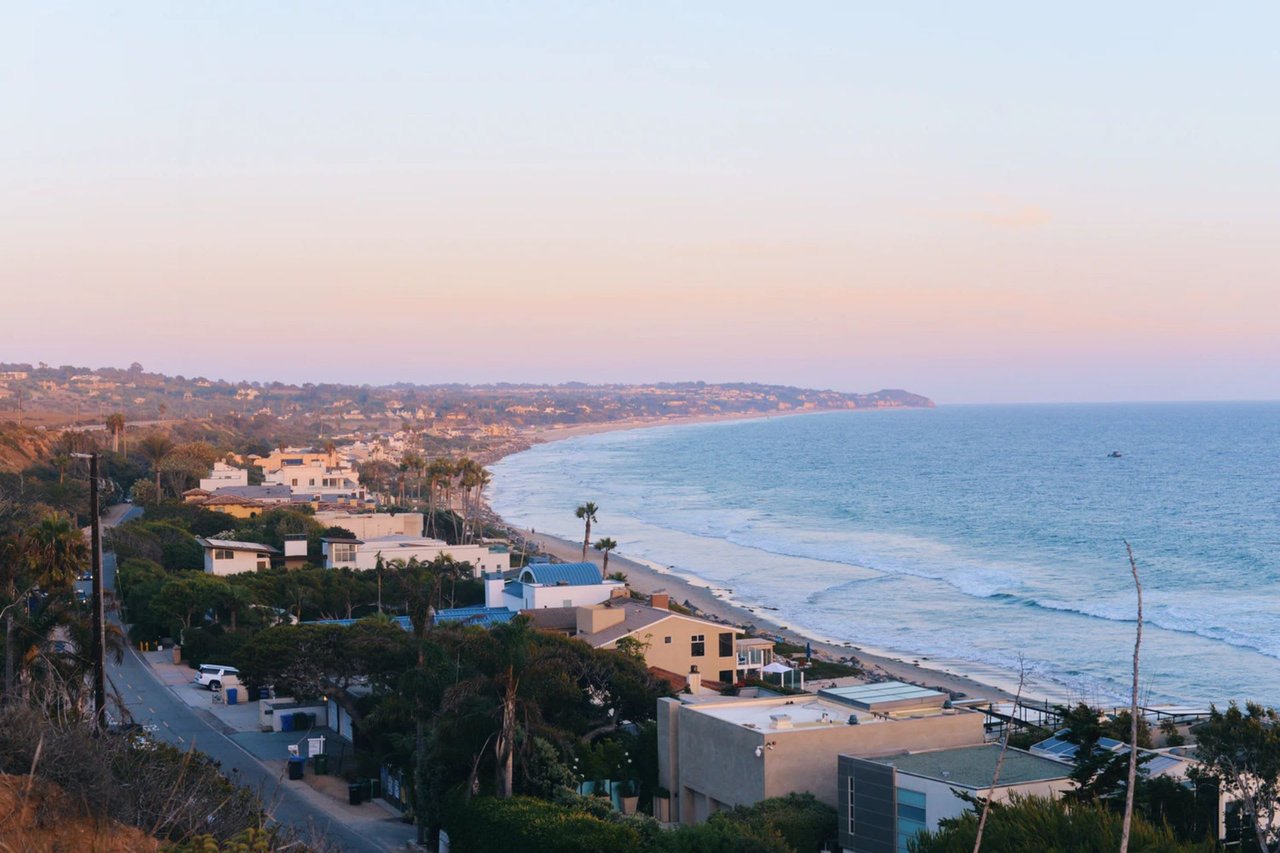
Malibu Cove Colony sits inside a very small and specialized oceanfront market. According to December 2025 Elliman data, Malibu beach inventory showed 82 properties for sale, with a median sales price of $8.0 million and an average price per square foot of $2,933. In January 2026, inventory still stood at 82 properties and no closed sales were reported that month.
That matters because a Cove Colony home usually cannot be priced from broad Malibu averages alone. The comp pool is simply too small. In practice, pricing has to start at the street level, then adjust for the details that buyers in this enclave care about most.
Malibu market conditions still matter
Even in an ultra-prime beachfront pocket, the larger Malibu market sets the tone for buyer leverage. Redfin’s March 2026 data shows Malibu homes selling in about 100 days with a 90.6% sale-to-list ratio. No homes were reported as selling above list price.
Central Malibu is moving even more slowly. In that submarket, homes were taking about 137.5 days to sell with a 90.8% sale-to-list ratio. For sellers in Cove Colony, that suggests one clear lesson: an ambitious price without a tight value story can sit for a long time.
The value drivers buyers actually pay for
Beach frontage carries real weight
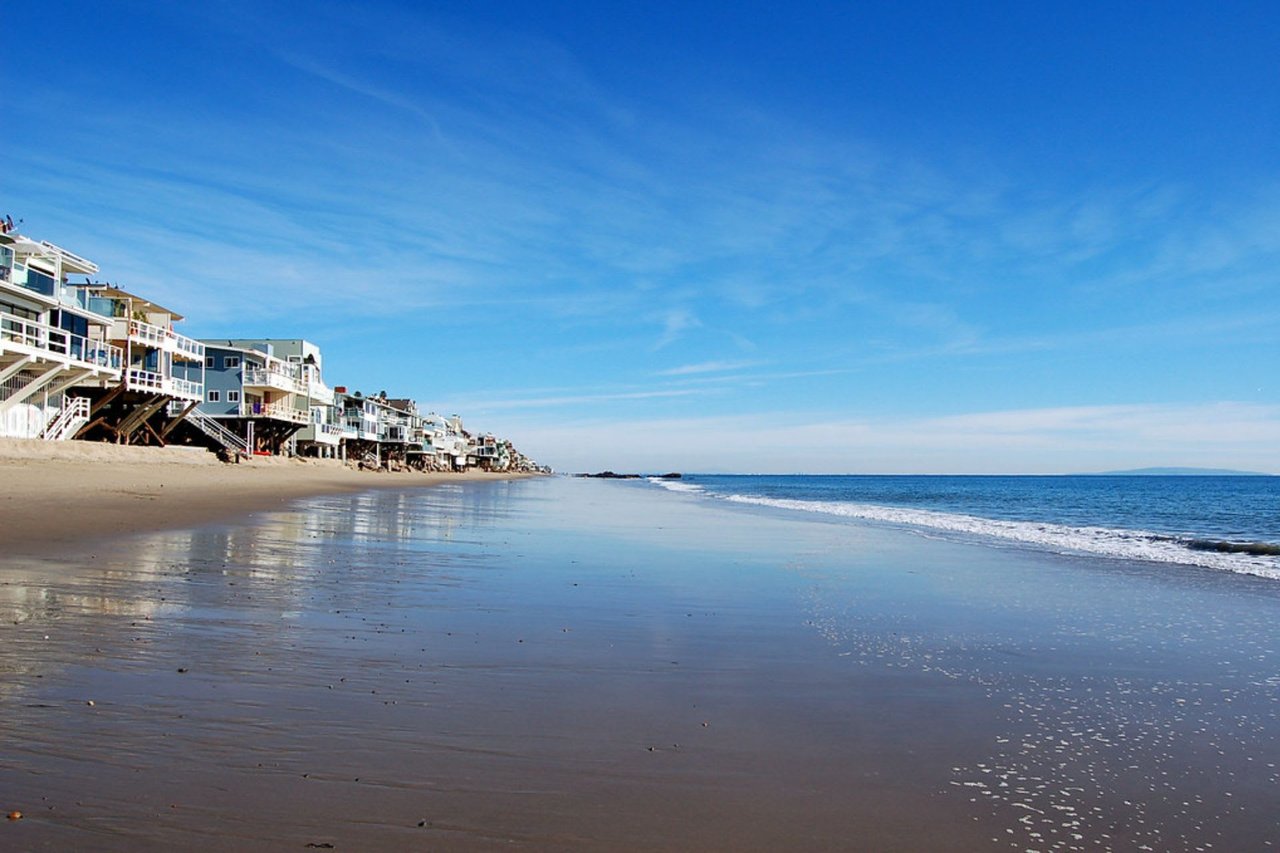
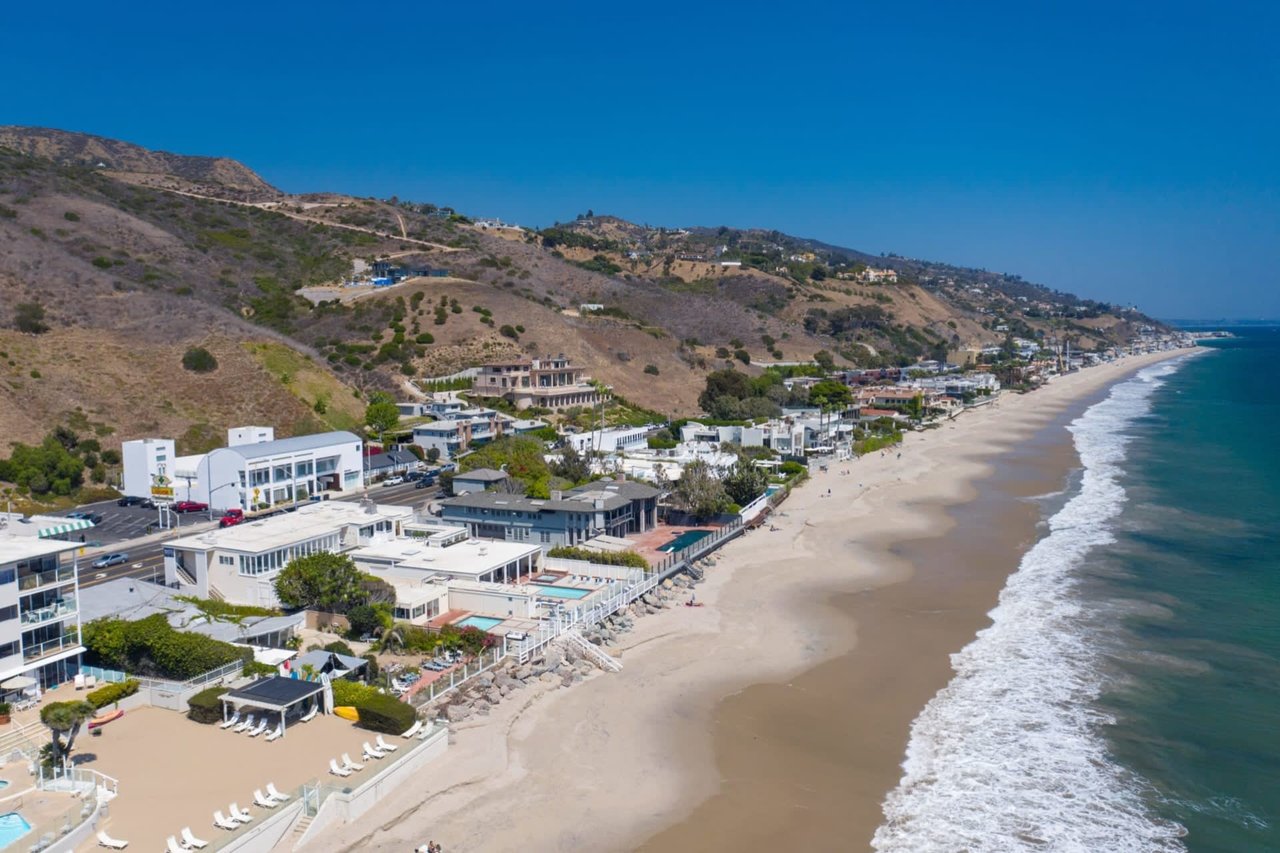
In Malibu Cove Colony, usable oceanfront frontage is one of the clearest value drivers. A recent sale at 26822 Malibu Cove Colony Drive closed at $12.0 million in March 2025 and was described as having about 50 feet of sandy beach frontage. Another property at 27112 Malibu Cove Colony Drive was marketed with 70 feet of oceanfront estate frontage and later reduced from $8.95 million to $8.26 million in February 2026.
The takeaway is not that frontage alone sets the number. It is that buyers appear to assign strong value to usable sand frontage and direct oceanfront function, often more than square footage by itself.
Sand usability influences pricing
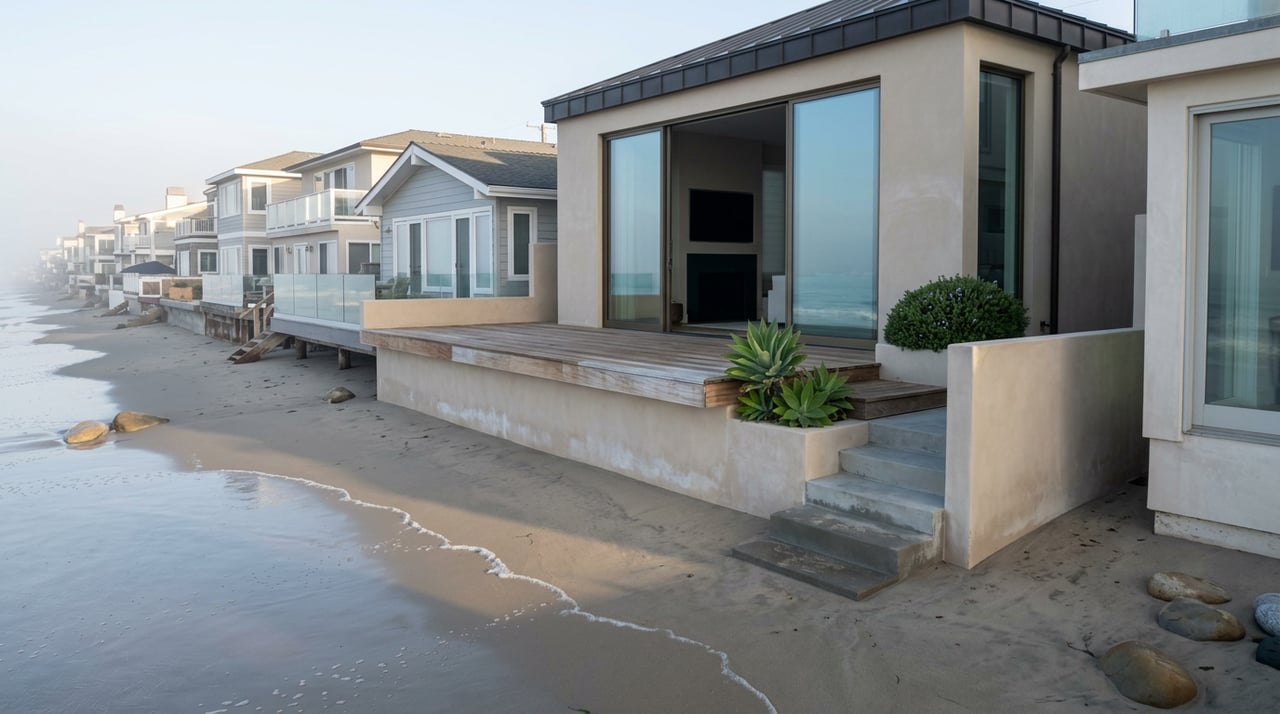
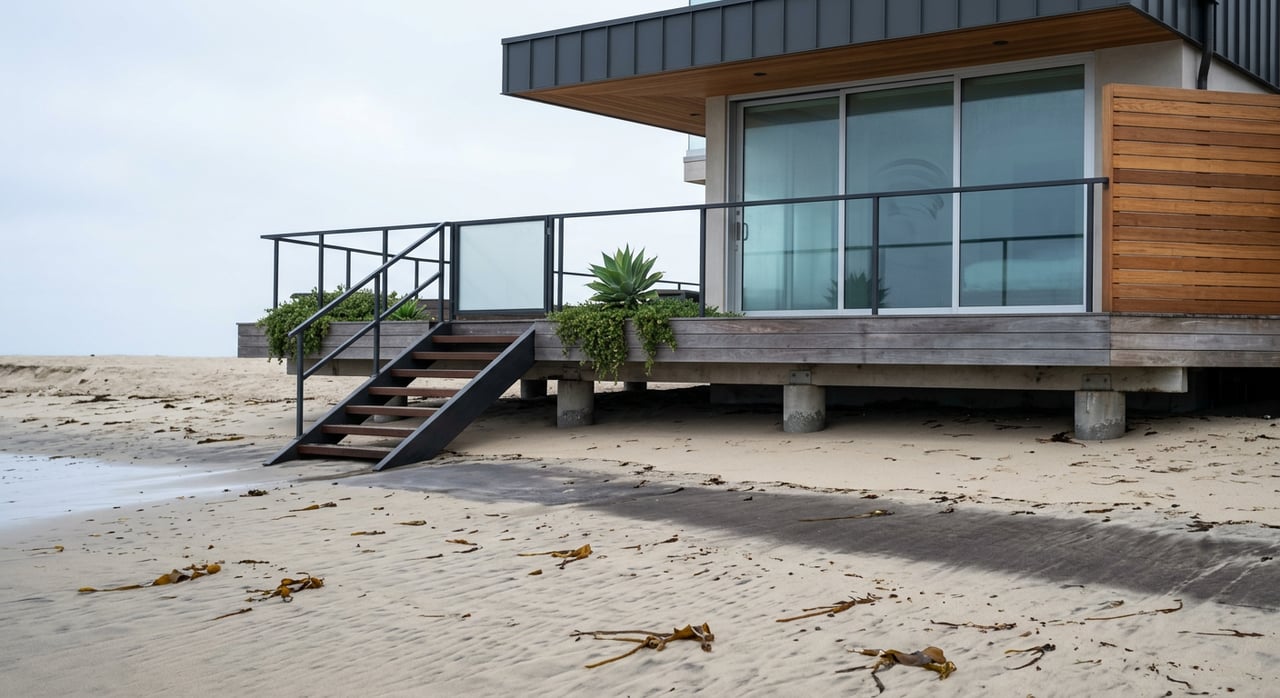
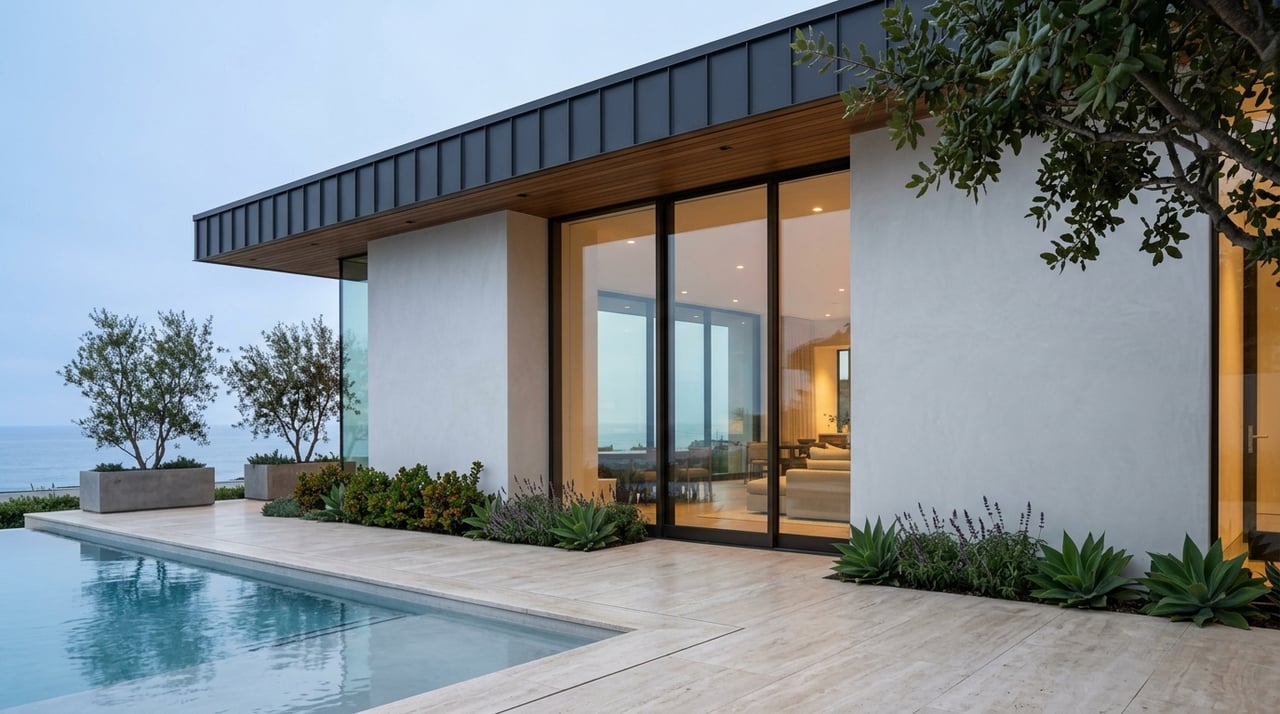
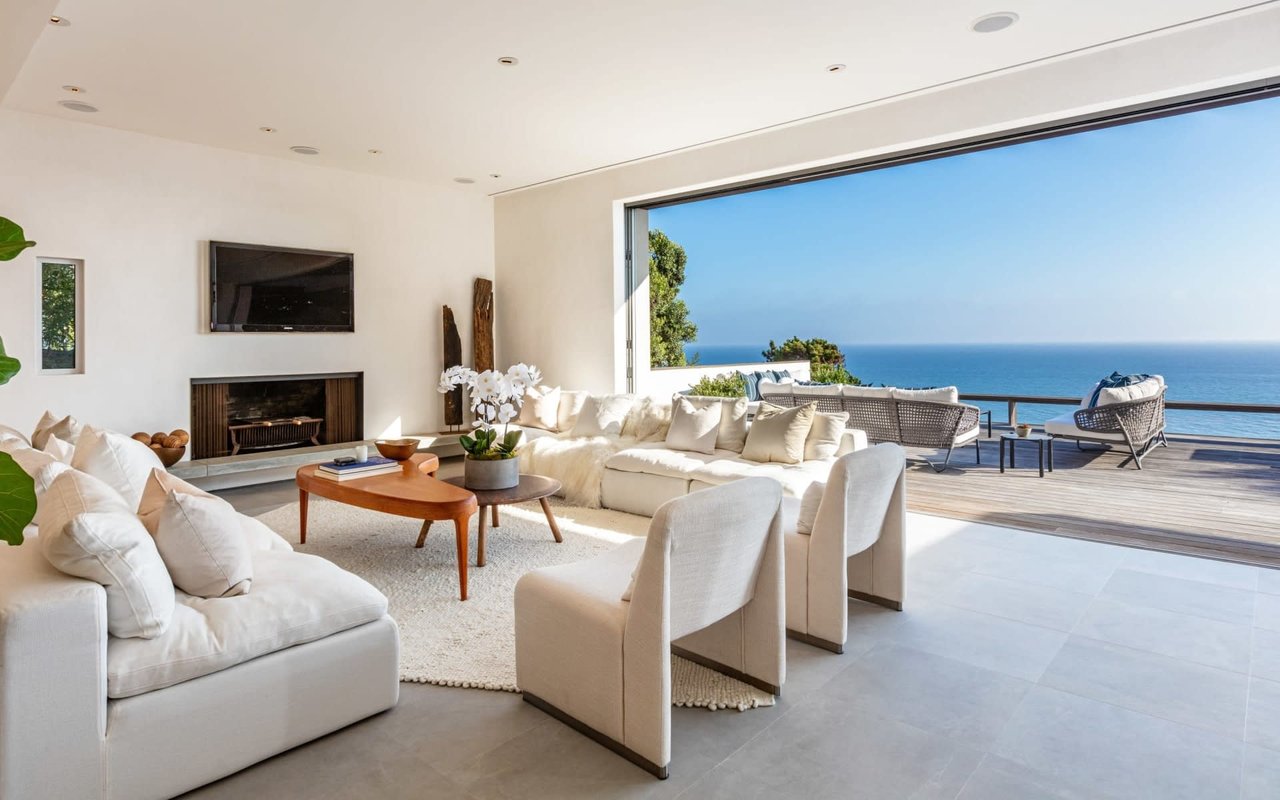
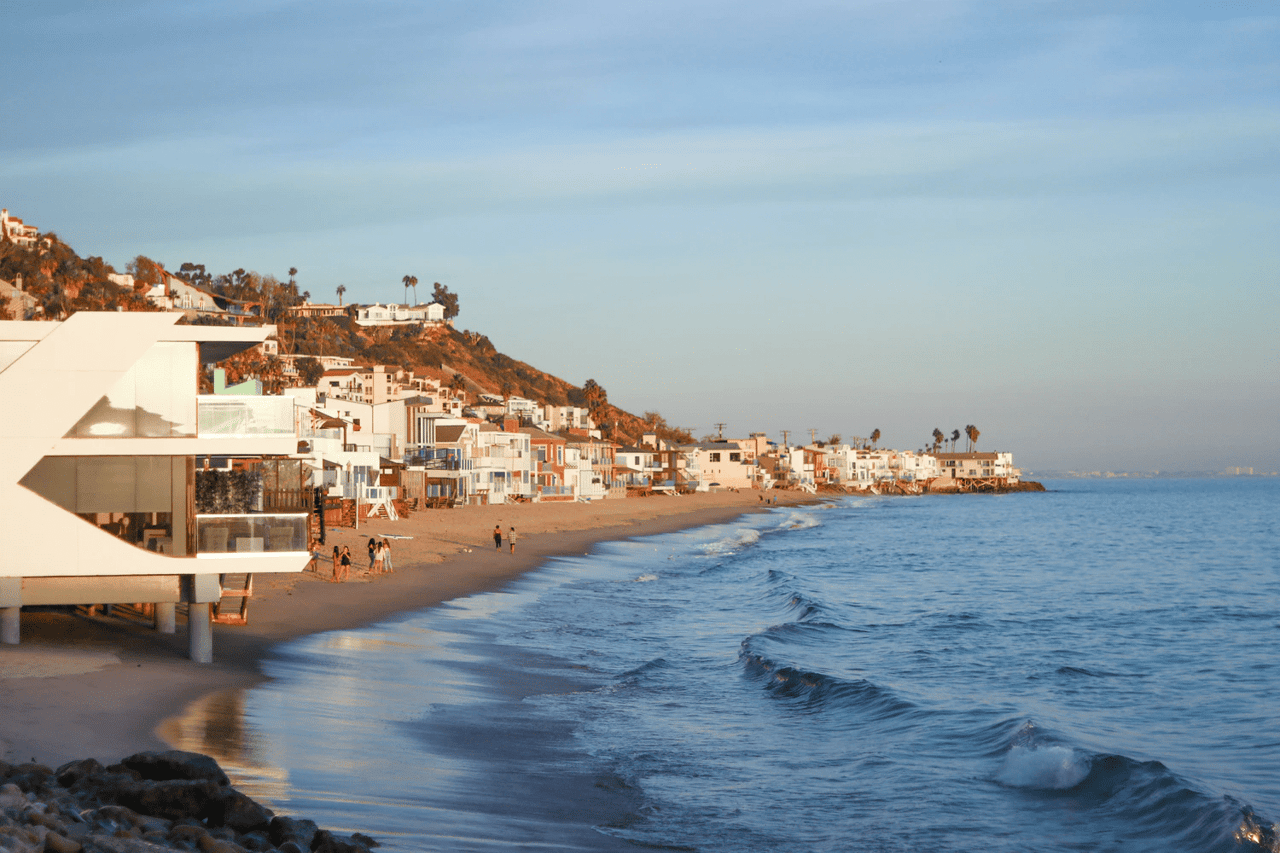
Two homes can share the same coastline and still trade very differently. In Cove Colony, buyers are evaluating how the deck, beach access, stairs, and outdoor spaces work at different tide levels. A home that feels easy to use on a typical beach day may be viewed very differently if higher water limits access or changes how the property functions.
This is not just a buyer preference issue. Malibu’s Coastal Vulnerability Assessment identifies exposure tied to sea-level rise, tidal inundation, storm flooding, and coastal erosion. That means pricing should reflect not just the view, but also how the property performs along the shoreline.
Condition and design must feel complete
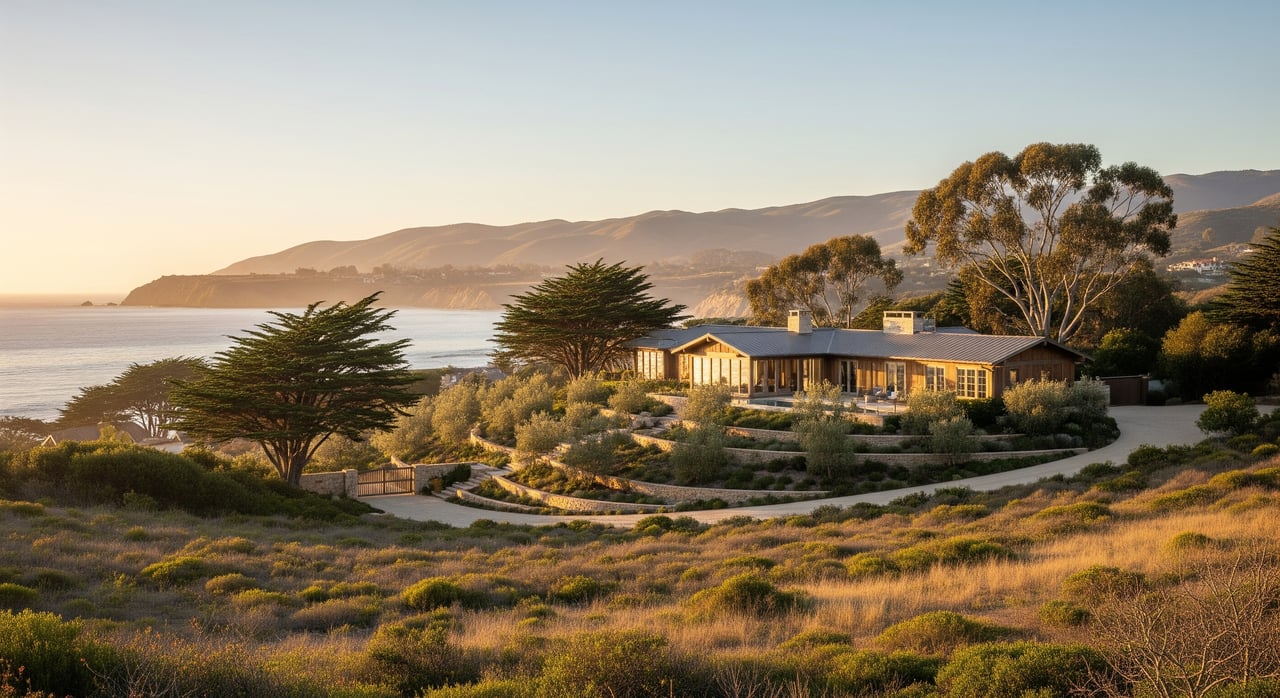
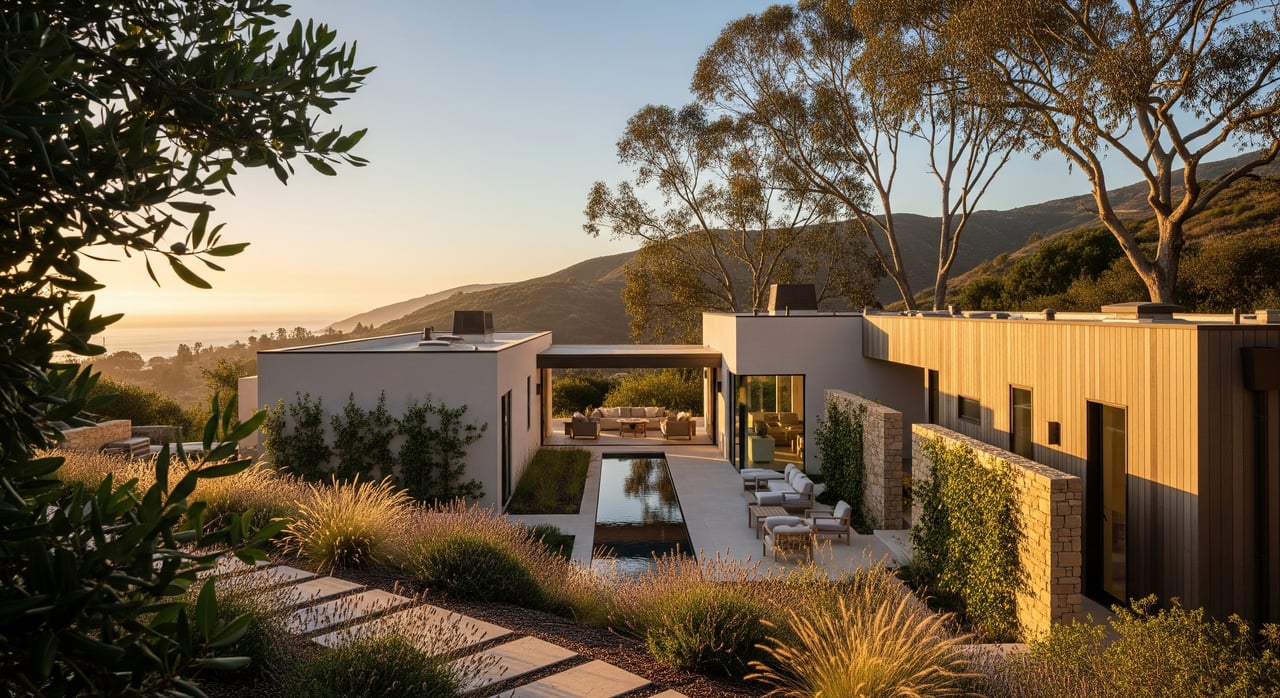
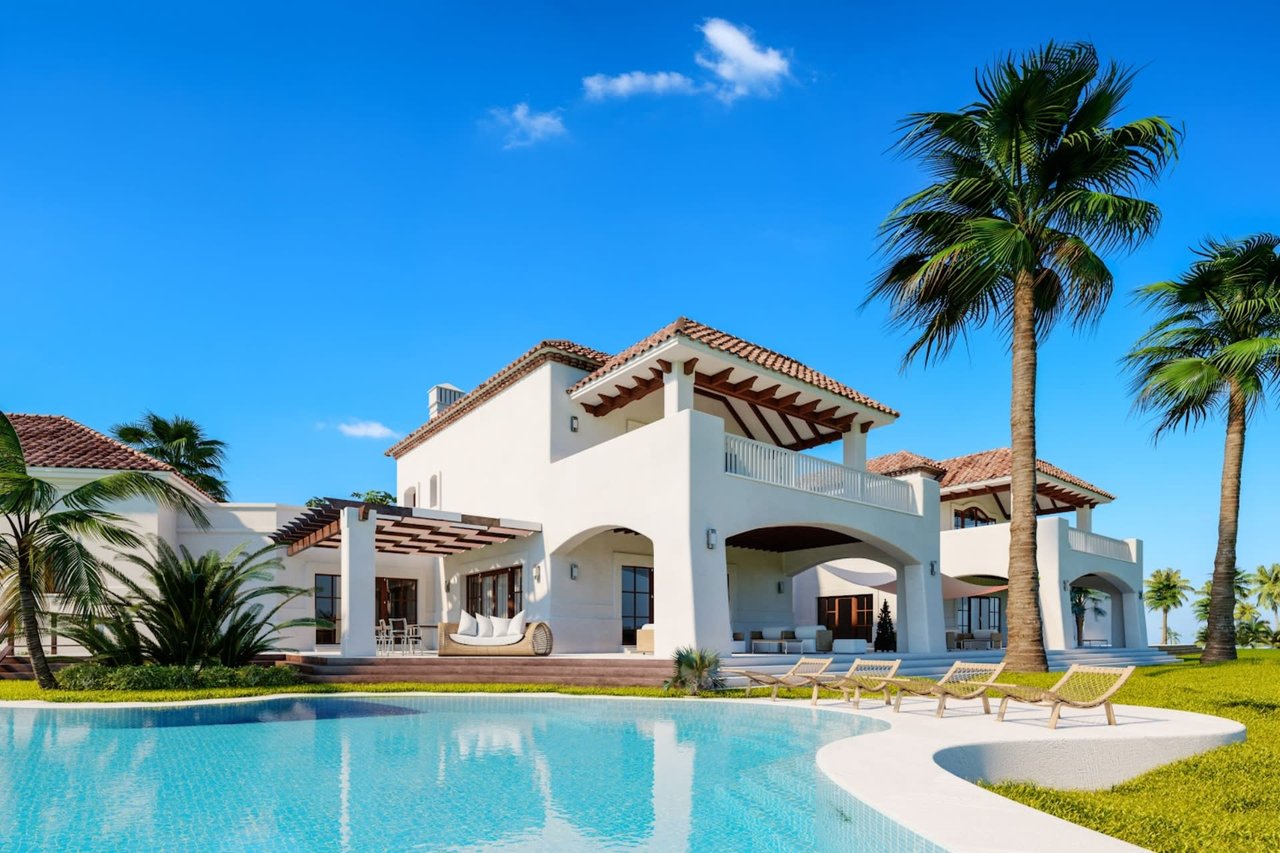
Architectural identity matters in Cove Colony, but only to a point. Recent listings have ranged from villa-style beachfront homes to Spanish-influenced modern designs and other guard-gated beach houses. Buyers in this price tier usually respond best when design pedigree is paired with turnkey condition and a layout that feels immediately livable.
In other words, style helps when the home feels resolved. If a property needs updates, has a fragmented floor plan, or presents as less ready for immediate enjoyment, pricing should account for that directly.
Why tiny differences can move the price by millions
The recent Cove Colony sales range tells the story. A 3,502-square-foot home at 26940 Malibu Cove Colony Drive sold for $9.0 million in March 2025. In that same month, 26822 Malibu Cove Colony Drive, a 4,278-square-foot home, sold for $12.0 million.
Another Cove Colony property at 27044 Malibu Cove Colony Drive was listed at $11.45 million in July 2025 and reduced to $10.995 million by September 2025. It had previously sold for $8.695 million in 2023. That kind of spread shows how much buyers are weighing condition, frontage, presentation, and readiness, not just size.
What counts as a true comp
Same-street sales matter most
For a Malibu Cove Colony oceanfront home, the strongest comparables are usually other Cove Colony homes. Same-street sales better capture the things that broad market averages miss, such as beach position, gate access, sand depth, and how the home interfaces with the shoreline.
A broad Malibu median can provide context, but it should not anchor pricing. In a micro-market this narrow, same-street evidence is usually more defensible.
Nearby beaches can help, carefully
Escondido Beach can offer useful contrast when the product quality and shoreline position are similar. One example is 27368 Escondido Beach Road, which sold for $11.65 million on October 10, 2025. That supports the idea that exceptional direct-oceanfront homes nearby can also command eight-figure pricing.
Still, nearby sales should be used as secondary references, not substitutes for Cove Colony comps. Buyers in this segment understand the difference between one stretch of coastline and another.
Paradise Cove is usually not a direct comp
Paradise Cove can sound relevant on paper because it offers beach access and Malibu pricing, but it is typically a different product class. A two-bedroom Paradise Cove home sold for $2.85 million in November 2025 after 63 days on market and at 11% under list. Another Paradise Cove property sold for $4.7725 million in February 2025 and was identified as a manufactured property type.
Those sales may help illustrate broader coastal demand, but they should not be used to anchor a fee-simple Malibu Cove Colony oceanfront valuation without major adjustments. Ownership structure, property type, and frontage are too different.
Coastal rules affect pricing too
Pricing a beachfront property in Malibu is not only about aesthetics and comps. It is also about what a buyer believes they are acquiring in terms of flexibility, risk, and future options. Since Malibu lies within the coastal zone, the Local Coastal Program governs development, and the city’s planning guidance states that beachfront and blufftop projects must address issues such as wave uprush, beach profile, foundation design, shoreline protection, and impacts to public access.
That means buyers may look closely at permit history, past improvements, redevelopment potential, and any constraints related to erosion or protective devices. California Coastal Commission materials also discuss shoreline erosion, protective structures, and efforts to keep development out of hazardous areas. For sellers, this makes documentation part of the pricing story, not just a due diligence item after an offer arrives.
How to build a strategic asking price
Start narrow, then adjust carefully
The most defensible approach is to begin with recent Cove Colony sales and active competition on the same street. From there, adjust for:
- Ocean frontage width
- Sand usability
- Beach access and functionality at different tide levels
- Condition and architectural coherence
- Permit and coastal history
- Perceived ease of immediate enjoyment
This is a much tighter method than using broad Malibu averages. In a market with thin inventory and very few direct comps, precision matters more than range.
Match the price to the buyer pool
Ultra-luxury beachfront buyers are often highly selective and in no rush. In today’s Malibu market, where average sale-to-list ratios remain around 90% and time on market is relatively long, buyers have room to wait for the right fit. If your list price is not well supported, you may lose momentum before the right buyer ever engages.
A strategic price does not mean underpricing. It means setting a number that feels credible enough to attract serious attention from qualified buyers who understand this specific stretch of Malibu.
Presentation supports pricing power
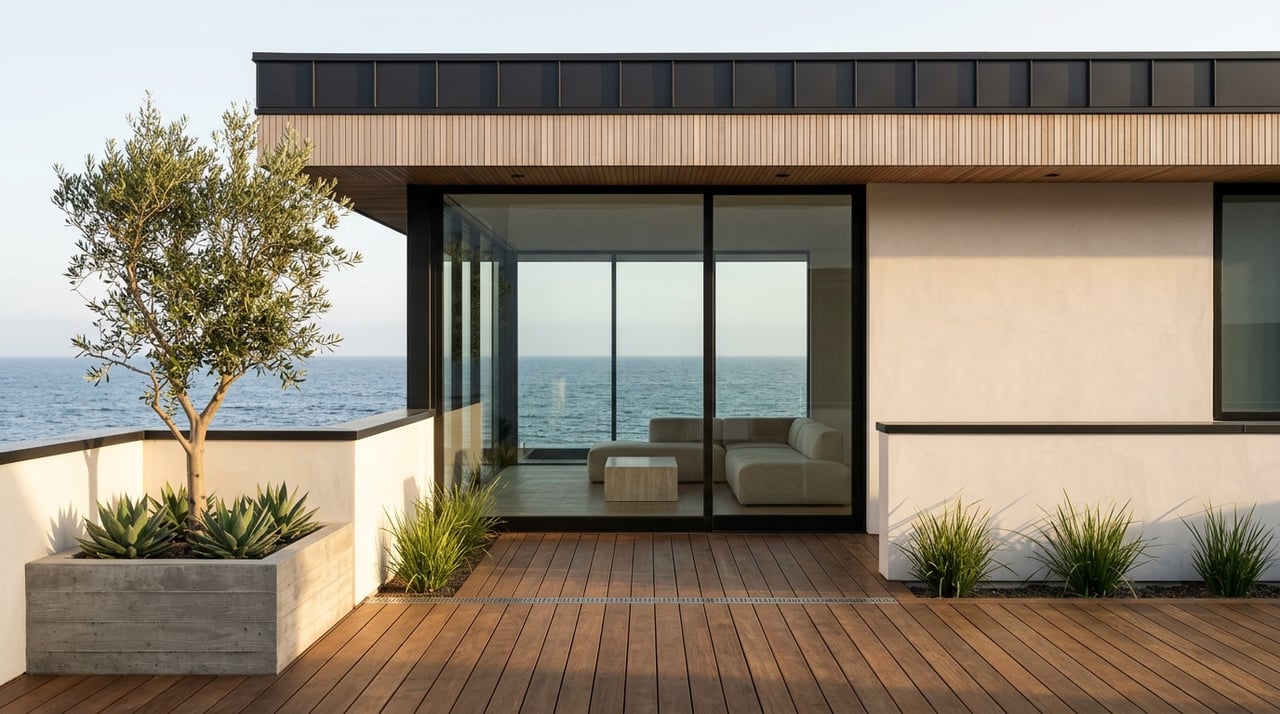
In Cove Colony, the marketing package should reinforce the value case. Buyers need to see the frontage, the relationship to the sand, the livability of the outdoor areas, and the overall condition clearly. The cleaner and more specific the presentation, the easier it is to defend a premium number.
This is especially important when the broader market is slow. If the launch is polished and the price is grounded in the right comp logic, you are more likely to attract real engagement early.
Why a narrow launch can work best
With inventory thin but absorption slow, the evidence points toward a focused and well-supported market entry. Rather than relying on an aspirational list price and waiting for the market to correct it, sellers often benefit from a sharper value narrative from day one. In a confidential, high-value sale, that can mean targeting a short list of qualified buyers with a compelling and highly specific pricing story.
That approach fits Malibu Cove Colony particularly well. This is a market where broad exposure alone does not create value. The right buyer usually responds to precision, discretion, and a clear understanding of why one stretch of sand deserves a premium over another.
If you are thinking about selling a Malibu Cove Colony oceanfront home, strategic pricing starts with local judgment, a credible comp framework, and a presentation that matches the asset. For a private consultation on pricing, positioning, and buyer strategy in Central Malibu, connect with Sandro Dazzan.
FAQs
How should you price a Malibu Cove Colony oceanfront home?
- The strongest approach is to use recent same-street sales and then adjust for frontage, sand usability, condition, coastal history, and how the home functions at different tide levels.
Why are Malibu Cove Colony comps so limited?
- Cove Colony is a very small oceanfront enclave with few sales, so sellers often have to rely on a narrow set of direct comparables instead of broad neighborhood averages.
Do broad Malibu market trends affect Malibu Cove Colony pricing?
- Yes. Even though Cove Colony is highly specialized, broader Malibu data still shows slower sales pace and sale prices below list on average, which affects buyer leverage and pricing strategy.
Does beach frontage matter more than square footage in Malibu Cove Colony?
- In many cases, yes. Recent market examples suggest that buyers place strong value on usable sandy frontage and direct oceanfront function, not just interior size.
Can Paradise Cove sales be used to price a Malibu Cove Colony home?
- Usually not without major adjustments, because Paradise Cove often involves different property types, ownership structures, and beach positioning than fee-simple oceanfront homes in Cove Colony.
Why do coastal regulations matter when pricing a Malibu oceanfront property?
- Buyers may factor in permit history, redevelopment flexibility, erosion considerations, and shoreline constraints, so those issues can influence perceived value before a contract is signed.