If you have ever driven Malibu Road and wondered why the homes feel so distinct yet still belong to the same shoreline, the answer is not just taste. On this stretch of coast, architecture is shaped by the ocean, the road, public access, and the rules that guide what can be built. If you are exploring a purchase, planning a renovation, or simply trying to understand what gives Malibu Road its visual identity, this guide will help you read the street with a more informed eye. Let’s dive in.
Malibu Road Is a Design Corridor
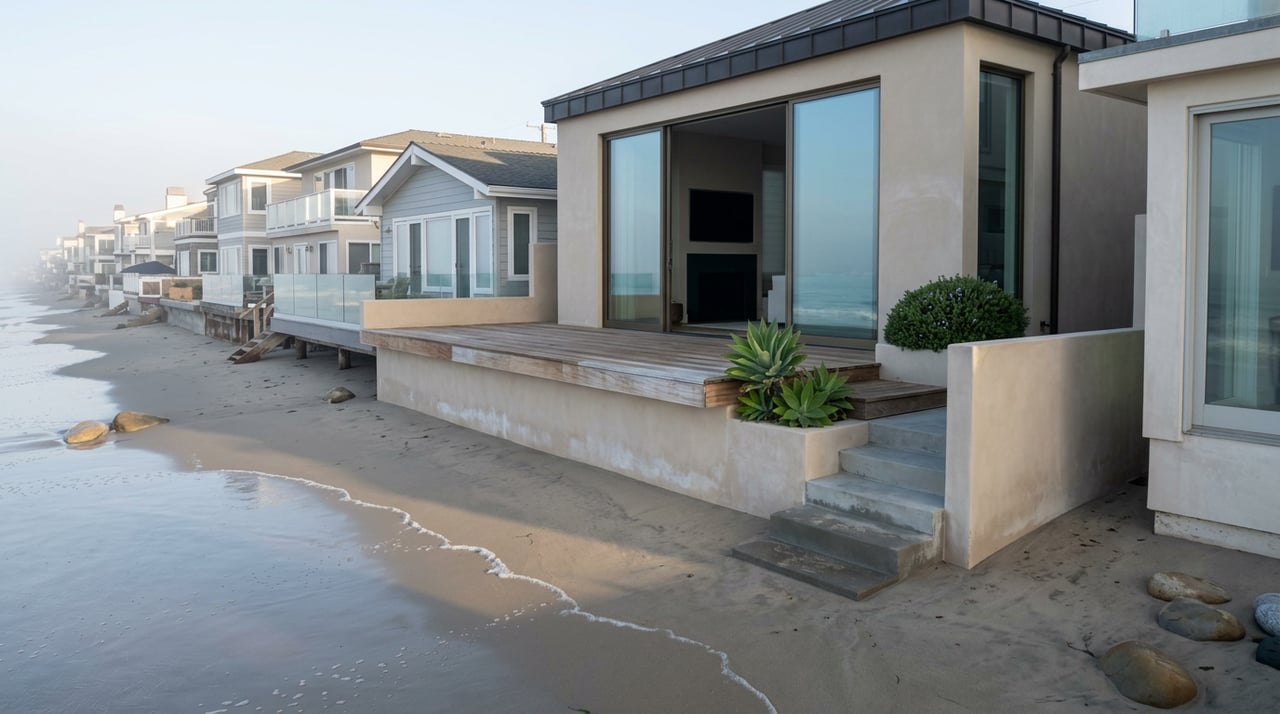
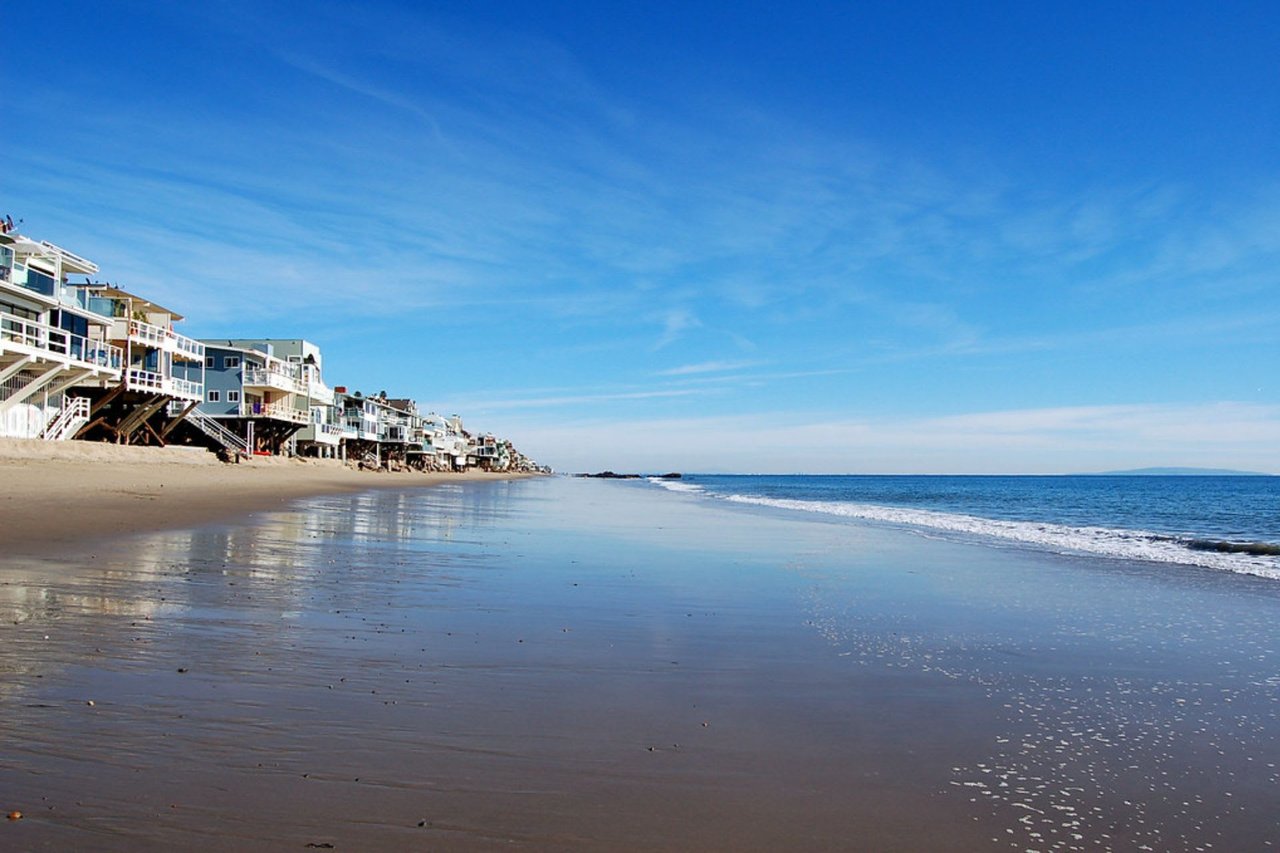
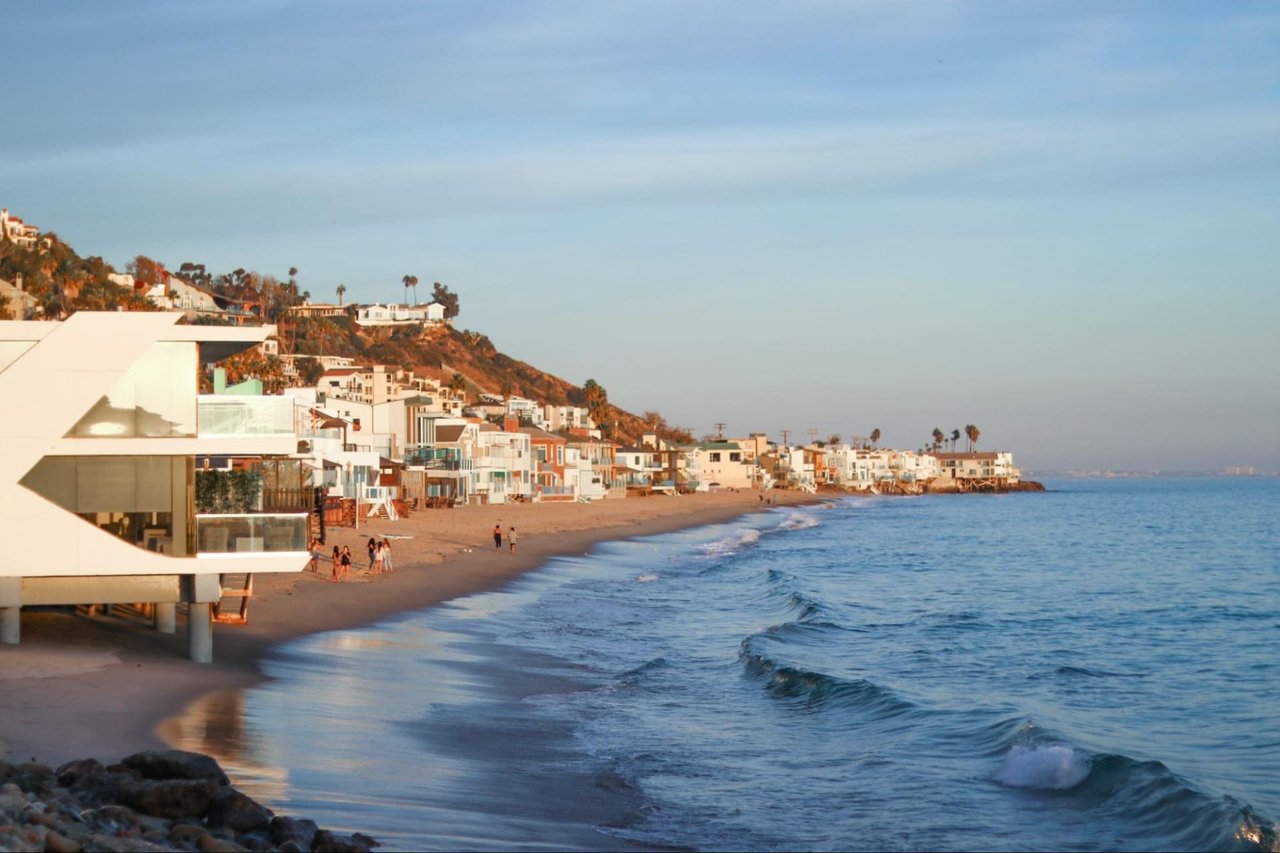
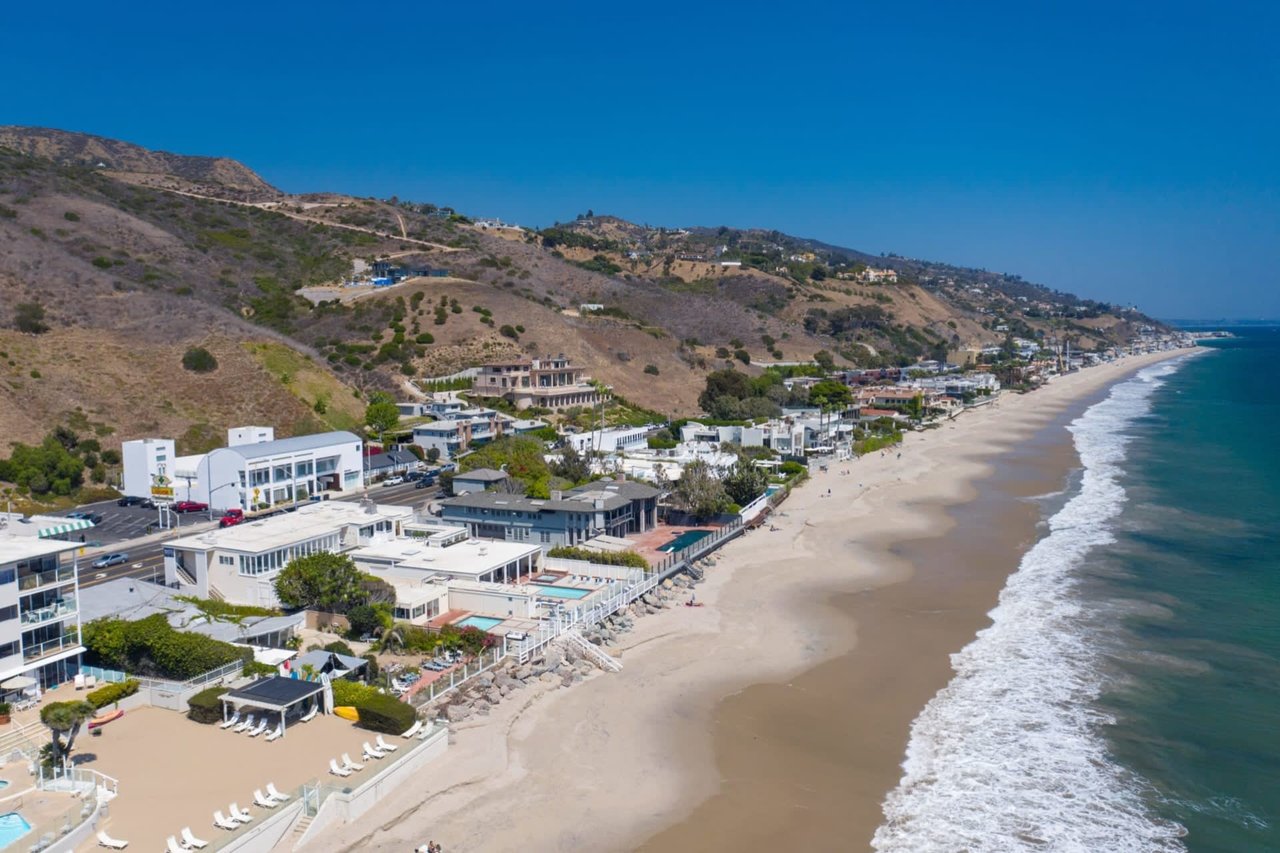
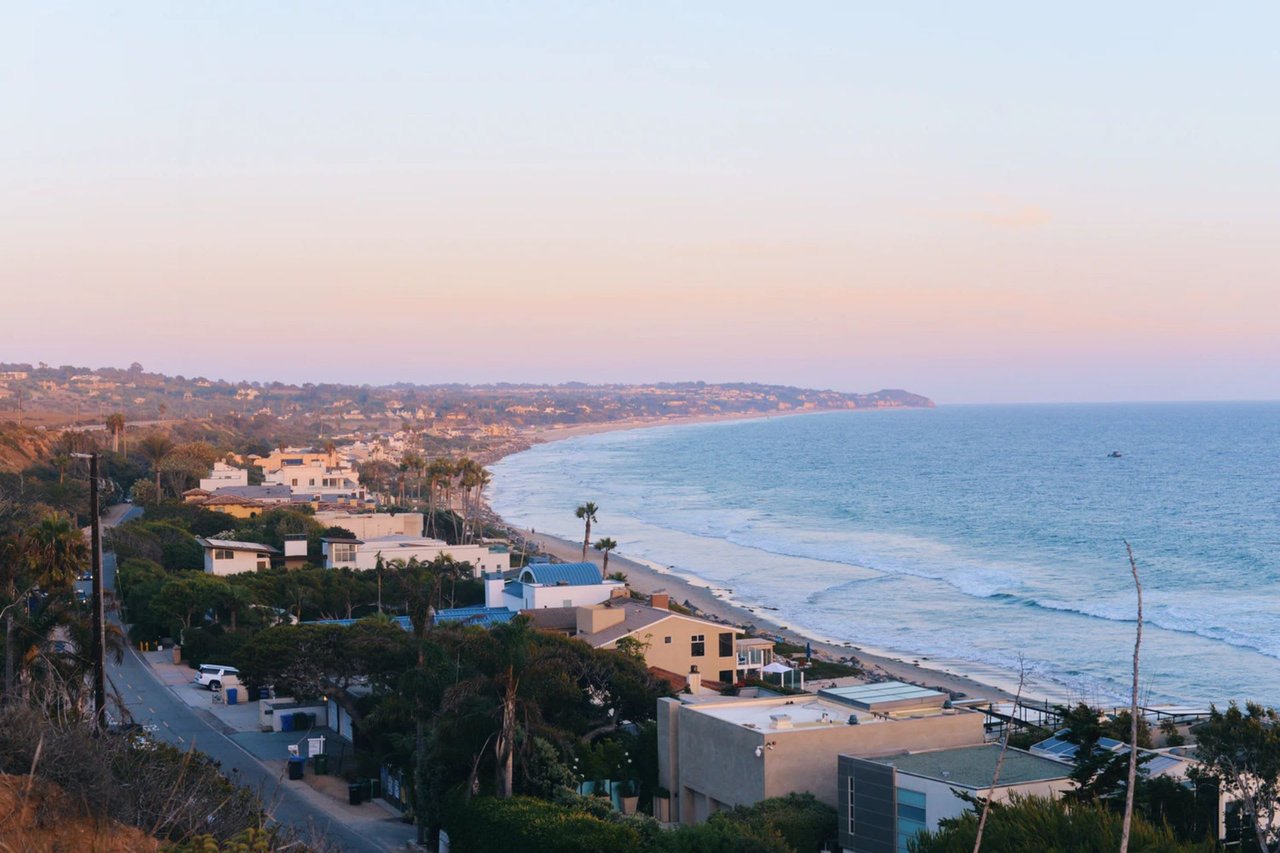
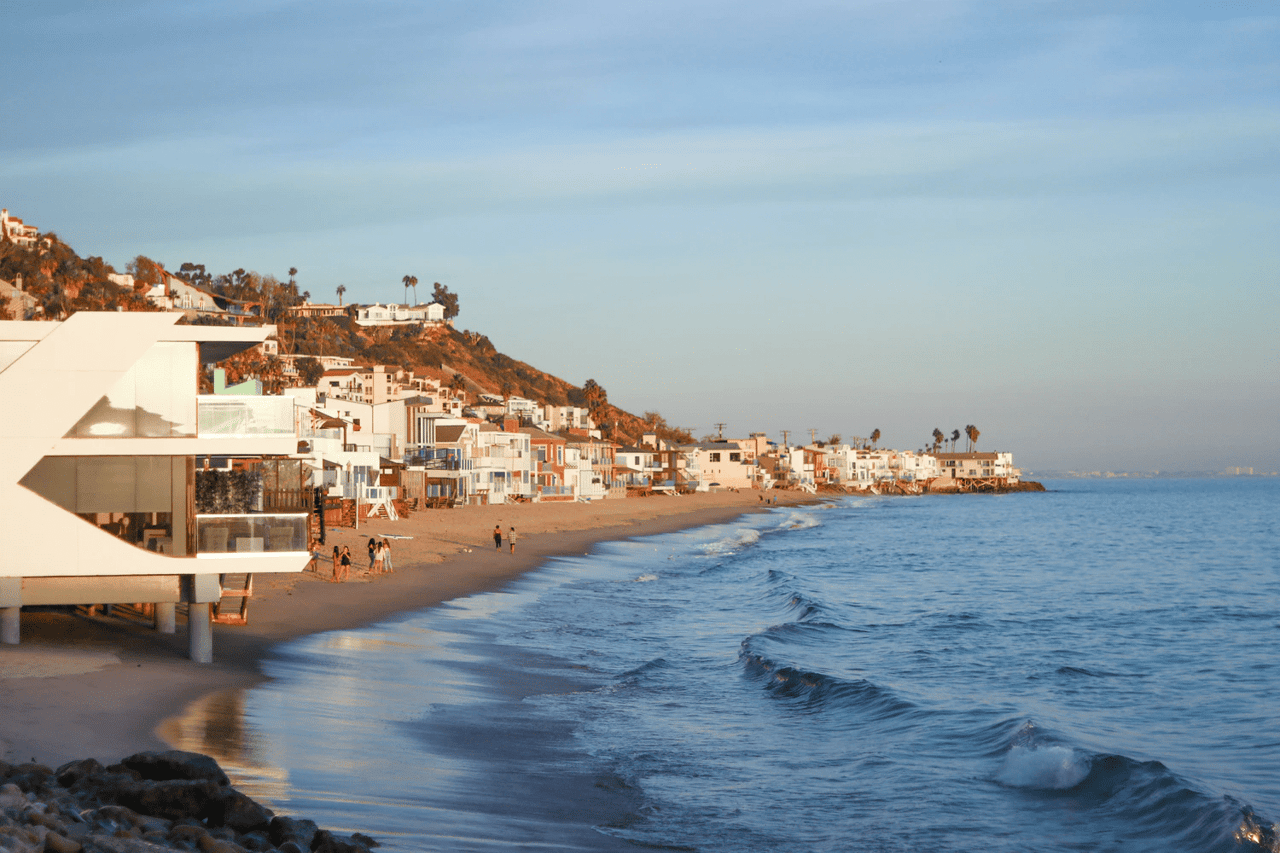
Malibu Road is not a typical residential street. It is a narrow oceanfront corridor where coastal conditions, access, and regulation all play a direct role in how homes look and function.
The City of Malibu states that the entire city lies within the California coastal zone. That means development is governed by the Local Coastal Program, and coastal development permits are generally part of the review process. On Malibu Road, design decisions are rarely isolated from permitting, site constraints, and long-term environmental planning.
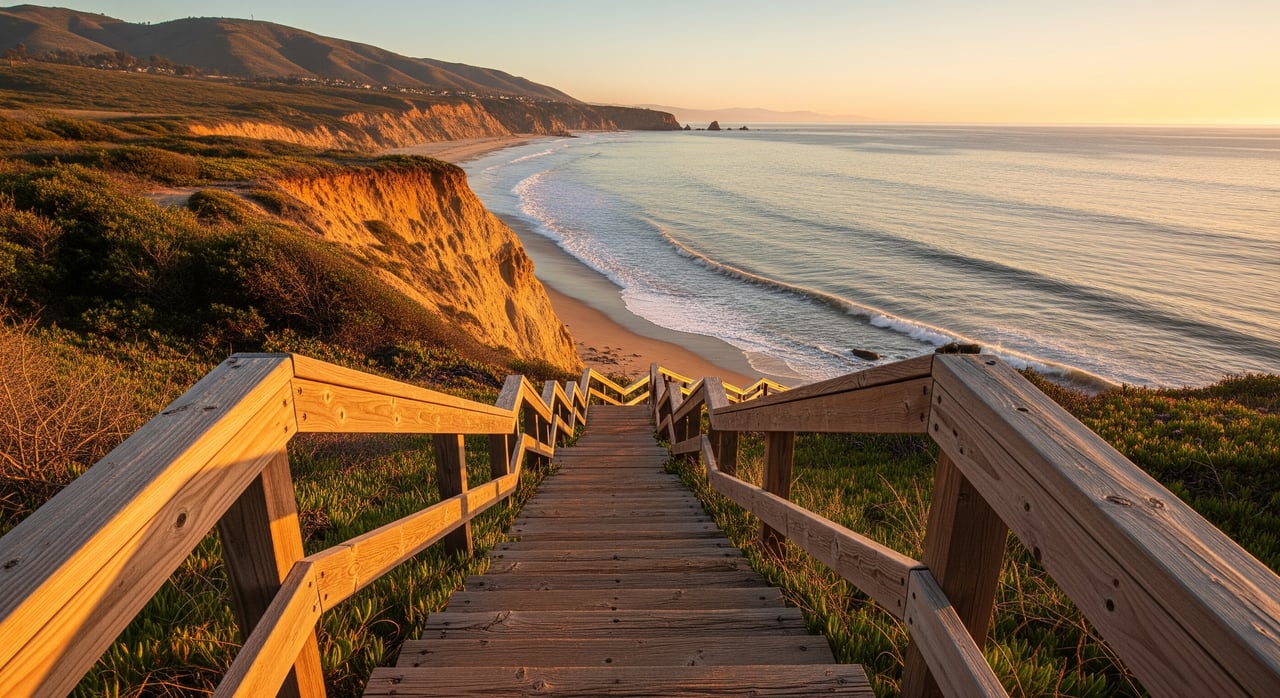
This stretch also carries a unique relationship between public and private space. The city notes that Malibu has public access ways to many private beaches, and a California Coastal Commission 2025 site-tour handout identifies the Malibu Rd East Access staircase at 24038 Malibu Road as a route to Amarillo Beach and Malibu Colony. In practical terms, homes here often balance openness to the water with a strong need for privacy from the street side.
Architectural Styles Along Malibu Road
Malibu Road does not present one single architectural style. Instead, it reads as a layered coastal vocabulary, shaped by different eras of Malibu history and by owners who responded to the same shoreline in different ways.
Beach Cottages and Bungalows
Some of Malibu’s earliest shoreline identity came from small beach cottages. The City of Malibu’s history of the Malibu Movie Colony ties late-1920s development to these modest homes, which helped define the area’s early beach culture.
You can still see the influence of that scale today. These homes tend to have simpler rooflines, lower-profile massing, and an easy coastal character that feels less formal than some of the larger estates nearby.
Spanish and Mediterranean Influence
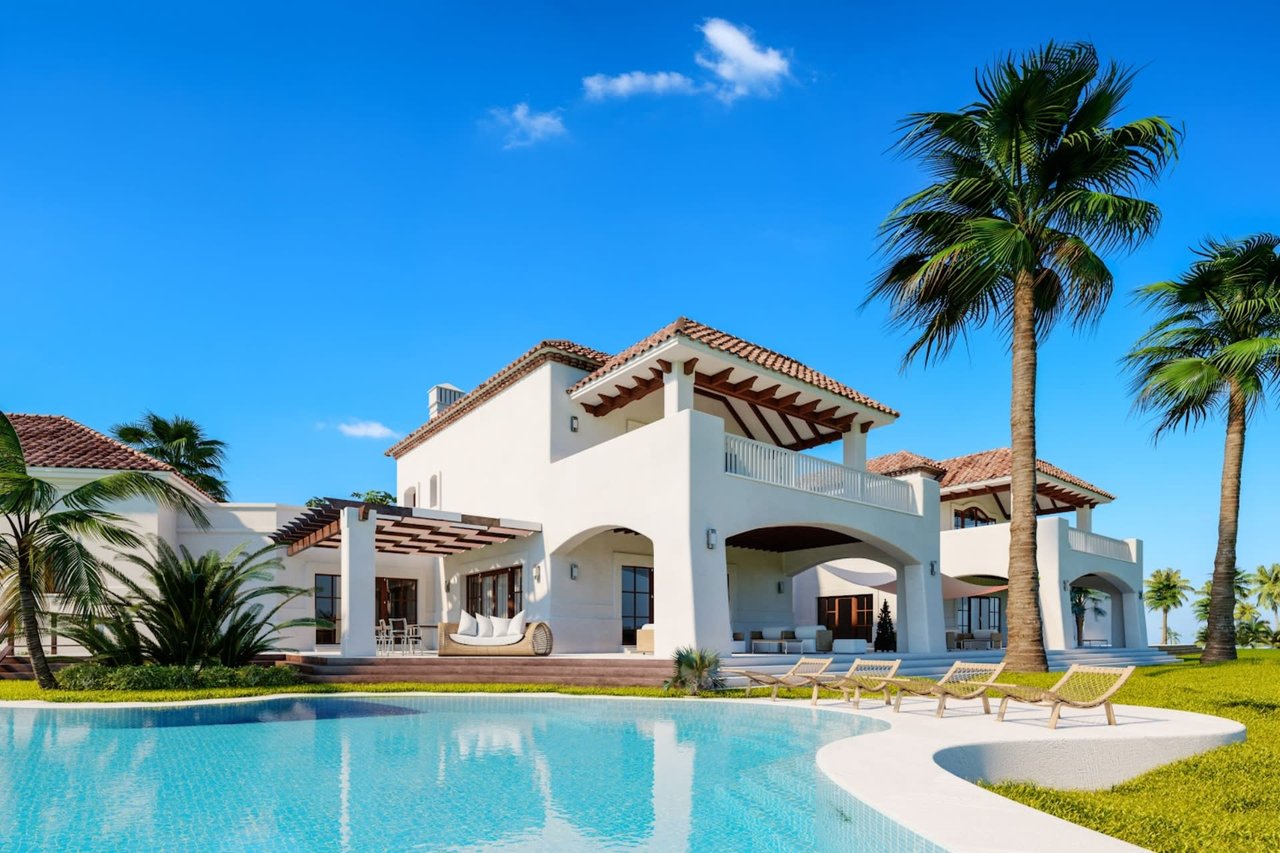
Malibu also carries a strong Mediterranean and Spanish Colonial Revival thread. That influence is tied to Frederick Rindge’s vision for Malibu, as well as the Spanish and Moorish character associated with Malibu Potteries.
The Adamson House, designed in 1929 by Stiles O. Clements, remains one of the clearest local reference points. Its stucco walls, decorative tile, arches, and handcrafted detailing still help explain why these forms feel so rooted in Malibu rather than imported to it.
Mid-Century and Modernist Homes
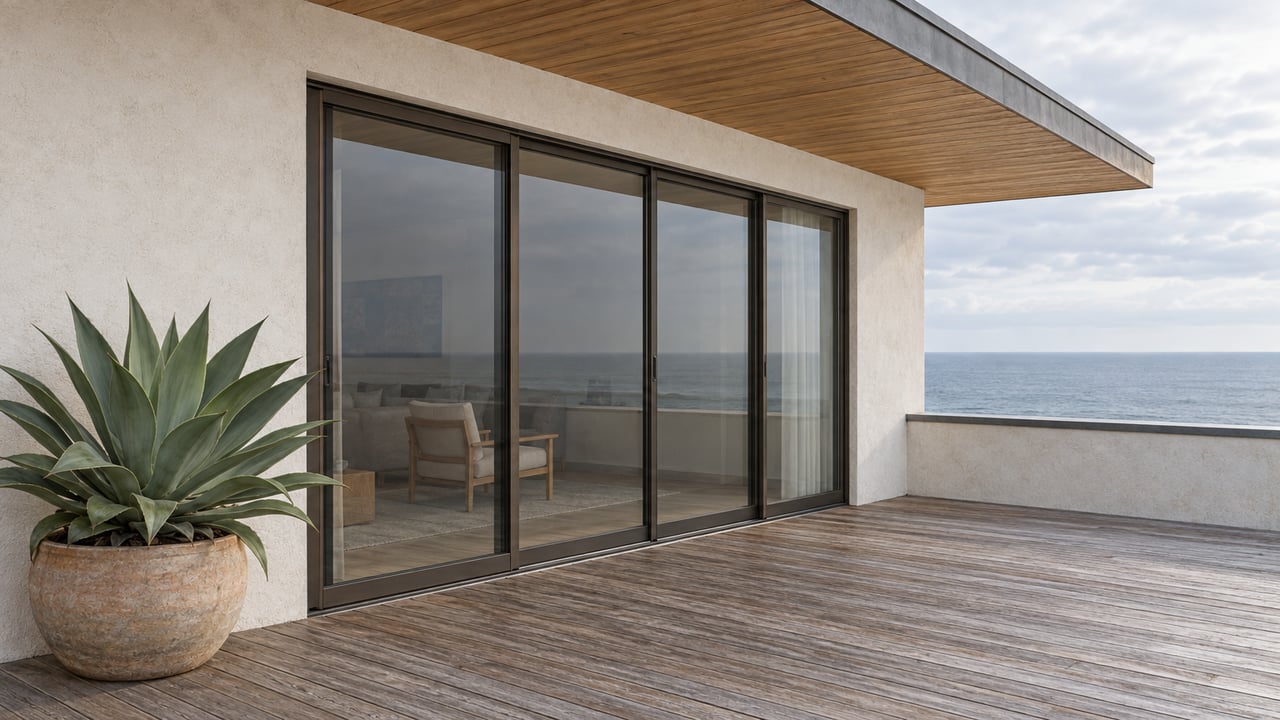
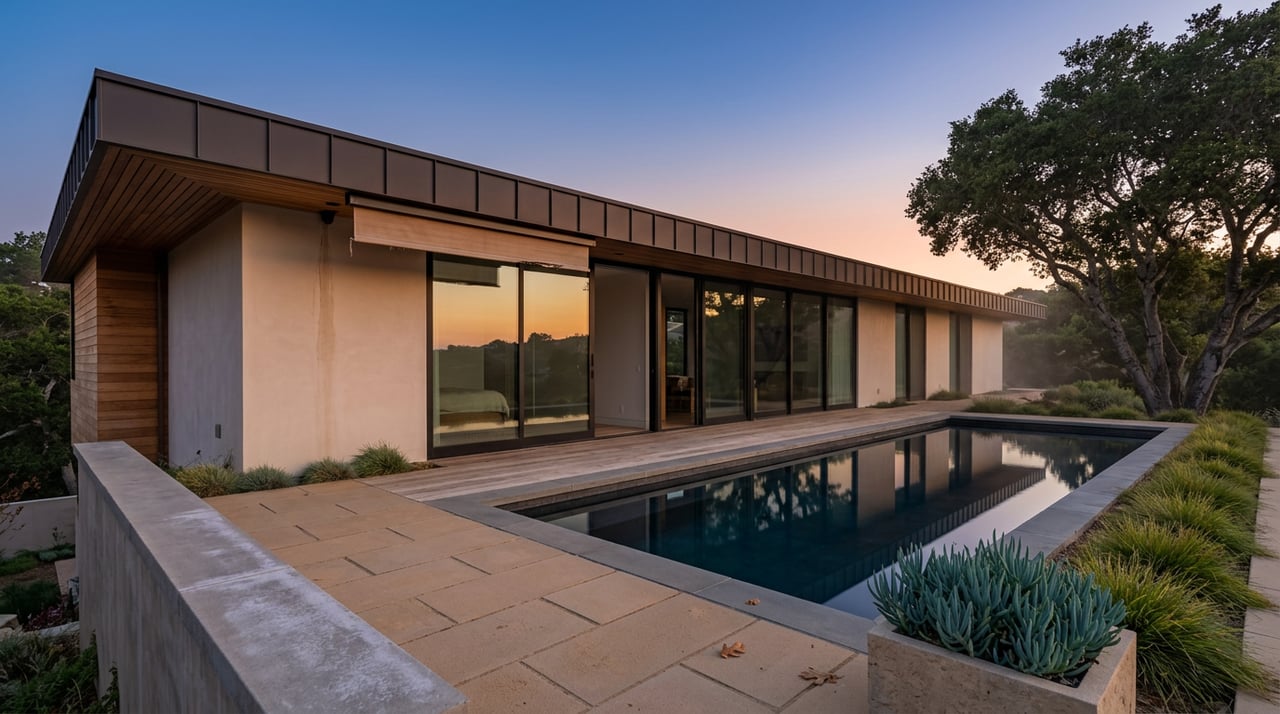
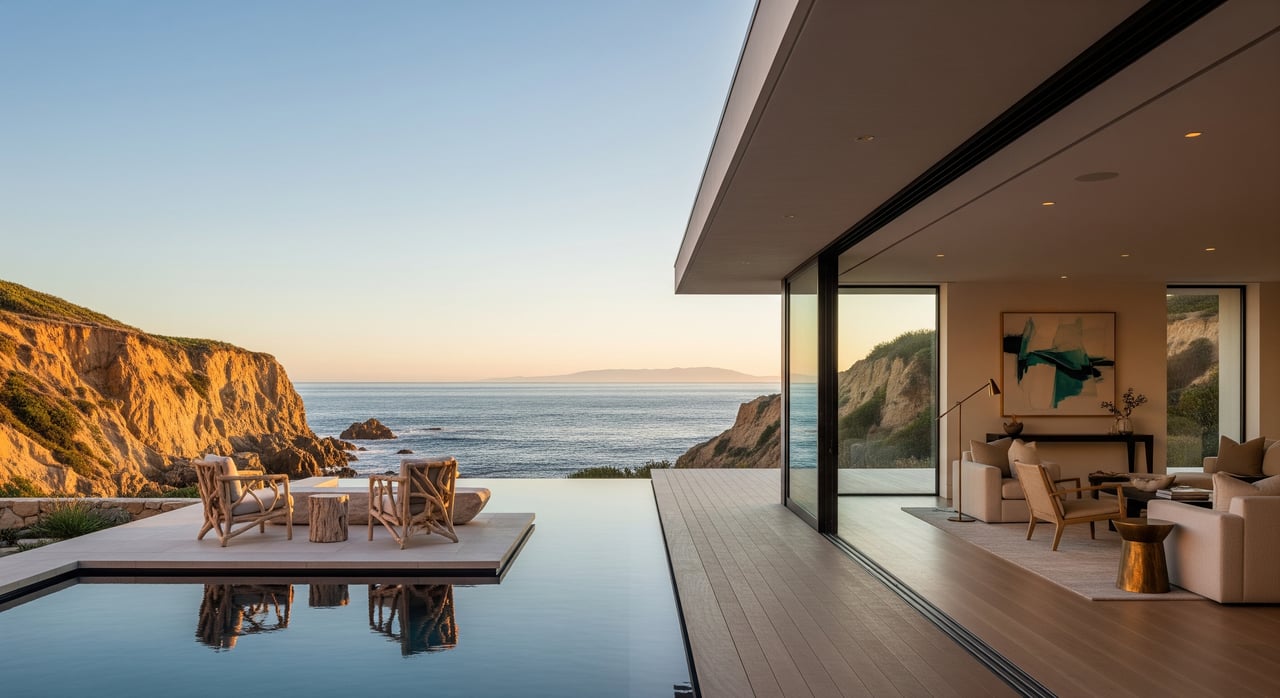
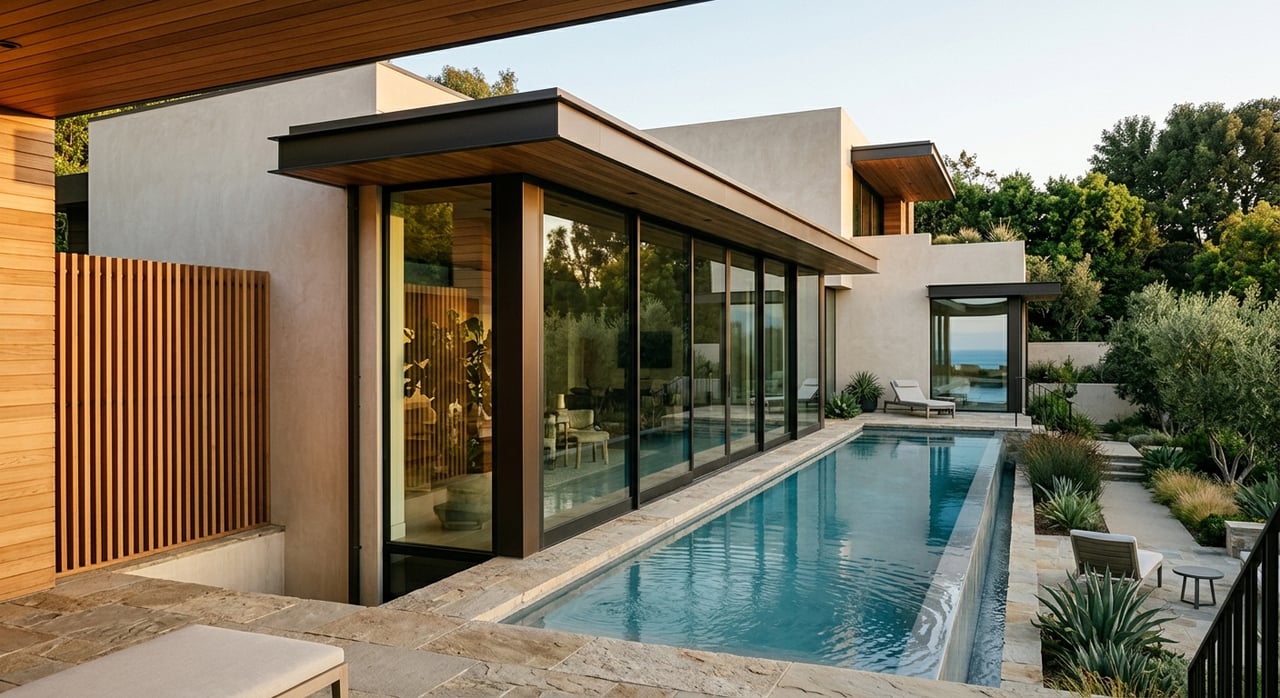
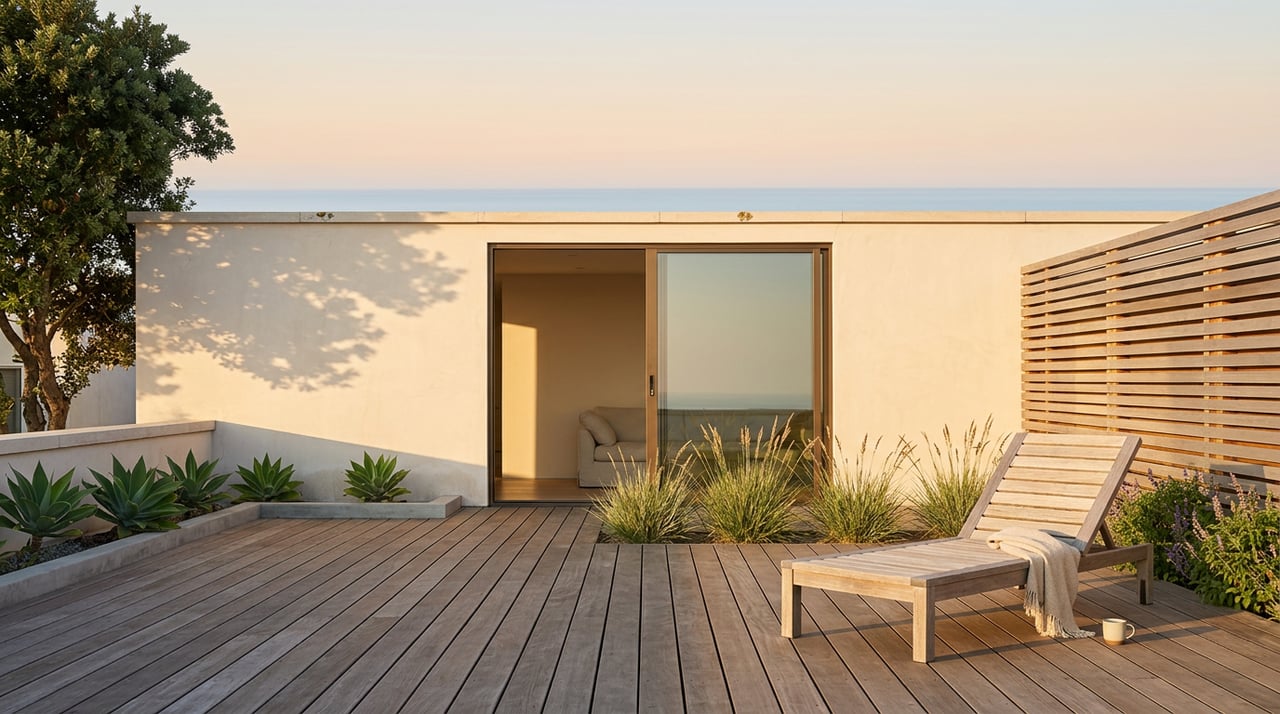
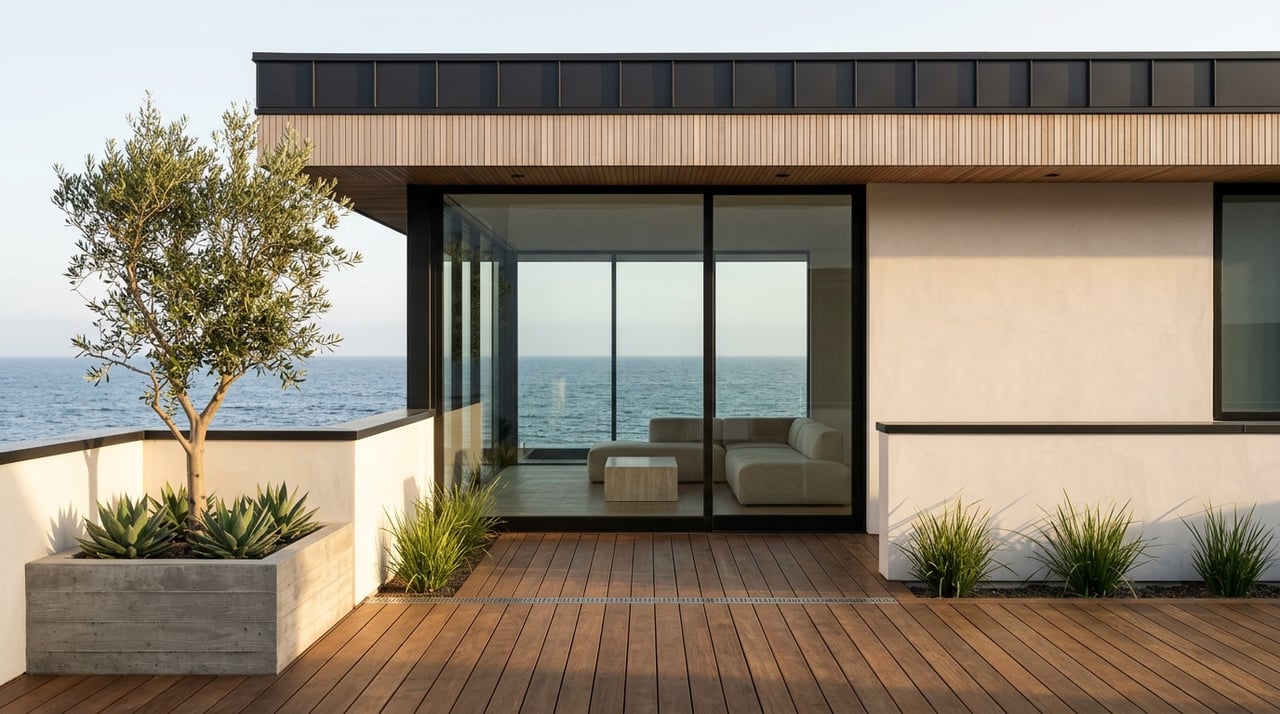
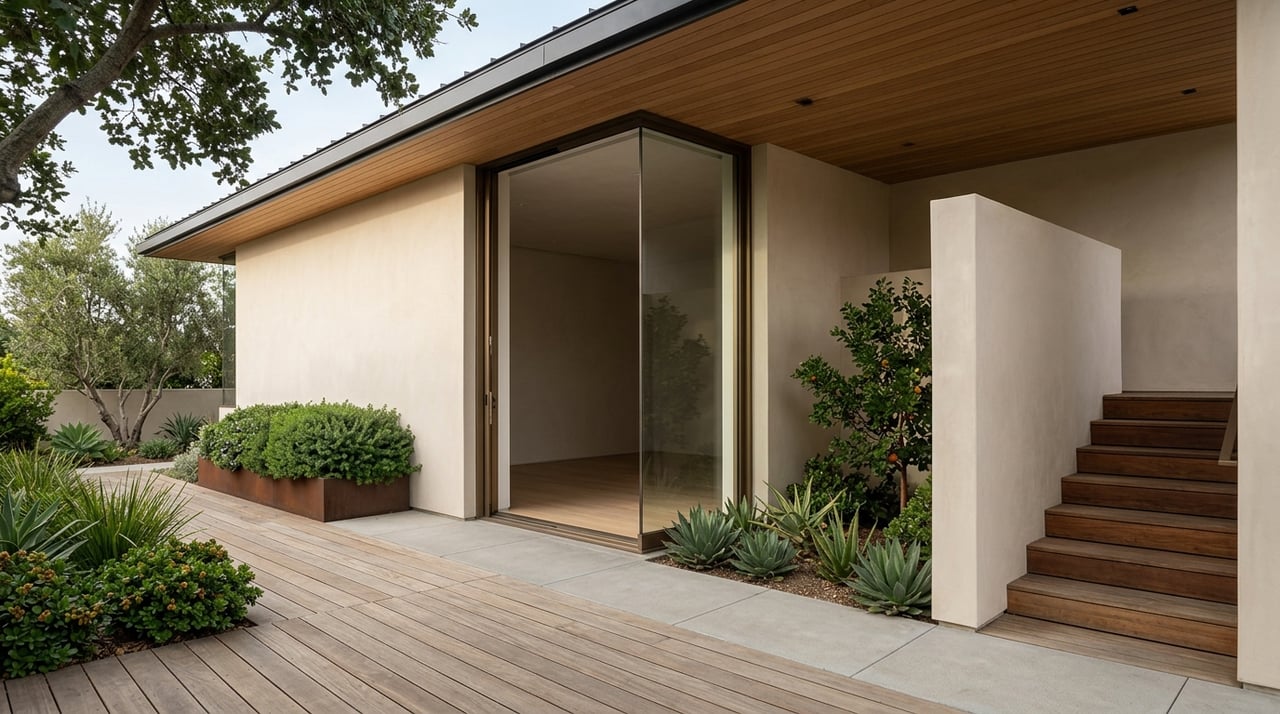
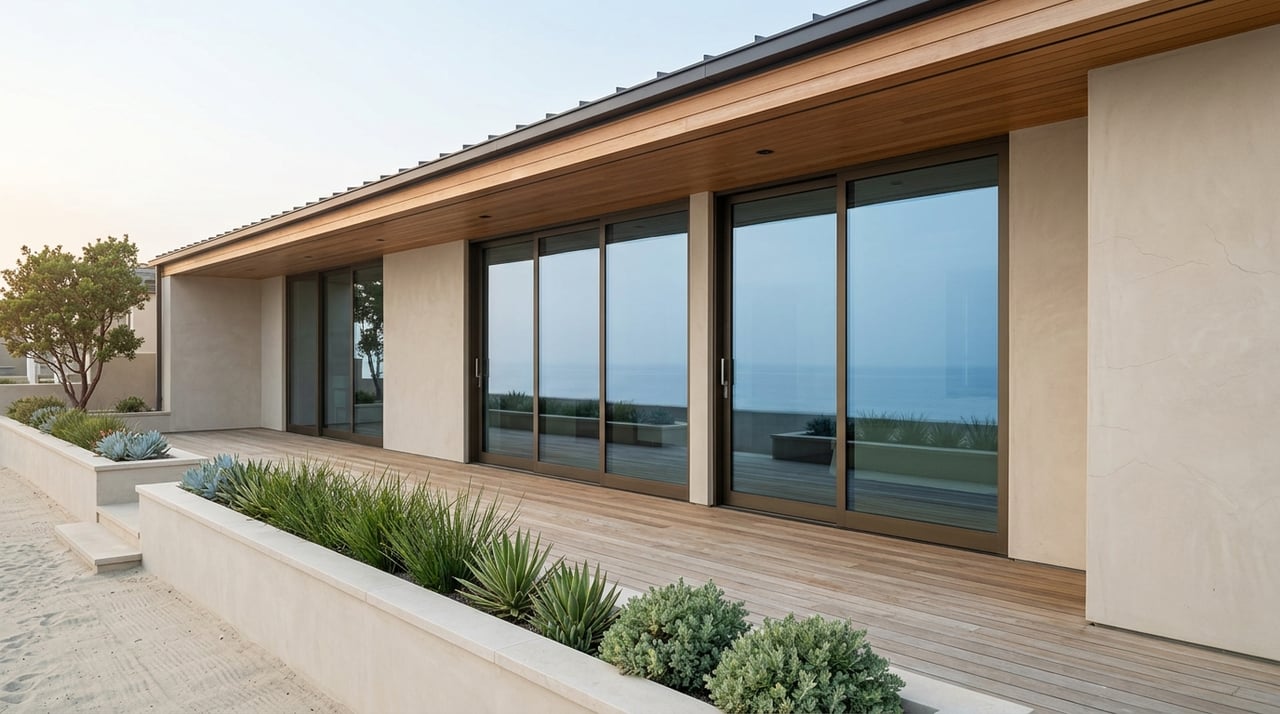
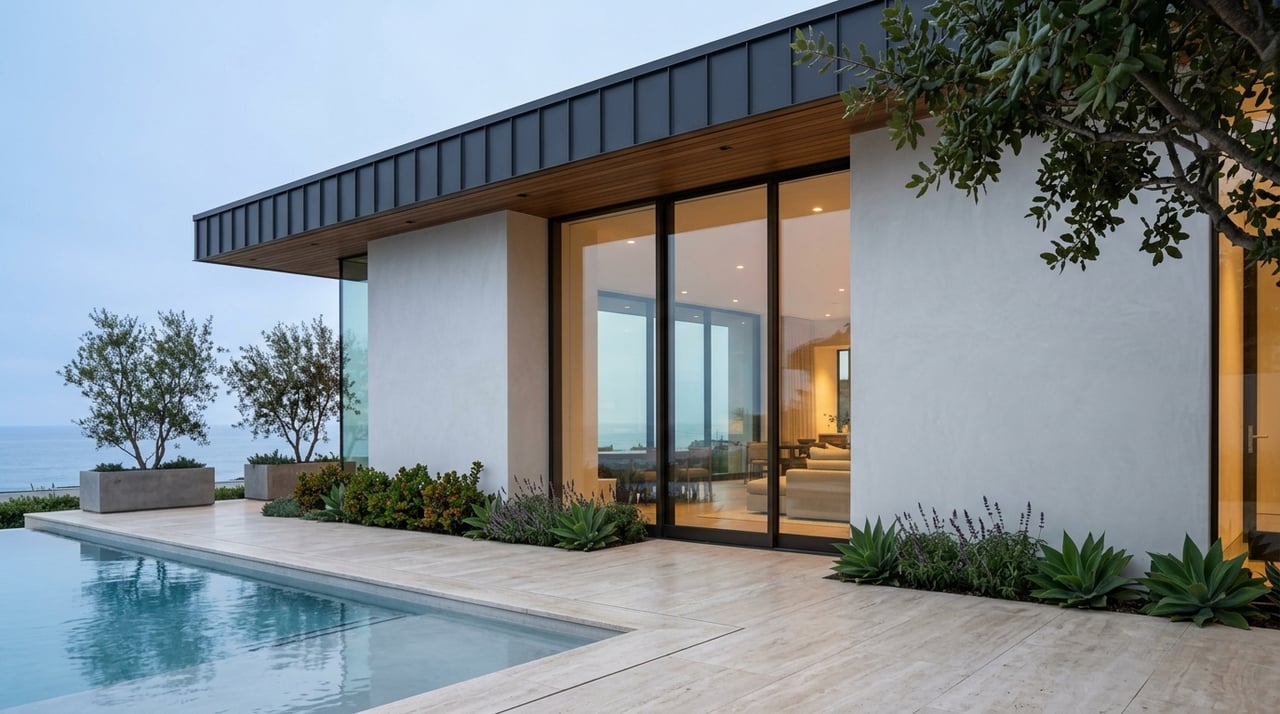
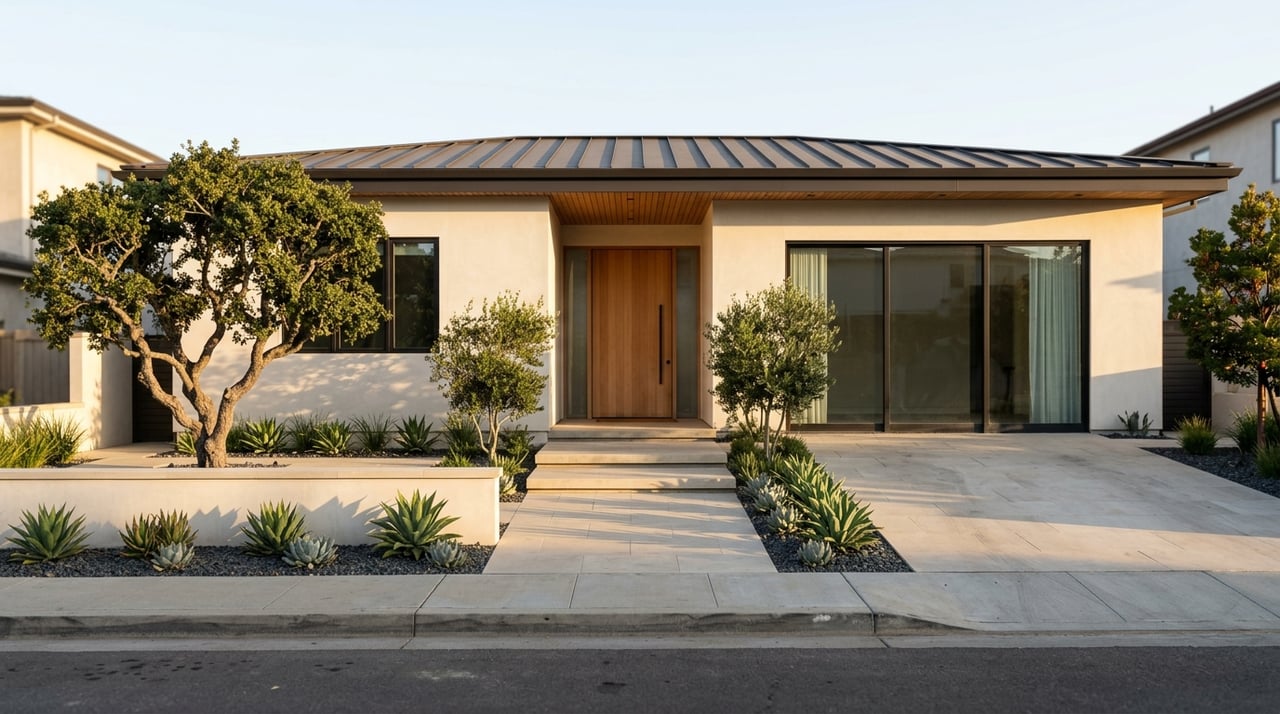
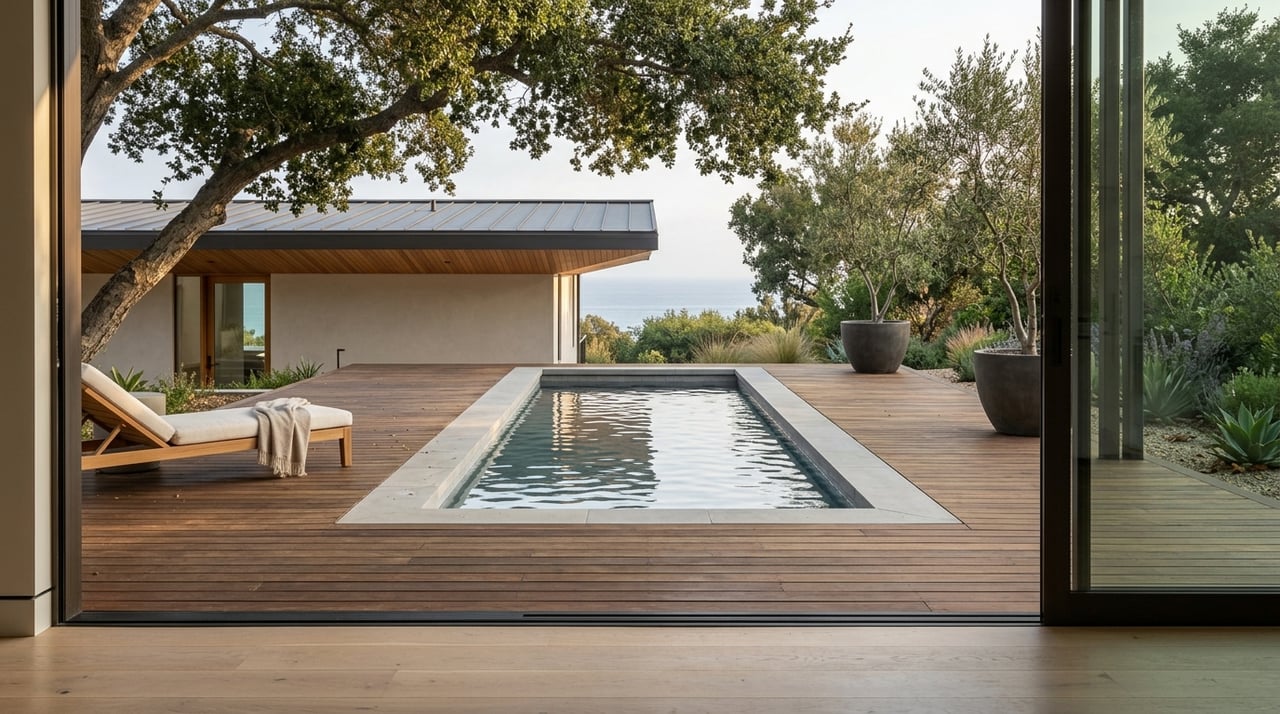
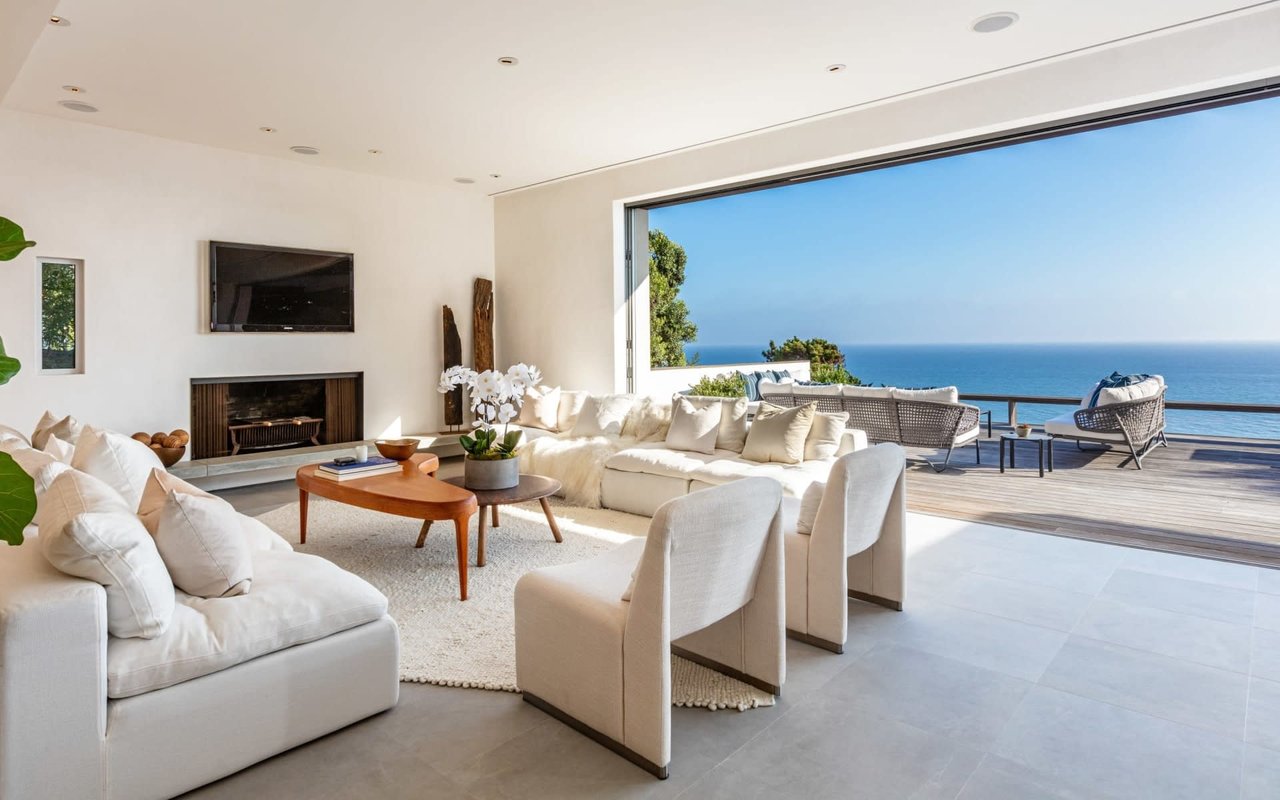
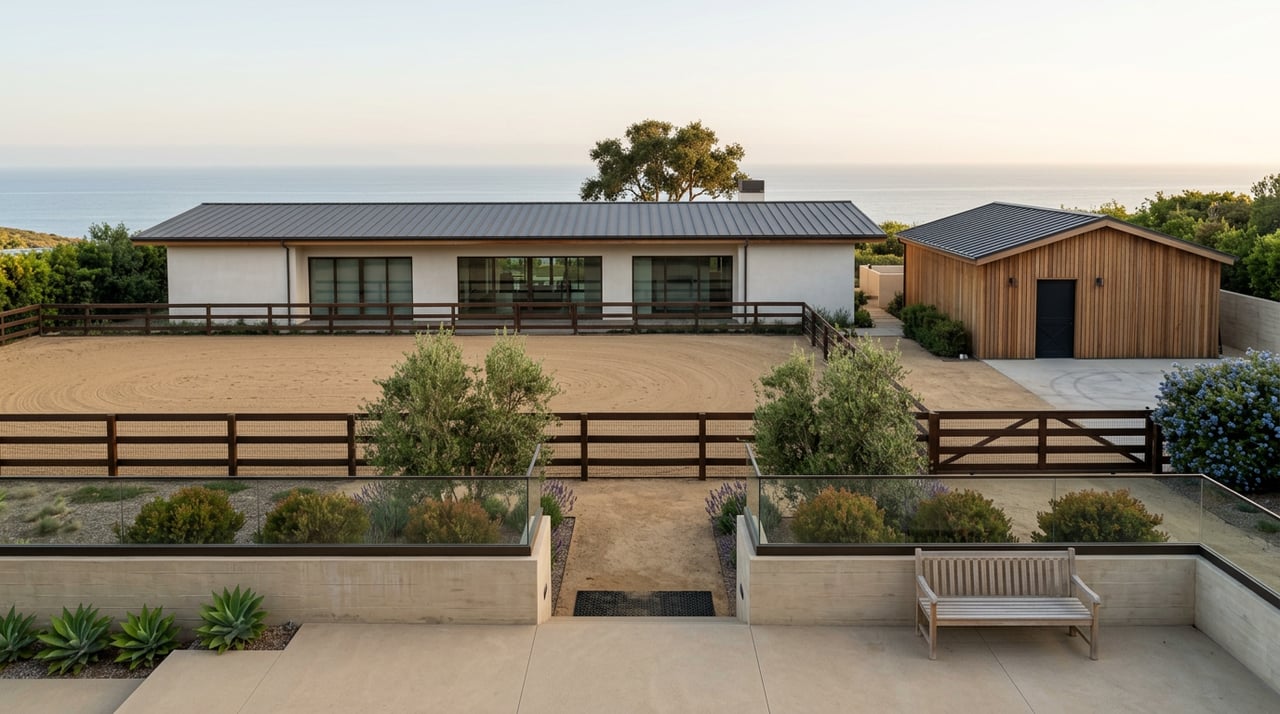
Modernist design is another major part of the Malibu Road story. These homes often use flat or low-slope roofs, large expanses of glazing, and a strong indoor-outdoor relationship that makes the ocean feel like part of the living space.
On a street where the view is everything, this design language makes intuitive sense. It prioritizes daylight, clean lines, and visual connection without relying on heavy ornament.
Contemporary Minimalism
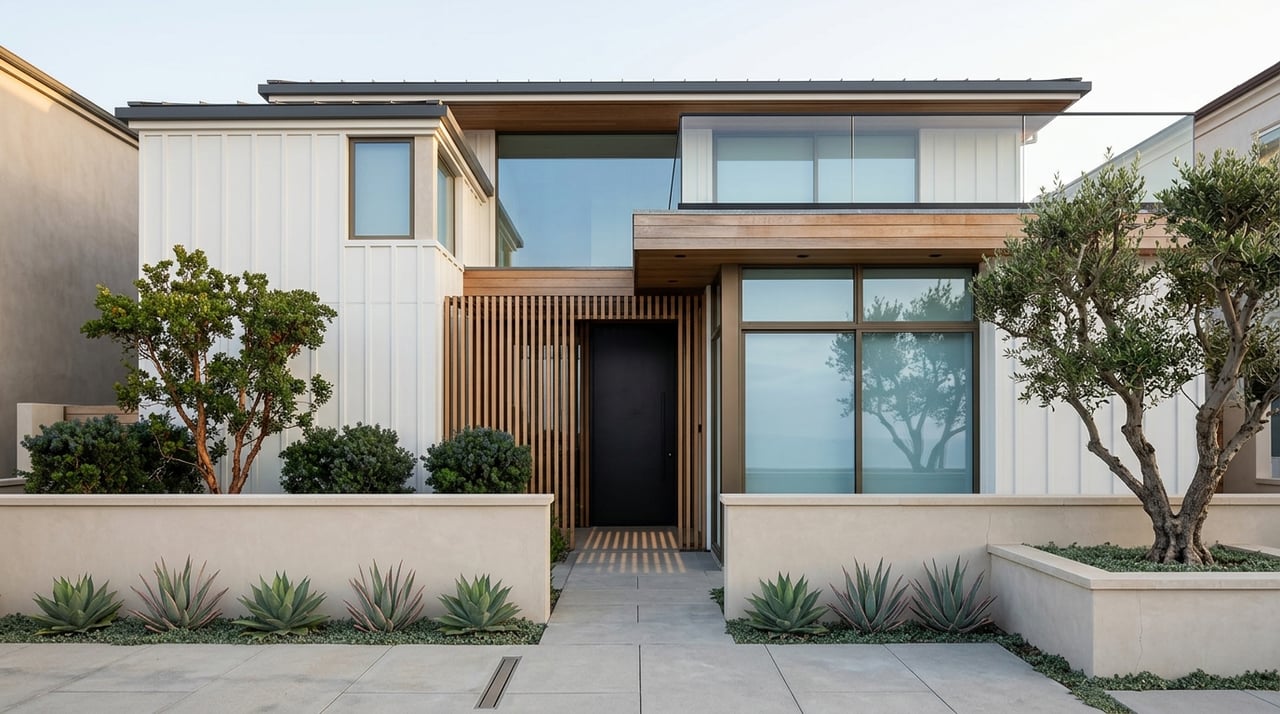
More recent homes often push that modern logic even further. Contemporary glass-and-steel minimalism along the coast uses thinner frames, transparent walls, and high-performance building systems to maximize light and horizon views.
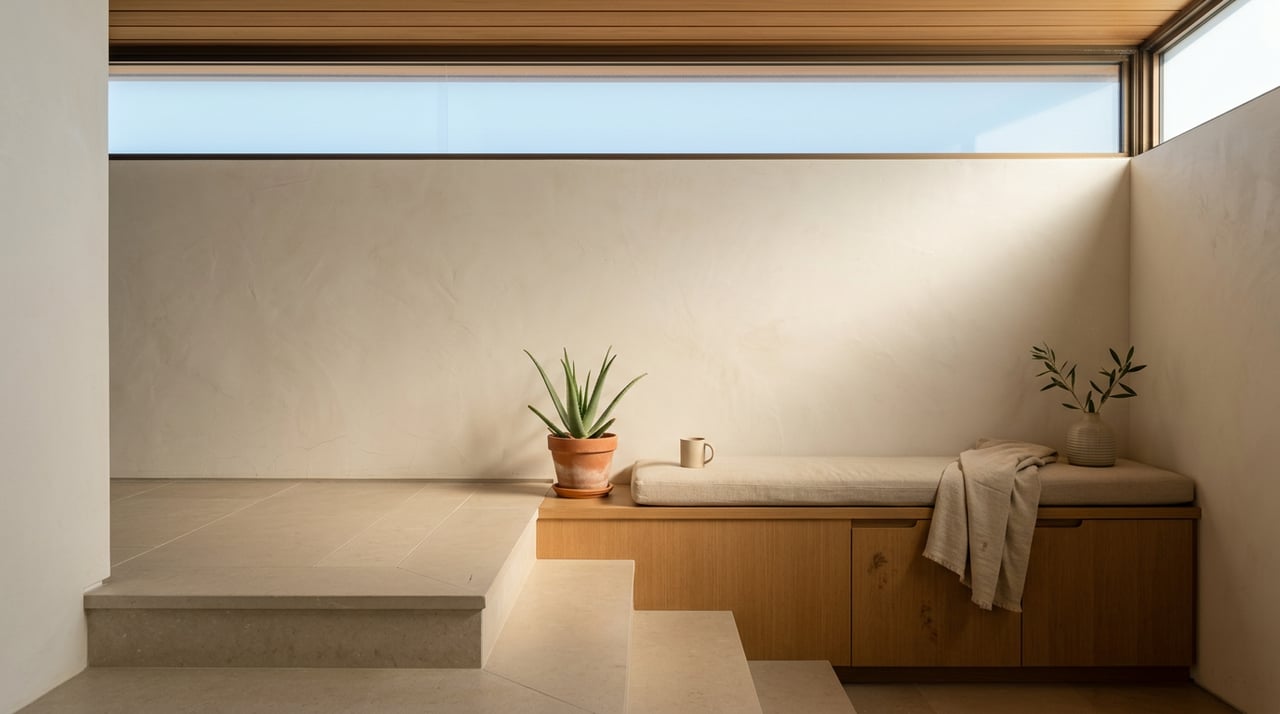
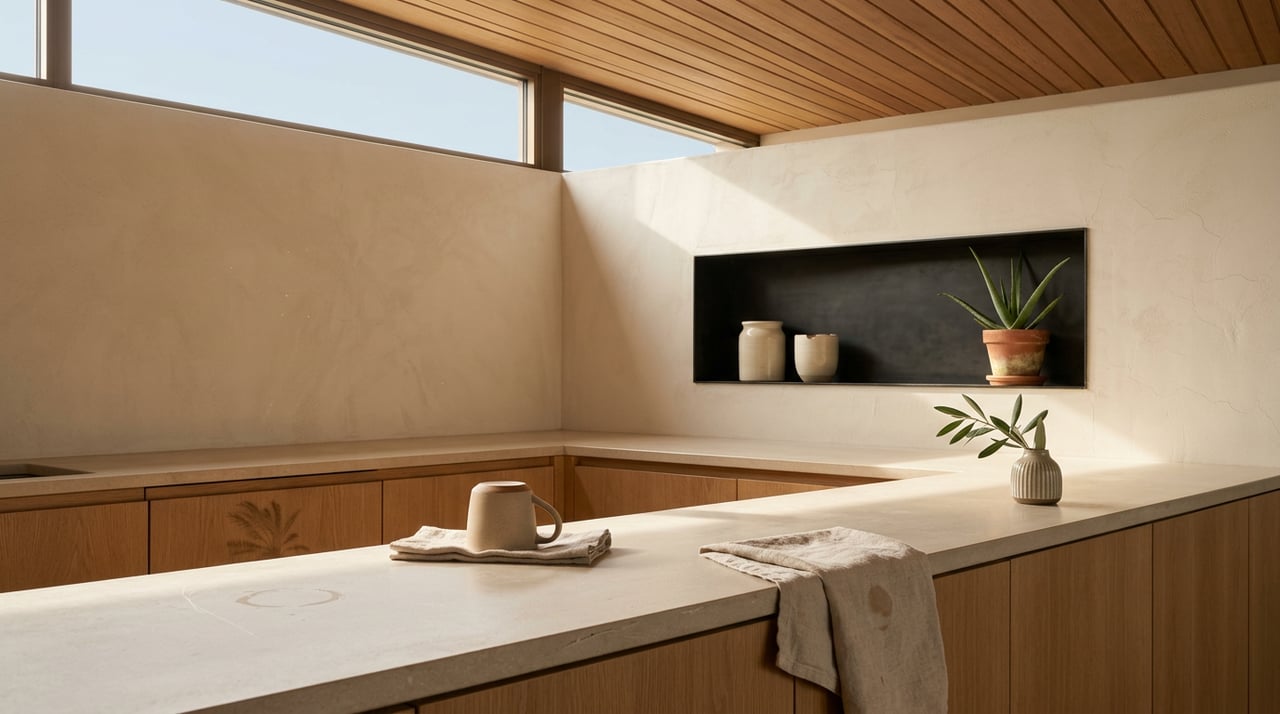
The result can feel very refined and quiet. Rather than competing with the setting, these homes often try to reduce visual clutter so the coastline becomes the main event.
Composed Luxury Forms
Not every high-end home on Malibu Road reveals itself immediately. Some more classically inflected or postmodern properties create a sense of sequence, using controlled entries, geometric rooms, or carefully staged view reveals.
That design approach is especially useful on Malibu Road, where the Pacific Coast Highway and the beach sit on opposite sides of the house. Instead of exposing everything at once, the architecture can guide you from a protected arrival into a dramatic ocean-facing experience.
Why Malibu Road Homes Feel Private
One of the most interesting things about Malibu Road architecture is how often it uses restraint. Because this is a compressed coastal setting with little or no front yard, privacy usually has to be created through design rather than distance.
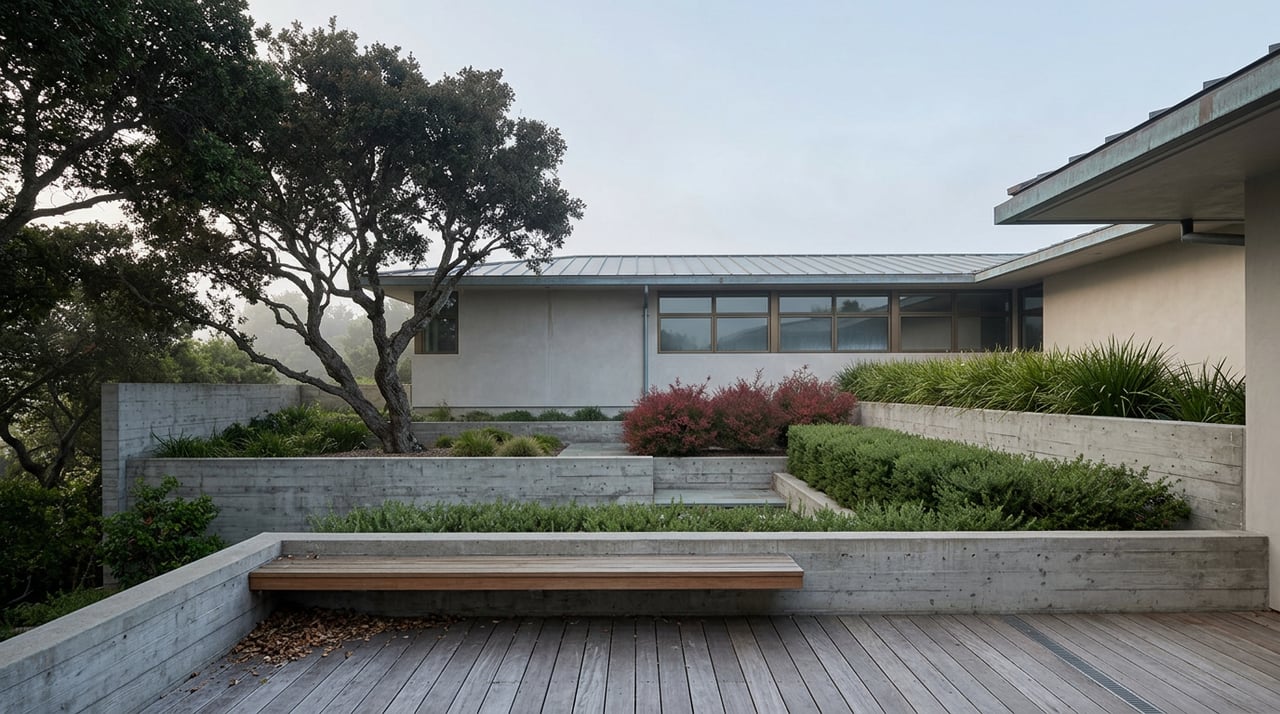
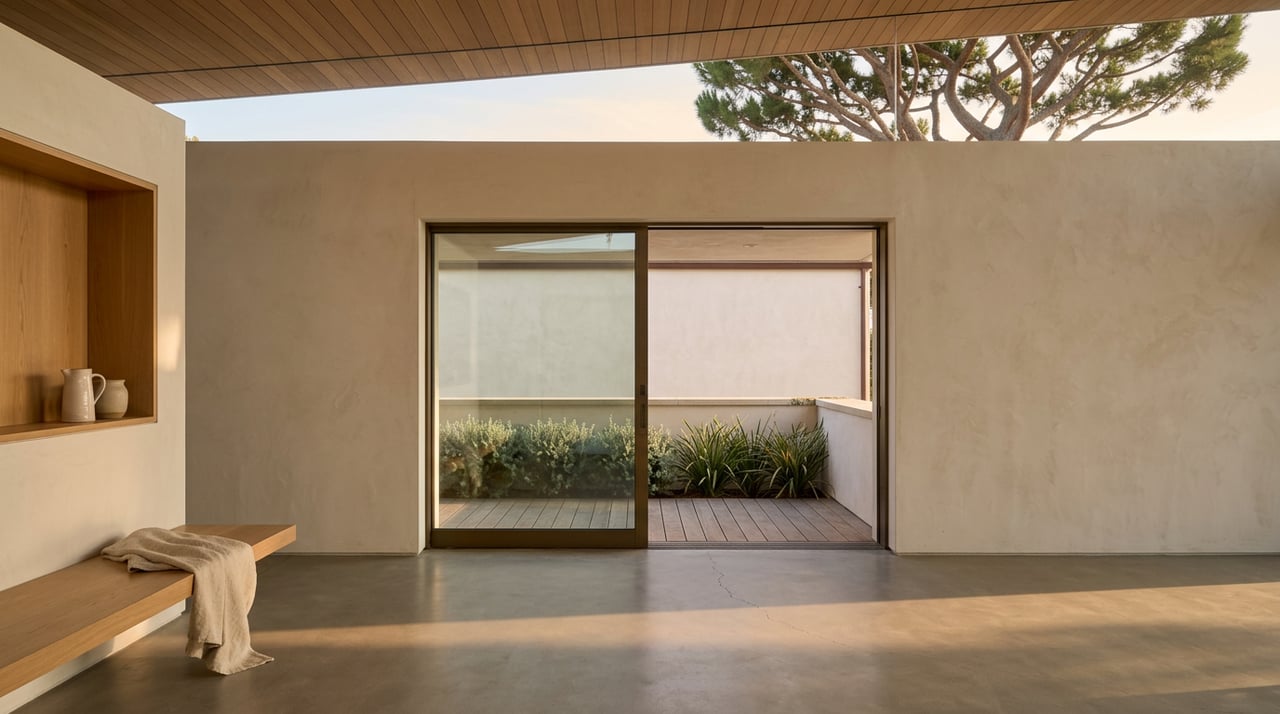
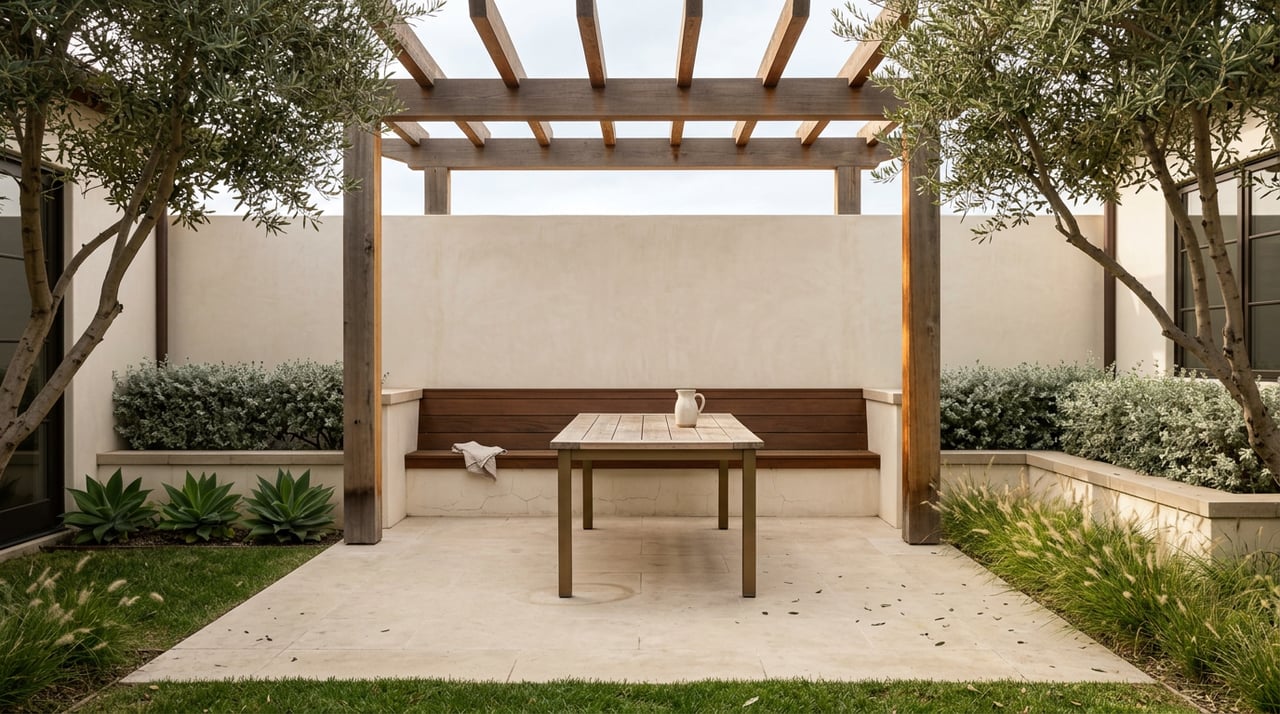
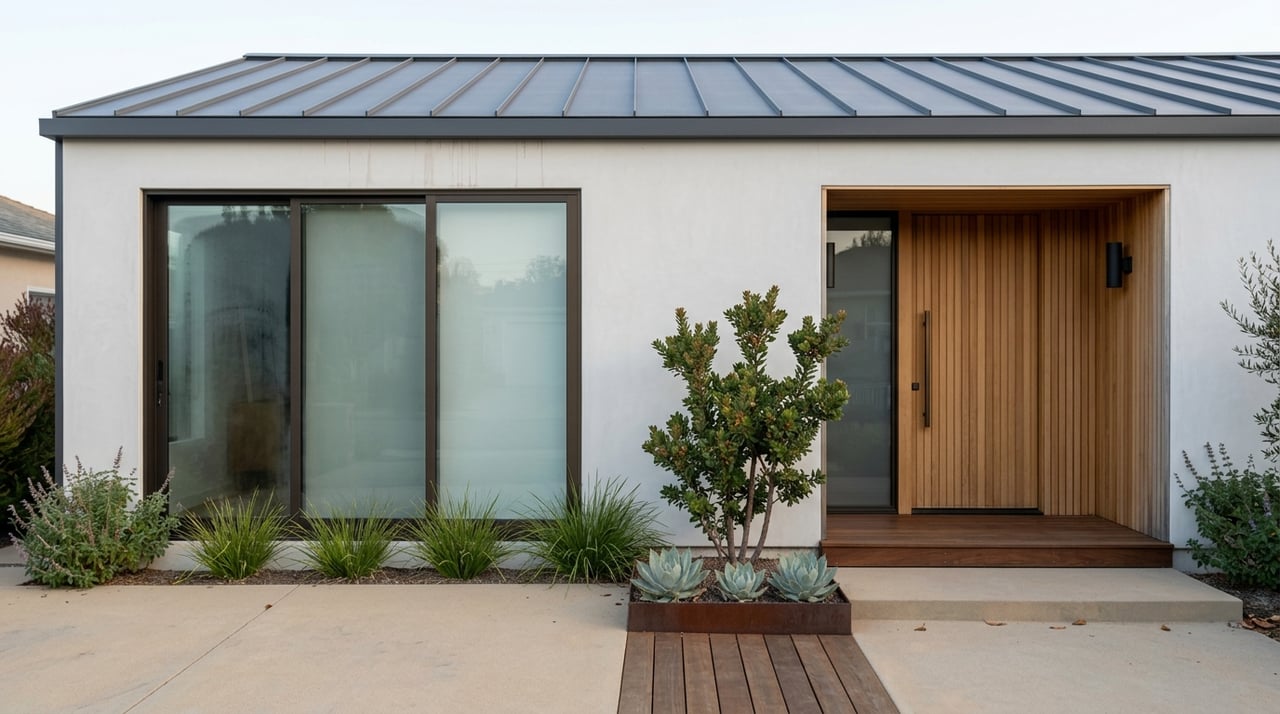
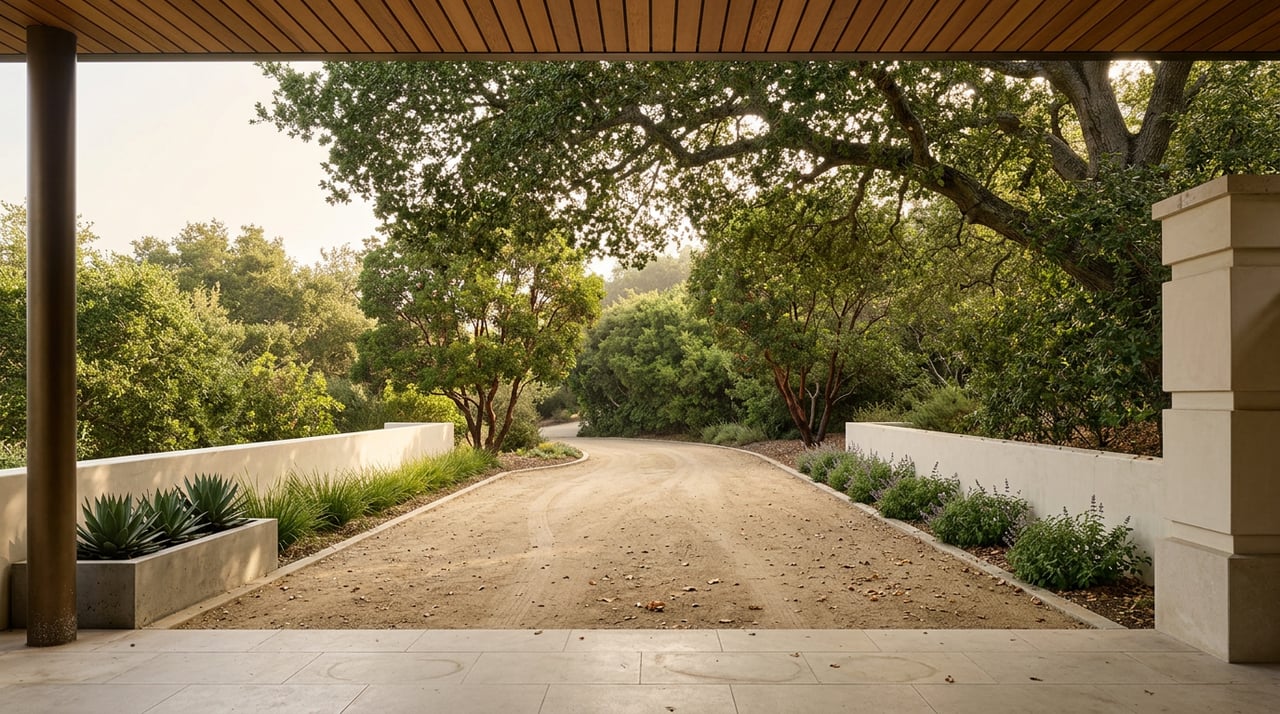
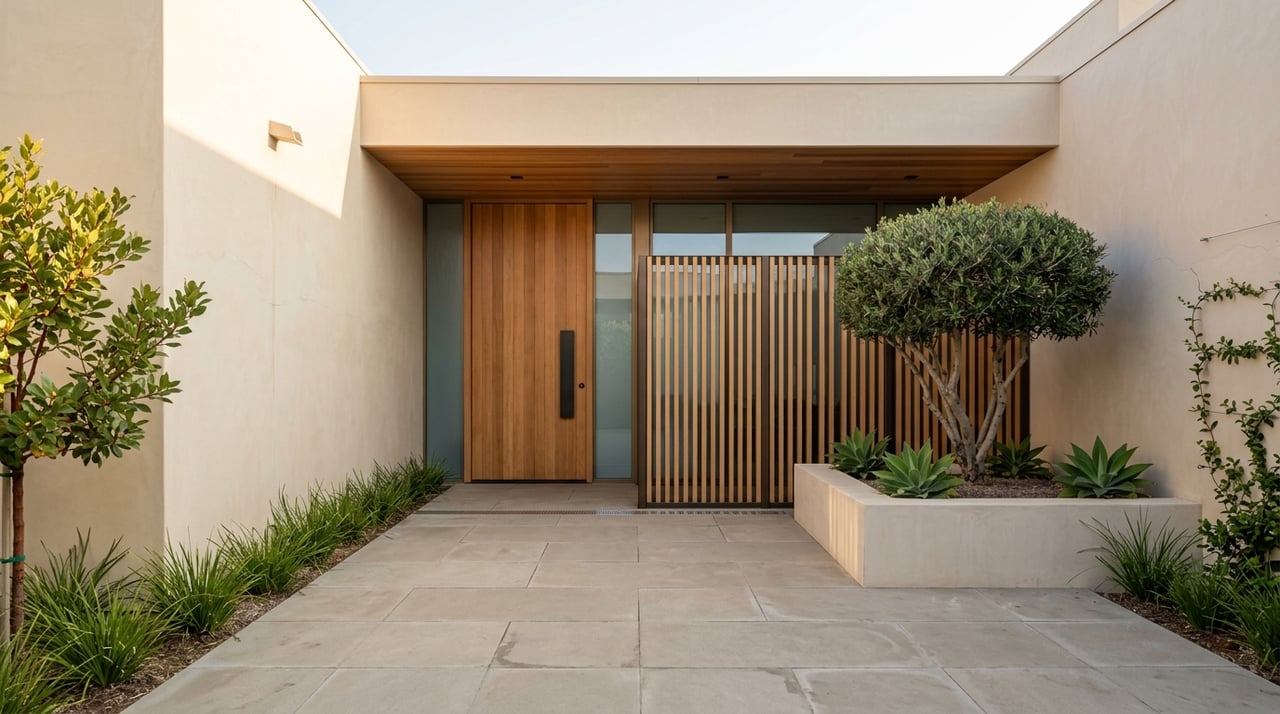
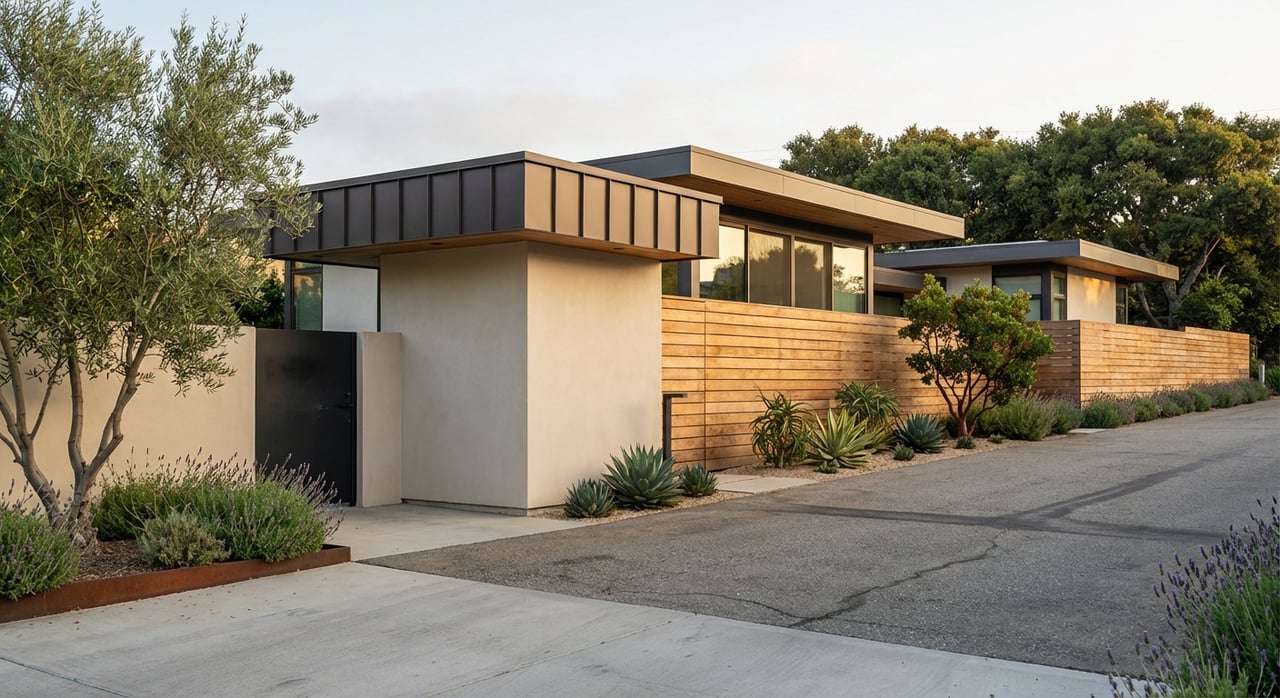
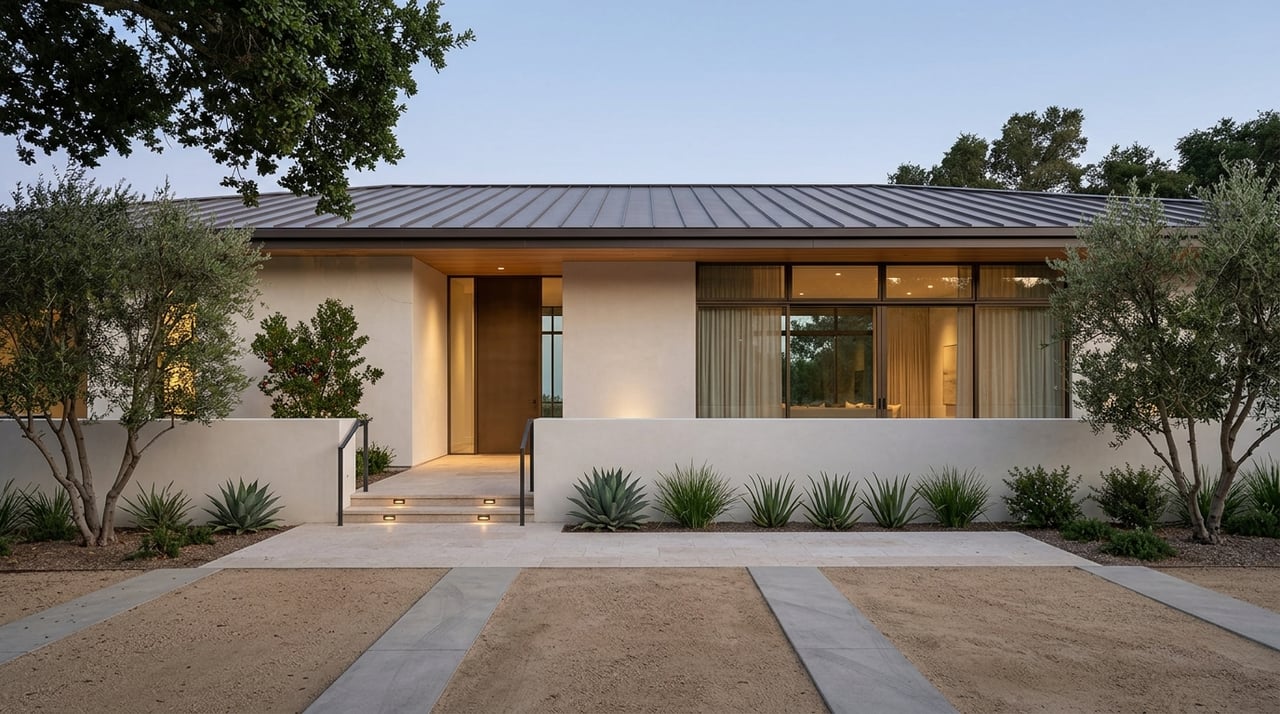
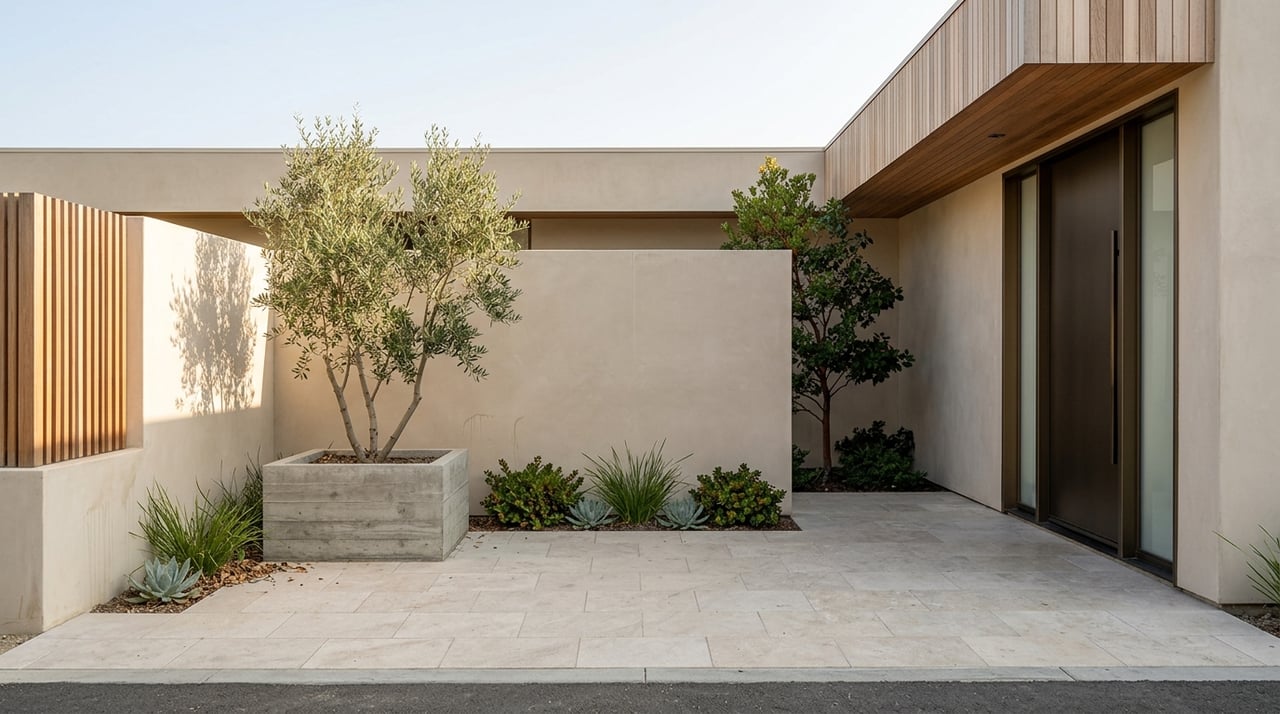
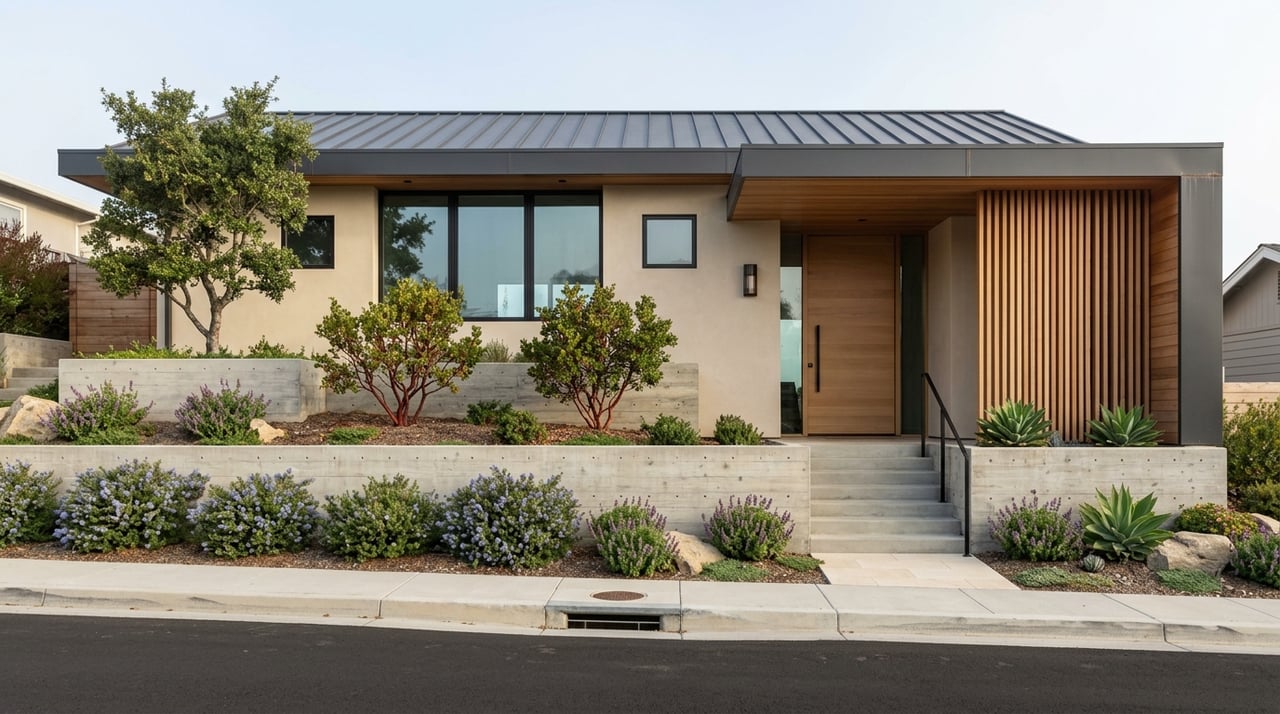
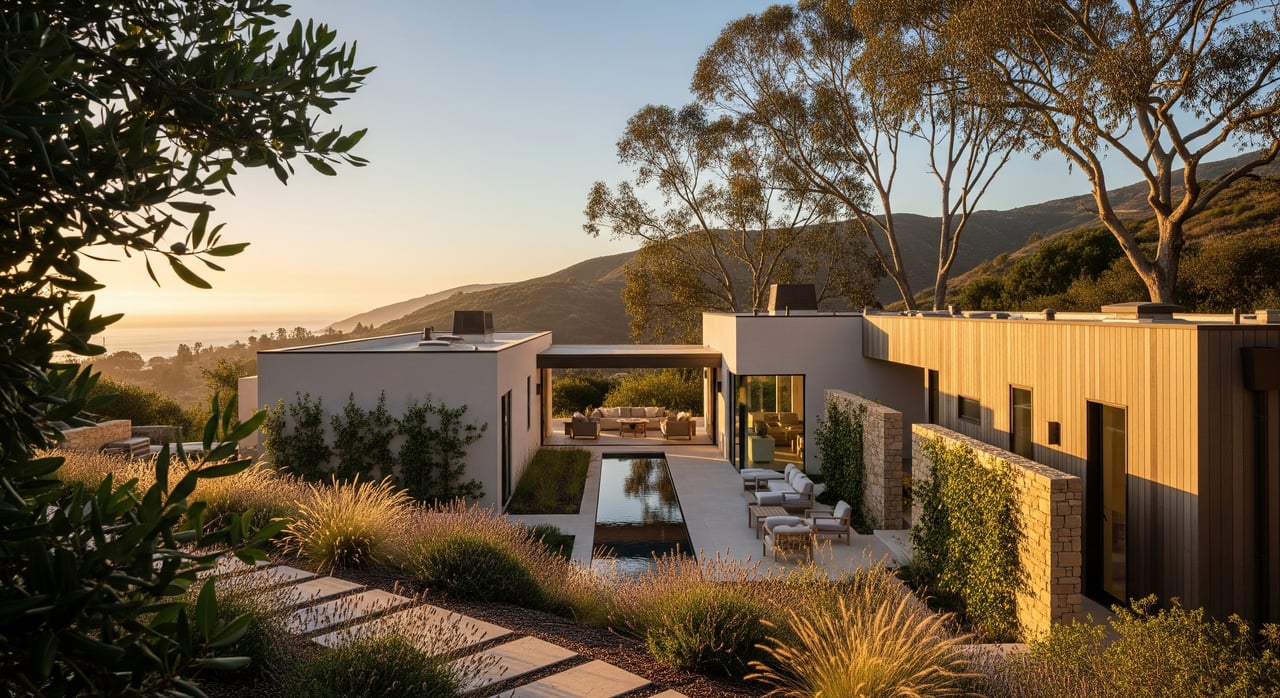
Architects often use entry courtyards, recessed volumes, wall planes, and terraces to buffer the house from the road. A well-designed entrance does more than hide the interior. It creates a threshold between the public side of the property and the more open, view-oriented spaces facing the water.
A helpful example comes from Michael Graves’s Malibu house. Its entry courtyard creates privacy from the road, while the interior sequence delays the reveal of the ocean. That kind of choreography is a recurring idea on Malibu Road, and it is one reason many of the best homes feel calm and protected despite their exposed setting.
Materials Matter on the Coast
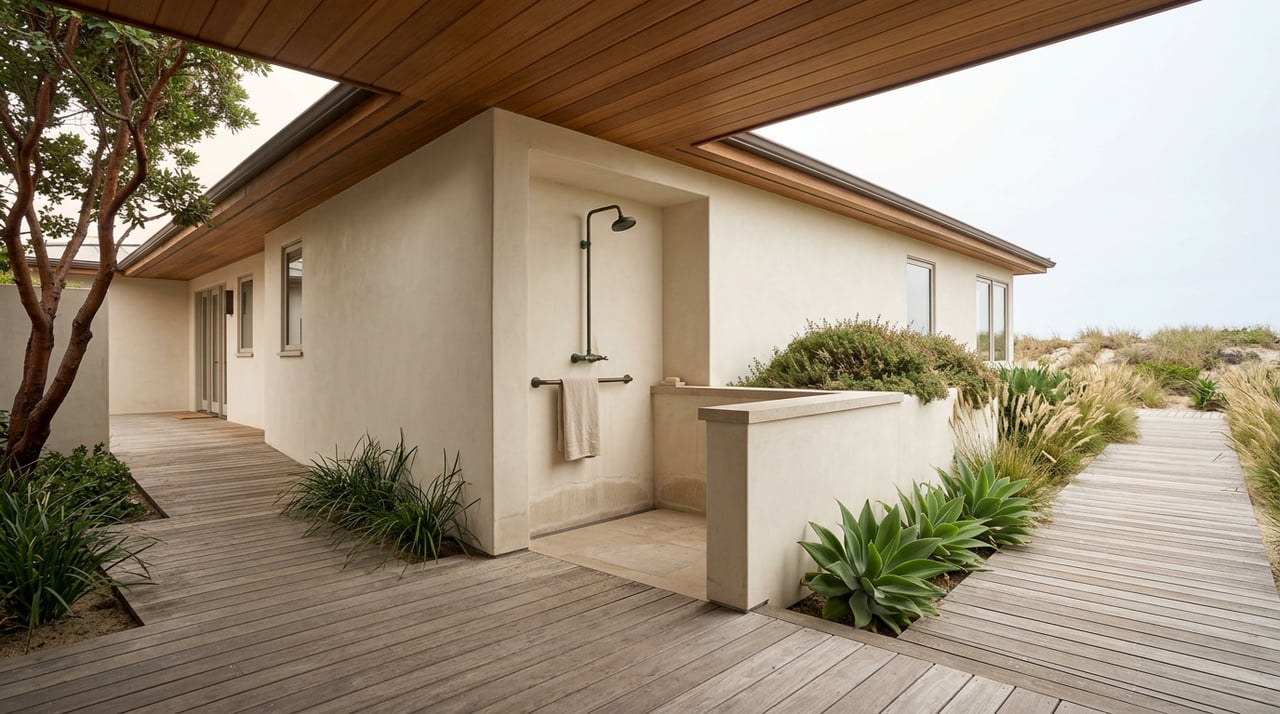
On Malibu Road, materials are not just an aesthetic choice. They also need to perform in a marine environment shaped by salt air, humidity, sun, and wind.
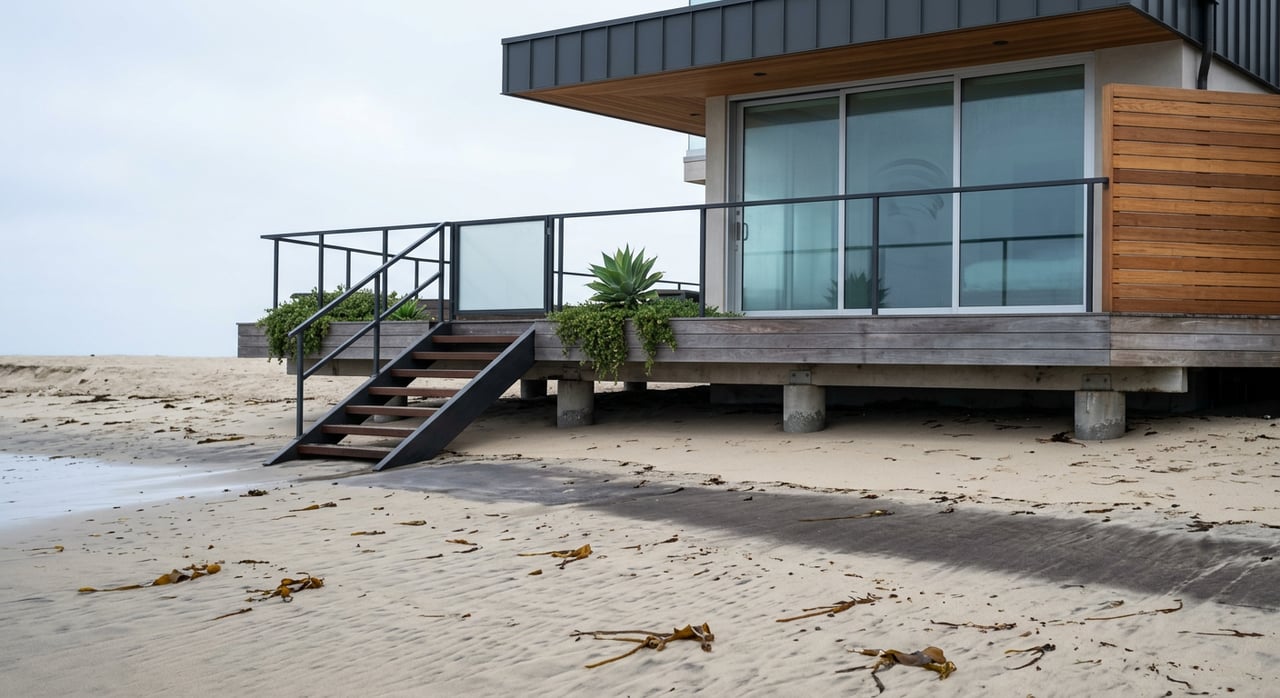
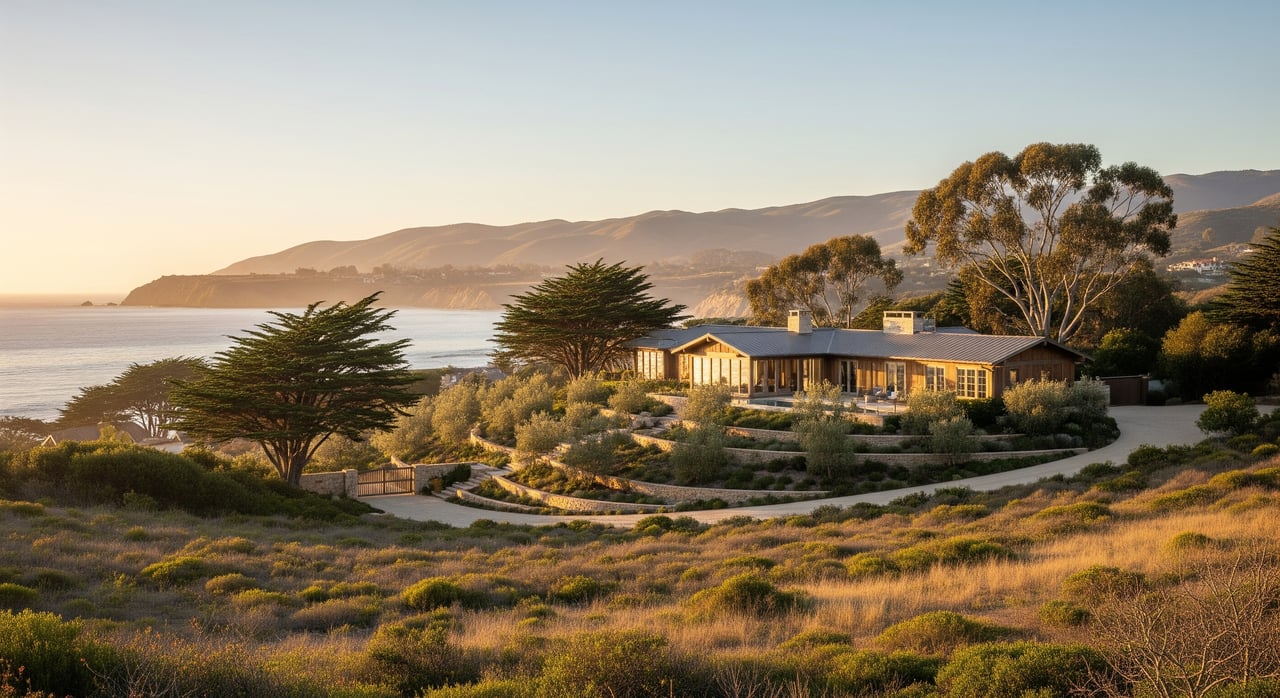
Durability often drives the palette. Research tied to notable Malibu homes points to materials such as copper roofing, cedar siding, steel, and high-performance glazing as practical responses to coastal exposure.
That helps explain why many homes feel edited and intentional. On this stretch, good design is often about choosing materials that age well, hold up over time, and support the overall architectural concept without fighting the climate.
Design Is Also About Risk and Resilience
Architecture on Malibu Road is closely tied to engineering. The street is part of a landslide assessment district covering roughly 38 properties, where the city installs and maintains dewatering wells and monitors water levels and slide activity.
The district’s annual report describes Malibu Road as a one-way westbound street and notes it could be re-routed if a landslide blocked access. For buyers, sellers, and remodelers, that is an important reminder that design here is not only about style and views. It is also about site conditions, long-term maintenance, and resilience.
The broader coastal picture matters too. Malibu’s 2026 Coastal Vulnerability Assessment examines sea-level rise, tidal inundation, storm flooding, and coastal erosion across near-, mid-, and long-term windows. In this setting, strong design starts with a realistic understanding of the site.
What Remodelers Should Know
If you are considering a renovation or rebuild on Malibu Road, it helps to understand the rules early. The City of Malibu advises applicants to review zoning and Local Coastal Program policies before design work begins, and development in the coastal zone generally cannot start until the required permit has been issued.
For oceanfront and blufftop projects, the standards are especially specific. The Local Coastal Program includes rules that shape massing, height, setbacks, and visual openness.
Key Malibu Road Design Limits
- Blufftop development must be set back far enough to survive its projected 100-year life.
- The minimum bluff-edge setback is 100 feet unless geologic analysis supports a 50-foot setback.
- Beachfront lots are limited to 24 feet in height for flat roofs or 28 feet for pitched roofs.
- If a view corridor is required, structures may not occupy more than 80 percent of a site’s frontage, leaving a contiguous 20 percent corridor.
- New development should use colors and materials that blend with natural materials on site.
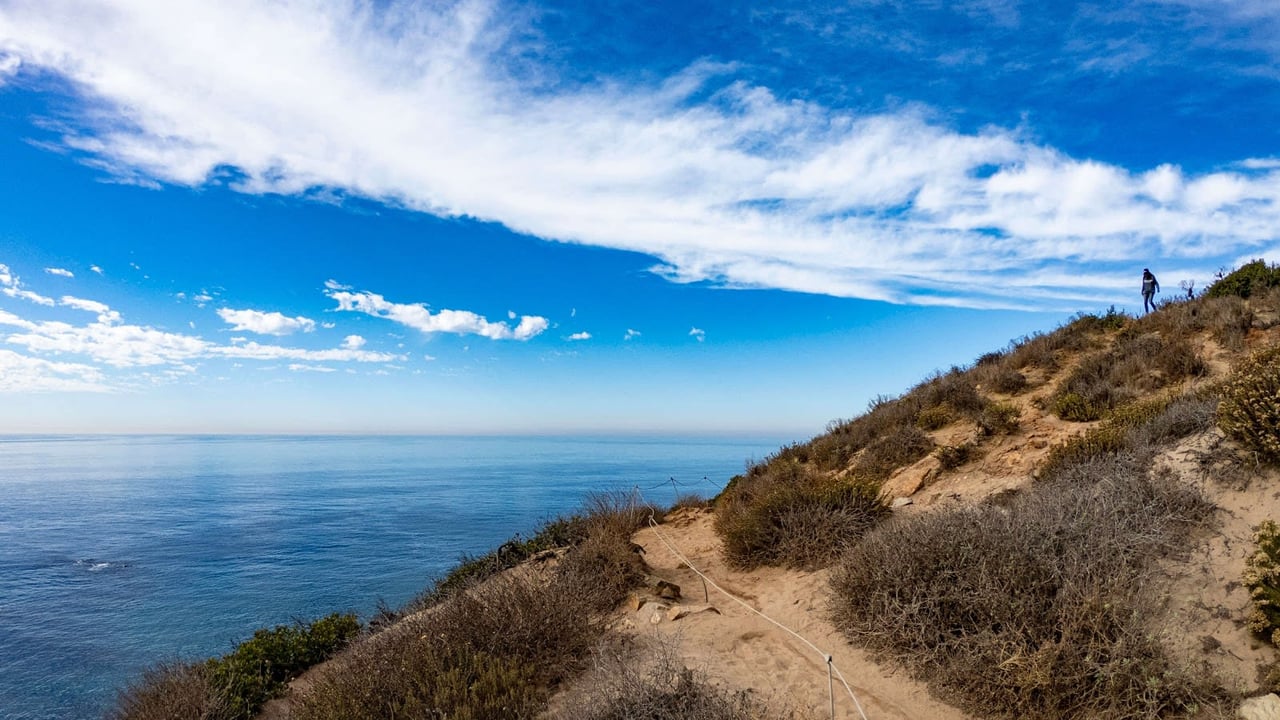
- No permanent structures are allowed on a bluff face except engineered stairways or accessways.
These standards do more than limit a design. They help shape the visual character of the street, which is one reason Malibu Road often feels cohesive even when neighboring homes belong to very different style families.
How to Read a Malibu Road Home
If you are evaluating a property on Malibu Road, it helps to look beyond the finish materials or the listing photos. The more useful question is how the home responds to its site.
Here are a few design cues worth noticing:
- Arrival sequence: Does the entry create privacy from the road?
- View choreography: Does the home reveal the ocean gradually or all at once?
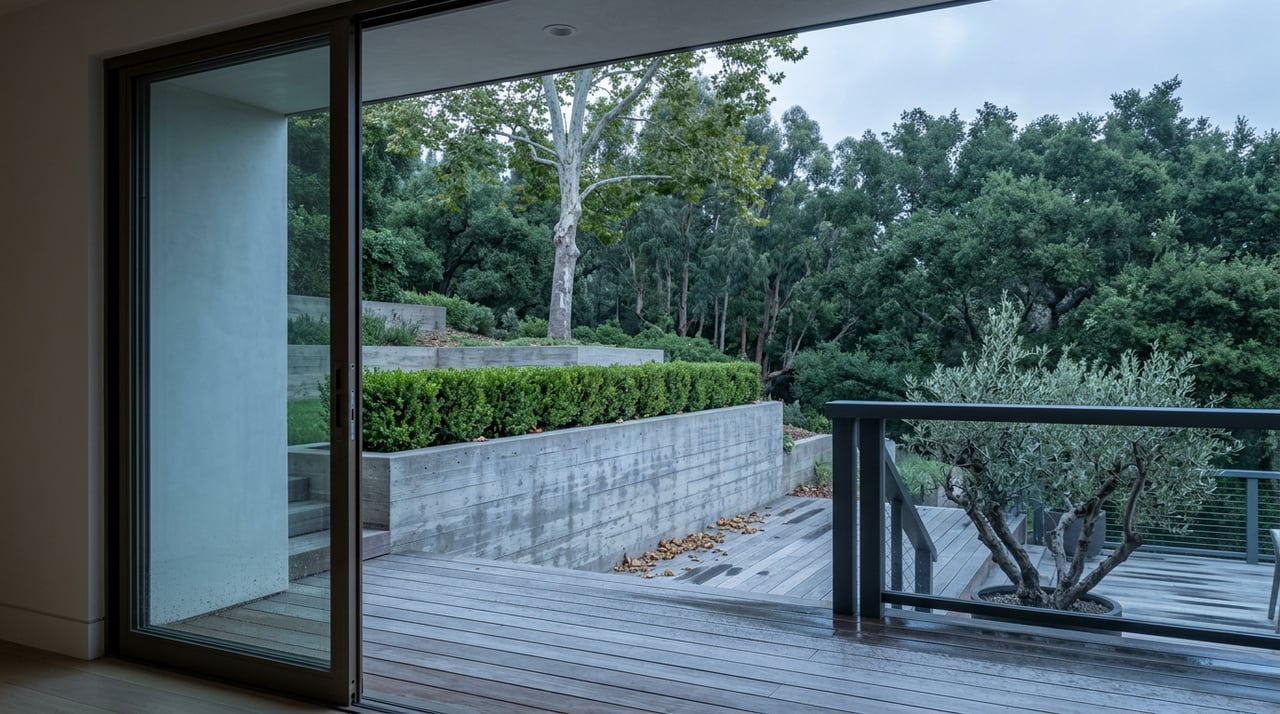
- Indoor-outdoor flow: How well do the living spaces connect to decks, terraces, or the beach side?
- Material durability: Are the finishes suited to salt air and moisture?
- Site response: Does the design appear aligned with the lot’s width, exposure, and regulatory constraints?
The strongest Malibu Road homes usually do several of these things well at the same time. They are not simply beautiful objects on the sand. They are tailored responses to a very demanding piece of coastline.
Why This Matters for Buyers and Sellers
For buyers, understanding Malibu Road architecture can help you see value more clearly. Two homes may share similar frontage and views, yet feel very different in privacy, durability, layout, and long-term usability because of how they were designed.
For sellers, design literacy matters because architectural character is part of the story. On a street where style, setting, and regulation intersect so closely, thoughtful marketing should explain not only what a home looks like, but why it works so well in this location.
That is especially true in the ultra-luxury segment, where buyers often respond to nuance. A well-composed courtyard, an intelligently protected view corridor, or a material palette chosen for coastal durability can say as much about quality as square footage ever will.
Malibu Road has never been just one look. It is a conversation between beach cottages and modern glass walls, between Mediterranean memory and contemporary restraint, and between ocean exposure and careful control. If you are considering buying or selling along this iconic stretch, working with someone who understands both the design language and the coastal context can make a meaningful difference. To explore Malibu Road opportunities with local insight and discretion, connect with Sandro Dazzan.
FAQs
What architectural styles can you find along Malibu Road in Malibu?
- Malibu Road includes beach cottages, Spanish Colonial Revival and Mediterranean-inspired homes, mid-century modern properties, contemporary minimalist residences, and some more classically composed luxury homes.
Why do Malibu Road homes often have private courtyards or recessed entries?
- Because Malibu Road is a narrow coastal corridor with the road on one side and the beach on the other, many homes use courtyards, wall planes, and recessed entries to create privacy before opening toward the ocean.
What design rules affect remodels on Malibu Road?
- Remodels and new development on Malibu Road are shaped by the City of Malibu’s Local Coastal Program, including permit review, height limits, setbacks, view corridor requirements, and material guidance for oceanfront and blufftop sites.
How does the coastal environment influence Malibu Road home design?
- The coastal setting influences everything from glazing and layout to materials, with many homes using durable finishes and site-specific design strategies to address salt air, humidity, wind, erosion, and changing coastal conditions.
Why is architecture important when buying a home on Malibu Road?
- Architecture matters because it affects privacy, views, light, durability, and how well a home responds to Malibu Road’s tight site conditions and coastal regulations, which can influence both daily enjoyment and long-term value.