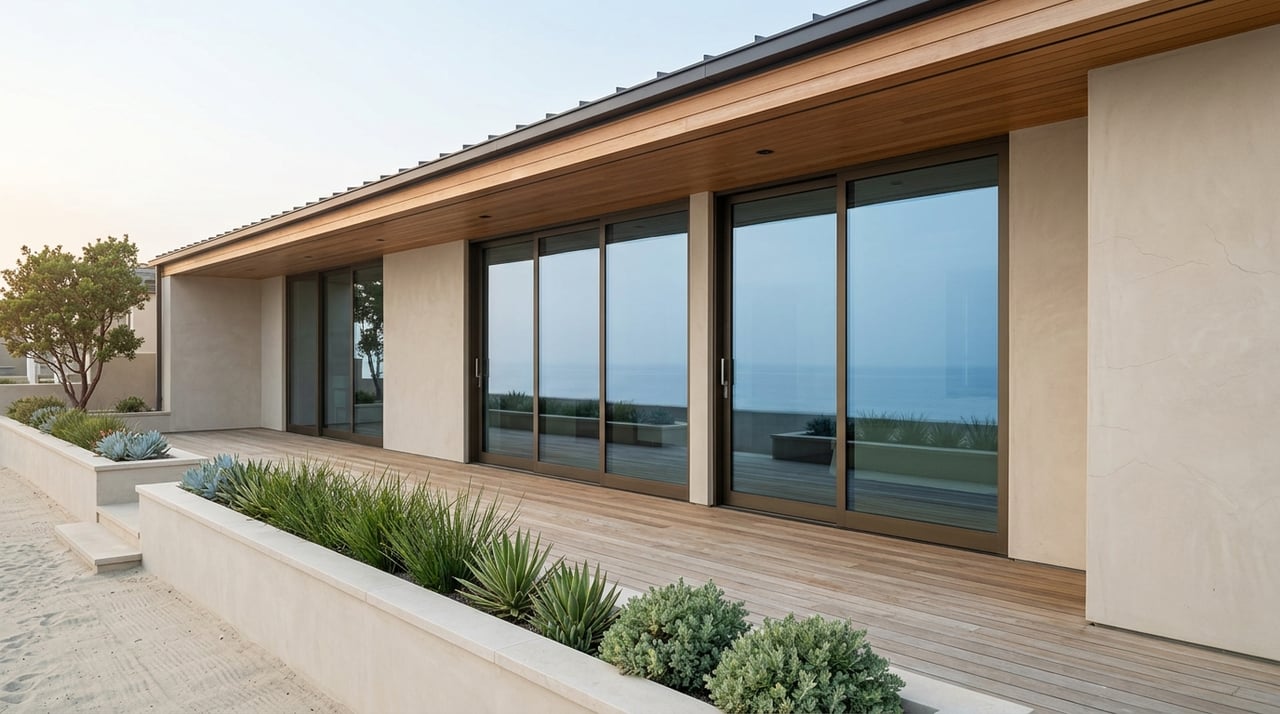
If you are looking at Carbon Beach through a long-term lens, the right question is not just how impressive a home looks today. It is whether the property’s beachfront position, usable sand, access pattern, and regulatory posture support lasting value over time. On a stretch of Malibu coastline where scarcity is real and coastal rules matter, understanding those details can help you make a smarter decision. Let’s dive in.
Why Carbon Beach draws long-term buyers
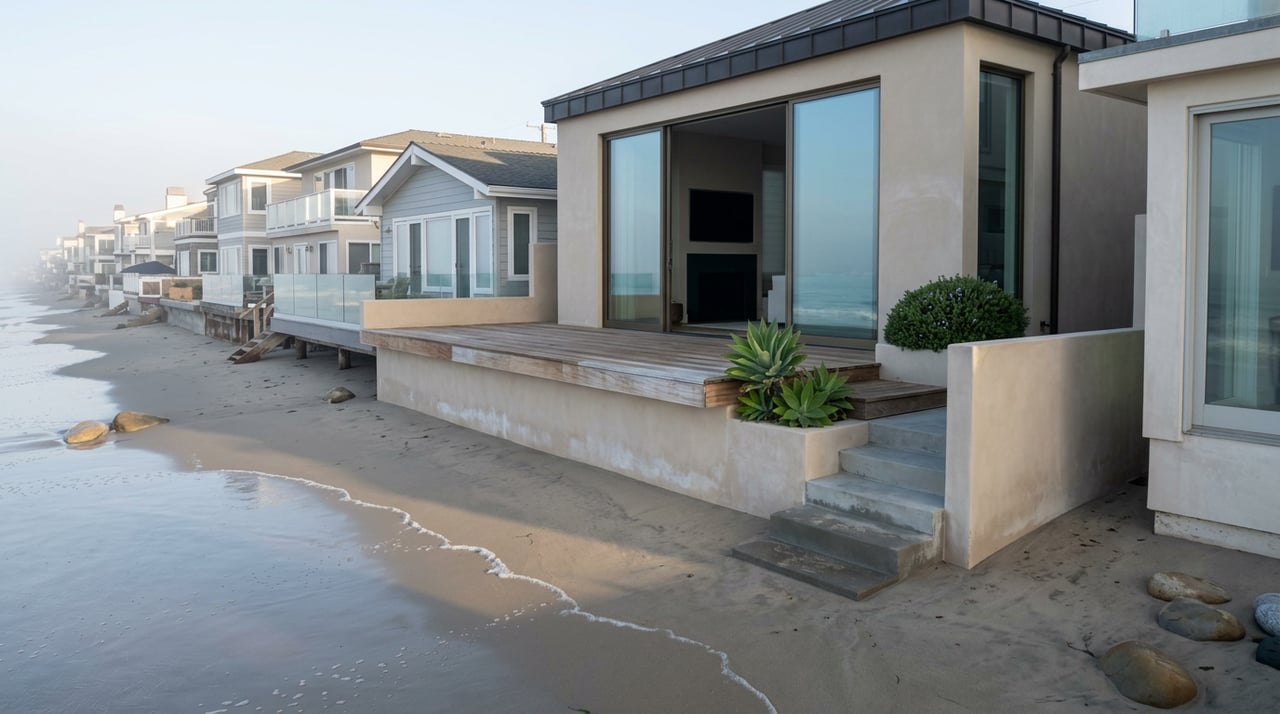
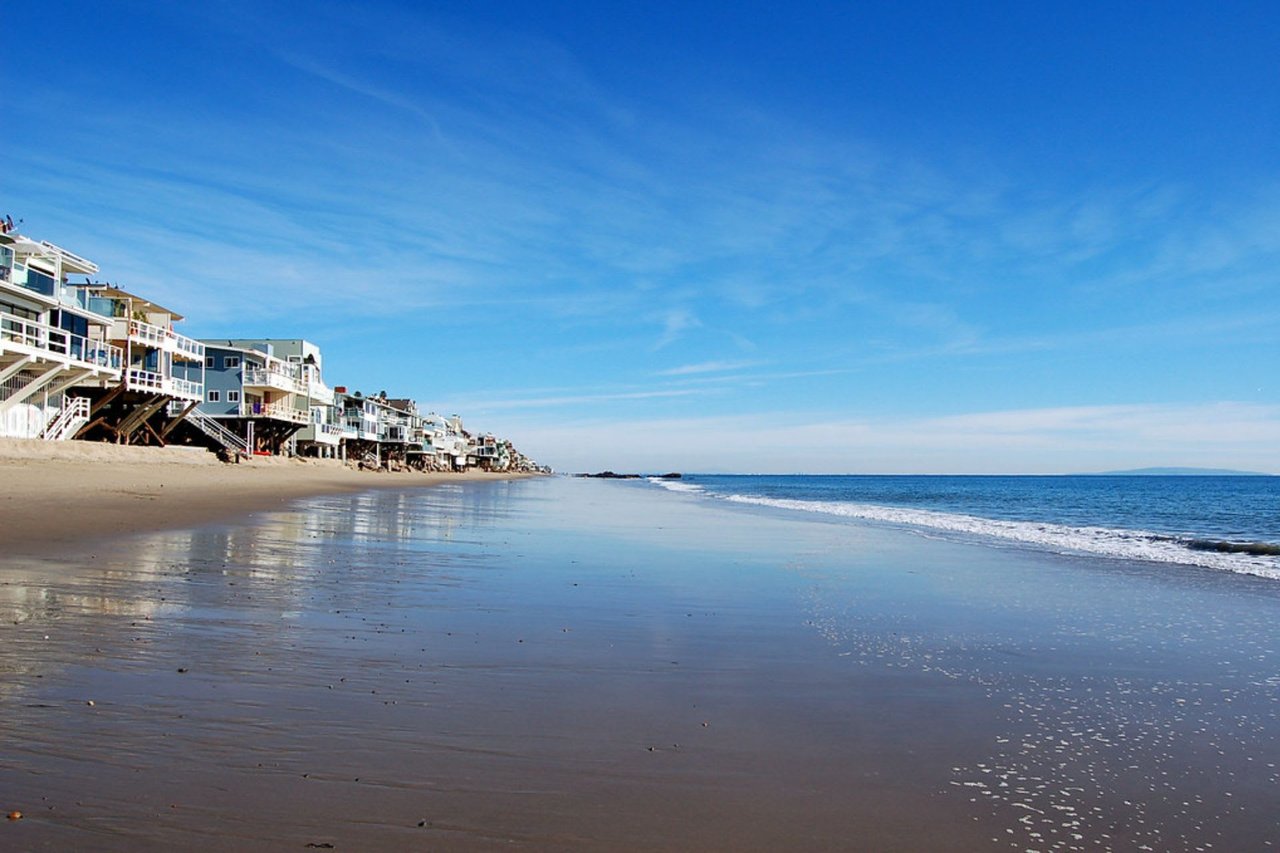
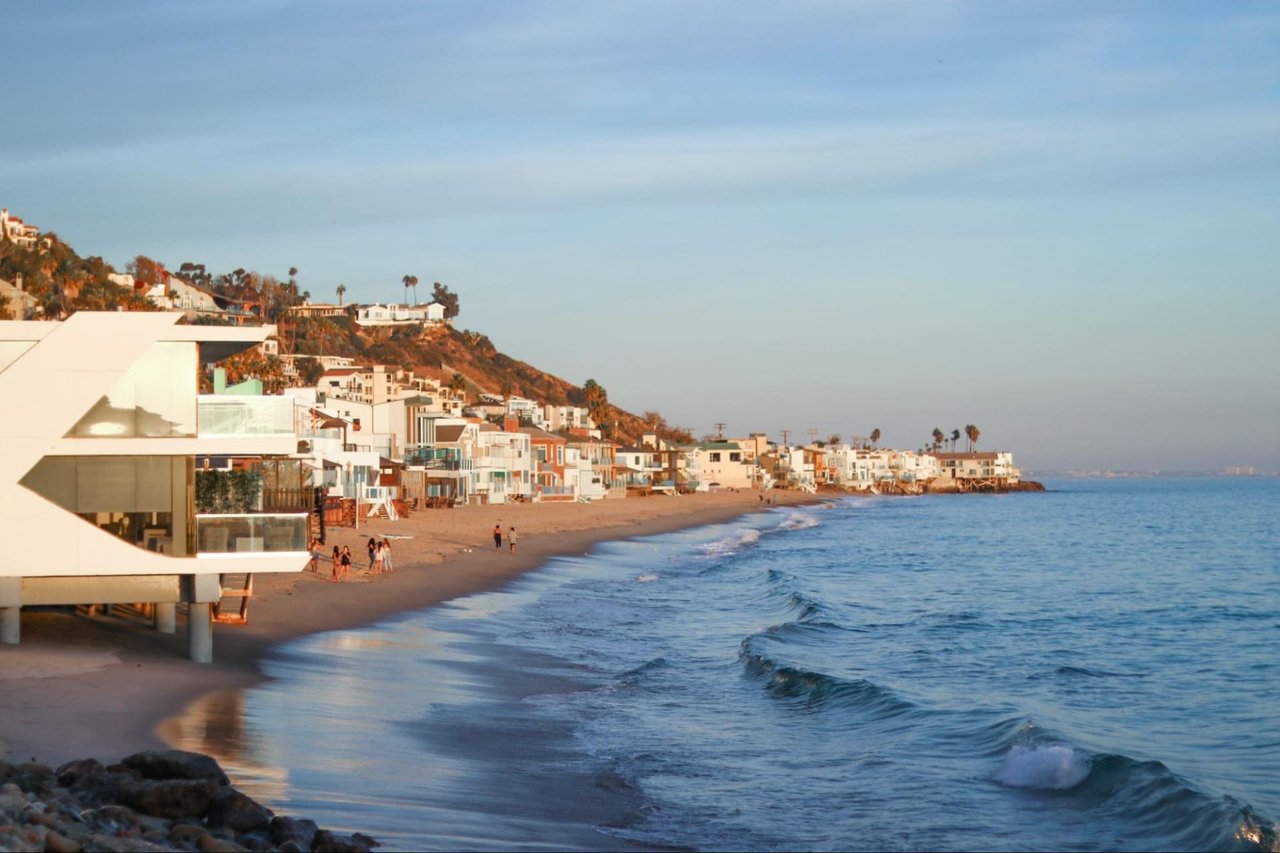
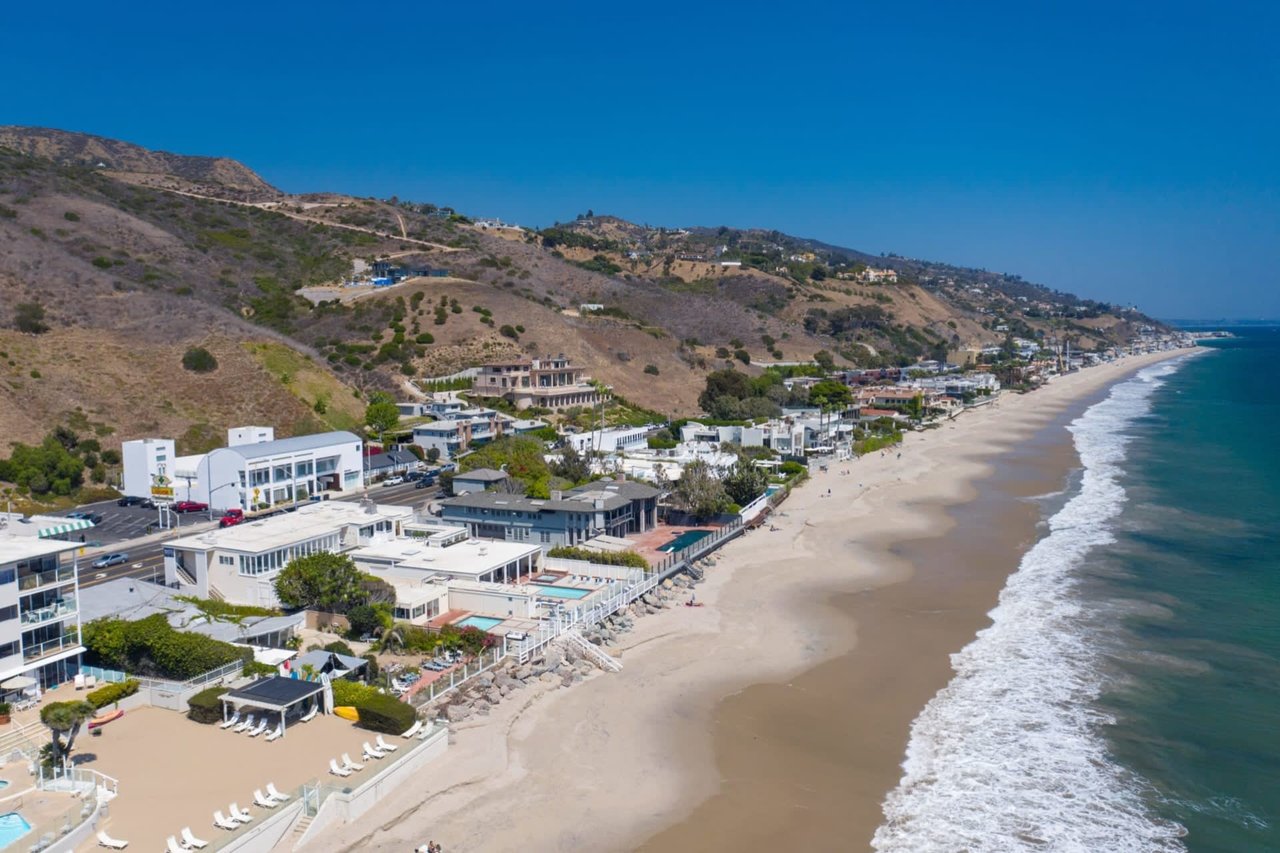
Carbon Beach holds a distinct place in Malibu’s coastal landscape. The California Coastal Commission describes it as a generally wide sandy beach of about 1.5 miles, lined by private residences and supported by public accessways from Pacific Coast Highway to the sand.
That physical setup matters. Instead of a small or fragmented pocket beach, Carbon Beach offers a longer, more continuous beachfront edge, which tends to shape how buyers think about privacy, orientation, and day-to-day enjoyment of the shoreline.
Carbon Beach also sits within Malibu’s Area 7 coastal vulnerability mapping corridor, which includes Carbon Beach, La Costa Beach, and Las Flores Beach. Because all of Malibu lies within the California coastal zone, homes here are governed by the City’s certified Local Coastal Program and coastal development permit process, not just standard zoning rules.
What supports long-term value
Frontage still matters most
For many Carbon Beach buyers, the value story begins with frontage. A home’s direct relationship to the sand, the continuity of its beach edge, and the way the structure sits against the shoreline all influence how the property may perform as a long-term coastal asset.
In practical terms, not all oceanfront lots feel the same. Two homes may both be on Carbon Beach, but the quality of frontage, beach orientation, and overall usability can create a very different ownership experience.
Wide sand adds real utility
A wide sandy beach is one of Carbon Beach’s defining features. In Malibu, where much of the coastline includes narrower beach conditions, usable sand is more than a scenic bonus. It is part of what makes this stretch so desirable.
The City’s coastal vulnerability work also gives this point more weight. As water levels rise and shoreline erosion increases, beach width becomes tied not only to lifestyle but also to physical resilience over time.
Central Malibu access helps daily use
Carbon Beach benefits from its proximity to central Malibu amenities. Malibu Pier, Surfrider Beach, and the Civic Center commercial area place dining, services, and daily conveniences within close reach.
For a buyer holding property over many years, that convenience matters. Homes that combine beachfront living with easier access to the heart of Malibu often support a more seamless day-to-day lifestyle.
Heritage adds to place value
The broader central Malibu shoreline carries notable cultural and architectural significance. The nearby Adamson House is recognized as a National Historic Site and California Historic Landmark, and Malibu Pier is also treated as a historic landmark by California State Parks.
For Carbon Beach, that setting contributes to the area’s identity. Even when a residence is newly renovated or contemporary in style, the surrounding heritage context can reinforce the sense of place that long-term buyers often value.
Infrastructure can shape perception
Carbon Beach also includes a dedicated undergrounding community facilities district covering 44 parcels along Pacific Coast Highway between Carbon Canyon Road and Carbon Beach. While this may seem secondary at first glance, infrastructure quality can influence how a corridor feels and functions.
From a buyer’s perspective, improvements like utility undergrounding may affect visual character, perceived finish, and practical reliability. On a premium beachfront stretch, those details can carry more importance than they would in a typical neighborhood.
Why regulation matters on Carbon Beach
Coastal rules are central to value
In Malibu, coastal regulation is not a side issue. The Local Coastal Program is the governing framework for coastal development permits, appeals, and shoreline-related review, and it can supersede conflicting city zoning.
That means future plans for a Carbon Beach property often depend on more than the lot size or current house. Renovation potential may be shaped by what is already entitled, how the structure is sited, and whether any changes would trigger deeper review.
Setbacks and hazard rules affect options
The City’s Local Coastal Program states that new development on a beach or oceanfront bluff must be sited outside hazard areas over the projected 100-year life of the structure. It must also be set back as far landward as possible and at least 10 feet landward of the surveyed mean high tide line, unless a stricter rule applies.
The same framework sharply limits shoreline protection for new development and can require deed restrictions that waive future shoreline-protection claims. For buyers, this means the value of an existing home is often closely tied to how well the current improvements already align with these coastal constraints.
Entitlement history can change the equation
On Carbon Beach, two properties with similar views may present very different long-term opportunities. One may have a building envelope, foundation strategy, or prior approvals that support future upgrades more efficiently. Another may require a longer and more complex path through the coastal review process.
That is why entitlement history deserves close attention. In this market, it is often one of the clearest dividing lines between a straightforward hold and a more demanding capital project.
Climate exposure is part of the asset analysis
Beach dynamics are not static
The City’s 2026 Coastal Vulnerability Assessment identifies Carbon Beach and the adjoining Highway 1 corridor as vulnerable to late-century bluff erosion, coastal storm flooding, and wave run-up. It also notes that Malibu’s beaches are under increasing pressure from sea-level rise.
As beach width narrows, wave energy and flood damage risk can increase. In some cases, narrow beaches may disappear if shorelines are not allowed to migrate inland.
Parcel configuration matters over time
The same assessment notes that larger residential buildings can be difficult to elevate or relocate, while smaller parcels may offer limited relocation options. On Carbon Beach, that can make the physical setup of a site especially important.
A serious long-term buyer will usually look beyond the architecture alone. The siting, elevation, parcel shape, and engineering logic of the property can all shape how flexible the home may be in the years ahead.
Privacy and public access both matter
Carbon Beach is lined by private homes, but it also includes public accessways. The Coastal Commission identifies one accessway at 22132 Pacific Coast Highway and another near Malibu Pier at 22670 Pacific Coast Highway.
California law also reserves the public right to use lands seaward of the ambulatory mean high tide line. For owners, this does not erase the appeal of beachfront ownership, but it does mean that privacy, circulation, and nearby access points should be part of early due diligence.
How to evaluate a Carbon Beach opportunity
Start with the beach itself
When you evaluate a Carbon Beach property, begin with the shoreline condition rather than the finishes. Ask how continuous the frontage feels, how usable the sand is, and whether the home truly enjoys a strong beach relationship.
A property that offers broad, functional sand may deliver a very different long-term experience than one that reads primarily as a view property. On this stretch, beach utility is a core part of the asset story.
Review access and orientation
Next, consider where the nearest public accessways are and how that affects privacy and circulation. This is not necessarily a negative factor, but it is an important one.
You should also look at the home’s orientation to the sand and shoreline. The strongest properties often pair direct beach presence with a layout that preserves a sense of separation and calm.
Study the entitlement file
A careful review of entitlement history can be one of the most valuable steps in your process. You want to understand whether prior work has already addressed key coastal constraints and whether a future remodel or rebuild would likely trigger a new coastal development permit or coastal engineering review.
For long-term buyers, this review can help clarify whether the property is best viewed as a legacy hold, a lifestyle asset with limited planned changes, or a project that may require patience and specialized planning.
Match the property to your time horizon
Carbon Beach often makes the most sense as a long-term coastal hold rather than a short-term trading vehicle. Scarcity, regulation, and physical coastal exposure all reward a more patient perspective.
If your goal is to secure irreplaceable frontage, enjoy central Malibu access, and own along one of the area’s most recognized sandy stretches, the best opportunities are often the ones where the site, structure, and regulatory posture are already working together.
For buyers and sellers navigating this level of Malibu real estate, local context matters. If you want discreet guidance on Carbon Beach opportunities and how they fit into a long-term ownership strategy, Sandro Dazzan can help you evaluate the details that truly drive value.
FAQs
What makes Carbon Beach different from other Malibu beachfront areas?
- Carbon Beach is described by the California Coastal Commission as a generally wide sandy beach about 1.5 miles long, which sets it apart from many narrower Malibu beach areas and supports strong long-term appeal.
Why does beach width matter for a Carbon Beach home?
- Beach width affects both lifestyle use and long-term resilience, since Malibu’s coastal vulnerability work notes that erosion and rising water levels can narrow beaches and increase exposure over time.
How do Malibu coastal rules affect Carbon Beach properties?
- Carbon Beach homes are governed by Malibu’s Local Coastal Program and coastal development permit process, which can affect setbacks, siting, renovation plans, shoreline-related review, and future development options.
Are there public access points on Carbon Beach in Malibu?
- Yes, the California Coastal Commission identifies public accessways including one at 22132 Pacific Coast Highway and another near Malibu Pier at 22670 Pacific Coast Highway.
What should a buyer review before purchasing a Carbon Beach home?
- A buyer should closely review frontage and sand usability, nearby public accessways, entitlement history, siting, elevation, and how the property’s current improvements align with Malibu’s coastal constraints and hazard exposure.