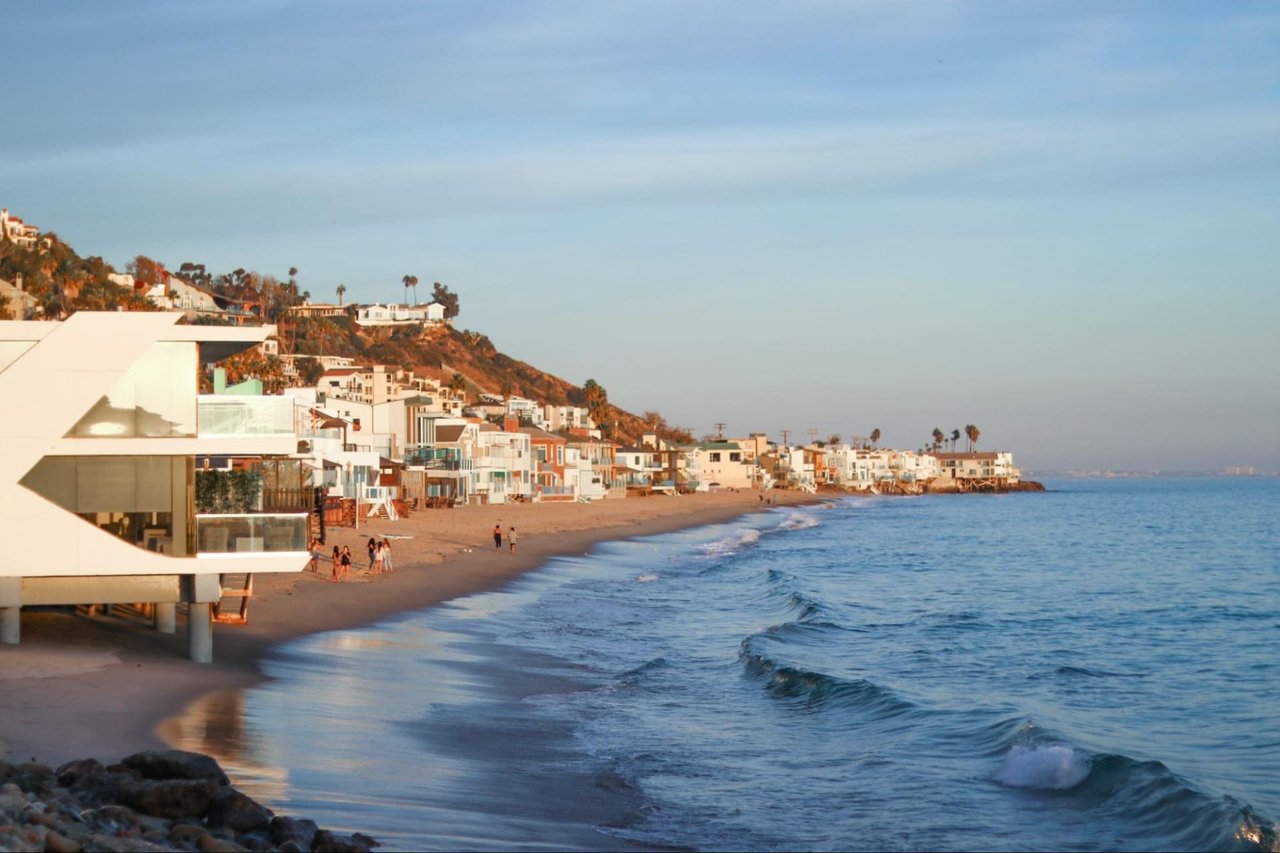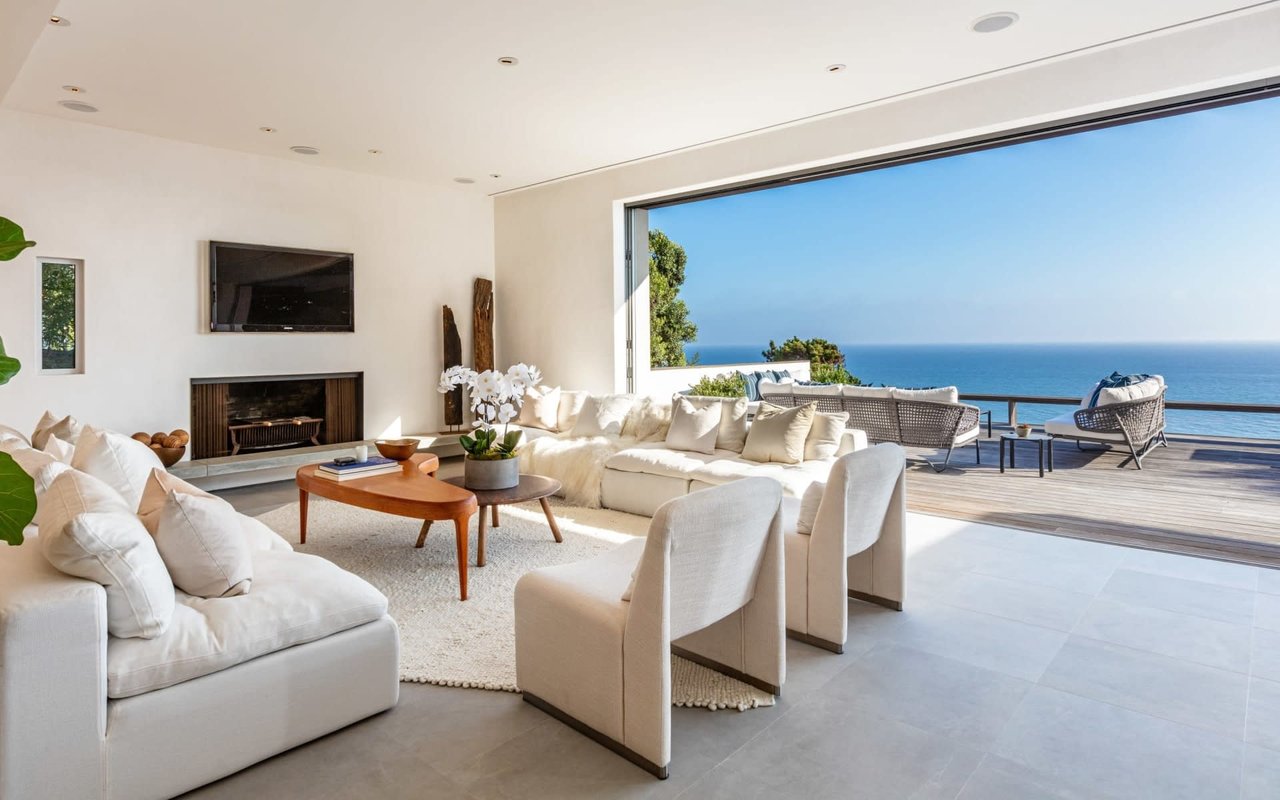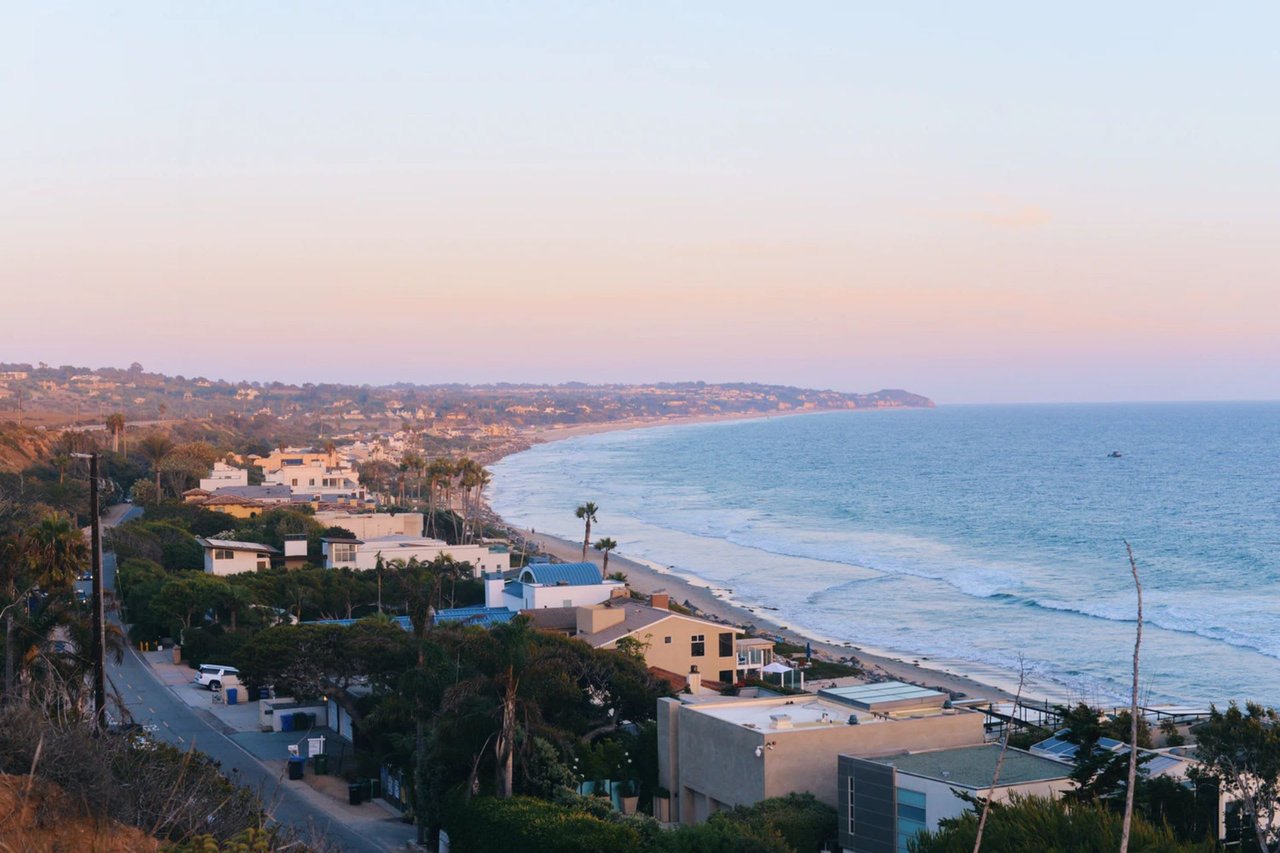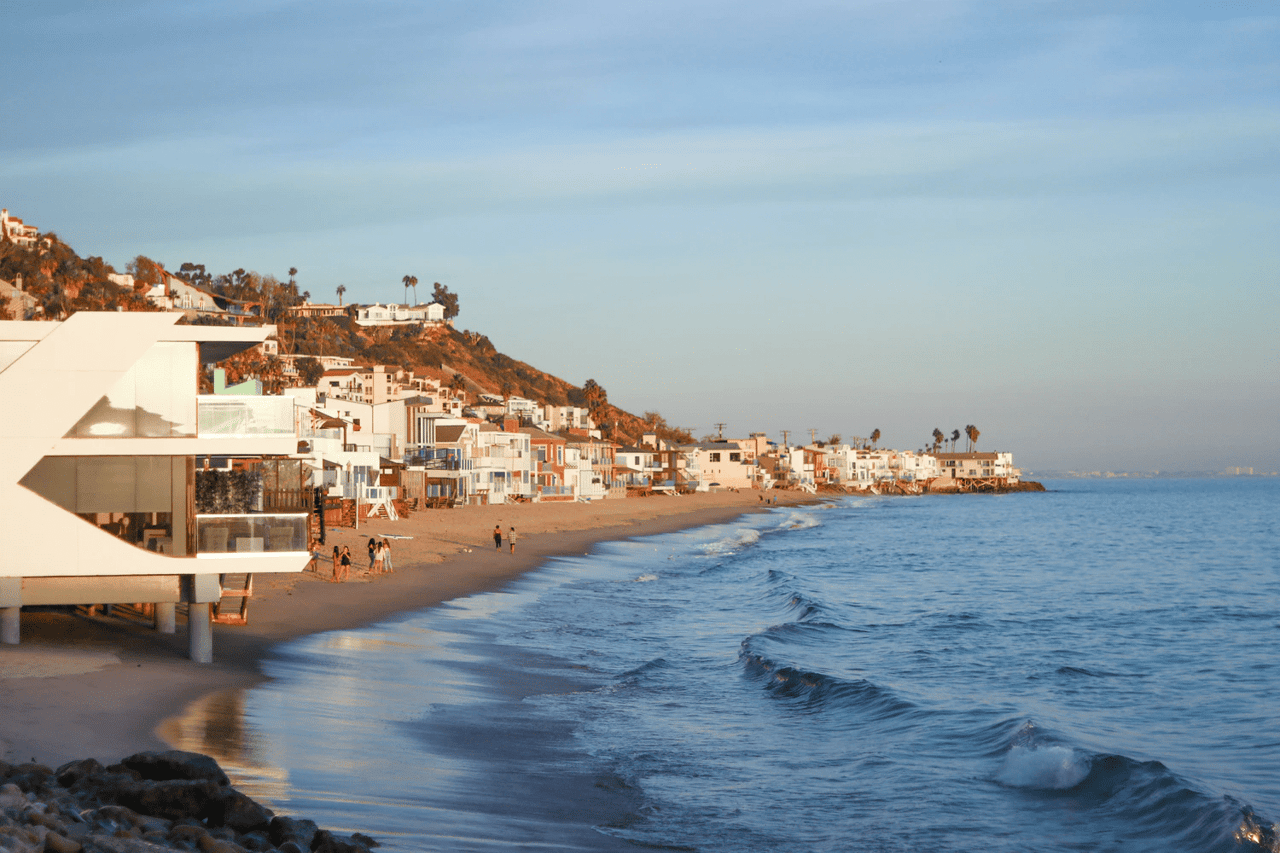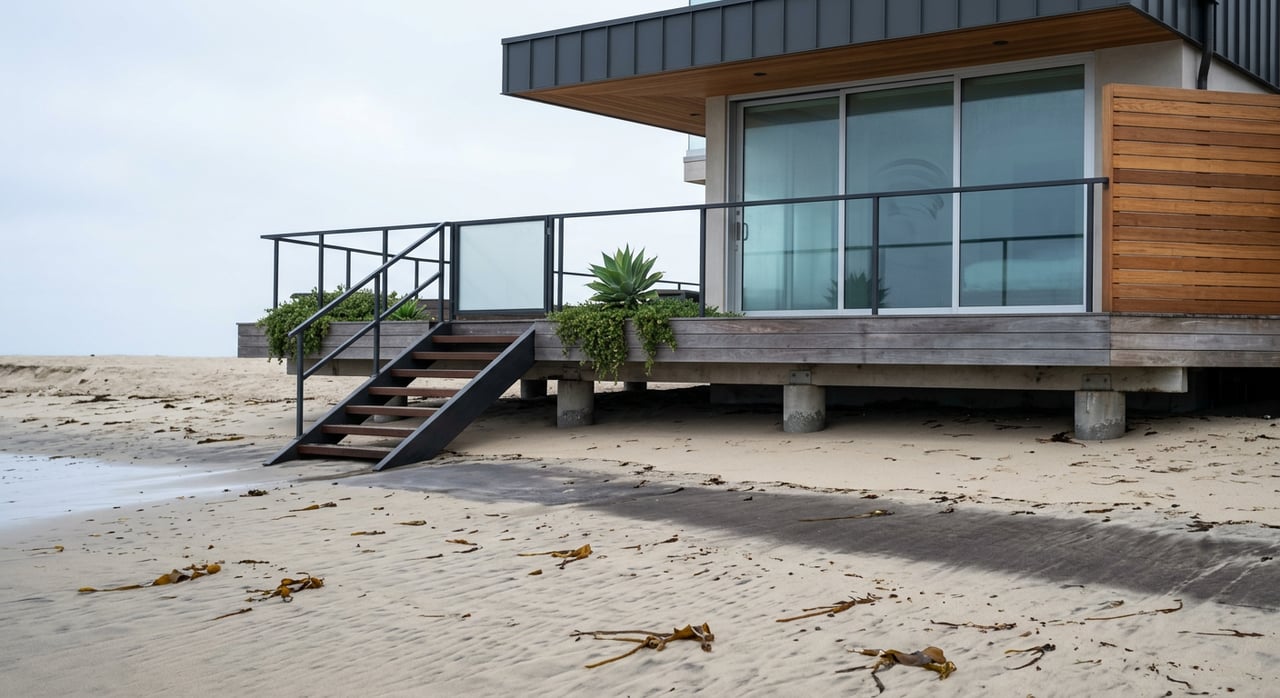
Thinking about owning right on the sand in western Malibu? Broad Beach offers cinematic views and a front-row seat to the Pacific, but it also comes with a living shoreline that changes with tides, seasons, and storms. If you understand how the beach behaves and what permits, costs, and access rules mean for daily life, you can buy with confidence. This guide gives you the essential context, clear due diligence steps, and a realistic picture of beachfront living along Broad Beach. Let’s dive in.
What makes Broad Beach unique
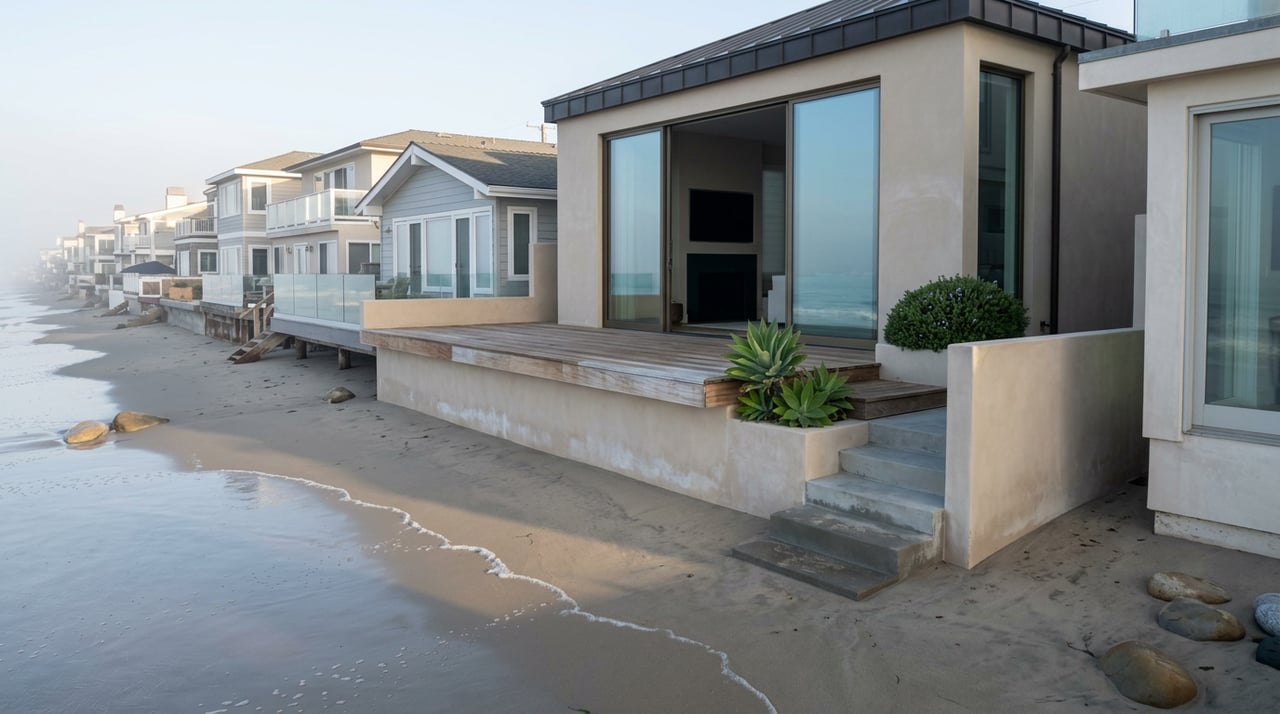
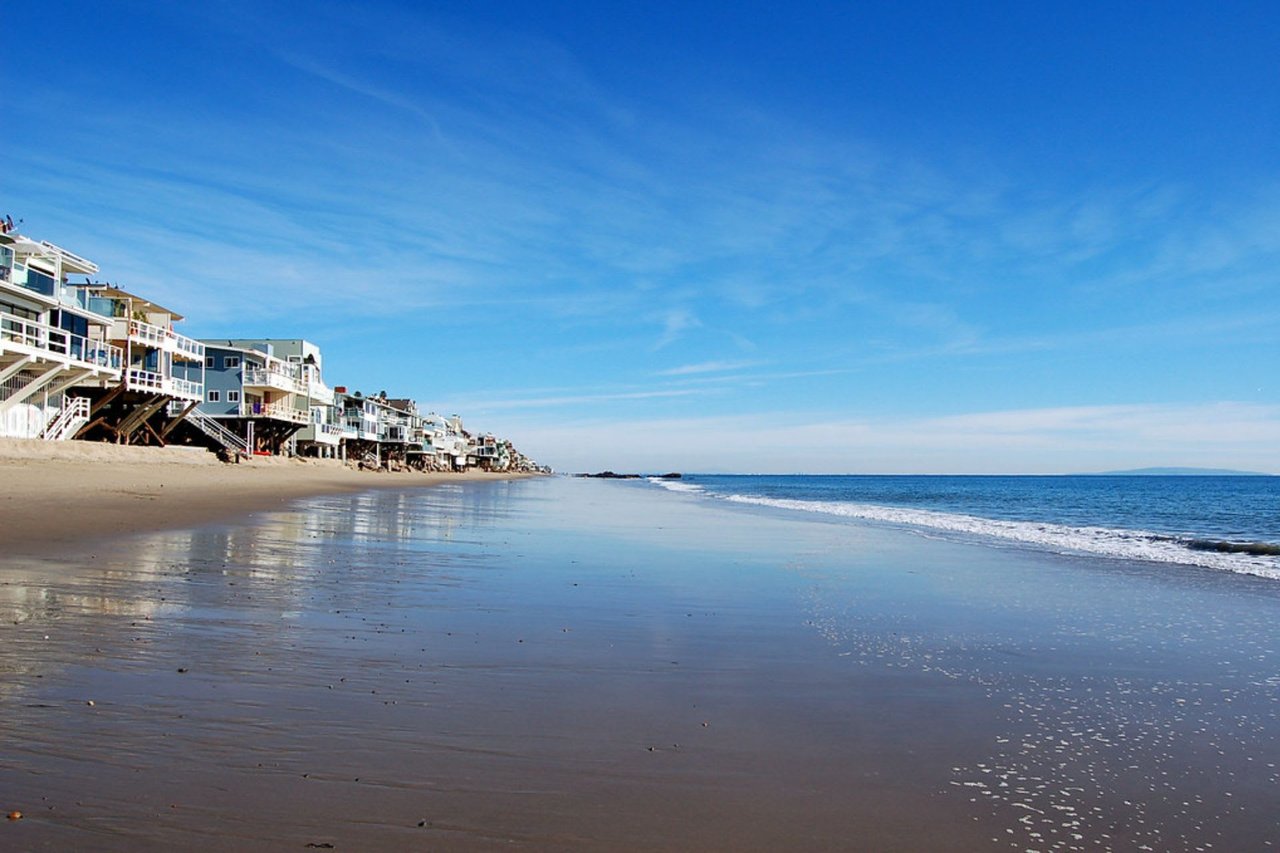
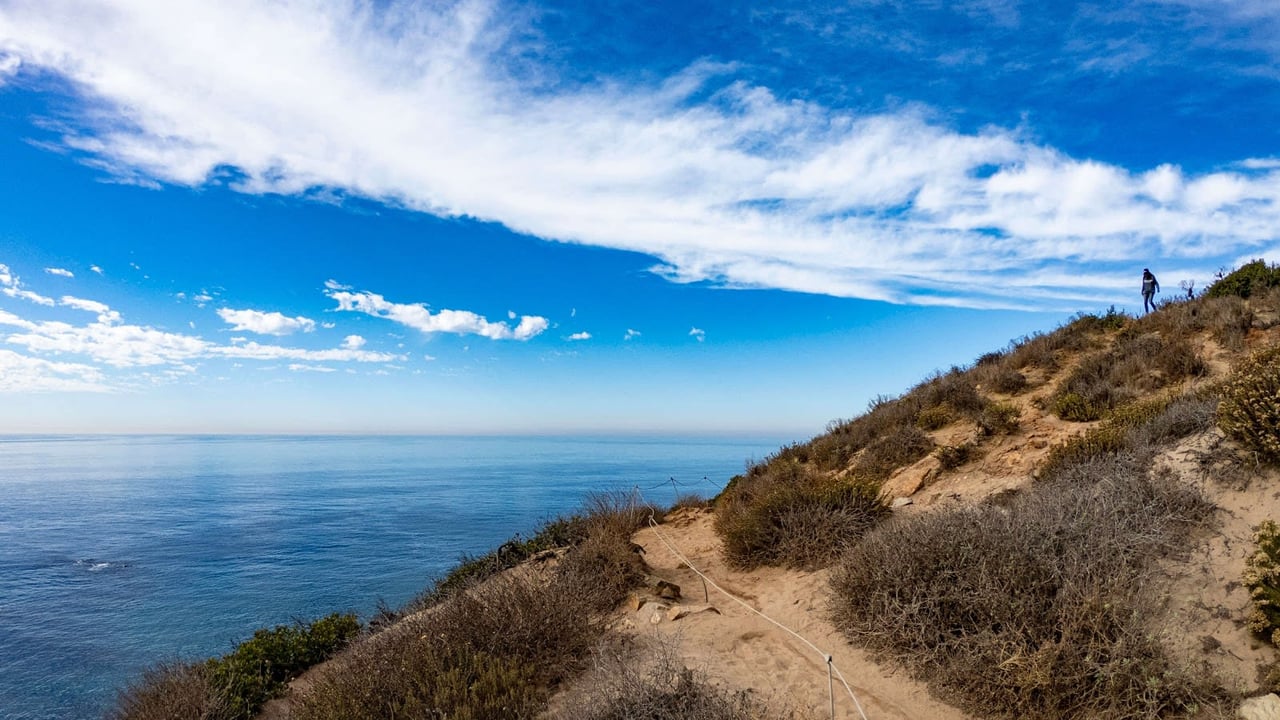
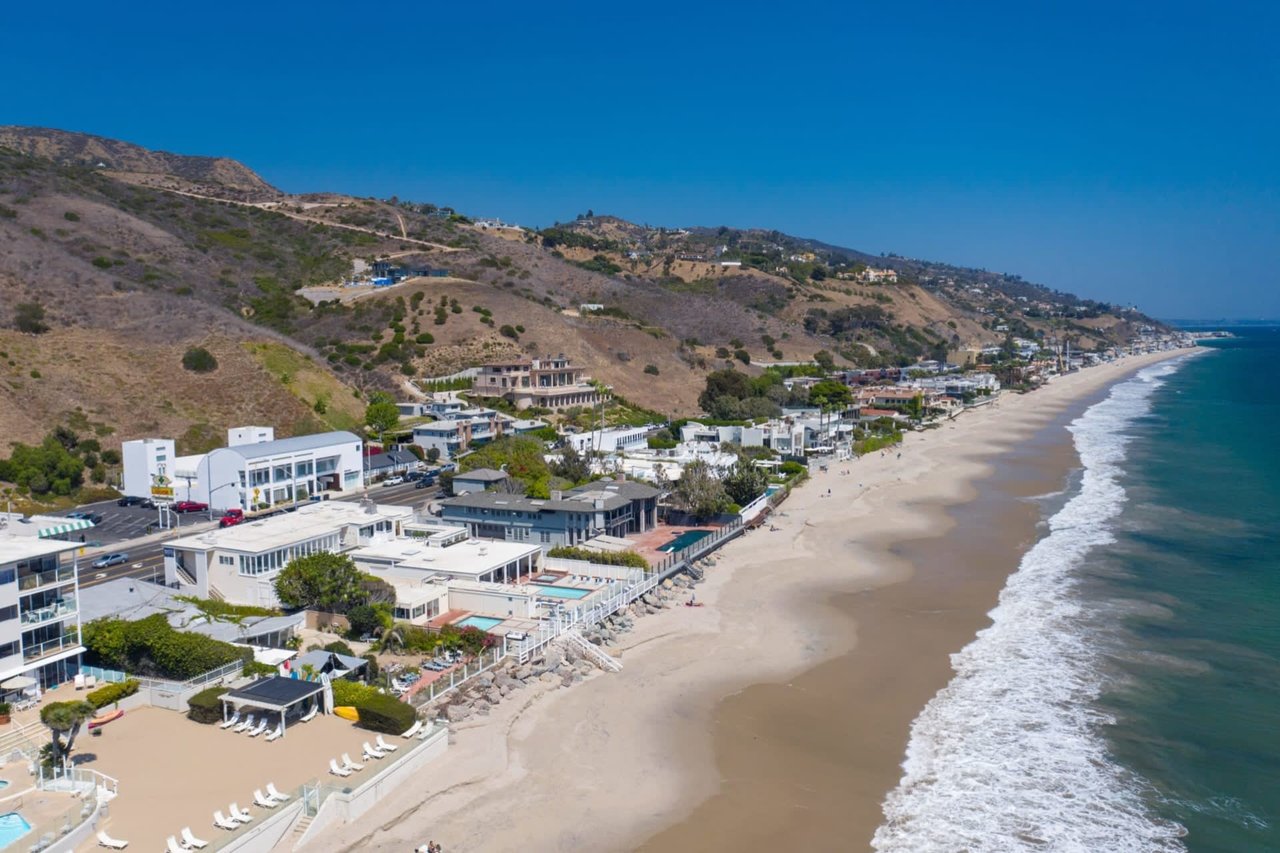
Broad Beach is beautiful and dynamic. The shoreline has shifted over time, and documented retreat plus winter erosion have narrowed the dry sand during many high tides. A court summary notes the shoreline retreated roughly 65 feet between 1974 and 2009, which helps explain today’s management focus and permit conditions for the area. You will want to evaluate each home with tides and seasons in mind. Source
Daily tides and usable beach time
Tides shape your daily beach window. At the nearest NOAA station in Santa Monica Bay, the mean tidal range is about 3.76 feet, with mean high-water levels around 4.7 to 5.4 feet depending on the datum. On narrow beaches, that range means periods when dry sand is limited or absent at high tide. Review the NOAA tide datums for Santa Monica Pier and plan showings at both low and high tides so you can see the beach in action.
"King tides" are seasonal, predictable high-water events that can push water 1 to 2 or more feet above typical highs in some places. They are a useful preview of near-term inundation risk and where water reaches today. Check the California King Tides information when timing visits.
Seasonal sand cycles you will notice
Southern California beaches often widen in summer and narrow in winter as waves move sand on and offshore. Scientists emphasize that local factors matter, and Broad Beach’s response is influenced by nearby headlands, canyons, and structures. Expect the leanest beach widths after winter storms. See the USGS research on seasonal beach behavior for context.
Storm seasons and El Niño years
Large Pacific storms and El Niño seasons can create abrupt changes, including overwash. Broad Beach has seen emergency measures in past storm events, such as sandbags and a temporary rock revetment to protect homes. These moments highlight the difference between normal seasonal shifts and sudden storm-driven changes that may require engineering responses. Los Angeles Times reporting documents those emergency protections.
Sea-level rise and long-term trends
Over the long term, sea-level rise pushes the high-tide line landward. When backshore development limits inland migration, beaches can narrow more often at high tides. California guidance and modeling suggest that without nourishment or significant engineering, beach-narrowing episodes will become more frequent. Review the California Coastal Commission sea-level rise guidance for the statewide framework that informs Malibu’s coastal planning.
Management, permits, and the public trust
Property owners formed the Broad Beach Geologic Hazard Abatement District (BBGHAD) to pursue a shore and dune restoration program. Recent filings describe an initial placement of about 300,000 cubic yards of sand, with scheduled major renourishment cycles and limited backpassing. The project is multi-agency, complex, and evolving, so you should confirm the latest permit status and timelines before you buy. See the Los Angeles Regional Water Board public notice for current terms and volumes.
Permit conditions and access obligations
Coastal permits have included conditions to protect public access, dune habitat, and minimum dry-sand widths over time. These conditions can influence where sand is placed, what armoring is allowed, and what public-access improvements are required. A 10-year conditional approval noted in a court opinion tied ongoing project terms to maintaining an objective beach-width target. Review the appellate decision summary for useful context.
California’s public trust doctrine protects the area seaward of the mean high tide line for public use. When projects affect tidelands or access, agencies often require mitigation or rent for encroachments, as well as recorded access conditions. This legal frame is central to how Broad Beach is reviewed and managed. A coastal law review article explains how tidelands and public access factor into shoreline decisions.
Funding, assessments, and litigation
GHAD funding via homeowner assessments has been litigated. In 2022, an appellate court affirmed that a GHAD assessment was invalidated under Proposition 218 because the engineer’s report did not properly allocate general versus special benefits. As a buyer, you should verify any existing or proposed assessments, their legal standing, and timing. See the court’s discussion of the assessment case.
Public reporting has also flagged rising cost estimates and controversy over trucking volumes for nourishment sand, which are relevant for future cost exposure and community impacts. For background, read local reporting on project costs and hauling.
Properties and pricing on Broad Beach
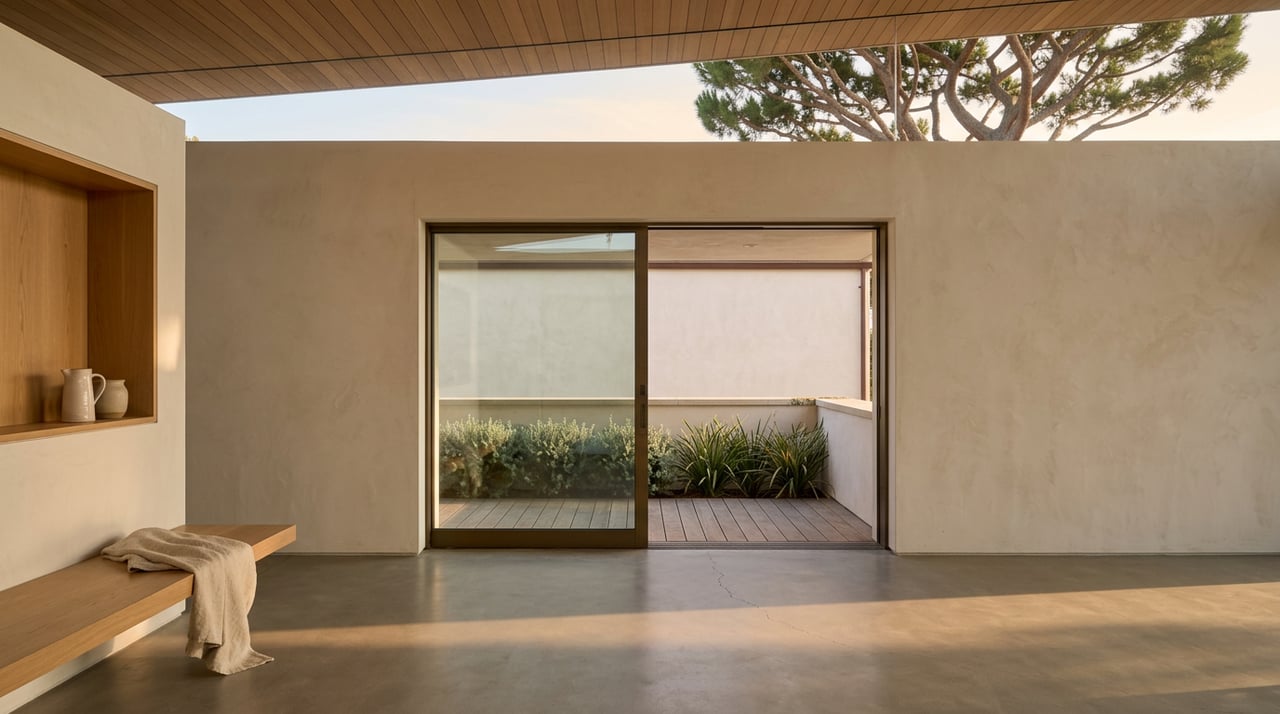
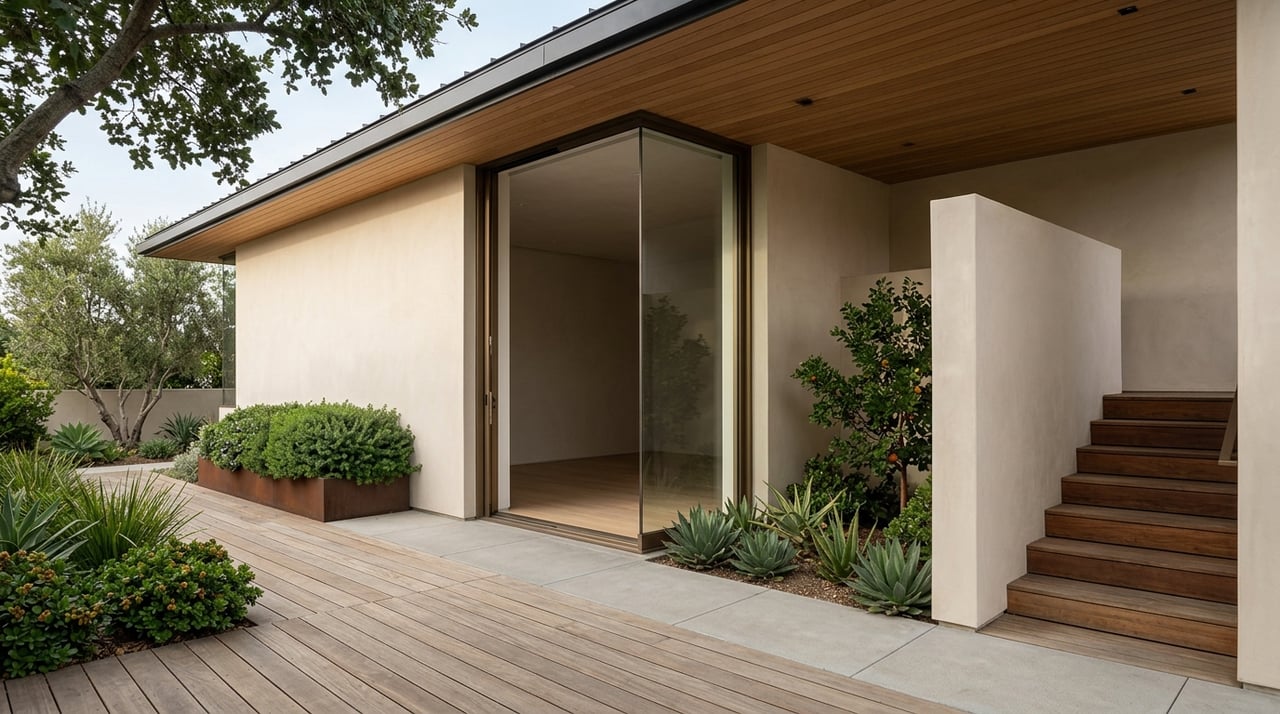
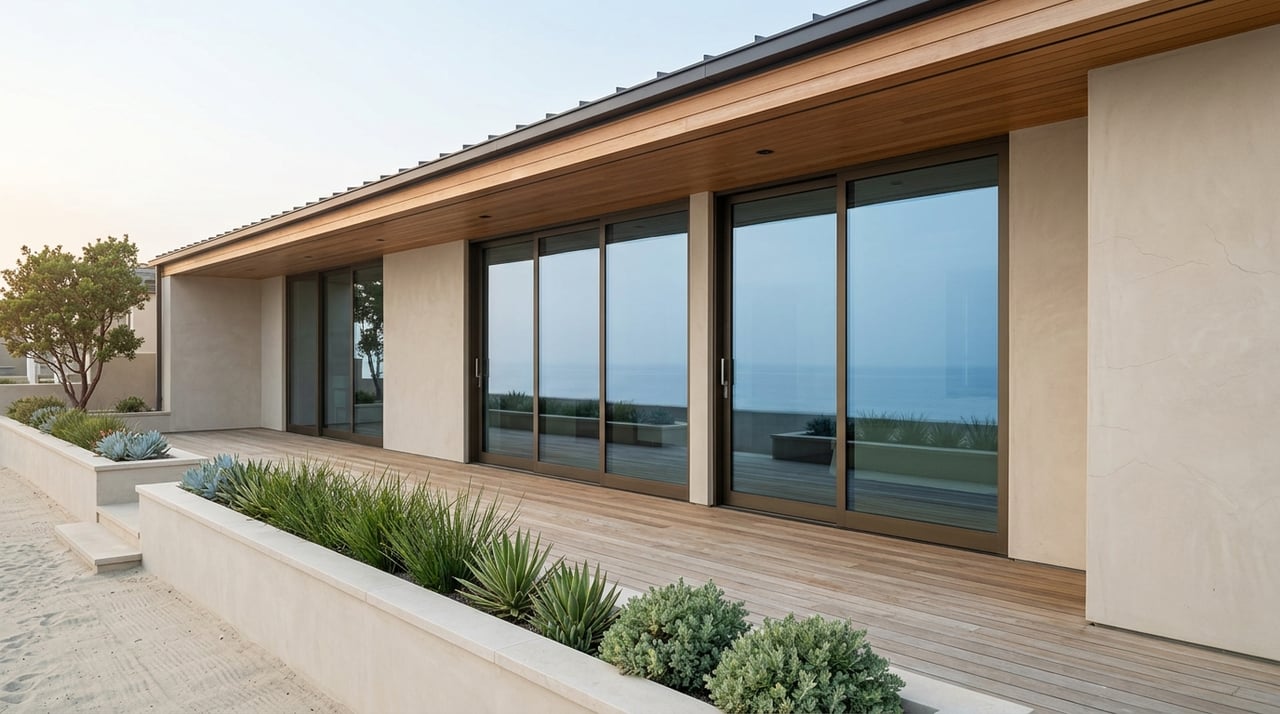
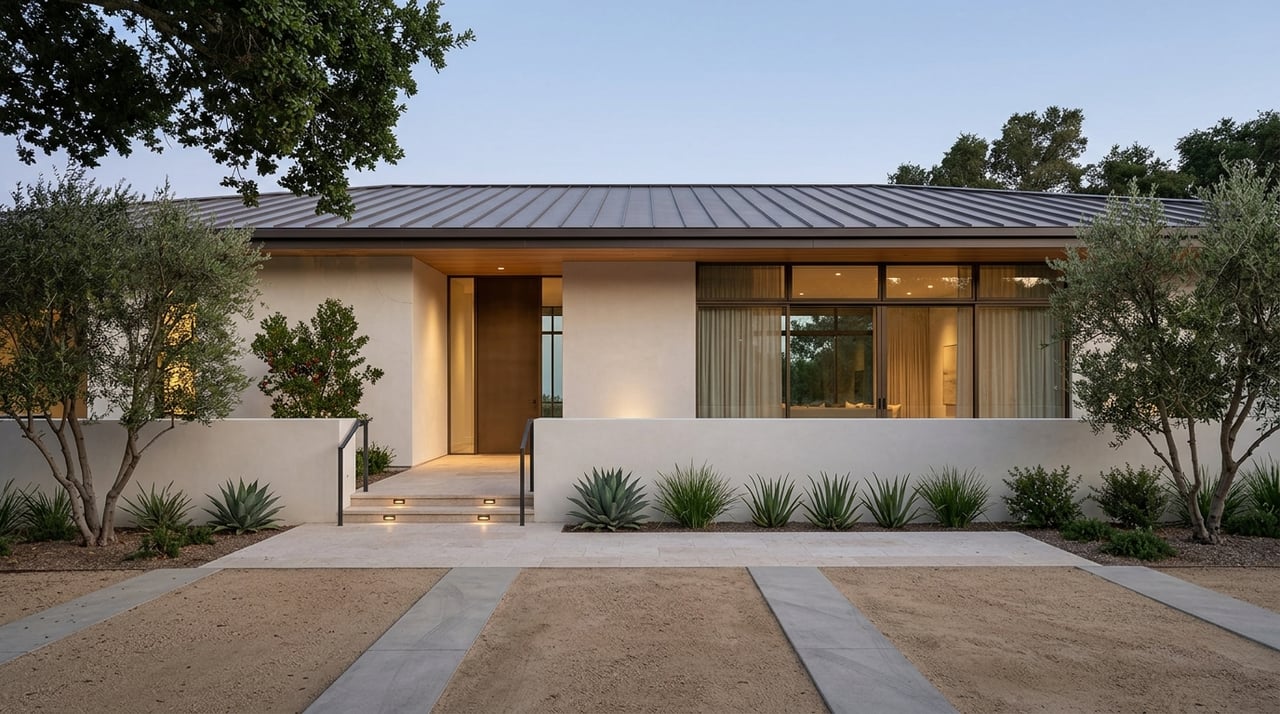
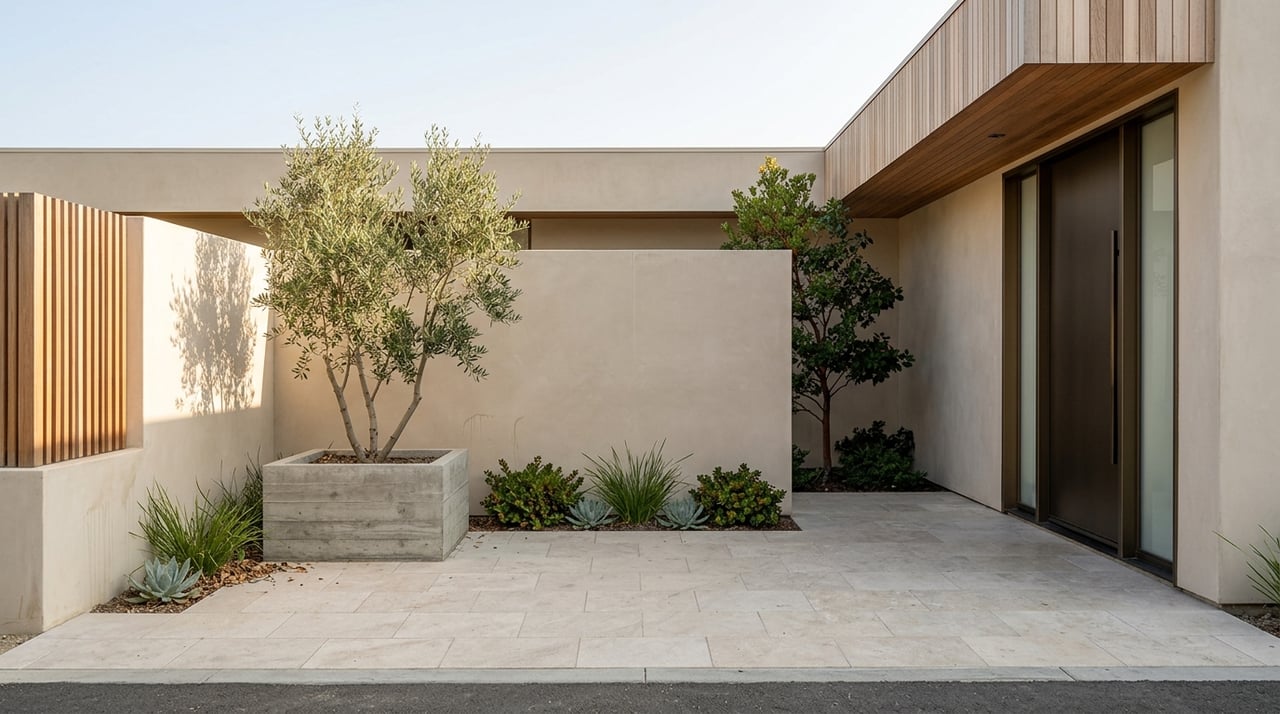
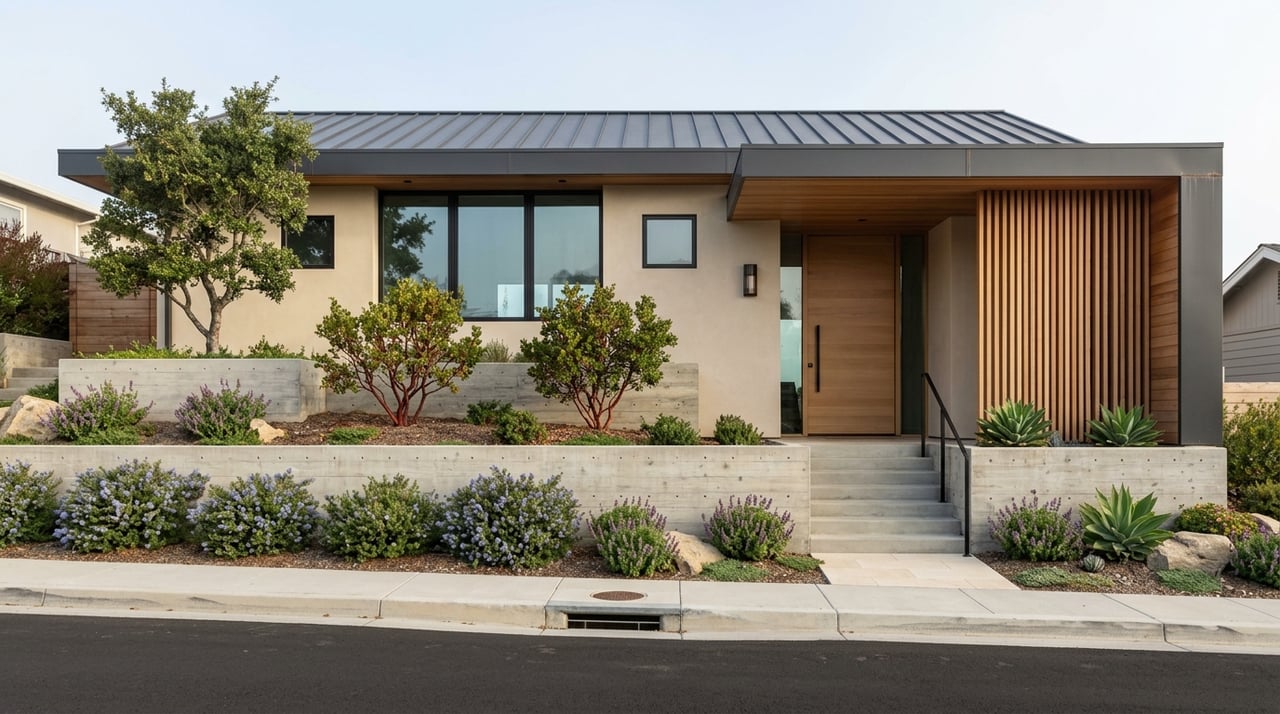
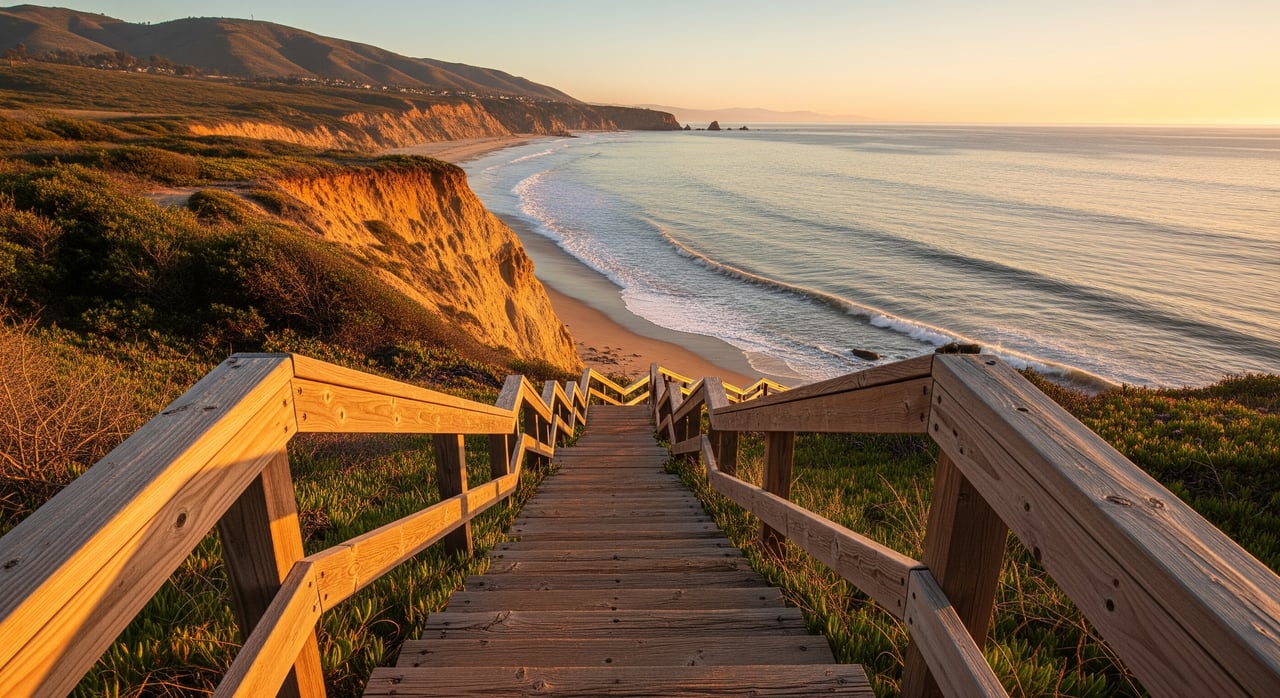
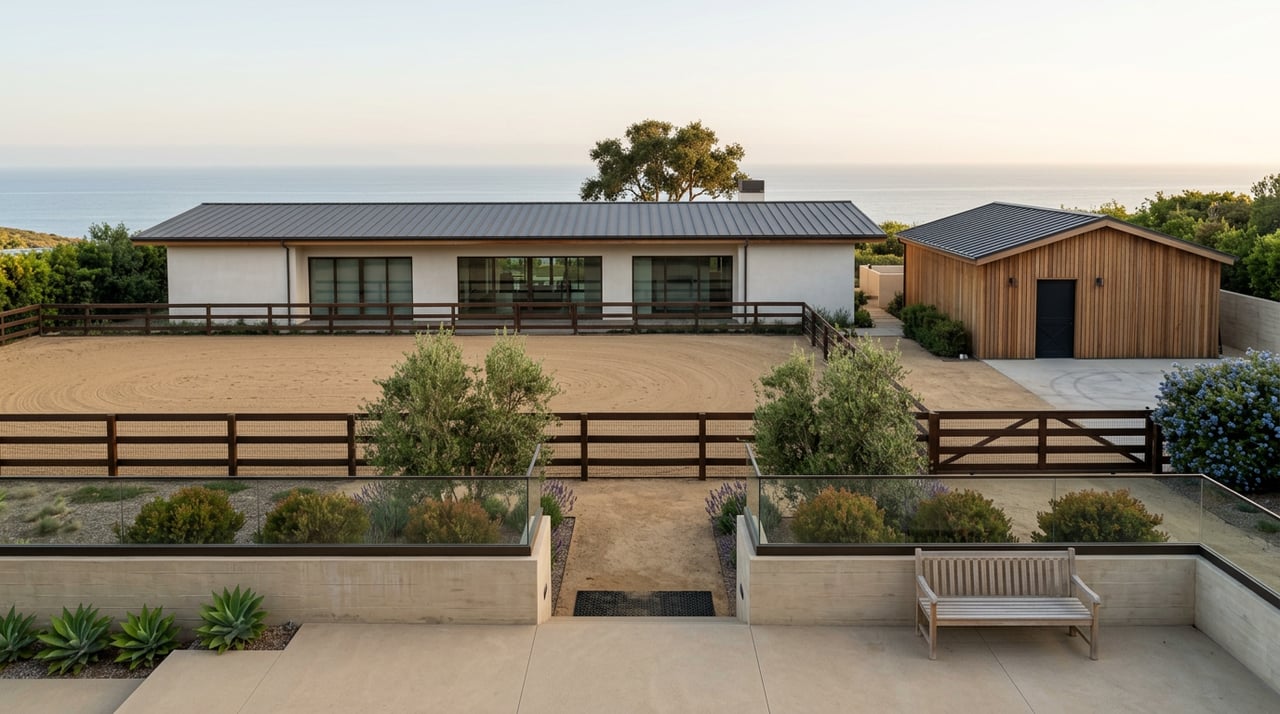
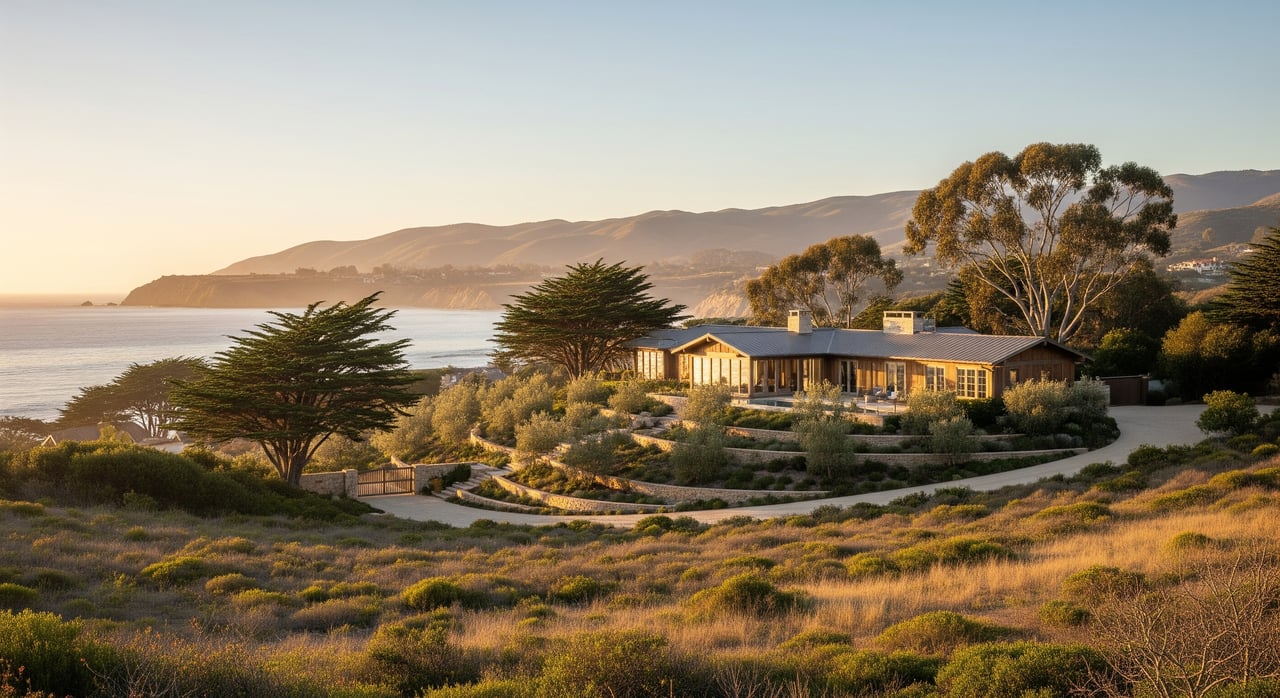
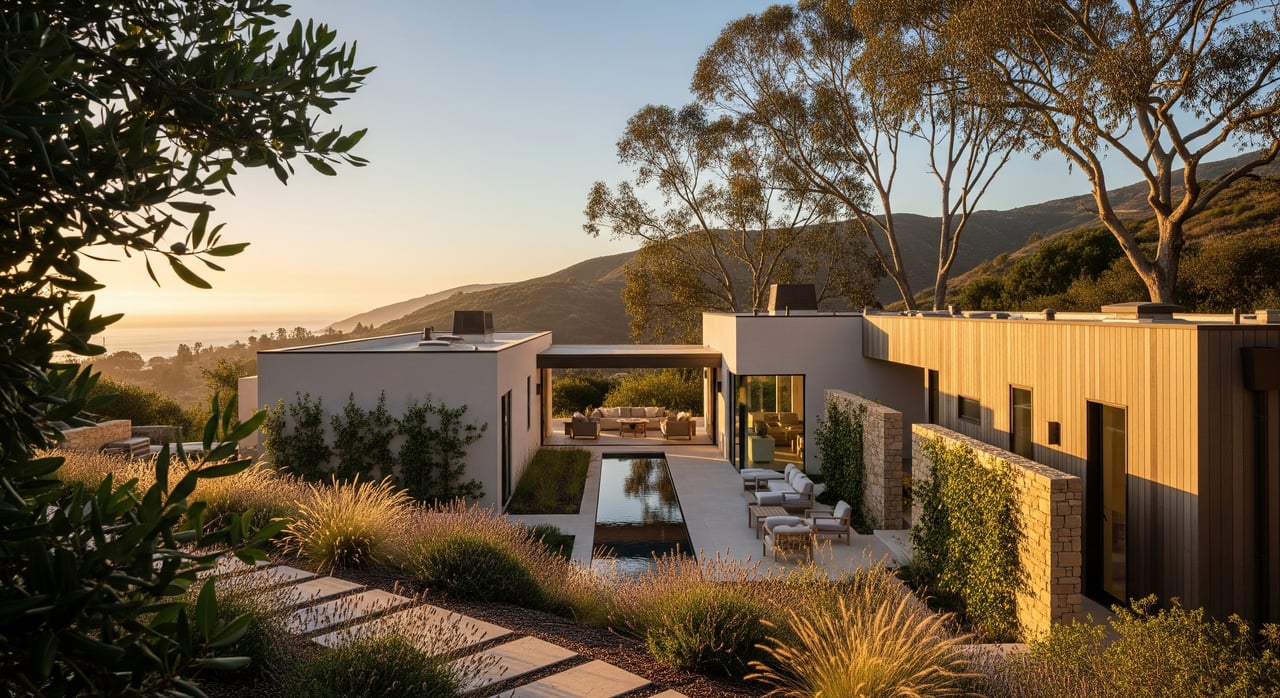
You will find a mix of older mid-century cottages, rebuilt modern estates on the sand, bluffside homes with stairs to the beach, and occasional developable lots. Construction types vary widely, including elevated foundations and permitted shoreline protection in some locations. Parcel-by-parcel differences in elevation, frontage, access, and permits drive value and livability.
Price context and recent examples
Western Malibu and the 90265 shoreline trade in the multi-million-dollar range, with on-the-sand properties reaching into the tens of millions depending on frontage, square footage, and design. Recent Broad Beach sales illustrate this scale, for example a Broad Beach Road home closing in the mid-teens of millions in March 2024, and other trades in the tens-of-millions range in recent years. Final pricing depends on precise location, beach usability at different tides, and property condition. A targeted comp set and active MLS search will give you the clearest picture at the moment you are ready to buy.
Amenities and everyday lifestyle
Broad Beach sits next to Zuma and Trancas beaches, with nearby neighborhood services at Trancas Country Market and easy access to central Malibu along PCH. Public access points and signage are actively managed in the area, so confirm any deeded beach access or easements during escrow. Local public schools are served by the Santa Monica–Malibu Unified School District. Daily life here balances oceanfront serenity with quick trips to dining, parks, and coastal recreation.
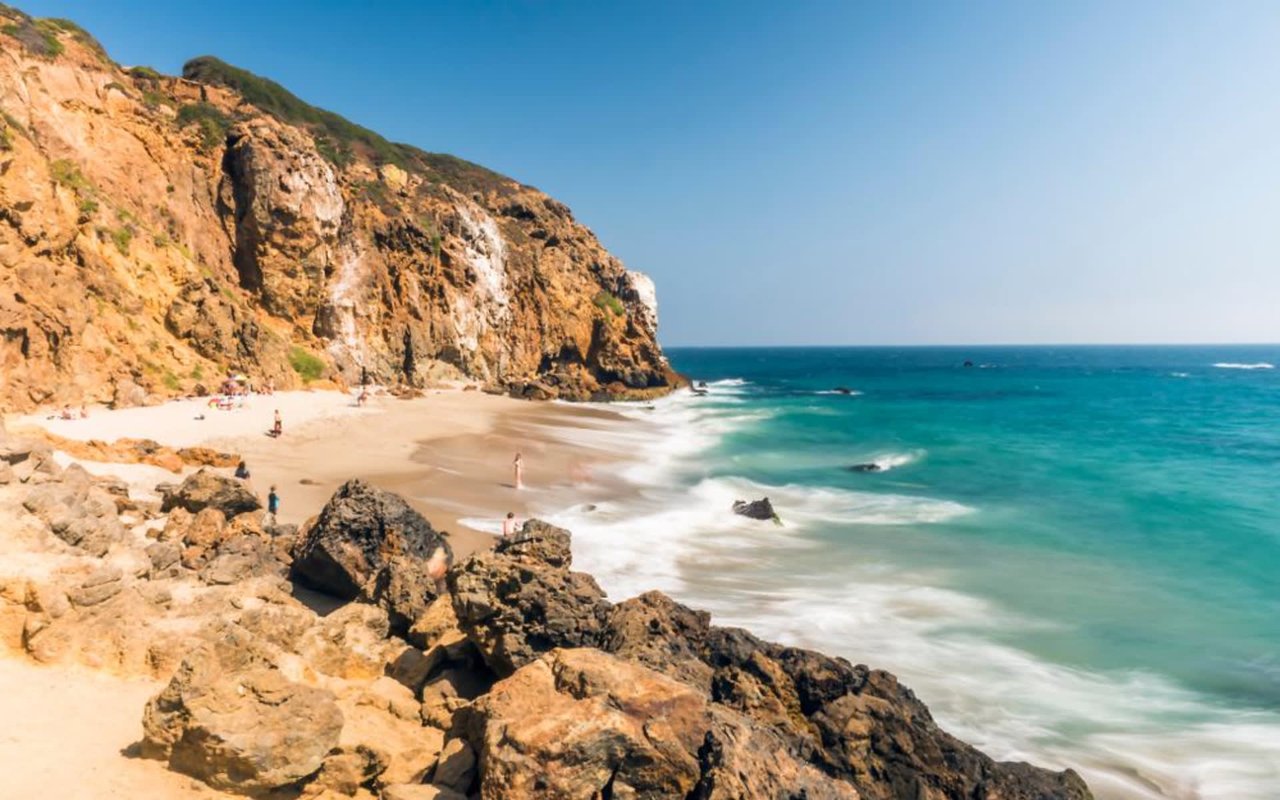
Compared with central Malibu’s Carbon Beach and Malibu Colony, Broad Beach has a more residential feel and fewer visitors at certain times, but also a more variable beach width due to erosion. Point Dume and Zuma offer expansive open beaches and parkland nearby. When comparing neighborhoods, focus on lot frontage, elevation, armoring and permit history, and documented access rights.
Due diligence checklist for buyers
Use this focused checklist to evaluate any property along Broad Beach:
- Verify flood zone and elevation. Run the address through FEMA’s tools and request any Elevation Certificates. Flood classification can affect lender requirements and building standards. Start with FEMA coastal insurance guidance.
- Review shoreline project status. Ask for BBGHAD communications, invoices, and the latest agency actions. Read the Water Board public notice to understand proposed volumes, cycles, and conditions.
- Confirm assessments and litigation. Request seller disclosures regarding any GHAD assessments or related court decisions, and verify their current legal standing. The 2022 appellate opinion provides useful background on assessments and permit conditions; refer to the case summary.
- Pull permit and title records. Look for Coastal Development Permits tied to seawalls, revetments, stairs, and any public-access obligations recorded against title.
- Commission coastal and geotechnical reviews. Ask an independent engineer to measure usable dry sand at low and high tides, evaluate any shoreline protection or pilings, and forecast maintenance needs.
- Get firm insurance quotes. Request homeowners and flood insurance proposals, and ask carriers about wave action, erosion, and storm-surge exclusions. Some buyers explore private flood options if NFIP limits apply.
- Time your site visits. Tour at both low and high tides, and if possible during a king tide, to understand privacy and usability. Use NOAA tide datums and predictions when planning.
How to tour a Broad Beach home
A smart tour plan helps you see the full picture. Start on the sand at low tide to gauge width and access, then return near the day’s higher high tide to see how far water reaches. Ask for recent photos of storm seasons and any maintenance records for stairs, decks, or shoreline protection. If a property relies on a revetment or has recorded access conditions, read those documents before you write an offer.
If you want a seasoned, local perspective as you weigh these factors, schedule a private conversation. With deep roots in Malibu and a concierge approach to complex coastal sales, Sandro Dazzan can help you evaluate value, timing, and risk so you can move forward with clarity.
FAQs
What is Broad Beach and where is it in Malibu?
- Broad Beach is a beachfront neighborhood in western Malibu along Broad Beach Road, adjacent to Zuma and Trancas beaches. It offers oceanfront homes and bluffside properties with beach access.
How do tides affect daily beach use on Broad Beach?
- The local mean tidal range is about 3.76 feet, so high tides can temporarily remove dry sand on narrower sections. Check NOAA tide datums and visit at different tides to gauge usable beach width.
What are king tides and why do they matter to buyers?
- King tides are predictable, seasonal high-water events that can raise water levels above typical highs and show where water reaches today. Use California king tide information to time an informative site visit.
What is the Broad Beach restoration and renourishment plan?
- The BBGHAD program proposes initial placement of about 300,000 cubic yards of sand with scheduled renourishment and limited backpassing. Confirm current permits and schedules using the Water Board public notice.
Are there special assessments or extra owner costs on Broad Beach?
- GHAD assessments and project costs have been part of public litigation and reporting. Verify any assessments and cost obligations during escrow. See the appellate decision and local cost reporting.
How do public access and the public trust affect ownership?
- Areas seaward of the mean high tide line are held in trust for public use, so projects that affect tidelands or access may require mitigation or recorded access conditions. A coastal law review article explains the framework that informs Malibu permits.