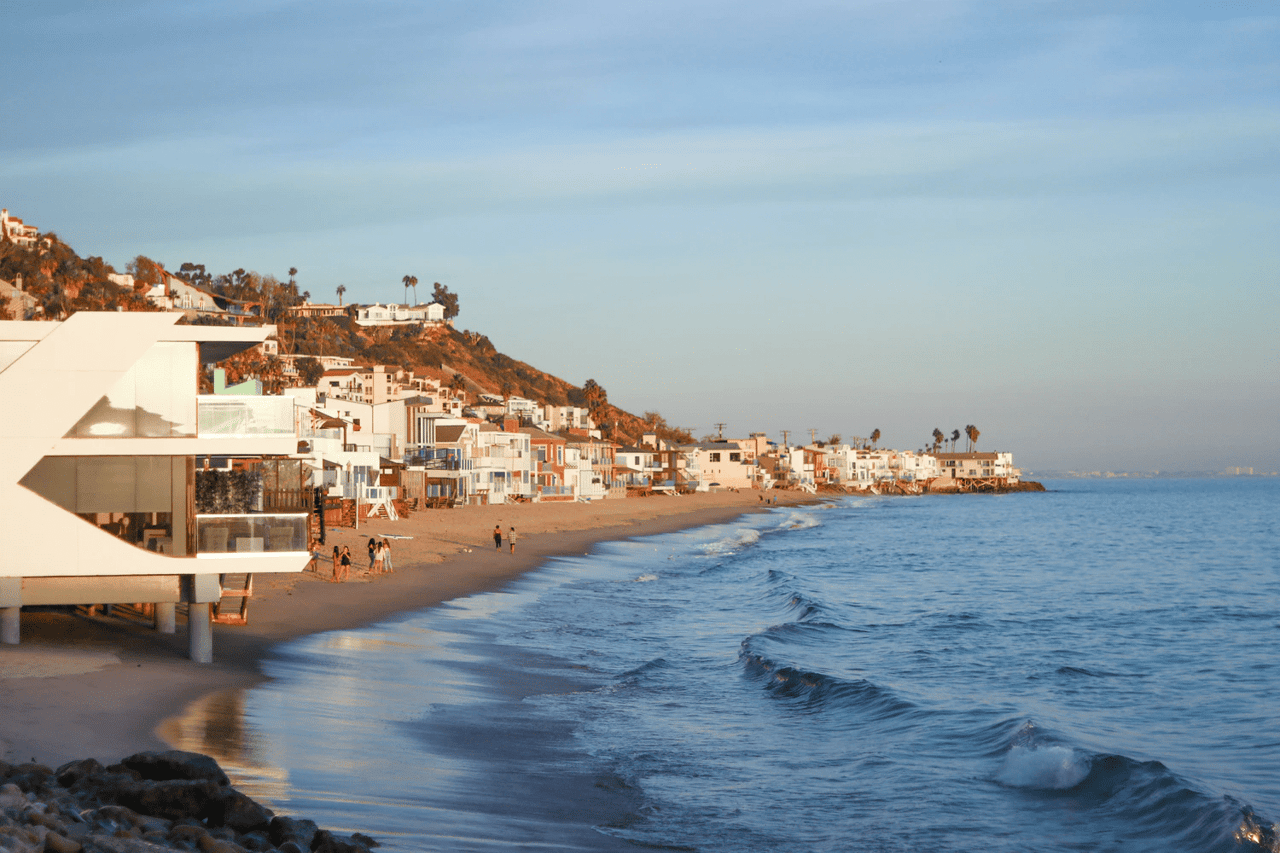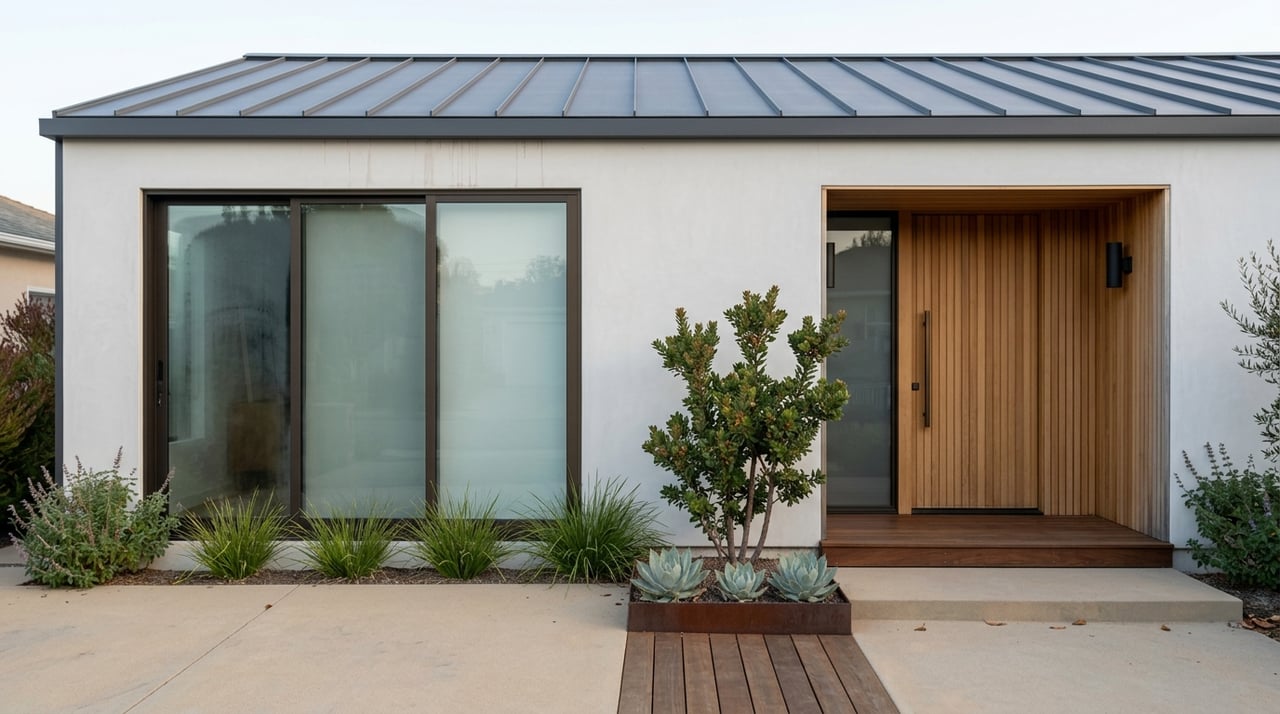
Ever notice how one Malibu address can mean two completely different buying experiences? In Paradise Cove, that is exactly the story. You can be looking at a shoreline estate priced in the tens of millions or a beach bungalow-style park home with a very different ownership structure and lifestyle appeal. If you are trying to understand what drives that range, this guide will help you make sense of the market, the setting, and the rules that matter most. Let’s dive in.
What Makes Paradise Cove Unique
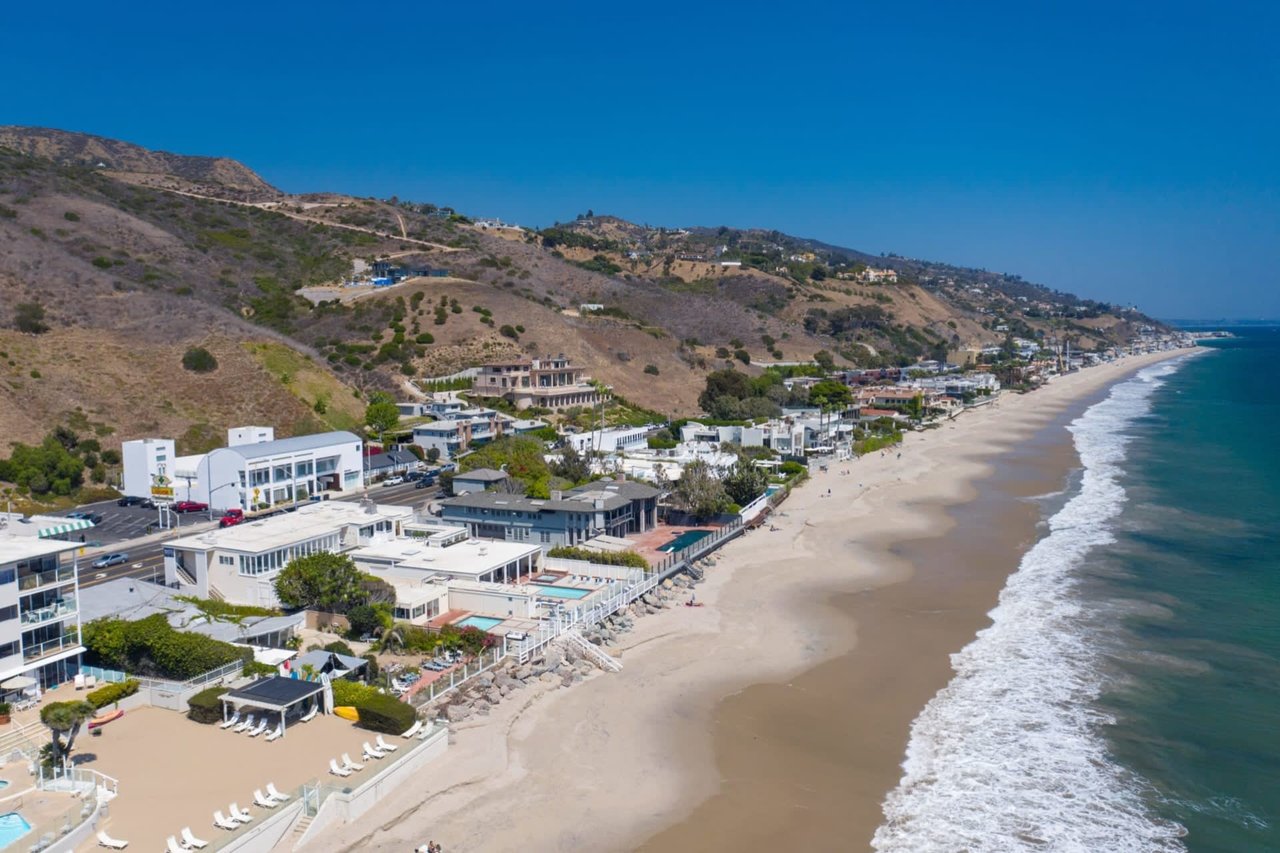
Paradise Cove is a 69.6-acre property at 28128 Pacific Coast Highway in Central Malibu. It includes the Paradise Cove Mobile Home Park and the Beach Café, and city records describe it as a mix of residential and visitor-serving coastal uses.
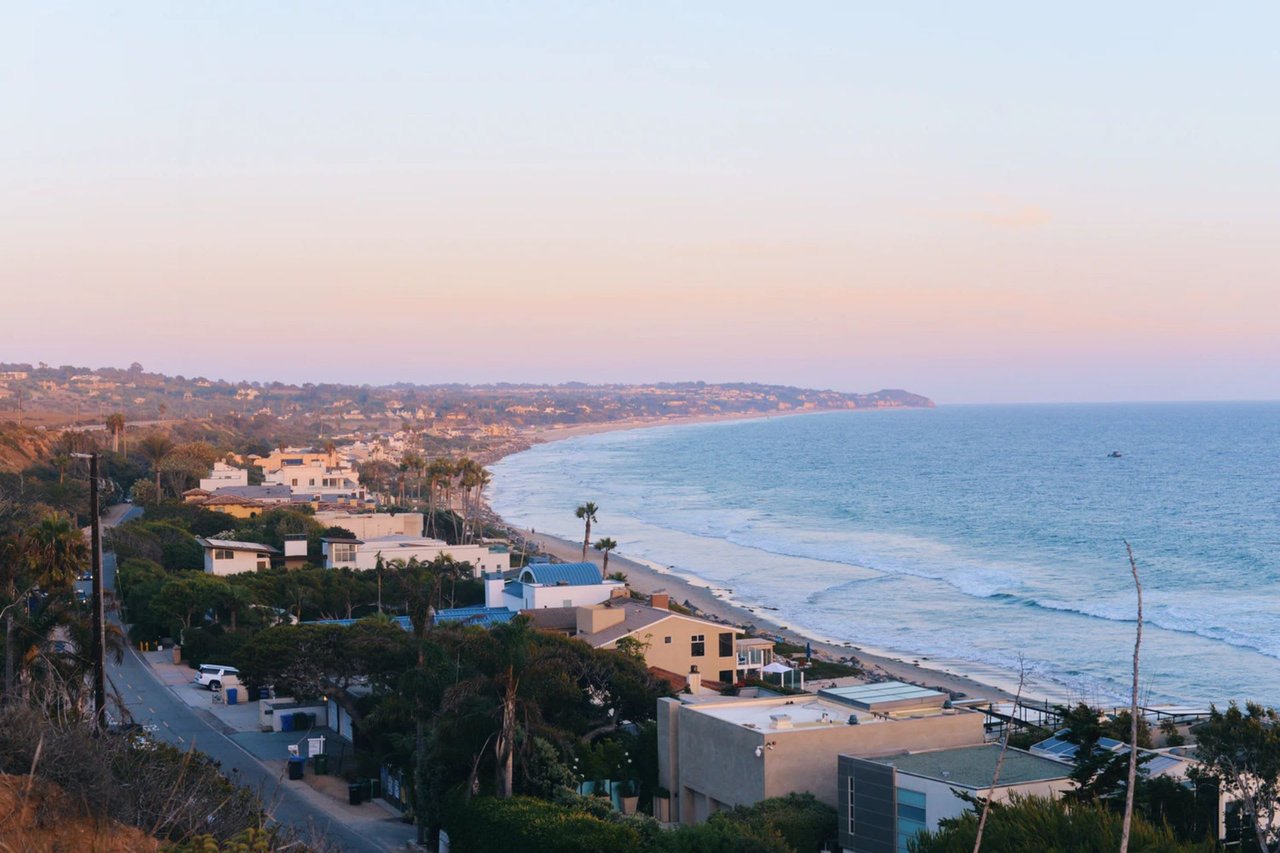
Its location is a major part of the appeal. City documents place the property on the south side of Pacific Coast Highway and within 1,300 feet of the Pacific Ocean, which helps explain why it carries such a strong lifestyle identity within Malibu.
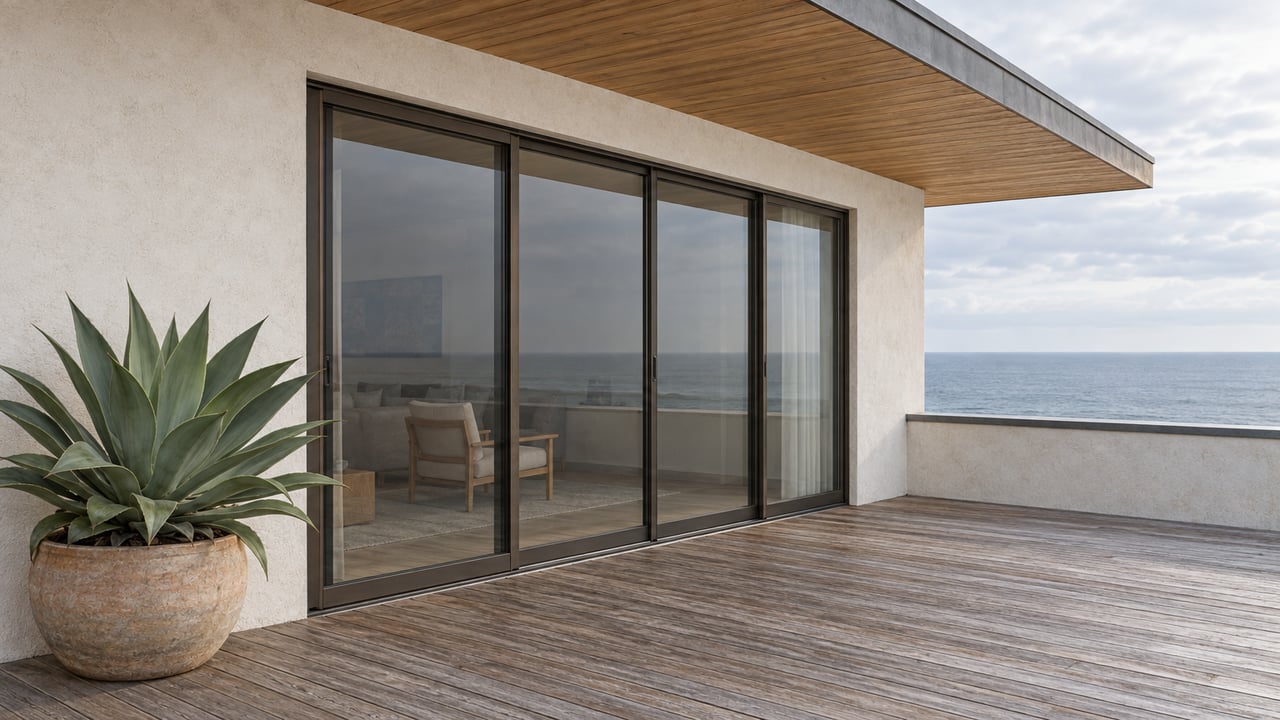
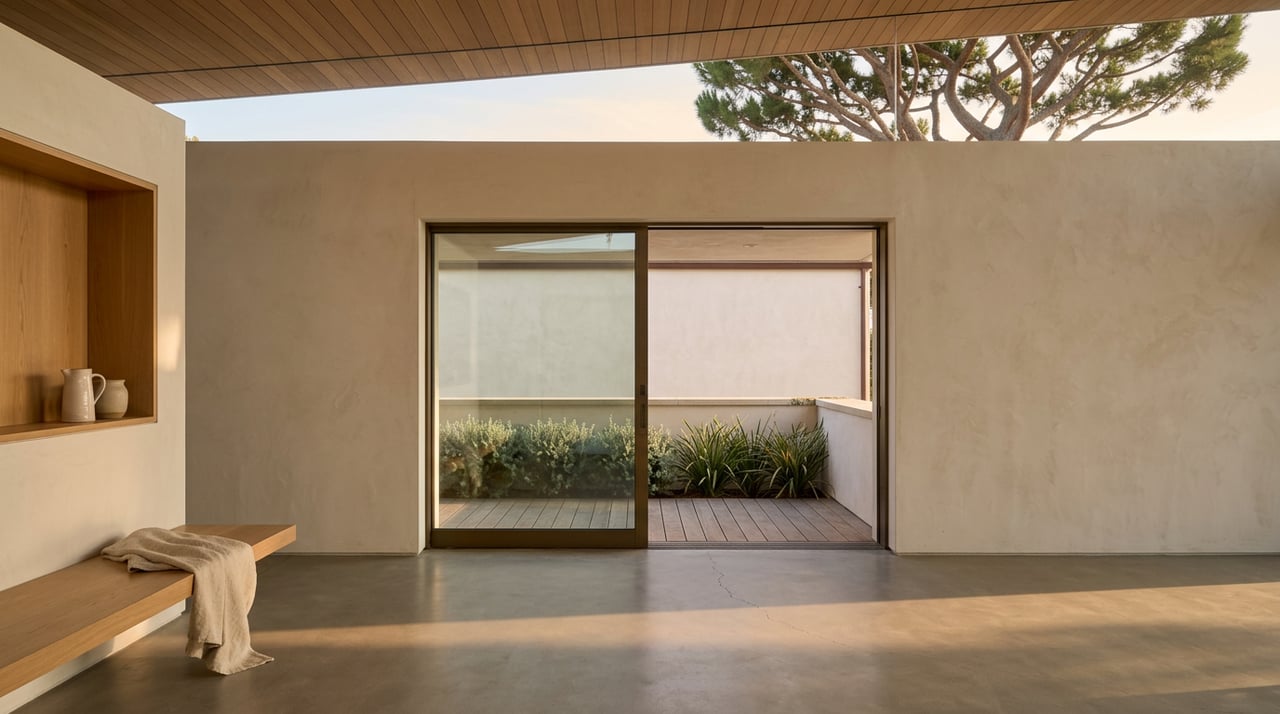
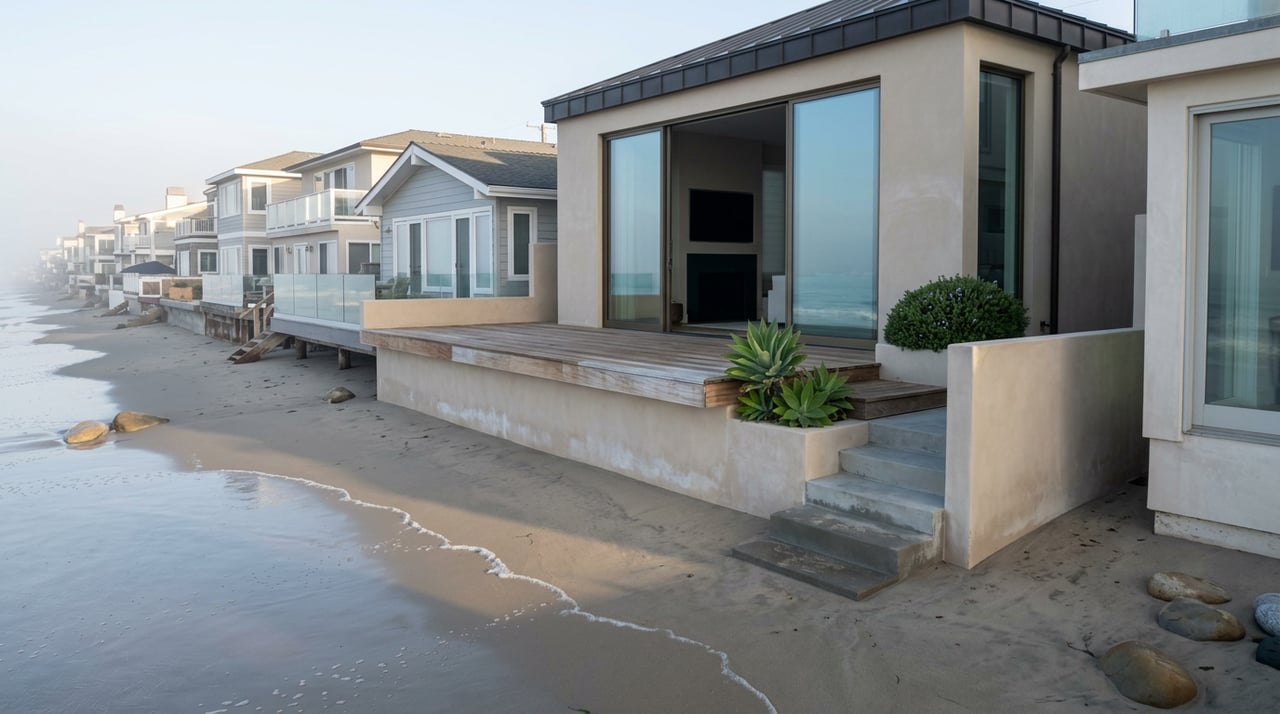
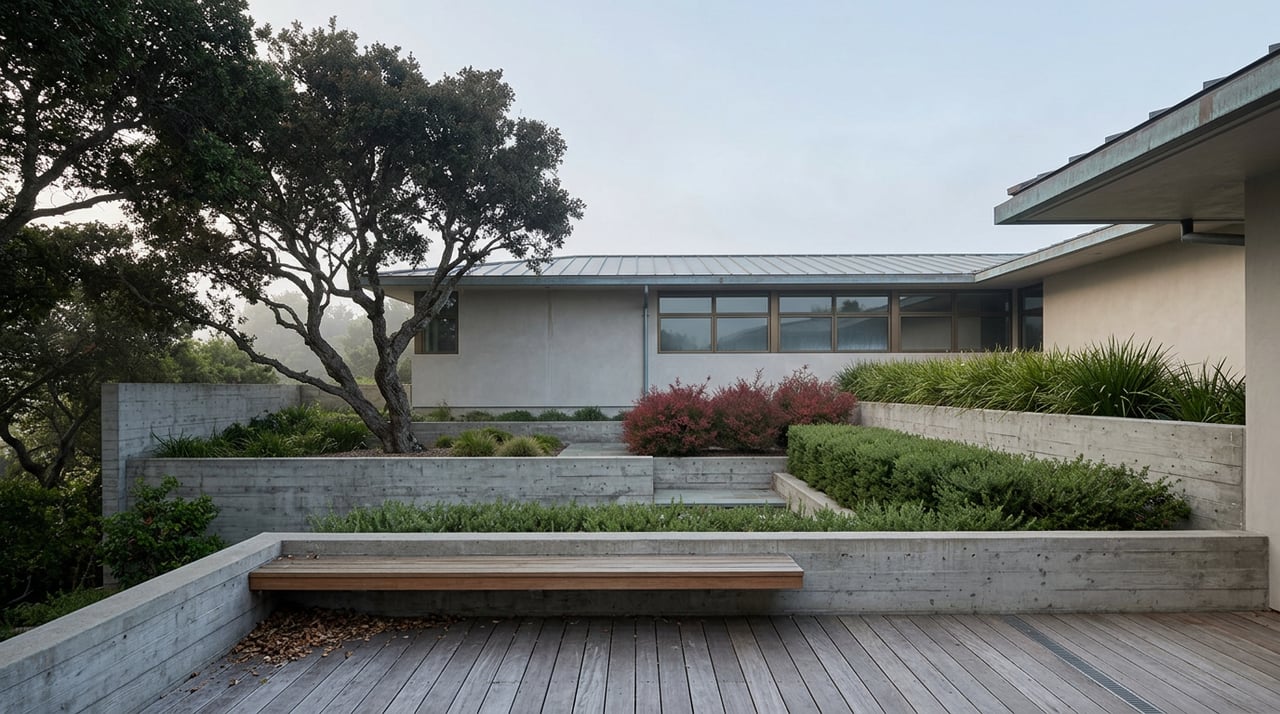
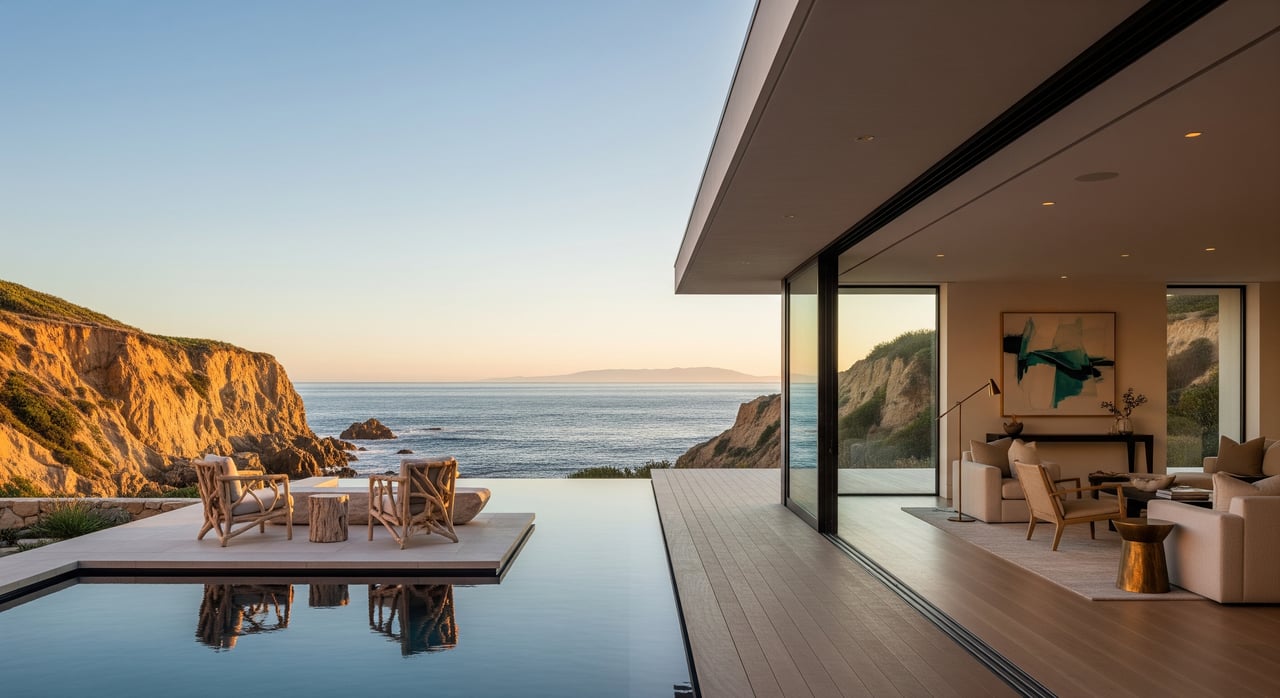
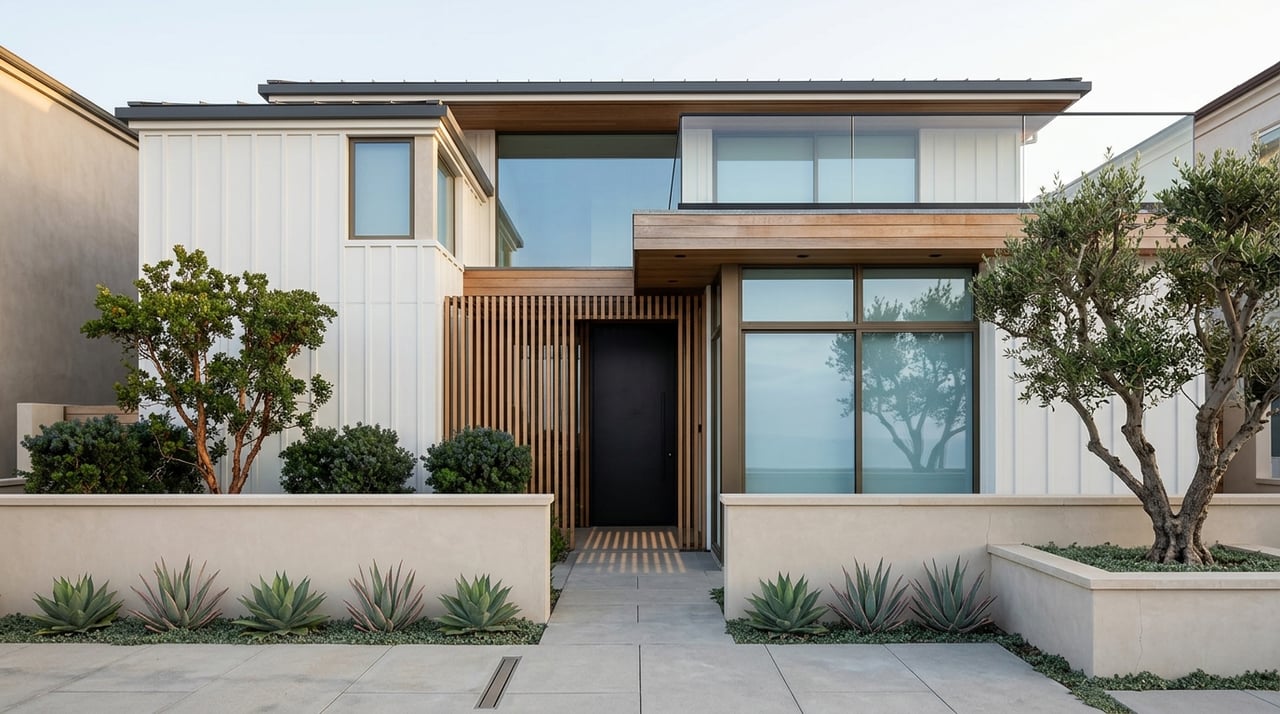
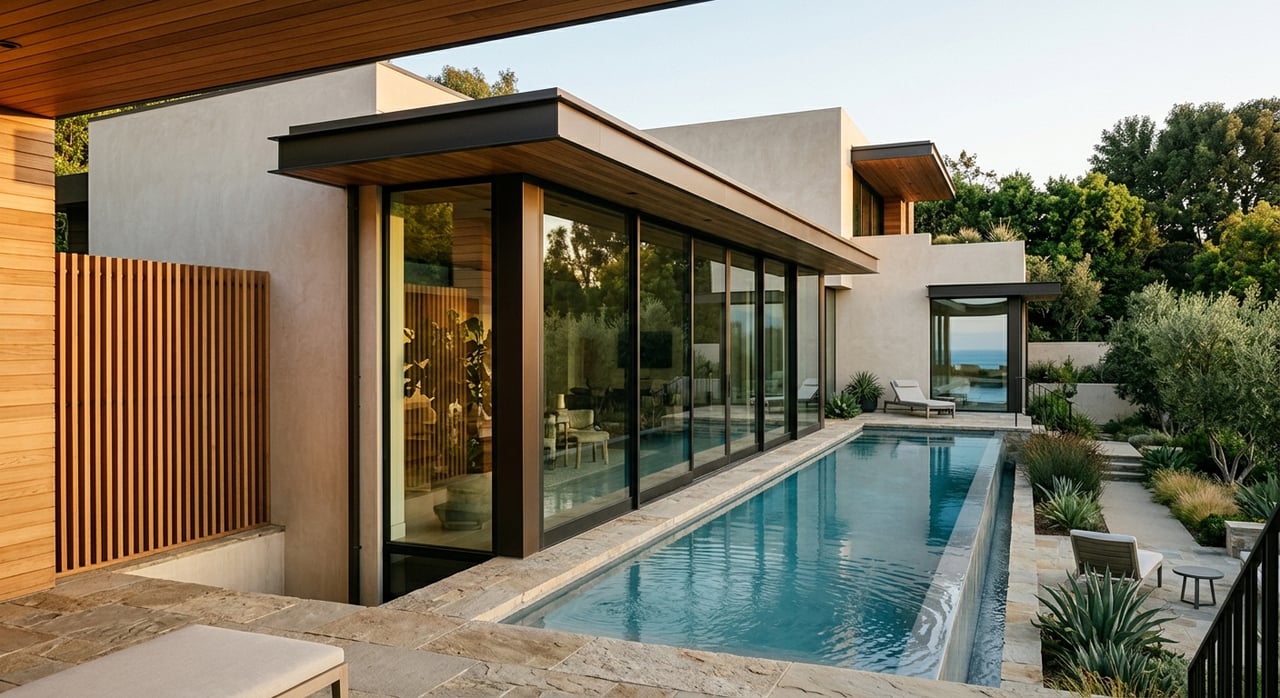
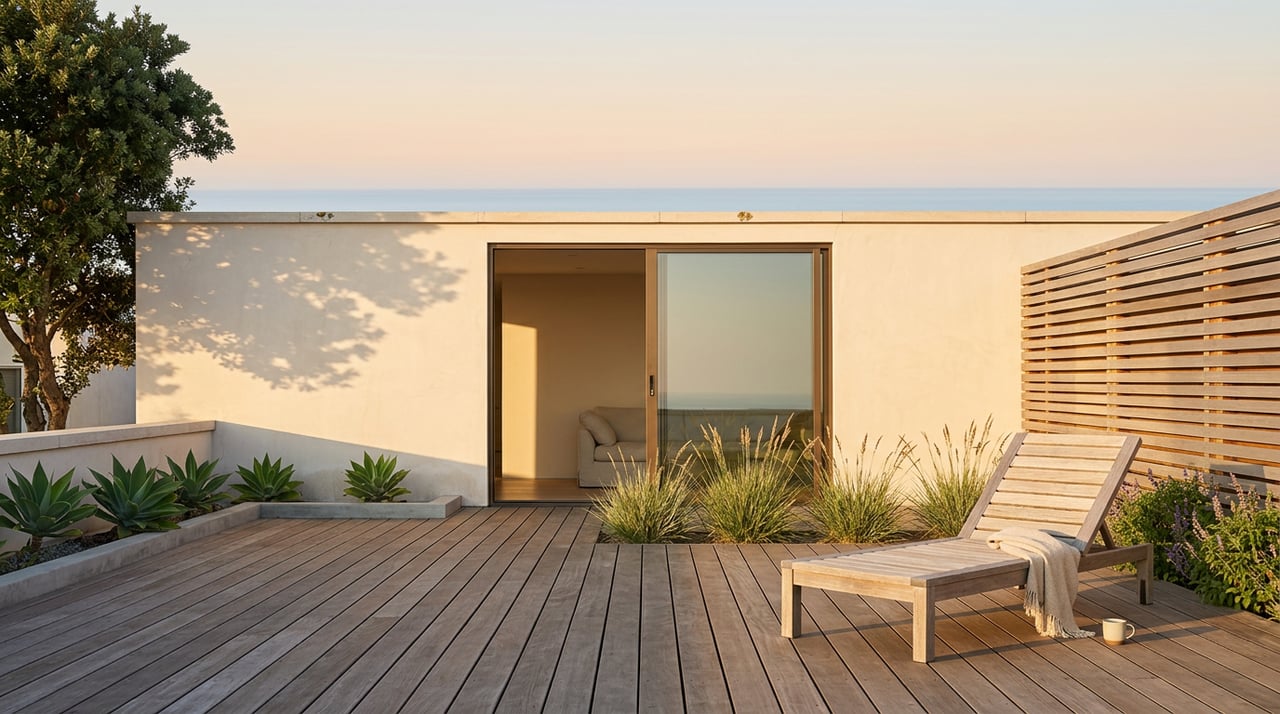
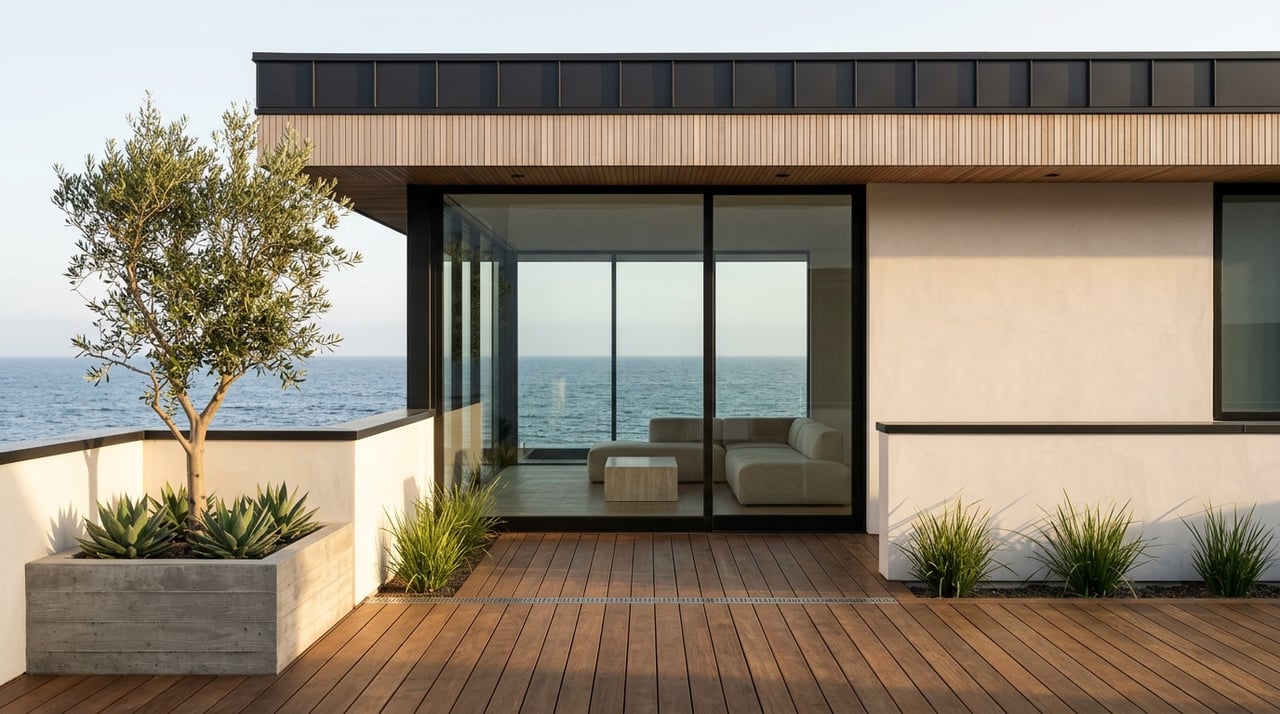
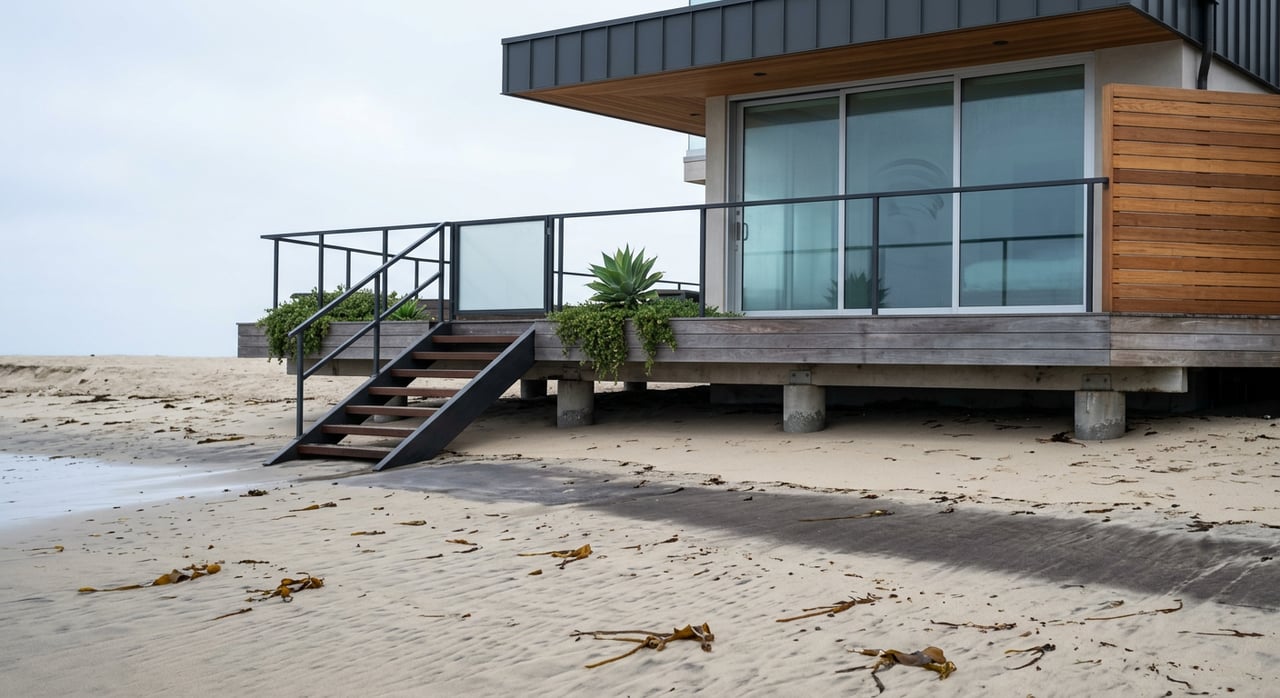
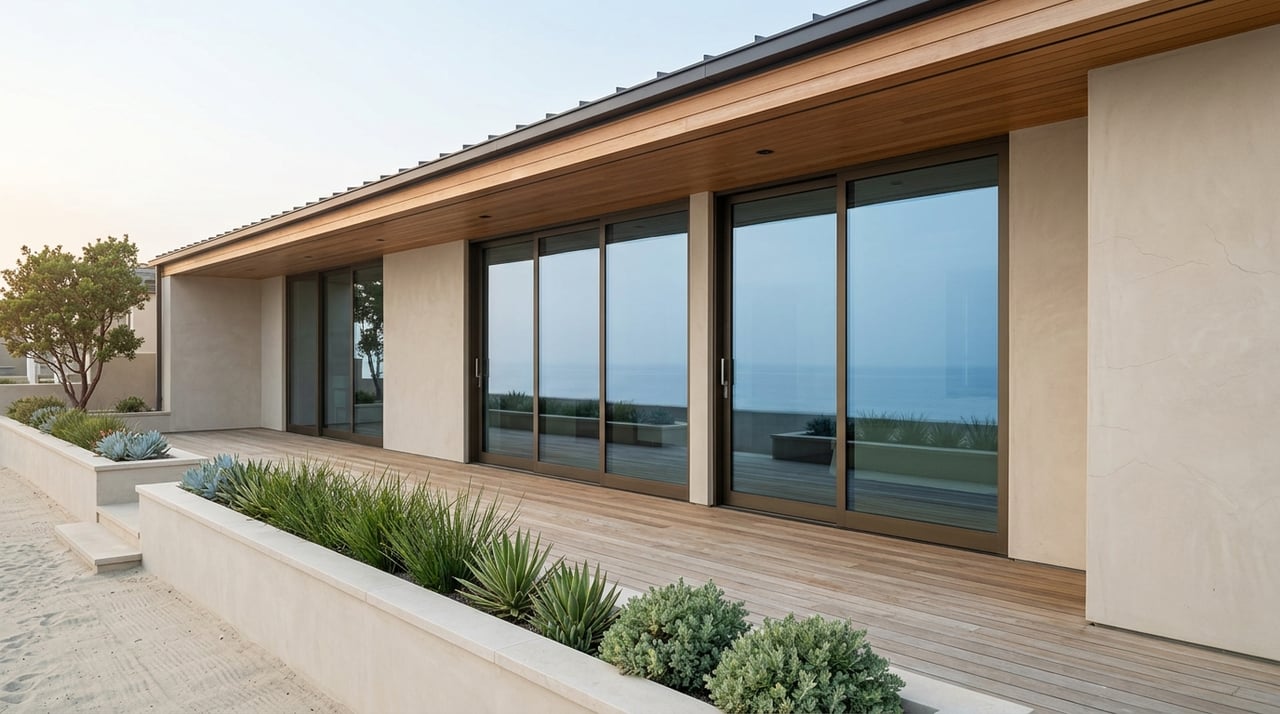
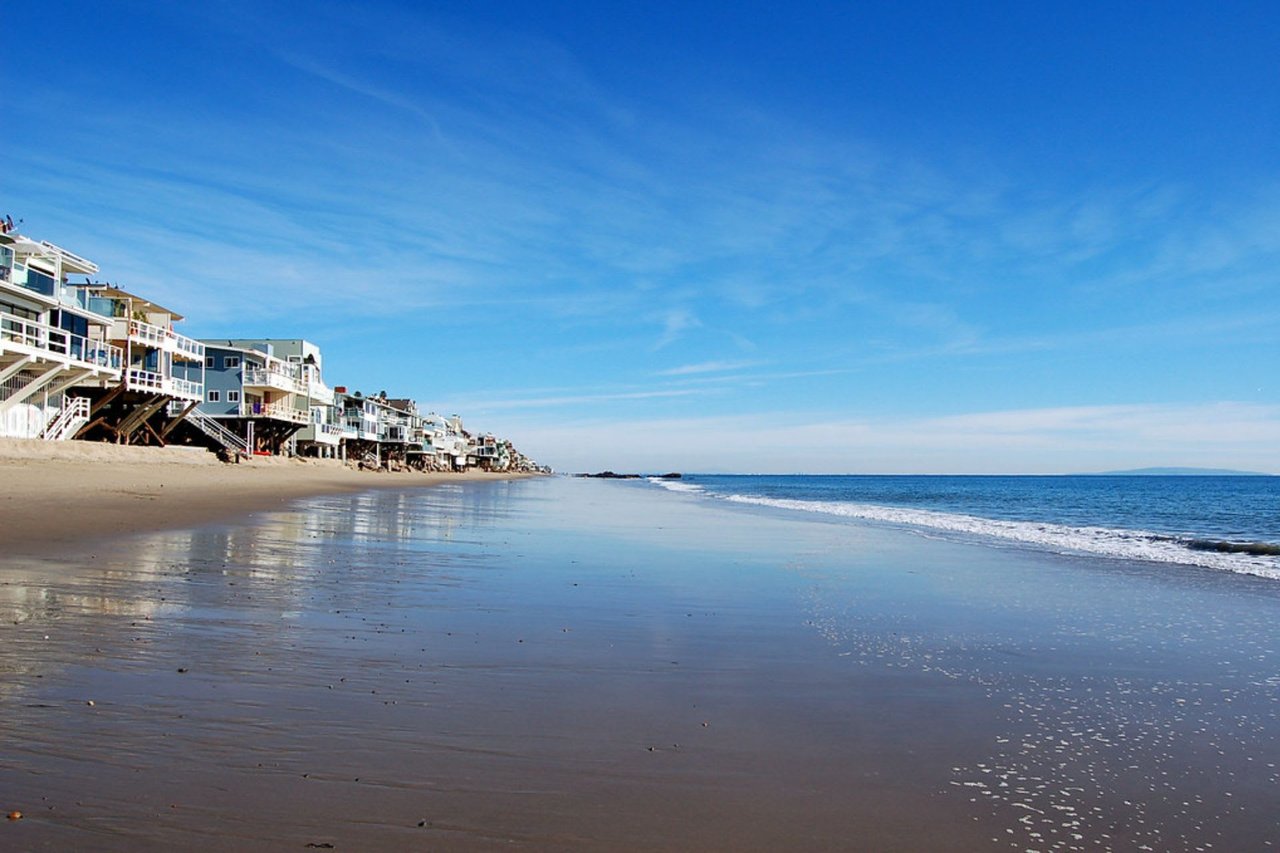
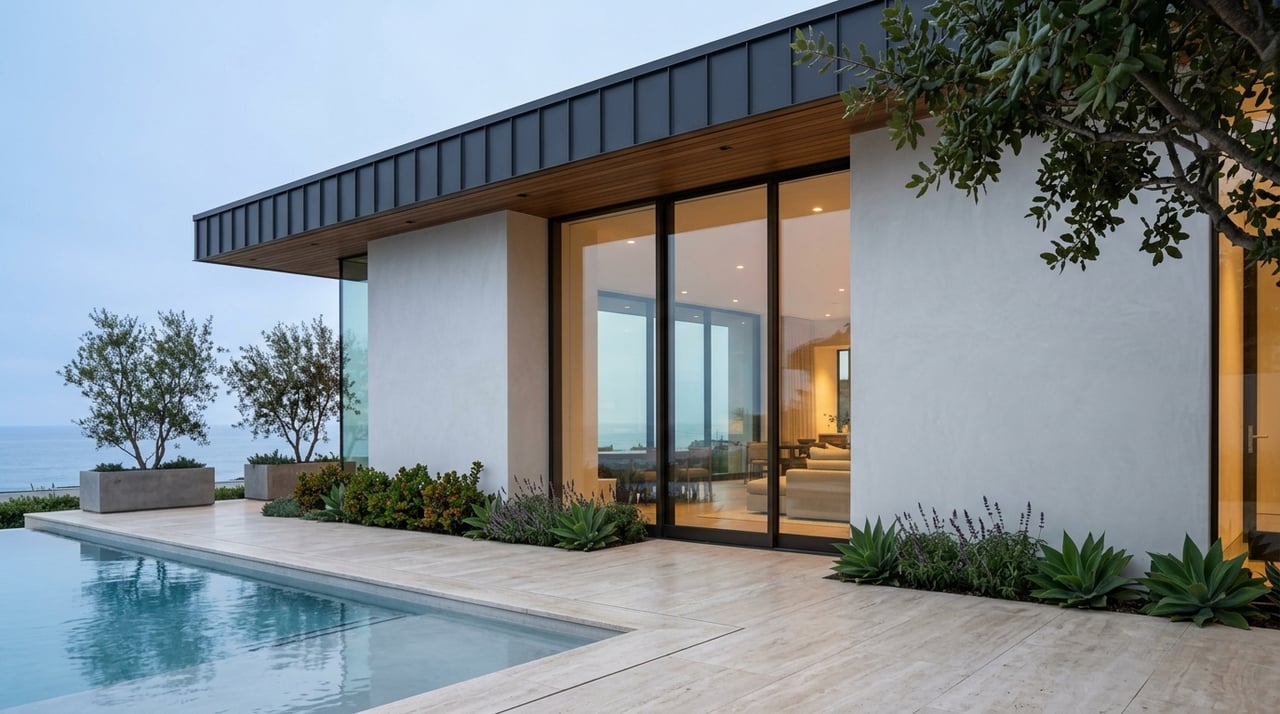
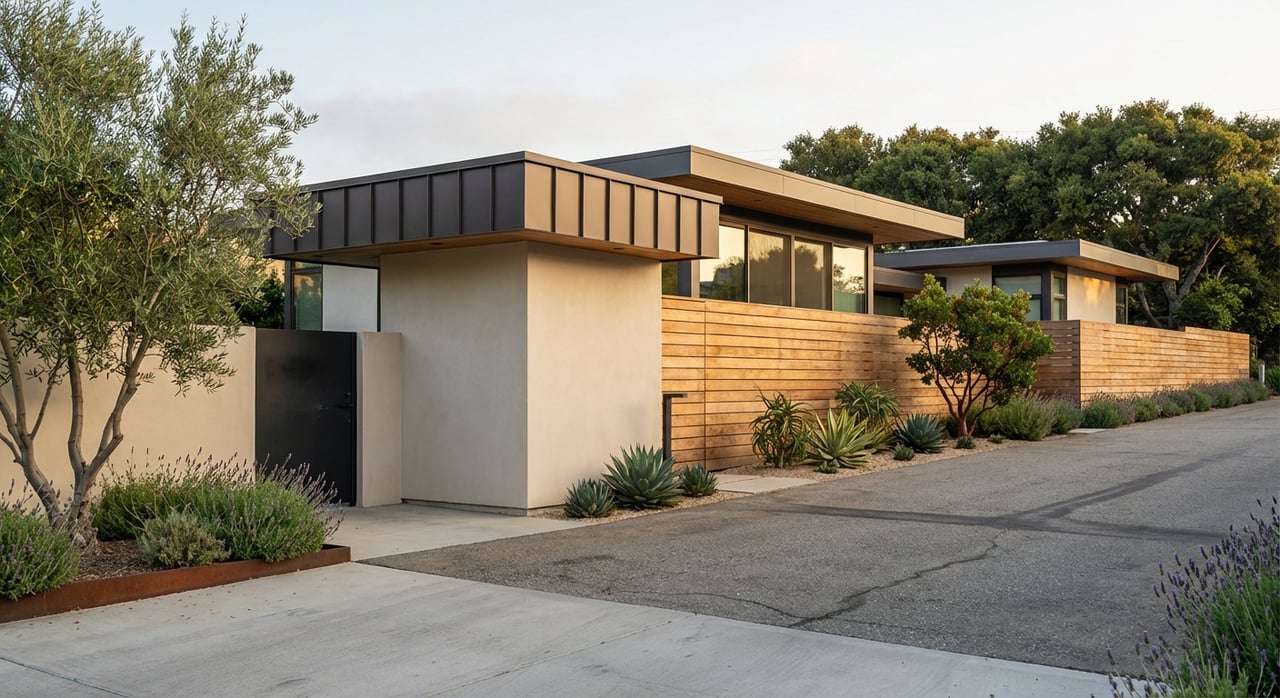
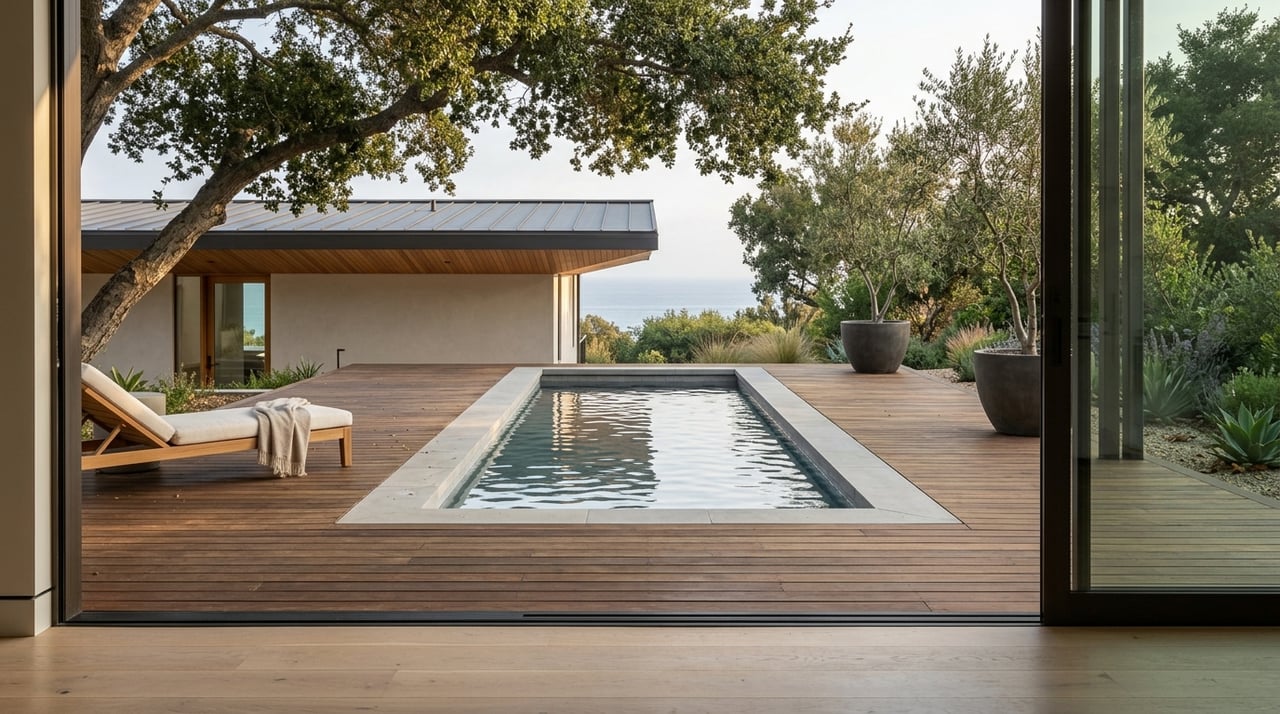
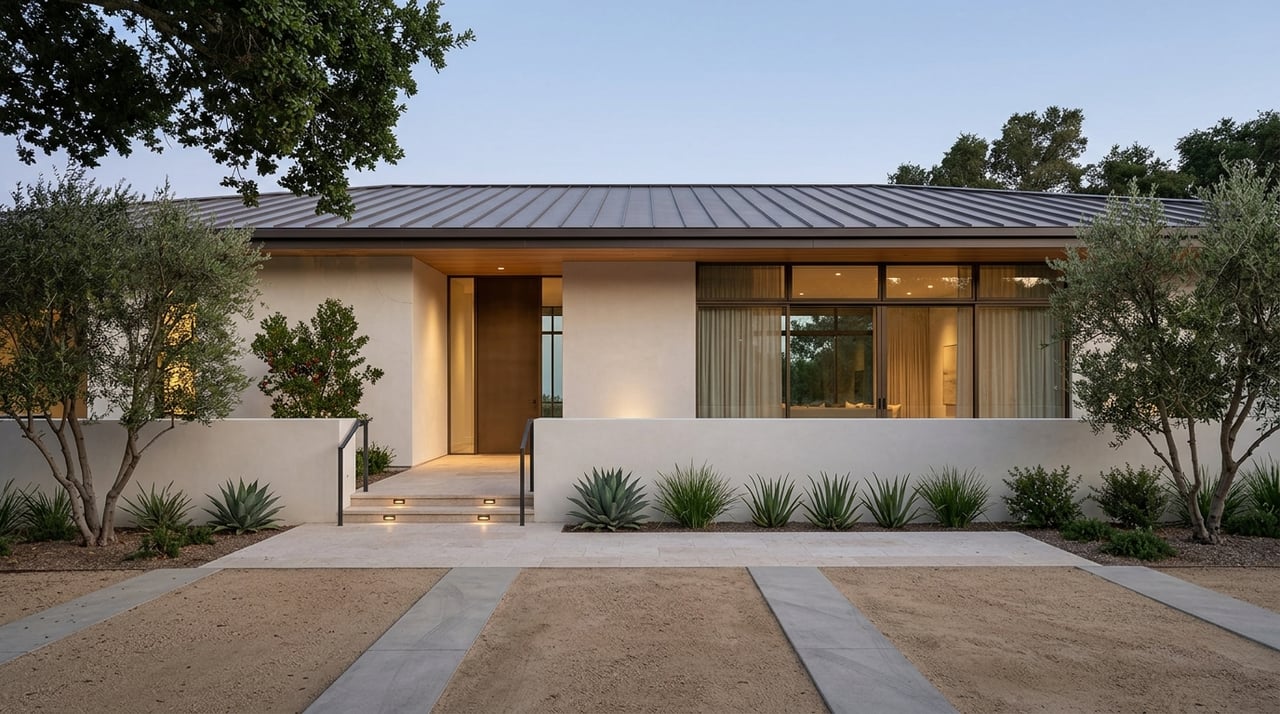
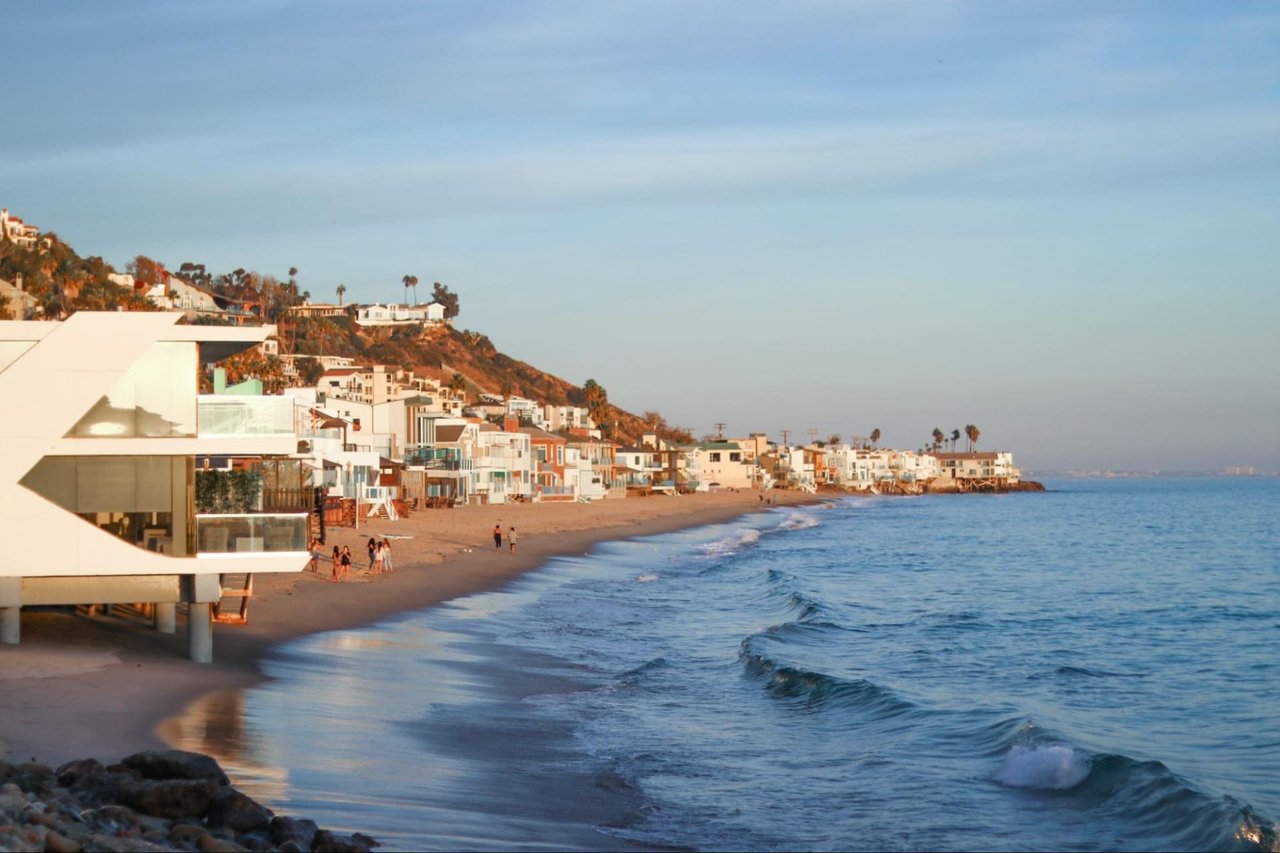
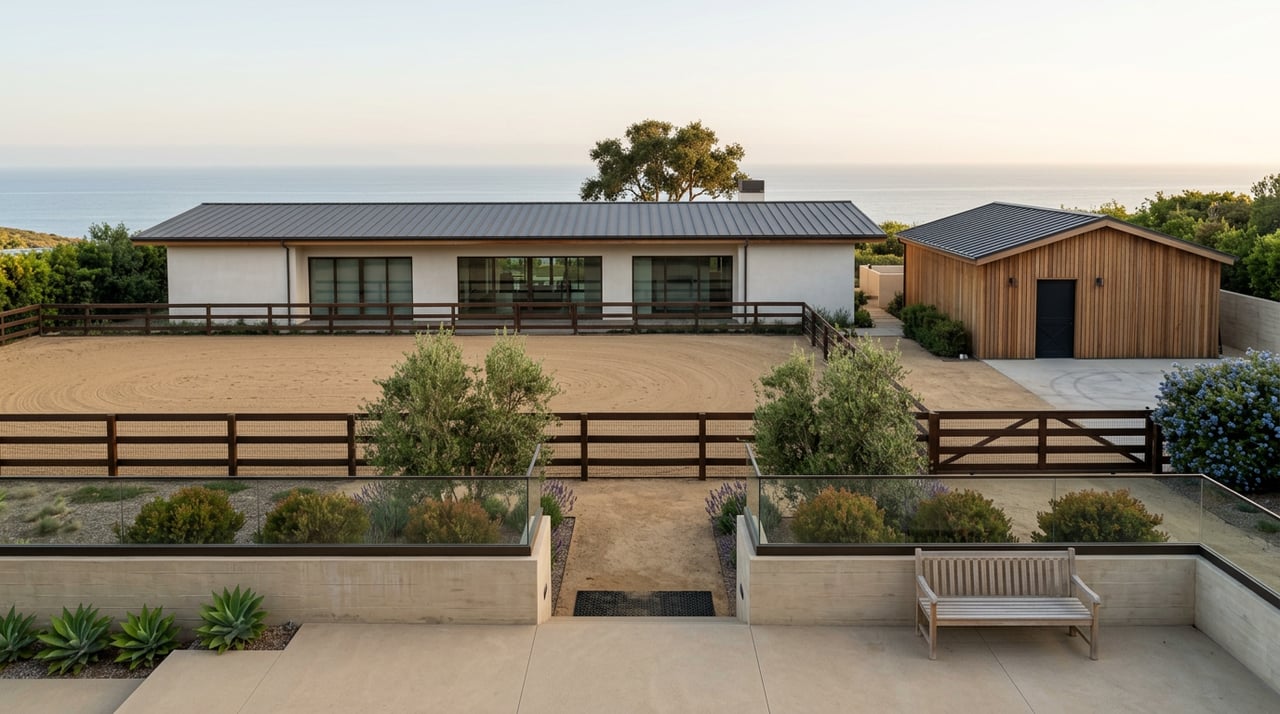
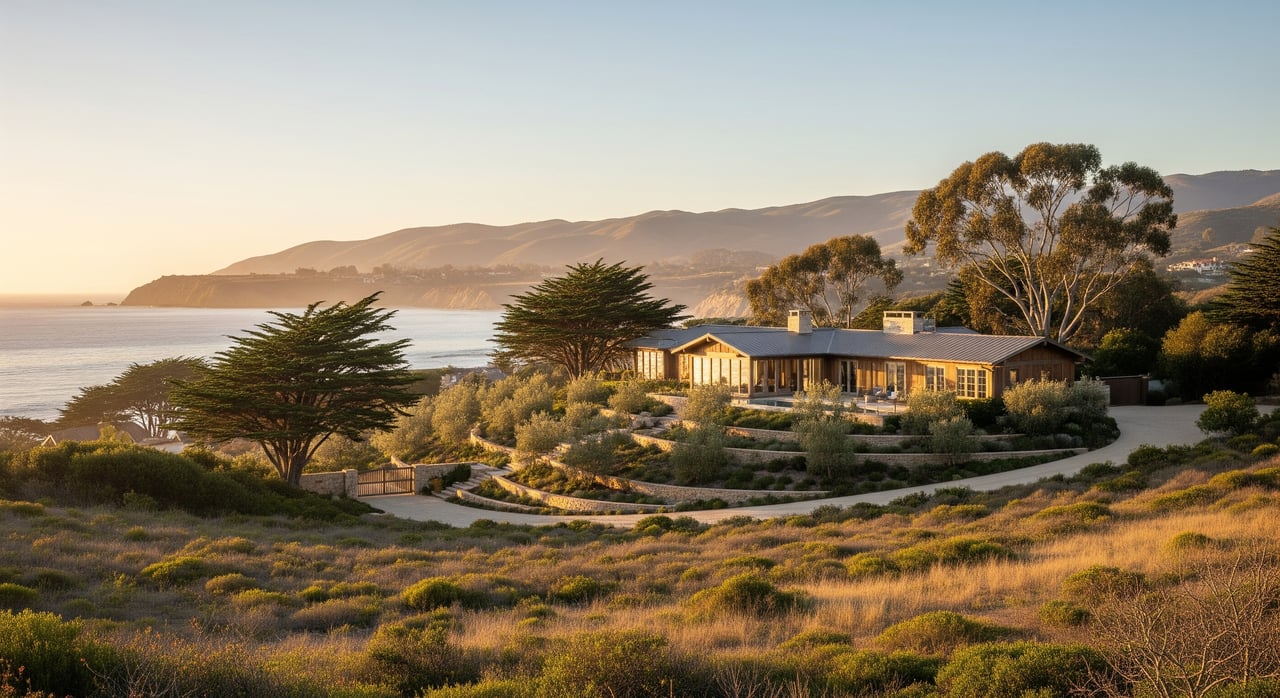
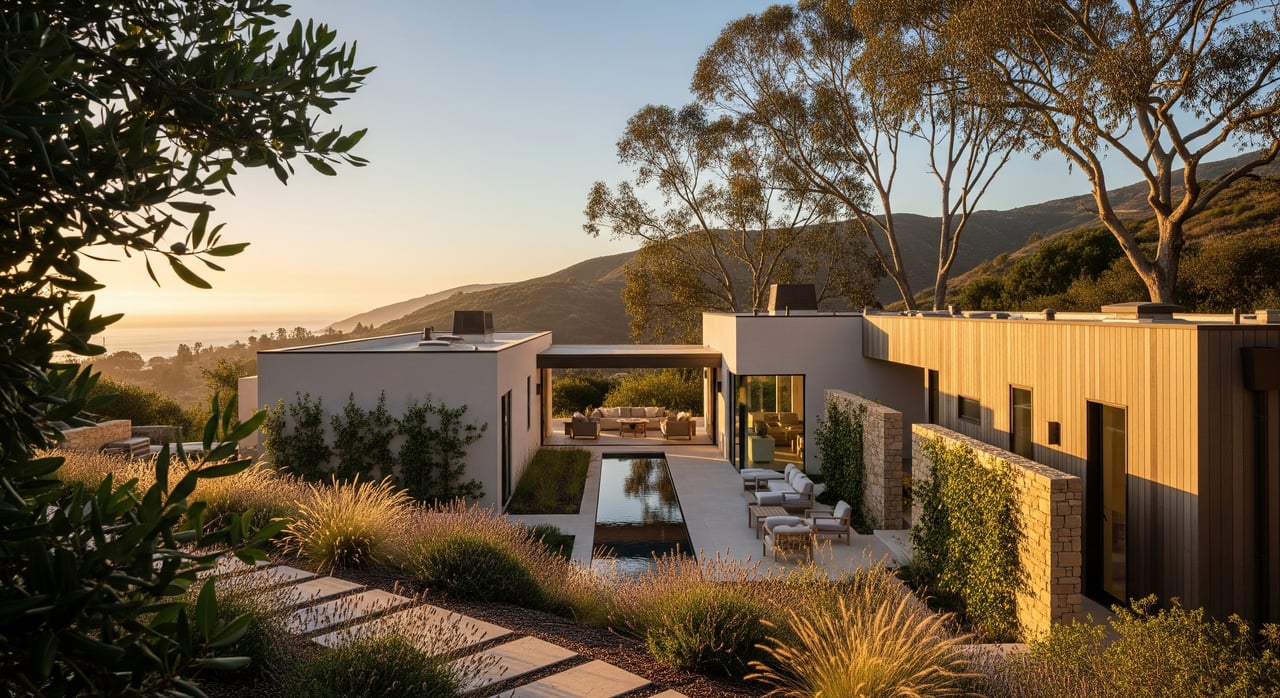
What sets Paradise Cove apart is that it is not one uniform housing market. Instead, it is a coastal enclave with multiple product types, from oceanfront and beachfront houses along Pacific Coast Highway to park homes and bluff-area residences inside the Cove.
Paradise Cove Price Range
Paradise Cove real estate spans an unusually wide price band. As of May 24, 2026, current listings ranged from under $1 million in the park-home segment to $74.5 million for an oceanfront estate.
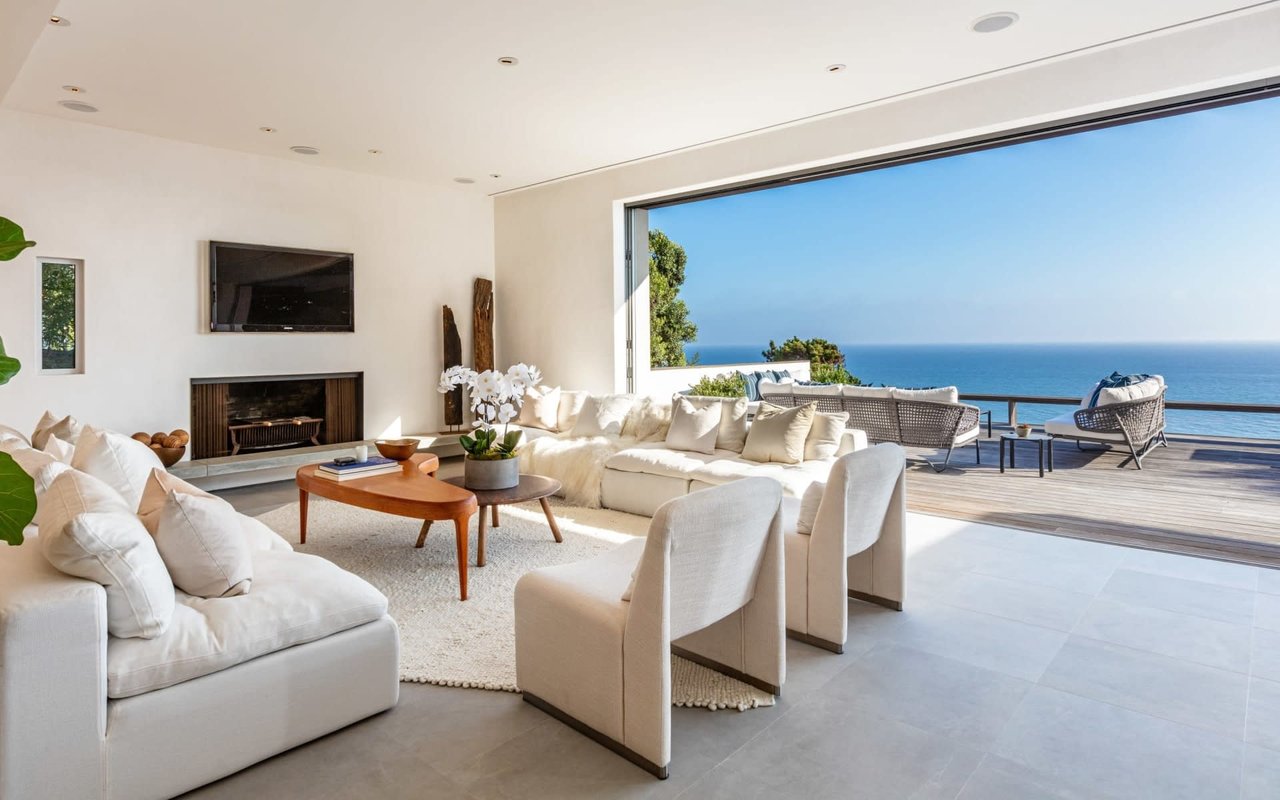
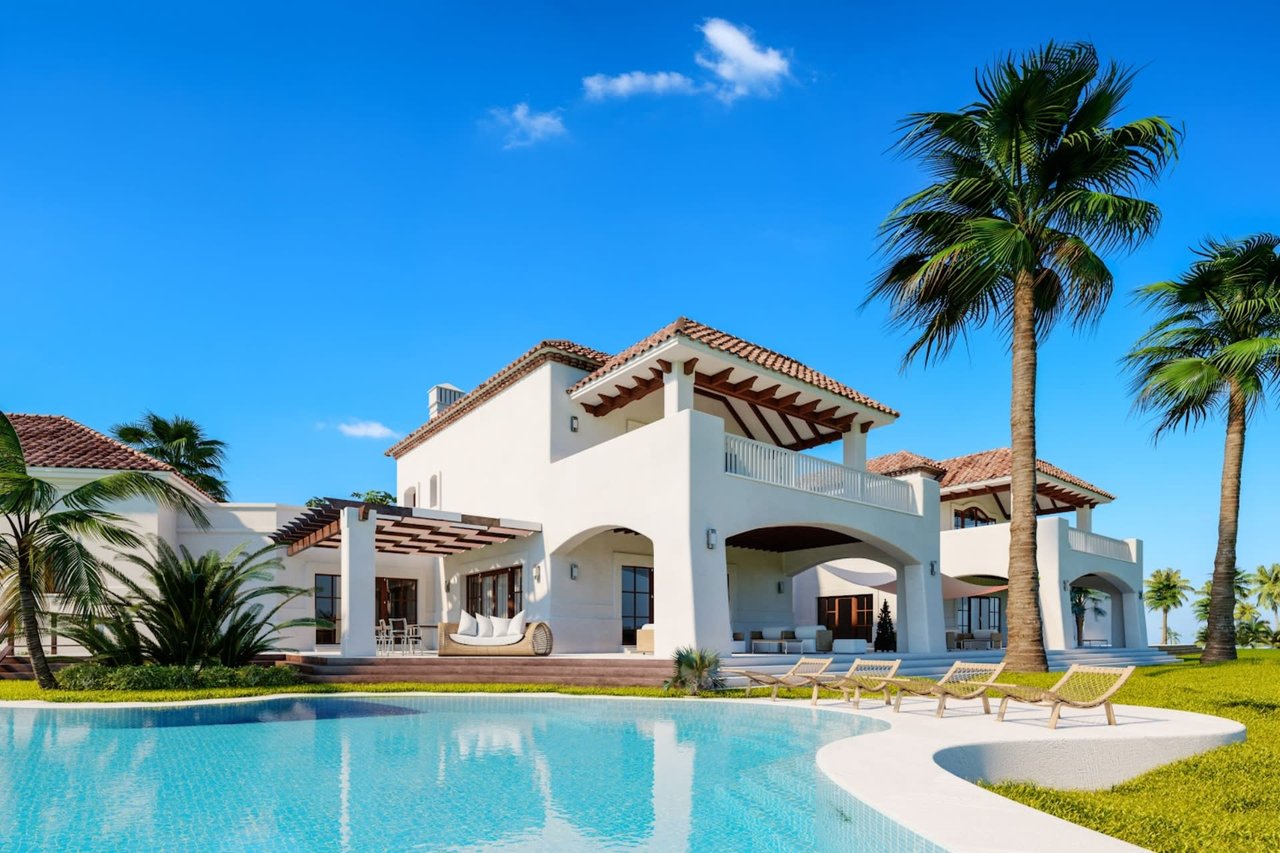
At the top end, active listings included an oceanfront estate at $74.5 million, a deep-sandy beachfront home at $25.9 million, a $12.5 million beachfront listing, and additional oceanfront homes around $16.8 million to $17.0 million. That top tier places Paradise Cove firmly in Malibu’s ultra-luxury coastal conversation.
Inside the Cove, the pricing picture shifts. Current listings included homes at 43 Paradise Cove Rd for $995,000, 52 Paradise Cove Rd for $1.035 million, 68 Paradise Cove Rd for $1.299 million, and other homes around $1.4 million to $1.5 million.
There is also meaningful separation within the park and bluff sections. Listings at 238 Paradise Cove Rd were priced at $3.2 million in the Bluffs section, while 249 Paradise Cove Rd was offered at $5.395 million. Terms like Lower Bowl, Bluffs section, and upper bluff area are useful shorthand because they often signal differences in view orientation, siting, access, and overall positioning.
Estates vs Beach Bungalows
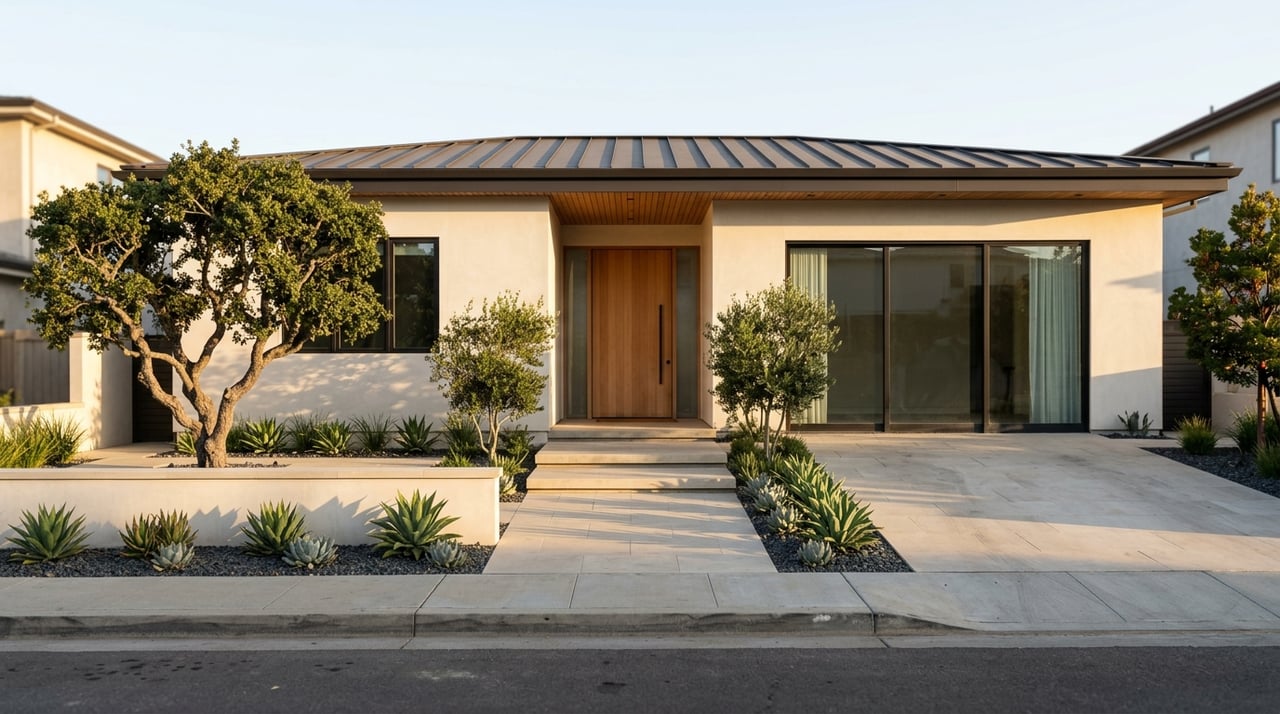
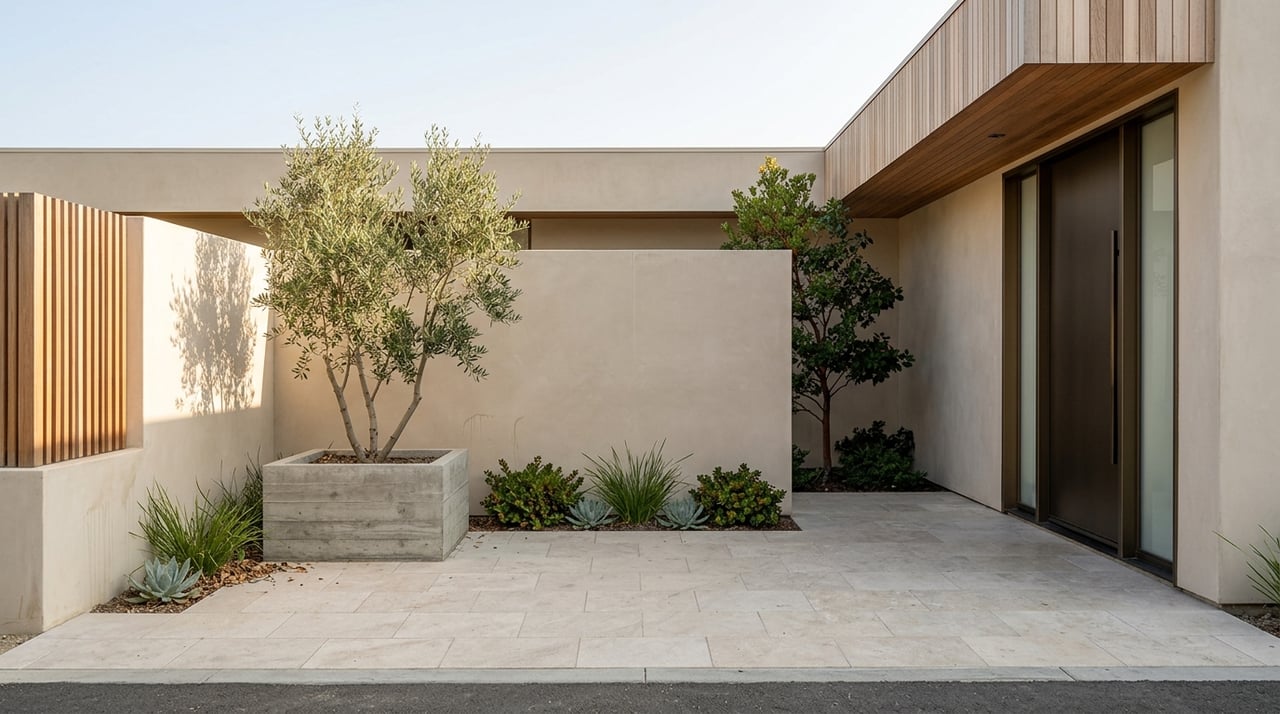
At a high level, Paradise Cove offers two very different value stories. The estate market is driven by direct oceanfront positioning, privacy, and scale. The bungalow and park-home market is often about access to an iconic Malibu beach lifestyle at a lower entry point than a fee-simple estate.
That does not mean the smaller-home segment is inexpensive in any ordinary sense. Recent sold examples in Paradise Cove Mobile Home Park ranged from $875,000 to $3.8 million, with additional sales at $1.30 million, $1.60 million, $1.88 million, and $2.85 million.
That pricing tells you something important. In Paradise Cove, a manufactured-home product can trade more like a premium coastal lifestyle asset than a standard mobile-home sale. Buyers are often valuing section, remodel quality, beach access, and the overall Cove experience, not just square footage.
Understanding The Ownership Difference
This is one of the most important points for any buyer. A Paradise Cove estate along the shoreline and a home inside the mobile home park do not follow the same legal and economic framework.
Malibu treats mobilehome housing separately from ordinary single-family housing. The city states that its rent regulations apply only to mobilehomes, and the city clerk serves as the mobilehome park liaison for Paradise Cove and Point Dume.
In the mobile home park, buyers are usually purchasing the home and the right to occupy a space in the park, not the underlying land itself. Malibu’s municipal rules say spaces are rented or leased, and space-rent increases are limited by a CPI-based formula unless otherwise approved by the commission.
There is also a park approval component. The city code says management may require prior approval of a buyer who wants the home to remain in the park, while state law provides that approval cannot be withheld if the purchaser can pay the rent and charges and is likely to comply with park rules.
If you are comparing opportunities in Paradise Cove, this distinction matters. A park home should be understood as a lease-plus-improvement purchase, while an estate home is typically evaluated through a more traditional single-family lens.
Lifestyle In Paradise Cove
Paradise Cove’s appeal goes well beyond architecture and price. The lifestyle here is one of the biggest reasons buyers stay focused on the Cove even when comparing it with other Malibu enclaves.
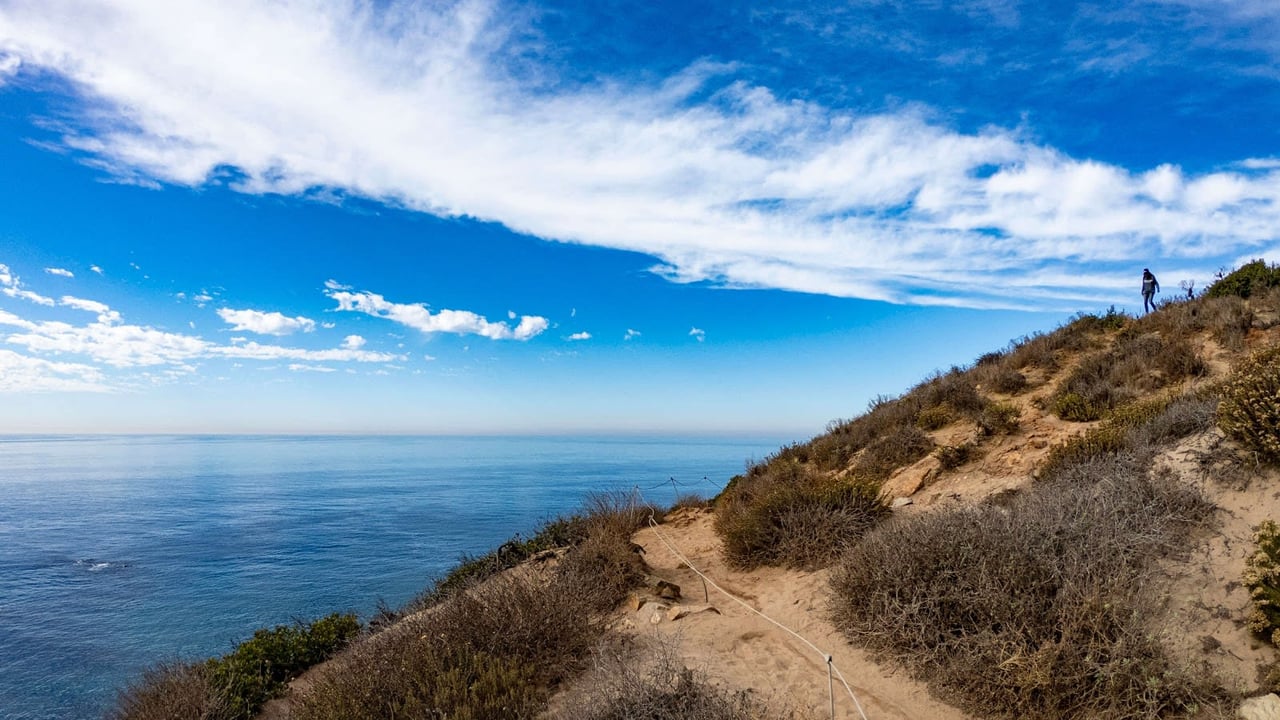
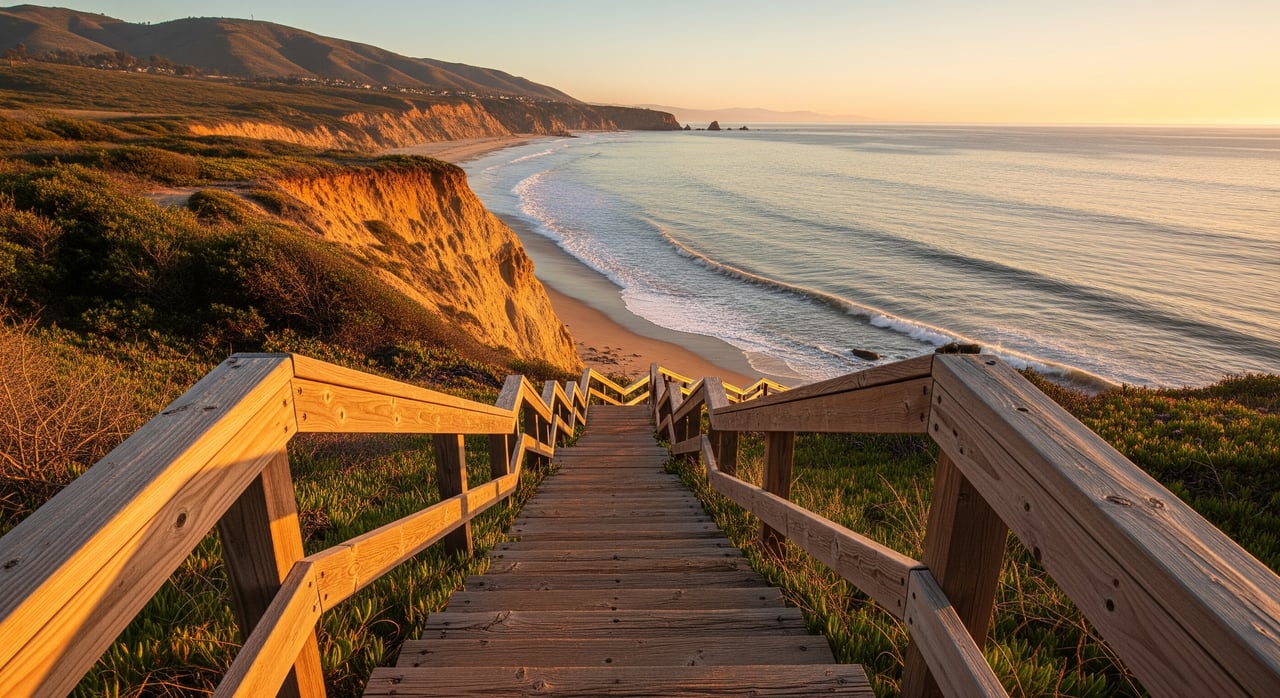
The official beach-rentals page and café materials emphasize the broader beach experience, including chaise lounges, palapas, reservations, parking information, and pier frontage. Listing descriptions also point to features such as gatehouse security, card or code access, hiking trails, golf-cart trails, a clubhouse, tennis or pickleball, and direct beach access.
That blend creates a semi-resort rhythm that feels distinct from many other parts of Malibu. For some buyers, the draw is large-scale oceanfront privacy. For others, it is the convenience of a lock-and-leave beach setting with shared amenities and easy access to the sand.
Golf carts are also part of daily life in the Cove. Several listings reference golf carts, golf-cart parking, or golf-cart garages, and one upper-bluff listing specifically noted an electric golf cart for direct access to Paradise Cove Beach.
Beach Access And Privacy
One common misconception is that Paradise Cove offers a fully private beach. The reality is more nuanced, and understanding that nuance is important when evaluating the area.
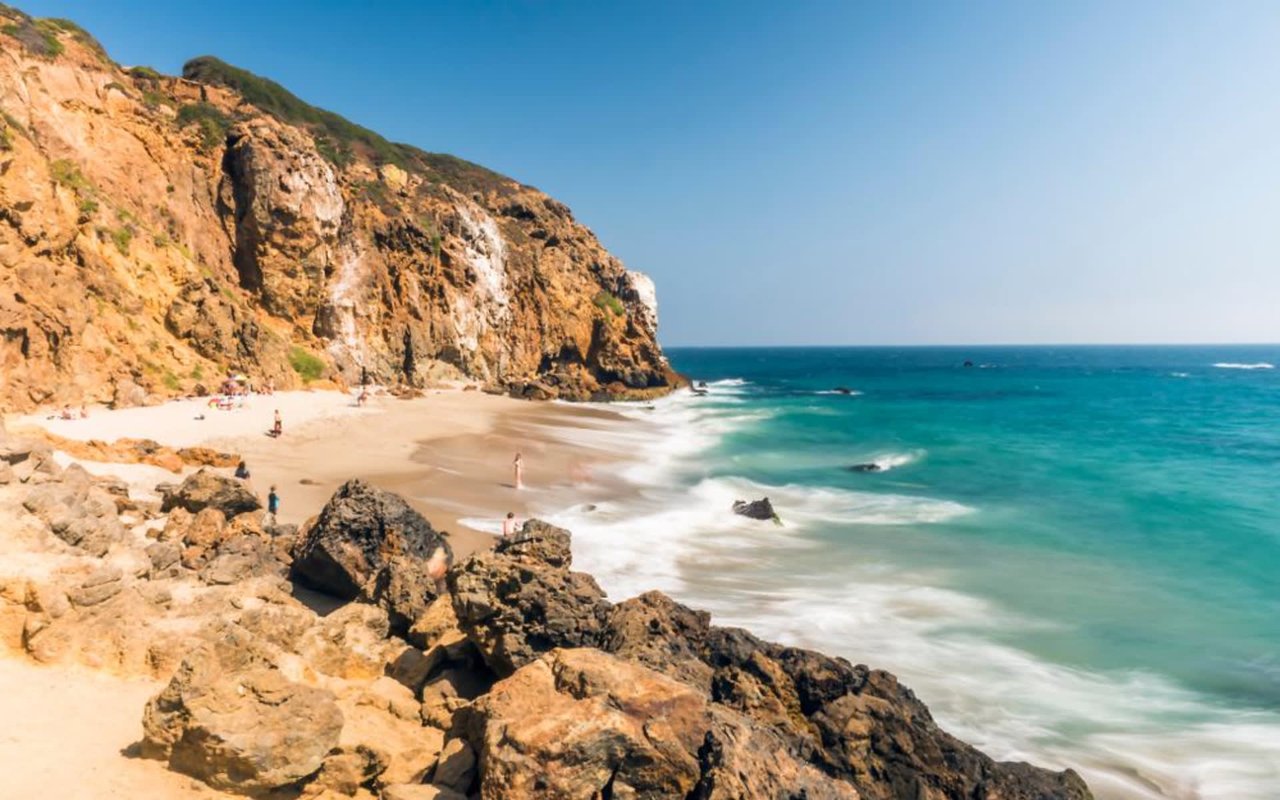
The California Coastal Commission and State Lands Commission confirmed that access to the beach comes from Pacific Coast Highway by a private road and parking lot owned by Paradise Cove Land Company. They also confirmed that the area below the mean high tide line is public and that the lease requires free public access to the pier and adjacent public lands.
In practical terms, the residential setting can feel private, but the beach itself is not private in the way some buyers initially assume. That distinction can shape expectations around use, access, and long-term value perception.
Coastal Rules Matter Here
In Paradise Cove, value is not just about the view. Coastal siting and long-term risk are part of the conversation, especially for blufftop and beachfront properties.
Malibu’s Local Coastal Program says new beachfront and blufftop development must be sized, sited, and designed to minimize wave run-up, flooding, beach and bluff erosion hazards without requiring shoreline protection structures over the life of the project. The plan also states that new lots cannot be created if they would require such protection.
For buyers, this means due diligence is essential. The future use, expansion potential, and long-term resiliency of a property can all be influenced by coastal planning rules, not just by lot size or frontage.
Rental Rules To Know
If you are considering rental potential, Paradise Cove requires careful analysis because the rules differ by product type. It is not a market where broad assumptions are especially helpful.
For Malibu’s single-family market, the city says operating a short-term rental without a permit is a violation subject to a $1,000 per day or per violation penalty. The city also states that its hosted short-term rental ordinance would require an onsite host, primary residency requirements, and multifamily restrictions once certified.
The mobilehome segment follows a different framework because Malibu’s rent regulations apply only to mobilehomes, not to other rented property. That is why buyers should treat rental strategy, occupancy, and holding costs as property-specific issues rather than assume the same rules apply across the Cove.
Who Paradise Cove Fits Best
Paradise Cove tends to appeal to three broad buyer profiles. The first is the ultra-high-net-worth buyer looking for a true oceanfront or beachfront estate with privacy, scale, and marquee positioning.
The second is the lifestyle buyer who wants a smaller-footprint beach property with strong day-to-day enjoyment. For that buyer, the attraction is often direct beach access, shared amenities, golf-cart circulation, and a more casual coastal rhythm.
The third is the buyer who is comfortable with the park approval and space-rent framework in exchange for a Malibu beach address at a lower price than the estate tier. In that case, the value proposition is access and experience, paired with a different ownership model.
How To Evaluate Paradise Cove Real Estate
If you are serious about buying in Paradise Cove, it helps to compare properties through a focused lens. Price per square foot matters, but it is only one part of the story.
Pay close attention to where the home sits within the Cove, whether it is in the Lower Bowl, Bluffs section, upper bluff area, or directly on the shoreline. Location within the micro-market can shape access, views, privacy, and price more than buyers expect.
You will also want to understand whether you are buying fee-simple real estate or a park home with leased space. From there, evaluate the amenities, beach access pattern, remodel quality, and any rules that may affect future use.
In a market this layered, local knowledge matters. Paradise Cove can look simple from the outside, but the differences between one opportunity and the next are often what define value.
If you are weighing a beachfront estate, a bluff retreat, or a park home in Paradise Cove, working with a Malibu specialist can help you see beyond the headline price. For tailored guidance on this unique micro-market, connect with Sandro Dazzan.
FAQs
What is Paradise Cove in Malibu?
- Paradise Cove is a 69.6-acre property in Central Malibu that includes the Paradise Cove Mobile Home Park and the Beach Café, with a mix of residential and visitor-serving coastal uses.
How much do Paradise Cove homes cost?
- As of May 24, 2026, active listings ranged from about $995,000 for certain park homes to $74.5 million for an oceanfront estate, with several bluff and beachfront properties priced in between.
Are Paradise Cove mobile homes the same as regular houses?
- No. In the park, buyers usually purchase the home and the right to occupy a rented or leased space, rather than the underlying land, so the ownership structure differs from a typical single-family house.
Is Paradise Cove Beach private?
- No. The beach below the mean high tide line is public, and the lease requires free public access to the pier and adjacent public lands, even though the residential enclave itself may feel more private.
Can you rent out a Paradise Cove property short term?
- Short-term rental rules depend on the property type and local regulations. Malibu says operating a short-term rental without a permit is a violation subject to a $1,000 per day or per violation penalty.
Why do Paradise Cove prices vary so much?
- Prices vary because Paradise Cove includes very different property types, from ultra-luxury oceanfront estates to park homes, and values are influenced by section, siting, remodel level, access, amenities, and ownership structure.