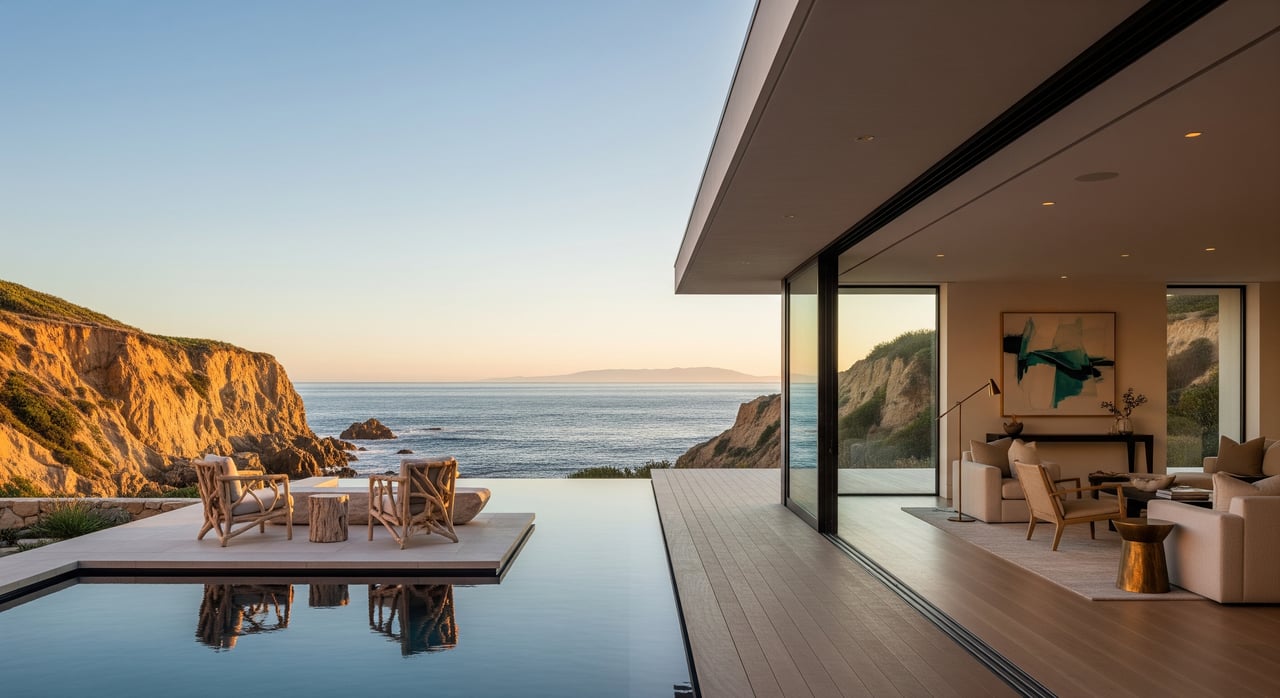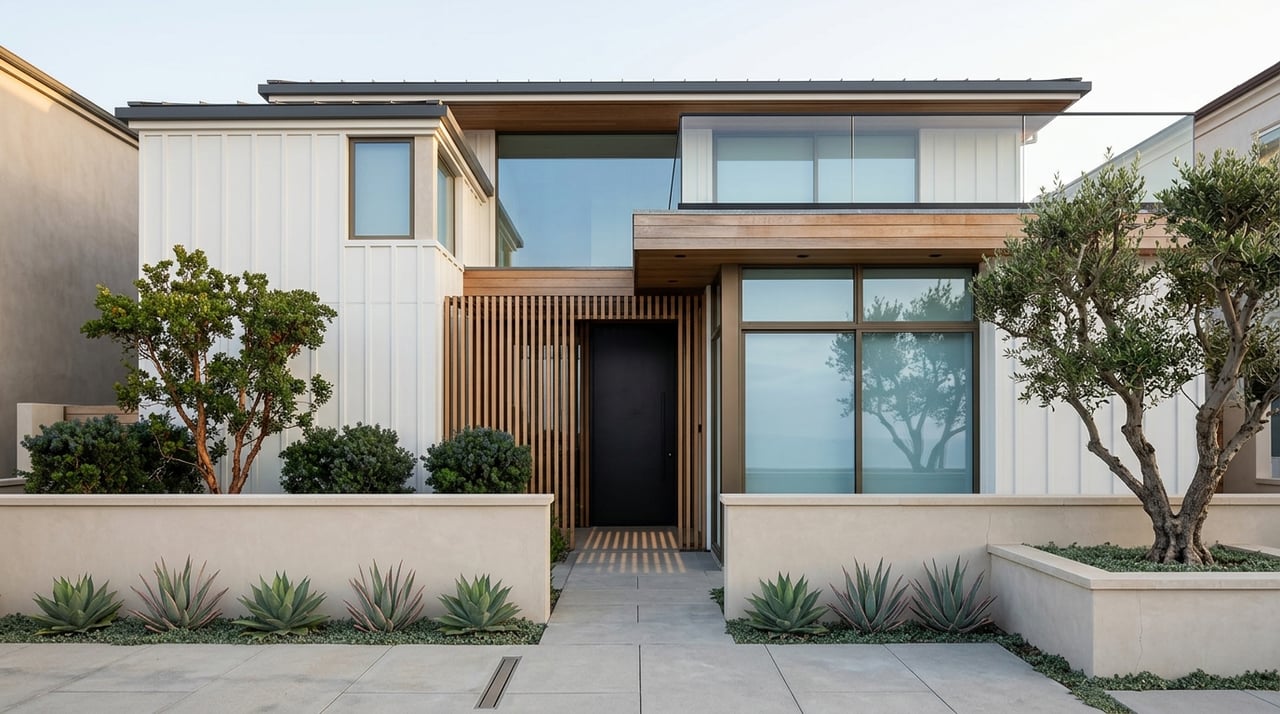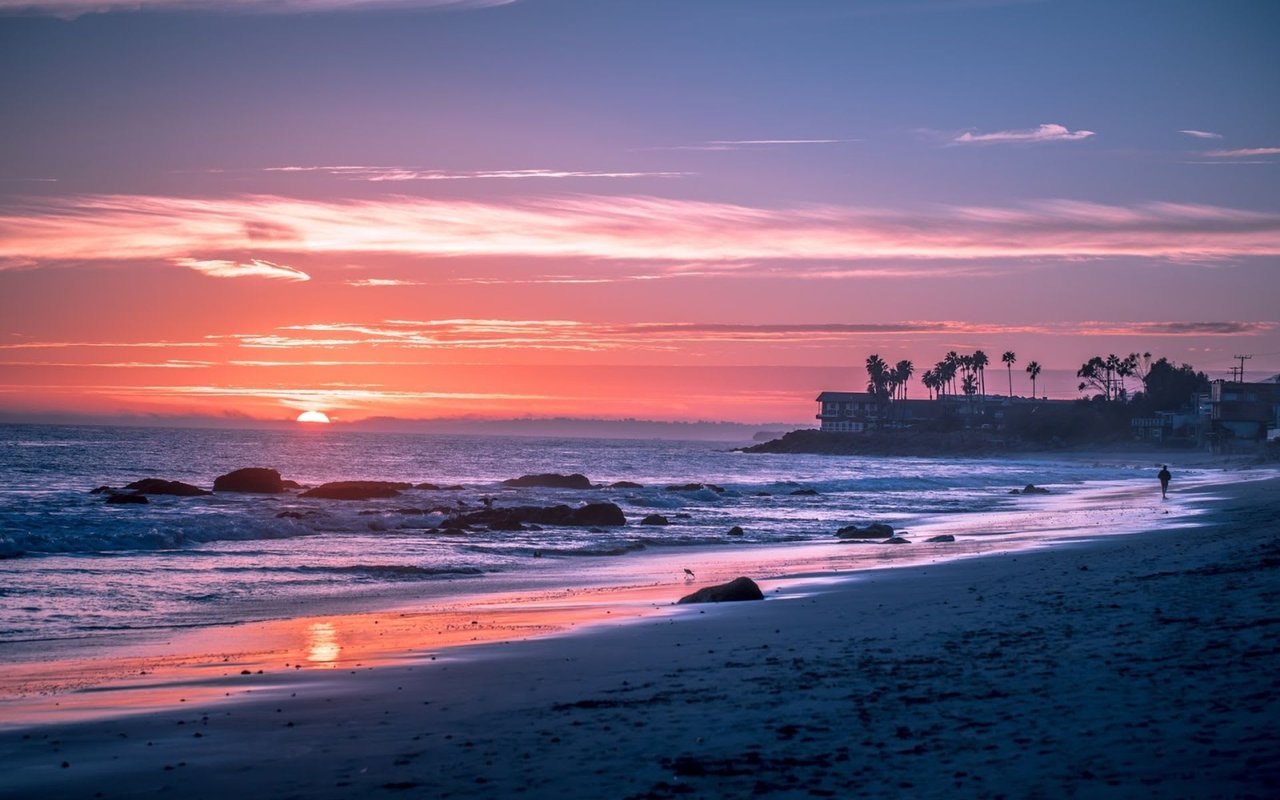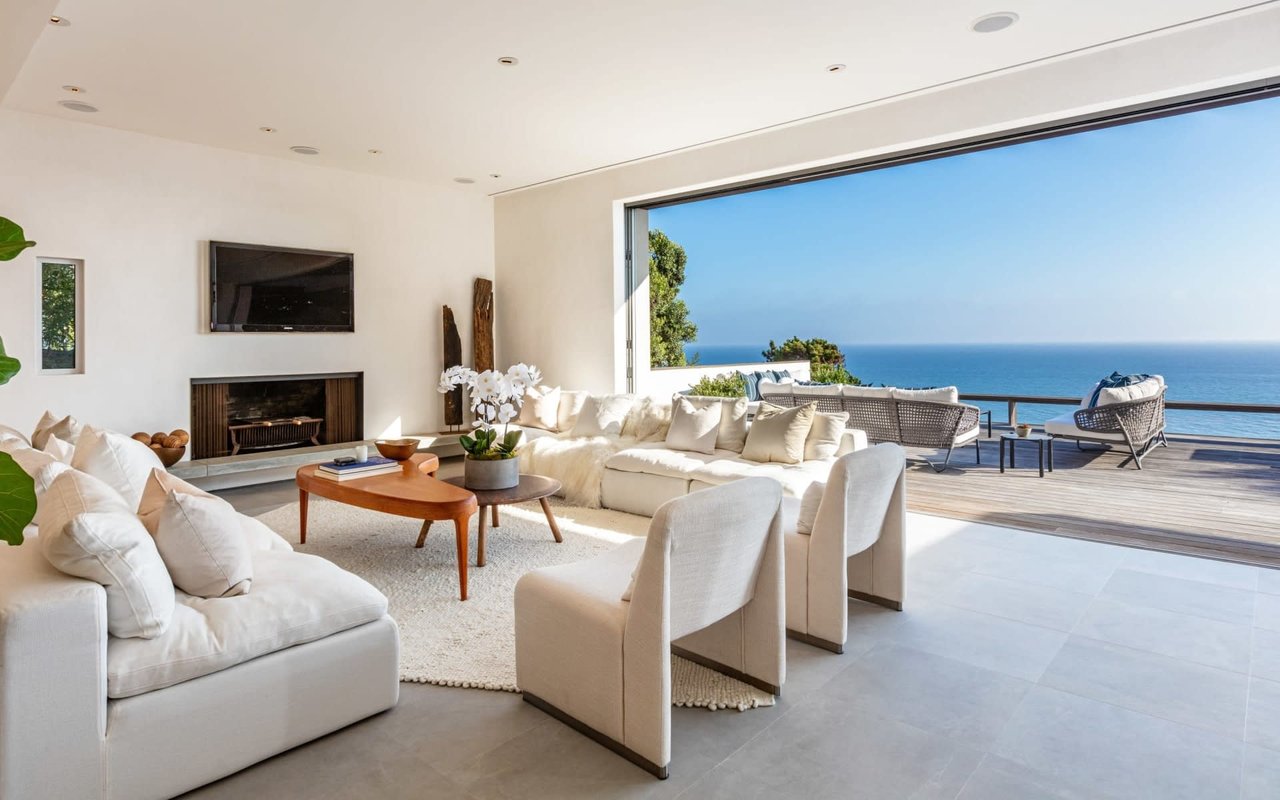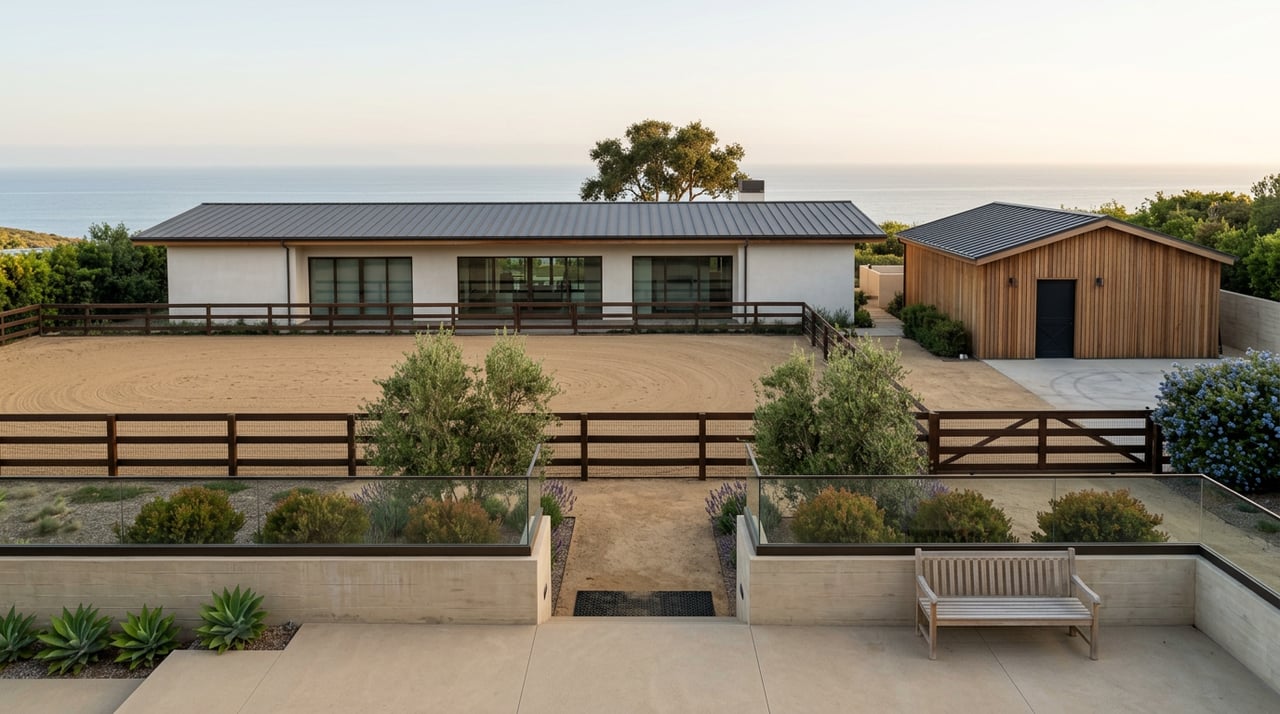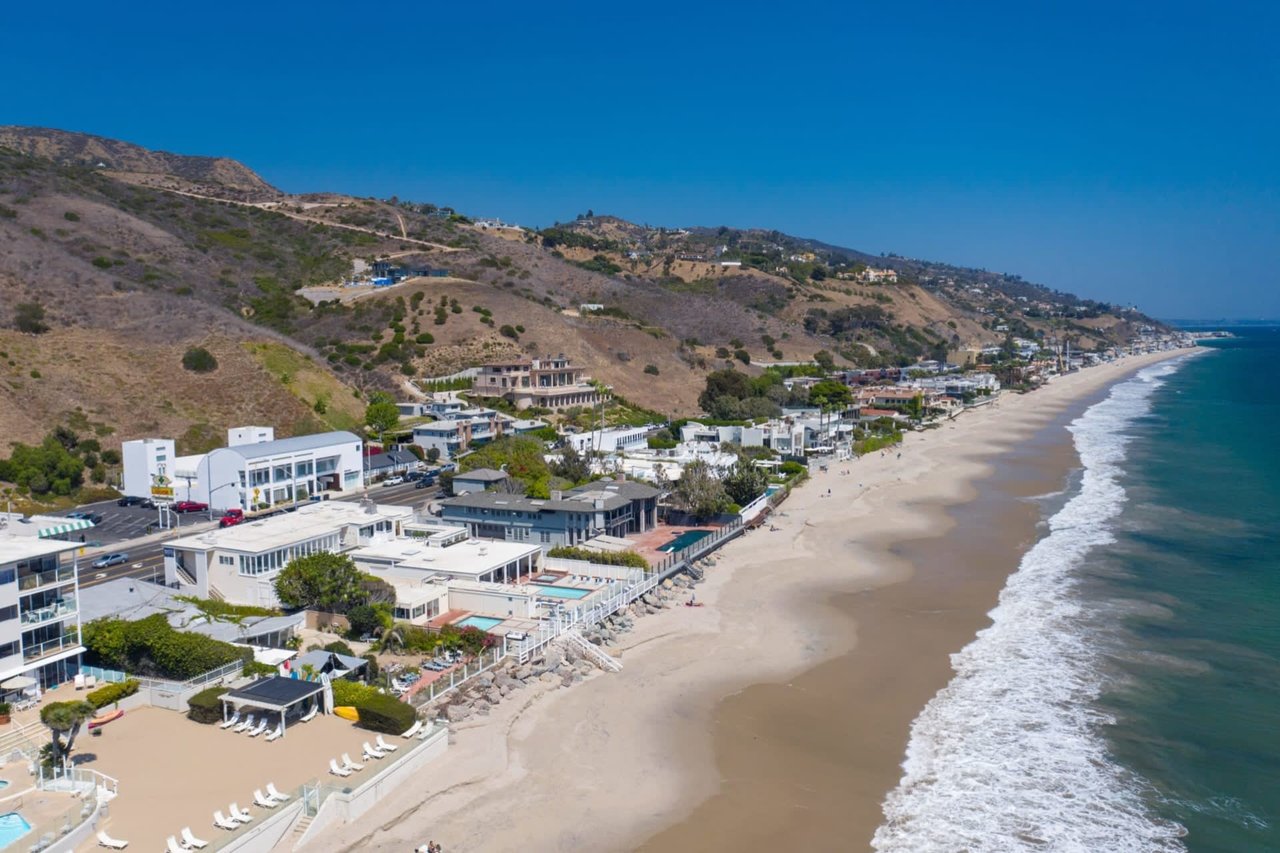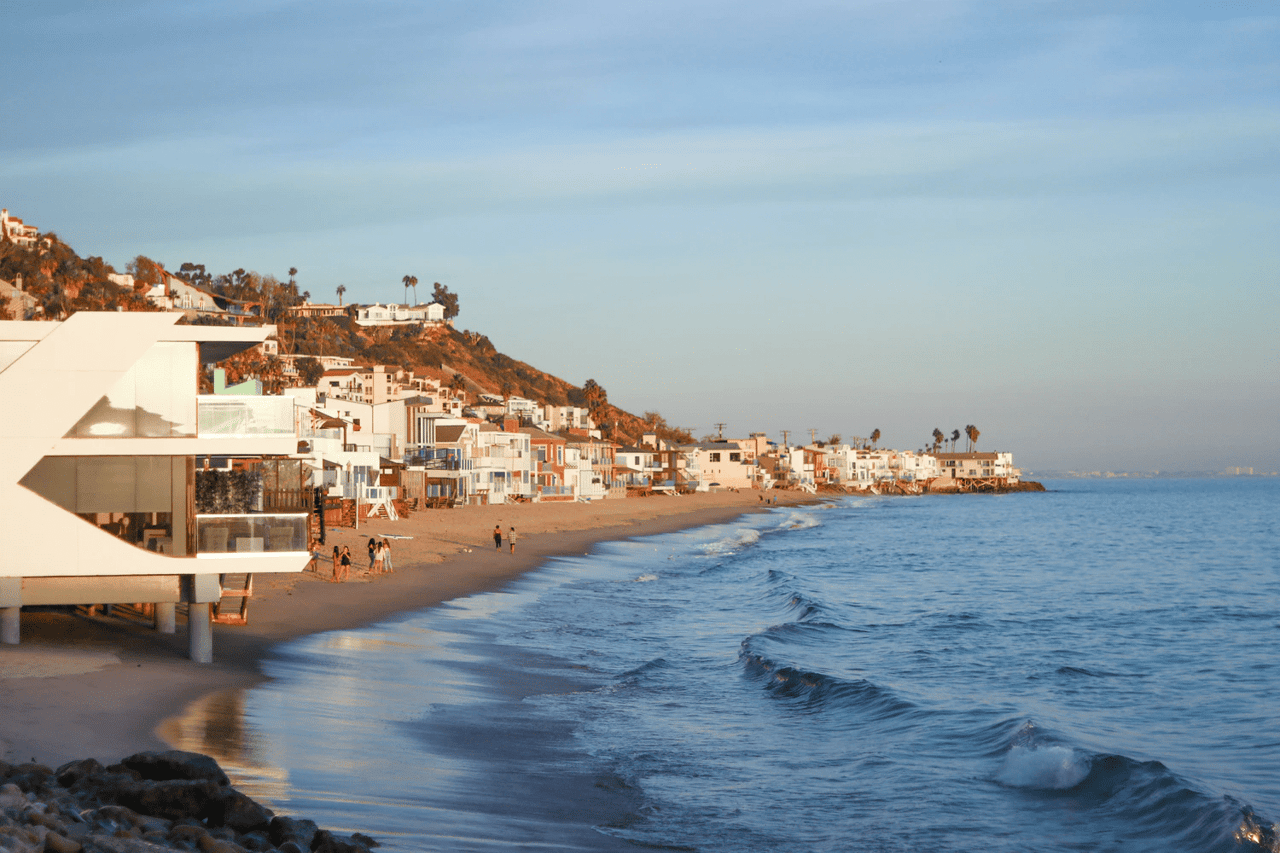
If you want Malibu without feeling in the busiest parts of Malibu, La Costa Beach stands out fast. This eastern Malibu stretch offers a rare mix of residential calm, managed beach access, and direct connection to Pacific Coast Highway, which is exactly why buyers often look here when privacy matters but convenience still needs to work. If you are weighing La Costa against other east-end options, understanding how this area actually functions can help you buy with more clarity. Let’s dive in.
Why La Costa Feels Different
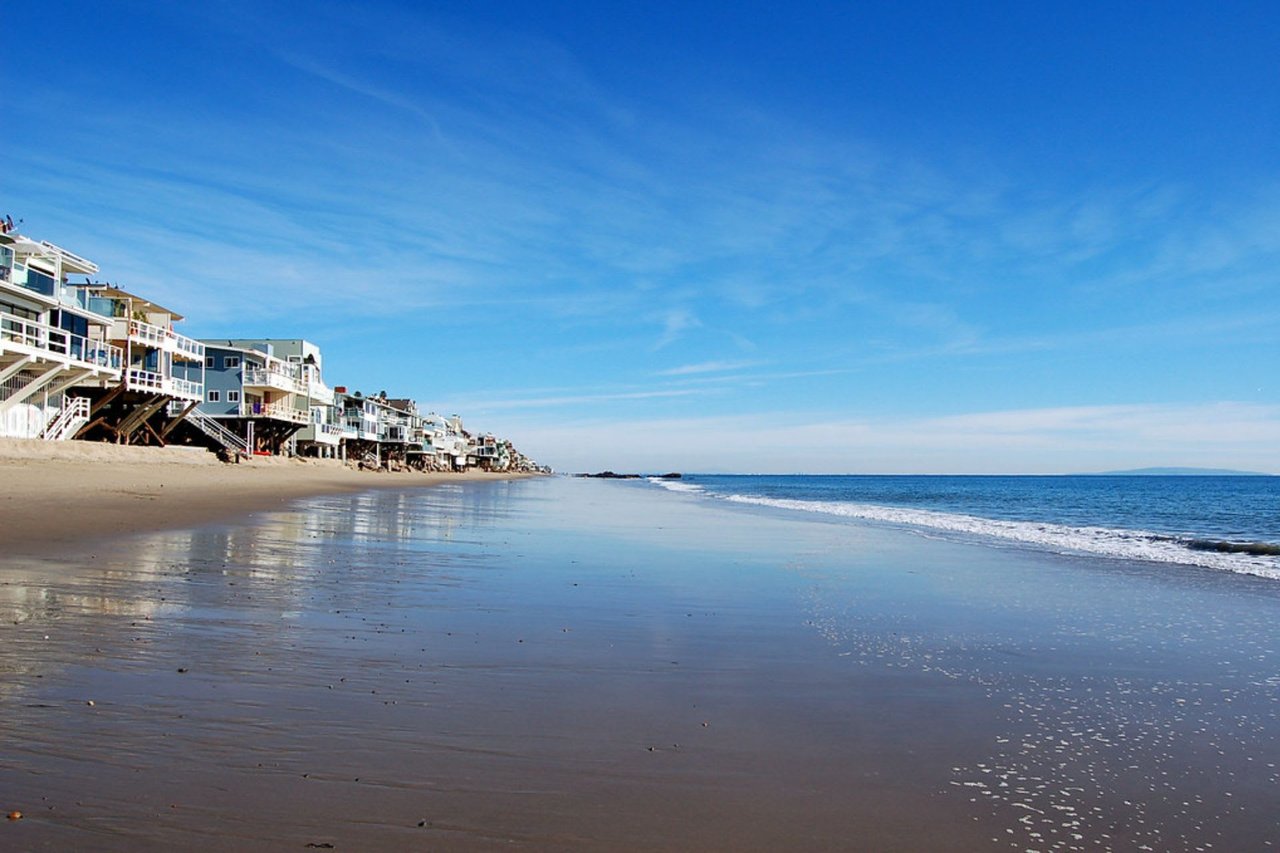
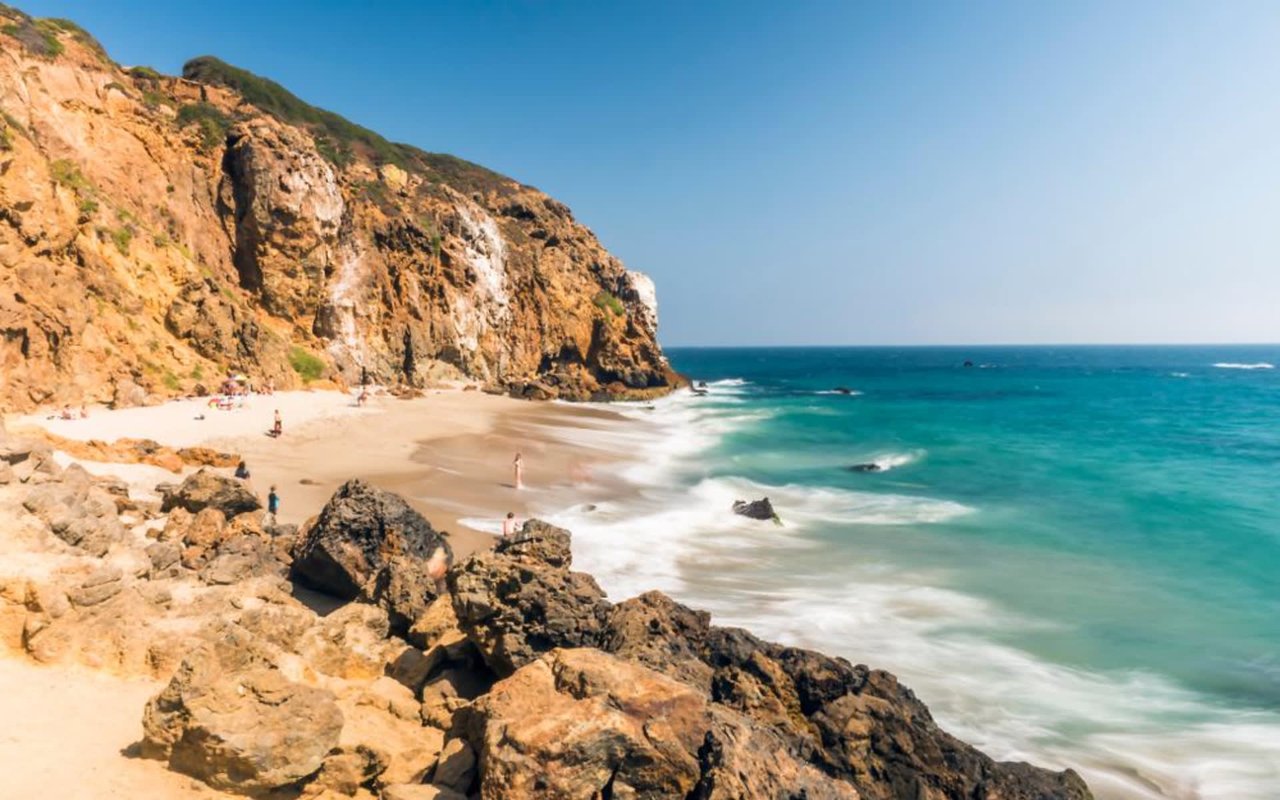
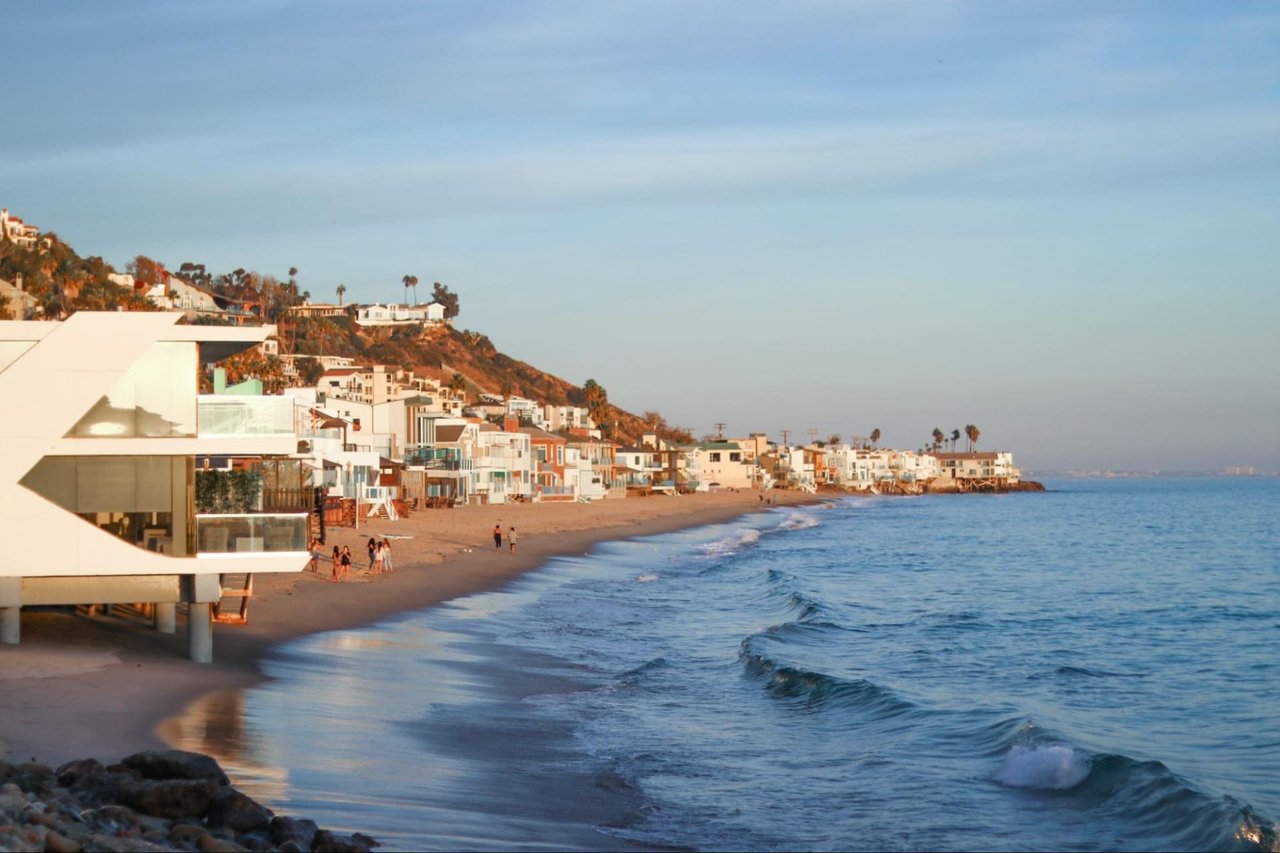
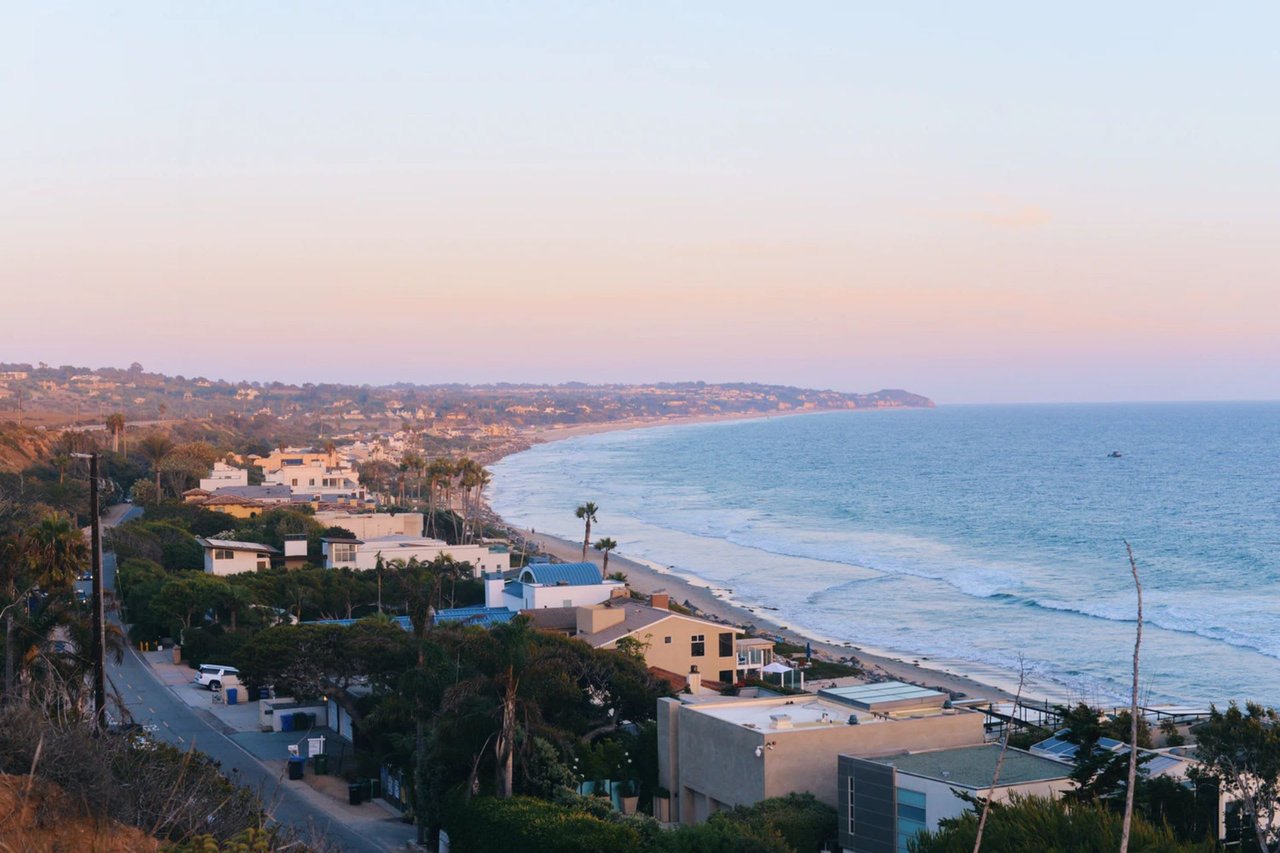
La Costa Beach sits along Malibu’s eastern shoreline band, in the area the City of Malibu groups with Carbon Beach and Las Flores Beach. According to the city’s coastal mapping, this stretch runs roughly from 20546 to 22852 Pacific Coast Highway, placing La Costa in a location that is closely tied to Malibu’s main coastal corridor.
That eastern position shapes the lifestyle here. Malibu’s planning documents show that commercial and residential development flanks Pacific Coast Highway from Topanga to Point Dume, with Malibu Pier and Surfrider located just west of the La Costa area at the 23000 block of PCH. In practical terms, that means you are in an east-Malibu location with straightforward access to central Malibu amenities along the coast.
Privacy Comes From Managed Access
The biggest reason La Costa can feel more private than other Malibu beach areas is simple: access is managed. The California Coastal Commission’s La Costa access map identifies a private beach club midway along La Costa Beach and notes that access there is for members only, with no public beach access allowed through that club area.
That does not mean La Costa is cut off from Malibu’s broader coastal system. The area still sits within Malibu’s Local Coastal Program, which governs coastal development permits and public-access protections citywide. The Mountains Recreation and Conservation Authority also identifies Carbon-La Costa Beach as part of the coastal access network it manages.
This is the key distinction that matters to buyers. La Costa is not defined by full exclusion. It is better understood as a shoreline with managed access, where a private club creates a more controlled beach layer while the surrounding coast remains part of Malibu’s regulated public-access framework.
Is La Costa Beach Public or Private?
This is one of the most common questions buyers ask, and the answer requires a little nuance. The private beach club access point is members only, but the surrounding coastline is still governed by public-access rules and coastal planning requirements.
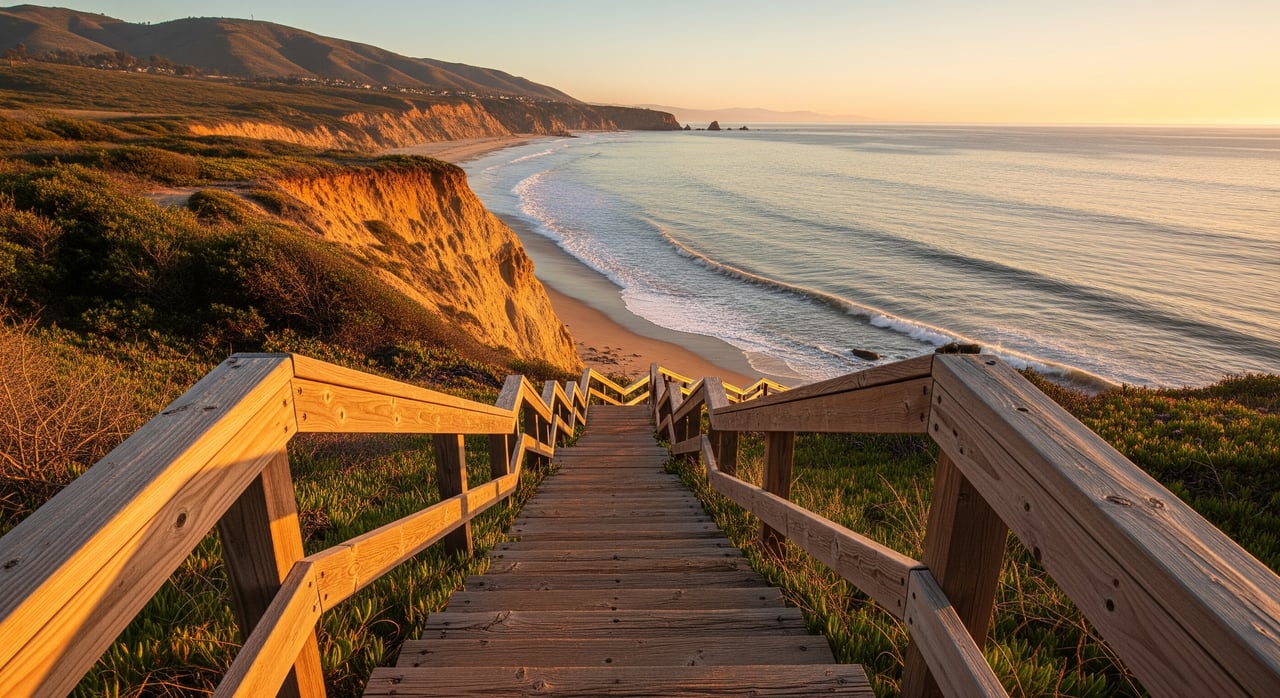
Malibu’s planning documents also explain why this can feel less obvious on the ground than it sounds on paper. In the more urbanized eastern part of the city, several vertical access points sit behind residential communities, and access to many beaches is constrained by private property patterns, unopened accessways, and limited parking. So while La Costa is not a fully private coastline in a legal sense, it often feels quieter and more buffered than beaches with large public parking fields and easy walk-in turnover.
Why La Costa Often Feels Quieter
For many buyers, the appeal of La Costa is not just the view or the address. It is the rhythm of the area. Controlled club access and a residentially buffered shoreline reduce the open, high-traffic feel you might find at more public-facing beach locations.
Parking plays a role here too. Malibu’s Pacific Coast Highway parking study notes that many coastal access points are bounded by private property and usually have little or no off-street parking. That pattern can naturally reduce the volume of casual drop-in beach activity compared with stretches designed around broader visitor access.
The result is a setting that often feels more composed. You still have the energy and visibility of Malibu’s coastline, but the day-to-day experience can read as more residential and less transient.
Access Still Matters in Daily Life
Privacy is only part of the equation. Buyers looking at eastern Malibu often want to know whether they are giving up usability to get it. In La Costa, the answer is usually no, at least geographically.
Because La Costa sits on Malibu’s east end along Pacific Coast Highway, it is well aligned with east-west movement through the city. The area also saw local mobility improvements when the City of Malibu installed a Pedestrian Hybrid Beacon between Rambla Vista East and Rambla Vista West, reinforcing how important safe crossing and PCH access are in this neighborhood.
That said, convenience in Malibu always comes with context. The city’s land-use plan states that access to all beaches along the coast is provided by Pacific Coast Highway and a limited number of cross-mountain roads, and that PCH capacity is exceeded regularly on summer weekends. So La Costa offers strong corridor access, but like all prime Malibu coastal locations, traffic patterns still shape how the area functions.
Beachfront Versus Hillside in La Costa
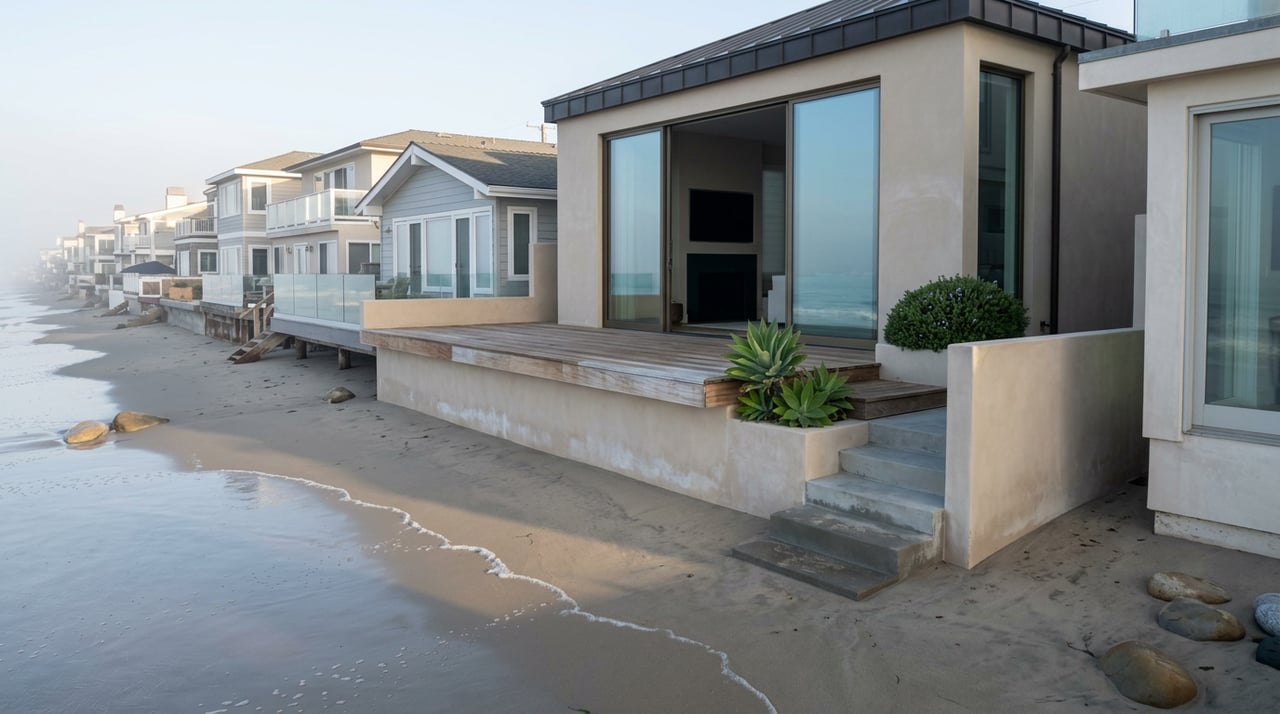
La Costa buyers are often choosing between two very different living experiences. One is close to the sand and the beach club environment. The other is more elevated, more separated, and more topographically private.
Beachfront and PCH-Adjacent Homes
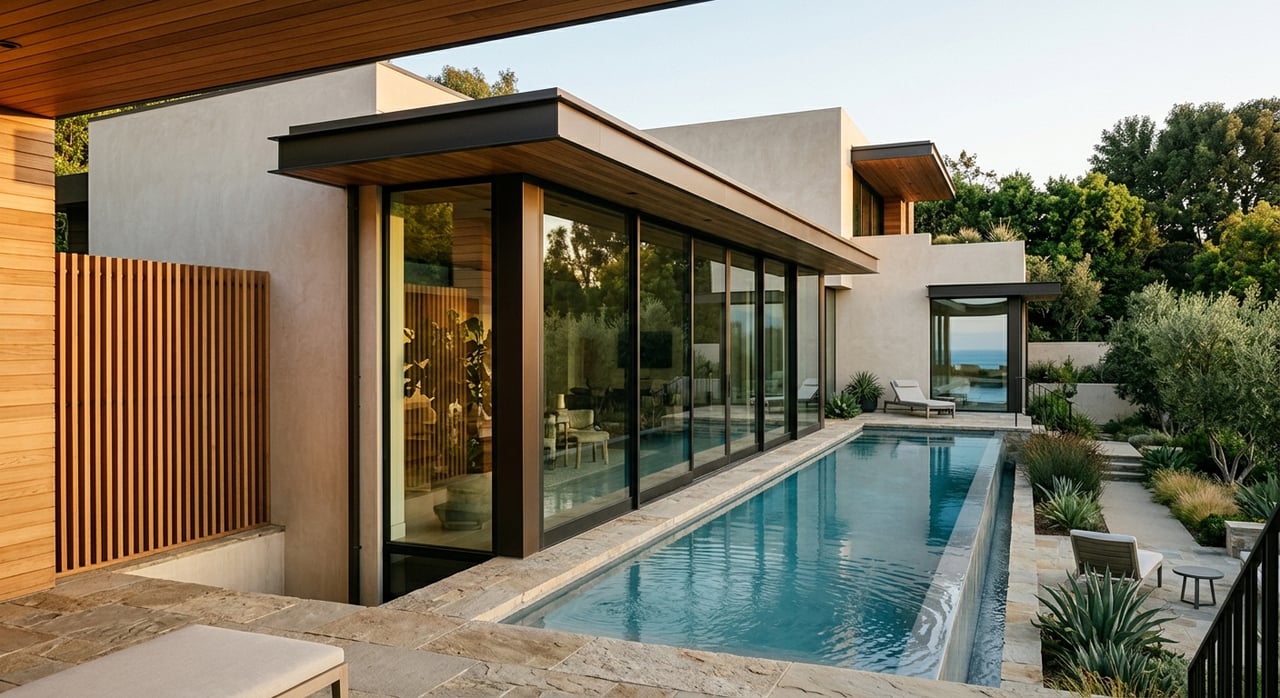
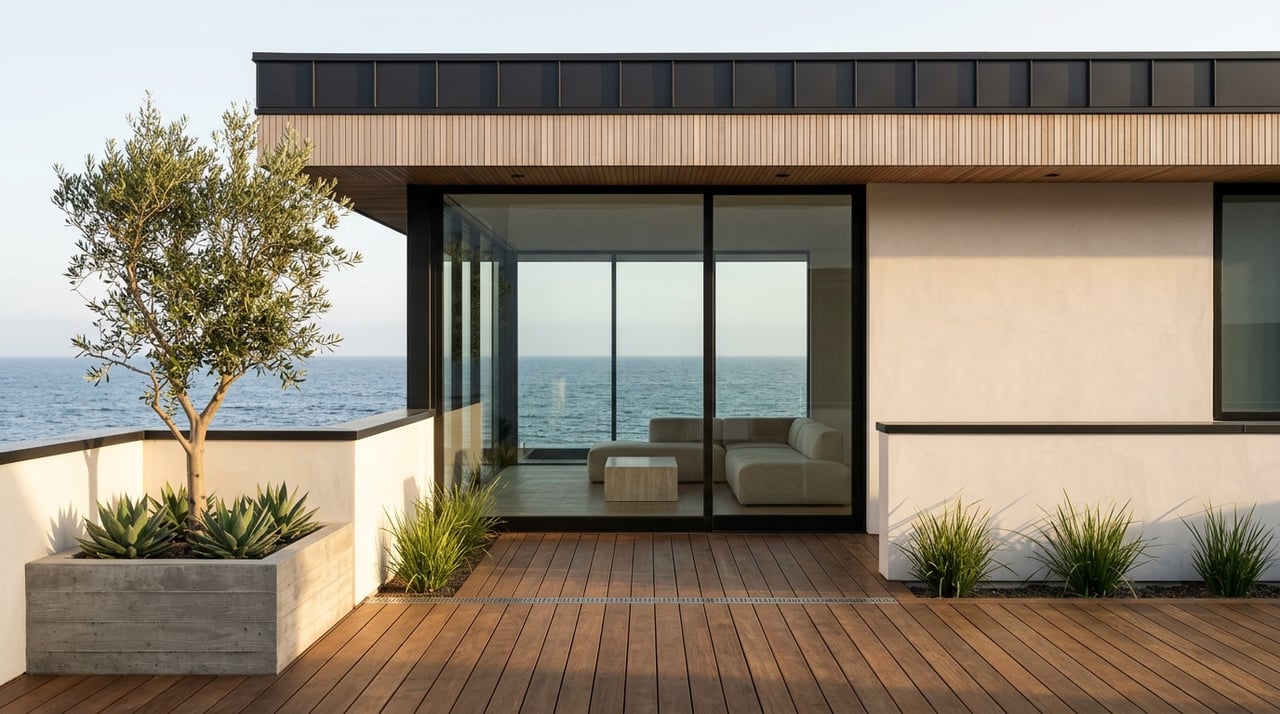
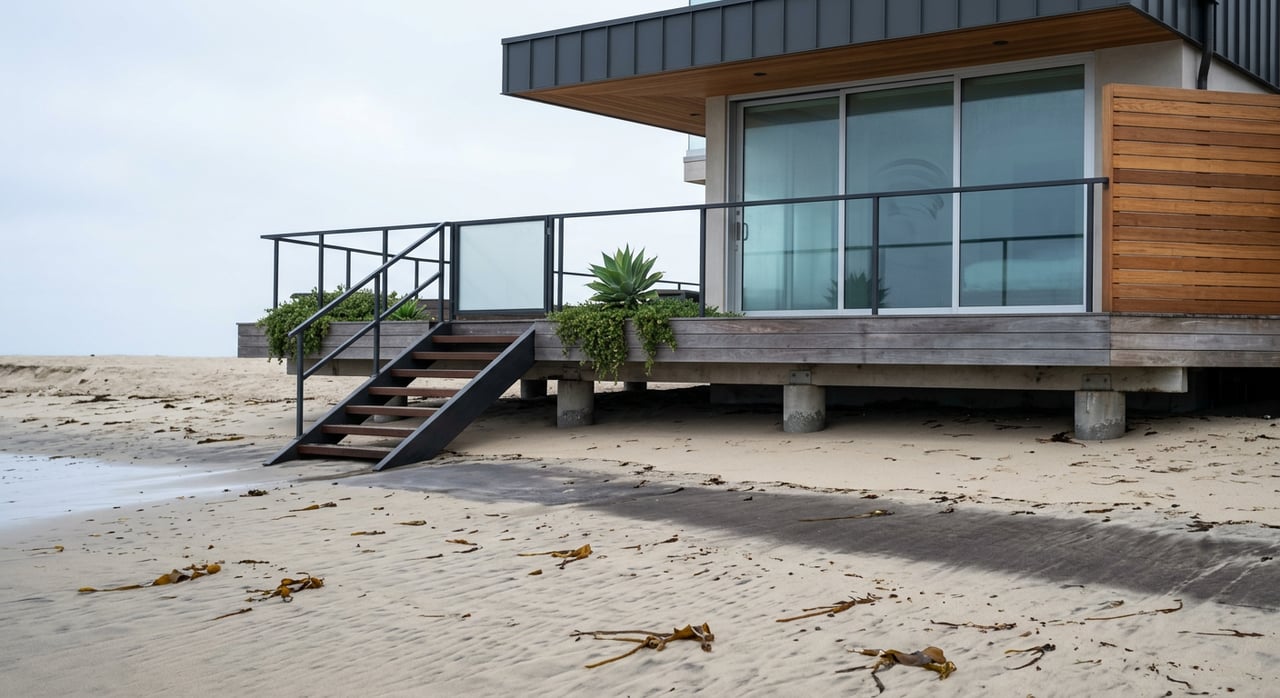
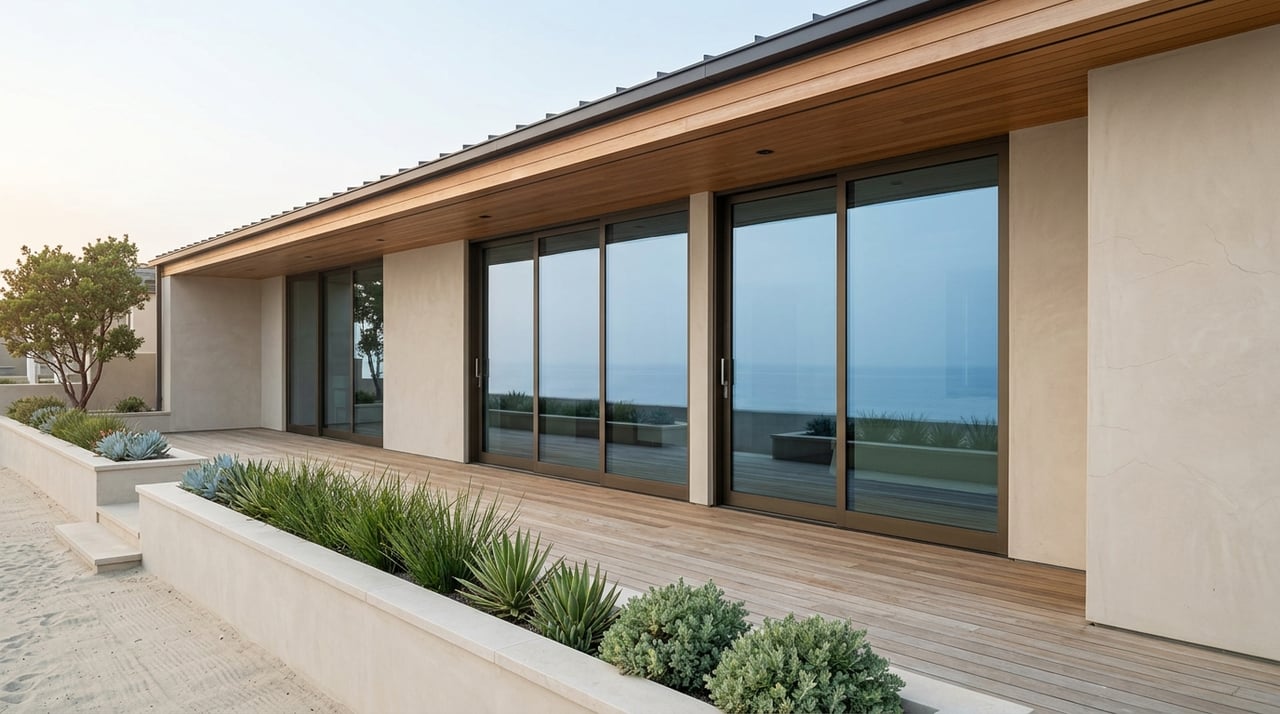
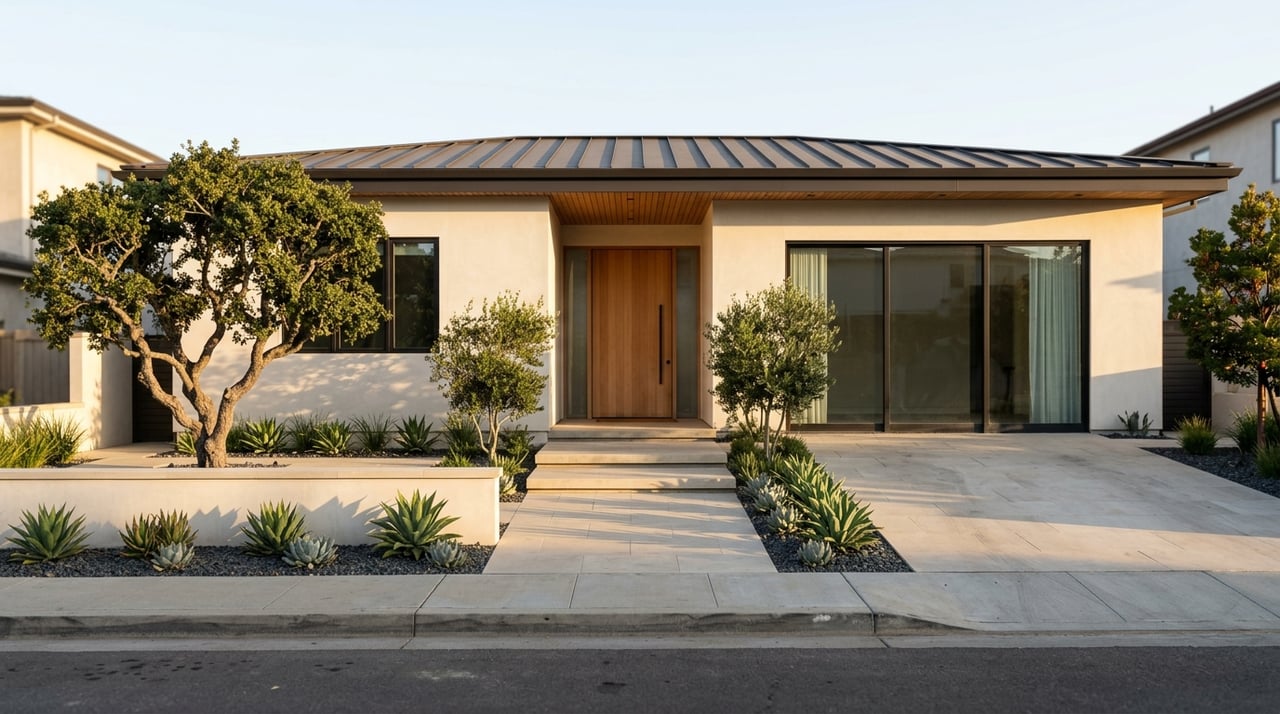
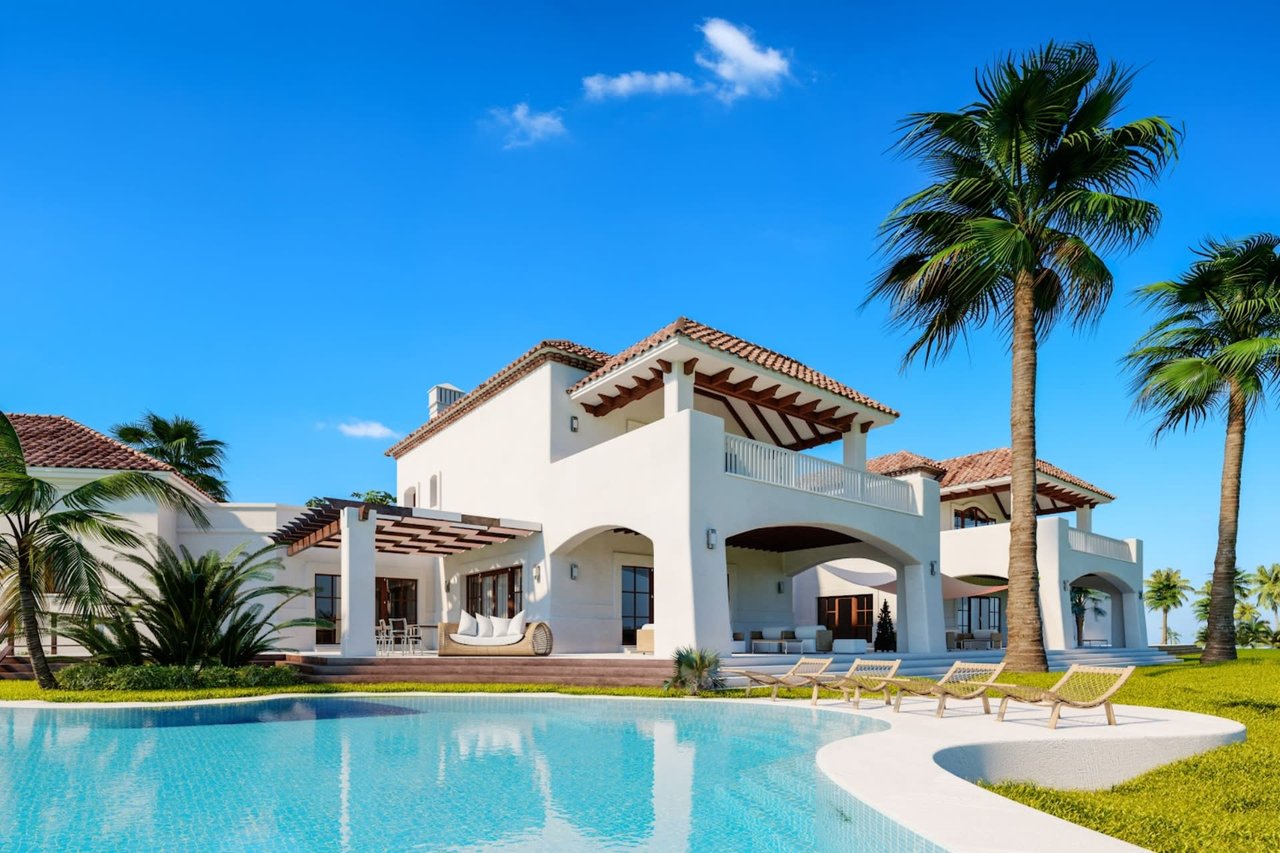
Beachfront or PCH-adjacent properties give you the most immediate connection to the shoreline. If your goal is to step into a direct beach lifestyle, stay close to the sand, and enjoy the energy of the coast at eye level, this is usually the clearest fit.
The tradeoff is exposure to the corridor itself. Malibu’s planning documents make clear that Pacific Coast Highway is the main access route for the coastline, and that it can exceed capacity during busy periods. So while beachfront living delivers immediacy, it can also be more traffic-sensitive and more visibly tied to Malibu’s coastal flow.
Hillside and Coastal-Slope Homes
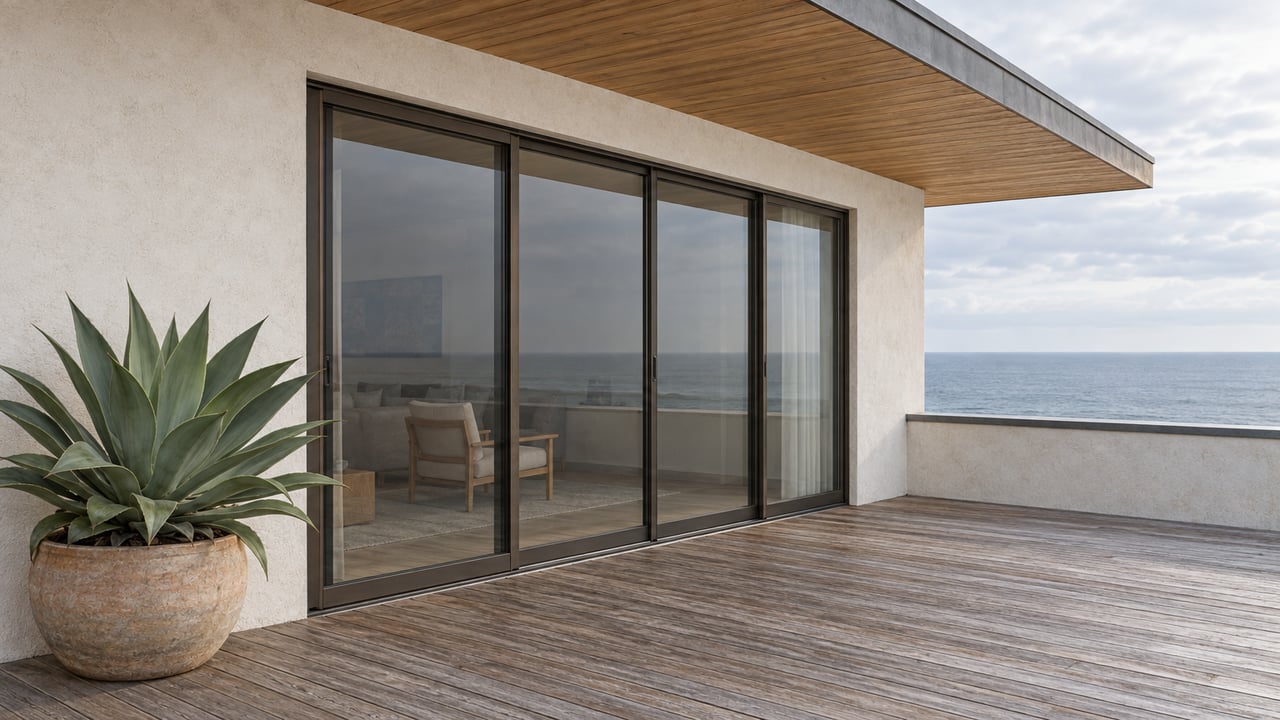
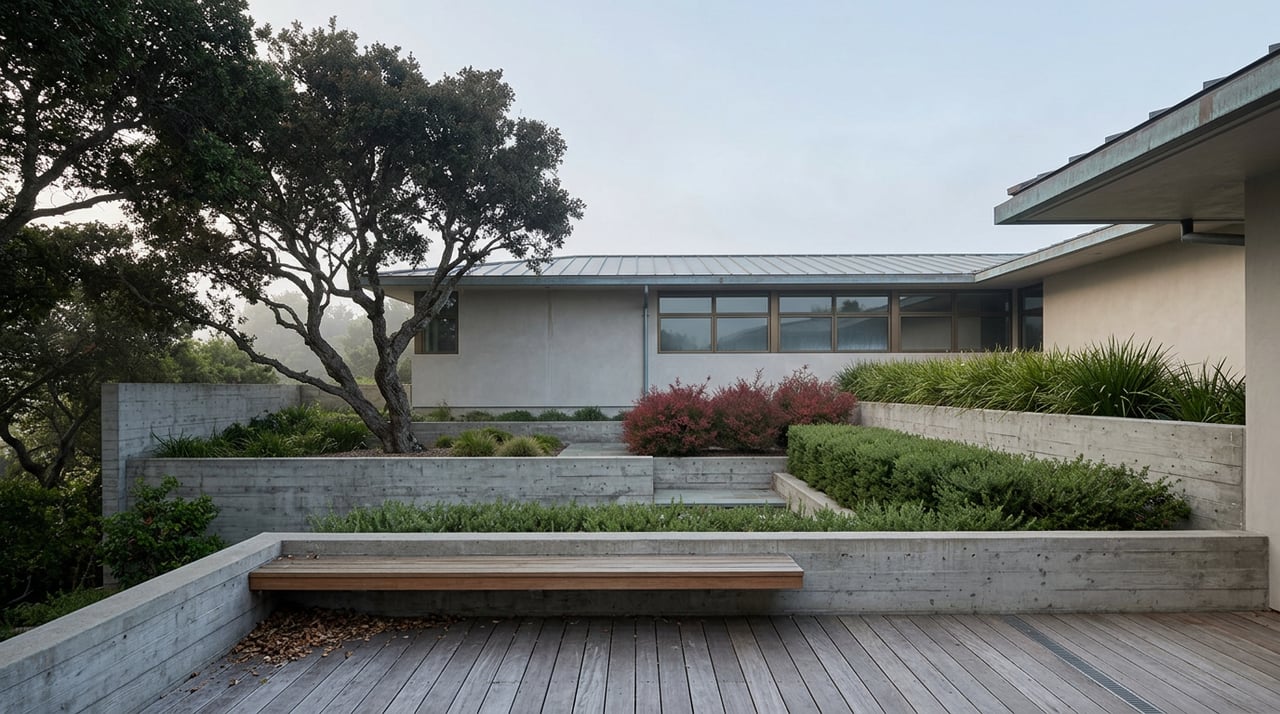
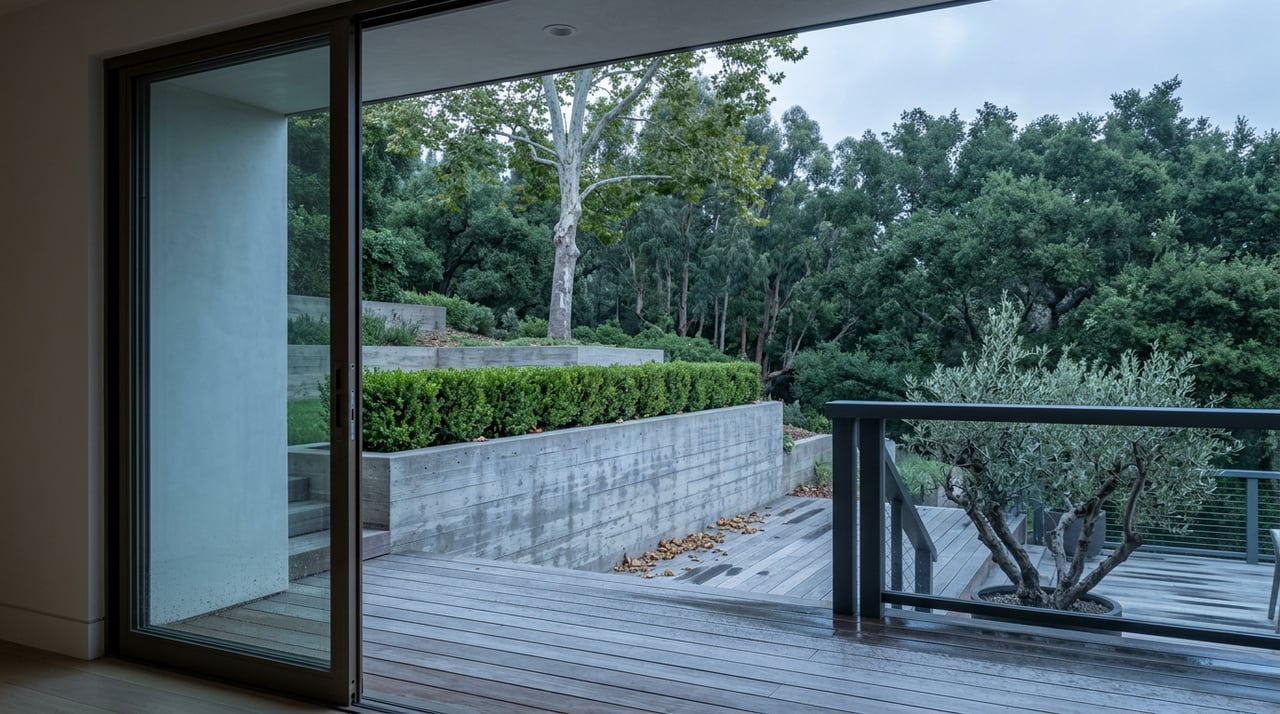
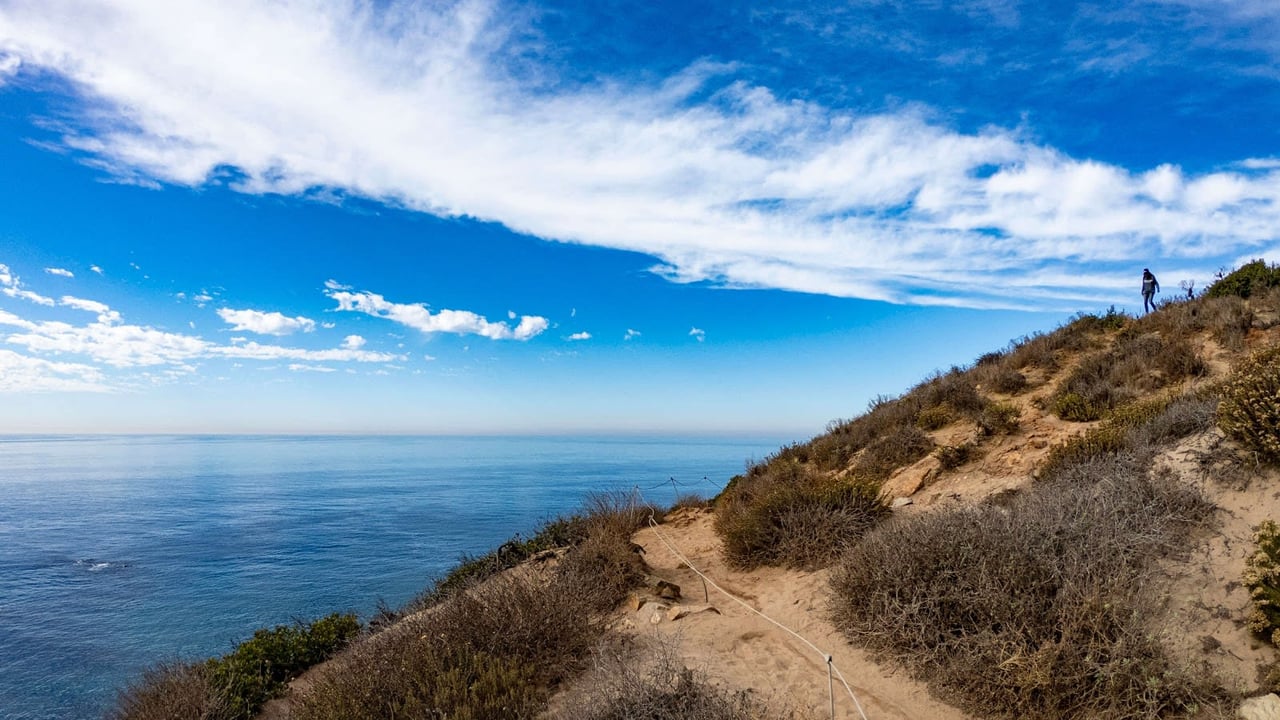
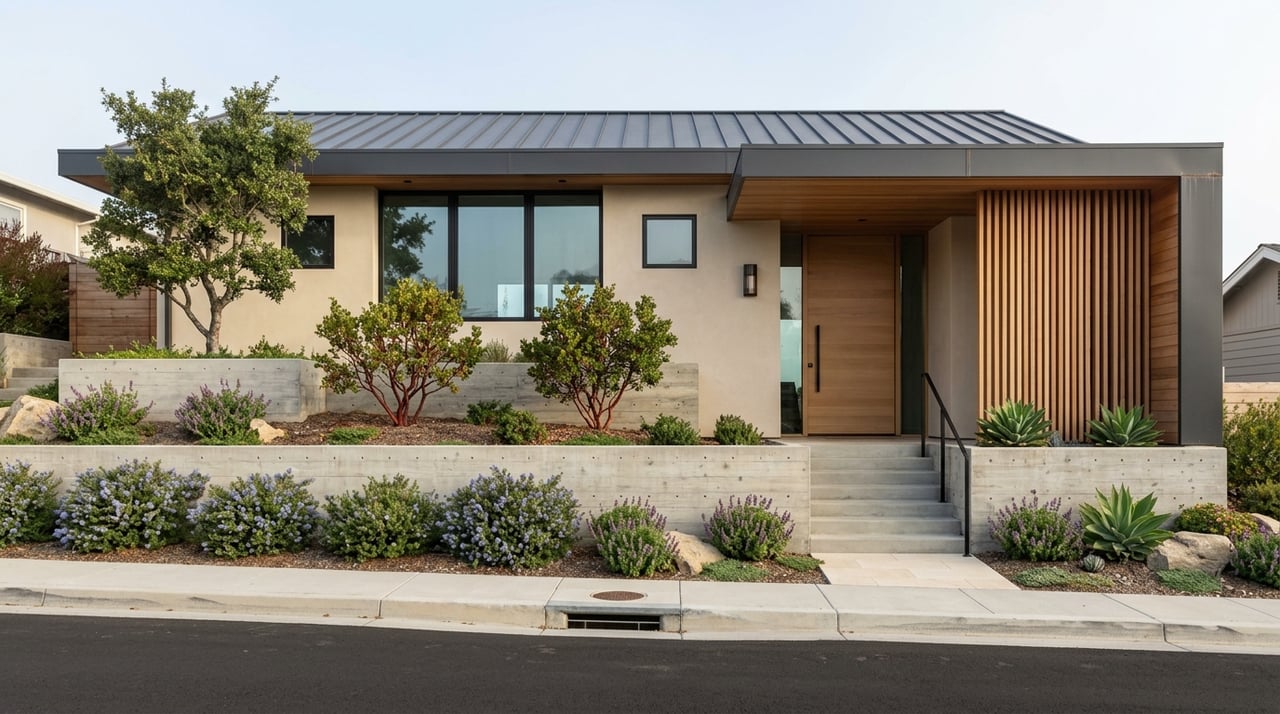
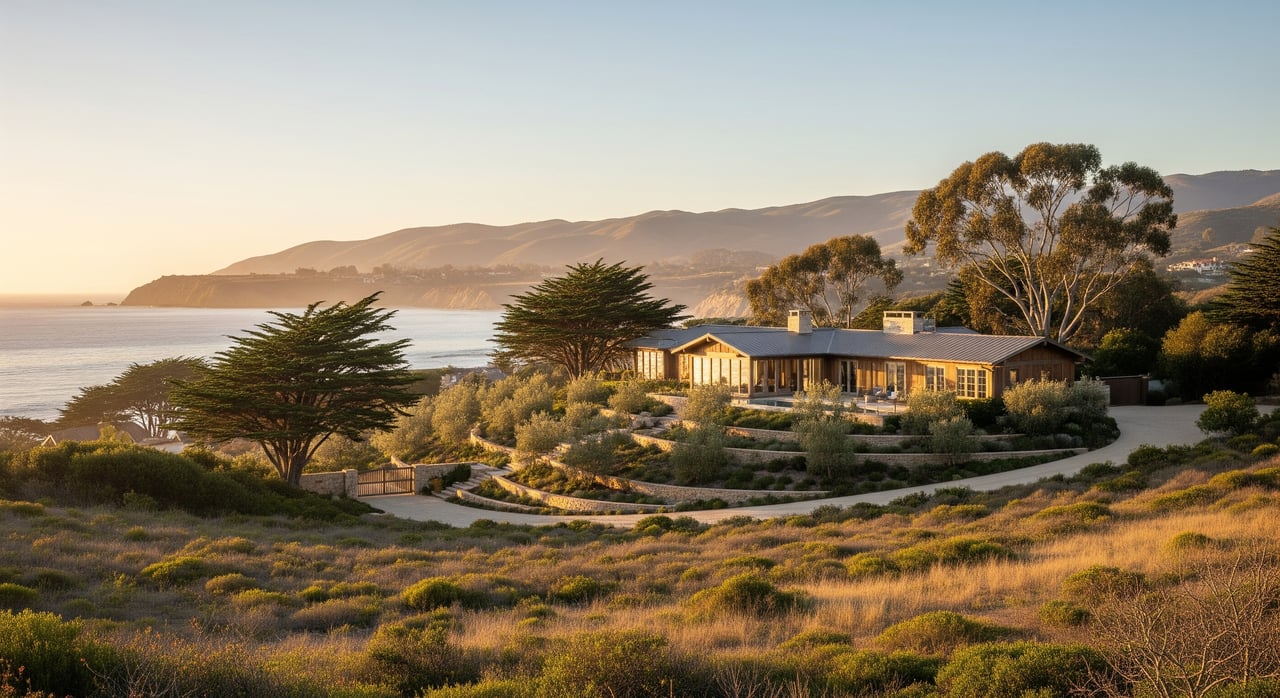
Hillside and coastal-slope homes usually appeal to buyers who prioritize separation. Malibu’s land-use plan describes the broader balance of the city as small residential clusters mixed with larger parcels on coastal slopes, which helps explain why elevated homes often feel more private and more view-oriented.
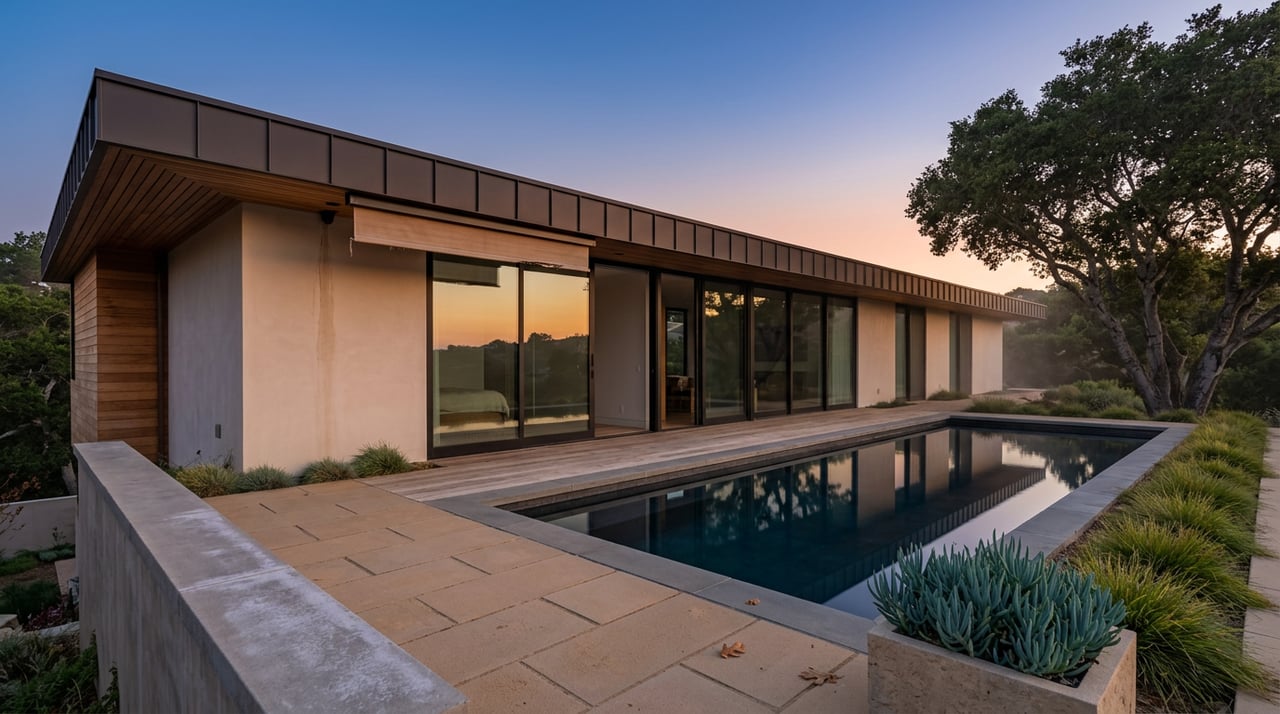
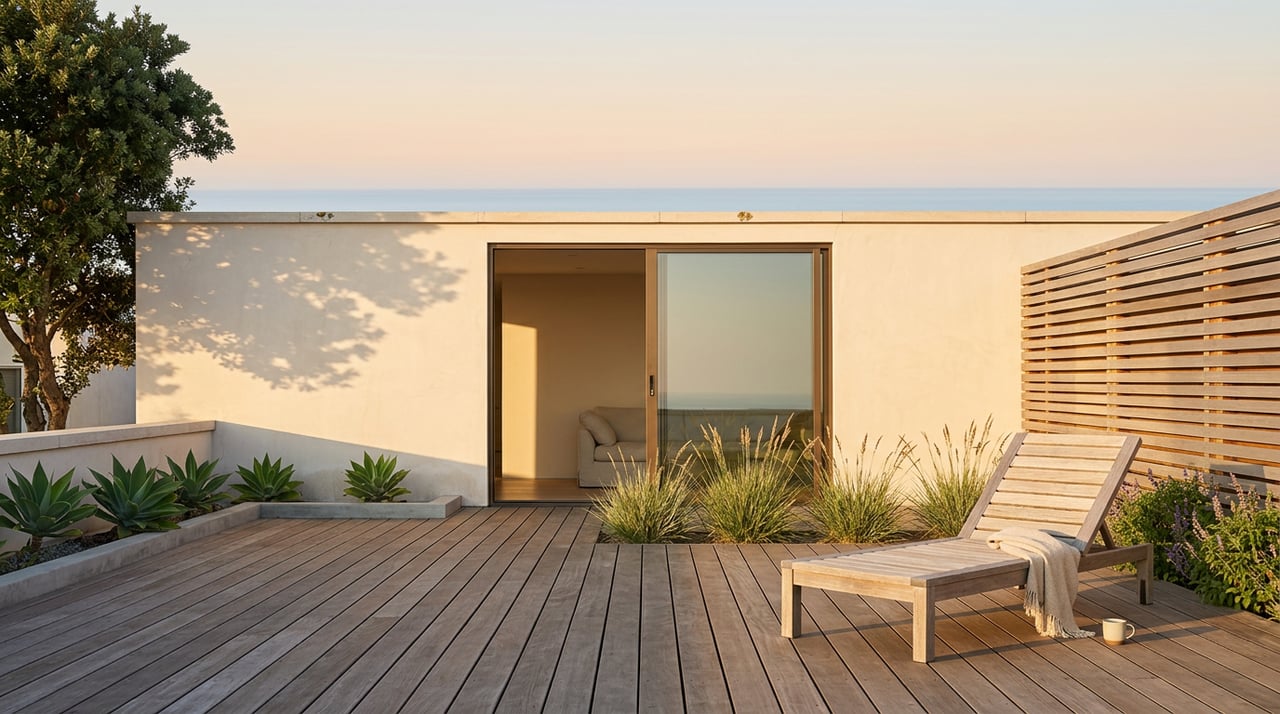
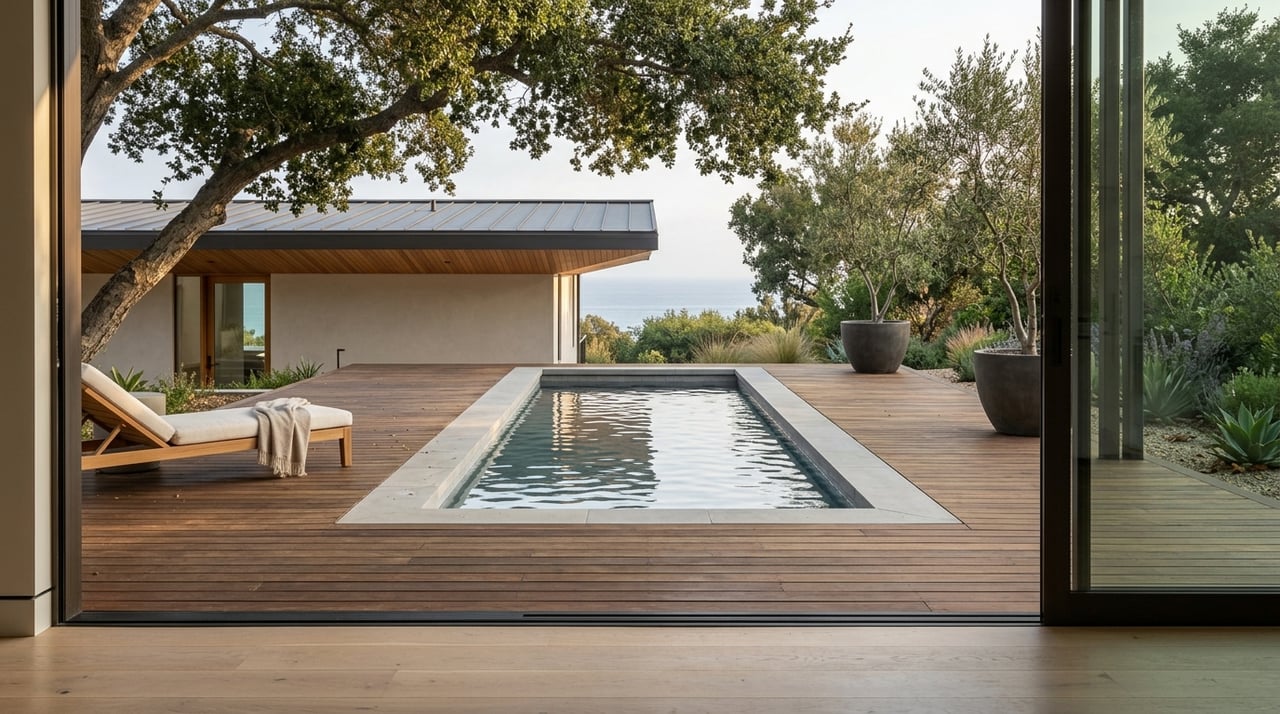
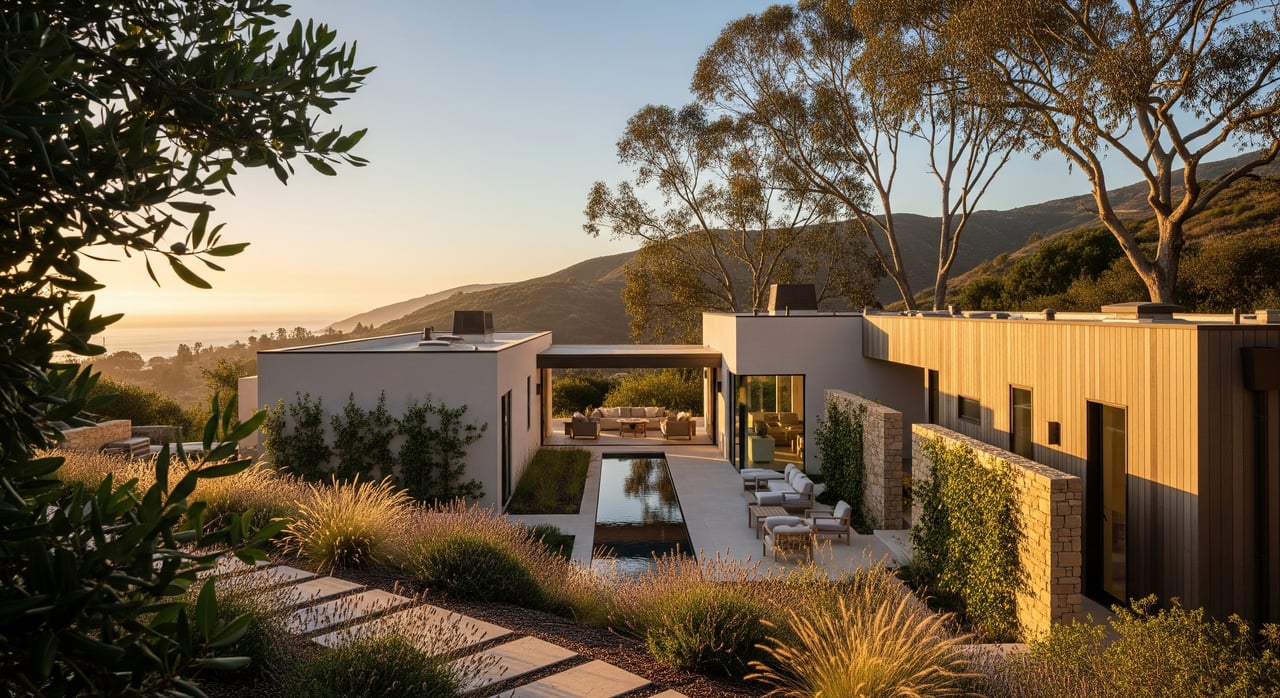
This is where La Costa can become especially interesting for privacy-first buyers. Greater elevation and topographic separation can create a different experience from beachfront ownership, often with stronger visual privacy and a more retreat-like setting. In exchange, buyers should expect more complexity tied to hillside conditions and local development controls.
The Main Hillside Tradeoff
Malibu’s planning framework is direct about hillside risk and regulation. Coastal-slope and hillside areas may be subject to landslide, rockfall, flood, wave-action, seismic, and fire hazards, along with added development controls.
For buyers, that means the upside is clear but so is the homework. You may gain seclusion, parcel scale, and commanding views, but you also need to evaluate site conditions, design limitations, and permit complexity with care. In a market like Malibu, privacy and elevation often come with more due diligence, not less.
What Kind of Buyer La Costa Fits Best
La Costa tends to make the most sense for buyers who want a quieter coastal setting without disconnecting from the main Malibu corridor. If you value a more controlled beach environment and a residential feel, this area can offer a compelling middle ground between total exposure and total isolation.
Second-home buyers often respond well to that balance. So do busy professionals who want a coastal home that feels tucked away but still functions well for east-end movement through Malibu. Privacy-focused buyers may lean toward hillside options, while those who want the beach front and center may prefer properties closer to the shoreline.
The appeal is not that La Costa eliminates tradeoffs. It is that the tradeoffs are unusually clear. You can choose between direct beach immediacy and elevated separation, while staying within one of eastern Malibu’s more nuanced and privacy-minded coastal pockets.
Why This Balance Matters in Malibu
In Malibu, privacy and access rarely come in equal measure. Some locations prioritize visibility and public energy. Others feel removed but less connected. La Costa stands out because it sits between those two poles.
Its private club structure, limited parking patterns, and residential buffering help create a quieter experience. At the same time, its east-Malibu position along Pacific Coast Highway keeps it connected to the broader coastal corridor and central Malibu destinations to the west. For many luxury buyers, that combination is exactly the point.
If you are considering La Costa Beach, the right opportunity often depends on how you define privacy in the first place. For some, it means direct beach access with a more controlled setting. For others, it means elevation, parcel separation, and distance from the shoreline itself. If you want help weighing those options in eastern Malibu, Sandro Dazzan offers the local insight and discreet guidance to help you navigate this market with confidence.
FAQs
Is La Costa Beach in Malibu public or private?
- La Costa includes a private beach club area with members-only access, but the surrounding coastline remains subject to Malibu’s public-access rules and coastal planning framework.
Why does La Costa Beach in eastern Malibu feel quieter than other beaches?
- La Costa often feels quieter because of managed club access, residential buffering, and the limited parking conditions that affect many access points in eastern Malibu.
Are hillside homes in La Costa more private than beachfront homes?
- Hillside homes generally offer more topographic separation, larger parcel patterns, and stronger view orientation, but they also come with added hazard review and development considerations.
Is La Costa Beach convenient for getting around Malibu?
- Geographically, yes. La Costa sits on Malibu’s east end along Pacific Coast Highway, which makes it well positioned for movement along the city’s main coastal corridor.
What is the main tradeoff of buying near the beach in La Costa?
- Beachfront and PCH-adjacent homes offer immediate coastal access and lifestyle appeal, but they are also more directly tied to traffic and activity along the highway corridor.