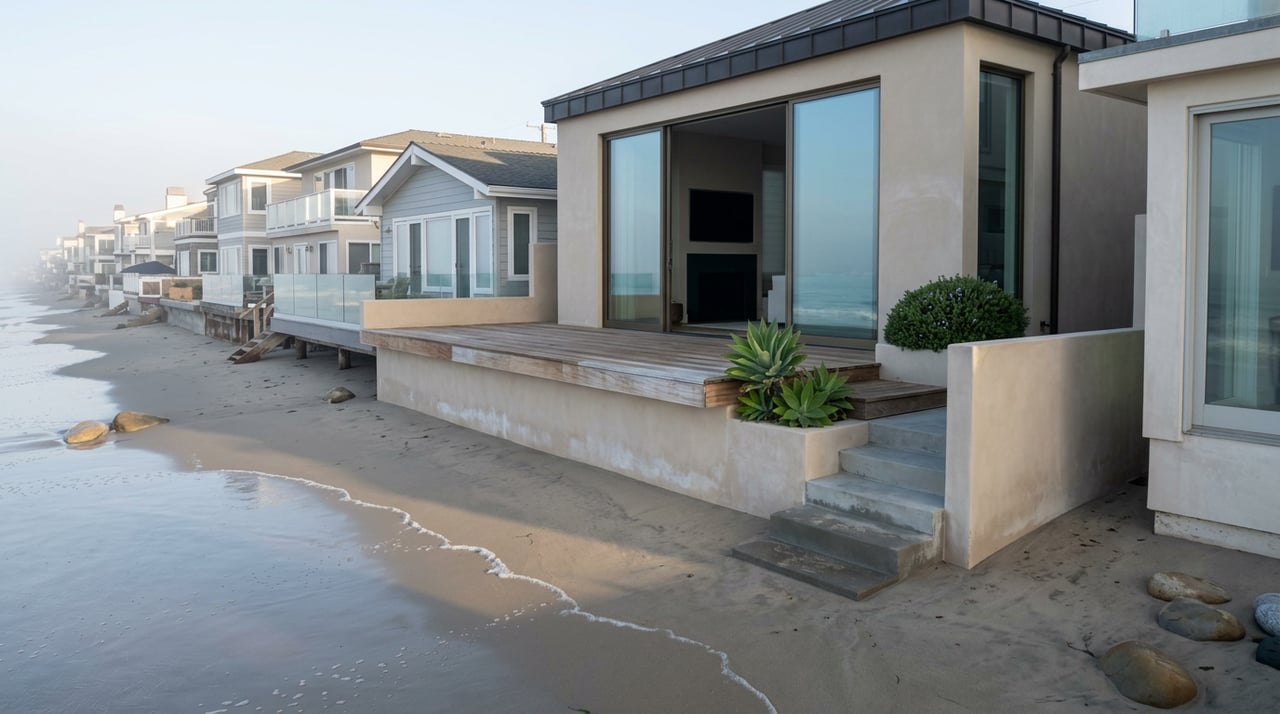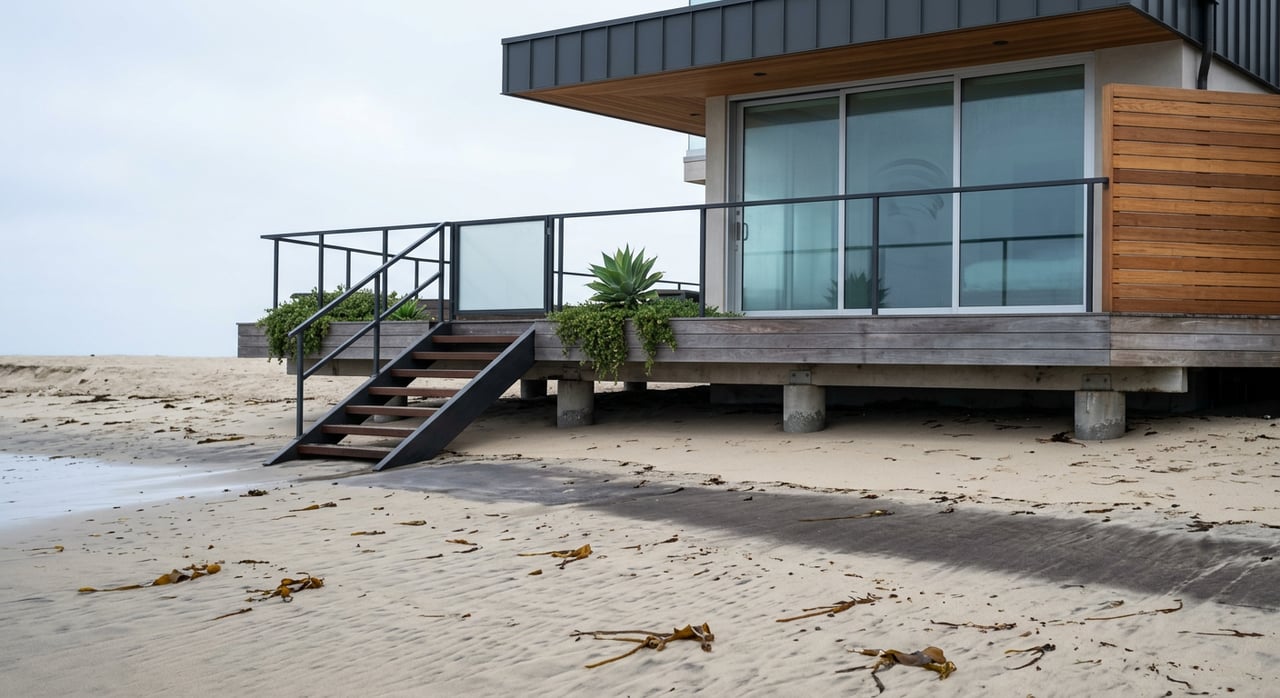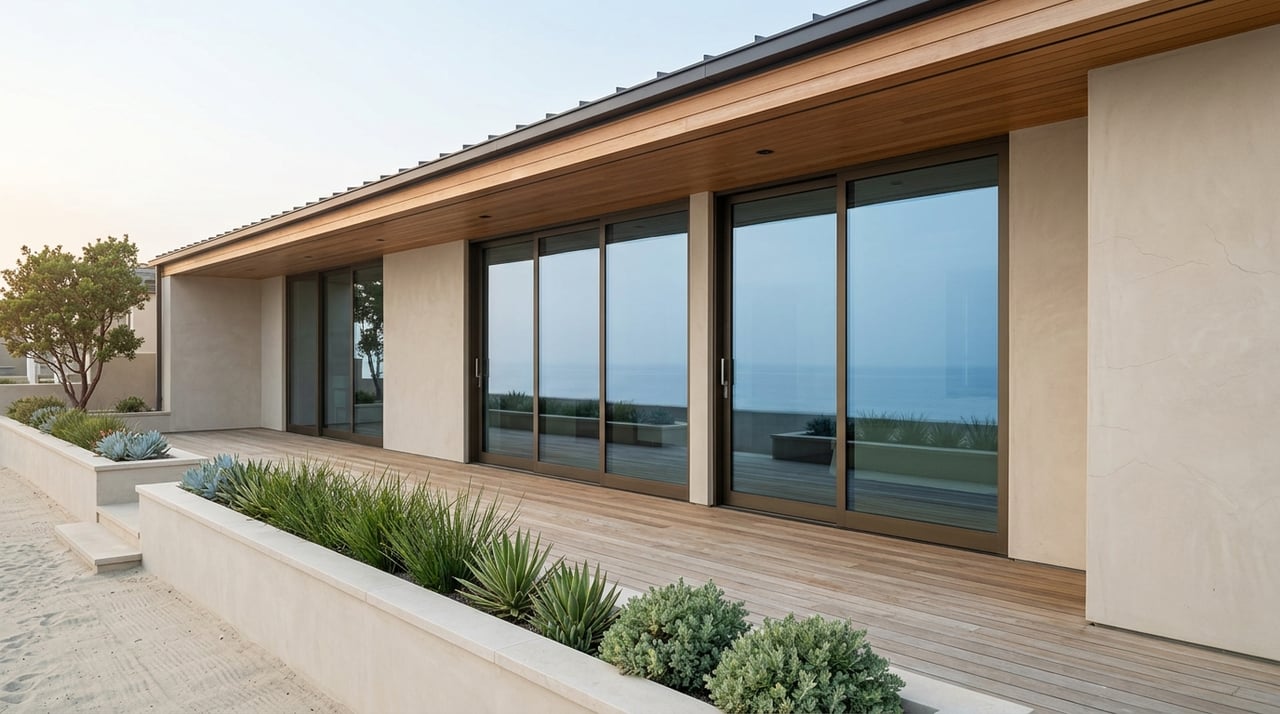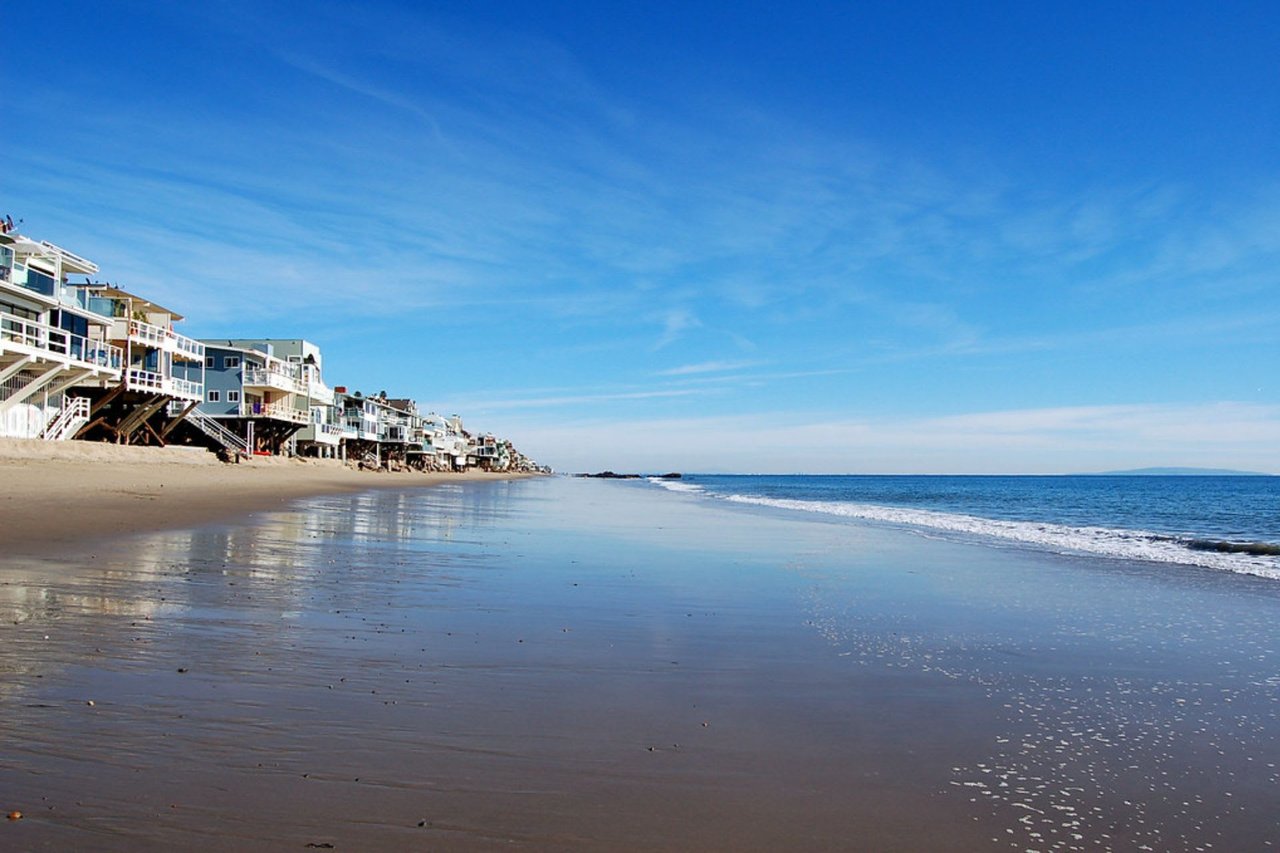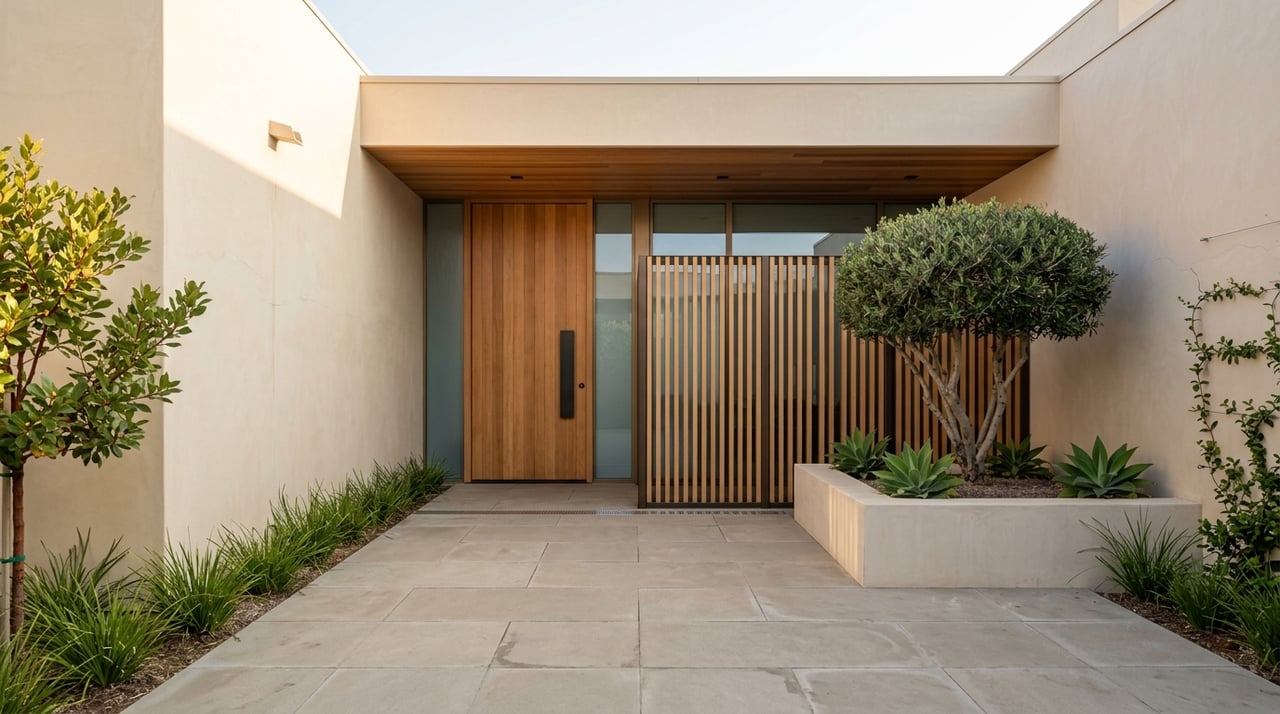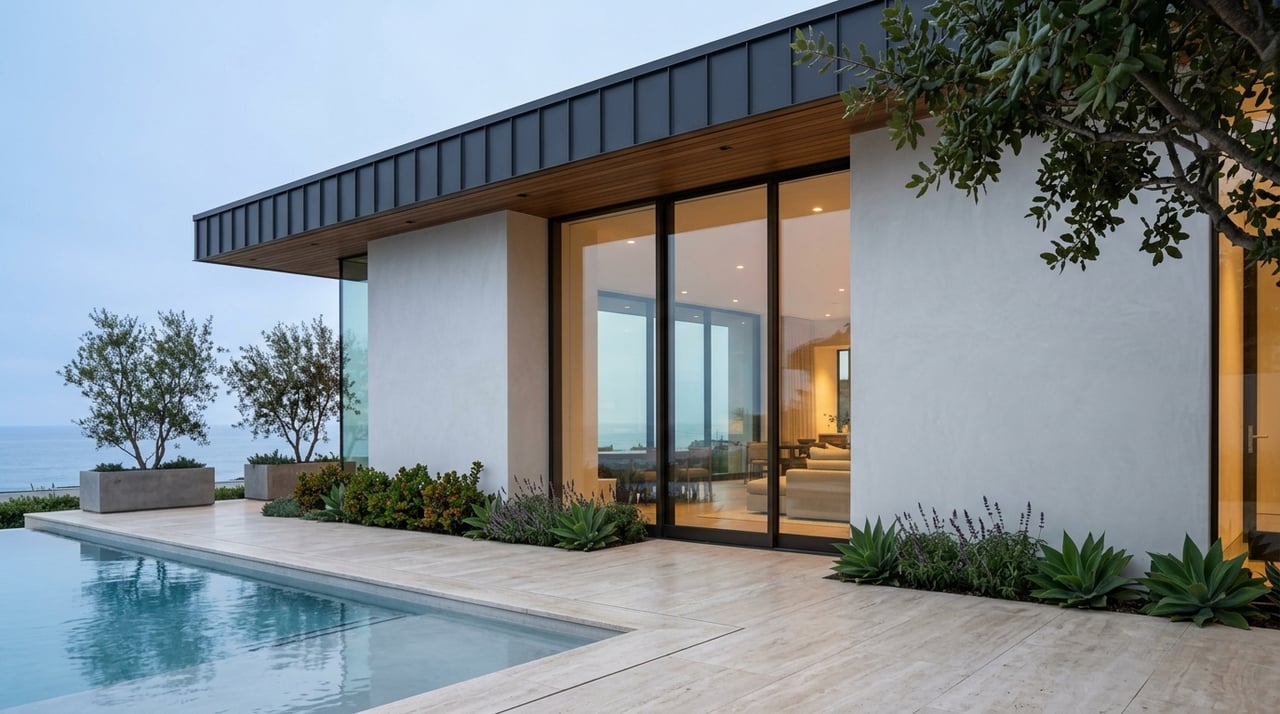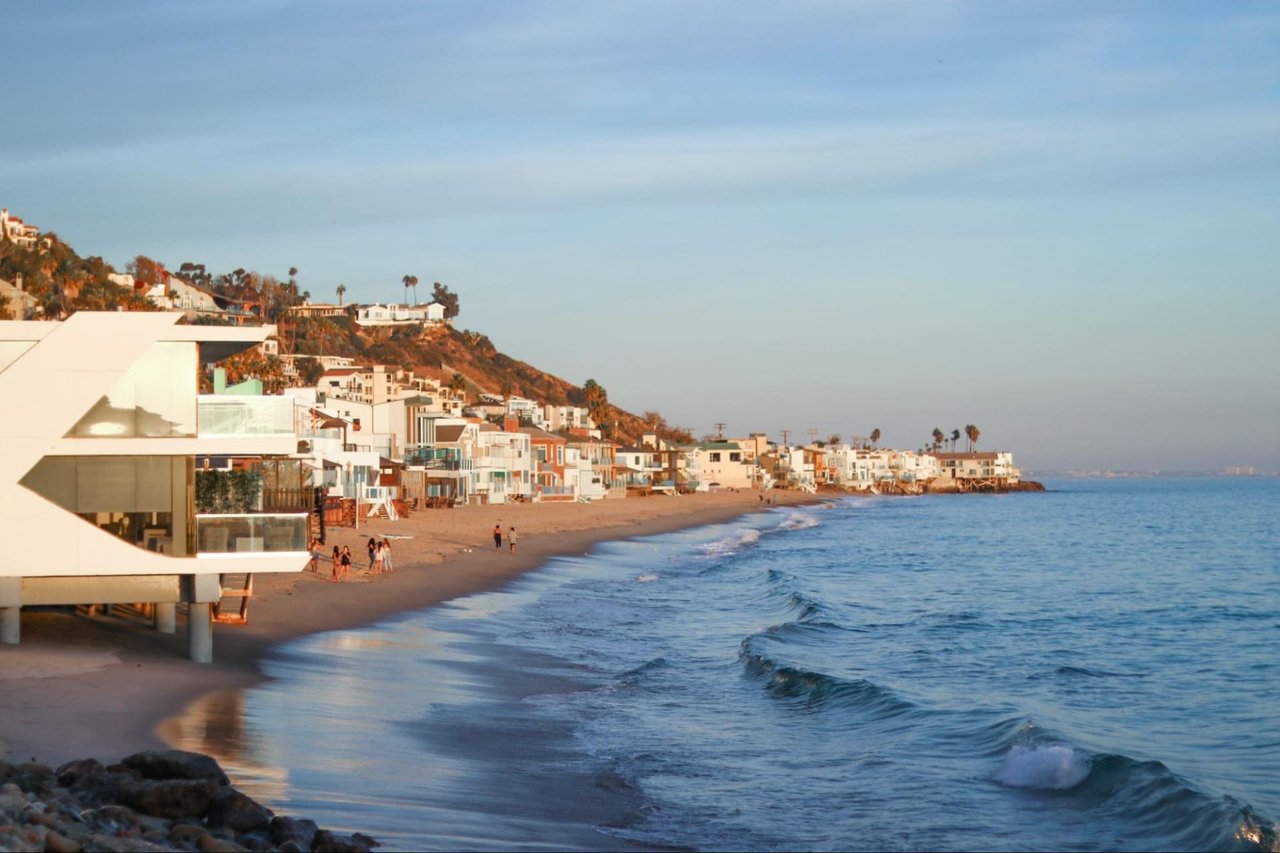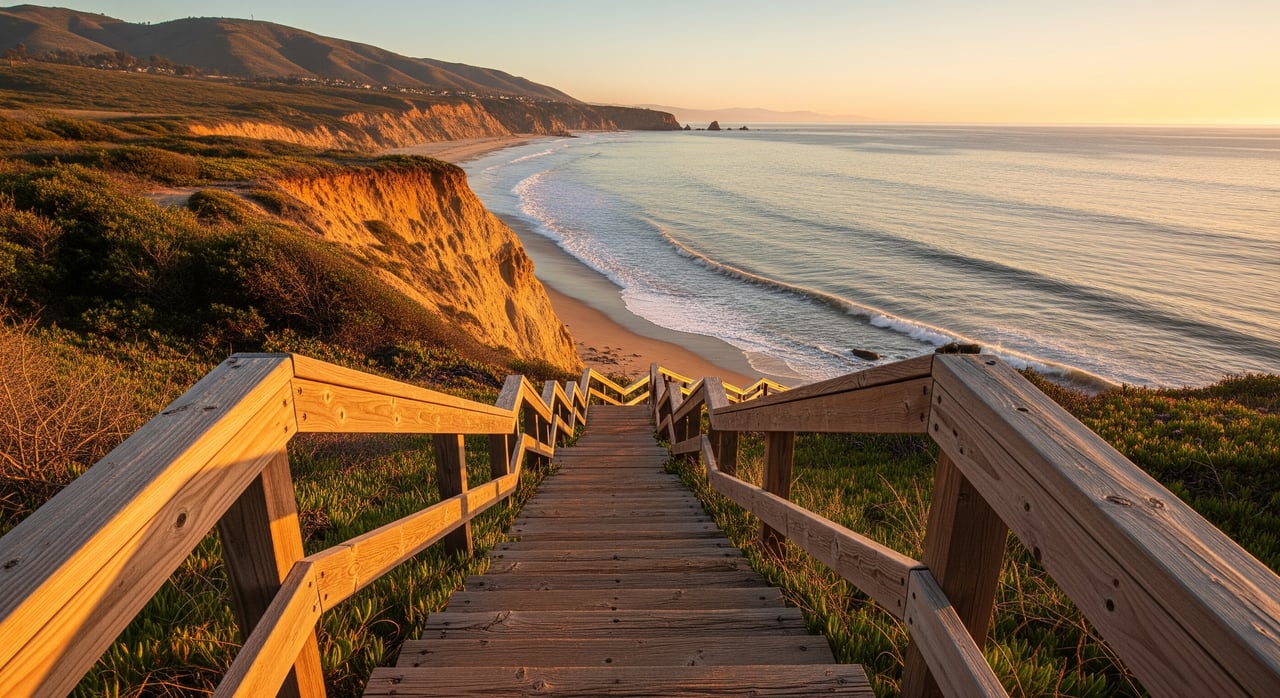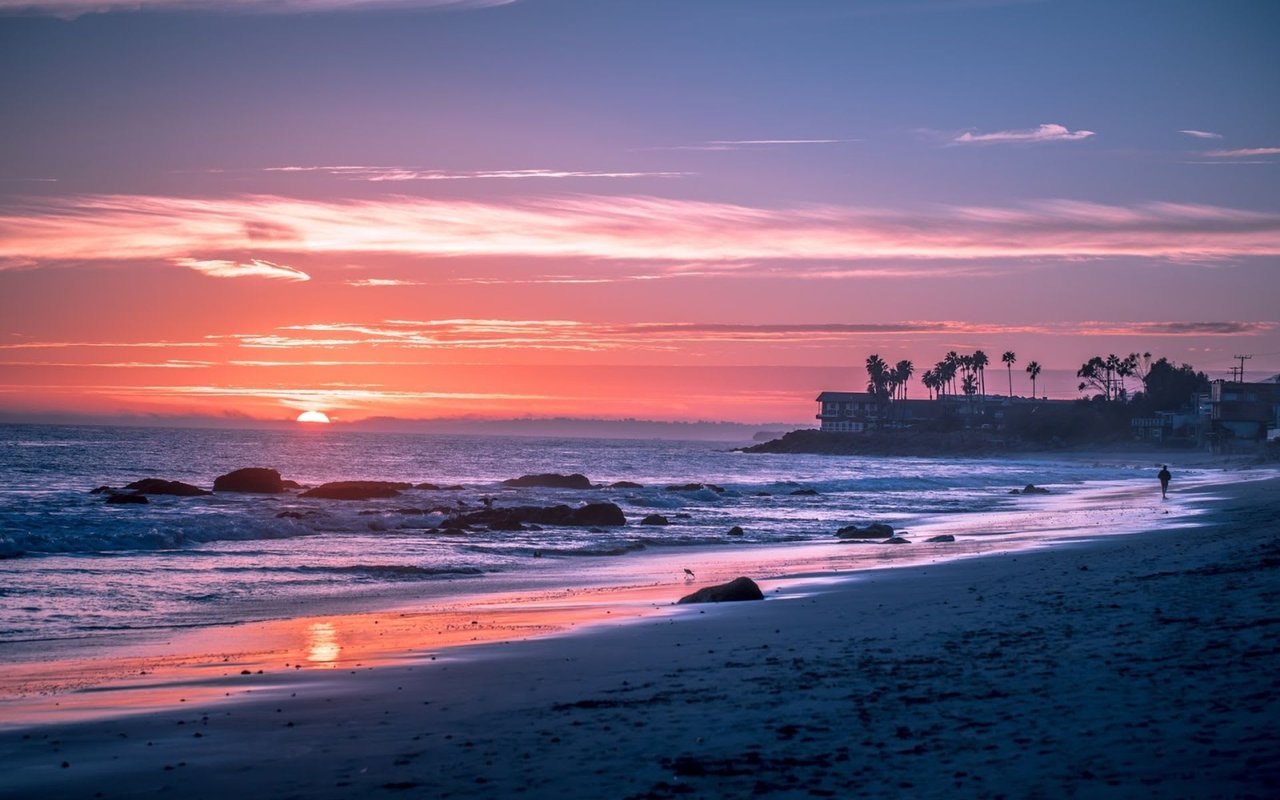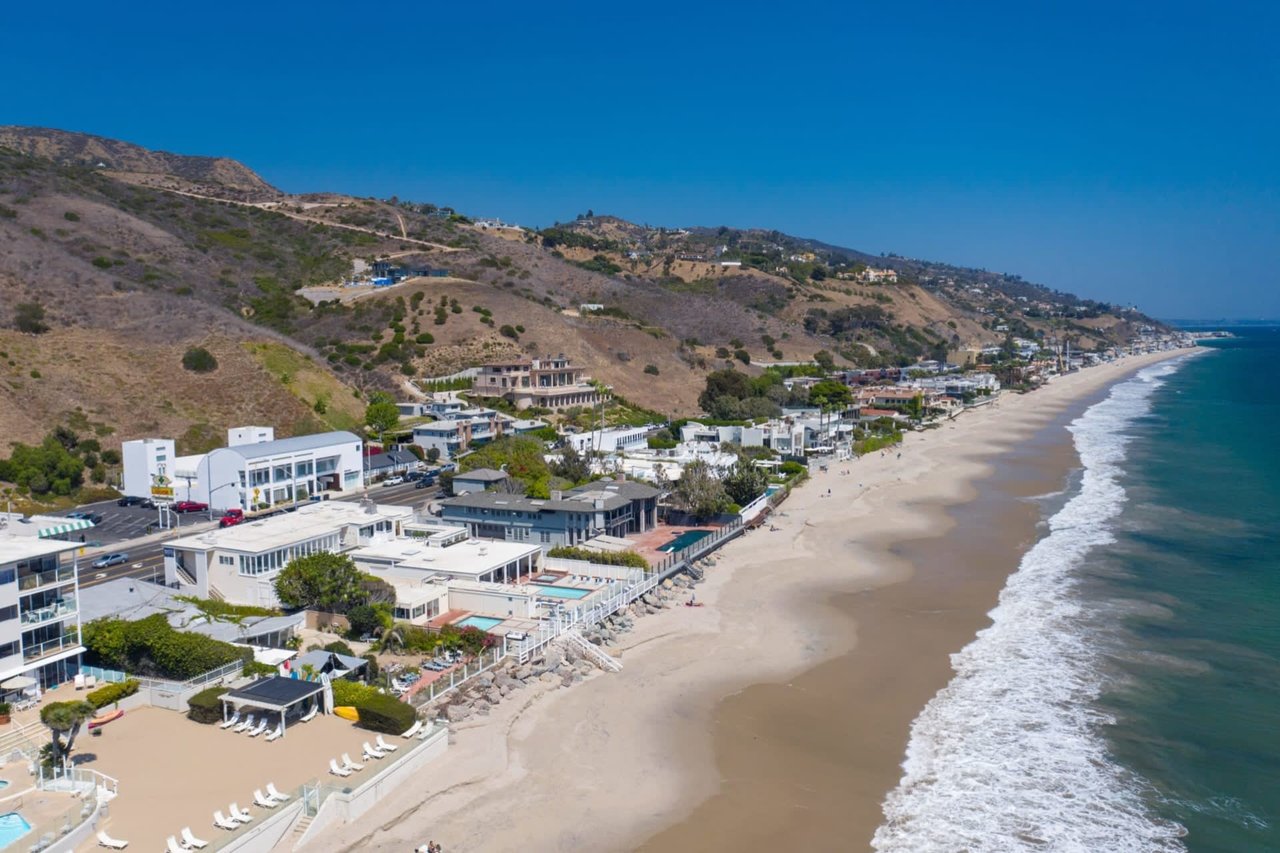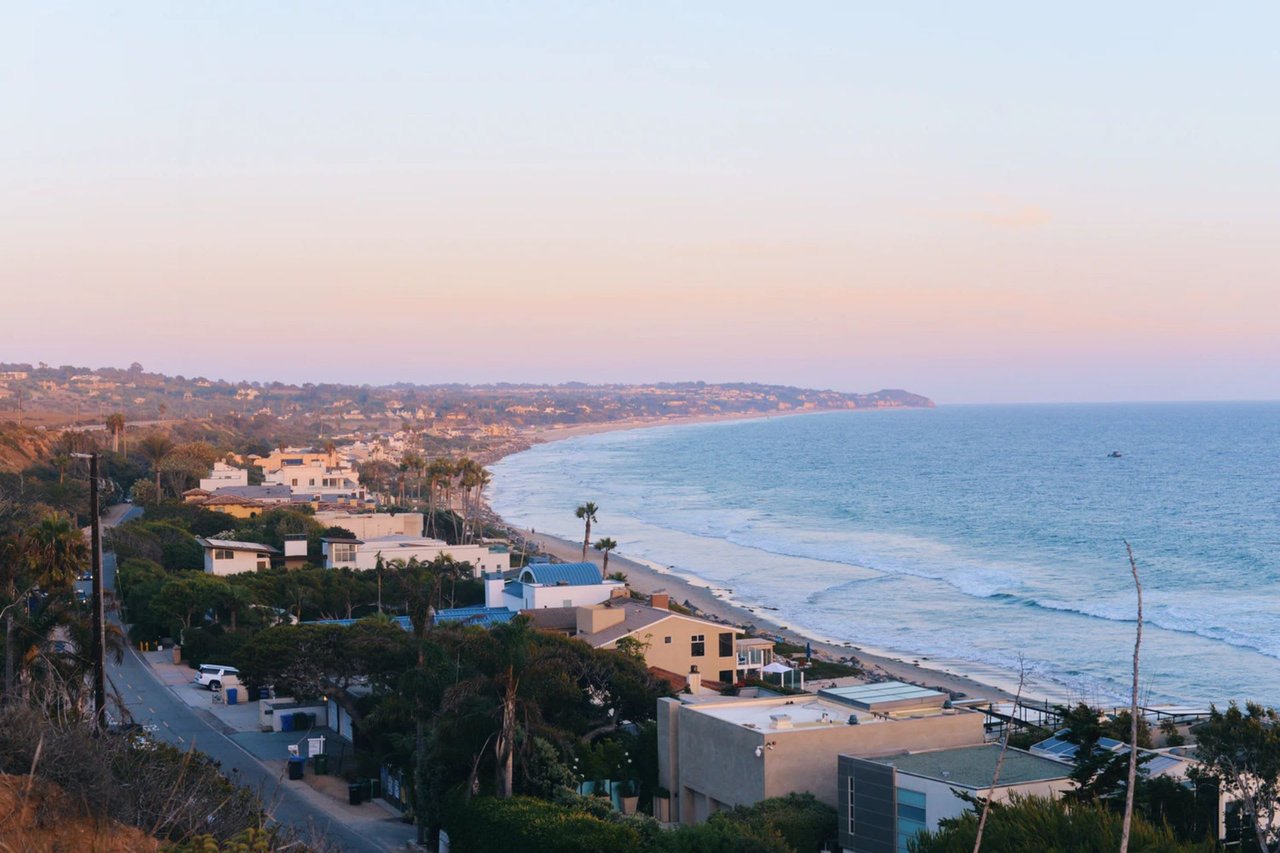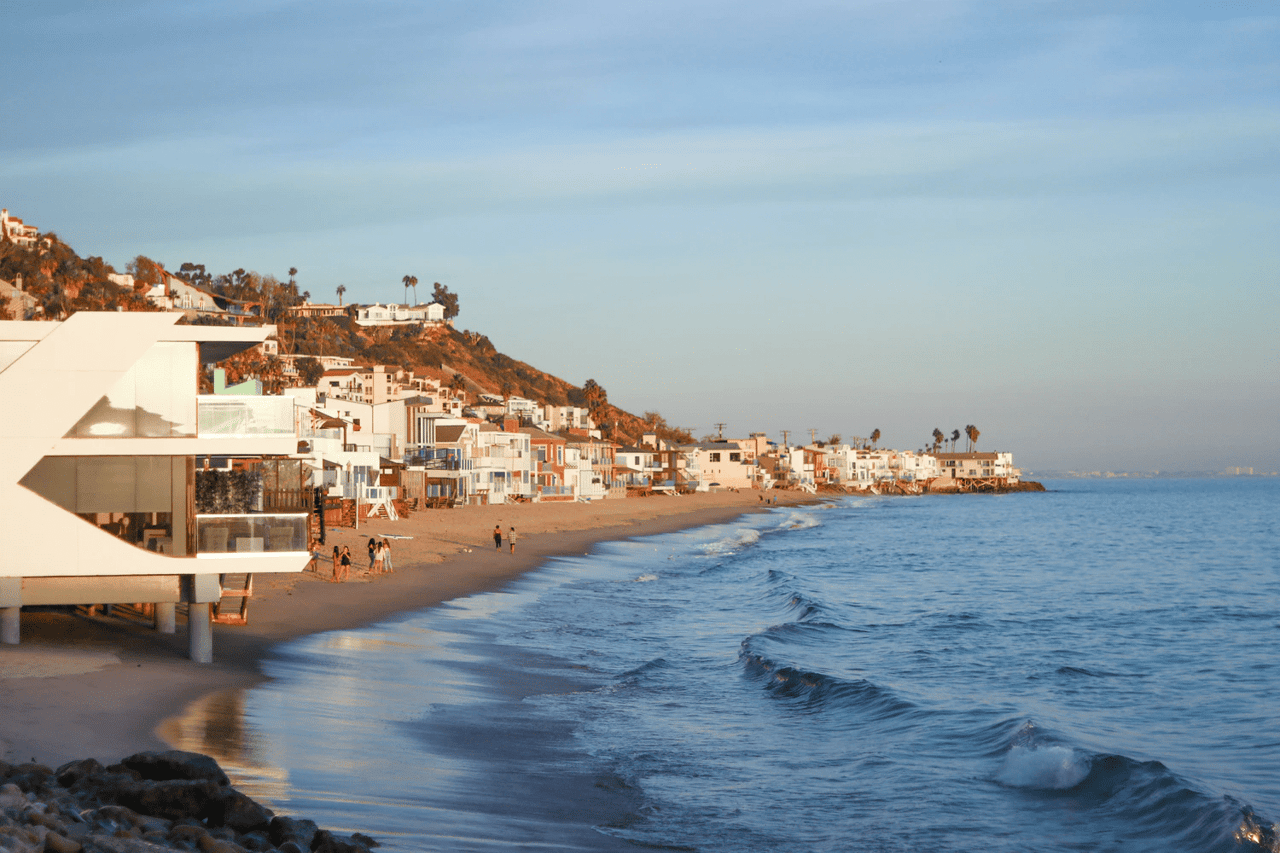
Ask anyone driving past this stretch of Pacific Coast Highway why La Costa Beach stays so quiet, and the answer is usually the same: the beach club. There's no public stairway down to the sand, and the whole arrangement traces back to a tradition residents date to 1930.
That explanation held up for most of the last decade. It stopped being true in 2021, and it's been true again since 2025 for a reason that has nothing to do with the club. Right now, what's actually keeping La Costa Beach's sand as private as it's ever been is an emergency order signed over a fire that started well east of here.
The Accessway Closure
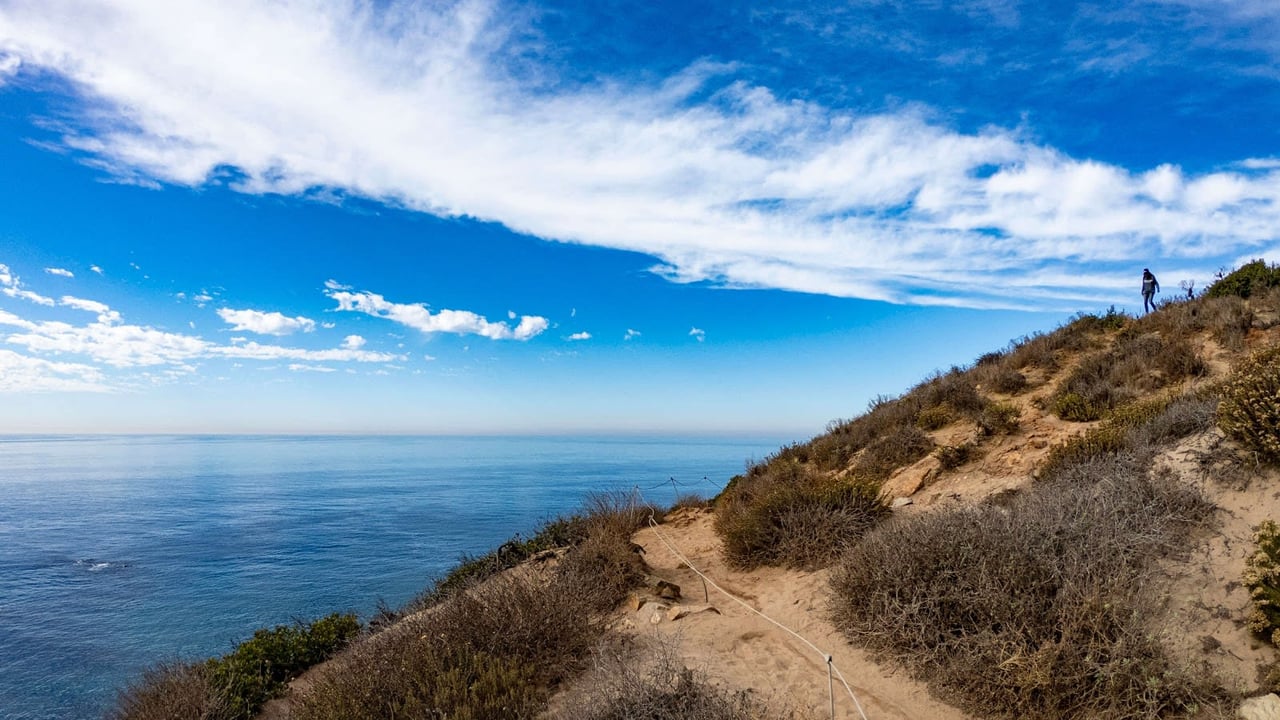
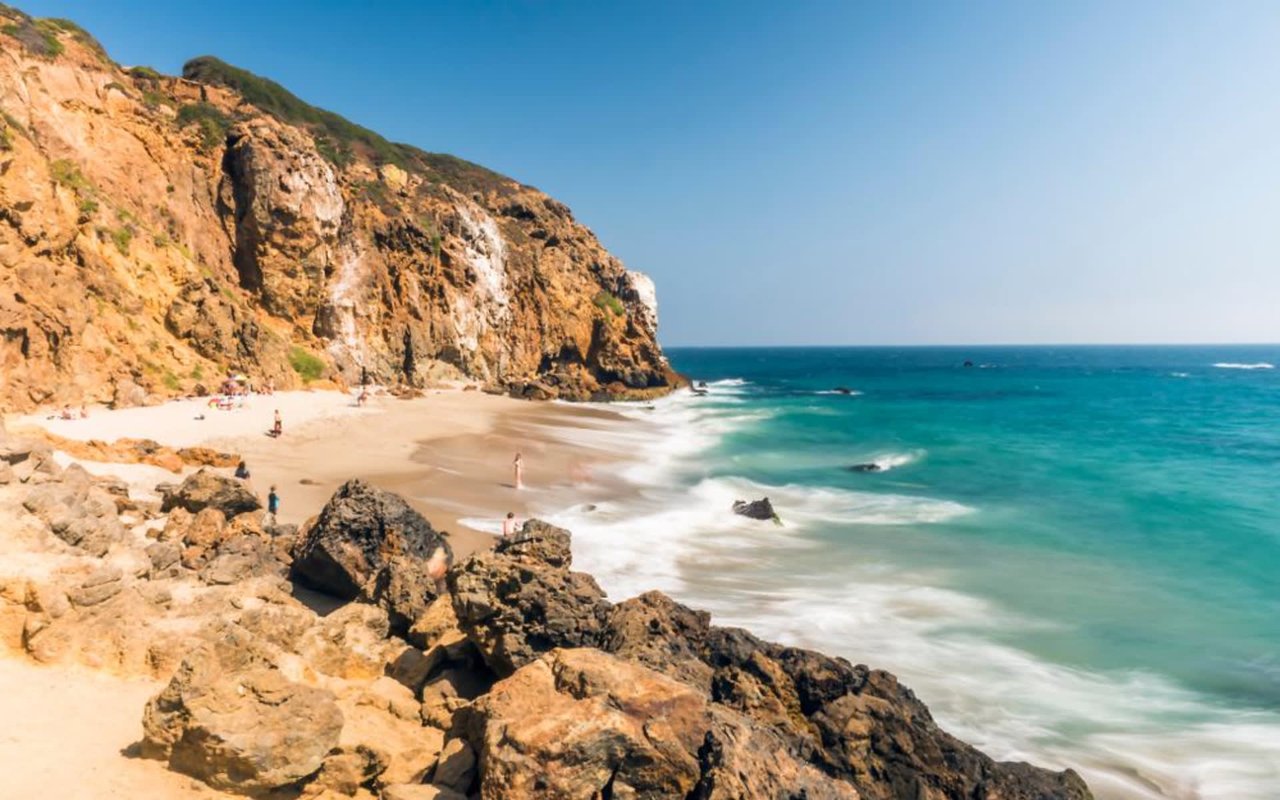
For four years, La Costa Beach had an actual public front door. In May 2021, the Mountains Recreation and Conservation Authority removed a fence that had been built illegally on state property between Carbon Canyon Road and Las Flores Canyon Road, opening the Carbon-La Costa Beach Access for the first time in most residents' memory. Anyone willing to climb down the boulders, since there was never a stairway, could reach the sand without a club key.
That accessway is closed again. Under an amended order tied to Governor Newsom's January 7, 2025 proclamation of a state of emergency for the Palisades Fire, the Carbon-La Costa Beach Access remains on the county's list of closures until further notice, alongside the Via Linda Accessway on Carbon Beach and the Dolphin View Coastal Overlook up at Big Rock. As of the Mountains Recreation and Conservation Authority's most recently posted accessway list, that status hasn't changed. It's a holdover from a fire-recovery order that hasn't been lifted for this particular spot, not a club decision and not anything to do with construction on the beach itself.
How Club Access Fits In
For anyone not tracking closure orders, the practical effect is that the club's pre-2021 beach-access arrangement is back. The La Costa Beach & Tennis Club, owner-operated by the Malibu La Costa Owners Association out of 21440 Pacific Coast Highway, still runs the only reliable way onto this mile of sand. Two lit tennis courts sit at the foot of Rambla Pacifico near Las Flores Park, and activation fees have run as high as $100,000, plus a few hundred dollars a year in dues, depending on when a membership last changed hands.
None of that changed because of the fire order. What changed is that the four-year window when non-members had a legal, if inconvenient, way onto the sand has closed again. From the water this summer, La Costa Beach looks almost exactly like it did before 2021: private homes, a members-only club, and very little foot traffic that didn't arrive by beach-rights key.
Two Highway Projects Now Running on the Same Stretch
While the accessway question sits with the state and county, Malibu's Public Works Department is moving two separate capital projects through this exact section of PCH, and their timelines are starting to stack.
| Project | What it covers here | Latest confirmed step | What's still ahead |
|---|---|---|---|
| PCH Wastewater LINE Project | Sewer collection from Carbon Beach Terrace to Getty Villa Drive, 461 properties | City Council directed a two-step assessment-district vote on February 23, 2026 | Ballots aren't expected before fall 2026 at the earliest, with a city-presented construction timeline of 2027 to 2030 if both votes pass |
| Caltrans PCH Repaving | Eastern segment, Cross Creek Road to the Santa Monica Tunnel | $85 million budget confirmed for this segment, part of a $154 million two-project total | Construction begins by the end of 2026, wrapping in 2030 |
Line those two up and the overlap is hard to miss. If the wastewater assessment clears both votes, gravity sewers and force mains start going into the ground in 2027, the same year Caltrans expects to still be resurfacing lanes and adding sidewalks along the identical corridor as part of its eastern-segment work. Neither agency answers to the other. The city has said its sewer project is limited to fire-affected beachside parcels and won't touch the landside of PCH, while Caltrans' repaving covers the full width of the highway regardless of which side of the road anyone lives on. For a homeowner here, that likely means several non-consecutive construction seasons stretched across four years, not one clean summer of disruption.
There's a cost mechanism worth naming too. The city has put the average wastewater assessment at roughly $300,000 per property. Under California's Proposition 218, assessment district votes are weighted by each property's share of the total cost rather than one vote per owner, and if the district follows the structure used for the city's Civic Center Phase 2 project, that share gets calculated partly by bedroom count. A four-bedroom house on this stretch would carry more of the $125 million construction total than a two-bedroom one next door. Ballots haven't gone out yet, so nobody has a final number, but the average gives a sense of scale for what's coming.
What Actually Changes for a La Costa Week Right Now
Some things haven't moved. Parking is still along PCH on both sides, and the crosswalk at Carbon Canyon Road is still the safe way across if you leave a car on the inland shoulder. Dogs still aren't allowed on the open sand outside the club's own gated stretch, a rule that predates any of this. High tide still erases most of the beach near Rambla Vista, so a walk still means checking a tide chart first.
The one real change is foot traffic. With the public accessway closed, this summer likely brings less non-member walking traffic past the club's stretch of sand than in the years right after 2021, when the fence first came down.
Borrowed Quiet
None of the quiet this neighborhood is enjoying right now was secured by anyone who lives here. It's the byproduct of a fire emergency proclamation that hasn't been formally closed out for this particular accessway, sitting on top of a beach club system that would have kept things private anyway. Meanwhile, two multi-year public works timelines are converging on the same quarter mile of highway. The version of La Costa Beach residents are living in this August is a specific, temporary configuration of state emergency law, a decades-old ownership association, and municipal bidding calendars. All three of those clocks are already running toward whatever comes next.
If you're weighing a move within Malibu's eastern beach communities and want a clear-eyed read on how a specific stretch of coastline is actually changing, not just how it's marketed, Sandro Dazzan has spent a career tracking these details block by block. Book a private consultation to talk through what's ahead for this corridor and what it means for a property you already own or one you're considering.
This article is general information, not legal, tax or financial advice. Consult a qualified professional about your situation.