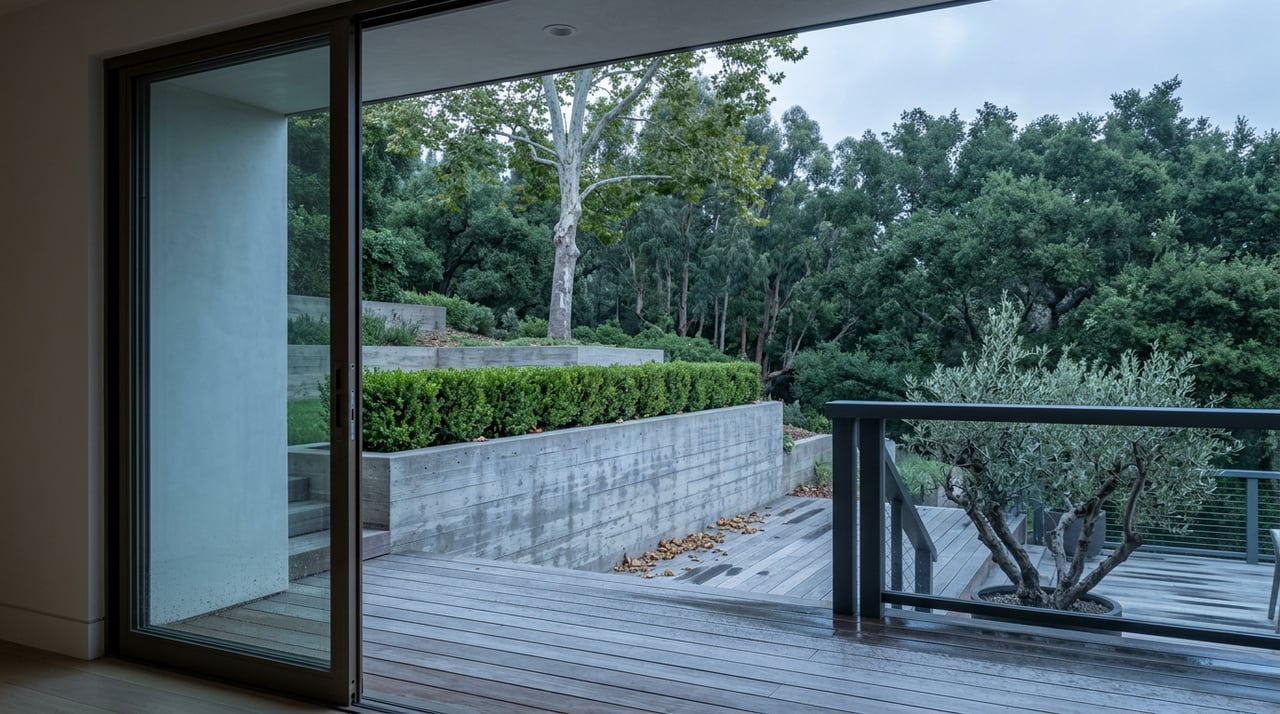
Everyone who lives behind Serra Retreat's two guard gates knows the drill. One entrance sits off Cross Creek Road, the other off Pacific Coast Highway, and between them, the canyon has stayed private for more than eight decades. The retreat center's grounds are a separate destination, with visiting procedures set by the center.
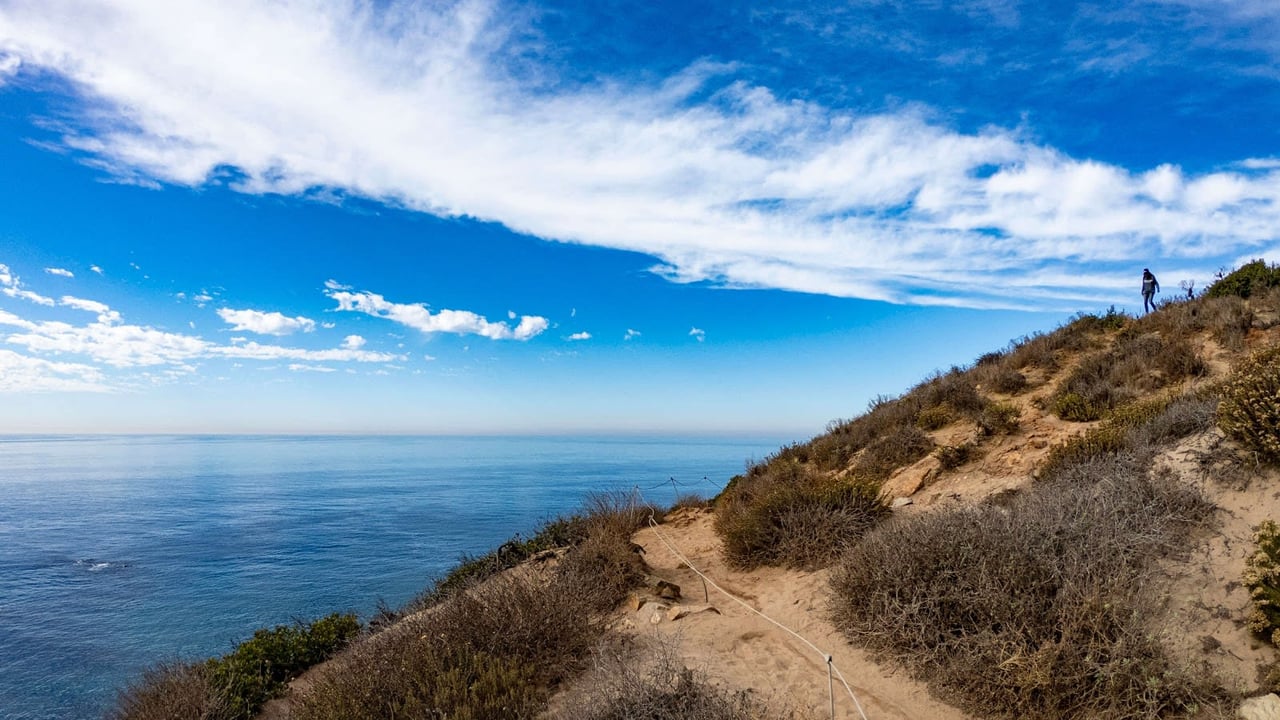
For as long as most current residents can remember, Serra Retreat Center's twenty-six acres sat open on weekdays. Walk in from 9 to 4, no appointment, no phone call, just a nod to the front office and access to a labyrinth, a set of Stations of the Cross, and views that swing from the Pacific to the Santa Monica Mountains in a single turn. Weekend visits required a call ahead, but Monday through Friday visitors could walk the grounds without an appointment. That has changed. The retreat's own site now states plainly that visits are by appointment only, a shift from the open-door policy the center has described on its own materials for years. For residents who once included the grounds in a weekday walking loop, a visit now calls for advance planning.
Alongside the canyon's recent storm history, the change in visiting policy provides context for planning walks and travel around Serra Retreat.
What the Grounds Actually Offered
The retreat center was never marketed as a neighborhood amenity. It's a Catholic conference facility, founded in 1943 after the Franciscans bought the property in 1942, and its stated purpose has always been retreats, workshops, and quiet reflection for groups that register and pay to be there. But for residents on Palm Canyon Lane, Sweetwater Mesa Road, and the streets clustered around them, the grounds doubled as something else: a walkable, gated, ocean-view space that didn't require a car, a trailhead, or a reservation. That informal use was never the point of the property, but it was part of daily life in the canyon; weekday visits now require a call ahead.
Storm Damage on Serra Retreat Roads
The other shift is less about a policy and more about geography, and it started with the Franklin Fire in December 2024, which burned more than 2,600 acres through the hills above the canyon. Fire itself wasn't the lasting problem. What it left behind was bare, unstabilized slope, and that turned the first serious storm of 2025 into a local event with a name attached to it.
On February 13, 2025, a storm dropped enough rain on the burn scar to send boulders, some weighing around 500 pounds, down into Serra Retreat's private roads. Resident Jeff Follert documented it for The Malibu Times, describing debris that hit Cross Creek Road, Palm Canyon Lane, and the northerly stretch of Serra Road hardest, with the back of the canyon taking the most damage.
Follert said, "Last night's debris flow was a pretty amazing event, and locals are saying it is a 50-year event."
What happened next is worth knowing if you live there now. Because Serra Retreat's roads are privately maintained through the Serra Canyon Property Owners Association, the cleanup didn't wait on the county. One neighbor quoted in the same article, a resident named Bigelow, said the community would track down a backhoe and handle it themselves, drawing a direct comparison to how Malibu West residents cleared their own private streets after the Woolsey Fire.
Why This Fall Sits at the Edge
Post-fire debris flow risk doesn't last forever, and it doesn't disappear on a fixed schedule either. A widely used federal assessment framework for burn-scar hazard notes that most debris-flow activity from a given fire tends to occur within about two years of the burn, tapering off as vegetation and slope stability recover, though the exact pace depends on rainfall and regrowth. Franklin burned in December 2024. Two years out lands in the winter of 2026 into early 2027, which puts this fall squarely in the transition window, not before the risk and not fully clear of it either.
The county wasn't treating the canyon as settled as recently as last fall. A City of Malibu storm alert dated October 13, 2025, almost a full year after the fire, listed Serra Retreat by name under an active evacuation warning tied to the Franklin Fire burn scar, alongside Cross Creek, Sweetwater Mesa, and Malibu Colony. The same alert noted that debris flows in this kind of terrain can start with as little as half an inch of rain per hour, a threshold low enough that a single fast-moving cell can trigger it. A month later, KTLA covered another storm bearing down on the same burn scar, with a Malibu resident describing the pattern locals have come to expect: heavy mud is the real risk, and that's when the boulders come down.
None of this means panic is warranted this fall. It means the canyon is past the sharpest part of the risk curve but not yet fully past it, which is a different thing to plan around than either extreme.
The Playbook Locals Already Know
Residents who went through last year's storms have a rhythm by now, and it's worth having on hand before the first real system of the season arrives:
- Sandbags are available at LA County Fire Stations while supplies last, along with dedicated fill stations at Camp 13 on Encinal Canyon Road, Fire Station 70 on Carbon Canyon Road, the Zuma Beach main entrance, and the Malibu Library on Civic Center Way, where staff load filled bags into vehicles between 9 a.m. and 4 p.m. ahead of storms.
- Plastic sandbags are banned within city limits. Burlap or jute only.
- The City's alert system and KBUU Radio at 99.1 FM carry real-time updates on road closures and evacuation warnings, which is the fastest way to know if Cross Creek Road or Serra Road is compromised before you're already on it.
- Because Serra Retreat's interior roads are privately held through the Property Owners Association, don't assume county crews will clear them first. Last year's cleanup ran through neighbors with their own equipment, and that's likely to be true again if this season produces another significant flow.
What Actually Changes This Season
Put the two threads together and the picture for Serra Retreat this fall isn't dramatic, but it is specific. Visits to the retreat grounds now require an appointment. The private roads have experienced debris flows, and neighbors handled past cleanup. Post-fire debris-flow activity can decline over time as vegetation and slope stability recover, though the pace depends on rainfall and regrowth.
For residents who remember weekday visits to the retreat grounds, the access policy and the canyon's post-fire storm history are practical considerations for walking, driving, and living in Serra Retreat in 2026.
If you're weighing what any of this means for a property in Serra Retreat, whether you're watching the market from inside the canyon or considering a move into it, Sandro Dazzan has spent a career working these exact hillsides and can walk you through what the terrain, the roads, and the season actually mean for a specific address. Book a private consultation to talk it through.
This article is general information, not legal, tax or financial advice. Consult a qualified professional about your situation.