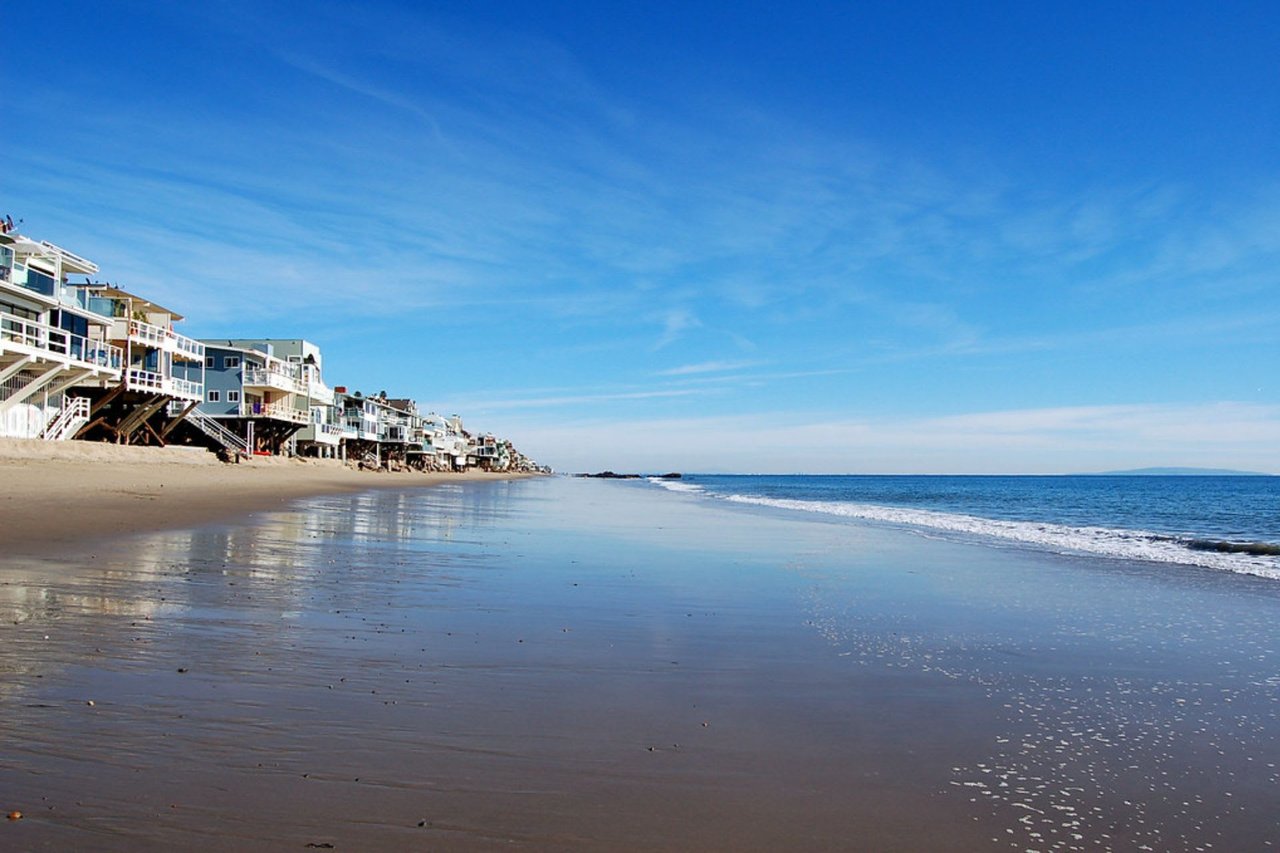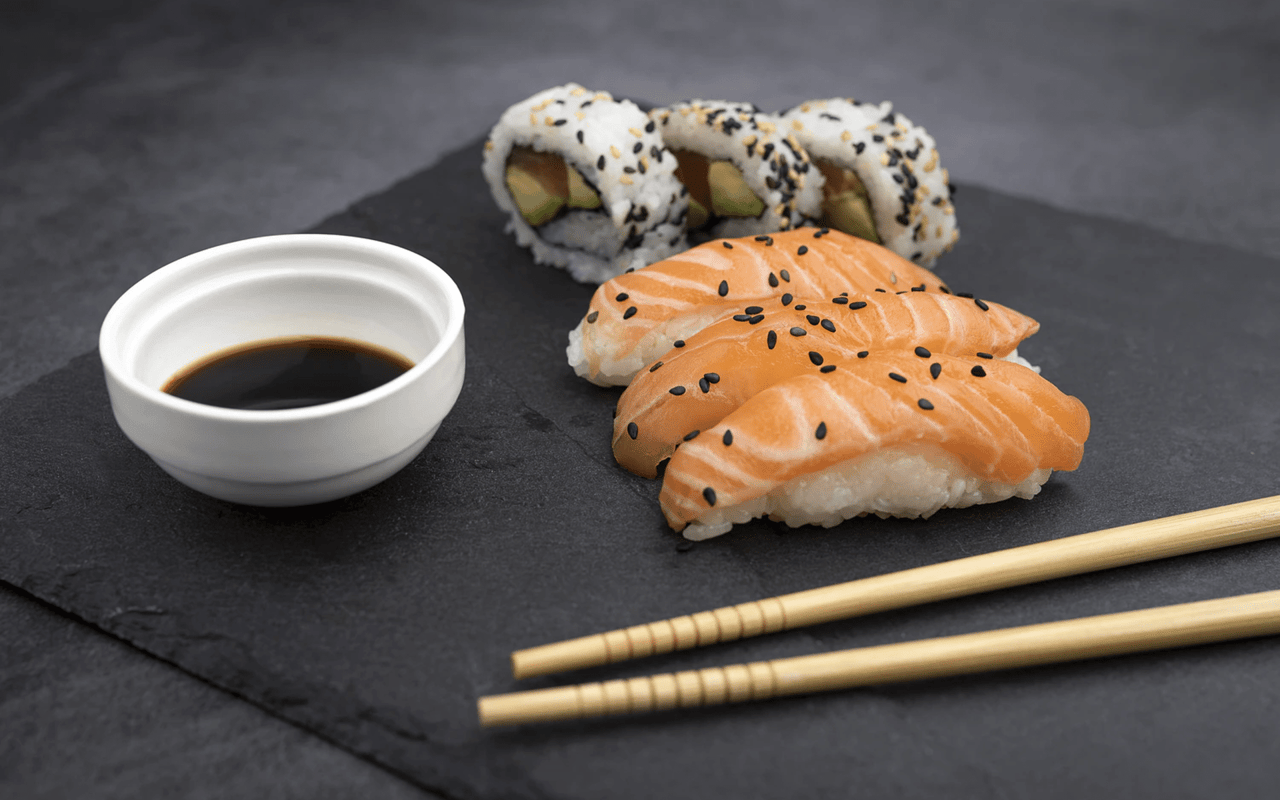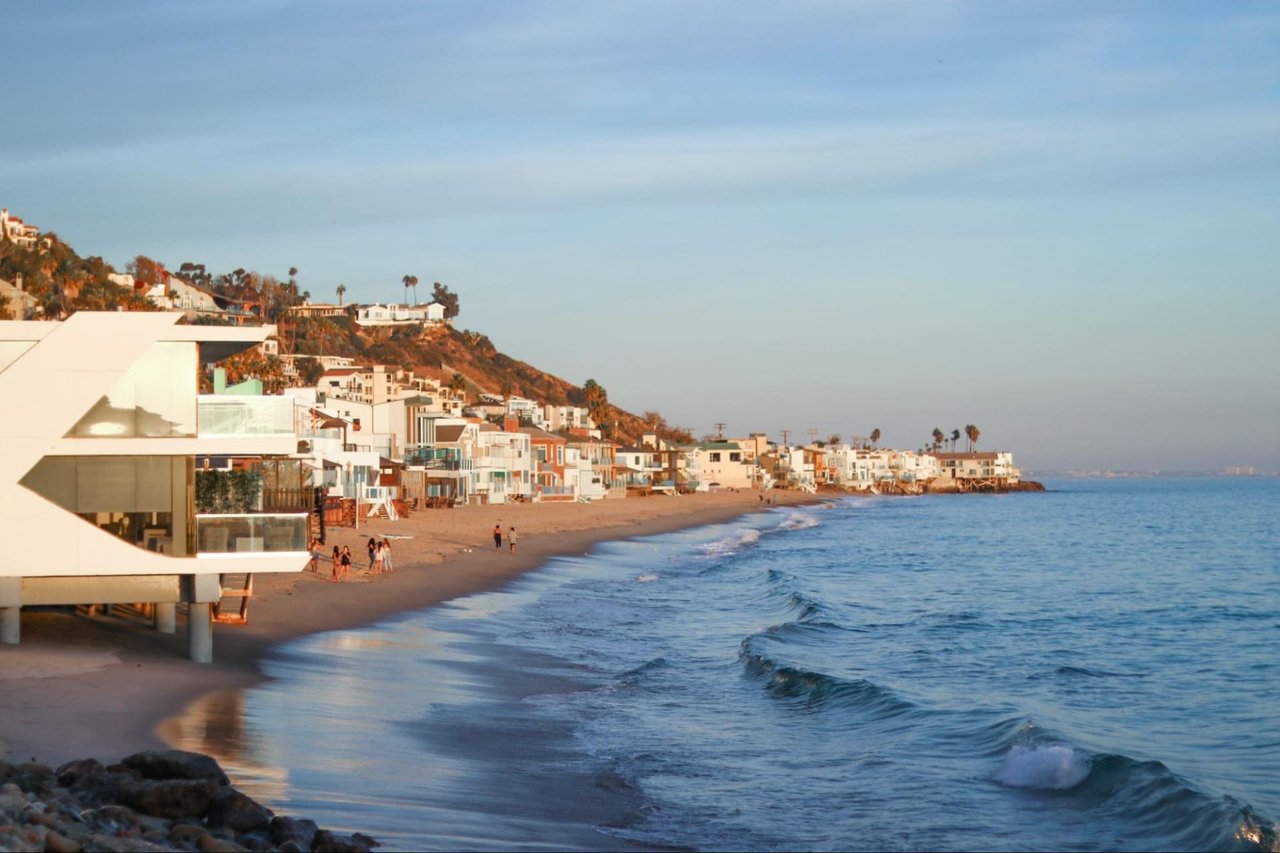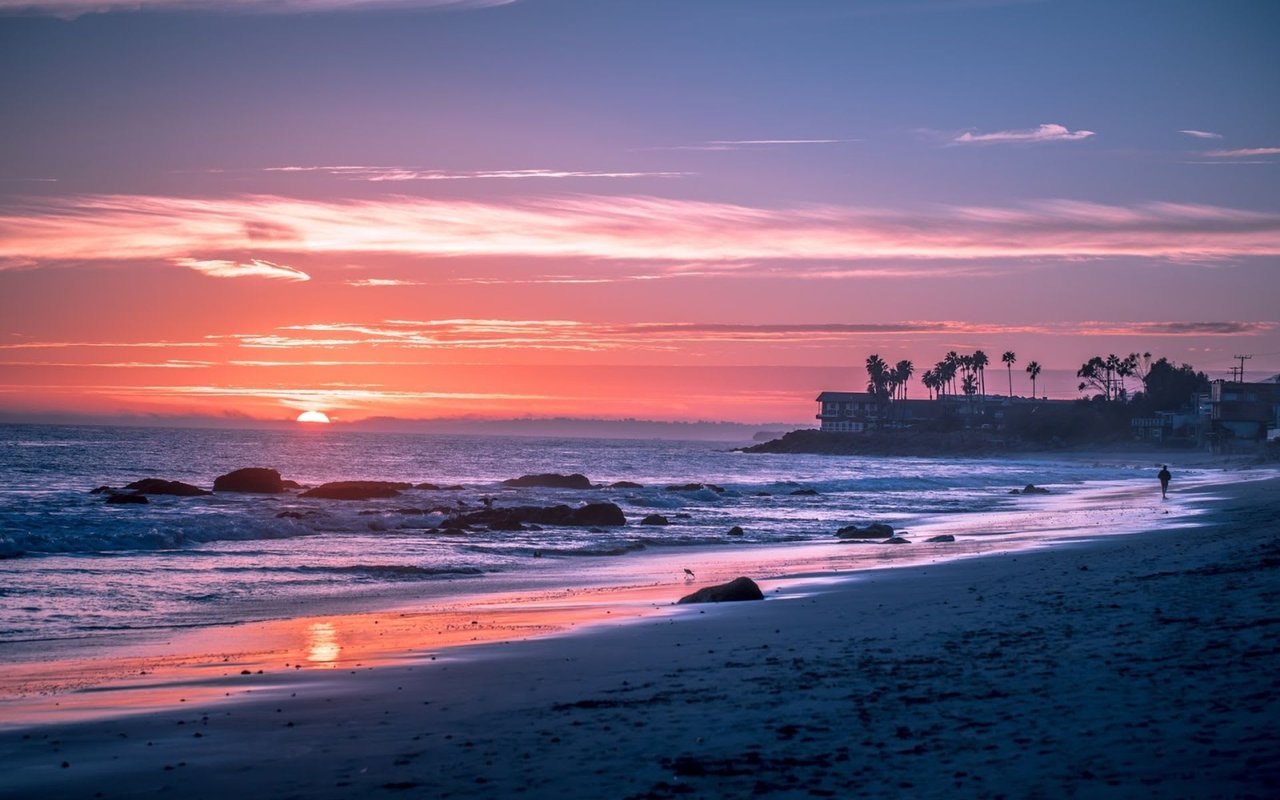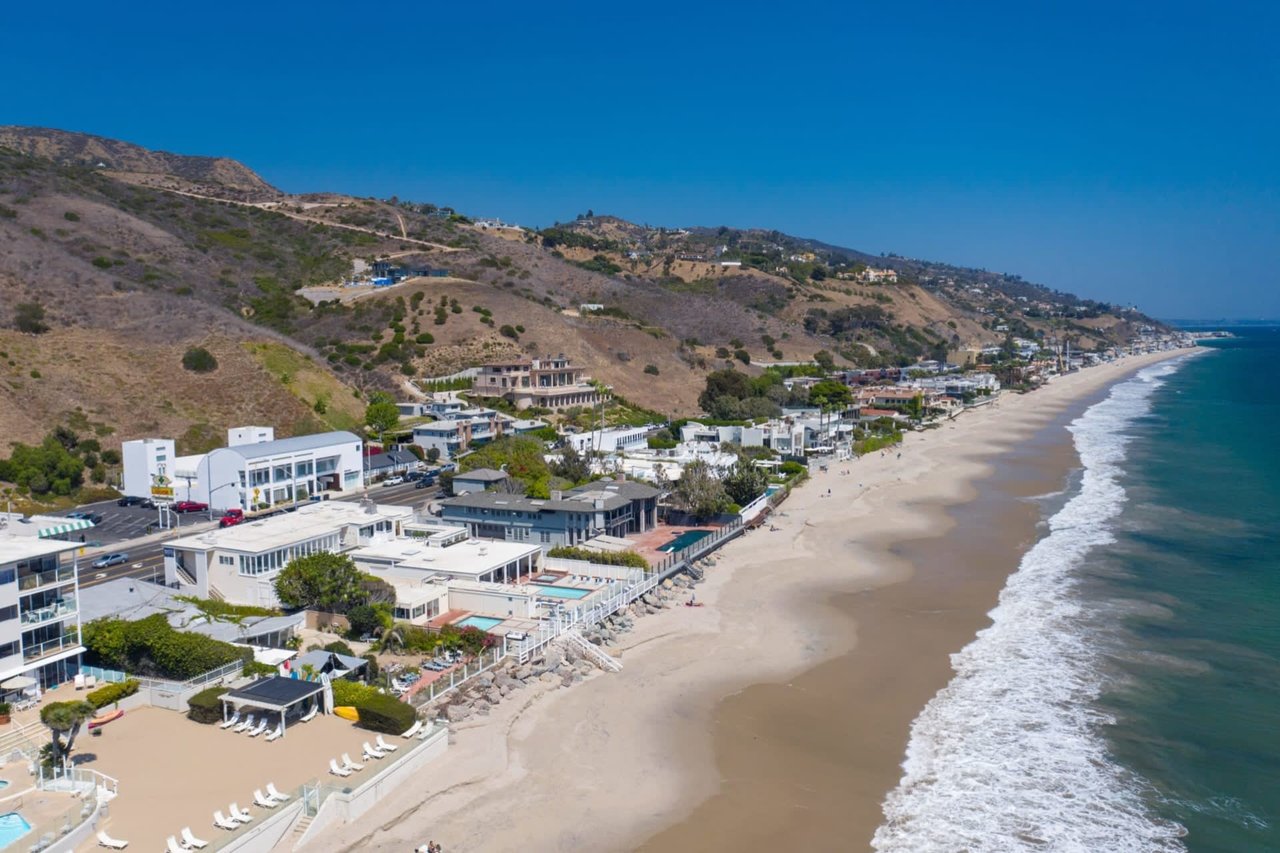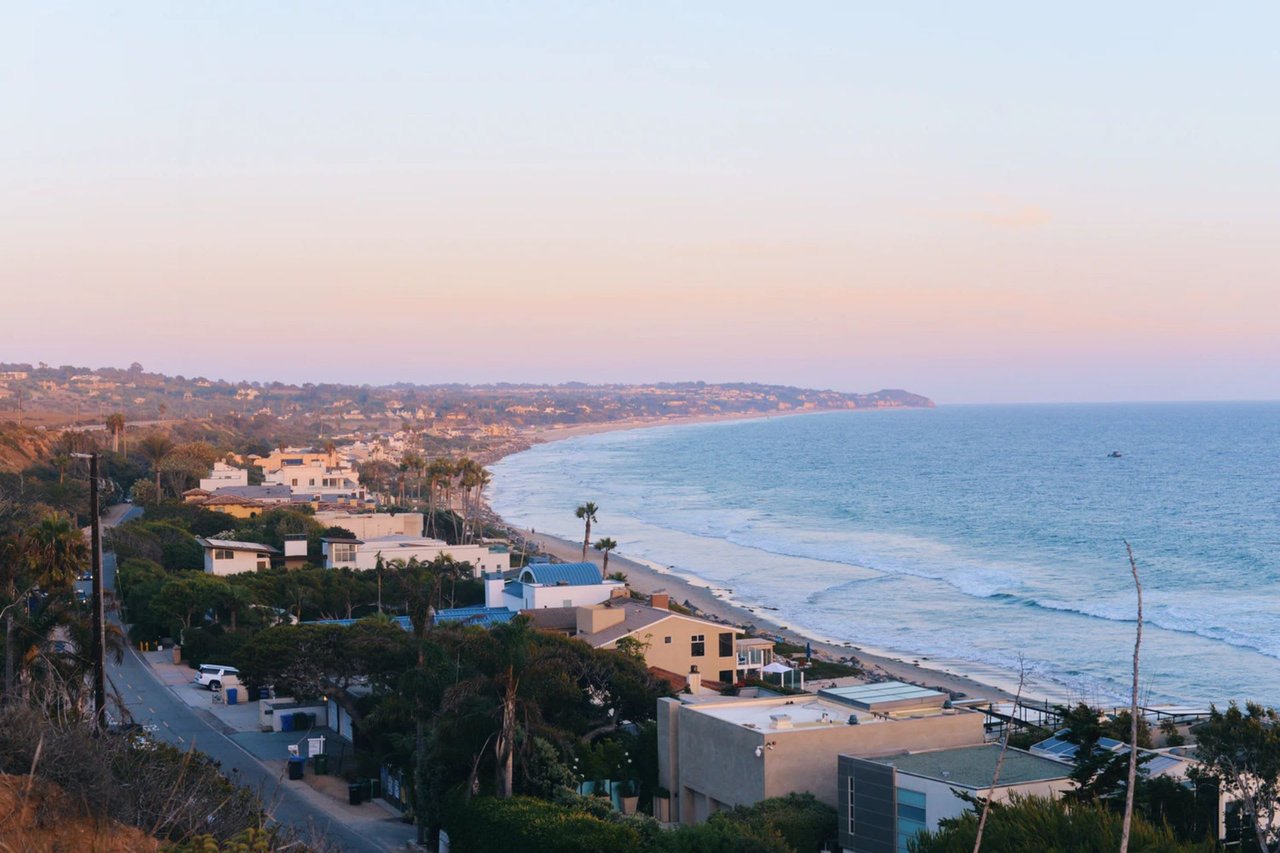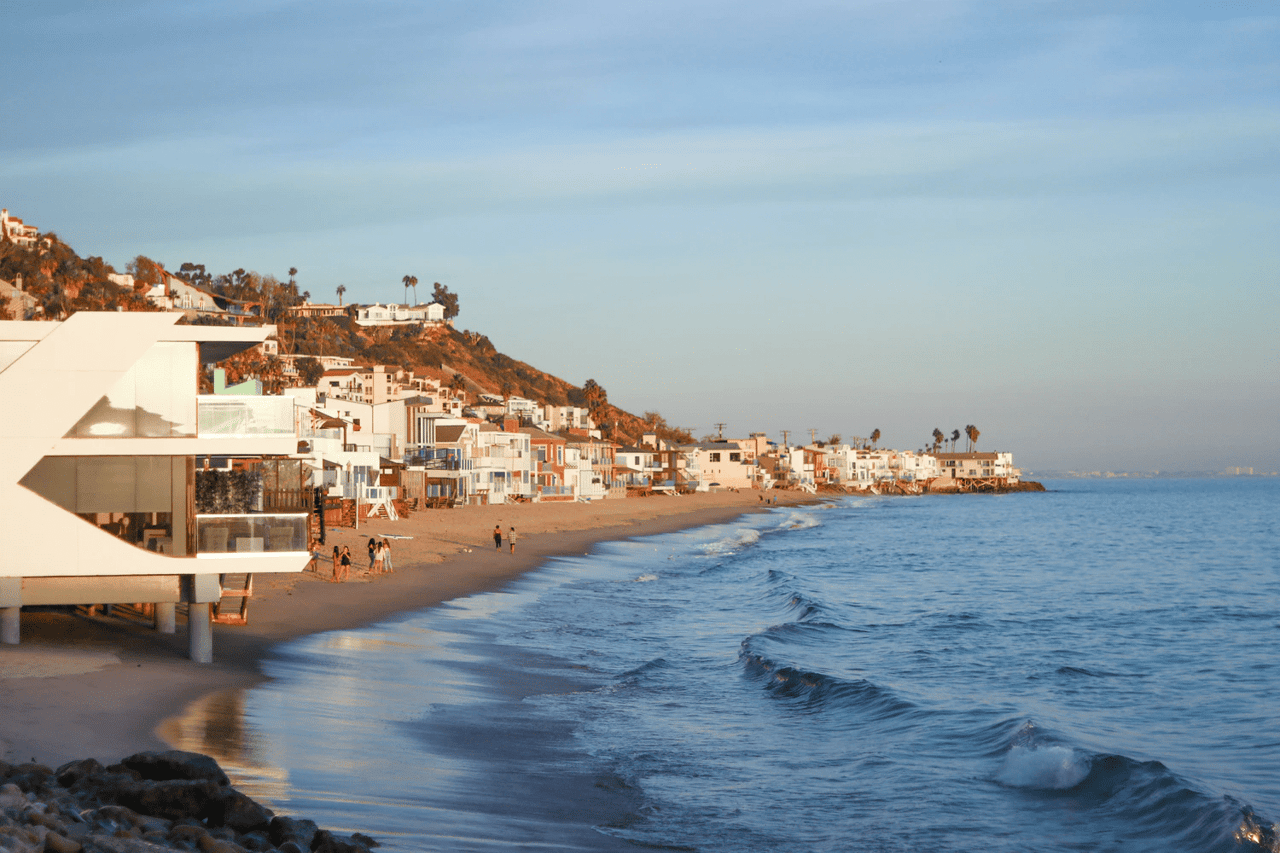
A Tuesday morning table at Paradise Cove Beach Cafe used to mean a wait. Not this August. Walk in around nine and a hostess will seat you before you've finished checking the tide. That is either good news or a warning sign, and this month it happens to be both, coming from two completely different directions.
One kind of quiet sits at the base of the bluff, where the neighborhood's best-known restaurant is running its full hours on a fraction of its usual crowd. The other sits along Pacific Coast Highway after dark, where the county has been actively working to make the road quieter on purpose. A resident who only reads the easy table as good luck is missing half the story. Here is what's actually behind both, and what still hasn't changed at all.
The Quiet That Costs Something
Paradise Cove Beach Cafe has kept its normal 8 a.m. to 9 p.m. hours all year, run by the same owner, Bob Morris, who has operated it for decades. What changed is who's coming through the door.
In March 2026, Morris hosted a free lunch he called "A Day of Hope" for locals and first responders, a gesture aimed squarely at a community still working through the fire's aftershocks. Talking to a local reporter at that event, he said attendance was down 60 percent and that he had cut hours for his 160 employees. He put it plainly:
"This isn't about Paradise Cove (the restaurant), this is about Malibu."
That framing matters. Morris built Gladstone's into one of the highest-grossing restaurants in Los Angeles before opening Paradise Cove Beach Cafe, so a 60 percent drop isn't a rounding error for a struggling operator. It's a signal about visitor volume across the whole coastline, not a comment on the food or the location. More than a year after the fire, Malibu's broader visitor economy still hasn't caught up, and the cafe's traffic is the clearest number anyone in town has put on it.
For a resident, the practical read is straightforward. The tables turn faster. The pier is walkable without weaving through a line of people angling for a photo. If you've been putting off your own neighborhood restaurant because the wait wasn't worth it, this is the season to use that. But it's worth holding both facts at once: the easier reservation and the fact that easier reservation exists because 160 people are working fewer hours than they'd like.
The city has been treating this as more than a one-restaurant problem. In February 2026, the Malibu City Council was still working through zoning changes to the municipal code aimed specifically at economic recovery for local businesses, with particular attention to temporary use permits and sign permits, tools meant to give operators more flexibility while visitor traffic rebuilds. That's a slow, administrative kind of help, and it tells you the recovery timeline nobody wants to commit to publicly.
The Other Quiet, and Why Enforcement Is Getting Louder
If the daytime story on PCH is about missing visitors, the nighttime story is close to the opposite problem. On May 26, 2026, Sgt. Chris Soderlund, the city's liaison to the Malibu-Lost Hills Sheriff's Station, briefed the City Council on a different kind of traffic: reckless driving and street racing along the highway after dark.
One incident from that briefing is worth knowing if you drive PCH at night. Deputies on a late patrol observed two exotic sports cars racing westbound near Cross Creek at speeds reaching roughly 100 mph. They coordinated a stop near Corral Canyon Road, arrested both drivers, and impounded both vehicles for 30 days.
That's not a story about Paradise Cove specifically, but it's a story about the stretch of PCH every Paradise Cove resident uses to get anywhere east of the gate. If you've noticed more patrol cars or a slower flow through that corridor recently, this is why. The enforcement posture between Paradise Cove Road and the Civic Center has been more visible than it's been in a while, and the timing lines up with a summer where fewer daytime visitors have apparently made room for more nighttime speed.
Put the two quiets side by side and a shape emerges. The cafe's slow season and the highway's racing problem are unrelated on the surface, but they're both downstream of the same fact: this is an unusual year for who's actually on this stretch of coast and when.
The One Thing That Hasn't Slowed Down
Not everything in a Paradise Cove week is riding the same wave. The Cornucopia Malibu Certified Farmers' Market at 23500 Civic Center Way runs year round, every Sunday from 9 a.m. to 2 p.m., rain or shine, and by all accounts it's holding its normal rhythm while the restaurant economy nearby works through a rough patch.
Part of the reason is structural. Unlike a lot of markets that accept vendors through an open application, Cornucopia reviews prospective vendors personally, sometimes inviting them to a tasting or product presentation before they're allowed a stall. That curation is why the produce and specialty tables here skew a notch above what you'd find at a typical weekend market, and it's also probably why the crowd skews local. A market built around a resident routine doesn't live or die on tourist traffic the way a beachfront restaurant does.
If you haven't built the market into your Sunday yet, a few things make the visit worth the drive up Civic Center Way:
- Go early. The stalls with the best produce sell through by midday, and the market runs the full stretch to 2 p.m. regardless.
- Bring your own bags. Most vendors here lean eco-conscious and don't default to single-use plastic.
- Bring small bills. Cards work at some stands, cash moves faster at most.
- Treat it as a full stop, not a drive-through. Between the produce, the baked goods, and the rotating specialty vendors, this is closer to a weekly errand than a quick photo op.
The proceeds from the market fund community projects around resource conservation and local schools, which is part of why it's been described locally as something closer to Malibu's town center than a shopping trip.
A Short Walk East, If the Tide Cooperates
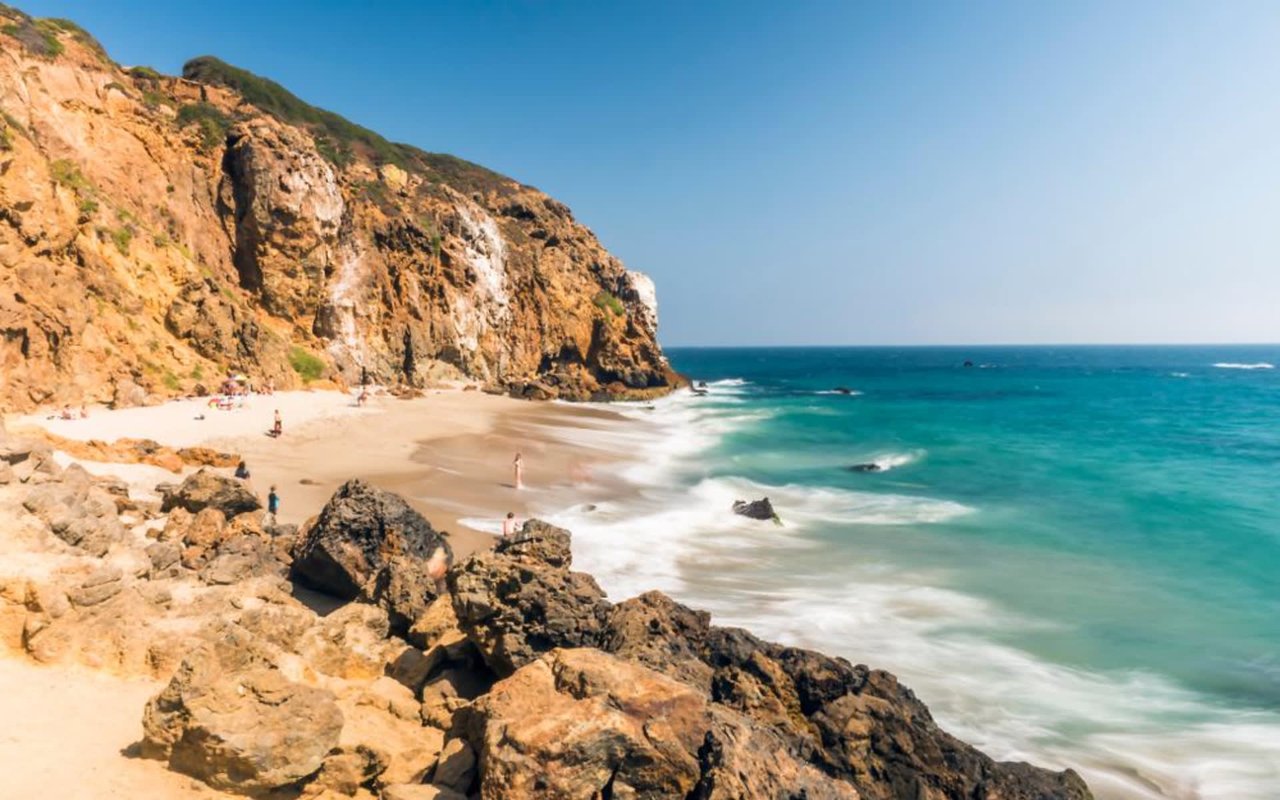
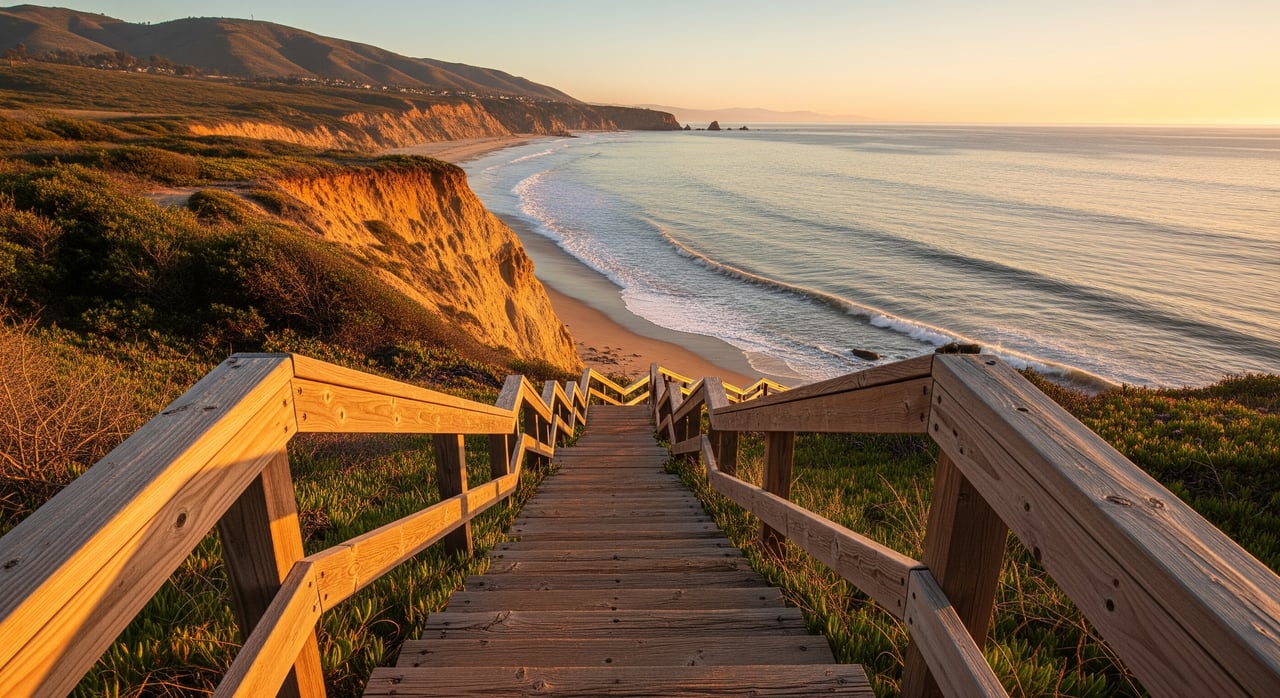
For families in Paradise Cove with a free afternoon and curious kids, the bluff east of the cove drops down toward Dume Cove, where low tide turns up sea stars, mussels, crabs, urchins, and anemones in the exposed pools. The window is short, usually about an hour on either side of the actual low, so this isn't a spontaneous plan. Check the NOAA tide chart for Santa Monica Bay the morning of, time your walk to the low, and plan to be back up before the water returns.
One thing to know before you go: dogs aren't allowed on the beach along this stretch or in the adjacent natural preserve, so the walk to Dume Cove stays a solo or family outing rather than a dog walk. It's a small detail, but it's the kind of thing that saves you from loading the car with a leash you can't use.
What August Actually Looks Like Here
None of this adds up to a single tidy story, and that's the point. A resident who reads the empty tables at Paradise Cove Beach Cafe as pure good fortune is missing the strain behind them. A resident who only notices the extra patrol cars on PCH at night is missing why they're there. And the Sunday market, running exactly as it always has, is proof that not every part of this neighborhood's rhythm moves with the visitor economy.
The most useful way to hold this month is probably the simplest one. Enjoy the easier table while it lasts, drive PCH at night the way you would anywhere enforcement has picked up, and keep showing up to the market on Sundays, because that part of the routine was never actually in question.
For residents who want a clearer read on how these shifts ripple through this stretch of coast, Sandro Dazzan has spent years tracking Malibu's micro-markets block by block. Reach out anytime you want a grounded, local perspective on what's actually happening here.